

TrekGuider @trekguider
Solo Travel Seniors Tips: Comfortable Adventures After 50

Are you dreaming of exploring the cobblestone streets of Rome or the vibrant markets of Thailand, but a nagging voice in your head keeps asking, "Is it too late? Is it safe for me to go alone?" You are not alone in feeling this way. For many seniors, the freedom of retirement brings a powerful urge to travel, followed closely by a wave of practical concerns about safety, health, and loneliness. This flood of generic advice online, often aimed at 20-something backpackers, can feel more discouraging than helpful. This guide is here to silence that voice of doubt. We're not just giving you a list of solo travel seniors tips; we're giving you a complete, step-by-step blueprint for transforming apprehension into adventure. This is your practical roadmap to becoming a safe, confident, and empowered senior solo traveler.
Building the Confidence to Go It Alone
Before you book a flight or pack a bag, the most important journey is the one that happens in your mind. Acknowledging your fears is the first step toward conquering them. For many mature travelers, the concerns are not just about logistics but about a deeper sense of vulnerability. Let's dismantle these worries with a new perspective, framing them not as stop signs, but as guideposts for smart preparation.
The Fear of Loneliness
The image of a lonely dinner for one is a powerful deterrent. However, the reality of modern solo travel is far from isolating. The key is to reframe your thinking. You are not "alone"; you are "independent." This is a journey you have gifted yourself, where every decision—from the museum you visit to the time you wake up—is entirely your own. This freedom is a luxury. Remember, solitude can be a profound source of peace and self-discovery, and when you do crave connection, you'll find countless opportunities to engage on your own terms.
The Fear of Safety
Recommended: Stress-Free Flying with Kids: Airport, TSA, and In-Flight Guide
Recommended: Travel Guide: Trip Planning, Flights, and Avoiding Tourist Traps
It's wise to be cautious, but it's counterproductive to be paralyzed by fear. The 24-hour news cycle can paint the world as a terrifying place, but billions of people live safe, ordinary lives every day. Your strategy is not to build a fortress of fear but to develop a toolkit of awareness. By learning to recognize and avoid common scams, securing your belongings intelligently, and trusting your intuition, you transform yourself from a potential "soft target" into a savvy, confident traveler who is in control of their environment. Many of the safest places for senior solo travel, like Portugal and Japan, have remarkably low crime rates.
The Fear of "Am I Fit Enough?"
Forget the notion that travel must be a whirlwind of non-stop activity. The greatest advantage of traveling solo after 50 is that you set the pace. There is no one to keep up with and no one to impress. If you want to spend an entire afternoon reading at a Parisian café, you can. If you need a mid-day nap to recharge, your schedule allows it. Embracing your own natural rhythm is not a limitation; it's a smarter, more sustainable way to travel that prevents burnout and allows you to truly savor every moment.
A Pre-Trip Checklist for Total Peace of Mind
Confidence is born from competence. There is no greater antidote to pre-travel anxiety than a rock-solid plan that systematically turns "what-ifs" into "I've-got-this." This checklist covers the essential solo travel seniors tips for building an unshakeable foundation for your adventure.

Choosing Your Destination: Prioritize Safety, Accessibility, and Passion
Your first solo trip should be an unequivocal success. Set yourself up for it by choosing a destination that aligns with your needs.
Safety & Infrastructure: Start with countries renowned for safety and excellent tourist infrastructure. Destinations like Iceland, New Zealand, Costa Rica, and much of Scandinavia are popular for a reason. Use resources like the U.S. Department of State's travel advisories to check for any current issues.
Accessibility: Consider the physical demands. Research your target city's topography—are there lots of steep hills? Look into its public transit system. A city known for its walkability and excellent, accessible subway, like Lisbon or Copenhagen, can be far more enjoyable.
Your Passion: This is your trip. Choose a place that genuinely excites you, whether it's the art museums of Florence, the gardens of Kyoto, or the historical sites of Quebec City.
Booking Logistics
The physical and mental stress of travel often peaks during transit. Minimize it with a few key decisions.
Flights: Whenever possible, book direct flights. Avoiding the rush and potential confusion of a tight connection is worth a modest premium. Pay the extra fee to check your luggage; navigating an airport unencumbered is a simple but significant luxury.
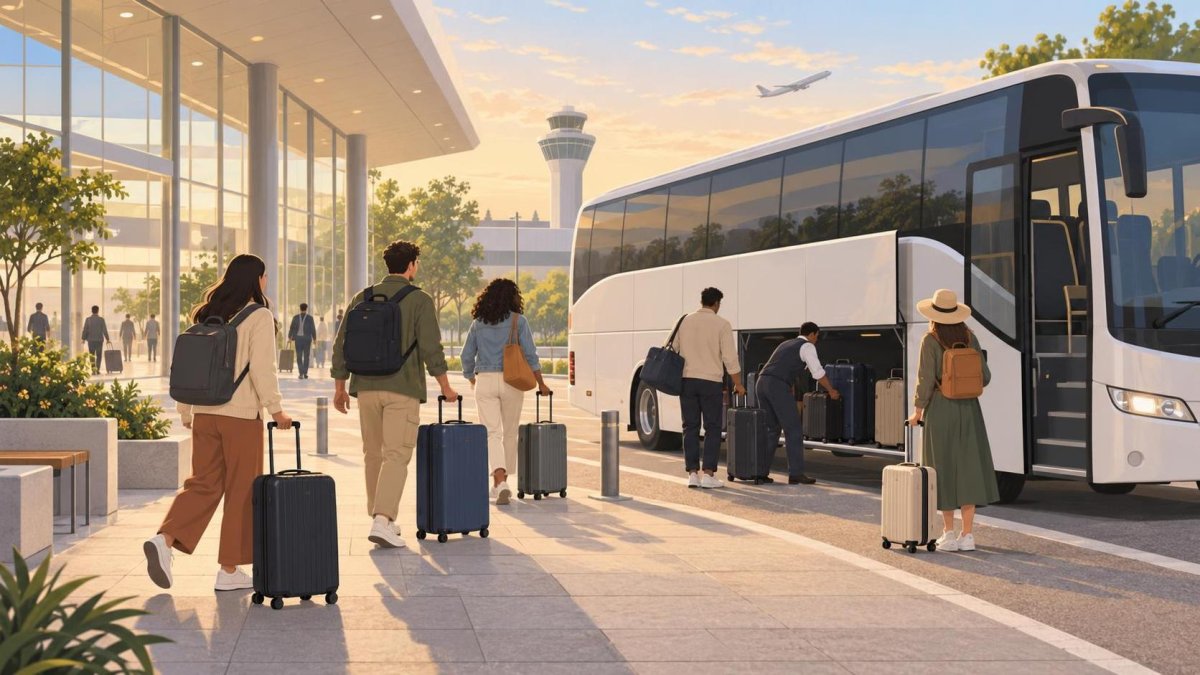
Arrival: Pre-book your airport transfer. Knowing a reputable car service or shuttle will be waiting for you eliminates the uncertainty of haggling for a taxi or navigating public transport after a long flight.
Accommodations
Where you stay is your sanctuary. For senior solo travelers, location and comfort matter most.
Location is Everything: Choose a hotel or apartment in a central, well-lit, and safe neighborhood. Use the map view during your search to ensure you're close to public transport and amenities.
Read the Reviews: Look for recent reviews from other solo travelers. Pay attention to comments about the safety of the area at night, noise levels, and the helpfulness of the staff.
Amenities that Matter: An elevator, 24-hour reception, and an in-room safe are non-negotiable for peace of mind.
Your Itinerary and the STEP Program
Sharing your plans is a critical safety measure. Provide a detailed copy of your itinerary—including flight numbers, hotel addresses, and contact numbers—to a trusted friend or family member. For U.S. citizens, enrolling in the free Smart Traveler Enrollment Program (STEP) is a wise move. This registers your trip with the nearest U.S. Embassy or Consulate, who can then contact you in an emergency. Enrolling also makes it easier for family to get in touch with you through the embassy in a true crisis.
With these age-specific details handled, you can broaden your preparation by exploring our ultimate guide, which is packed with dozens of universal applicable to adventurers of all ages.
Your Well-Being on the Road
Managing your health on the road is at the heart of a successful trip. This isn't just about packing pills; it's about a complete approach that ensures you can enjoy every day to the fullest. This is one of the most crucial areas for solo travel seniors tips.

The Pre-Travel Doctor's Visit & Smart Medication Management
Schedule a visit with your doctor 4-6 weeks before your departure.
Discuss your itinerary and any necessary vaccinations or preventative medications.
Obtain a letter from your doctor detailing any prescription medications you carry.
Pro-Tip: When getting a doctor's note for your prescriptions, also ask for the generic names of your medications. Brand names can vary dramatically between countries, and knowing the generic name can be a lifesaver if you need a refill abroad.
Always pack your medications in your carry-on bag in their original containers. Bring more than you need to cover any potential travel delays.
Acknowledging Your Limits
The "fear of missing out" can lead to over-scheduled days and total exhaustion.
The One Big Thing Rule: Plan just one major activity per day (e.g., a museum visit, a walking tour). Anything else you do is a bonus.
Schedule Downtime: Intentionally block out time in your itinerary for rest. An afternoon nap or a quiet hour with a book can make all the difference for your evening energy levels.
Listen to Your Body: If you wake up feeling tired, give yourself permission to have a slow morning. Flexibility is a solo travel superpower.
Leveraging Accessibility Services Everywhere
Asking for assistance is a sign of a smart, prepared traveler, not a weakness.
Airports: Don't hesitate to request wheelchair assistance when booking your flight. It can make navigating long terminals and security lines infinitely less stressful.
Attractions: Most major museums and tourist sites offer accessibility services, such as elevators, ramps, and sometimes even free admission for a companion. Check their websites in advance to know what's available.
A Practical Guide to Situational Awareness
Your best safety tool is your brain. Being aware and projecting confidence makes you a far less appealing target for opportunistic thieves and scammers.

Securing Your Valuables: A Three-Tiered System
The Crossbody Bag: A secure crossbody bag, worn in front of your body with a locking zipper, is your best friend for daily essentials. It keeps your hands free and your belongings in your line of sight.
The Money Belt (for transit days): On days you're moving between cities, a money belt worn under your clothes is the most secure place for your passport, extra credit cards, and the bulk of your cash.
The Hotel Safe: Upon arrival at your hotel, immediately lock your passport, extra cash, and any valuable electronics you don't need for the day in the room safe.
How to Avoid Looking Like an Easy Target
Walk with Purpose: Even when you're just exploring, walk as if you know where you're going. If you need to check a map, step into a shop or café rather than stopping in the middle of a busy sidewalk.
Dress Modestly: Research local customs and aim to dress like the locals. Avoid flashy jewelry or expensive-looking accessories that draw unnecessary attention.
Limit Phone Distraction: Keep your phone tucked away in crowded areas like subways or markets. Being engrossed in your screen makes you oblivious to your surroundings.
Your Oldest and Best Security System
Your intuition is a powerful, time-honed survival mechanism. If a person or a situation feels "off," it is. You don't need to justify it or worry about being rude. Remove yourself from the situation immediately. This is the most important of all safety-related solo travel seniors tips.
Pro-Tip: Learn a few key phrases in the local language, such as "Hello," "Thank you," and most importantly, "No, thank you." A firm "No, thank you" in their own language, delivered with direct eye contact, is a powerful and universally understood deterrent.
Four Low-Pressure Ways to Connect on the Road
Traveling solo doesn't have to mean traveling lonely. The beauty is choosing when and how you connect with others. Here are four easy strategies to meet people.

The Power of a Shared Interest
This is the ultimate hack for effortless socializing. Joining a small-group walking tour, a cooking class, or a wine tasting event instantly connects you with like-minded travelers. The shared activity provides a natural icebreaker, and conversations flow easily. You might just meet a dinner companion for the evening.
The Art of Dining Solo
Eating alone can be a joy, not a fear.
Sit at the Bar: The bar or chef's counter is a more casual setting and perfect for solo diners. You can often strike up a pleasant conversation with the bartender or your neighbors.
Bring a Prop: A book or a journal can be a comfortable companion. It signals you're content but still approachable.
Look for Communal Tables: Many modern restaurants and food halls feature large communal tables, which are an open invitation for conversation.
The "Bold Title Book" Technique
This clever tip comes from veteran solo travelers. Carry a book with an intriguing or bold title. When you're sitting in a park or café, it can be a fantastic conversation starter as curious people inquire about what you're reading.
The "Solo-Friendly" Group Tour
If you want the freedom of a solo trip with the security and social structure of a group, consider companies that specialize in small-group tours for mature travelers. Companies like Road Scholar or Overseas Adventure Travel offer fantastic itineraries that handle all the logistics and provide a built-in community of fellow travelers, often with options to avoid the dreaded single supplement fee.
Your Questions Answered
What is the best travel insurance for seniors?
Look for a comprehensive policy that has high limits for emergency medical coverage and, crucially, a waiver for pre-existing conditions. Companies like Allianz Travel Insurance, Travel Guard, and World Nomads are highly regarded, but always read the policy details carefully to ensure it meets your specific health needs. The best travel insurance for over 65 is one that provides total peace of mind.
How can I avoid the single supplement fee?
The single supplement is an extra charge for a solo traveler to compensate a hotel or tour operator for the loss of a second person's revenue. To avoid it, look for tour companies that either waive the fee or offer to match you with a roommate. Booking accommodations in guesthouses or apartments rather than traditional hotels can also eliminate this cost.
What are the best smartphone apps for a senior solo traveler?
Google Maps: Essential for navigation. Download offline maps of your destination before you leave.
Google Translate: Use the camera and conversation features to overcome language barriers.
WhatsApp: A free and easy way to stay in touch with family and friends back home using Wi-Fi.
TripIt: Organizes all your travel confirmations (flights, hotels, rental cars) into one master itinerary.
You’ve earned the wisdom and the time to see the world on your own terms. Now, with this guide, you also have the playbook for doing it with confidence. Armed with these solo travel seniors tips, you can move forward with the assurance that you are not just capable, but perfectly equipped for the adventure of a lifetime. The world is not just for the young; it's for the curious, the brave, and the young at heart. Go and claim your corner of it.
Read the full guide: Anxious to Adventurous: The Ultimate Guide to Solo Travel Confidence



Comments 0
No comments yet
Be the first to share your experience!
You May Also Like

Ultimate USA Holidays Guide: Top Picks


FTC Affiliate Disclosure: Stay Compliant as a Travel Creator

Essential Affiliate Tools: From Tracking to Full Optimization

Booking.com Affiliate Review: Pros, Cons & Earnings

Decoding Affiliate Commission Rates: Benchmarks for Travel Creators
