TrekGuider @trekguider
First Solo Trip Arrival Checklist: Get from Terminal to Accommodation

Your first solo trip can feel easier to manage when you know what to do immediately after you arrive. This checklist helps you build one written plan from the airport or station to your first accommodation. You will compare arrival and check-in times, check whether your transport option runs when you need it, and decide what to do if the planned connection is unavailable. Complete the details for your own destination before departure rather than treating any example route as confirmed.
Start with the arrival you actually booked
Write down the date and local arrival time shown on your booking, plus the full name of the airport or station and, if provided, your terminal. A city may have more than one arrival point. Use the one on your ticket when you look up onward travel, and check the details again if your booking changes. Keep your booking reference somewhere you can retrieve it without searching through old messages.
Next, separate the scheduled arrival from the time you expect to start the onward journey. You may need time to leave the vehicle, collect a bag or find the correct exit. Do not assume a connection is workable just because its departure time follows your scheduled arrival. Check the connection you intend to use and leave room in your plan to reach it.
Confirm where and when you can check in
Copy the accommodation's complete address from your reservation or a direct message from the property. Include the property name, street address, postal code if supplied, and any entrance or reception instructions you have actually received. Save the address as text as well as in your preferred map app so you can show or read it without relying on a search result.
Check your reservation for the check-in window and any instructions for arriving outside it. If your estimated arrival at the property is earlier or later, ask the accommodation what arrangement is available and wait for a clear answer. Record its contact method and the agreed procedure. A booking for the night does not, by itself, tell you how to enter at every hour.
Trace one complete route, not just a vehicle
Look up the journey from your specific arrival point to the accommodation address. Write each leg in order: where to board, where to get off, any transfer, and how you will cover the final distance to the entrance. Check directions against current information from the relevant transport operator and your accommodation. If you cannot identify a transfer or final stop confidently, mark it as a question to resolve before leaving.
Record the service name or number, the boarding location and the stop you need. Note how you will recognize the point where you should change vehicles or start walking. If you are still deciding what bag to take, use this route to assess stairs, transfers and the final walk; the backpack or rolling bag route checklist focuses on that separate choice.
Test the timing from arrival to check-in
Check the operator's schedule for your travel date and expected boarding time, including the last usable departure if you arrive late. Check each transfer separately. Compare that plan with the accommodation's check-in arrangements and record both the transport information and when you checked it. General itinerary advice recommends checking connections and allowing slack, but it cannot confirm a local service for your trip.
Work backward from the time you need to reach the property. Add the scheduled travel time, transfer waits, time to leave the airport or station, and a reasonable margin for uncertainty. If the result depends on catching one narrow connection, treat that as a fragile plan and find another option. Recheck schedules near departure, since your saved notes describe what you found on a particular day.
Choose a backup you could actually use
Pick an alternative for a missed connection, a late arrival or an unclear transfer. It might be a different scheduled route or another transport option available at your arrival point. For that option, record where to find it, how to check its current availability and how you would reach the same accommodation address. Do not label it a backup until you have checked that it could work at the relevant time.
Set a simple decision point: if your planned service has departed when you reach the boarding area, use your backup instructions rather than improvising from memory. If neither option is confirmed for a late arrival, contact the accommodation and resolve the gap before travel. For the broader decisions around booking your first night, return to the first solo trip planning guide; this checklist handles the journey to its door.
Save a plan you can use on arrival
Put the essential details in one note: arrival point and time, accommodation address and contact, check-in instructions, main route, transfer points, last usable connection and backup. Save a copy that you can access without a live connection. A general travel checklist recommends keeping a copy of your itinerary and preparing map and transit apps before you go.
Before you depart, try reading your note as if you have just arrived with your bags. Can you find the first boarding point, the stop where you leave the service and the accommodation entrance? Can you tell when to switch to the backup? Fill any gap with current information from the operator or property. The finished plan need not predict every delay; it should give you a clear next step when you reach the terminal.




Comments 0
No comments yet
Be the first to share your experience!
You May Also Like
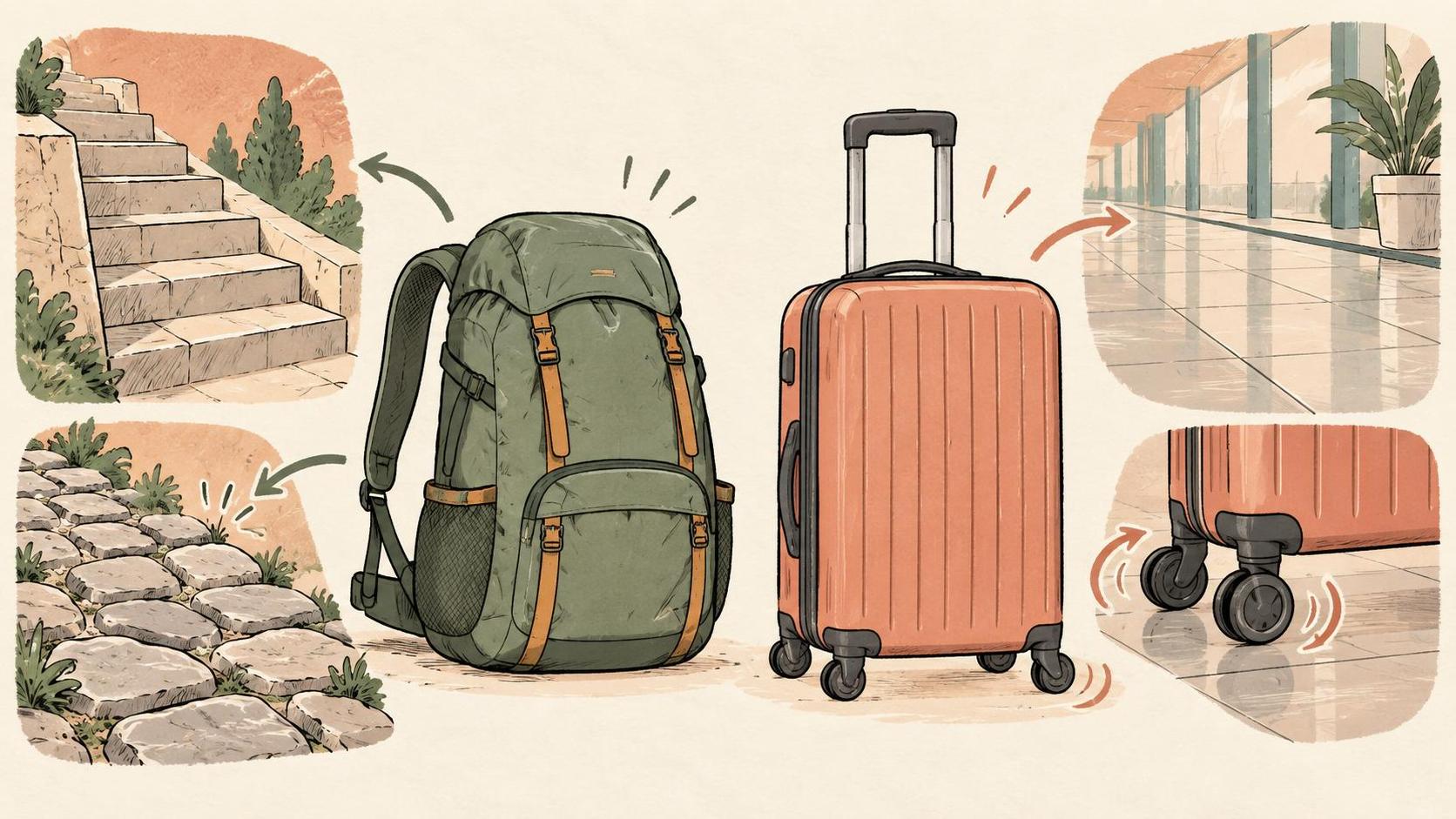
Backpack or Rolling Bag? A Solo Traveler's Route Checklist

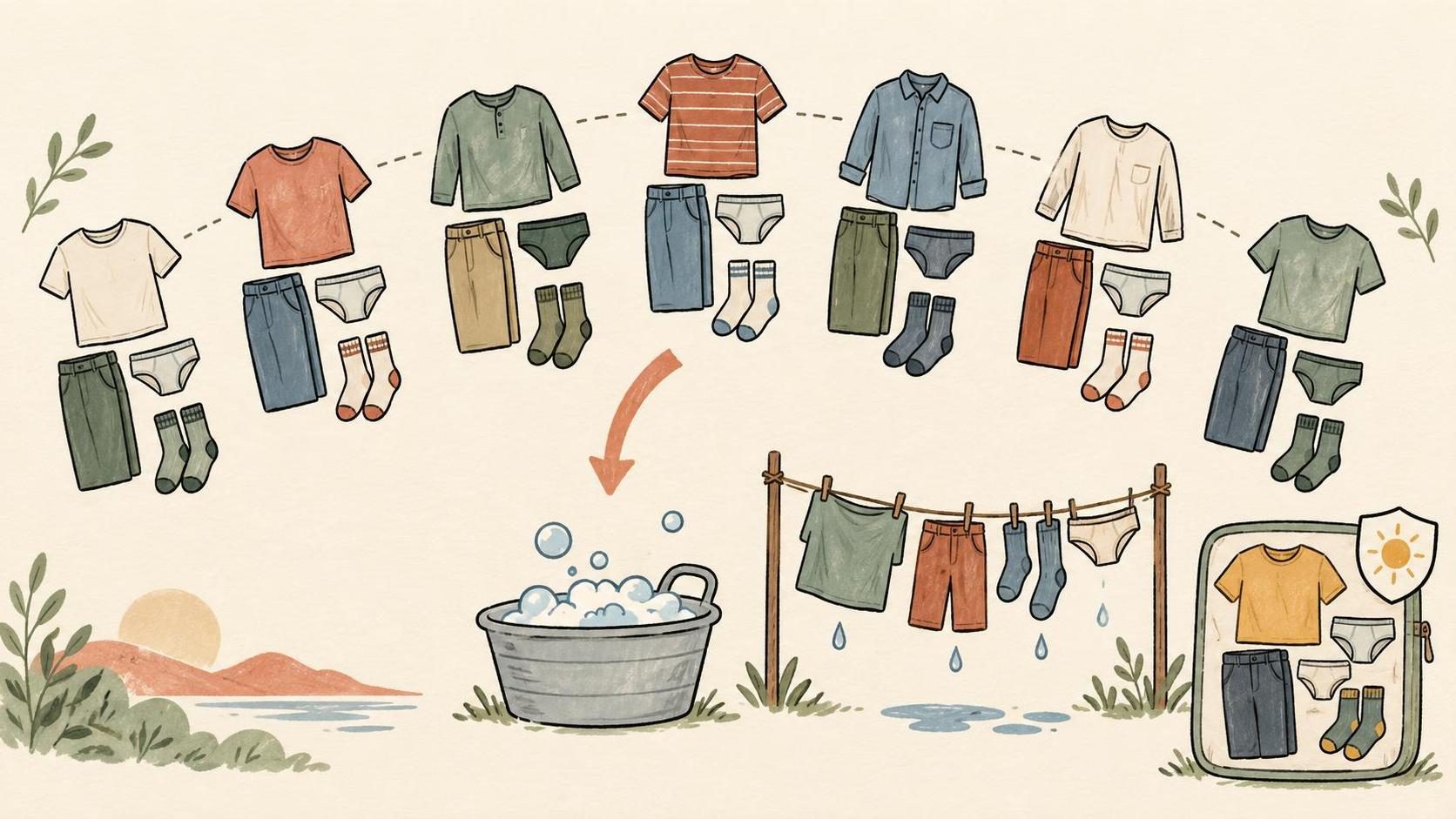
A Seven-Day Carry-On Laundry Plan for Solo Travelers

Alaska Airlines Set to Launch First Seattle-London Heathrow Nonstop May 21

Royal Jordanian Begins First Nonstop Service Between Dallas-Fort Worth and Amman

WestJet Launches First Halifax-Lisbon Nonstop With Boeing 737 MAX 8 Service