

About
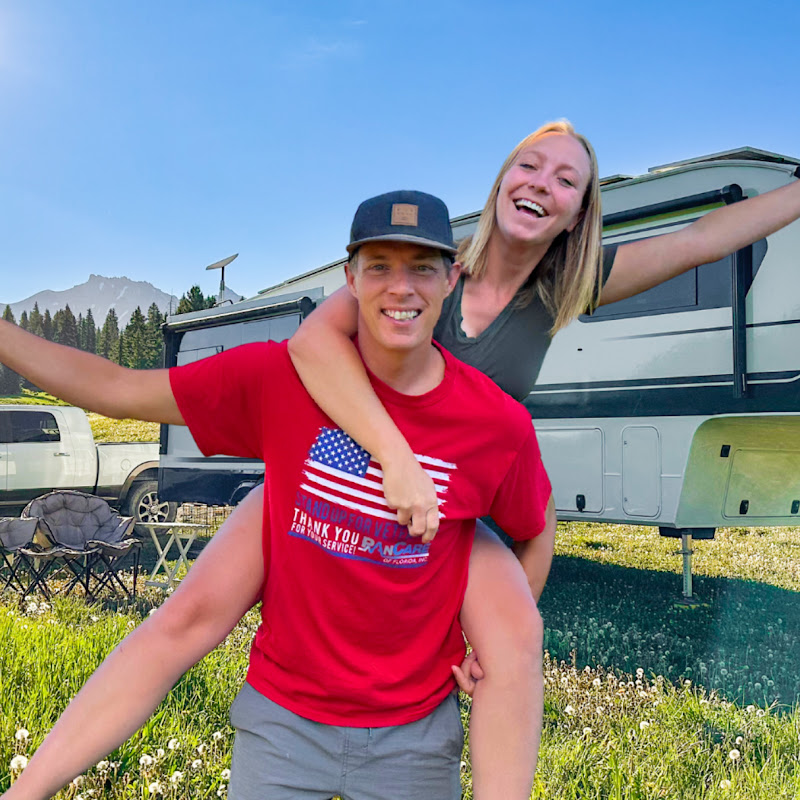
On the surface, Will and Ben Carter of the popular YouTube channel "Wild RV Life" represent the ultimate modern dream: a young family trading conventional life for the open road. Broadcasting from their high-end motorhome, they project an image of aspirational freedom. Yet, behind the polished vlogs lies a more complex story of strategic evolution, business skill, and public controversy. An examination of their trajectory reveals a calculated pivot from relatable, budget-conscious hobbyists to a professional media entity navigating the lucrative, and often fraught, world of full-time content creation.
Wild RV Life: History and Growth
The story of Wild RV Life begins with two highly skilled professionals. Wilhelmina "Will" Carter, born January 15, 1988, in Sacramento, California, is half Japanese and half Caucasian. She holds a B.A. in Graphic Design from UCLA and, prior to launching the channel, was a senior designer at a San Francisco tech firm, specializing in branding and digital asset creation. Her husband, Benjamin "Ben" Carter, born March 2, 1987, in Boulder, Colorado, earned a B.S. in Mechanical Engineering from the University of Colorado Boulder and worked as a project manager for a commercial construction company.
In October 2018, the couple sold their home, purchased a used 2012 Tiffin Allegro motorhome, and launched their YouTube channel. Their initial content resonated with a core audience seeking an escape from the nine-to-five. The early videos were characterized by a focus on budget travel, practical DIY modifications to their older RV, and the candid challenges of adapting to a nomadic lifestyle. This grounded approach built a loyal following drawn to their perceived authenticity.
Wild RV Life Content and Style
A significant strategic shift occurred around mid-2020. The Carters upgraded their rig to a new 2021 Newmar Dutch Star, a luxury Class A motorhome with a price tag far exceeding that of their original Tiffin Allegro. This acquisition marked a sharp pivot in their content strategy. The focus on budget-friendly travel was replaced with showcases of high-end RV parks, expensive gadgets, and a more "aspirational" tone. This evolution was a double-edged sword; while it alienated a portion of their original audience who felt the channel had lost its relatability, it successfully attracted a new, more affluent demographic highly prized by sponsors. More recently, following the birth of their son Leo in June 2023, their content has again adapted, now blending luxury travel with the realities of managing life on the road with two young daughters and an infant.
How Wild RV Life Makes Money
The Carters operate under a formal business structure, WRL Media LLC, which is registered in South Dakota. This choice of state is a common and strategic one for full-time RVers, offering significant tax and domicile advantages. Their monetization strategy is multi-pronged, relying on a combination of YouTube AdSense, affiliate marketing, and direct brand sponsorships. The Amazon Associates program has been identified as a particularly significant source of their affiliate revenue.
Their move into the luxury market segment attracted premium sponsors, including formal partnerships with Battle Born Batteries, campground network Harvest Hosts, and RV parts manufacturer Lippert Components. Beyond sponsorships, the Carters have diversified their income streams by launching a line of branded apparel featuring t-shirts and hats, and by authoring a digital product, an eBook titled "Full-Time Freedom: Our First Year on the Road."
Wild RV Life Collaborations
While the research does not indicate extensive collaborations with other content creators, the Carters' network is primarily built on their commercial partnerships. Their relationships with major industry players like Lippert and Battle Born Batteries position them as key marketing figures within the RV space, using their platform to influence consumer purchasing decisions on a large scale.
Wild RV Life: Public Reception and Controversies
The channel's growth has not been without conflict. In 2019, the Carters faced their first significant backlash over a video detailing a method to maximize stays within the Thousand Trails campground system for an exceptionally low cost. Critics, including one prominent RV forum user who accused them of "gaming the system," argued they were promoting an exploit that violated the spirit of the membership program. While a direct link cannot be proven, the controversy's timing is notable: in 2020, Thousand Trails officially amended its "park-to-park" reservation rules, effectively closing the loophole the Carters had publicized.
A second controversy erupted in 2021 regarding transparency in their brand deals. The couple was accused of failing to clearly disclose a paid partnership with Lippert Components in a video reviewing a new leveling system. Following public criticism, the Carters took corrective action by adding a "#ad" disclaimer to the video description and pinning a comment that clarified the commercial relationship, stating the initial omission was an oversight. These incidents, combined with the general criticism from some viewers that their luxury pivot made them "out of touch," highlight the persistent tension between authenticity and commerce in the influencer space.
Wild RV Life: Philanthropy
Despite the controversies, the Carters have used their platform for charitable work. They run an annual "Gear for Good" charity drive in partnership with The National Park Foundation. Through this initiative, they commit to donating one complete set of camping gear — defined as a tent, sleeping bags, and a cooler — for every 10,000 new subscribers their channel gains during the fourth quarter of the year.
Wild RV Life Today
Today, Will and Ben Carter continue to live full-time in their Newmar Dutch Star, now as a family of five. Their journey from a San Francisco tech couple to the proprietors of a polished and profitable media business captures the modern influencer lifecycle. Wild RV Life stands as a study in audience development, strategic market repositioning, and the inevitable challenges that arise when a personal journey becomes a public brand.