

About
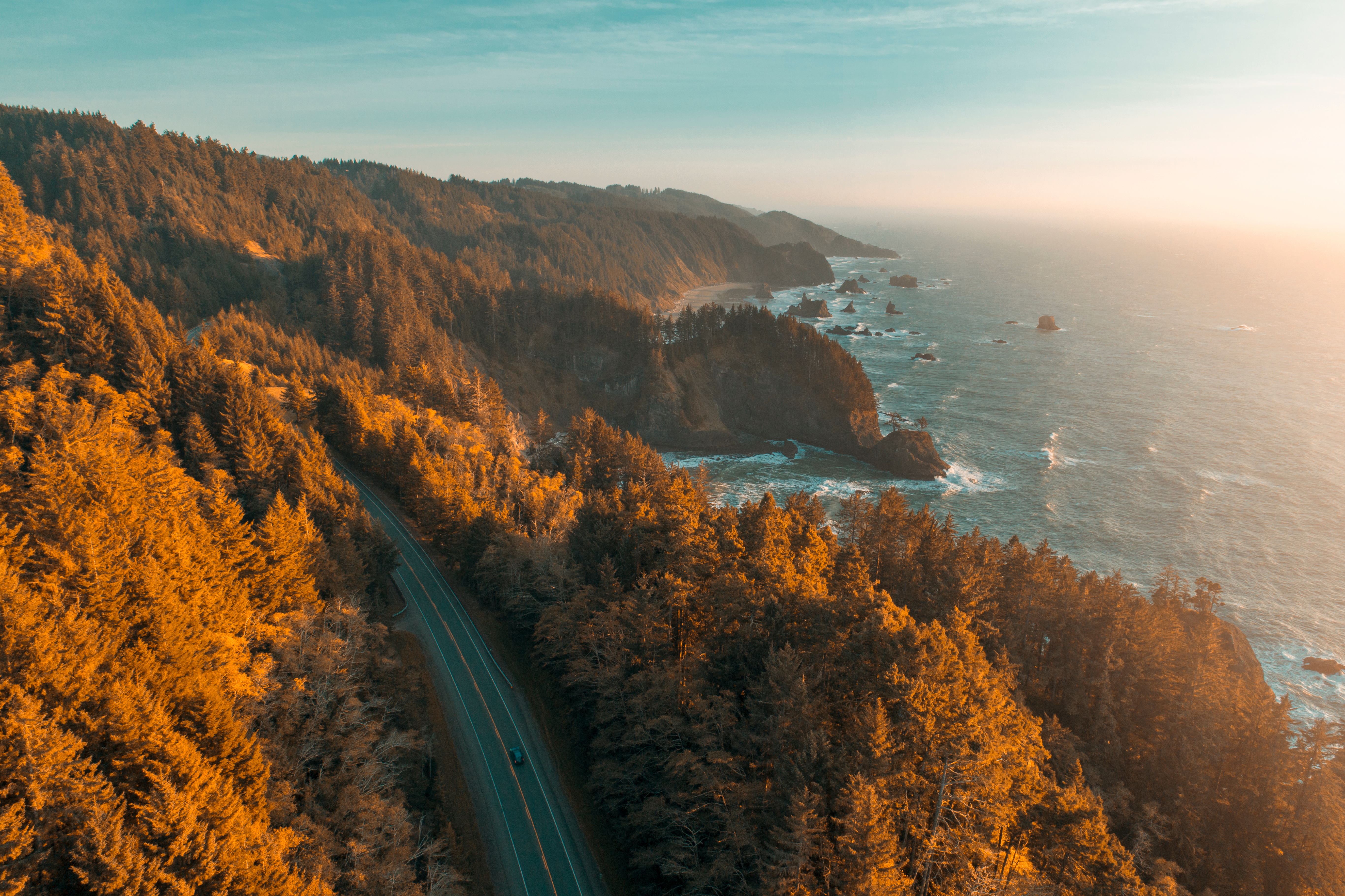
With over 500,000 subscribers and more than 100 million views, the YouTube channel "Travel Droner" has established itself as a silent powerhouse in the online video landscape. Operating under the simple but effective tagline, "Earth from a Different Perspective," the anonymous creator provides a steady stream of pristine 4K drone footage from across the globe. The content—devoid of narration and set only to ambient sound or licensed music—serves a dual audience of travel planners and drone hobbyists, while also finding a significant niche as "digital wallpaper" for screens in homes and businesses. Yet, behind the stunning aerial cinematography lies a persistent and troubling question, one that pits the channel's meteoric success against a backdrop of potential and repeated regulatory violations.
Travel Droner: History and Growth
The Travel Droner channel was officially created on YouTube on October 21, 2021. Its growth was swift, fueled by a high-volume production model and an unwavering adherence to a minimalist formula. Videos are consistently between five and ten minutes long, showcasing cities, famous landmarks, and sweeping natural landscapes with a technical proficiency that suggests high-end equipment. This simple, repeatable format allowed the channel to quickly build a massive content library, catering to viewers seeking passive, visually rich experiences.
Travel Droner: The Anonymous Operator
The identity of the individual or team behind Travel Droner remains a closely guarded secret. Research into corporate registries for entities like "Travel Droner LLC" has yielded no results, indicating the channel likely operates as a sole proprietorship or under an unlinked corporate name. While common for solo creators, this lack of transparency is flagged in research files as a minor impediment to accountability. The channel's anonymity has also created some market confusion; it is critical to distinguish "Travel Droner" from "@TheDroneTraveler," a smaller, unrelated Instagram account that specializes in First-Person View (FPV) drone racing content. The two entities are distinct and have no known affiliation.
Travel Droner's Content and Revenue
Travel Droner's primary product is its YouTube content, which it monetizes through several distinct channels. The most direct is standard YouTube AdSense revenue generated from its high view count. Beyond the platform, the channel operates a dedicated portal on its website for licensing its footage, targeting filmmakers, advertisers, and other content creators. A third revenue stream comes from affiliate marketing, with links promoting drone equipment from major brands like DJI and Autel, capitalizing on its audience of aspiring and active drone enthusiasts.
How Travel Droner Operates
The operational approach of Travel Droner is, by necessity, opaque. The creator travels to numerous international and domestic locations to capture the footage that forms the basis of the channel. However, the core of the channel's controversy stems from the "how" of its operations—specifically, its process for obtaining or, as critics allege, failing to obtain, the necessary legal permits to fly in highly regulated airspace. The channel has never publicly disclosed its compliance procedures, leaving its methods entirely to speculation.
Travel Droner's Audience and Impact
The channel's key performance indicators are impressive, but a deeper look reveals a unique consumption pattern. The comment-to-view ratio is unusually low for a channel of its size. This is not necessarily a negative metric; rather, it suggests that a significant portion of the audience uses the content as a passive, ambient background experience rather than a piece of media for active engagement. This viewing behavior supports the "digital wallpaper" theory and helps explain how the channel can accumulate such a high view count without a corresponding level of community interaction.
Travel Droner: Public Reception and Regulatory Controversy
The primary controversy surrounding Travel Droner is the persistent allegation that it flouts local and national drone regulations. This criticism originates largely from the professional drone pilot community, where the channel is often derisively referred to as a "cowboy operator." These licensed pilots argue that high-profile channels that ignore regulations not only create safety risks but also provoke authorities into enacting stricter, more sweeping restrictions that harm compliant operators.
Two examples are frequently cited. A video titled "Paris From the Clouds" features extensive footage near the Eiffel Tower, an area where drone operation is severely restricted and requires special, difficult-to-obtain permits. Public records show no such permit granted to an entity identifiable as Travel Droner. A second, more clear-cut case involves footage from Yellowstone National Park. The U.S. National Park Service (NPS) instituted a complete ban on recreational drone use within park boundaries in 2014. Filming there, as the channel did, appears to be a direct violation of federal regulations.
The channel's response to these serious allegations has been one of total silence. It has never issued a public statement addressing the criticism. Its only observable action has been to quietly remove certain videos, often weeks or months after they have been targeted by critics for potential violations, without any accompanying explanation.
Travel Droner Today
Travel Droner continues to grow, its library of serene landscapes expanding weekly. Its success demonstrates a powerful market demand for high-quality, anonymous aerial content. However, the channel's trajectory is shadowed by a significant reputational risk. The unanswered questions regarding its legal compliance in sensitive locations like Paris and Yellowstone remain a point of contention and a potential liability. For now, Travel Droner exists as a paradox: a celebrated visual artist and a high-profile "cowboy operator," whose stunning perspectives of Earth may be coming at a legal and ethical cost.