

About
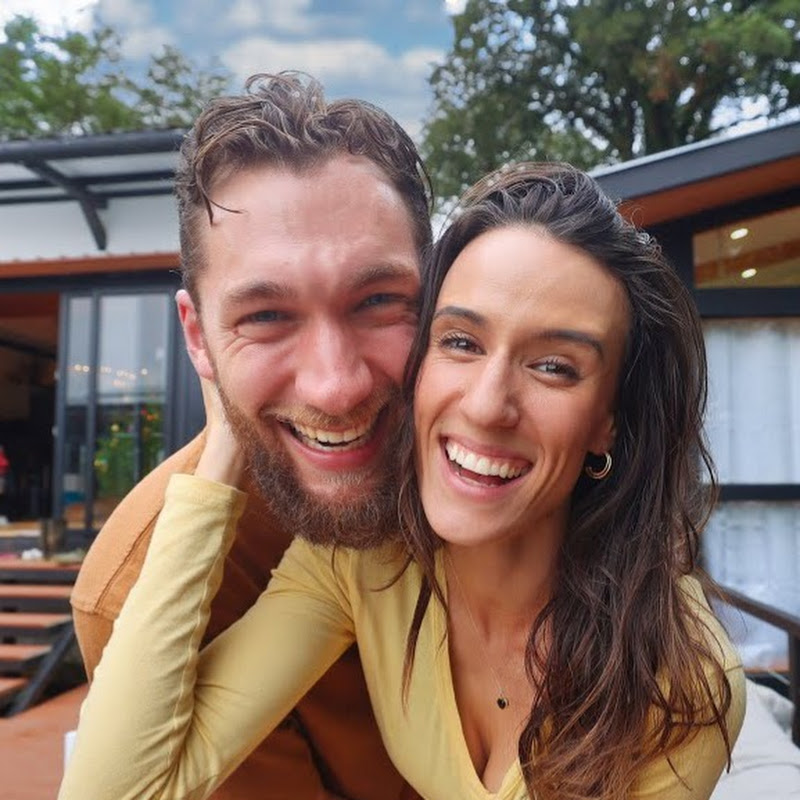
Jordan Saglio and Kaylee Dubeau, the creators behind the YouTube channel The Nomadic Movement, have built their brand on a paradox. While their name suggests perpetual motion, their greatest success has been achieved by strategically anchoring themselves in two distinct worlds nearly 3,000 miles apart. In the highlands of Boquete, Panama, they document a life of off-grid homesteading. Simultaneously, in the mountains of Stowe, Vermont, they operate a coffee roastery and e-commerce business. This is not the familiar story of travel vloggers settling down. It is a deliberate evolution from monetizing a journey to engineering a durable, vertically integrated company. Saglio and Dubeau have pioneered a model of geographic arbitrage, leveraging their aspirational lifestyle in one country to fuel a high-margin, product-based business in another, transforming the definition of "movement" from physical travel to the flow of goods and influence.
The Nomadic Movement: Origins and Growth
The channel launched on June 6, 2017, placing Saglio and Dubeau squarely within the growing "van life" movement. Their initial content chronicled their departure from corporate life, the painstaking conversion of a short school bus—a "skoolie"—into a mobile home, and their subsequent travels across the United States. Jordan Saglio, whose father is a commercial photographer and whose brother performs multimedia work for Harvard University, took on the roles of primary videographer and editor, citing established creators like Casey Neistat and Peter McKinnon as key inspirations.
From 2018 to 2020, their journey expanded internationally, taking them through Mexico, Panama, Alaska, and parts of Europe. This era was defined by a major collaboration with fellow travel creators Trent & Allie. The joint multi-episode series, titled "Don't Stop Belizen," documented their shared travels through Central America and served as a powerful engine for audience growth, cross-pollinating their respective subscriber bases. The channel's narrative arc mirrored their physical journey, building a dedicated following drawn to the promise of freedom and DIY ingenuity.
The Nomadic Movement Content Evolution
The year 2020 marked a fundamental pivot. Moving beyond constant travel, the couple purchased land in Boquete, Panama, and began a new chapter focused on off-grid homesteading. This transition provided a fresh, long-term narrative for their content, which evolved to document the construction of a tiny house and, later, a larger "dream home." Concurrent with this shift, the channel began to weave in a powerful new storyline: entrepreneurship. Their life in Panama, surrounded by world-class coffee farms, became the authentic backdrop for the launch of their own business. The content loop was established: vlogs documenting their personal life in Central America—including the birth of their daughter, Sadie, and their wedding—now served as the organic marketing for their growing commercial venture.
How The Nomadic Movement Makes Money
The Nomadic Movement's financial success is built on a multi-layered monetization strategy that has transitioned from standard creator revenue streams to a vertically integrated business model. While they continue to leverage integrated sponsorships from brands like Surfshark VPN, Equip Foods, Jackery power stations, Helix Sleep mattresses, and Seed probiotics, their primary focus has shifted to their own proprietary brands.
The cornerstone of this business is Movement Coffee Roasters, a company founded in 2020. Its start was humble; originally named 'The Morning Movement' as a self-described "bathroom joke," its first batch of coffee sold out in less than 78 minutes, revealing an immense product-market fit with their established audience. This immediate success prompted a strategic rebranding to the more professional 'Movement Coffee Roasters' and a significant investment in physical infrastructure. The company is based not in Panama, but at 1815 Pucker St Unit 4, Stowe, VT 05672, a location that lends their brand an air of artisanal American quality. Its physical address and U.S. phone number—(802) 232-2647—confirm its operational presence.
This dual-location setup is a strong example of geographic arbitrage. They create authentic, coffee-adjacent content in the low-cost-of-living environment of Panama and sell premium products into the high-value U.S. market from Vermont. The product line, sold via movementcoffee.com, includes specialty coffees like Elida Geisha, a selection of teas, branded merchandise, and resold brewing equipment from brands like Hario and Timemore. This direct-to-consumer model is bolstered by a recurring subscription service, a wholesale program for B2B sales, a digital video-editing course, and exclusive, in-person coffee tasting workshops hosted at their Stowe facility.
The Nomadic Movement's Collaborations
Strategic relationships have been crucial to the channel's growth. The "Don't Stop Belizen" collaboration with Trent & Allie was a significant milestone, though it also provided a public lesson in the complexities of creator partnerships. Following the series, a segment of their shared audience on Reddit perceived a "falling out," citing digital evidence such as the couples removing each other from their featured channel lists and The Nomadic Movement unfollowing Trent & Allie on Instagram. Fan speculation centered on the near-simultaneous release of competing digital cookbooks as a potential source of friction. However, comments dated two years later noted that the couples had since filmed a meet-up video, suggesting a reconciliation had occurred and a positive public relationship had been restored.
Beyond this key collaboration, their network includes several other creators listed as "friends" on their YouTube page, including Bricks of Happiness and Nate Murphy, as well as Kaylee's own personal channel, Kaylee Marie. Their content has also featured collaborations with local Panamanian creators like Rodrigo, who uses the handle @Dajungleboy.
The Nomadic Movement: Public Reception
The channel has largely avoided major public controversies. The perceived rift with Trent & Allie stands as the most significant instance of audience-driven drama, but its eventual resolution points to a mature handling of professional relationships within the creator community. The overwhelmingly positive reception of their commercial ventures, demonstrated by the rapid sell-out of their initial product launch, indicates a strong and supportive community that has embraced their transition from full-time travelers to business owners. Their personal milestones, including a wedding video and content documenting their postpartum experiences in Panama, are consistently presented as integral parts of their brand narrative, further deepening their connection with their audience.
The Nomadic Movement Today
Jordan Saglio and Kaylee Dubeau have successfully navigated three distinct phases of the creator lifecycle: Nomads, Homesteaders, and Brand Builders. What began as the physical journey of a bus has transformed into a bi-national family and a bi-national business, offering a compelling blueprint for how to build a resilient and profitable enterprise that extends far beyond the confines of a YouTube channel.