


About
On the surface, “Tanzania Wildcats” is a YouTube channel with 54,500 subscribers, showcasing the stunning wildlife and landscapes of East Africa. A deeper investigation, however, reveals it is the digital marketing arm of a well-organized, transnational tour company operating in one of the most competitive online markets in the global travel industry. The entity, officially operating from Arusha, Tanzania, is helmed by local guide Amos Jacob Tlaysa and supported by a US-based director, Carolyn Anderson. Its story is not one of viral fame, but of strategic survival in a digital network crowded with similarly named competitors, where establishing a unique brand identity is a strong challenge. The critical link, a verbatim textual match between the channel’s description and the company’s website, serves as the definitive key to unlocking its true operational structure.
Tanzania Wildcats: History and Growth
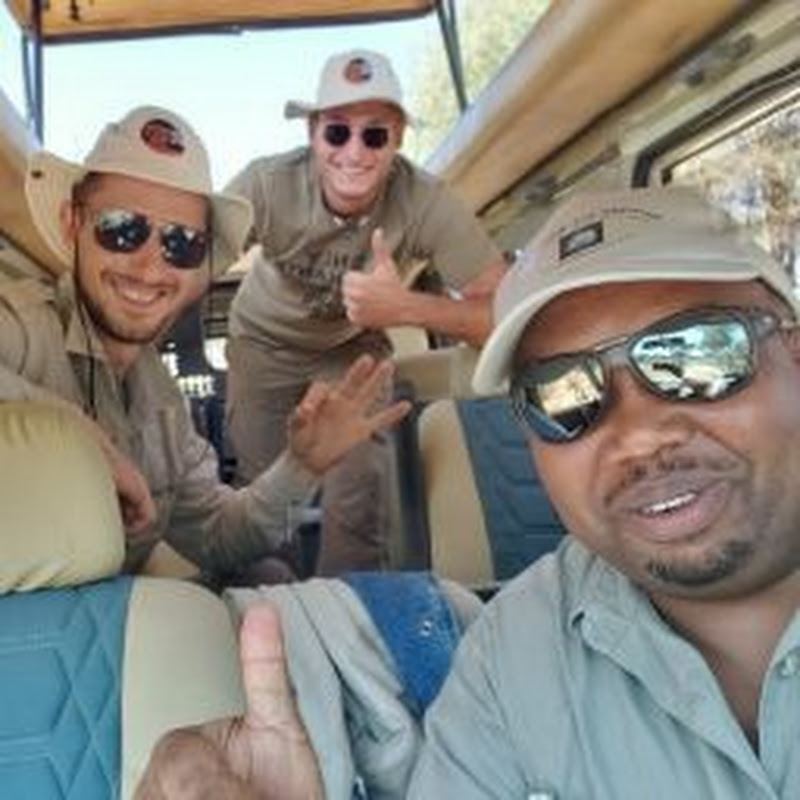
The public-facing digital history of Tanzania Wild Cats began on May 28, 2018, with the creation of its YouTube channel. This platform serves as the primary content hub for a business physically rooted in Arusha, Northern Tanzania, a strategic gateway to the country’s most famous natural attractions like the Serengeti, Ngorongoro Crater, and Mount Kilimanjaro. The company’s growth model is built on leveraging this prime location, utilizing a team of guides described as “local Tanzanians, skilled, knowledgeable about the nature and people.” These guides are college-trained in wildlife and mountaineering and are fluent in English and Swahili, with some also speaking Italian, catering to a diverse international clientele.
Tanzania Wildcats: Content and Style
The channel’s content is unapologetically commercial, designed to function as a promotional portfolio for the safari business. Its 80 videos have amassed over 29.4 million views by showcasing the core experiences it sells, a strategy reinforced by its channel tags: ‘Tanzania’, ‘Safari’, ‘Kilimanjaro’, and ‘Wildlife’. The videos are visual advertisements for the company’s tours. While much of the content focuses on traditional wildlife footage, analysis points to a significant audience appetite for more unique cultural content. One video, titled “Hadzabe Tribe | Catching and Eating Wild Cats,” reportedly garnered 2.7 million views before it became unavailable, suggesting that authentic depictions of indigenous community experiences are a powerful driver of engagement, potentially exceeding the performance of more conventional safari clips.
How Tanzania Wildcats Makes Money
Tanzania Wild Cats is far more than a YouTube channel; it is a carefully structured tour operation with a global reach. The company’s central commercial platform is the website tanzaniawildcats.com, which serves as the direct booking portal. Its monetization strategy is built on a tiered service model designed to capture a wide spectrum of the market, with sample prices ranging from a “3 Days Budget Safaris” package at US$1,389 to a comprehensive “12 Days Kilimanjaro Machame Route & Wildlife Safari” for US$6,998. These packages are divided into Budget (camping), Mid-Range (lodges), and Luxury tiers.
The business architecture is distinctly transnational. While the on-the-ground operations are managed by Amos Jacob Tlaysa, listed as the “(Tanzania) Exclusive Guide,” the corporate structure includes Mrs. Carolyn Anderson, a director based in Marietta, Georgia, USA. This suggests a formal US legal or representative presence. Further evidence of its international focus is a network of representatives, described as “offices,” in countries including Romania, Brazil, the UK, Portugal, Italy, and the Netherlands. This network of agents likely serves as a primary driver for client acquisition from key international markets.
The company’s digital footprint has been actively managed. While its YouTube and website remain central, its Instagram profile, @tanzaniawildcats_safaris, is maintained under the operator’s own name, “Tlaysa Amos Jacob.” In contrast, previously linked assets on Facebook and Twitter are now inaccessible, indicating a strategic consolidation of efforts onto visually-driven platforms better suited for tourism marketing.
Tanzania Wildcats's Collaborations
The research dossier contains no verifiable information regarding specific collaborations between Tanzania Wild Cats and other content creators, brands, or industry organizations.
Tanzania Wildcats: Public Reception
No public controversies or legal disputes involving Tanzania Wild Cats were found in the research. However, the dossier reveals a significant operational challenge that defines its public identity: navigating a saturated digital marketplace characterized by extreme brand-name overlap. The company’s very existence is obscured by a fog of commercial homonyms, a result of keyword-based marketing strategies common in the region.
A detailed disambiguation effort was required to isolate Tanzania Wild Cats from its competitors: * African Wildcats Expeditions (africanwildcats.com) is a separate Arusha-based company distinguished by its unique operational model involving “Masai guides and supported by Dutch veterinarians.” * Wild Cats Safaris (wildcatssafaris.co.tz) is another distinct Arusha entity, operating from a different address on Sakina Street and led by a CEO named Aleesha Brown. * African Wildcats Adventure Safaris (wildcatssafaris.com) is the most easily differentiated, being an explicitly Kenyan-owned company focused on ecotourism within Kenya, with staff drawn from that nation’s language groups. * Serengeti Big Cats Safaris Ltd (serengeti-big-cats-safaris.com) is a legally distinct entity founded in 2004, using different branding (“Big Cats”) and contact information.
This crowded field illustrates that the company’s primary public relations battle is not against negative press, but for basic brand visibility and recognition.
Tanzania Wildcats: Philanthropy
The provided research material contains no records of philanthropic activities or community initiatives undertaken by Tanzania Wild Cats or its operators.
Tanzania Wildcats Today
Tanzania Wild Cats stands as a example of modern digital marketing for the tourism sector. It is a local Tanzanian enterprise, led by the experienced guide Amos Jacob Tlaysa, that has successfully adopted a global business structure, complete with a US-based director and an international agent network. Its YouTube channel is not a creator project but a calculated marketing tool, effectively leveraging the visual appeal of safaris to attract a global audience. The company’s current trajectory is defined by its ability to project a clear and distinct brand identity through the digital noise created by numerous competitors using similar keywords, a challenge it navigates through a focused content strategy on platforms like YouTube and Instagram.