




About
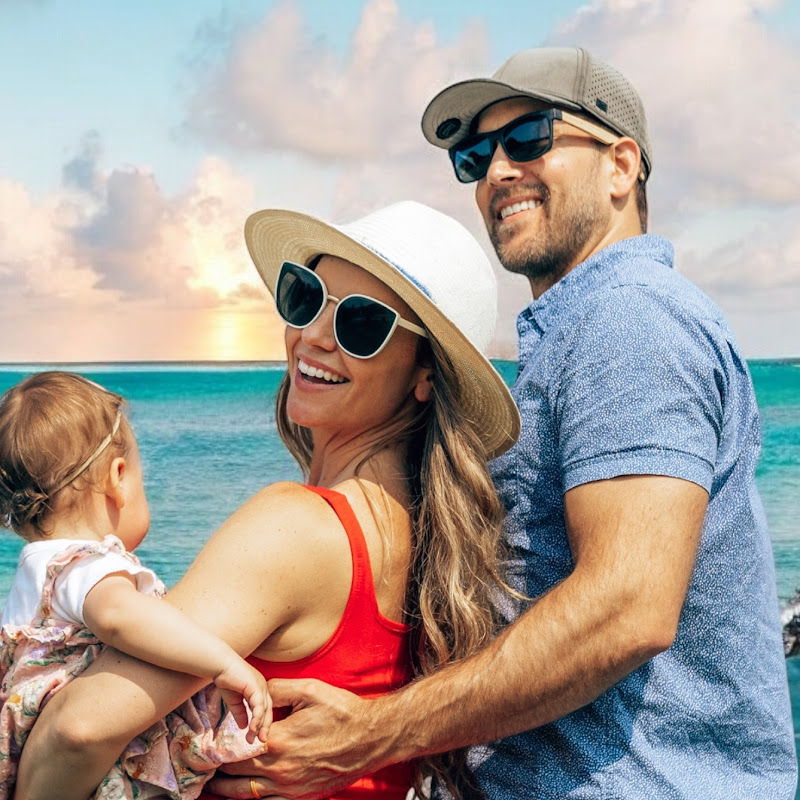
The digital brand Roamaroo exists as a carefully curated diptych. In one frame, husband-and-wife duo Scott and Collette Stohler pilot a drone over a Fijian reef, review first-class airline suites, and navigate European life with their two young children. It is the polished, aspirational travel media empire they built after famously quitting their corporate jobs in 2015. In the other, more recent frame, they stand in what appears to be a typical American home, delivering pointed TikTok monologues criticizing the nation’s lack of paid family leave and affordable childcare. This contrast defines the modern Roamaroo: a highly successful commercial enterprise now venturing into the treacherous terrain of social advocacy, sparking a debate that cuts to the core of influencer authenticity. An examination of their journey from corporate climbers to global nomads to parent-advocates reveals a story of strategic evolution, well-organized business acumen, and the inherent contradictions of leveraging a life of privilege to critique systemic inequity.
Roamaroo: History and Growth
The Roamaroo origin story is a foundational text in the “quit your job to travel” canon. In June 2015, Scott Stohler, a chemical engineer from Pendleton, Indiana, with a degree from Purdue University and a resume of Fortune 100 companies, and Collette Stohler, a television writer and producer from Mountain Lakes, New Jersey, made their leap. The couple, who first met in Las Vegas and had lived in Hermosa Beach, California for over a decade, were catalyzed by a podcast featuring Tim Ferriss and Rolf Potts. Adopting the mantra that “time is our only true currency,” they shed their former lives—donating numerous bags of belongings to Goodwill—to “redefine the American Dream.”
Collette brought a strong background to the venture. A University of Pennsylvania alumna and three-time Division 1 All-American athlete in track and field, her competitive drive extended well beyond college. She qualified for the Olympic Trials in Olympic Weightlifting and competed in CrossFit for CrossFit South Bay, as did Scott, who competed in a 2013 Regional competition. Her professional experience in advertising production and television writing provided the production skills that would become the company’s bedrock. She has also written publicly about overcoming a nearly decade-long eating disorder, citing travel as a key factor in her recovery.
The brand’s history is best understood in three distinct acts. The first, from 2015 to 2019, established Roamaroo as an award-winning “couples’ travel blog.” Content focused on romantic and adventurous international travel to destinations like Iceland, Japan, and Italy, cementing their reputation in the luxury travel sphere.
The second act was a direct response to the COVID-19 pandemic. In May 2020, with international travel impossible, they executed a strategic pivot, purchasing a 22-foot Airstream Bambi trailer to live and travel in full-time. Their content shifted to U.S. national parks and the aesthetics of RV life, deftly adapting to a new market reality.
The third and current act began with the expansion of their family. The birth of their daughter, Scotland, around late 2021 or early 2022, triggered a complete rebranding. They became “family travel journalists,” their titles officially updated. This new phase culminated in a move to France in late 2024, a journey that became a central narrative on their podcast. The expatriate chapter, however, was short-lived. By January 2025, they revealed on their podcast that they had moved back to the United States after learning “tough life lessons.” The birth of their second child was announced in a podcast episode released in mid-2025, further solidifying their identity as a family-focused brand.
Roamaroo: Content and Style
Roamaroo’s content has mirrored its three-act history with disciplined precision. Initially, their YouTube channel, created on May 19, 2015, and other platforms were populated with high-production-value videos emphasizing luxury experiences and romantic adventure. This polished style attracted features in publications like Martha Stewart Weddings and established their visual brand identity.
The Airstream era brought a grittier, more domestic feel to their content. The focus shifted from international resorts to the landscapes of American national parks, aligning with a pandemic-era boom in domestic travel. This period demonstrated their adaptability, maintaining a high-quality aesthetic while changing the subject matter entirely.
The current phase is the most complex. While still producing travel guides, their content now grapples with the practicalities of traveling with children. Their most significant stylistic shift, however, has occurred on TikTok. The short-form video platform has become their venue for direct-to-camera social commentary, a stark departure from the cinematic travelogues that built their brand. This evolution reflects a calculated decision to engage with a different kind of audience, one more attuned to social and political discourse.
How Roamaroo Makes Money
Behind the idyllic content is a well-organized and diversified media business that operates as a content creation and marketing agency. Their financial model is not reliant on a single income stream, but is instead built upon at least seven distinct revenue pillars. They engage in influencer marketing, executing paid press trips for clients like the Dominican Republic Ministry of Tourism and the Aruba Tourism Authority. They are also hired for B2B content production, acting as a small agency to write, direct, and produce video and aerial cinematography for clients’ own marketing channels. Their Facebook videos alone have reportedly garnered over 30 million impressions.
Leveraging Collette’s media background, they have worked as on-camera hosts for series on The Travel Channel, Matador Network, and ABC/Disney. Long-term brand ambassadorships and sponsorships form another key pillar; a 24-hour Instagram Story campaign for Gravity Weighted Sleep Mask reportedly generated a 69% increase in sales for the featured product. They have also entered the digital products space, selling an online course titled “How to Fly First Class for Free.” These core activities are supplemented by affiliate marketing revenue and direct-to-consumer consulting services, offering both “Blogger Consulting” for aspiring creators and personalized “Travel Planning.” This multifaceted structure has attracted an enviable roster of partners, including United Airlines, Qatar Airways, Land Rover, American Express, GoPro, and Bose.
Roamaroo's Collaborations
The Stohlers strategically use their platforms, especially “The Roamaroo Podcast,” as a powerful networking tool to reinforce their brand within the family lifestyle and entrepreneurial networks. The podcast’s guest list is a curated selection of founders and creators whose brands align perfectly with the Roamaroo demographic.
Notable guests have included Chef Preston Paine, a Michelin-star trained chef, appealing to their long-standing focus on culinary and luxury experiences. They have hosted Derek Wallace and Sarah Thomas, the co-creators of Kalamata’s Kitchen, a children’s brand that combines food, culture, and storytelling. Another episode featured Daniel and Gemma, the founders of No Reception Club, a company that designs diaper bags specifically for travel. These collaborations are symbiotic, providing valuable content for the Roamaroo audience while forging professional connections and cross-promotional opportunities with highly relevant brands.
Roamaroo: Public Reception
For years, Roamaroo cultivated a glowing public profile, carefully cataloging features in an extensive press page on their website. They secured coverage in major outlets like USA Today, Business Insider, NPR, and The Daily Mail. A BBC Capital article titled “The Couple Paid $200k a Year To Travel” cemented their image as financially successful media entrepreneurs. Collette further established her expert credentials by authoring freelance articles for The Huffington Post and Livestrong.com.
This carefully managed reputation faced its first significant challenge with the brand’s pivot to social advocacy. A TikTok video themed “We’re Americans,” which criticized the lack of social support systems in the U.S. compared to other developed nations, went viral and was shared on the subreddit r/AmericaBad. The backlash was swift. Commenters accused the Stohlers of hypocrisy, pointing to the perceived disconnect between their privileged lifestyle of full-time global travel and the socioeconomic hardships they were highlighting. Their advocacy was framed by critics as inauthentic and tone-deaf. The video’s use of the term “forced pregnancy” also ignited political debate.
The creators seem to anticipate this friction. One video caption reads, “If you’re angry with this video, good. You should be…. Anger is an intense emotion and it can be a huge motivator for change.” This indicates an awareness of, and perhaps even a strategy for, navigating the controversy that comes with their new advocacy.
Roamaroo: Philanthropy
The Stohlers’ engagement with social impact has evolved alongside their brand. An early act of charity involved donating personal belongings to Goodwill before they began their travels in 2015. A more substantial effort occurred in March 2016, when Collette, leveraging her professional skills, was part of a Concepts TV production team that traveled to Kunda, India. There, they filmed a pro-bono advertisement for the Kripalu School, a donation-funded educational institution for girls.
More recently, their approach has shifted from donating skills to leveraging their platform’s reach. Their TikTok advocacy for improved postpartum care and affordable childcare directs their audience to support specific organizations like Paid Leave For All and Moms First US. This represents a modern form of influence-based philanthropy, aiming for scalable impact by mobilizing an online audience.
Roamaroo Today
Today, Scott and Collette Stohler stand at a fascinating and complex juncture. Having successfully navigated multiple reinventions—from corporate professionals to couple-adventurers to family travel experts—they have built Roamaroo into a resilient and multifaceted media company. Their recent return to the United States after a brief expatriation in France marks yet another chapter in their continuously evolving story. Now, as they lean into social advocacy, they face their most challenging paradox: how to authentically speak on issues of systemic hardship from a platform built on a life of aspirational freedom. The success of this next act will depend on their ability to bridge the gap between the world they sell and the one they seek to change.
Products
No products yet
Roamaroo hasn’t published any products yet. Check back soon!
Travel Insights
No Travel Insights yet
Roamaroo hasn’t shared any Travel Insights yet. Stay tuned!