



About
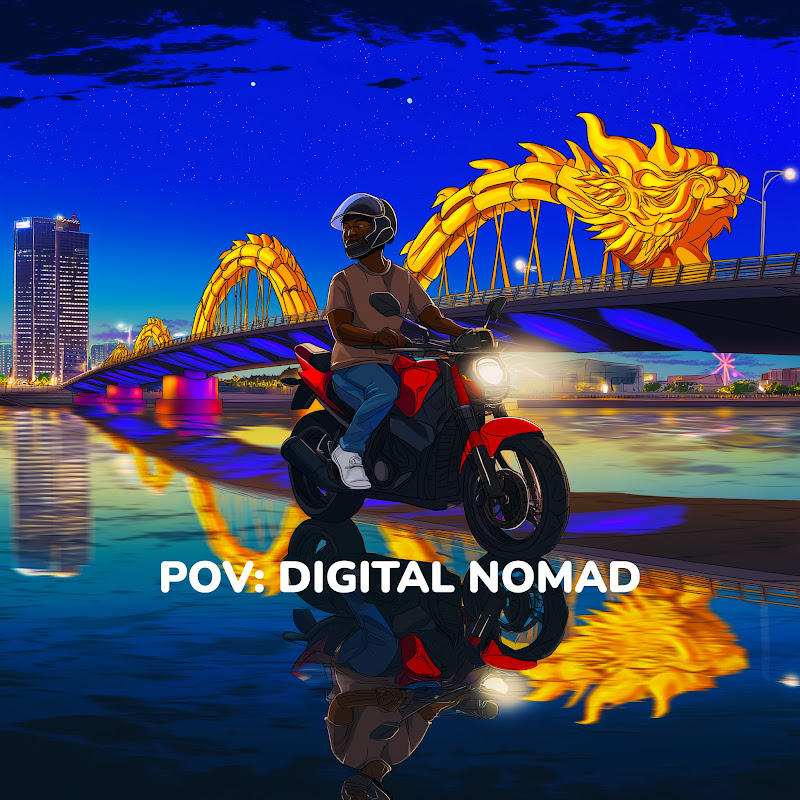
Alena Kovalova, the 32-year-old creator behind the influential YouTube channel “POV: Digital Nomad,” has built an empire on a promise she calls “actionable escapism.” From her current base in Lisbon, Portugal, the Russian-born entrepreneur projects a life of calculated freedom, transforming the fantasy of remote work into a step-by-step guide for her hundreds of thousands of followers. Yet, as her influence has grown, so too has the scrutiny, placing her at the center of a complex debate around digital colonialism and the real-world impact of a globally mobile workforce on local communities. Her story is one of careful brand-building, savvy monetization, and the unavoidable collision between a lifestyle of borderless living and the rooted realities of place.
POV: Digital Nomad: How It Started
Born on April 15, 1991, in Nizhny Novgorod, Russia, Alena Kovalova’s path to YouTube stardom was unconventional. After earning a Bachelor’s degree in International Relations from the prestigious Lomonosov Moscow State University, she entered the world of international diplomacy, serving as a Junior Diplomat for the Russian Ministry of Foreign Affairs from 2013 to 2016. It was a career she would ultimately abandon, citing a deep sense of “creative and personal stagnation.”
The pivot was dramatic. In late 2016, Kovalova sold most of her belongings, purchased a one-way ticket to Chiang Mai, Thailand, and began documenting her travels on a personal blog named “Alena’s Atlas.” This early effort laid the groundwork for her true calling. On March 5, 2017, she officially launched the “POV: Digital Nomad” YouTube channel. Her early content, primarily cinematic vlogs capturing her backpacking adventures through Southeast Asia, quickly found an audience. Videos like “How I Live on $500/Month in Vietnam” and “Motorbiking the Ha Giang Loop” combined aspirational aesthetics with a surface of practicality, a formula that proved highly effective.
POV: Digital Nomad Content: Evolution and Style
By 2019, a strategic shift was underway. Kovalova moved beyond pure travel documentation to become a definitive resource for aspiring digital nomads. Her content diversified into distinct pillars designed to demystify the lifestyle: careful reviews of co-working spaces, granular guides to complex visa applications like Portugal’s D7 visa, and, most notably, transparent income reports that broke down her earnings to the dollar. This evolution crystalized her brand identity, built around the powerful tagline of “actionable escapism.” She wasn’t just showing a dream; she was selling the blueprint.
How POV: Digital Nomad Makes Money
Kovalova’s financial success is a example of diversified, modern creator monetization, with affiliate marketing as its cornerstone. She has established lucrative partnerships with key brands in the nomad space, including SafetyWing for travel insurance, NordVPN for digital security, and the financial services platform Wise. Her gear and tech recommendations are funneled through the affiliate platform LTK (LiketoKnow.it), turning her travel kit into a consistent revenue stream. These affiliate earnings are the primary subject of her popular income transparency reports.
Beyond affiliate links, she has developed her own digital products. The “Nomad Navigator” is a comprehensive e-book bundle priced at $99, offering guides on budgeting, visa strategy, and finding remote work. For those seeking personalized guidance, she offers 1-on-1 “Nomad Launchpad” consulting sessions at a premium rate of $499 per hour. Traditional YouTube AdSense, by her own account, represents only a minor portion of her overall income.
However, analysis of her business structure reveals a significant vulnerability. Corporate records indicate that Kovalova operates as a sole proprietorship under her personal name in Portugal. She has not established a separate LLC or other corporate entity to shield her personal assets. For a creator operating at her scale, this arrangement constitutes what financial analysts consider a “significant legal and financial liability risk,” exposing her to potential personal financial fallout from any business-related disputes.
POV: Digital Nomad's Network
Within the creator economy, Kovalova is a well-connected figure. She is a known member of the “Wanderlust Collective,” an informal but influential group of high-profile travel creators who often collaborate and cross-promote. She has produced content with major names in the niche, including Chris the Freelancer and Lost LeBlanc. A notable joint project was a multi-part series with Chris the Freelancer titled “The Future of Remote Work,” which explored the long-term sustainability and evolving trends within their shared industry.
POV: Digital Nomad: Public Reception
As Kovalova’s profile rose, so did criticism of the lifestyle she champions. She became a focal point for accusations of “digital colonialism,” a term used to describe the perceived negative impact of transient, high-earning remote workers on local economies. The flashpoint was a 2021 video titled, “My Lisbon Apartment Tour - You Won’t Believe How Cheap It Is!”
The video was widely condemned for its perceived insensitivity to Lisbon’s severe housing crisis and the rapid gentrification that has displaced longtime residents. The activist group “Habita!” issued a public statement directly targeting Kovalova and similar influencers, accusing them of “promoting an extractive lifestyle that turns our city into a temporary playground for the privileged.”
Kovalova responded with a follow-up video, “Let’s Talk About Lisbon & My Impact,” in which she acknowledged the criticism but defended her content, arguing that she promotes legal immigration and encourages spending in the local economy. The response, as noted by industry observers, was met with mixed reviews. Alongside this central controversy, she has also faced secondary allegations of presenting an overly “high-gloss” version of nomadism that deliberately downplays its inherent challenges, such as chronic loneliness, visa-related stress, and income instability.
POV: Digital Nomad Today
Today, Alena Kovalova remains based in Lisbon, but her content shows signs of a careful recalibration. In the wake of the controversy, her focus has subtly shifted toward promoting more “sustainable and responsible” travel practices. Recent videos have featured interviews with local Portuguese business owners, a clear effort to engage more deeply and constructively with her host community. Kovalova’s journey from a stifled diplomat to a controversial digital pioneer mirrors the trajectory of the movement she represents. She is a key figure navigating a maturing digital nomad landscape, one where the romantic ideal of ultimate freedom is increasingly being held to account by the complex realities of global citizenship and local impact.