

About
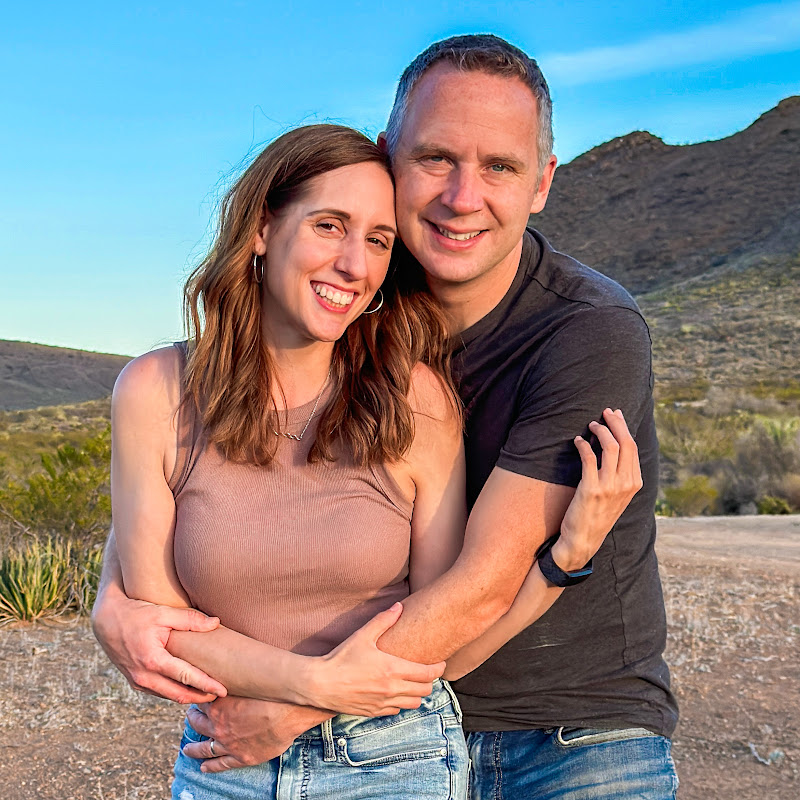
They began with a simple premise, captured in a powerful tagline: “Adventure is a mindset.” For Adam and Kathryn, the creators behind the popular YouTube channel Open Roading, this was not just a marketing slogan but a life doctrine. It guided them away from a conventional existence in 2017 and into the sprawling, unpredictable world of full-time travel. What started as a journey in a fifth-wheel trailer has methodically evolved into a polished, multi-platform media business, documenting their transformation from a couple into a family of five exploring the globe. Open Roading stands as a example of creator adaptability, demonstrating how a channel can mature alongside its creators without losing its core audience.
Open Roading: How It Started
The Open Roading story officially began in 2017 when Adam and Kathryn liquidated their conventional life for a 39-foot Fifth Wheel RV. This initial phase set the tone for their brand: practical, hands-on, and transparent about the challenges of mobile living. The YouTube channel, the primary vehicle for their narrative, was created on June 29, 2018.
Their physical journey mirrored their digital growth through a series of calculated upgrades. The cumbersome fifth wheel was replaced by a more manageable “Class A” motorhome, which in turn was sold to fund their most ambitious project: a custom-built Mercedes Sprinter van. This van build became a cornerstone content series, marking a significant ramp-up in production quality and attracting a dedicated following fascinated by the careful conversion process. The family also grew, with the birth of their third child in May 2023 solidifying their identity as a traveling family unit.
By late 2023, the channel underwent its most dramatic pivot yet. The couple sold their iconic Sprinter van, the vessel that had defined their brand for years. This decision signaled a strategic shift away from domestic “van life” towards unencumbered international travel, a new chapter that would test the loyalty of their audience and the resilience of their business model.
Open Roading Content: Evolution and Style
The channel’s early content was rooted in the practicalities of RV life. Videos were heavily focused on DIY modifications, “how-to” guides for repairs, and logistical tips for fellow travelers. This approach built a foundational audience seeking utilitarian advice.
The Sprinter van build marked a distinct stylistic turning point. As Adam and Kathryn documented every step of the conversion, their storytelling became more ambitious. The raw, instructional style gave way to a more cinematic and narrative-driven format. High-production-value travel vlogs replaced simple guides, showcasing stunning landscapes and weaving personal stories into their adventures. This evolution elevated their content from a simple resource to an aspirational travelogue, broadening their appeal significantly.
How Open Roading Makes Money
Open Roading’s financial success is built on a diversified and strategically executed monetization plan. While YouTube AdSense from their consistent video uploads provides a primary income stream, the couple has intelligently layered multiple other revenue sources.
Affiliate marketing is a significant pillar, utilizing platforms like Amazon Associates and dedicated links for specific travel and tech gear. Brand partnerships and sponsorships, however, represent a more lucrative and integrated component of their business. They have secured multi-video deals with prominent brands that align with the travel and tech ethos of their content, including Jackery portable power stations, ExpressVPN, and the nutritional supplement company Athletic Greens.
Beyond sponsorships, they have ventured into digital products, selling proprietary van build guides and travel planning checklists directly to their audience. This strategy leverages the expertise they established in their early content, converting audience trust into direct sales. The dossier’s analysis notes this approach succinctly: “The diversification of revenue streams is a classic creator playbook executed effectively.”
Open Roading's Network
A key growth accelerant for Open Roading was a strategic collaboration with “Kara and Nate,” one of the largest channels in the travel vlogging space. The partnership involved a joint video series filmed in Mexico, where both channels appeared on each other’s platforms. This cross-promotional effort was highly effective, exposing Open Roading to a massive, pre-qualified audience of travel enthusiasts and resulting in a significant, measurable subscriber crossover. This move demonstrated an astute understanding of YouTube’s space and the power of networking within a niche.
Open Roading: Public Reception
The channel has cultivated a largely positive and wholesome public perception, centered on family-friendly adventure. However, their decision to sell the custom-built Sprinter van in late 2023 triggered the most significant friction with their audience to date.
Some long-time viewers expressed a sense of disappointment and even betrayal. The van was not just a vehicle; it had become a central “character” in the Open Roading narrative. An internal analysis of this reaction frames it as a classic “one-sided relationship” issue, where viewers had developed a strong emotional attachment to the object at the heart of the channel’s identity. The criticism was not about the quality of their content but about the perceived abandonment of a core part of the story they had invested in. Adam and Kathryn addressed the feedback directly in a Q&A video, explaining that the decision was driven by a desire for new challenges and the logistical freedom required for slow, immersive international travel with their children.
Open Roading Today
As of late 2023, Open Roading has successfully navigated a critical brand transition. They have shed the “van life” label that defined them for years to become a broader international family travel brand. By selling their vehicle and embracing a more nomadic, asset-light style of travel, Adam and Kathryn have proven their core thesis that adventure is indeed a mindset, not a mode of transportation. Their ability to manage a potentially disruptive pivot while maintaining audience engagement has opened up new avenues for content and partnerships, securing their position as an enduring and adaptable presence in the competitive landscape of travel content creation.