



About
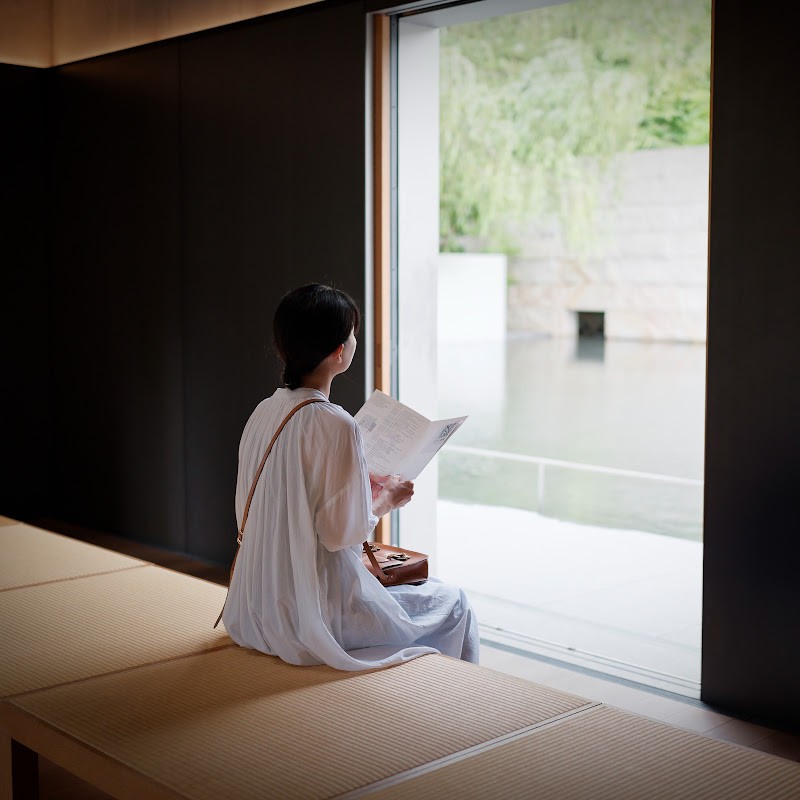
By 4 November 2026, Mei Time had about 376,000 subscribers and about 29 million views, from 77 films posted since the channel was created on 23 October 2022. The pace stayed near one or two a month. The channel belongs to a married couple who publish as Yuki and Mei. They introduce themselves as an international pair based in Nara, Japan: Yuki is Japanese, Mei is Vietnamese, and they call themselves two introverts who look for quiet places and move slowly. Mei is the voice. She narrates in the first person, starting from "Hi, I'm Mei," writes the personal essays, and describes the channel as hers to start. Yuki keeps a day job, loves photography, and does much of the filming, so she is the one walking, eating, and talking. Viewers often put it as one partner in front of the lens and one behind it, and the couple have thanked people for seeing them that way. Their line for the work is "a quiet escape into gentle travels and soft moments." A note they have repeated for years adds that they usually go on weekdays and film the quieter side of a place, so the result "may feel a little more peaceful than in real life."
A Month to Make One Vlog
Mei says her earlier work "mainly involved dealing with numbers and processes," and that she had no experience with cameras or creative work. A year passed between the idea of a channel and the first vlog. She kept postponing it. Filming, editing, writing, and what she calls "knowledge about YouTube and its algorithms" all had to be learned. She thought her life was too ordinary, and her house not stylish enough to show. She worried about being judged. She doubted she was "persistent and passionate enough," because she believed the work would take years. A practice day she describes, in a quiet park at cherry-blossom time, made the gap obvious: she did not yet know the camera, felt awkward in front of it, shot a lot, and could not tell how to cut the footage or what the story was. Other priorities filled the days after that. She still names fear as the reason the channel sat unfinished.
The start she tells came with a move in 2023 for Yuki's job. She held off on a job search and gave herself one month to make a single vlog, then decide whether to go on, treating the month as a break before any search. She watched tutorials and asked Yuki to set the camera before he left for work. At first she only changed angles and pressed record. Editing and subtitles took about two weeks. She uploaded the film and sent it to friends and family. Their encouragement mattered, she says. That first vlog taught her the process, and finishing a film from raw footage was the first time she understood "the joy of creativity." She credits that pleasure, and the comments, with keeping her going. Yuki supports her a great deal, she says, and she jokes that his very detailed advice often irritates her. She tells the story in a March 2024 film. The line she gives the decision is, "It might be a waste of time, but I'll regret it if I don't try."
While the Channel Was Still Small
On 22 September 2023, in "Self-doubt as a small YouTuber," Mei was still speaking as someone who had "just started." She describes a fear of judgment and a feeling of not being good enough, then uses Brad Stulberg and Steve Magness's Peak Performance to treat a little insecurity as a sign of leaving a comfort zone. She says she had yet to overcome the doubt. Each finished vlog only added a bit of confidence.
In November 2023 she spoke about growing up highly sensitive. It was hard, she says. She hated herself, felt ashamed, and came to believe that "being too sensitive is my fault and needs to be fixed." She saw herself as ordinary and admired "strong and unique girls," and only later learned that many people share the trait. She is careful to call the film personal. By the time she recorded it, she says, a feeling of peace was more constant. Writing every day, noting what brings joy or discomfort, setting boundaries, and looking after her body are how she stays steadier. In the same film they unbox a Kinto Kakomi clay pot bought "to celebrate our wedding anniversary," so they were already married that November.
On 5 January 2024 she looked back on a year in which she had been blaming herself for small progress and many mistakes. What she chose to count was self-discovery, time outside her comfort zone, time with family, and new places. She says she once spent a year "understanding, loving, and accepting myself," and that the year still shapes how she lives. For 2024 she planned in a Hobonichi Techo, including its "My 100" page of books, films, places, health checks, DIY, and picnics, and she warned herself against so many goals that she would break her own promises. On 29 March 2024, "Take time to heal my tired heart" stays with a stretch of exhaustion and lost motivation, while the work did not yet seem to be paying off. She offers short walks, coffee, and quiet as maintenance. In a March 2024 film she also says sleep trouble leads her to limit herself to one coffee a day.
Weekdays Out of Nara
They describe themselves as based in Nara, and in a March 2025 Mount Fuji film Mei says they are "living in Kansai," a region from which they rarely see the mountain. Early 2024 daily films walk Osaka through Umeda, Dotonbori, and Namba. The Instagram account that follows the same trips lists Nara and repeats the filming dates. The shoots stay short: weekdays, an early arrival to miss crowds, and a day or a night or two away from home. Mei still finds the shooting difficult, with lost focus, the wrong white balance, the wrong exposure, and embarrassment when other people are nearby. A Kawazu-zakura visit to Yodo in Kyoto is one she gives for that early start. She narrates in English, the couple also reply to comments in Japanese, and the descriptions ask viewers to turn captions on. Beside the trips, a smaller run of daily vlogs holds routines, cooking, picnics, and those personal essays. In 2024 Mei said they had shifted toward travel and hoped to return to lifestyle films as well. Of the 77 videos, about three quarters are travel and about a quarter are the daily and personal films. Travel is what the audience found.
Nara is base and subject together. A bicycle ride through Asuka and its ancient-capital sites was published in October 2024. Murou's art forest and the temple Murouji appeared on 12 September 2024. On 30 January 2025 they rode Ikoma's retro cable cars toward Hozanji, a car they liken to the Catbus, with deer-park side streets, Tenri's ginkgo, and spring in rural Nara among the other days close to home. Kyoto is the other constant. Local friends recommended a day of the Philosopher's Path, Honen-in, and Eikando, published on 27 September 2024. Heavy snow toward Kurama, Yase, and Ohara was filmed around 8 February 2026 and published on 14 March. Kibune and a Gion Festival night were filmed on 16 July 2026. Wazuka's Uji tea fields were filmed on 5 May 2026. Uji matcha and Arashiyama belong to other Kyoto films. Osaka takes in Nakazakicho in the rain, Nakatsu, coffee shops, vintage streets, and a Christmas walk. A day in Kobe looks for retro streets and for nature close to the city.
Neighboring prefectures keep the same short range. A two-day stay at Ise-Shima and Masakijima in Mie, published on 14 June 2025, is one they compare to old Japan and to Studio Ghibli, and they have walked the Akame 48 waterfalls. In Shiga they filmed Otsu on 3 April 2026 and Okishima, Japan's only inhabited lake island, on 8 April. A flower-temple walk between Nara and Kyoto, through Gansen-ji, the stone-Buddha path, and Joruri-ji, was published on 28 June 2025.
The Rain Films People Passed On
The catalog grew quietly, and for a long time the audience lagged it. The channel was at about 1,000 subscribers before 2024 and about 25,000 during 2024, then passed 250,000 during 2026. Autumn 2024 was the first cluster to reach the million-view range. Murou and a rainy day in Osaka, published on 11 October 2024, led it. A Kyoto day from that September, and Onomichi on 15 November, the seaside town they frame as anime-like, traveled with those two. Rain, moss, and side streets did the lasting work. The Osaka film and "Kyoto in the rain," published on 11 July 2026, each passed two million views, and a Kyoto rain film from 21 June 2025 was already among the most watched. The essays that introduce Mei stayed small beside that. The travel films are what built the audience, and comments arrive in many languages from people using the walks to plan a trip or to rest.
By Train, and One Hosted Winter
Past Kansai, the longer films are still short stays, mostly by train. Kanazawa, with its art, Kenroku-en, and old town, sits among the earlier ones. Takayama in the snow was published on 8 February 2025, and Gujo Hachiman, the "water city," on 21 February. In spring 2025 they reached Fuji. A village stay at Oshino Hakkai and Lake Yamanaka was filmed on 23 March, and on the bus from Gotemba Mei says that life in Kansai rarely includes the mountain. Hakone, published on 17 April 2025, was a first for them. They open it together: "It's Mei and Yuki here." The day takes the Pola Museum of Art, Hakone Shrine, the old Tokaido cedar avenue, and a Fuji view, by train from Kyoto.
May 2026 moved along the Seto Inland Sea. Tomonoura, in Hiroshima, filmed on 14 and 15 May, is the port they link to Ponyo. Ogijima, which they call a cat island, and Takamatsu followed from 15 to 17 May, and Shodoshima on 17 and 18 May. Late July and early August were Nagano, released through August, September, and October: Matsumoto on 29 July, Lake Suwa on 30 and 31 July, where they also talk about a "real-life Your Name" and a forest they call "Mononoke," the Kiso Valley by local train with nights in Narai-juku and a stop in Tsumago-juku from 31 July to 2 August, and the clear water of Atera Valley on 2 August. The same habit of naming shows up at home, in the Ghibli-like island in Mie and the cable car in Ikoma. The films themselves stay with cafés, shrines, trains, and weather.
The clearest collaboration is "A Snowy Trip to Aomori," filmed on 14 and 15 January 2026. They say Hoshino Resorts, Japan Airlines, and Aomori Prefecture made the trip possible. They flew with Japan Airlines, stayed at Hoshino Resorts Aomoriya, and visited Kabushima Shrine and the Ashigezaki observatory. A second winter film covers Oirase Gorge and Towada. That season also brought a three-day Tokyo walk through Jimbocho, Yanaka, Asakusa, and Shimokitazawa, published on 26 January 2026.
Taiwan, Shanghai, and a Week in Hanoi
Taiwan is a place they keep going back to. "We miss Taiwan so much," they write. A ten-day trip filmed from 20 to 29 April 2024 ran from Osaka to Taichung, Sun Moon Lake, Taipei, Jiufen, and Daxi, and was published on 10 January 2025. They returned in March 2026: four days in Taipei from 4 to 8 March, including Jiufen, Houtong Cat Village, and Tamsui, and four days in Tainan from 8 to 11 March. Shanghai, published on 23 August 2025, is six days of gardens, concession-era streets, cafés, and food. In at least one exchange the narration separates Mei's voice from Yuki's.
Vietnam, the country they attach to Mei's name, appears as four days in Ho Chi Minh City among cafés, vintage buildings, and vegetarian food, and as a week in Hanoi filmed from late September into early October 2026. Published on 25 October, the Hanoi film runs about 52 minutes and includes a day in Duong Lam ancient village. It opens with a plain line: "We've been missing Hanoi lately." The introduction around it is the one they have used for years: a couple based in Nara, out on a weekday, the edit quieter than the street, and an invitation to sit with a cup of tea.
Products
No products yet
Mei Time hasn’t published any products yet. Check back soon!
Travel Insights
No Travel Insights yet
Mei Time hasn’t shared any Travel Insights yet. Stay tuned!