


About
On April 23, 2022, roughly two months after the Kremlin launched its full-scale invasion of Ukraine, a new YouTube channel quietly emerged. Titled "MADE IN RUSSLAND," it promised an inside look at a nation under siege from sanctions, a chronicle of the "special military operation," and a celebration of a "beloved Homeland." With over 94,000 subscribers and more than 18.5 million views to date, the channel has become a subtle yet effective node in a growing network of English-language, pro-Russian digital media. Hosted by an anonymous narrator, its folksy vlogs of bustling markets and technological marvels paint a picture of resilience and normalcy that directly counters Western narratives. An investigation into the channel's network and financial architecture, however, reveals an operation deeply embedded within a network of ideological expatriates and utilizing a financial system designed to circumvent international sanctions.
MADE IN RUSSLAND: History and Growth
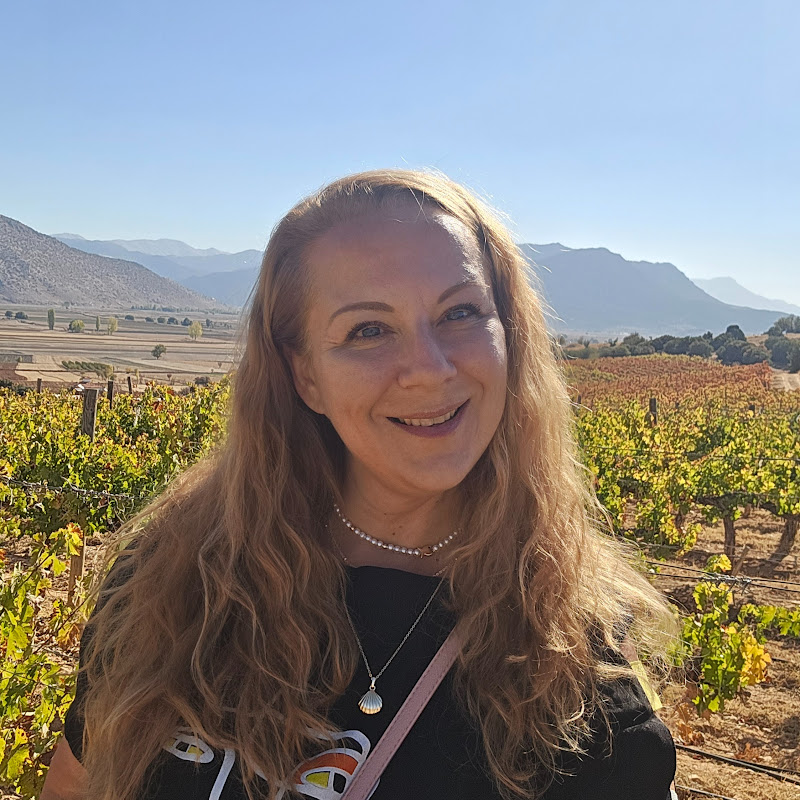
The creator behind "MADE IN RUSSLAND," a woman who narrates in English with a distinct Russian accent, does not publicly use her name on the platform. However, cross-platform analysis and collaborations point decisively to her identity as Svetlana Anokhina-Rose. Public records indicate she is the wife of Joseph Stephen Rose, an American citizen who operates the "EXPAT American" YouTube channel. The couple relocated from Tallahassee, Florida, to Russia in February 2022, the same month the invasion began. The "MADE IN RUSSLAND" channel was created just two months later, on April 23, 2022.
The channel's growth has been steady. It marked its first anniversary on April 7, 2023—the creator's birthday—and announced it had reached 50,000 subscribers a month later. As of late 2024, it commands an audience of over 94,000.
The identification of the creator as Svetlana Anokhina-Rose necessitates a critical distinction from another public figure with the same name. Svetlana Anokhina, born in 1962 in Makhachkala, is a prominent human rights activist and journalist who founded the Marem crisis group. She fled Russia in 2021 and faces criminal charges there for her work. There is no relation between the two individuals. The channel creator's choice to remain anonymous on her own platform while appearing unmasked on her husband's is a deliberate strategy of persona segmentation, allowing her content to be framed as the authentic perspective of a general Russian citizen.
MADE IN RUSSLAND: Content and Style
The channel's mission, as stated in its public description, is to show "life in Russia… about the prices of goods and services, about how we live and travel in the regime of imposed sanctions." The content carefully executes this vision, functioning as a soft power asset aimed at an international, English-speaking audience.
Videos are structured as personal vlogs, following the creator through various Russian locales. A significant theme is economic counter-messaging. One video tours a local market in North Ossetia, celebrating "the fiercest cheese you've ever tasted it smells like grandmas socks but melts like heaven." Another showcases the "Fidgetal Pyaterochka," a futuristic, cashier-less grocery store presented as proof that "real tech progress is not stopped by politics."
Cultural and historical promotion is another key pillar. The channel has produced immersive videos on the ancient Slavic pagan festival of Ivan Kupala Night, featuring "enchanting girls crowned in flowers" and bonfire rituals. Another segment explores Korolyov, the legendary hometown of Russian rocketry, where the host tries authentic "space food."
The content is also overtly political. One video speculates that Ukraine may use May 9th—Russia's sacred Victory Day—for a massive drone strike on the Red Square parade. Other videos analyze the potential return of Western brands like IKEA and McDonald's, the controversy over Stalin's image in the Moscow Metro, or feature a Czech traveler who is "shocked" to find Russia modern and friendly, contrary to Western media portrayals. This blend of apolitical lifestyle content with pointed geopolitical commentary is a hallmark of the channel's strategy.
How MADE IN RUSSLAND Makes Money
"MADE IN RUSSLAND" maintains a minimalist digital footprint, concentrating its activities exclusively on YouTube. There are no official, cross-linked accounts on Instagram, Facebook, X, or TikTok. This single-platform focus provides tight narrative control and funnels supporters toward a highly unconventional and strategic monetization system.
The channel avoids standard creator platforms like Patreon, YouTube Memberships, or merchandise sales. Instead, video descriptions contain a direct appeal for donations via two specific bank card numbers. This method constitutes a sanctions-evasion architecture.
The provided accounts are: 1. Russian T-bank: Card number 5536914069329146. T-Bank, formerly Tinkoff Bank, is a major Russian digital bank subject to international sanctions, making direct foreign transfers difficult or impossible. 2. Kyrgyz AIYL BANK: Card number 4169620242416984. This account is with a commercial bank in Bishkek, Kyrgyzstan.
This dual-banking system is a deliberate financial strategy. The Russian account serves domestic supporters. The Kyrgyz account, based in a country with close economic ties to Russia but a banking system more integrated with global finance, acts as an international bridge. It provides a channel for foreign supporters to send funds to a non-sanctioned intermediary, from which the money can then be more easily moved into the Russian financial system. The structure demonstrates a high-level awareness of the challenges of receiving international funds in Russia and a clear intent to circumvent them. Svetlana Anokhina-Rose is also associated with an immigration consultancy she runs with her husband.
MADE IN RUSSLAND: Network and Collaborations
The channel is not an isolated entity but an integral part of a wider, English-language pro-Russian influencer network. Its central collaborative relationship is with Joseph Stephen Rose's "EXPAT American" channel.
The collaboration is extensive and reciprocal. Anokhina-Rose has appeared on her husband's channel in a video titled "Siberian WOMAN helps AMERICAN Search for Home Cooking!," providing the alias "Siberian Woman." In turn, Joseph Rose has appeared as a guest on "MADE IN RUSSLAND," touring a "Cheese, Feast, Peace" festival with his wife. The two channels have also cross-promoted companion videos on the Moscow Metro.
This partnership extends to a broader network. A Christmas special hosted by "EXPAT American" featured the creator of "MADE IN RUSSLAND" alongside a curated group of other pro-Russian expat vloggers. Within this network, "MADE IN RUSSLAND" plays a unique role. It provides a voice positioned as an "authentic Russian," which serves to complement and legitimize the narratives promoted by the network's Western expatriate members, enhancing the overall credibility of their collective message.
MADE IN RUSSLAND: Public Reception
The research dossier compiled for this report found no records of major public controversies, de-platforming incidents, or mainstream media coverage directly related to the "MADE IN RUSSLAND" channel.
MADE IN RUSSLAND Today
"MADE IN RUSSLAND" presents itself as a simple window into the daily life of an ordinary Russian citizen. Yet the channel, launched in the immediate aftermath of the 2022 invasion, consistently produces content that serves a counter-information purpose for an international audience. Its deliberate anonymity, its deep integration into a network of ideologically aligned influencers, and its use of a dual-banking financial architecture to bypass sanctions all point to a purpose-driven entity operating as a key voice within a larger pro-Kremlin digital network.