


About
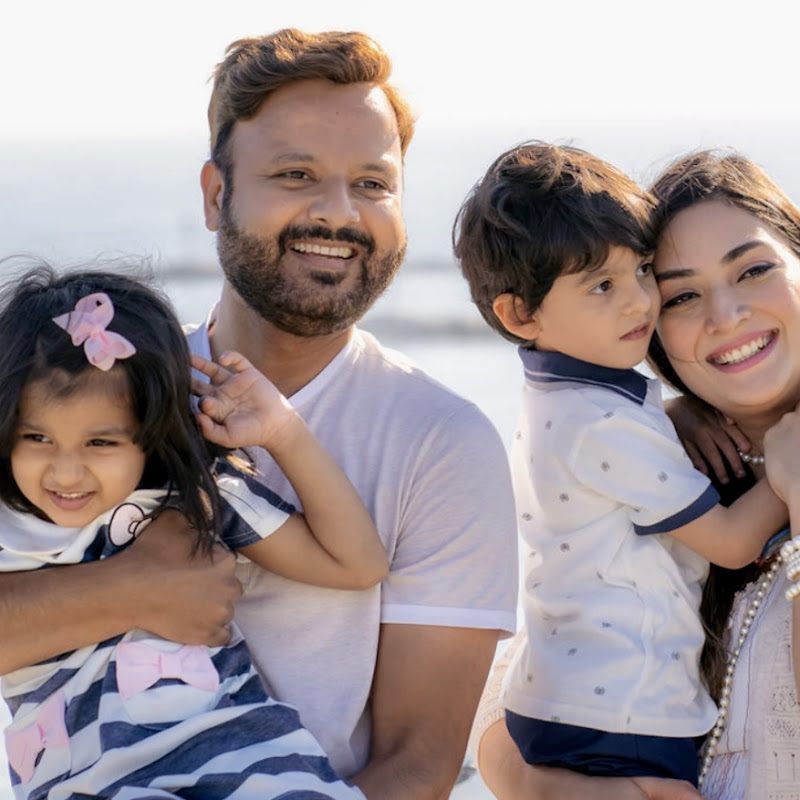
Kevin and Sharmeen Khan, the Chicago-born couple behind the social media powerhouse “KK & Sharmeen,” have built an empire on relatable humor and family-friendly content. They transitioned from stable, professional careers—Kevin as a Senior Financial Analyst and Sharmeen as a practicing pharmacist—into full-time digital creators, parlaying their Pakistani-American heritage into a brand that reaches millions. Yet, behind the scenes of their viral success lies a persistent and complex debate about authenticity, representation, and the commercialization of faith in the influencer economy.
KK & Sharmeen: How It Started
The story of their digital presence began not with comedy, but with fashion. In 2016, Sharmeen (born March 14, 1994) launched an Instagram account focused on lifestyle and personal style. Kevin (born June 2, 1993), her husband, was a background figure. Both raised in Chicago, the couple operated in a conventional sphere for years. Their YouTube channel, a platform that would later host their family vlogs, was quietly created on November 20, 2016, but remained a minor part of their early strategy.
The tectonic shift occurred in early 2020 with their expansion to TikTok. It was here they discovered their breakout formula: short-form comedy sketches centered on “cultural differences.” These skits, which humorously depicted the dynamics of a Pakistani-American marriage and family life, resonated immediately. The pivot was decisive. The solo fashion blog aesthetic gave way to a joint comedy brand, and their follower counts exploded, establishing them as prominent figures in the cultural comedy niche.
KK & Sharmeen Content: Evolution and Style
The brand’s evolution is a clear example of finding a content-market fit. What started as Sharmeen’s personal style showcase transformed into a duo-led production. Their current content portfolio is a carefully curated mix designed for broad appeal. The core remains comedy sketches that explore cultural stereotypes and marital quirks. This is supplemented by lifestyle vlogs that provide a more intimate look into their family life, along with direct-to-camera Q&A sessions to foster community engagement. A central tenet of their strategy is an explicit commitment to “family-friendly” content, a decision that has broadened their audience demographically while also setting the stage for later critiques.
How KK & Sharmeen Makes Money
KK & Sharmeen’s business is a modern creator enterprise built primarily on the architecture of TikTok. While Instagram and YouTube serve as important secondary platforms, TikTok is the engine of their relevance and reach. Monetization flows from a trifecta of industry-standard streams: direct brand partnerships, programmatic advertising revenue via YouTube AdSense, and payouts from the native creator funds on TikTok and Instagram. They have secured deals with major mainstream brands, including HelloFresh and Amazon, demonstrating their appeal beyond a niche cultural audience.
An analysis of their digital footprint, however, reveals a strategic challenge. The engagement on their long-form YouTube content is notably lower than the metrics seen on their TikTok and Instagram posts. This suggests that while their audience is highly receptive to their short-form comedic personas, the transition to the more personal, vlog-style format has not been as seamless, indicating a potential ceiling on their current long-form content strategy.
KK & Sharmeen: Public Reception
For all their success, the Khans are at the center of a quiet but intense controversy within online Muslim and South Asian communities. The primary accusation leveled against them is one of “performative piety.” Critics scrutinize the brand’s public-facing emphasis on Sharmeen’s hijab and Islamic cultural touchstones, contrasting it with archival evidence from her pre-influencer Instagram. These older posts, which show her without a hijab, are used by detractors as evidence that her current religious presentation is a calculated branding decision rather than a reflection of a genuine faith journey. This has led to accusations of monetizing religion for commercial appeal.
The criticism is sharp and specific. One anonymous commentator on a Reddit forum categorized them as part of the “‘Halal Instagram’ mafia,” a term used to describe creators perceived as selling a sanitized, commercially viable version of Muslim identity. A secondary allegation suggests that in their pursuit of relatable comedy, they over-dramatize minor cultural differences, a practice some argue reinforces stereotypes about Pakistani-Americans for a mainstream audience.
The couple has largely avoided direct engagement with these specific criticisms. Instead, they position their content as a personal journey of faith and cultural expression, framing their work as a net positive for the representation of Pakistani-Americans in media.
KK & Sharmeen Today
Today, KK & Sharmeen continue to expand their brand, having recently announced the birth of their third child in November 2023. They remain a strong force in the creator space, masters of a brand of comedy that is both culturally specific and broadly accessible. Their story is a quintessential example of new media success, transforming professional careers into a lucrative family enterprise. Yet, they also exist as a focal point for a critical conversation about the pressures and paradoxes of public identity, where the line between personal expression and brand performance is perpetually debated by the very audience that fuels their success.