


About
Jerry says the final rappel in Arizona’s Sundance Canyon drops 180 feet, roughly half of it free-hanging. It frightens him, yet he wants to return. Such rope-based descents sit alongside hikes and multiday backpacks on Jerry Arizona, the outdoor-adventure channel centered on Jerry and his wife, Tina. Their films concentrate on the American Southwest, mixing route detail, photography and marital teasing.
Arizona Trails and Marital Teasing
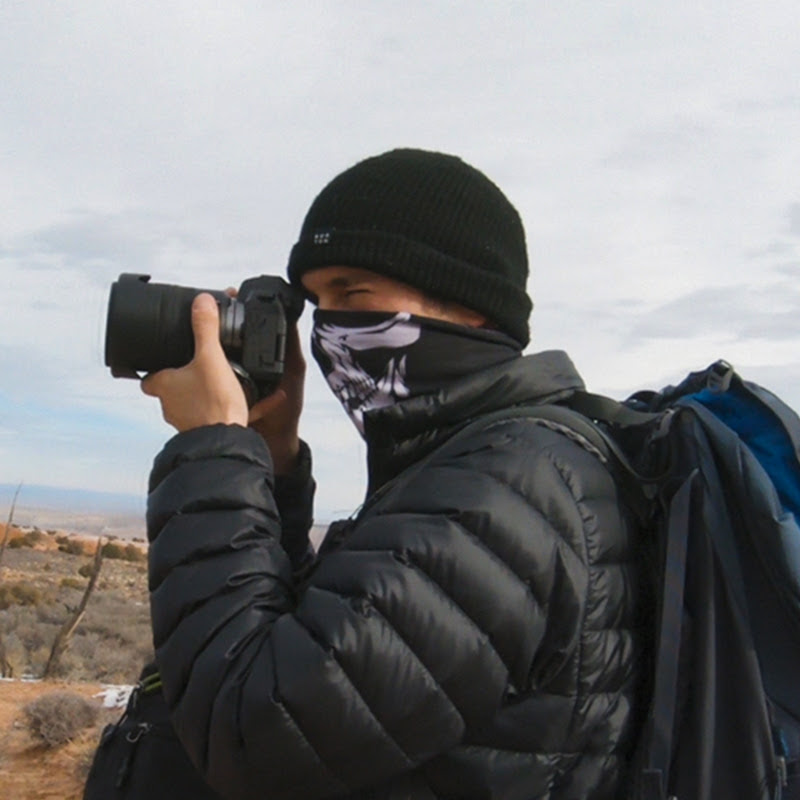
The YouTube account was created on April 19, 2018. Jerry, who said in 2022 that he lived in Arizona, is the channel’s first-person voice and identifies filming, editing and photography as particular interests. Tina is his regular hiking and backpacking partner. Jerry’s description of their on-camera relationship is concise: “We give each other a hard time.”
That personal approach comes with a qualification. Jerry says he is not an expert and warns that hiking, backpacking and canyoneering can be dangerous. He presents route information as an account of conditions encountered on a particular visit, rather than a promise of what another hiker will find.
In 2023, A World Beyond recommended Jerry and Tina’s Southwest films for their approachable, concise presentation. Its author said the videos had informed subsequent trips and suggested future destinations.
The channel grew from about 21,000 subscribers in October 2022 to about 53,000 in October 2026, when it had passed 10 million views. By then, Jerry said, he still tried to answer viewers’ questions but could no longer keep up with all of them.
The Grand Canyon Trip That Had to Wait
Jerry’s account of a three-day Grand Canyon backpack, released in March 2022, begins with two interruptions. He says a pandemic closure cost him a planned Phantom Ranch reservation. A year later, Clint invited him on a backpacking trip, but Jerry contracted COVID-19 before departure.
His recovery was slower than he expected. Jerry recalls a practice hike about two weeks before departure that left him weak and disappointed. He stopped hiking to rest and says he ultimately felt well during the backpack itself.
Although he had previously visited Cathedral Wash and the Havasu confluence, Jerry regarded this journey as his first proper descent into the Grand Canyon. Its scale had intimidated him. In his account, the route entered by the Hermit Trail and reached a camp at Granite Rapids, then followed the Tonto Trail to the campground then called Indian Garden. A visit to Plateau Point preceded the climb out on Bright Angel Trail, where the party encountered snow.
Jerry put the journey at approximately 28 miles, with about 5,400 feet of elevation loss and gain. After the lost reservation, illness and discouraging practice hike, he had finally completed the descent he had found so intimidating.
Cold Pools and a Change of Plan in Paria Canyon
A film released in March 2026 followed another Grand Canyon journey: four days on the Escalante Route with Clint of NotLostNomad, Devin of Backcountry Exposure and TJ. Jerry described wind, cold, snow and rain, while jokingly assigning responsibility for the plan to Clint.
His account of Paria Canyon, also released that March, involved a change of route before departure. Jerry says he had previously favored the passage through Wire Pass, Buckskin Gulch and Whitehouse. Insufficient paid time off had kept him from completing the longer journey down Paria, and he had underestimated the scenery farther downstream.
The original plan for the four-day Paria backpack entered through Buckskin Gulch. Having completed Buckskin before, Jerry initially discounted warnings about numerous cold pools. Then a ranger reported that another group had needed 14 hours to reach the confluence. Without wetsuits for such a prolonged cold-water passage, his party switched its starting point to Whitehouse and continued to Lees Ferry.
Jerry treated the decision as a correction to his own complacency: familiarity with the canyon had made it easier to underestimate changed conditions. The revised route became one of his favorite backpacks.
Films released in May and June also traced his experience in technical canyons. Jerry describes Zion’s top-down Subway route as a particular favorite after repeated visits, and Pine Creek as one of his first technical canyons. He credited Karl, known as KarlDeckerPresents, with the opening shot of the Pine Creek film. Arizona releases covered Jacob’s Ladder, the Hanging Garden and White Box in West Clear Creek Wilderness, followed by Sundance Canyon, with the long final rappel that still frightens him.
Slowing Down on the Lost Coast
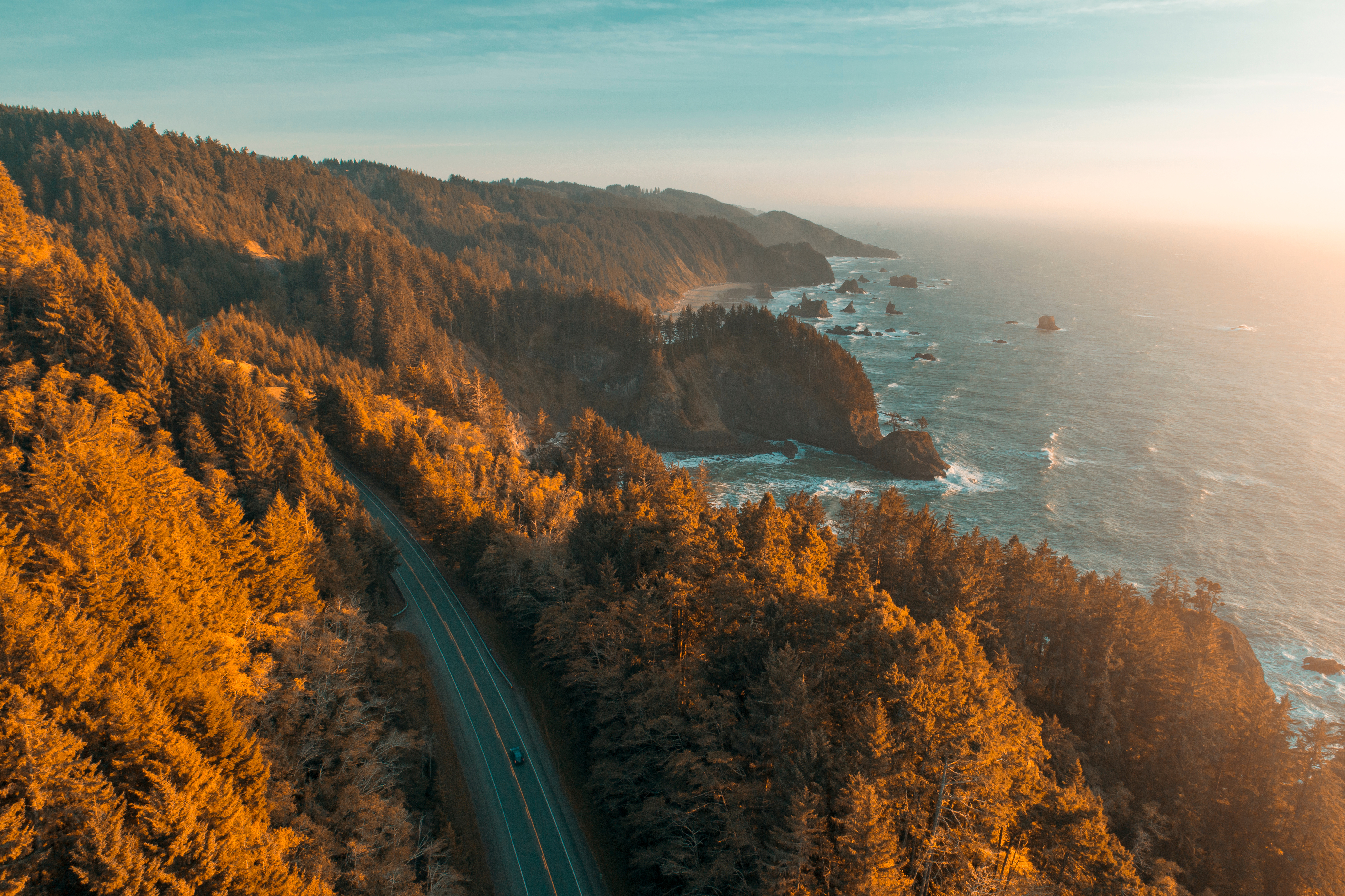
In his Lost Coast Trail film, released in June 2026, Jerry described a deliberate decision not to rush. Reaching northern California’s coast had required a 14-hour drive. He characterized himself and his traveling party as desert dwellers for whom visits to the ocean were unusual, and they took their time over the 25-mile backpack.
Jerry contrasted that approach with an earlier habit of trying to extract as much as possible from limited vacation time. He says he had also been inclined to compete with other hikers. On the Lost Coast, a slower pace was part of the point. He found it more enjoyable.
The trip also showed the work that follows a backpack: Jerry says he spent two days editing the film. Filmmaking had itself been the subject of a February 2026 video, in which he discussed portable equipment such as phones, action cameras and small drones. His emphasis was on accessible outdoor-filming tools rather than treating cinema-level equipment as a requirement.
A Chalet Reservation, Then the Sneffels Traverse
Films released in August 2026 followed a northern circuit through the Sawtooth region, Grand Teton, Yellowstone and Glacier. The outings included Goat Lake, a one-day Yellowstone visit and Iceberg Lake. According to Jerry, the entire circuit had been planned around securing accommodation at Granite Park Chalet in Glacier.
He described walking the Highline Trail, Grinnell Glacier Overlook and Swiftcurrent Pass, and valued the chalet stay because it reduced the equipment they needed to carry. The filming did not all work as intended. Jerry acknowledged losing usable footage of Going-to-the-Sun Road because his camera settings were wrong.
Carrying less camping equipment was also the attraction of the Sneffels Traverse through Colorado’s San Juan Mountains. In a film released in September, Jerry documented a five-day hike using the San Juan Hut System. He explained the appeal in practical terms: several days of walking without the usual heavy camping load. He also said the visit was not an advertisement; they had found and booked the huts as ordinary customers.
Salt Creek, Five Years Later
In an October 2026 storm-chasing film, Jerry described abandoning a rained-out original plan and heading toward Zion in hopes of seeing waterfalls. Another October release returned to a place he remembered fondly: Salt Creek Trail in Canyonlands.
Jerry says he and Tina had visited Salt Creek about five years earlier, around 2021. He remembered being especially impressed by its archaeological remains, rock art, arches and Angel Arch. Their four-day return proved substantially harder.
This time, he recounts, overgrowth impeded navigation. Water they expected to find was often absent or reduced to unpleasant puddles, while daytime temperatures reached the 80s Fahrenheit. Jerry described fearing heatstroke and worrying about whether they would find enough water.
Jerry and Tina completed the four-day hike. Despite the heat and uncertainty over water, he says they enjoyed the return and finished with a strong sense of accomplishment.
Products
No products yet
Jerry Arizona hasn’t published any products yet. Check back soon!
Travel Insights
No Travel Insights yet
Jerry Arizona hasn’t shared any Travel Insights yet. Stay tuned!