

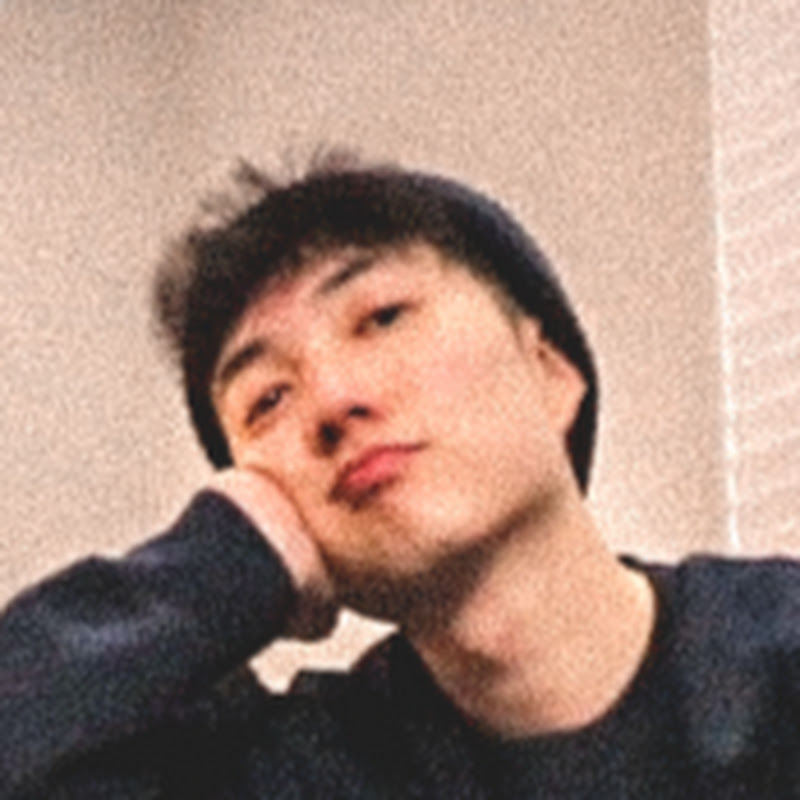

About
Before he was a fixture in the front rows of global fashion weeks, Gary Woo was drafting blueprints in the demanding world of high-concept architecture. His pivot from structural design to style icon represents one of the influencer industry’s most definitive case studies in brand construction. Woo, a Korean-American tastemaker from Southern California, has carefully engineered a career that sits at the intersection of high fashion, accessible streetwear, and savvy digital commerce. Yet, behind the minimalist aesthetic and aspirational lifestyle lies a complex business architecture and a history that includes the sharp glare of a federal investigation, solidifying his narrative as one of both calculated success and significant controversy.
Gary Woo: History and Growth
Born on November 11, 1988, Gary Woo grew up in Diamond Bar, California. His professional life began not on Instagram, but in the New York City offices of Skidmore, Owings & Merrill (SOM), one of the world’s most prestigious architectural firms. As an Architectural Designer, Woo was immersed in a world of form, function, and precision. In 2014, he left that structured career behind to forge a new path.
His initial foray into digital content was under the handle “TheBXEdit,” a blog that documented the vibrant street style of the Bronx. It was a raw, hyperlocal project that showed early promise. By 2015, he had rebranded to “Garys Woorld,” shifting his focus to his personal style and a more polished, high-end menswear aesthetic. This strategic change proved pivotal. The industry took notice, and in 2017, Woo’s ascent was cemented when he won the Shorty Award for “Breakthrough Fashion Blogger of the Year,” formally marking his arrival as a major force in the digital fashion landscape.
Gary Woo's Content and Style
Woo, who stands at 5’ 9”, built his visual identity on principles that echo his architectural past. His signature style is defined by a mastery of “high-low mixing,” pairing luxury items with affordable basics, an affinity for “architectural silhouettes,” and a disciplined adherence to “minimalist color palettes.” This aesthetic translated seamlessly across his platforms, primarily Instagram, where his curated feed became a blueprint for modern menswear.
While his roots are in blogging and image-based content, Woo has adapted to the evolving digital network. In March 2023, he joined the emerging platform Lemon8, signaling an effort to capture a new audience. However, his expansion into video has been less pronounced. An analysis of his YouTube channel reveals low engagement relative to his other platforms, suggesting it remains a secondary priority in his content strategy.
How Gary Woo Makes Money
Gary Woo’s influence is underpinned by a well-developed and, at times, opaque business structure. His primary monetization engine is the affiliate network LTK (LikeToKnow.it), which allows him to earn commissions from sales generated through his posts. In 2019, he leveraged his personal brand equity to launch his own menswear line, “Otok Journal,” which focuses on what the brand terms “elevated basics.” An announced plan to extend the Otok Journal brand into a print magazine, however, never came to fruition.
Corporate records reveal that his operations are run through “WOO CREATIVE LLC.” An analysis of the filing notes a significant red flag: the entity is registered in Delaware. This jurisdiction is frequently chosen by individuals and corporations for its stringent privacy protections and favorable tax laws, a strategy that can effectively obscure ownership structures and financial details from public view.
Gary Woo's Collaborations
Woo’s influence has attracted an elite roster of brand partners. He has been the face of high-profile campaigns for major corporations including Nordstrom, luxury fashion house Gucci, and automotive giant Audi. His standing within the industry was further solidified by his appointment as a member of the Council of Fashion Designers of America (CFDA) Connects leadership committee, an official role that places him in the institutional heart of American fashion.
Gary Woo: Public Reception and Controversies
Woo’s career has not been without serious scrutiny. In 2021, he became the subject of a Federal Trade Commission (FTC) investigation. The inquiry centered on allegations of his failure to properly disclose sponsored posts, specifically for a “Miracle-Gro for Balconies” campaign, in violation of the FTC’s Endorsement Guides. While he was not ultimately fined, Woo was required to sign a consent decree that legally mandates stricter and more transparent disclosure practices for a period of five years.
The outcome was met with criticism from some corners of the industry. One anonymous rival blogger, in a widely circulated comment, called the settlement a “slap on the wrist” for what they termed the “Instagram mafia,” a cohort of top-tier influencers perceived to operate with a degree of impunity. Adding to the controversy are persistent, though unproven, rumors that Woo engaged in buying followers during the early stages of his career, between 2015 and 2016.
Gary Woo: Philanthropy
Beyond his commercial ventures, Woo has engaged in philanthropic efforts within his community. He organizes an annual charity clothing drive for the LA Mission, an organization serving the homeless population of Los Angeles. In a notable 2022 drive, he collected and donated over 250 items of high-end designer menswear, leveraging his industry connections for a charitable cause.
Gary Woo Today
Now a resident of Los Angeles, Gary Woo’s life continues to evolve. In January 2024, he and his wife welcomed their third child, an event that has shifted his content to incorporate more aspects of family life. He remains at the helm of Otok Journal while navigating the demands of his influential digital presence. From the drafting tables of SOM to the complex world of federal consent decrees and CFDA committees, Woo’s trajectory is a powerful narrative of modern brand-building—a story built with architectural precision, but one whose final structure is still taking shape.