


About
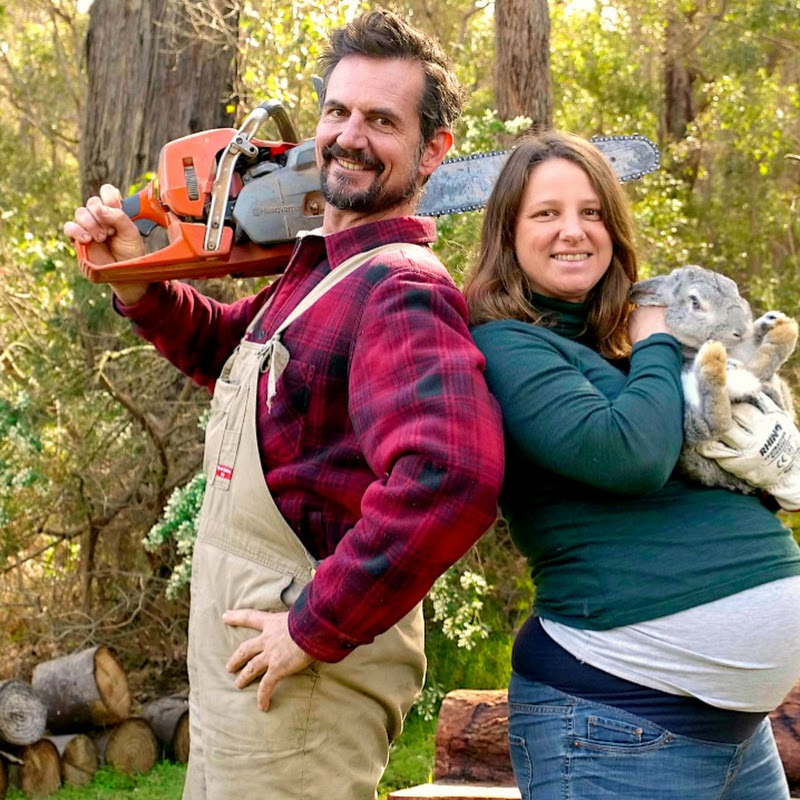
On September 8, 2017, a YouTube channel was established that would, over the next several years, document one of the most compelling strategic pivots in the creator economy. What began as a chronicle of a five-year sailing odyssey around the Australian coast has since transformed into a detailed playbook for building a self-sufficient life on land. The channel is Free Range Living, and its principals, Troy and Pascale, have masterfully navigated their brand from the confines of a 30-foot sailboat to the expansive potential of a nine-acre homestead in South West Australia, bringing their audience of 140,000 subscribers along for every calculated step of the journey.
Free Range Living: History and Growth
The brand’s initial incarnation was ‘Free Range Sailing,’ a name synonymous with the vessel that served as both home and primary character: ‘Mirrool,’ a 1969 Clansman 30 sloop. This era, documented across more than 200 videos, was built on a foundation of hard-won credibility. Troy brought decades of professional experience to the project, having worked in the commercial marine industry from 1997 to 2015. His resume, which includes time as a Pearl Diver and qualifications as a Qualified Master 5 and a Marine Engine Driver, Grade 1, lent an unimpeachable authority to the channel’s technical content.
Pascale provided the audience with a relatable entry point. Having met Troy on New Year’s Eve in 2014, she came from a self-described “office job” with no prior sailing experience. Her journey from novice to seasoned cruiser and foodie, chronicled in real-time, formed the channel’s narrative heart. Together, they documented their extensive voyages through some of Australia’s most remote and challenging waters, from the Kimberley region and the Abrolhos Islands to Tasmania’s Fortescue Bay and Port Arthur.
The pivotal moment in their history was the deliberate and publicly announced sale of ‘Mirrool’. This was not a retreat but a strategic reinvestment. They liquidated the asset that had defined their brand and transferred its equity—both financial and narrative—into a new venture. They rebranded to the more expansive ‘Free Range Living’ and acquired their current primary asset: a nine-acre property in Pemberton, South West Australia, where they are now building a homestead from the ground up.
Free Range Living: Content and Style
The channel’s evolution is a study in thematic consistency despite a radical change in environment. During the ‘Free Range Sailing’ phase, content was a mix of aspirational adventure and practical, skills-based tutorials. Troy’s expertise drove videos on complex maintenance, such as a complete replacement of the boat’s rigging with modern Dyneema materials, while their shared philosophy of self-sufficiency was evident in segments on fishing, diving, and off-grid living. This focus on “real sailing” aboard a modest, older vessel earned them significant respect in online forums, where they were often contrasted favorably against channels featuring larger, more luxurious catamarans.
A crucial and enduring content pillar was established by Pascale under her “Gourmet Sailor” sub-brand. Her focus on high-quality cooking in a confined galley resonated deeply, addressing a core challenge of the cruising lifestyle. This sub-brand has seamlessly transitioned to their new life, evolving from galley provisioning to farm-to-table food preservation.
In the current ‘Free Range Living’ phase, the content has shifted to agrarian themes while retaining the original format. Maritime maintenance has been replaced by homestead development projects like installing drip irrigation systems. Animal husbandry has become a central topic, with detailed tutorials on making a suite of products—feta, chevre, yoghurt, ricotta, and kefir—from their own dairy goats’ milk. In one video, Pascale provides exacting instructions, citing Molly Nolte’s Fias Co Farm website as a resource and specifying milk temperatures down to the degree (heat to 90°C, cool to 45°C). The channel now also delves into complex agricultural science, documenting their education in regenerative practices like syntropic agroforestry.
How Free Range Living Makes Money
Free Range Living operates on a focused, direct-support business model, deliberately eschewing common revenue streams like affiliate marketing or integrated sponsorships. The financial engine of the channel is built on voluntary contributions from its audience, facilitated primarily through Patreon (under the legacy patreon.com/freerangesailing handle) and a dedicated PayPal donation link. This model relies on building a deep reservoir of trust and goodwill.
The brand’s most potent tool for cultivating this relationship is a high-value lead magnet: a free, 40-page digital Provisioning Guide authored by Pascale. The guide, which details how to provision a small boat for up to six months of self-sufficient travel, serves as a powerful demonstration of their expertise and generosity. It anchors a “funnel of trust” that converts casual viewers into a loyal community of financial supporters who are promised early access to videos and other exclusive rewards.
The brand’s digital infrastructure is functional but shows signs of its evolutionary history. The primary website remains freerangesailing.com, and the core Facebook and Patreon accounts retain the legacy branding. While a new Instagram handle, @freerangehomestead, is active, Pascale’s influential sub-brand continues to operate as @gourmetsailor. This fragmentation, noted in OSINT analysis, points to a brand in transition. A future commercial extension appears likely, with mentions of a potential “Gourmet Sailor cookbook” suggesting a strategic plan to leverage their established authority into a commercial product line.
Free Range Living's Collaborations
The duo’s collaboration strategy has matured in lockstep with their brand. In their sailing days, they engaged in peer-to-peer collaborations typical of the YouTube network, such as a shipwreck dive with fellow creators ‘The Cruising Kiwis’. Since moving to land, their approach has become far more strategic, focusing on what can be described as an “authority by association” model.
Recognizing their novice status in agriculture, they have used their platform to feature established local experts from the Pemberton area, rapidly building credibility in their new domain. A key collaborator is Charles Otway of Terra Perma, an educator in permaculture and syntropic agriculture. Free Range Living has produced multiple in-depth videos at his farm, “Forest on Conte,” effectively translating Otway’s advanced knowledge for their large audience. They have also featured Zoe Palmer, owner of Farmhouse Flowers, showcasing her sustainable quarter-acre floristry business. Even the introduction of bees to their homestead was facilitated by a family expert, identified as “our cousin Pete.”
This strategy extends beyond their own channel. A guest appearance on ‘The Practical Permaculture Podcast’ served as a powerful third-party endorsement, signaling their successful integration and acceptance within the established permaculture community.
Free Range Living: Public Reception
The public record for Free Range Living is notably free of major controversies. The brand’s reception has been overwhelmingly positive across both of its distinct phases. As sailors, they were praised for their authenticity and the high educational value of their technical content.
The success of their pivot to homesteading, evidenced by their continued subscriber growth, confirms their audience’s loyalty is to them as creators, not just to the subject of sailing. To ensure factual clarity, it is critical to disambiguate Troy and Pascale’s ‘Free Range Living’ from a similarly named but entirely separate entity, ‘The Free Range Life,’ a blog operated by an American homesteader named Sarah Toney that focuses on monetizing a homestead through online business. The two brands are unrelated.
Free Range Living: Philanthropy
While the dossier contains no record of formal philanthropic initiatives, the channel’s impact is primarily educational. Through carefully detailed videos, they provide free, high-quality instruction on a wide range of self-sufficiency skills. The free 40-page Provisioning Guide stands as their most significant contribution in this area, representing a substantial investment of intellectual property given away to build their community. Their current work platforming experts in regenerative agriculture extends this impact, providing a significant signal boost to important voices in the sustainable farming movement.
Free Range Living Today
Troy and Pascale have engineered more than just a lifestyle change; they have executed a flawless strategic repositioning of their digital brand. By proving their audience’s loyalty was portable, they de-risked their enterprise from being dependent on a single, aging asset and opened up a vastly broader and more scalable content universe. Currently establishing themselves as thoughtful and dedicated land stewards, they are rapidly becoming influential voices in the South West Australian sustainable agriculture scene. With a potential cookbook on the horizon and a growing network of expert collaborators, Free Range Living is poised to not only continue its growth but to deepen its impact as a key educational resource for a new generation of homesteaders.