


About
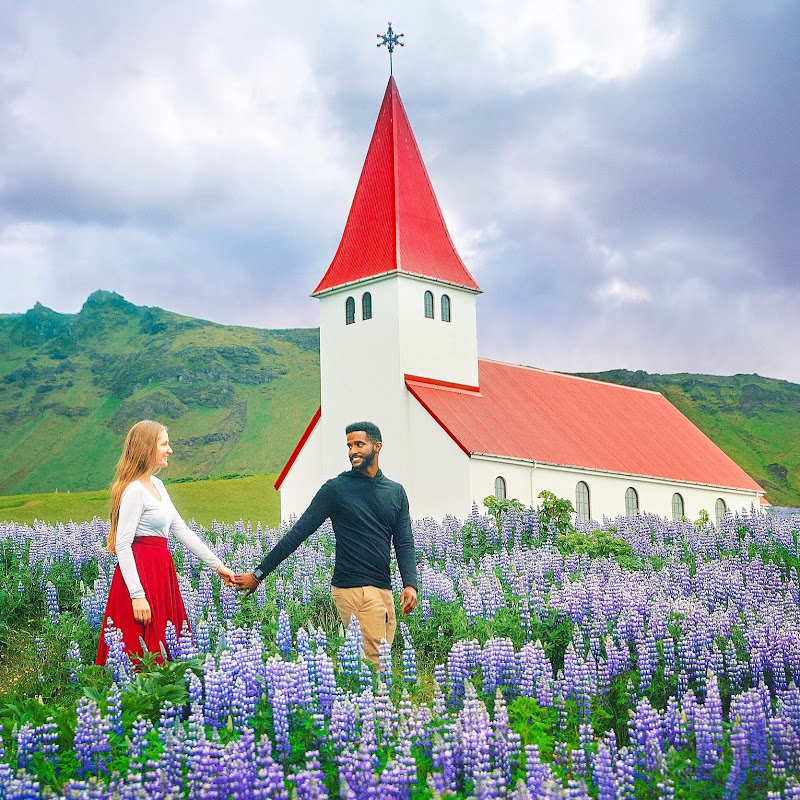
On the surface, Follow Me Away is a fantasy brought to life. It is the visual chronicle of Victoria Yore and Terrence Drysdale, a creative duo who transform dramatic global landscapes into dark, ethereal fairy tales. Yore, a statuesque model in a signature flowing dress, is a constant figure against the wild backdrops of Iceland or Ireland, all captured through Drysdale's lens. Their Instagram feed, a curated gallery of hauntingly beautiful images, has cultivated a dedicated following of over 212,000. Yet, beneath this carefully crafted aesthetic lies a contentious and highly profitable business model, one that has drawn sharp criticism from the professional photography community and led to accusations of the pair running an "Instagram mafia."
Follow Me Away: History and Growth
The partnership began, as many modern creative ventures do, online. In 2015, Victoria Yore, a Tampa, Florida native with an existing travel blog, connected on Instagram with Terrence Drysdale, an established photographer from Seaford, New York. Their shared vision for a different kind of travel content coalesced, and in 2016, they launched "Follow Me Away." The name was a deliberate nod to Murad Osmann's viral "Follow Me To" series, but Yore and Drysdale subverted the formula, replacing its bright, poppy aesthetic with a moodier, more cinematic tone.
The project's unique style found its audience with stunning speed. The @followmeaway Instagram account amassed 100,000 followers within its first year. The visual narrative was simple but powerful: Yore, who stands at 5'9", became the project's muse and central character, while Drysdale orchestrated the photography. Yore also took on the role of writer, crafting all the blog posts and social media captions that accompanied their imagery.
Follow Me Away Content and Style
The Follow Me Away aesthetic is unmistakable. Described as "ethereal and dark," it evokes comparisons to epic fantasy like Game of Thrones rather than the typical sun-drenched influencer content. The formula is consistent: Yore, often in a long, wind-swept gown, is positioned as a solitary, almost mythical figure in vast, imposing landscapes. Locations are chosen for their dramatic potential, with Iceland, Ireland, Oregon, and Romania featuring prominently in their portfolio. The style has remained remarkably consistent since 2016, a reflection of a strong brand identity that avoids fleeting trends in favor of a timeless, fantastical narrative.
How Follow Me Away Makes Money
While their social media presence is the public face of the brand, the economic engine of Follow Me Away is its photography workshops. This is their primary and most significant revenue stream. Held in the same stunning locations they shoot in, these workshops offer attendees the chance to learn from Drysdale while shooting Yore as the model. The entire operation is built around this central offering.
In a move that distinguishes them from many creators of their size, Yore and Drysdale explicitly reject brand sponsorships. They publicly state this decision is to maintain creative control and authenticity, ensuring their feed is not diluted by commercial partnerships. Their monetization is insular, relying on direct-to-consumer sales. Beyond the high-ticket workshops, they generate secondary income through the sale of digital products, specifically Lightroom presets that allow customers to replicate their signature editing style, and a self-published book titled "Follow Me Away."
Follow Me Away: Public Reception and Controversies
The very business model that fuels Follow Me Away became the source of a major controversy that exposed a deep fissure between the duo and the professional photography world. The central allegation, which erupted publicly, was that their workshops were deceptive in their marketing and execution.
The most prominent critic was professional photographer Kate Woodman, who leveled a series of damning accusations. Woodman claimed the workshops, which cost attendees thousands of dollars, were less a learning experience and more a thinly veiled front for Yore and Drysdale to generate their own content. She alleged that participants were treated as "human light stands and baggage handlers" rather than students. Woodman's sharpest critique was coining the term "Instagram mafia" to describe what she saw as an exploitative operation preying on aspiring photographers.
At the heart of the dispute was the "One-at-a-Time Rule." According to accusers, workshop participants were prohibited from shooting simultaneously. Instead, they had to wait their turn, allowing Drysdale to get his perfect shot without competition, while others were prevented from capturing the same high-quality images they had ostensibly paid to create.
Yore and Drysdale mounted a defense, arguing the workshop terms were clearly stated and that they provided a unique opportunity to shoot in epic locations with a professional model and styling — logistics that would be prohibitively expensive for an individual. They maintained the "one-at-a-time" rule was implemented for safety and to manage complex shooting environments. The controversy cleaved their audience. While it significantly damaged their reputation among many professional photographers who saw the practice as unethical, their core following of fans and amateur photographers largely remained loyal, still aspiring to the dreamlike images the duo produced.
Follow Me Away Today
Today, Follow Me Away continues to operate, its business model unchanged despite the public backlash. Victoria Yore and Terrence Drysdale still lead workshops in remote corners of the globe, sell their presets, and populate their Instagram feed with the same dark, fantastical imagery that first launched them to prominence. The controversy has been absorbed into their story, a permanent footnote to their commercial success. With the birth of their third child, a son, in October 2023, the couple is forging ahead, weaving their family life into the ongoing narrative of a brand that remains as visually enchanting as it is professionally divisive.