



About
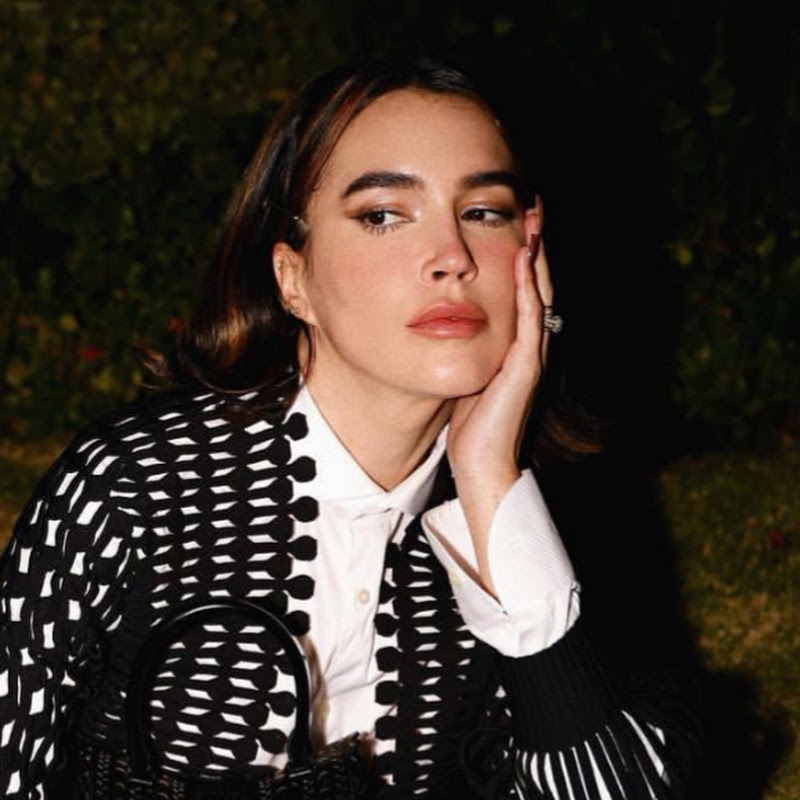
Brittany Xavier: The Fashion Blogger Who Pivoted From Thrifting to Luxury to Tennessee Homesteader
Brittany Xavier has built a career on strategic reinvention. Over a decade, she evolved from a humble blog into a multi-platform lifestyle brand, mastering the art of the pivot long before it became a creator-class necessity. From the accessible charm of "Thrifts and Threads" to luxury brand partnerships with Cartier and YSL, Xavier demonstrated an ability to evolve with — and ahead of — the market. But in early 2024, her most dramatic reinvention — a sudden relocation from California to Tennessee, wrapped in a narrative of faith and family crisis — triggered a firestorm of public criticism. The move, and the sharp content pivot that accompanied it, placed her entire brand under a microscope, raising questions about authenticity, parental responsibility, and the intersection of family life and commerce in the influencer age.
Brittany Xavier's Background: Pre-Law to Fashion Blogger
Born November 23, 1986, in Los Angeles, the Glendora, California, native started on a traditional path. As a political science major in a pre-law program, Xavier had secured law school acceptances in Southern California. But after informational interviews with mothers in the legal profession, she grew concerned about the demanding hours and potential impact on family life. She pivoted away from law.
She entered the corporate world — first at an accounting firm in 2011, then in marketing for an insurance brokerage in 2012. From that structured environment, her digital career emerged. In December 2013, she launched "Thrifts and Threads," a personal style blog conceived as a hobby. Xavier — who identifies as half Argentinean on her paternal side and half French and Irish on her maternal side — applied a marketer's discipline to her passion project. For three consecutive months, she tracked her blog's income until it reliably surpassed her corporate salary and benefits. She left her full-time job in mid-2015 to go independent.
Industry recognition came quickly. In September 2015, she won "Breakthrough Fashion Blogger of the Year" from Bloglovin'. By circa 2018, she recognized the limitations of her brand. The "Thrifts and Threads" identity was tying her to a niche difficult to monetize at scale. She retired the blog's name and began operating under her own: Brittany Xavier.
Brittany Xavier's Content Evolution: Three Distinct Phases
Xavier's content has undergone three transformations. The "Thrifts and Threads" era was defined by accessibility and discovery — showcasing unique thrifted and vintage finds. But this presented a business challenge: one-of-a-kind items couldn't be monetized through the affiliate links that form the financial bedrock of fashion blogging. The model was unsustainable for an audience that wanted to "shop the look."
The rebrand to her own name around 2018 solved this. It unshackled the 5-foot-10-inch influencer from the thrifting niche and opened lucrative partnerships with luxury brands like Cartier and YSL. Her content shifted from blog-centric to video-first, cemented by early adoption of TikTok in 2019. Her personal life became central to the brand, with husband Anthony and children — Jadyn, Poppy (born 2021), and a third child (born 2024) — becoming recurring figures.
The third and most contentious evolution began in early 2024 with the family's move to Tennessee. The high-fashion, urban aesthetic of Pasadena was abruptly replaced by a rural "homesteader" identity. Content pivoted dramatically to wellness, "intentional living," faith, non-toxic products, and domestic skills like baking sourdough bread. This stark transformation from West Coast tastemaker to Southern matriarch became the focal point of major public controversy.
Brittany Xavier's Business Model and Revenue
Xavier's business is a highly integrated family operation. Her husband, Anthony Xavier, isn't just a supportive spouse — he's a full-time business partner who taught himself website development, SEO, and video editing. This in-house skill set allows efficient, high-volume content production that converts the family's daily life into commercial assets.
Revenue is diversified across multiple verticals. Brand partnerships span luxury (Cartier, YSL) to beauty (Dermalogica) to mass-market (Best Buy). Affiliate marketing is a substantial source of income, heavily leveraging the LTK platform with a dedicated "Shop My Instagram" conversion page.
Xavier has also created proprietary products. In December 2018, she launched a 23-piece limited-edition clothing collection with INSPR, sold online and in select Macy's stores. She co-hosts "The Long Game" podcast with her husband and operates a subscription-based Substack newsletter, "In The Making," with members-only content. YouTube AdSense provides additional passive income.
Brittany Xavier's Industry Network
Within the influencer industry, Xavier is a key figure. She's a founding member and serves as Board Vice President of the American Influencer Council (AIC), a trade association for digital creators. On-camera collaborations include YouTube tutorials with makeup artists Justine Marjan and Ash K. Holm, and an interview on "The Happiest Hour," a talk show hosted by creator Jessi Malay.
Brittany Xavier's Tennessee Move Controversy
The early 2024 relocation to Tennessee ignited the most significant backlash of Xavier's career. The family's explanation, detailed in a YouTube vlog, was that the move was driven by "very bad mold" in their California rental home causing health problems. Xavier also framed it as spiritual: "God is leading us."
This was met with immediate skepticism, centered on three controversies.
First: the accusation of parental abandonment. At the time of the cross-country move, their eldest daughter Jadyn was 17 and in her final months of high school. The family left her in California to live with a friend's family to complete her senior year. Critics argued a family with their resources could have easily secured a mold-free rental in California to support their daughter through milestones like prom and graduation. Xavier responded that remaining was Jadyn's choice.
Second: the theory it was a tax move. Commentators noted the timing relative to California's Senate Bill 764, the Child Content Creator Rights Act. Effective January 1, 2025, the law requires influencers to place a percentage of gross earnings from content featuring minors into a protected trust. The law triggers when a minor appears in at least 30% of monetized content, requiring up to 65% of the child's proportionate earnings to be set aside. Xavier's younger children are heavily featured. Tennessee has no such law. To critics, the "mold" story was a pretext to protect a key revenue stream from regulation.
Third: the ideological pivot. Xavier's prior liberal-coded persona — including vocal BLM support in 2020 — was replaced with a brand identity aligned with conservative, "trad-wife" values. Reported online comments expressing support for JD Vance and regret over voting Democratic led to accusations of inauthenticity and "grifting" — adopting a political identity to appeal to a new demographic.
Beyond the relocation, Xavier faces recurring criticism for promoting restrictive eating habits (labeled "almond mom" behavior) and for the broader ethical issue of using her children's lives as a commercial product.
Brittany Xavier's Philanthropy
During the COVID-19 pandemic, Xavier and her husband used their 3D printers to produce and donate approximately 3,000 plastic "ear guards" — devices designed to relieve pain for healthcare workers from prolonged mask-wearing. She's also stated a commitment to using her platform to share verified information and resources for social movements like Black Lives Matter.
Brittany Xavier Today
Xavier's career is defined by adaptation. But her 2024 pivot to Tennessee homesteader, while potentially a smart business move, has come at the cost of intense public scrutiny. The move entangled her brand in complex debates over financial transparency, parental ethics, and the authenticity of ideological transformations. She's publicly addressed the criticism on her podcast as "unfounded rumors." She continues to produce content, her business continues to operate, but the narrative is no longer entirely her own. It's now a contested story, with a vocal audience examining every detail.