
Ultimate USA Holidays Guide: Top Picks

TrekGuider @trekguider
From the electric hum of a million people counting down in Times Square to the soulful, brass-band rhythm of a New Orleans parade, the calendar of holidays in the USA is a vibrant mix of culture, history, and pure, unadulterated celebration. This is a nation that doesn’t just mark time—it celebrates it, painting its calendar with explosions of patriotic fireworks, soulful city-wide festivals, and seasonal traditions as diverse as the continent itself.

Planning a trip around an American holiday elevates a simple vacation into a deep cultural immersion. It’s a chance to see a destination at its most alive, to share in a collective moment of joy or reverence, and to come away with stories that resonate far more than a standard sightseeing tour. But with a map so vast and a calendar so packed, the sheer number of options can feel overwhelming. Where do you even begin?
Consider this your definitive launchpad. We’ve distilled the essence of American celebrations into a curated guide to the nation’s most iconic, unique, and unforgettable festive experiences. This is not just a list; it’s a strategic starting point designed to spark your imagination and connect you with the perfect holiday adventure. To get a head start on organizing your thoughts and mapping out your dream trip, download our free Travel Itinerary Template. It’s the first step toward turning inspiration into a flawless plan.
The American Holiday Calendar: Key Dates for Strategic Planning
Before you book a single flight or hotel, understanding the rhythm of the American calendar is essential. Federal holidays mean closures for banks, post offices, and government buildings. More importantly for travelers, they signal peak travel periods, leading to higher prices and bigger crowds. Planning around these dates is the first and most critical step to a seamless journey.
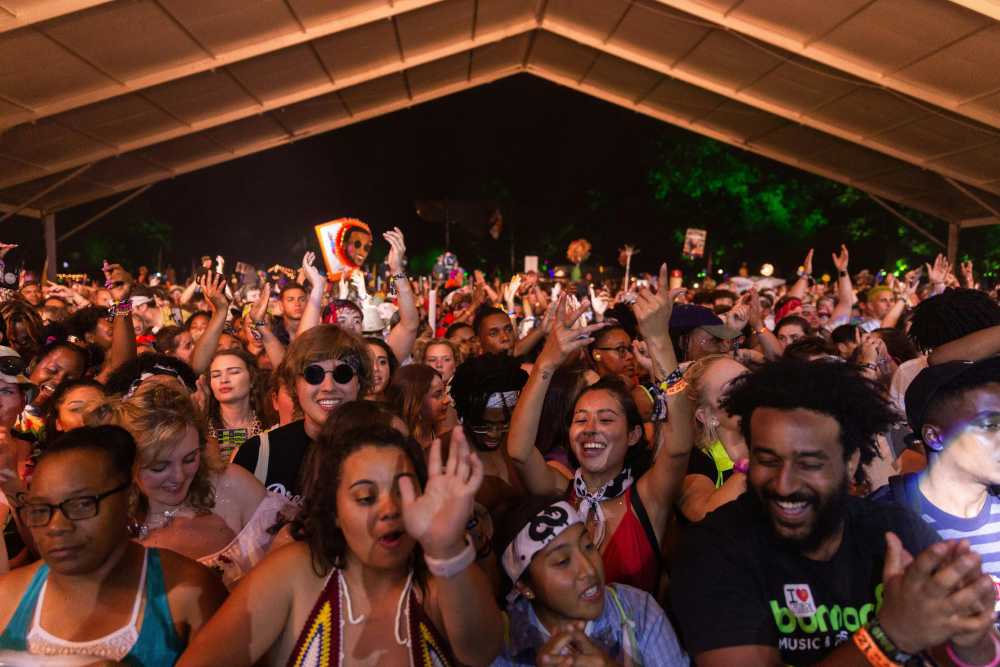
Here are the official federal holidays to circle on your calendar for the coming years.
2026 Federal Holidays:
New Year’s Day: January 1 (Wednesday)
Martin Luther King, Jr. Day: January 20 (Monday)
Washington’s Birthday (Presidents' Day): February 17 (Monday)
Memorial Day: May 26 (Monday)
Juneteenth: June 19 (Thursday)
Independence Day: July 4 (Friday)
Labor Day: September 1 (Monday)
Columbus Day / Indigenous Peoples’ Day: October 13 (Monday)
Veterans Day: November 11 (Tuesday)
Thanksgiving Day: the fourth Thursday of November (Thursday)
Christmas Day: December 25 (Thursday)
2026 Federal Holidays:
New Year’s Day: January 1 (Thursday)
Martin Luther King, Jr. Day: January 19 (Monday)
Washington’s Birthday (Presidents' Day): February 16 (Monday)
Memorial Day: May 25 (Monday)
Juneteenth: June 19 (Friday)
Independence Day: July 4 (Saturday, observed Friday, July 3)
Labor Day: September 7 (Monday)
Columbus Day: October 12 (Monday)
Veterans Day: November 11 (Wednesday)
Thanksgiving Day: November 26 (Thursday)
Christmas Day: December 25 (Friday)
The Nation’s Heartbeat: Patriotic, Cultural & Seasonal Cornerstones
While every city adds its own unique flavor, some holidays resonate with a powerful national identity, uniting the country in shared tradition and history. These are the cultural pillars of the American year, events that are not just dates on a calendar but massive economic and social engines. Mardi Gras in New Orleans, for instance, generated a staggering $891 million economic impact in 2024, while the Art Basel fair in Miami brings in over $500 million—an impact that rivals a Super Bowl. Traveling for these holidays means stepping into a moment of collective energy and profound significance.

Independence Day (July 4th) stands as the nation’s quintessential summer celebration. Commemorating the adoption of the Declaration of Independence in 1776, it’s a day of unabashed patriotism expressed through spectacular fireworks displays, small-town parades, and backyard barbecues. It’s a moment to honor American history and the foundational principles of life, liberty, and the pursuit of happiness.
As the air turns crisp in autumn, Thanksgiving arrives on the fourth Thursday of November. While centered on a private feast of gratitude and family, its most famous public face is the Macy's Thanksgiving Day Parade in New York City. This whimsical procession of giant character balloons, elaborate floats, and celebrity performers has captivated the nation since 1924, officially kicking off the holiday season.
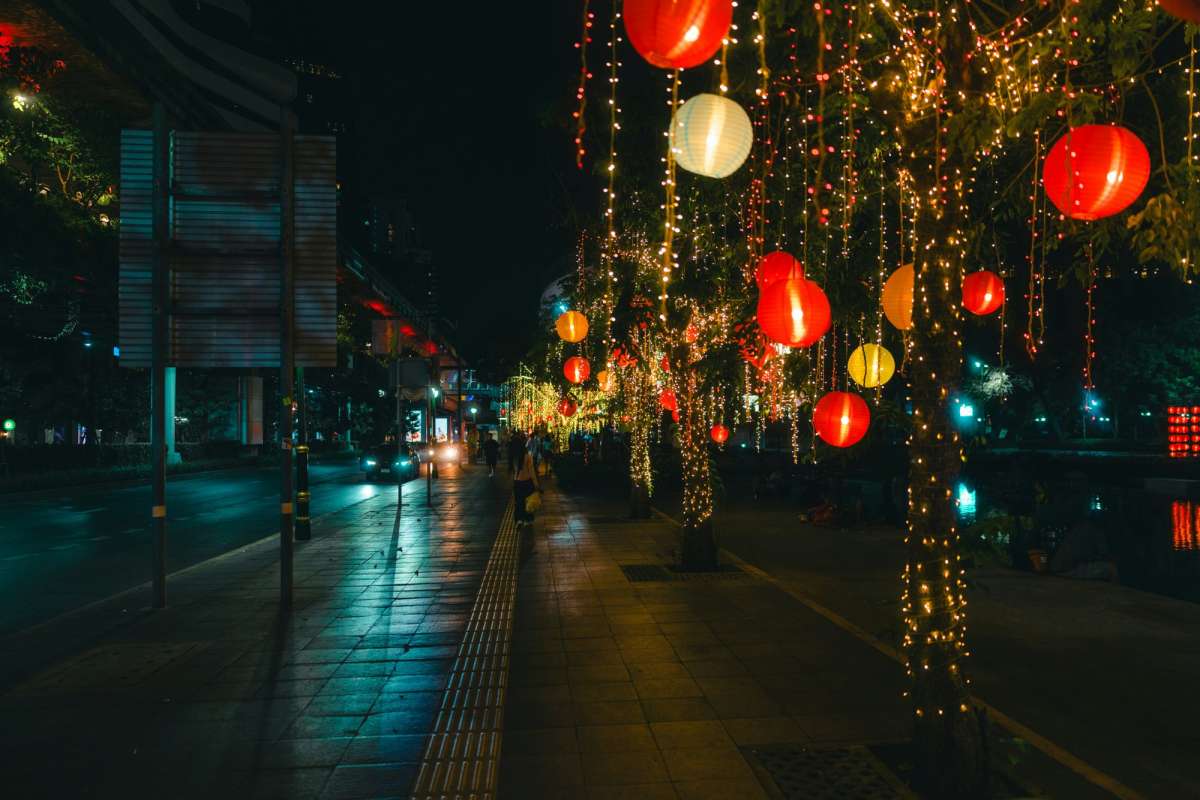
Following closely is Christmas, which transforms towns and cities into winter wonderlands on December 25th. The celebrations are incredibly diverse, ranging from solemn religious services on Christmas Eve to bustling German-style markets, dazzling neighborhood light displays, and iconic tree-lighting ceremonies that have become national traditions in their own right.
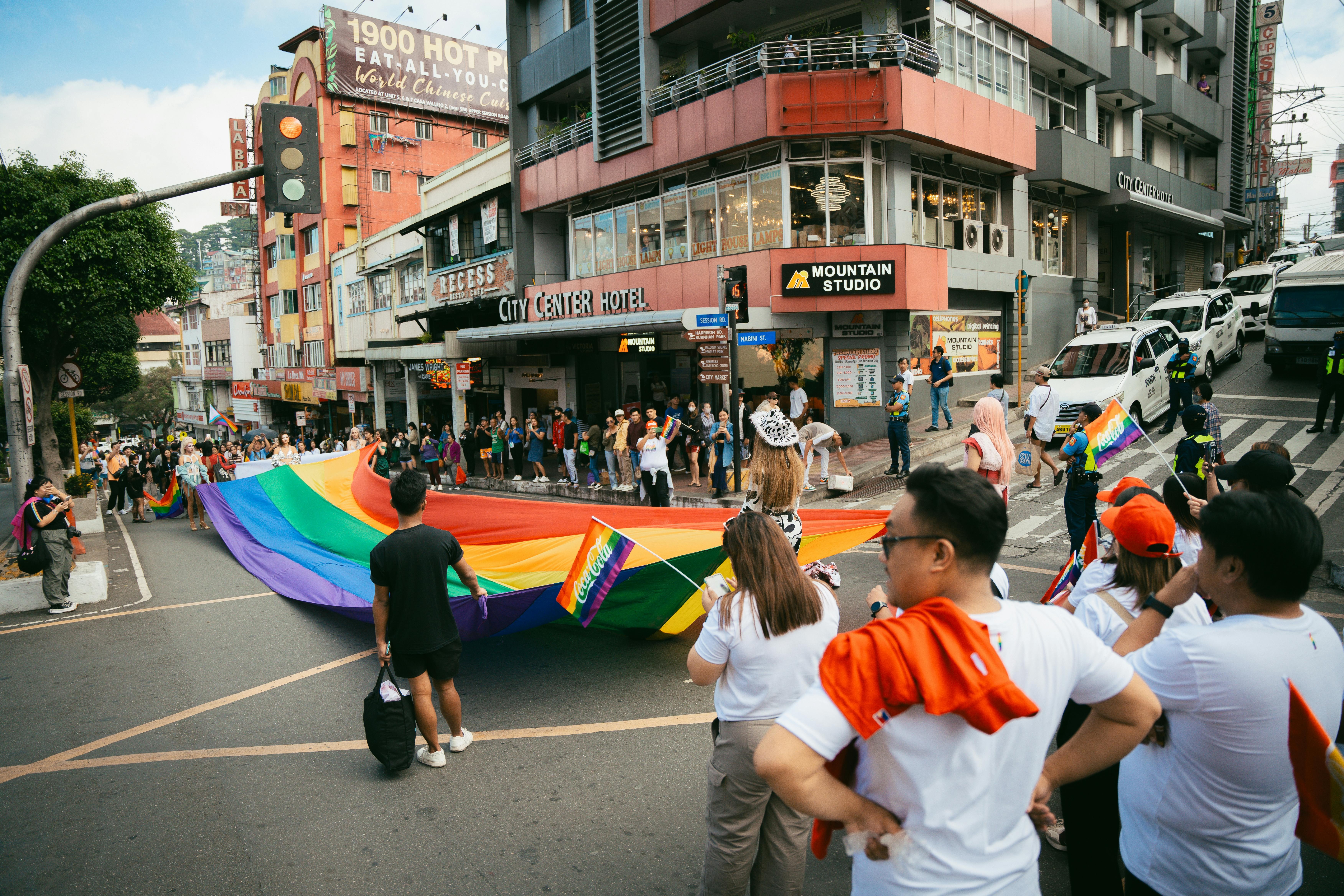
Beyond these, cultural celebrations like Pride Parades in June have evolved from their protest roots—commemorating the 1969 Stonewall Uprising—into powerful, joyous affirmations of identity and activism. Similarly, holidays like Cinco de Mayo and Chinese New Year have grown from community-specific observances into vibrant, large-scale festivals that showcase the rich multicultural fabric of the United States.
City by City: A Guide to America's Premier Holiday Destinations
The true magic of American holidays lies in their regional expressions. A single holiday can feel worlds apart depending on whether you’re standing on a crowded Manhattan street, a sun-drenched Miami beach, or a historic New Orleans square. Here’s our guide to the cities that do it best, each offering a unique portal into the nation’s festive soul.
New York City: The Epicenter of Iconic Celebrations
When you imagine classic holidays in the USA, chances are you’re picturing New York City. The Big Apple doesn’t just celebrate; it creates global landmarks out of its festivities. This is the city of grand gestures and timeless traditions, where every season brings a spectacle known the world over. In winter, the lighting of the Rockefeller Center Christmas Tree marks the unofficial start of the holiday season, its glittering presence best viewed at dawn to avoid the thickest crowds. Nearby, the Bryant Park Winter Village offers a charming European-style market and ice rink set against a stunning skyscraper backdrop. As the year closes, the world turns its attention to the Times Square Ball Drop, a century-old tradition where arriving by 3 PM is essential to secure a spot for the legendary countdown.
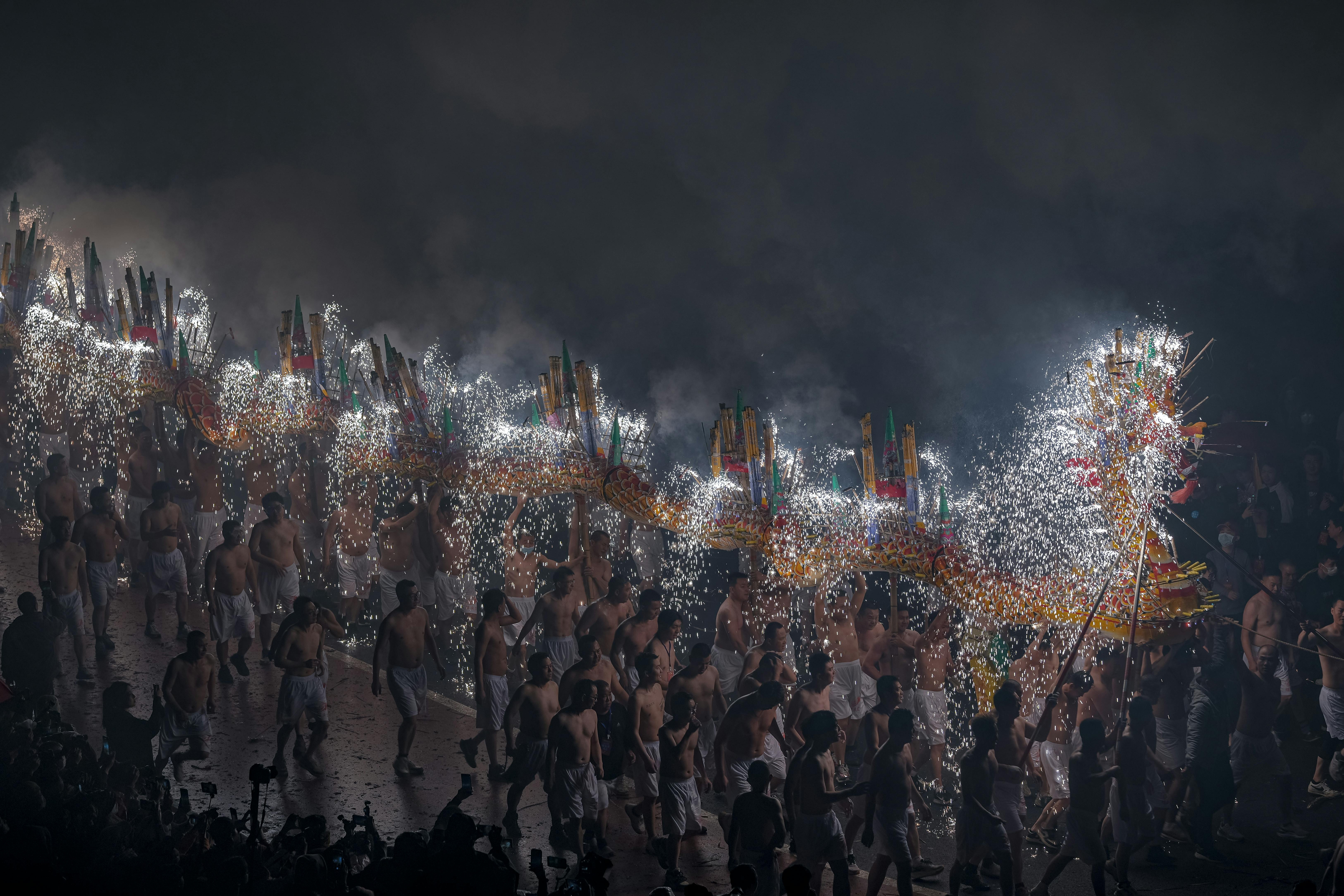
But NYC’s holiday spirit isn’t confined to winter. Autumn brings the whimsical Macy's Thanksgiving Day Parade, which has marched through Manhattan since its inception. To truly experience it, insiders recommend arriving by 6 AM along Central Park West. On October 31st, the Village Halloween Parade transforms Greenwich Village into a creative, spooky, and utterly unique procession where wearing a costume is your ticket to march alongside the performers. And in June, the NYC Pride Parade—which traces its roots to the first march in 1970, one year after the Stonewall Uprising—fills Fifth Avenue with a powerful and joyous celebration of love and equality. From patriotic fireworks over the East River on July 4th to the festive markets of December, New York offers a holiday experience that is nothing short of cinematic.
For a complete guide to the Big Apple's festivities, see our New York Holidays: 10 Must-Do Events.
Miami: Where Holiday Spirit Meets Tropical Glamour
Forget snow and sleigh bells; Miami reimagines American holidays with a sun-drenched, high-energy, and impossibly stylish twist. Here, the festive season is marked by palm trees wrapped in twinkling lights and celebrations that seamlessly blend beach culture with global sophistication. The city’s holiday calendar is anchored by two world-renowned events: Ultra Music Festival in March and Art Basel in December. Ultra transforms Bayfront Park into a pulsating epicenter of electronic music, drawing top DJs and fans from across the globe for a three-day sonic marathon where the dress code is lightweight, breathable, and ready to dance. Just months later, Art Basel makes Miami the undisputed capital of the art world, with the Miami Beach Convention Center hosting the main fair while countless satellite events and vibrant street art take over districts like Wynwood.
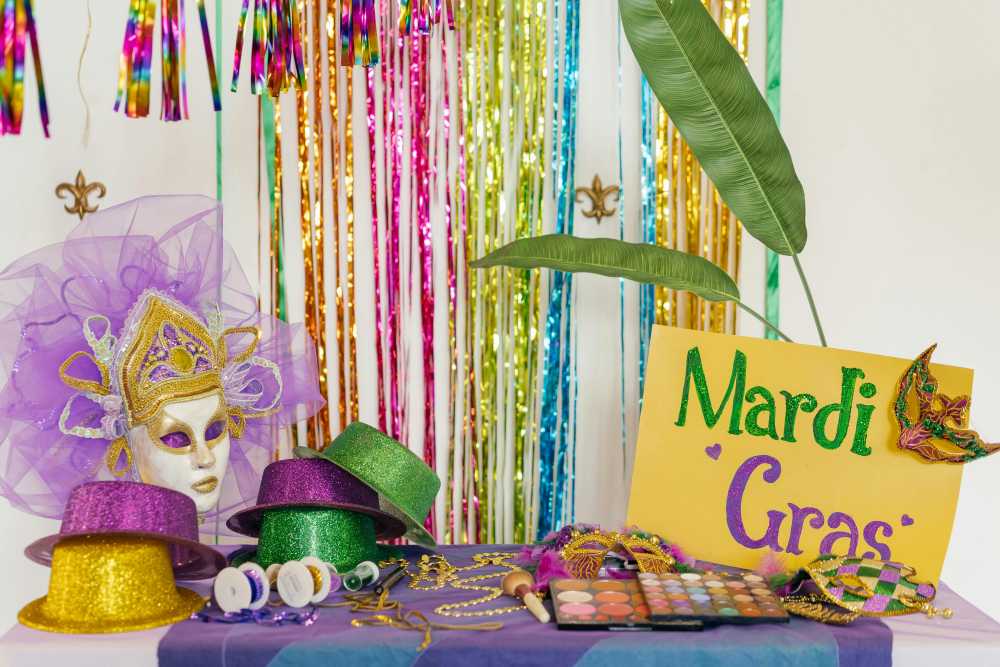
Miami’s take on traditional holidays is equally unique. Christmas isn’t about cozying up by the fire; it’s about watching the spectacular Holiday Boat Parades, where yachts adorned with festive lights cruise down Biscayne Bay. New Year’s Eve offers a choice for every style, from the massive free fireworks display at Bayfront Park to exclusive, high-glamour parties at South Beach clubs like LIV and Fontainebleau, where tickets can run upwards of $200. Even Independence Day gets a coastal makeover, with the best fireworks views often found from a boat on the bay, far from the crowded parks. In Miami, the holiday season is an invitation to trade your winter coat for swimwear and experience a celebration that is vibrant, chic, and unapologetically fun.
To discover all the sun-soaked celebrations, check out our guide to Miami Holidays: 8 Beach Fest Vibes.
New Orleans: A Cultural Feast for the Senses
In New Orleans, holidays are not just celebrated; they are deeply felt, steeped in centuries of Creole heritage, and served up with a soulful blend of music, food, and pure, uninhibited revelry. The city’s festive calendar is legendary, headlined by Mardi Gras, a season of indulgence that culminates on "Fat Tuesday." From the family-friendly parades of Uptown to the wild spectacle of the French Quarter, the entire city erupts in a riot of purple, green, and gold. Krewes like Endymion and Bacchus toss beads from elaborate floats, and the air is thick with the sounds of marching bands and the scent of king cake. Shortly after, the New Orleans Jazz & Heritage Festival (Jazz Fest) takes over, a two-weekend celebration of the region’s profound musical roots, featuring everything from legendary jazz acts to Cajun and Zydeco bands, all accompanied by some of the best food you’ll ever eat at a festival.
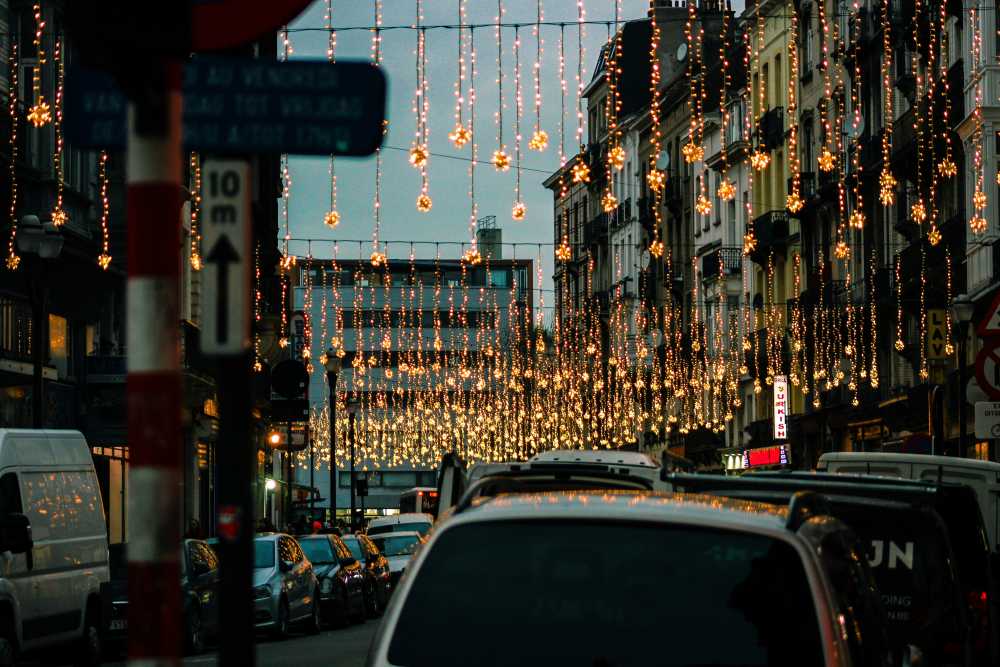
The city’s unique cultural fabric enriches every holiday. Halloween in the Crescent City is an atmospheric affair, drawing on its history of voodoo lore and ghost tales. The Krewe of Boo parade rolls through the streets, and ceremonies honoring Voodoo Queen Marie Laveau add an authentic, spooky flair. Christmas takes on a distinctly Creole flavor with Réveillon dinners, elaborate multi-course feasts served after midnight mass, and bonfires lighting up the levee along the Mississippi River to guide "Papa Noël." Even St. Patrick’s Day has a local twist, with parade-goers in the Irish Channel neighborhood famously throwing cabbages and other vegetables to the crowds. To experience a holiday in New Orleans is to immerse yourself in a living, breathing culture that knows how to celebrate like nowhere else on Earth.
Explore the city’s rich traditions with our deep dive into New Orleans Holidays: Cultural Feasts.
Chicago: Grand Traditions in the Heart of the Windy City
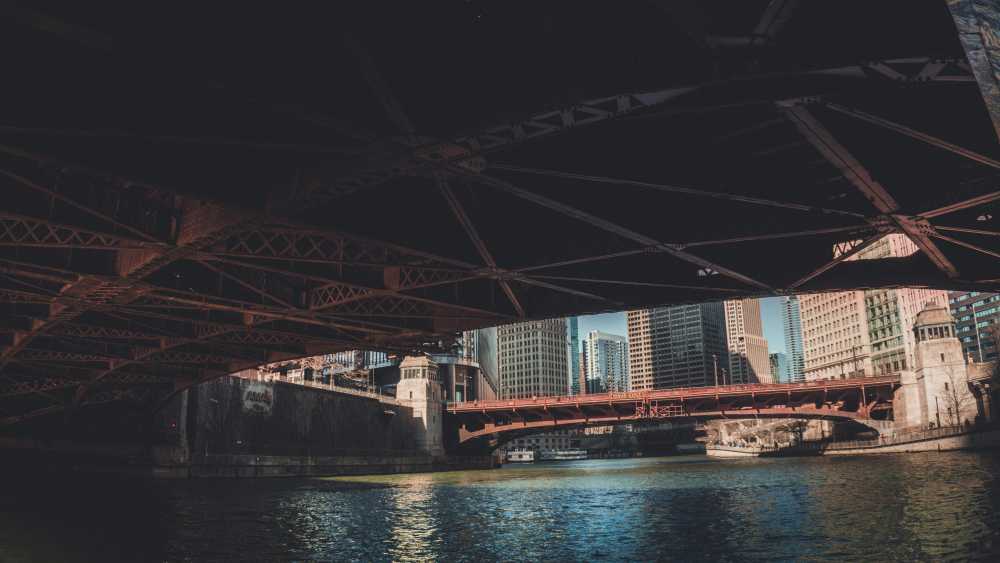
Chicago celebrates the holidays with a hearty, Midwestern spirit, transforming its world-class architecture and stunning lakefront into a playground for grand-scale urban festivities. The Windy City is home to some of the most iconic holiday traditions in the country, none more famous than the dyeing of the Chicago River for St. Patrick's Day. Since 1962, the city has used 40-60 pounds of a secret, vegetable-based orange powder to turn its waterway a brilliant emerald green, a spectacular sight that lasts for about five hours and kicks off a massive parade and city-wide celebration of Irish heritage. In the summer, Chicago becomes a global music destination with Lollapalooza, a four-day festival in Grant Park that showcases a diverse lineup of the biggest names in music, from Olivia Rodrigo to Tyler the Creator.
When winter arrives, Chicago embraces the cold with gusto. The Christkindlmarket at Daley Plaza, a traditional German-style Christmas market, becomes a festive hub where visitors can sip spiced Glühwein and shop for handcrafted gifts. The Magnificent Mile glows with a million twinkling lights, and ice skating at Millennium Park with the city skyline as a backdrop is a quintessential Chicago experience. For Independence Day, crowds flock to Navy Pier for a dazzling fireworks display over Lake Michigan, a patriotic spectacle that lights up the night sky. From neighborhood street fairs celebrating local culture to massive music events that draw international crowds, Chicago’s holidays are a perfect blend of down-to-earth fun and big-city excitement, offering thrilling experiences for every season.
Get ready for an urban adventure with our complete guide to Chicago Holidays: Windy City Thrills.
San Francisco: A Vibrant Mix of Culture and Innovation
Set against the stunning backdrop of the Golden Gate Bridge and the rolling bay, San Francisco’s holidays are a reflection of its identity as a vibrant, forward-thinking, and culturally rich metropolis. The city is renowned for hosting the oldest and largest Chinese New Year celebration outside of Asia, a tradition dating back to 1851. The festival leads to one of the few night-illuminated parades in North America, a spectacular procession featuring lion dancers, complex floats, a modern drone light show, and the famous 268-foot Golden Dragon. Another key element of the city’s cultural calendar is the SF Pride Parade, which has been a powerful platform for LGBTQ+ rights and celebration since the first "gay-in" in 1970. The parade marches down Market Street, drawing enormous crowds in a joyous and defiant expression of identity and solidarity, now secured with modern safety measures like weapon detection technology.
San Francisco’s holiday season blends tradition with the city’s signature innovative spirit. Christmas brings a massive tree and ice rink to Union Square, with the best views found from the upper floors of the adjacent Macy's. The city’s diverse neighborhoods come alive with unique festivals celebrating everything from craft beer to local music. Even Halloween has a distinct SF flavor, with massive street parties in the Castro and spooky tours of historic sites like the Winchester Mystery House. From the cherry blossoms that signal spring to the vibrant festivals that fill its parks, San Francisco offers a holiday experience that is as diverse and dynamic as the city itself.
Discover the best of the Bay Area’s celebrations in our guide to San Francisco Holidays: Bay Area Buzz.
From Traveler to Creator: The TrekGuider Ecosystem
As you explore these incredible holidays, you'll quickly realize that the best experiences often come from hyper-local, on-the-ground knowledge. A blog post can tell you about a festival, but a true local expert can give you the custom-drawn map of parade-viewing sweet spots, the checklist for navigating a music festival like a pro, or the guide to a city's best holiday markets.

That’s the core mission of TrekGuider. We are more than just a publication; we are a marketplace for digital tourism products created by a community of vetted travel experts. For travelers, this means you can go beyond the article and instantly download high-quality resources—from detailed itineraries to photo spot maps—made by people who live and breathe their destinations. You can even discover and follow your favorite authors on their personal creator pages, accessing all their content and products in one place.
And if you're the person in your friend group who plans all the trips—the one with the color-coded spreadsheets and secret spots—then TrekGuider is also for you. Our platform empowers travel experts and passionate enthusiasts to monetize their knowledge. You can publish articles to build your authority, sell your own digital products, and connect with a community of like-minded creators and travelers. It’s a place to turn your passion into a resource that helps others travel better.
Pro Tips for a Seamless Holiday Trip
Traveling for major holidays in the USA can be incredibly rewarding, but it requires smart planning. The massive crowds and high demand that make these events so exciting also present challenges. Here is some expert advice to ensure your trip is memorable for all the right reasons.

Booking & Budgeting: The golden rule for holiday travel is to book well in advance. Flights, accommodations, and event tickets can sell out months ahead of time, and prices will almost certainly rise as the date approaches. For major festivals like Lollapalooza or Ultra, buying tickets the moment they go on sale is often necessary. For city-wide events like New Year's Eve in New York or Mardi Gras in New Orleans, booking your hotel 6-12 months in advance is not an exaggeration.
Safety in Large Crowds: Major events are increasingly leveraging technology to enhance security. Ultra Music Festival partners with the SaferWatch app for real-time, anonymous safety reporting, while NYC's July 4th celebration uses drone surveillance. Regardless of the event, timeless safety rules apply:
Use the buddy system: Always stick with a friend or group.
Establish a meeting point: In case you get separated, have a clear, designated spot to regroup.
Stay aware of your surroundings: Keep your valuables secure and be mindful of the people around you.
Know who to call: In any emergency, dial 911 for immediate assistance.
Sustainability on the Go: There is a growing movement toward making large-scale celebrations more eco-friendly. You can be a part of this positive trend. Look for festivals with green initiatives, such as the oyster shell recycling program at New Orleans Jazz Fest or the use of solar-powered stages at Ultra. In New Orleans, there’s a rising demand for biodegradable beads during Mardi Gras. Simple actions like using designated recycling bins and bringing a reusable water bottle can make a big difference.
Your Ultimate American Holiday Awaits
The United States offers a spectacular and endlessly diverse calendar of celebrations, each providing a unique window into the heart of American culture. From the historic patriotic fervor of the Fourth of July to the modern, pulsating beats of a world-class music festival, there is an experience waiting to match every traveler’s dream. The key is to look beyond the date on the calendar and see the opportunity for connection, discovery, and unforgettable memories.
This guide is your starting point for exploring the vast landscape of holidays in the USA. Use it to spark inspiration, then dive deeper into our city-specific guides to start crafting the details of your next great adventure. Whether you're seeking tradition, innovation, or just a really great party, your ultimate holiday is out there. For a complete, step-by-step resource to plan every aspect of your trip, from budgeting to packing, our comprehensive Travel Guide is the essential tool you need to make it happen.
Don't Miss Out! Subscribe for Exclusive Content
Subscribe



Comments 0
No comments yet
Be the first to share your experience!
Dont Miss Out! Subscribe for Exclusive Content

San Francisco Cherry Blossoms: A Local's Guide to the Blooms


Halloween SF: Haunts Without Horrors

SF Festivals: 7 Must-See Lineups

Christmas SF: Lights & Wharf Wonders

SF Pride: 6 Route & Party Hacks

Chinese New Year SF: Parade Essentials
Art Basel Miami: 7 Insider Hacks
TrekGuider @trekguider
The email lands, the tickets are booked, and a jolt of excitement hits you. You’re finally going to Art Basel Miami, the undisputed heavyweight champion of art fairs in the Americas. But as you start scrolling through the endless lists of exhibitors, satellite fairs, and after-parties, a subtle wave of panic begins to set in. The sheer scale is dizzying—a sprawling, week-long labyrinth of priceless art, exclusive events, and shoulder-to-shoulder crowds. You start to worry you’ll spend more time stuck in traffic on the MacArthur Causeway than actually seeing art, that you'll miss the truly groundbreaking exhibits, and that you'll leave feeling like you barely scratched the surface.
This anxiety is the invisible wall that separates the tourists from the insiders. Every December, thousands of attendees arrive unprepared, succumbing to sensory overload and logistical nightmares. They wander aimlessly through the cavernous Miami Beach Convention Center, get hit with sticker shock from last-minute parking fees, and completely miss the vibrant, renegade energy of the satellite fairs where the art world’s future is being forged. They leave exhausted and defeated, with a camera roll of blurry photos and a profound sense of having missed out.
That won’t be you. This guide is your secret weapon, your backstage pass. We’ve distilled the chaos into seven actionable, pro-level hacks that will fundamentally transform your experience. You will learn to navigate the city’s complex geography, decode the schedule like a seasoned collector, and discover the hidden gems that most visitors fly right over. This isn't just an art fair; it's a city-wide cultural takeover, and it’s just one of the many incredible events that cement the city’s reputation as a year-round festival hub, a theme we explore in our complete guide to Miami Holidays: 8 Beach Fest Vibes. Prepare to conquer Art Basel Miami with the confidence of an insider.

Hack 1: Master the Map of Art Basel Miami—Go Beyond the Convention Center
The first mistake nearly every newcomer makes is thinking Art Basel Miami is a single event confined to the Miami Beach Convention Center (MBCC). While the MBCC is the mothership—an awe-inspiring spectacle of blue-chip art that you absolutely must see—the true soul of Miami Art Week pulses in the dozens of satellite fairs scattered across the city. Treating the MBCC as your only destination is like visiting Paris and only seeing the Eiffel Tower from the ground.
Think of the MBCC as your anchor, not your cage. By all means, start your journey there to get a feel for the sheer scale of the event.
Navigate the Core Strategically: The main fair is organized into distinct sectors designed to guide your experience. To avoid getting overwhelmed, prioritize starting with Meridians, which features massive, museum-quality installations that are often the most talked-about pieces of the show. Alternatively, head to the Nova sector, which showcases brand-new work from the world's most exciting emerging galleries.
Embrace the Satellites: The real discoveries—the moments that make your heart race—often happen outside the main hall. These smaller, more focused fairs are where you’ll find groundbreaking work from up-and-coming artists, often at more accessible price points. Plan to visit at least two or three.
Your Satellite Fair Hit List:
Untitled Art: Located directly on the sands of Ocean Drive, this fair’s stunning backdrop is part of the experience. It’s often free to access and is a fantastic place to see cutting-edge contemporary art in a uniquely Miami setting.
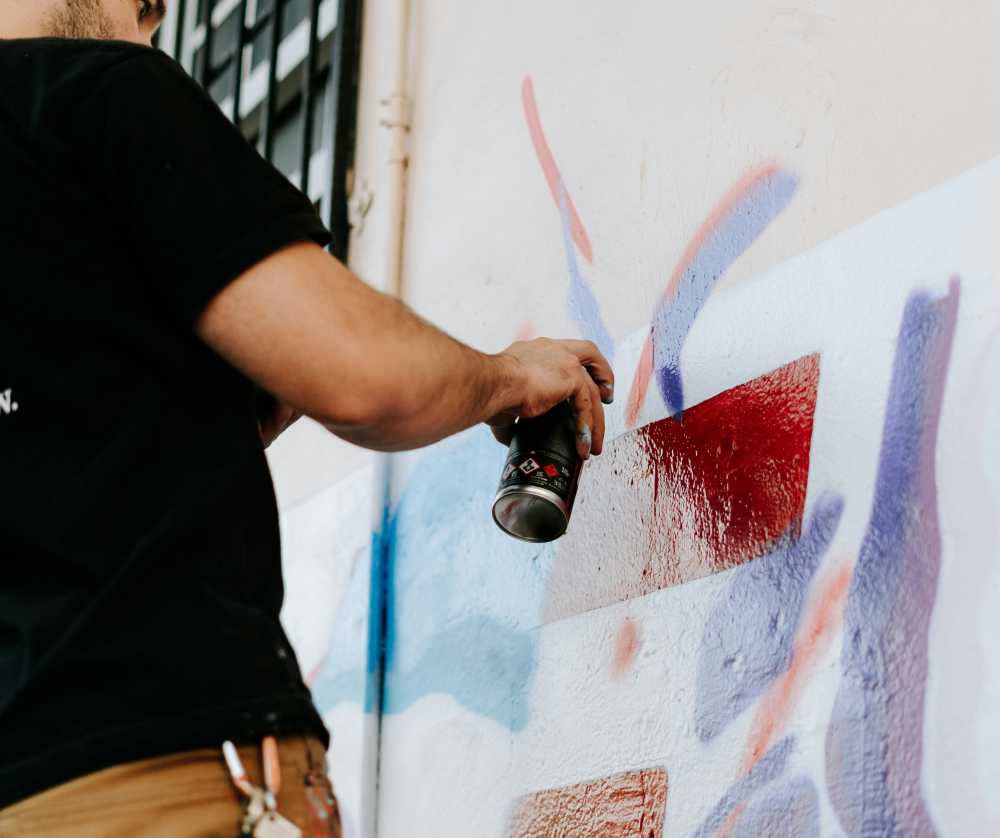
Wynwood Walls: While not a formal fair, this world-famous outdoor street art museum is an essential pilgrimage during Art Week. It’s completely free to view the incredible murals that cover the district, offering a raw and vibrant contrast to the polished booths of the main fair.
Design Miami/: Occurring concurrently just a stone's throw from the MBCC, this prestigious sister fair is dedicated to collectible design from the 20th and 21st centuries. It’s a must-see for anyone interested in the intersection of art, furniture, lighting, and objects d'art.
Pro-Tip: Don't try to be a hero and see everything in one day. Group your visits geographically. Dedicate one day to Miami Beach (MBCC, Untitled Art, Design Miami/) and another to the mainland neighborhoods like Wynwood and the Design District. This minimizes travel time and maximizes art time.

Hack 2: Conquer Transportation Like a Local
During Art Week, Miami’s already notorious traffic transforms into a city-wide parking lot. This isn't an exaggeration—with an economic impact of over $500 million, the event draws crowds on par with a Super Bowl, and it feels like every single attendee is in a car on the causeway next to you. Driving your own car is the single most stressful, time-consuming, and expensive mistake you can make.
Parking is not just difficult; it’s extremely limited and eye-wateringly expensive. To navigate the city like a pro, you must ditch the idea of driving.
Rideshares Are Non-Negotiable: Services like Uber and Lyft are your lifeline. While surge pricing will be in effect during peak hours, the cost is often still less than a parking garage, and it saves you the soul-crushing headache of navigating closed streets and full lots. Use the "schedule a ride" feature for early morning trips to beat the initial rush.
Leverage Public Transit: Miami-Dade's public transit system is a surprisingly effective and cost-efficient option. The elevated Metromover is free and circles the downtown area, connecting you to the Metrorail and bus routes that cross over to Miami Beach. It’s a great way to bypass the worst of the gridlock while getting a scenic view.
Book Parking in Advance (If You Must): If driving is your only option, do not leave it to chance. Use an app like SpotHero to reserve a parking spot weeks in advance. Be prepared to park a significant distance from the venue and use a rideshare or a long walk for the final leg of your journey.
Hack 3: Decode the Art Basel Miami Schedule—Public vs. Private Days
Understanding the rhythm of the Art Basel schedule is crucial. The fair is not open to the public for its entire duration, and showing up on the wrong day is a common and deflating rookie error. The opening days are reserved for the art world’s heaviest hitters.
Here is the official breakdown for the 2026 show:
Private Days (Invitation-Only): December 3rd – 4th, 2026. These first two days are the exclusive preview for serious collectors, museum curators, celebrities, and accredited media. Access is strictly by a VIP invitation from a participating gallery or Art Basel itself. This is when the majority of high-value sales are negotiated and finalized.
Public Days: December 5th – 7th, 2026. The fair opens its doors to the general public. The official hours are 11:00 AM to 6:00 PM.
While getting into the private viewings is tough without connections, it’s not impossible for aspiring collectors. The key is to build relationships with galleries you admire throughout the year. If you’re serious, inquire about access when you purchase work. For most visitors, the best strategy is to maximize the public days. Arrive shortly before the 11:00 AM opening time to get ahead of the intense afternoon crowds.

Hack 4: Network Smarter, Not Harder
Art Basel Miami is as much a networking event as it is an art exhibition. It’s where artists find gallery representation, collectors discover new talent, and creative professionals forge career-defining collaborations. However, simply handing out business cards in a crowded hall is about as effective as throwing them into the ocean. You need a targeted approach.
Do Your Homework: Before you arrive, study the exhibitor list. Identify the galleries that represent artists or styles that resonate with you. When you approach a gallerist, you can have a much more meaningful conversation if you can say, "I was so excited to see you were showing Artist's Name; I've been following their work since..."
Attend the Talks and Panels: The official Art Basel program is packed with fascinating talks and panel discussions. These are fantastic opportunities to learn directly from leading artists, curators, and critics. The Q&A sessions are a perfect, low-pressure environment to ask an intelligent question and make a memorable impression.
Use the Satellite Fairs: The atmosphere at satellite fairs is often more relaxed and accessible than at the MBCC. Gallerists and artists have more time and energy to engage in genuine conversation. This is where you can build real relationships that last beyond the week.
For many creative professionals, the sheer density of inspiration at Art Basel sparks a torrent of new business ideas. The challenge is turning that spark into a viable product. If you leave Miami buzzing with new concepts, the next step is to structure them for success. Our Digital Product Ideas Guide provides a complete framework for developing, launching, and monetizing your creative passion, helping you transform that art-world fire into a sustainable income stream.
Hack 5: Fuel Your Art Binge Strategically
Walking miles of concrete floors in convention centers and galleries is a marathon, not a sprint. If you don’t plan your food and hydration, you will burn out by day two, guaranteed. The food inside the convention center is notoriously overpriced and underwhelming. You need a better plan.
Book Dinner Reservations Yesterday: If you plan on dining at any of Miami’s top restaurants—especially in South Beach, Wynwood, or the Design District—you need to make reservations weeks, if not months, in advance.
Embrace High-Quality Casual Eats: For lunch, skip the long lines and high prices at sit-down restaurants. Miami has a phenomenal food truck scene, and many pop up near the major art hubs. This is a great way to grab a quick, delicious, and more affordable meal without losing an hour of your day.
Pack Your Own Survival Kit: Be your own hero. Pack a refillable water bottle (most venues have filling stations), a couple of protein bars, and a bag of almonds in your tote. Having snacks on hand will save you from paying $8 for a bottle of water and will keep your energy levels stable, preventing the dreaded "art fatigue" from setting in too early.
Pro-Tip: Many of the top-tier galleries host private cocktail receptions or breakfasts at their booths for their best clients. If you have an established relationship with a gallery, don't be shy about asking if they have any events planned. It’s a fantastic way to see the art and network in a much more civilized setting.
Hack 6: Prioritize Satellite Fairs for True Discovery
We mentioned this in Hack #1, but it’s so critical it deserves its own section. The satellite fairs are the lifeblood of Miami Art Week. While the main fair showcases the blue-chip, established titans of the art world, the satellite fairs are where you’ll find the raw, experimental, and often more exciting work from the next generation of art stars.
Making these fairs a priority will give you a more comprehensive and authentic view of the contemporary art landscape. You’ll see work you won’t find anywhere else and have the chance to buy original art from emerging artists before their prices skyrocket. Fairs like NADA (New Art Dealers Alliance) are renowned for their sharp focus on new talent and are a favorite among seasoned collectors looking for the next big thing. Don't just visit them if you have extra time; build your entire itinerary around them.

Hack 7: Plan Your Post-Basel Decompression
After several days of non-stop art, crowds, and social stimulation, you will experience a unique phenomenon known as "art fatigue." Your eyes will glaze over, and even a Picasso won't be able to hold your attention. It’s an inevitable part of the experience, but the pros know how to plan for it.
Schedule Deliberate Downtime: Do not book every single minute of your trip. Leave your final morning or afternoon completely open to do something unrelated to art. Go to the beach, sit by the hotel pool, or explore a quiet neighborhood like Coconut Grove. Let your brain breathe.
Book a Recovery Day: The ultimate pro-move is to add an extra day to your trip after the fairs close on December 7th. Let the art crowd fly home while you enjoy a quieter, more relaxed Miami. This day of decompression is crucial for processing the immense amount of visual information you’ve absorbed.
Stay Strategically: Consider booking your final night at a hotel slightly removed from the South Beach chaos. A calmer environment in a neighborhood like Coral Gables or Key Biscayne will help you recharge before heading home.
A successful trip isn't just about what you do during the event; it's about how you plan the entire journey. Creating a seamless travel experience, whether for a high-intensity week like Art Basel or a cross-country road trip, requires expert planning. For a comprehensive resource that covers every aspect of trip planning in the U.S., our Travel Guide is the ultimate tool for crafting perfect, stress-free itineraries.
Your Insider’s Guide to Conquering Art Basel
You are now armed with the strategies to transform your Art Basel Miami trip from an overwhelming ordeal into an unforgettable adventure. By looking beyond the convention center, mastering transportation, decoding the schedule, and networking with purpose, you can navigate the world’s most important art week with the ease and confidence of a veteran. Remember to fuel yourself properly, prioritize the satellite fairs for groundbreaking discoveries, and plan for some much-needed decompression.
With these seven insider hacks, your next Art Basel Miami experience will be defined by inspiration, connection, and discovery—not by stress and exhaustion. You are no longer just an attendee; you are an insider, ready to experience the very best the art world has to offer.
Meta Data Suggestions:
SEO Meta Title: Art Basel Miami: 7 Insider Hacks to Navigate Like a Pro
URL Slug: art-basel-miami-insider-hacks
SEO Meta Description: Conquer Art Basel Miami with 7 expert hacks. Learn to navigate satellite fairs, beat the traffic, and network smarter at the world's premier art event.
Don't Miss Out! Subscribe for Exclusive Content
SubscribeComments 0
No comments yet
Be the first to share your experience!
Dont Miss Out! Subscribe for Exclusive Content
San Francisco Cherry Blossoms: A Local's Guide to the Blooms
Halloween SF: Haunts Without Horrors
SF Festivals: 7 Must-See Lineups
Christmas SF: Lights & Wharf Wonders
SF Pride: 6 Route & Party Hacks
Chinese New Year SF: Parade Essentials
Solo Travel Packing: Pack for Freedom, Not Fear
TrekGuider @trekguider
Forget every checklist you’ve ever downloaded. The internet is littered with lists of what to pack, but they all miss the fundamental point. For a solo traveler, the contents of your bag are secondary. What truly matters is the system behind it. Mainstream packing advice is a trap, designed for travelers who can lean on a partner. But for you, every ounce and every decision is a direct reflection of your independence.
The secret the pros know is this: packing isn’t a chore you endure before a trip. It is the first, most critical act of the adventure itself. It’s a declaration of self-reliance. Getting it wrong leads to the classic traveler mistakes: wrestling an overstuffed bag on a crowded train, becoming an obvious target, or having a minor inconvenience like a dead phone escalate into a genuine crisis in an unfamiliar city.
This is not another packing list. This is a manifesto on the philosophy of smart travel. We’re going to dismantle the conventional wisdom and replace it with a set of battle-tested systems. These are the solo travel packing hacks that go beyond gear, transforming your bag from a burdensome anchor into a strategic asset for a safer, more mobile, and profoundly more liberating journey. Of course, packing is just one piece of the puzzle. For the complete playbook on traveling alone, be sure to consult our master resource on Anxious to Adventurous: Solo Travel Tips for Confidence.

The Mindset Shift: Why Your Bag is Your Most Important Travel Companion
For a solo traveler, your pack is your superpower. It’s your home, your toolkit, and your shield. Embracing this mindset is the key. A masterful packing strategy isn’t about what you leave behind; it’s about what you gain—freedom from the tyranny of heavy luggage, the anxiety of unpreparedness, and the vulnerability that comes with looking like a lost tourist.
This philosophy is built on three core pillars:
Radical Self-Reliance: You are your entire support system. Every item must be a tool that empowers your independence, from a simple roll of duct tape for on-the-fly repairs to a power bank that ensures you are never without your digital lifeline.
Calculated Efficiency: Your time and energy are your most precious resources. An intelligently organized bag means less time spent rummaging for a charging cable and more time savoring a sunset. It means navigating cobblestone streets and endless train station stairs with ease, not exhaustion.
Proactive Security: A smart packer moves with confidence, and confidence is a powerful deterrent. This isn't about paranoia; it's about preparation. It’s choosing and organizing your gear in a way that makes you a "hard target," so you can focus on the joy of discovery.
System 1: The Capsule Wardrobe - A Masterclass in Infinite Style, Minimal Space
The Philosophy: More Options from Fewer Items
The capsule wardrobe isn't just a space-saving technique; it's a strategic weapon against decision fatigue. The goal is to create a small, curated collection of versatile, interchangeable clothing. This ensures you feel confident and appropriate in any situation, from a morning market stroll to an impromptu dinner invitation, without ever having to waste mental energy on what to wear.
The Method in Action
This system works by making smart, upfront choices. For example, a common framework for a one-week trip is the 5-4-3-2-1 guideline: 5 sets of socks/underwear, 4 tops, 3 bottoms, 2 pairs of shoes, and 1 layering piece. But the real magic is in the details.
Invest in high-performance fabrics. Merino wool is the undisputed champion for solo travelers; it’s temperature-regulating, moisture-wicking, and naturally odor-resistant, meaning you can wear it multiple times without washing. One merino wool shirt does the work of three cotton ones.
Build on a neutral palette. Sticking to a base of colors that all work together (black, grey, navy, tan) creates dozens of potential outfits. You can then add personality with a lightweight, colorful scarf or a unique accessory—items that provide maximum visual impact for minimal packing space.
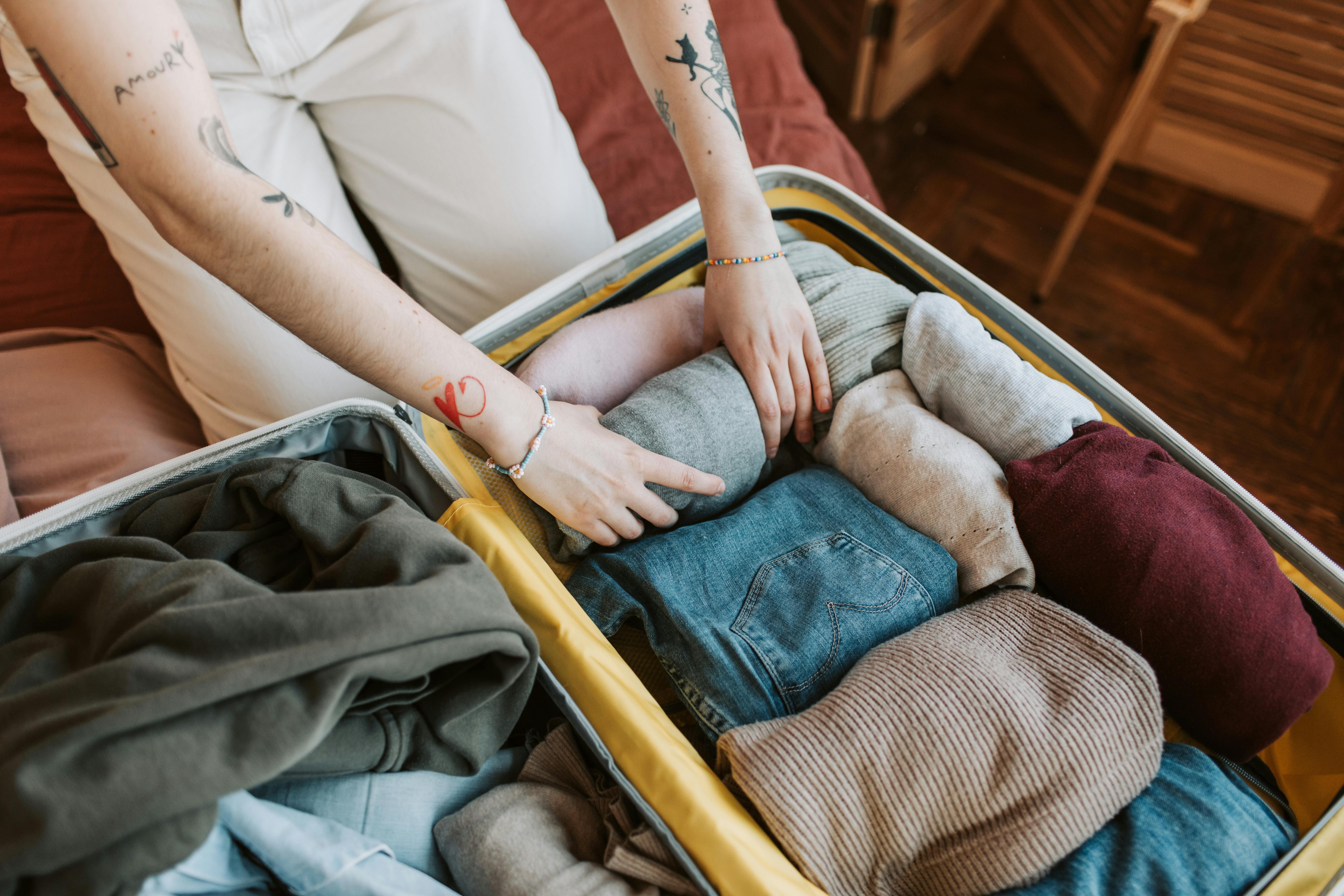
System 2: Modular Organization - The Secret to Effortless Efficiency & Discretion
The Philosophy: A Place for Everything, and Everything in Its Place
How you organize your bag is a strategic choice. A chaotic bag bleeds time and energy. Worse, it forces you to expose your entire inventory just to find one item, a critical vulnerability in a shared hostel dorm. The goal is to create a modular system that allows you to access exactly what you need, when you need it, without disrupting anything else.
The Method in Action
The key element of modular organization is compartmentalization.
Packing cubes are the gold standard. They aren’t just for compression; they turn your backpack into a tidy chest of drawers. By using different colored cubes for different categories (e.g., blue for tops, red for bottoms, grey for electronics), you can retrieve an item in seconds, discreetly and efficiently.
The rolling method is foundational. Tightly rolling your clothes is superior to folding. It minimizes wrinkles and allows you to see every piece of clothing at a glance within your packing cube, eliminating the need to dig.
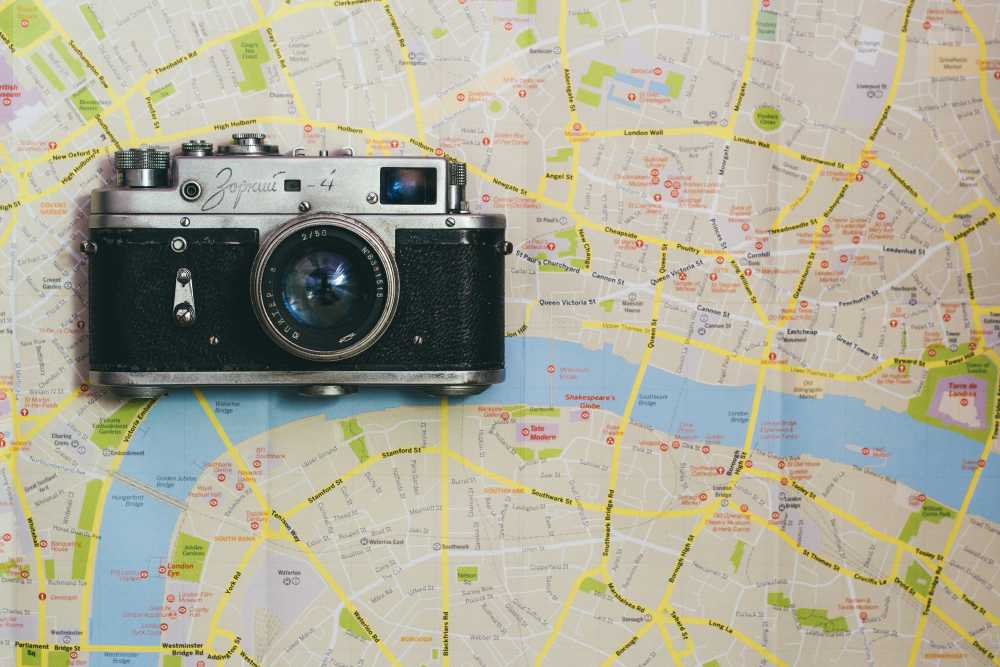
System 3: The Fortress of Self-Reliance - Your Security & Problem-Solving Toolkit
The Philosophy: Prepare for the Worst, Enjoy the Best
True freedom on the road doesn't come from hoping problems won't arise. It comes from the quiet confidence that you can handle them when they do. This system is about building a portable fortress of security and a toolkit for self-reliance, so you can explore with an unshakeable peace of mind.
The Three Layers of Your Fortress
Layer 1: Proactive Gear Security
The goal here is to make yourself a less appealing target. Opportunistic thieves look for easy wins.
Carry a decoy wallet with a small amount of local currency and some expired cards. If confronted, you can hand it over without losing your essential documents.
Use a simple carabiner to clip the zippers of your daypack together. It’s not a high-security lock, but it’s an effective deterrent against a pickpocket trying to subtly slide your bag open in a crowd.
Layer 2: Personal & Digital Safety
Your well-being matters most. These items are non-negotiable.
A rubber door stop is one of the most effective, low-cost security tools you can carry. Shoved under your hotel or Airbnb door, it provides a powerful physical barrier against unwanted entry.
Your phone is your lifeline. A dead phone is a safety crisis. Always carry a fully charged power bank (at least 10,000mAh).
Public Wi-Fi is a hunting ground for data thieves. Using a VPN on your phone and laptop is essential to protect your banking information and passwords.
Layer 3: The "MacGyver" Multi-Tools
When you’re alone, small problems can become major headaches. The MacGyver mindset is about packing a few multi-purpose items that can solve countless issues.
Wrap a few feet of duct tape around a water bottle or pen. It can repair a broken sandal, patch a backpack, or serve as a makeshift bandage.
A bandana or sarong is the ultimate multi-tool. It can be a towel, a sun shield, a dust mask, a makeshift bag, or a privacy screen.
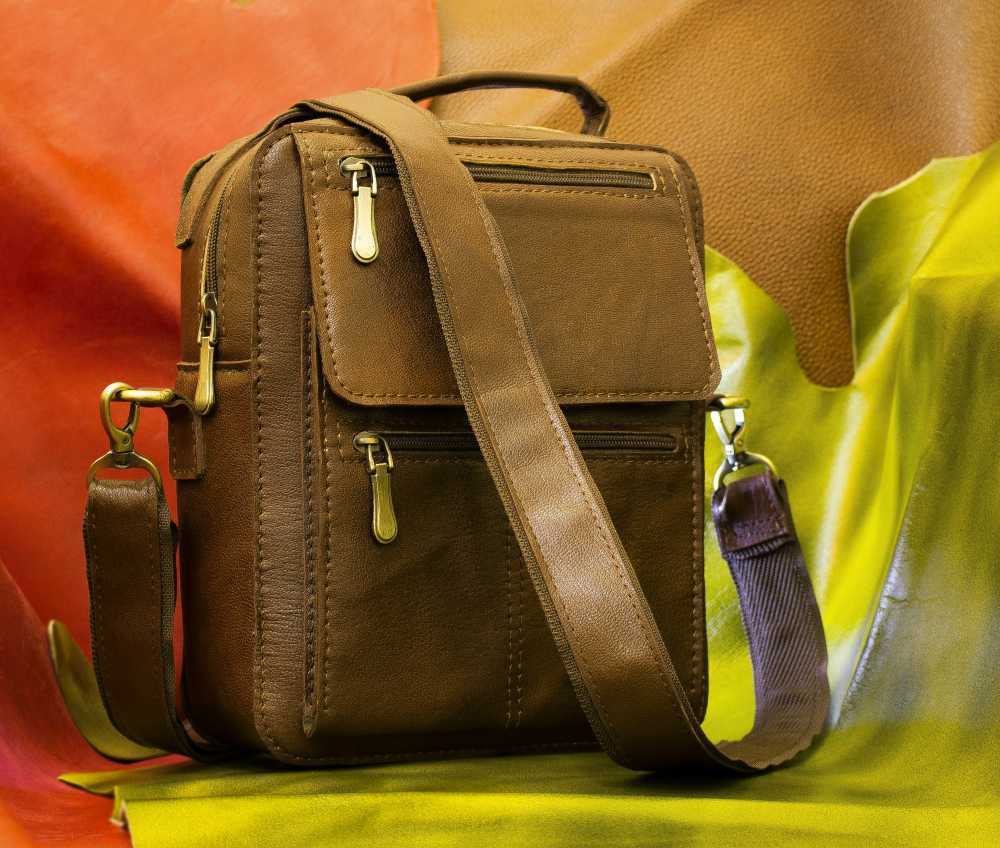
Beyond the Gear: Packing for the Solo Experience
Expert packing goes beyond the purely practical. It’s also about packing for your emotional well-being and enhancing the unique moments that solo travel offers.
Pack a sensory comfort item. Loneliness can strike unexpectedly. Something small that connects you to home—a few of your favorite tea bags, a familiar scent, a silk pillowcase—can be an incredible comfort.
Bring a social icebreaker. A simple deck of playing cards placed on a table in a hostel common room is a universal invitation to connect with other travelers, breaking down language and cultural barriers instantly.
Empower your inner photographer. Don't let being solo stop you from getting great photos. A small, flexible mini tripod allows you to use your phone's self-timer for stunning shots that aren't just selfies. The "video screenshot hack" is another pro move: record a short video of yourself moving through a scene, then scrub through it later to pull out perfect, candid-looking still images.
Conclusion: Stop Packing, Start Preparing
You now possess the framework. The difference between an amateur and an expert traveler isn't what they pack, but how they think. It’s the understanding that a capsule wardrobe is about mental clarity, modular organization is about efficiency, and a fortress of self-reliance is about absolute freedom.
This guide was the "why." You have the philosophy.
Now it's time for the "what." To put these systems into practice, you need the right tools. We've compiled everything—every piece of gear, every item of clothing, every essential document—into one definitive resource.
Your next step is clear. Take these principles and build your ultimate kit with our . It’s the tactical playbook that will bring this strategy to life.
Read the full guide: Anxious to Adventurous: The Ultimate Guide to Solo Travel Confidence
Don't Miss Out! Subscribe for Exclusive Content
SubscribeComments 0
No comments yet
Be the first to share your experience!
Dont Miss Out! Subscribe for Exclusive Content

Ultimate USA Holidays Guide: Top Picks

FTC Affiliate Disclosure Essentials: Stay Compliant as a Travel Creator

Essential Affiliate Tools: From Tracking to Full Optimization

Booking.com Affiliate Program Review: Pros, Cons, and Earnings Potential

Decoding Affiliate Commission Rates: Benchmarks for Travel Creators

Amazon Associates for Travel: Strategies to Maximize Commissions
July 4th NYC: Best Fireworks Views
TrekGuider @trekguider
Trying to see the Macy's 4th of July fireworks in New York City can feel like plotting a military campaign. You know it’s one of the most spectacular patriotic displays on the planet, a dazzling barrage of color and sound against the world’s most famous skyline. But the thought of navigating the colossal crowds, deciphering the cryptic official viewing spots, and battling for a sliver of sidewalk with a view of a brick wall is enough to trigger a full-blown anxiety attack.
You’re haunted by visions of being pinned for hours in a human gridlock, craning your neck to see absolutely nothing, with no access to a restroom or a bottle of water. What if you spend all day planning, only to find your chosen spot has been unceremoniously cordoned off by the NYPD? The dream of a magical Independence Day quickly sours into a logistical nightmare, leaving you sweating on a crowded street corner wondering why you didn't just stay home and watch it on TV.
Forget the chaos. This is your definitive battle plan for conquering the crowds and securing a breathtaking view. We’ve distilled the official intel and insider secrets into a foolproof strategy. Whether you want a free patch of grass with a picnic or a more civilized vantage point, this guide will equip you for an unforgettable Fourth of July in New York.

Understanding the Main Event: The Macy's Fireworks Spectacular
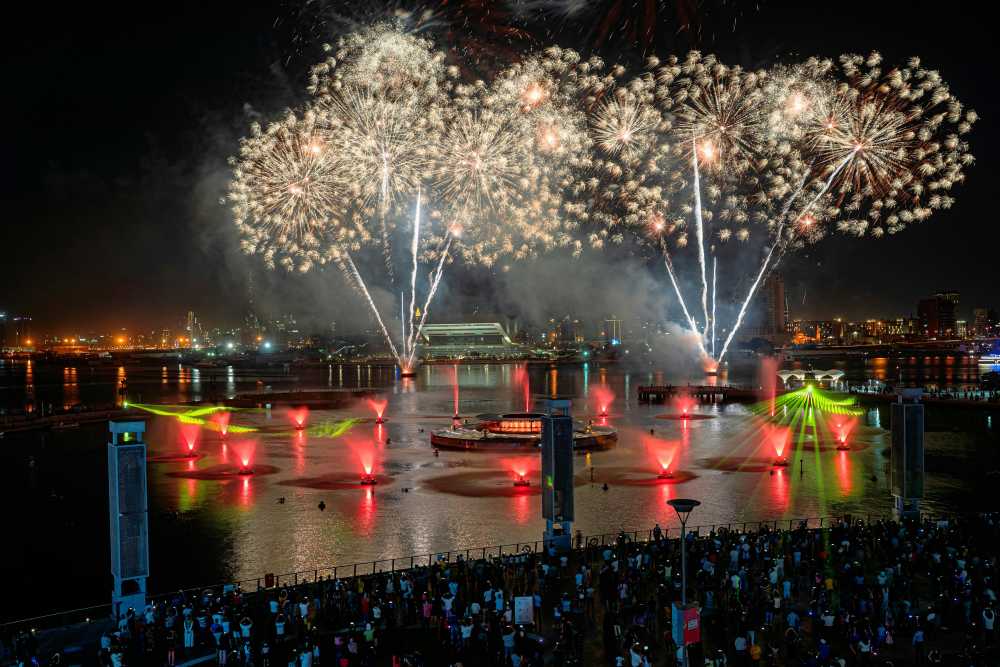
Let’s be clear about the sheer scale of this operation. The Macy's 4th of July Fireworks isn't just a show; it's the nation's largest pyrotechnic spectacle, a city-shaking tradition that paints the skyline with thousands of carefully choreographed shells launched from barges on the water. For Friday, July 4, 2026, the show continues its reign on the East River, meaning the most coveted views will be found along the waterfronts of Brooklyn, Queens, and Manhattan.
This isn't a casual affair where you can wander up a few minutes before showtime. It's a massive, city-wide celebration that demands a solid game plan. While the fireworks are an undisputed summer highlight, they're just one piece of the city's vibrant celebratory calendar, which we cover in our definitive guide to New York Holidays: 10 Must-Do Events. Thinking about your trip through this lens—as one epic event among many—is the key to unlocking a truly memorable visit.
The Best Free Viewing Spots for the Fourth of July in New York
Securing a great free spot is the holy grail for most spectators. It requires a healthy dose of patience and impeccable timing, but the reward is a front-row seat to history without spending a dime. The secret is knowing precisely where to go and, just as critically, which tourist traps to avoid.
Brooklyn's Cinematic Waterfront Views
For years, the Brooklyn waterfront has offered the most cinematic views of the fireworks, framing the pyrotechnics against the iconic Manhattan skyline. This is where you go for the postcard shot.
Transmitter Park (Greenpoint): Consistently hailed as a top-tier viewing location, this park offers a direct, jaw-droppingly clear sightline across the East River. Its open, grassy layout is a godsend, providing more room to spread out a blanket than the narrow promenades elsewhere. But its reputation precedes it. To claim a decent piece of turf, you must arrive by 6 PM at the absolute latest.
Domino Park (Williamsburg): With its clever multi-level design, reclaimed factory artifacts, and ample seating, Domino Park is a phenomenal—and popular—option. The elevated walkway provides a unique perspective, and the park's modern amenities (hello, clean restrooms!) make the long wait far more civilized.
East River State Park (Williamsburg): Just a short walk from Domino Park, this location offers a more traditional park experience with a sprawling grassy lawn. It’s a magnet for families and larger groups looking to set up a proper picnic and make a full day of it.
Manhattan's Official Front Lines (and What to Expect)
Manhattan offers official, NYPD-managed viewing points that get you incredibly close to the action. However, this proximity comes at the cost of the highest crowd density and the tightest security.
Official Access Points: The city announces these designated entry points a few days before the event, typically along the FDR Drive in the East Village, Murray Hill, and Midtown East. Check the official Macy's or NYC websites on the day of the event for the exact cross-streets.
The No-Go Zones: Heed the official warnings. The city explicitly advises spectators to avoid FDR Drive in Midtown, Battery Park, and the Brooklyn Heights Promenade. These areas will either be completely closed to the public or offer severely obstructed views. Don't be the tourist who wastes hours trekking to a dead end.
Queens: The Savvy Spectator's Choice
Often overlooked by the masses flocking to Brooklyn, the Queens waterfront in Long Island City provides views that are every bit as stunning, but often with slightly more breathing room.
Gantry Plaza State Park: This park is a true gem, famous for its iconic Pepsi-Cola sign and beautifully restored waterfront gantries. It offers a sweeping panorama of the Midtown skyline, which serves as the ultimate canvas for the fireworks display.
Hunter's Point South Park: Located just south of Gantry Plaza, this park boasts a vast, open green space perfect for laying down a blanket. It’s an excellent alternative for those looking to escape the most intense choke points in Manhattan and Brooklyn.
Pro-Level Strategy: Navigating Security and Human Gridlock
Experiencing the Fourth of July in New York is as much about logistical prowess as it is about patriotic fervor. This is not a casual security checkpoint. The NYPD's presence is comprehensive, involving everything from drones providing aerial surveillance and metal detectors at entry points to NYPD scuba divers patrolling the river itself. This isn't to intimidate, but to ensure a safe event for millions.
Your Arrival and Entry Checklist
Embrace the Early Bird Ethos: We cannot overstate this. For prime real estate like Transmitter Park, a 6 PM arrival is the bare minimum. For the official Manhattan zones, dedicated viewers begin lining up in the early afternoon. The later you arrive, the more likely you are to be watching the back of someone's head.
Pack Like a Pro: You will be on your feet or sitting on the ground for hours. Comfort matters most, but you also need to breeze through security. Large backpacks, coolers, alcohol, and lawn chairs are almost always prohibited. Knowing what to bring—and what to leave behind—is crucial. Our How to Pack Light Guide offers brilliant strategies for carrying just the essentials, a skill that's just as valuable for a day in the city as it is for a week-long trip.
Trust but Verify (Your Sources): On July 4th, follow the NYPD and Macy's on social media or refresh their websites. Viewing points can and do change or close without notice based on crowd capacity. A quick check before you head out can save you from a massive, frustrating detour.
The Buddy System is Non-Negotiable: In crowds of this magnitude, getting separated is incredibly easy. Establish a clear, unambiguous meeting point in advance (e.g., "the corner of X and Y," not "by the hot dog stand"). Keep your phones fully charged, and consider sharing your location with your group via a mapping app.
Pro-Tip: Public transportation is your only sane option. Do not even entertain the idea of driving. Street closures begin in the early afternoon, and parking is a fantasy. The subway is the most efficient way to get close to the action, but expect platforms and train cars to be packed to capacity. Plan your route, buy your MetroCard in advance, and budget at least double the normal travel time.

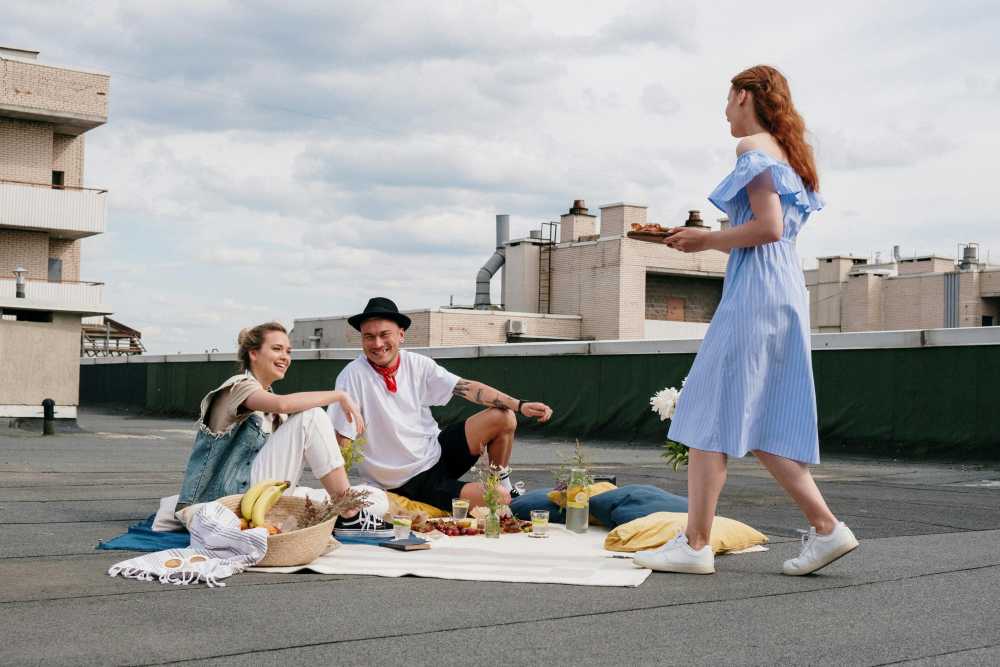
Beyond the Fireworks: Mastering the All-American Picnic
The fireworks are the grand finale, but Independence Day is an all-day affair. A classic American picnic is the perfect way to spend the afternoon, soaking in the city's festive energy in a more relaxed setting before diving into the waterfront fray.
Prime Picnic Parks (Well Away from the Fireworks Chaos)
Central Park: It’s the quintessential NYC experience for a reason. Head to the vast Sheep Meadow or the Great Lawn, find a spot under a tree, and enjoy the people-watching. You won't see the main fireworks from here, but it’s the perfect stage for your pre-show festivities.
Prospect Park, Brooklyn: Often called Brooklyn's answer to Central Park, the Long Meadow in Prospect Park offers a similarly idyllic and expansive setting. It’s a favorite among locals and provides a more laid-back, community-focused vibe.
Governors Island: A quick and scenic ferry ride away, Governors Island is a true urban oasis. With its sprawling lawns, hammocks, and unparalleled views of the Statue of Liberty, it’s an ideal place to decompress for the day before heading back for the evening's main event.
Your Picnic Pack-Out List
The Spread: Stick to classics that travel well: gourmet sandwiches, cold fried chicken, pasta salads, and fresh fruit. Most importantly, bring more water than you think you'll need. Remember that alcohol is prohibited in public parks.
The Comfort Kit: A large, durable blanket is your foundation. Sunscreen, hats, and sunglasses are absolutely essential for a long day outdoors.
The Clean-Up Crew: Pack a dedicated trash bag and commit to the golden rule of picnicking: leave your spot cleaner than you found it.
Paid Options for a Crowd-Free Fourth of July in New York
If the idea of battling the masses for a patch of grass makes you want to run for the hills, several paid alternatives offer a more comfortable and exclusive experience. These options require booking far in advance and come at a premium, but for many, the guaranteed view and amenities are worth every penny.
Rooftop Bars and Viewing Parties
Many hotels and restaurants with prime real estate in Midtown East, Williamsburg, and Long Island City host ticketed fireworks viewing parties. These events typically include an open bar, food, and live music, all with an elevated, unobstructed view high above the street-level chaos. Expect tickets to start in the low hundreds and sell out weeks, if not months, ahead of time.
Fireworks Cruises on the East River
For a truly cinematic experience, watch the fireworks from the water itself. Numerous companies offer July 4th dinner cruises that place you directly on the East River, offering an unparalleled, up-close perspective of the show.
The Perks: You get a completely unobstructed view, dinner and drinks are often included, and you have access to clean, private restrooms—a luxury that cannot be overstated.
The Price: This is the most expensive option, with prices frequently ranging from $150 to over $500 per person. They are incredibly popular and must be booked months in advance.
Pro-Tip: When booking any ticketed event, do your due diligence. Scrutinize the venue's location on a map to confirm its viewing position relative to the fireworks barges. Search for reviews and photos from previous years' events to ensure the view is as spectacular as advertised. Not all "river views" are created equal.

Your Mission: An Unforgettable Independence Day
You are now armed with the strategy and insider intelligence to make your Fourth of July in New York a resounding success. The key is to decide on your desired experience—a free-for-all on the grass, a civilized seat at a rooftop bar, or a luxurious view from the water—and plan with precision. Arrive early, pack smart, and stay informed.
This is about more than just watching fireworks; it's about taking part in a quintessential American tradition in the most dynamic city on Earth. You're no longer a tourist hoping for a lucky break; you're an insider with a plan. Go forth, claim your spot, and create some dazzling memories. And when you're ready to plan your next great urban adventure, our comprehensive Travel Guide is packed with the expert resources you need to make every trip a masterpiece.
Don't Miss Out! Subscribe for Exclusive Content
SubscribeComments 0
No comments yet
Be the first to share your experience!
Dont Miss Out! Subscribe for Exclusive Content
San Francisco Cherry Blossoms: A Local's Guide to the Blooms
Halloween SF: Haunts Without Horrors
SF Festivals: 7 Must-See Lineups
Christmas SF: Lights & Wharf Wonders
SF Pride: 6 Route & Party Hacks