
Ultimate USA Holidays Guide: Top Picks

TrekGuider @trekguider
From the electric hum of a million people counting down in Times Square to the soulful, brass-band rhythm of a New Orleans parade, the calendar of holidays in the USA is a vibrant mix of culture, history, and pure, unadulterated celebration. This is a nation that doesn’t just mark time—it celebrates it, painting its calendar with explosions of patriotic fireworks, soulful city-wide festivals, and seasonal traditions as diverse as the continent itself.

Planning a trip around an American holiday elevates a simple vacation into a deep cultural immersion. It’s a chance to see a destination at its most alive, to share in a collective moment of joy or reverence, and to come away with stories that resonate far more than a standard sightseeing tour. But with a map so vast and a calendar so packed, the sheer number of options can feel overwhelming. Where do you even begin?
Consider this your definitive launchpad. We’ve distilled the essence of American celebrations into a curated guide to the nation’s most iconic, unique, and unforgettable festive experiences. This is not just a list; it’s a strategic starting point designed to spark your imagination and connect you with the perfect holiday adventure. To get a head start on organizing your thoughts and mapping out your dream trip, download our free Travel Itinerary Template. It’s the first step toward turning inspiration into a flawless plan.
The American Holiday Calendar: Key Dates for Strategic Planning
Before you book a single flight or hotel, understanding the rhythm of the American calendar is essential. Federal holidays mean closures for banks, post offices, and government buildings. More importantly for travelers, they signal peak travel periods, leading to higher prices and bigger crowds. Planning around these dates is the first and most critical step to a seamless journey.

Here are the official federal holidays to circle on your calendar for the coming years.
2026 Federal Holidays:
New Year’s Day: January 1 (Wednesday)
Martin Luther King, Jr. Day: January 20 (Monday)
Washington’s Birthday (Presidents' Day): February 17 (Monday)
Memorial Day: May 26 (Monday)
Juneteenth: June 19 (Thursday)
Independence Day: July 4 (Friday)
Labor Day: September 1 (Monday)
Columbus Day / Indigenous Peoples’ Day: October 13 (Monday)
Veterans Day: November 11 (Tuesday)
Thanksgiving Day: the fourth Thursday of November (Thursday)
Christmas Day: December 25 (Thursday)
2026 Federal Holidays:
New Year’s Day: January 1 (Thursday)
Martin Luther King, Jr. Day: January 19 (Monday)
Washington’s Birthday (Presidents' Day): February 16 (Monday)
Memorial Day: May 25 (Monday)
Juneteenth: June 19 (Friday)
Independence Day: July 4 (Saturday, observed Friday, July 3)
Labor Day: September 7 (Monday)
Columbus Day: October 12 (Monday)
Veterans Day: November 11 (Wednesday)
Thanksgiving Day: November 26 (Thursday)
Christmas Day: December 25 (Friday)
The Nation’s Heartbeat: Patriotic, Cultural & Seasonal Cornerstones
While every city adds its own unique flavor, some holidays resonate with a powerful national identity, uniting the country in shared tradition and history. These are the cultural pillars of the American year, events that are not just dates on a calendar but massive economic and social engines. Mardi Gras in New Orleans, for instance, generated a staggering $891 million economic impact in 2024, while the Art Basel fair in Miami brings in over $500 million—an impact that rivals a Super Bowl. Traveling for these holidays means stepping into a moment of collective energy and profound significance.

Independence Day (July 4th) stands as the nation’s quintessential summer celebration. Commemorating the adoption of the Declaration of Independence in 1776, it’s a day of unabashed patriotism expressed through spectacular fireworks displays, small-town parades, and backyard barbecues. It’s a moment to honor American history and the foundational principles of life, liberty, and the pursuit of happiness.
As the air turns crisp in autumn, Thanksgiving arrives on the fourth Thursday of November. While centered on a private feast of gratitude and family, its most famous public face is the Macy's Thanksgiving Day Parade in New York City. This whimsical procession of giant character balloons, elaborate floats, and celebrity performers has captivated the nation since 1924, officially kicking off the holiday season.
Following closely is Christmas, which transforms towns and cities into winter wonderlands on December 25th. The celebrations are incredibly diverse, ranging from solemn religious services on Christmas Eve to bustling German-style markets, dazzling neighborhood light displays, and iconic tree-lighting ceremonies that have become national traditions in their own right.
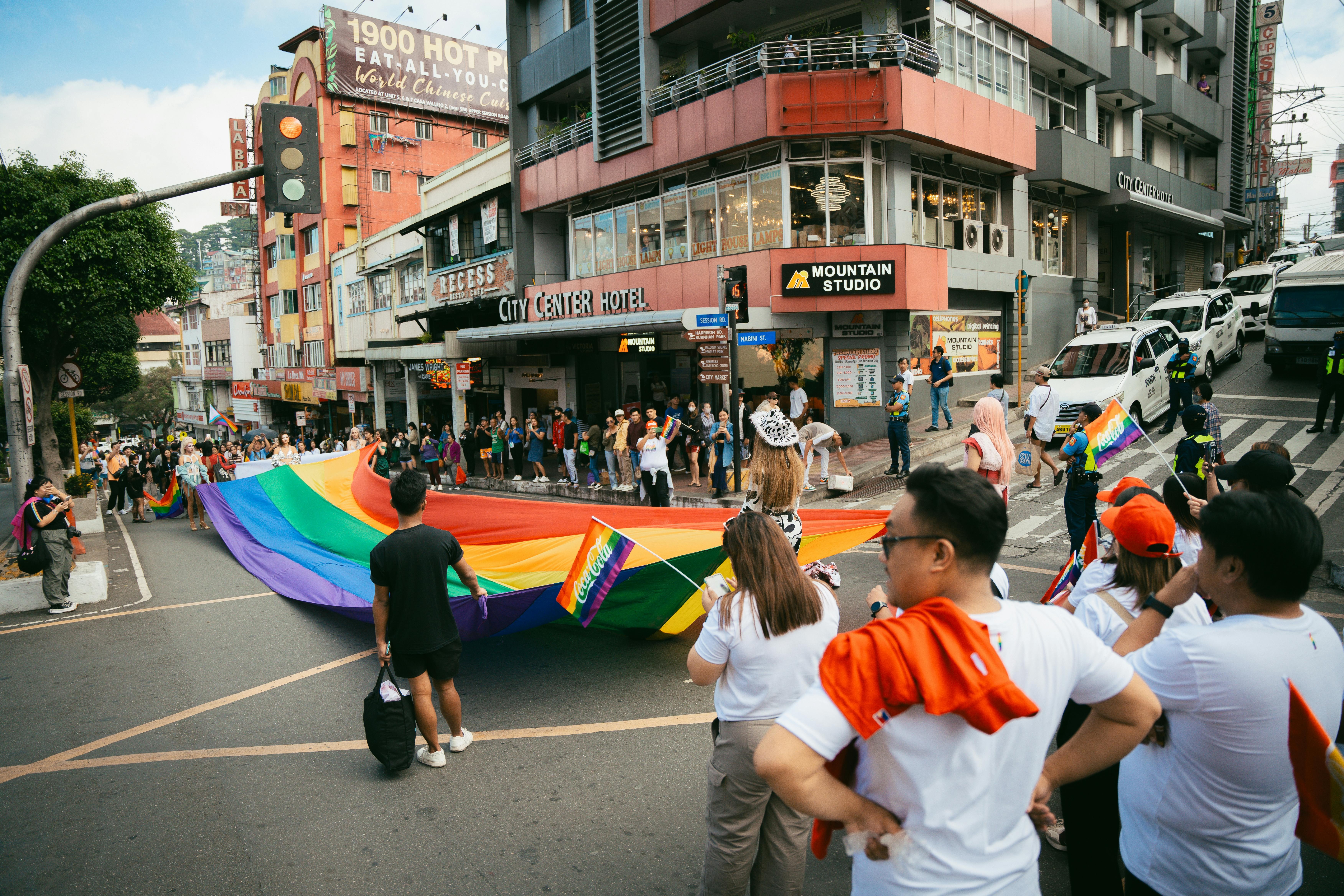
Beyond these, cultural celebrations like Pride Parades in June have evolved from their protest roots—commemorating the 1969 Stonewall Uprising—into powerful, joyous affirmations of identity and activism. Similarly, holidays like Cinco de Mayo and Chinese New Year have grown from community-specific observances into vibrant, large-scale festivals that showcase the rich multicultural fabric of the United States.
City by City: A Guide to America's Premier Holiday Destinations
The true magic of American holidays lies in their regional expressions. A single holiday can feel worlds apart depending on whether you’re standing on a crowded Manhattan street, a sun-drenched Miami beach, or a historic New Orleans square. Here’s our guide to the cities that do it best, each offering a unique portal into the nation’s festive soul.
New York City: The Epicenter of Iconic Celebrations
When you imagine classic holidays in the USA, chances are you’re picturing New York City. The Big Apple doesn’t just celebrate; it creates global landmarks out of its festivities. This is the city of grand gestures and timeless traditions, where every season brings a spectacle known the world over. In winter, the lighting of the Rockefeller Center Christmas Tree marks the unofficial start of the holiday season, its glittering presence best viewed at dawn to avoid the thickest crowds. Nearby, the Bryant Park Winter Village offers a charming European-style market and ice rink set against a stunning skyscraper backdrop. As the year closes, the world turns its attention to the Times Square Ball Drop, a century-old tradition where arriving by 3 PM is essential to secure a spot for the legendary countdown.

But NYC’s holiday spirit isn’t confined to winter. Autumn brings the whimsical Macy's Thanksgiving Day Parade, which has marched through Manhattan since its inception. To truly experience it, insiders recommend arriving by 6 AM along Central Park West. On October 31st, the Village Halloween Parade transforms Greenwich Village into a creative, spooky, and utterly unique procession where wearing a costume is your ticket to march alongside the performers. And in June, the NYC Pride Parade—which traces its roots to the first march in 1970, one year after the Stonewall Uprising—fills Fifth Avenue with a powerful and joyous celebration of love and equality. From patriotic fireworks over the East River on July 4th to the festive markets of December, New York offers a holiday experience that is nothing short of cinematic.
For a complete guide to the Big Apple's festivities, see our New York Holidays: 10 Must-Do Events.
Miami: Where Holiday Spirit Meets Tropical Glamour
Forget snow and sleigh bells; Miami reimagines American holidays with a sun-drenched, high-energy, and impossibly stylish twist. Here, the festive season is marked by palm trees wrapped in twinkling lights and celebrations that seamlessly blend beach culture with global sophistication. The city’s holiday calendar is anchored by two world-renowned events: Ultra Music Festival in March and Art Basel in December. Ultra transforms Bayfront Park into a pulsating epicenter of electronic music, drawing top DJs and fans from across the globe for a three-day sonic marathon where the dress code is lightweight, breathable, and ready to dance. Just months later, Art Basel makes Miami the undisputed capital of the art world, with the Miami Beach Convention Center hosting the main fair while countless satellite events and vibrant street art take over districts like Wynwood.

Miami’s take on traditional holidays is equally unique. Christmas isn’t about cozying up by the fire; it’s about watching the spectacular Holiday Boat Parades, where yachts adorned with festive lights cruise down Biscayne Bay. New Year’s Eve offers a choice for every style, from the massive free fireworks display at Bayfront Park to exclusive, high-glamour parties at South Beach clubs like LIV and Fontainebleau, where tickets can run upwards of $200. Even Independence Day gets a coastal makeover, with the best fireworks views often found from a boat on the bay, far from the crowded parks. In Miami, the holiday season is an invitation to trade your winter coat for swimwear and experience a celebration that is vibrant, chic, and unapologetically fun.
To discover all the sun-soaked celebrations, check out our guide to Miami Holidays: 8 Beach Fest Vibes.
New Orleans: A Cultural Feast for the Senses
In New Orleans, holidays are not just celebrated; they are deeply felt, steeped in centuries of Creole heritage, and served up with a soulful blend of music, food, and pure, uninhibited revelry. The city’s festive calendar is legendary, headlined by Mardi Gras, a season of indulgence that culminates on "Fat Tuesday." From the family-friendly parades of Uptown to the wild spectacle of the French Quarter, the entire city erupts in a riot of purple, green, and gold. Krewes like Endymion and Bacchus toss beads from elaborate floats, and the air is thick with the sounds of marching bands and the scent of king cake. Shortly after, the New Orleans Jazz & Heritage Festival (Jazz Fest) takes over, a two-weekend celebration of the region’s profound musical roots, featuring everything from legendary jazz acts to Cajun and Zydeco bands, all accompanied by some of the best food you’ll ever eat at a festival.

The city’s unique cultural fabric enriches every holiday. Halloween in the Crescent City is an atmospheric affair, drawing on its history of voodoo lore and ghost tales. The Krewe of Boo parade rolls through the streets, and ceremonies honoring Voodoo Queen Marie Laveau add an authentic, spooky flair. Christmas takes on a distinctly Creole flavor with Réveillon dinners, elaborate multi-course feasts served after midnight mass, and bonfires lighting up the levee along the Mississippi River to guide "Papa Noël." Even St. Patrick’s Day has a local twist, with parade-goers in the Irish Channel neighborhood famously throwing cabbages and other vegetables to the crowds. To experience a holiday in New Orleans is to immerse yourself in a living, breathing culture that knows how to celebrate like nowhere else on Earth.
Explore the city’s rich traditions with our deep dive into New Orleans Holidays: Cultural Feasts.
Chicago: Grand Traditions in the Heart of the Windy City
Chicago celebrates the holidays with a hearty, Midwestern spirit, transforming its world-class architecture and stunning lakefront into a playground for grand-scale urban festivities. The Windy City is home to some of the most iconic holiday traditions in the country, none more famous than the dyeing of the Chicago River for St. Patrick's Day. Since 1962, the city has used 40-60 pounds of a secret, vegetable-based orange powder to turn its waterway a brilliant emerald green, a spectacular sight that lasts for about five hours and kicks off a massive parade and city-wide celebration of Irish heritage. In the summer, Chicago becomes a global music destination with Lollapalooza, a four-day festival in Grant Park that showcases a diverse lineup of the biggest names in music, from Olivia Rodrigo to Tyler the Creator.
When winter arrives, Chicago embraces the cold with gusto. The Christkindlmarket at Daley Plaza, a traditional German-style Christmas market, becomes a festive hub where visitors can sip spiced Glühwein and shop for handcrafted gifts. The Magnificent Mile glows with a million twinkling lights, and ice skating at Millennium Park with the city skyline as a backdrop is a quintessential Chicago experience. For Independence Day, crowds flock to Navy Pier for a dazzling fireworks display over Lake Michigan, a patriotic spectacle that lights up the night sky. From neighborhood street fairs celebrating local culture to massive music events that draw international crowds, Chicago’s holidays are a perfect blend of down-to-earth fun and big-city excitement, offering thrilling experiences for every season.
Get ready for an urban adventure with our complete guide to Chicago Holidays: Windy City Thrills.
San Francisco: A Vibrant Mix of Culture and Innovation
Set against the stunning backdrop of the Golden Gate Bridge and the rolling bay, San Francisco’s holidays are a reflection of its identity as a vibrant, forward-thinking, and culturally rich metropolis. The city is renowned for hosting the oldest and largest Chinese New Year celebration outside of Asia, a tradition dating back to 1851. The festival leads to one of the few night-illuminated parades in North America, a spectacular procession featuring lion dancers, complex floats, a modern drone light show, and the famous 268-foot Golden Dragon. Another key element of the city’s cultural calendar is the SF Pride Parade, which has been a powerful platform for LGBTQ+ rights and celebration since the first "gay-in" in 1970. The parade marches down Market Street, drawing enormous crowds in a joyous and defiant expression of identity and solidarity, now secured with modern safety measures like weapon detection technology.

San Francisco’s holiday season blends tradition with the city’s signature innovative spirit. Christmas brings a massive tree and ice rink to Union Square, with the best views found from the upper floors of the adjacent Macy's. The city’s diverse neighborhoods come alive with unique festivals celebrating everything from craft beer to local music. Even Halloween has a distinct SF flavor, with massive street parties in the Castro and spooky tours of historic sites like the Winchester Mystery House. From the cherry blossoms that signal spring to the vibrant festivals that fill its parks, San Francisco offers a holiday experience that is as diverse and dynamic as the city itself.
Discover the best of the Bay Area’s celebrations in our guide to San Francisco Holidays: Bay Area Buzz.
From Traveler to Creator: The TrekGuider Ecosystem
As you explore these incredible holidays, you'll quickly realize that the best experiences often come from hyper-local, on-the-ground knowledge. A blog post can tell you about a festival, but a true local expert can give you the custom-drawn map of parade-viewing sweet spots, the checklist for navigating a music festival like a pro, or the guide to a city's best holiday markets.

That’s the core mission of TrekGuider. We are more than just a publication; we are a marketplace for digital tourism products created by a community of vetted travel experts. For travelers, this means you can go beyond the article and instantly download high-quality resources—from detailed itineraries to photo spot maps—made by people who live and breathe their destinations. You can even discover and follow your favorite authors on their personal creator pages, accessing all their content and products in one place.
And if you're the person in your friend group who plans all the trips—the one with the color-coded spreadsheets and secret spots—then TrekGuider is also for you. Our platform empowers travel experts and passionate enthusiasts to monetize their knowledge. You can publish articles to build your authority, sell your own digital products, and connect with a community of like-minded creators and travelers. It’s a place to turn your passion into a resource that helps others travel better.
Pro Tips for a Seamless Holiday Trip
Traveling for major holidays in the USA can be incredibly rewarding, but it requires smart planning. The massive crowds and high demand that make these events so exciting also present challenges. Here is some expert advice to ensure your trip is memorable for all the right reasons.

Booking & Budgeting: The golden rule for holiday travel is to book well in advance. Flights, accommodations, and event tickets can sell out months ahead of time, and prices will almost certainly rise as the date approaches. For major festivals like Lollapalooza or Ultra, buying tickets the moment they go on sale is often necessary. For city-wide events like New Year's Eve in New York or Mardi Gras in New Orleans, booking your hotel 6-12 months in advance is not an exaggeration.
Safety in Large Crowds: Major events are increasingly leveraging technology to enhance security. Ultra Music Festival partners with the SaferWatch app for real-time, anonymous safety reporting, while NYC's July 4th celebration uses drone surveillance. Regardless of the event, timeless safety rules apply:
Use the buddy system: Always stick with a friend or group.
Establish a meeting point: In case you get separated, have a clear, designated spot to regroup.
Stay aware of your surroundings: Keep your valuables secure and be mindful of the people around you.
Know who to call: In any emergency, dial 911 for immediate assistance.
Sustainability on the Go: There is a growing movement toward making large-scale celebrations more eco-friendly. You can be a part of this positive trend. Look for festivals with green initiatives, such as the oyster shell recycling program at New Orleans Jazz Fest or the use of solar-powered stages at Ultra. In New Orleans, there’s a rising demand for biodegradable beads during Mardi Gras. Simple actions like using designated recycling bins and bringing a reusable water bottle can make a big difference.
Your Ultimate American Holiday Awaits
The United States offers a spectacular and endlessly diverse calendar of celebrations, each providing a unique window into the heart of American culture. From the historic patriotic fervor of the Fourth of July to the modern, pulsating beats of a world-class music festival, there is an experience waiting to match every traveler’s dream. The key is to look beyond the date on the calendar and see the opportunity for connection, discovery, and unforgettable memories.

This guide is your starting point for exploring the vast landscape of holidays in the USA. Use it to spark inspiration, then dive deeper into our city-specific guides to start crafting the details of your next great adventure. Whether you're seeking tradition, innovation, or just a really great party, your ultimate holiday is out there. For a complete, step-by-step resource to plan every aspect of your trip, from budgeting to packing, our comprehensive Travel Guide is the essential tool you need to make it happen.
Don't Miss Out! Subscribe for Exclusive Content
Subscribe



Comments 0
No comments yet
Be the first to share your experience!
Dont Miss Out! Subscribe for Exclusive Content

San Francisco Cherry Blossoms: A Local's Guide to the Blooms


Halloween SF: Haunts Without Horrors

SF Festivals: 7 Must-See Lineups

Christmas SF: Lights & Wharf Wonders

SF Pride: 6 Route & Party Hacks

Chinese New Year SF: Parade Essentials
How to Stay Safe While Hiking: A Hiker's Safety Guide
TrekGuider @trekguider
The call of the trail is a powerful one. It promises sweeping vistas, the quiet solitude of the forest, and the profound satisfaction of reaching a summit under your own power. But for all its beauty, the wilderness is impartial and unforgiving. The same trail that offers bliss on a sunny morning can present serious danger when the weather turns, a wrong turn is made, or an ankle is twisted. This is the problem every hiker faces: the gap between the adventure we dream of and the preparation it demands.
That gap is often filled with anxiety. A flicker of doubt about reading the map, a worry about the approaching clouds, or a sudden fear of what that noise was in the undergrowth can rob an incredible experience of its joy. Too often, hikers—both novice and experienced—find themselves in serious trouble simply by underestimating the trail and overestimating their preparedness. According to Search and Rescue (SAR) teams, most emergencies are the result of small, preventable mistakes. This guide is your definitive playbook for closing that gap for good. We’re providing the essential, expert-backed hiking safety tips you need to move through the backcountry with unwavering confidence. This isn't about fear; it's about empowerment. By mastering these skills, you’re ensuring every hike is a safe one, a core pillar of the responsible adventurer’s mindset we explore in our definitive The Ultimate Guide to Travel Safety: A 2026 Playbook. Let’s gear up, get smart, and get you ready to hit the trail.

This journey from novice to self-sufficient hiker begins not on the trail itself, but with a simple, powerful philosophy of preparedness that has been tested and refined by generations of mountaineers and wilderness experts. It all starts with your pack.
The Foundation of Safety: The 10 Essentials System
Long before your boots touch the dirt, your safety on the trail has already been decided by one thing: what’s inside your pack. Endorsed by the National Park Service and outdoor organizations like REI, the "10 Essentials" is not just a packing list; it's a systematic approach to preparedness. It ensures you have the tools to handle common problems and survive an unexpected night outdoors. Think of these not as ten individual items, but as ten crucial systems.
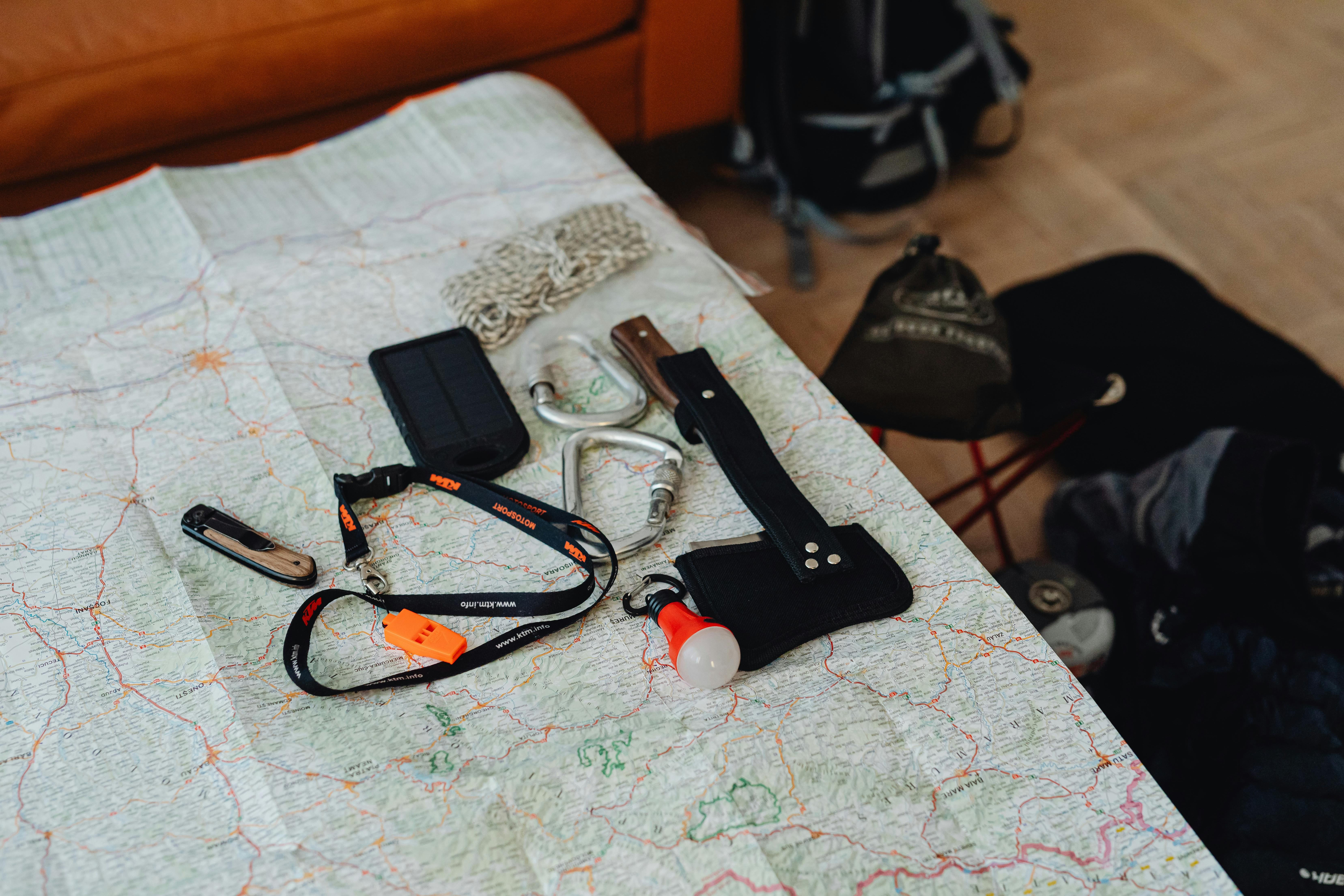
Navigation: Your primary system for knowing where you are and where you’re going. This must include a physical topographic map of the area and a compass. A GPS device or a smartphone with downloaded offline maps is a great tool, but electronics can fail. A map and compass are your foolproof backup.
Illumination: You need to be able to see in the dark, period. Carry a headlamp or flashlight with a full charge, and always pack extra batteries. A headlamp is superior as it keeps your hands free for other tasks.
Sun Protection: Sunburn and sunstroke can be serious dangers on the trail. This system includes sunglasses, broad-spectrum sunscreen (SPF 30+), and a wide-brimmed hat. Sun-protective clothing can also be a game-changer.
First-Aid Supplies: You must have the ability to treat common trail injuries. Your kit should be equipped to handle blisters, cuts, scrapes, and sprains. A basic kit is good; a custom-built one is better.
Repair Kit and Tools: Gear can break. A multi-tool or knife is invaluable, and a small roll of duct tape can repair everything from a torn jacket to a broken tent pole.
Fire: In an emergency, fire provides warmth, a way to purify water, and a powerful psychological boost. Carry waterproof matches, a reliable lighter, and a dedicated fire starter like dryer lint or a commercial fire-starting block.
Insulation: Weather can change in an instant, especially at elevation. You must carry an extra layer of clothing beyond what you start the hike in, regardless of the forecast. This should be a moisture-wicking layer, like a fleece jacket or thermal top—never cotton, which loses all insulating properties when wet.
Nutrition: Always pack more food than you think you’ll need. An extra day’s worth of non-perishable, high-energy food is the standard. Items like protein bars, nuts, and dried fruit are perfect.
Hydration: Carry more water than you expect to need and have a way to purify more. This means carrying a water filter or purification tablets to safely treat water from streams or lakes in an emergency.
Emergency Shelter: If you’re forced to spend an unplanned night out, protection from the elements is critical to preventing hypothermia. This doesn't mean a tent. A lightweight, packable emergency space blanket or bivy sack is all you need.

For expert-vetted gear lists and detailed trail guides from seasoned creators, the TrekGuider Marketplace is an invaluable resource for taking your preparation to the next level.
"Never Get Lost Again": Mastering Trail Navigation
Of all the potential hiking dangers, getting lost is one of the most common and terrifying. A recent study of SAR missions revealed that "error in judgment" was a leading cause of hikers needing rescue, and a huge part of that is poor navigation. Relying solely on your phone’s GPS is one of the biggest hiking safety tips to ignore—service is unreliable in the backcountry, and batteries die. True navigational confidence comes from time-tested skills.
How to Use a Map and Compass
This fundamental skill is easier than you think and is your most reliable tool.
Place the Compass on the Map: Lay your map flat. Identify your current location and your destination. Place your compass so the long edge of its baseplate creates a line connecting the two points, with the "Direction of Travel" arrow on the compass pointing toward your destination.
Set the Compass Bezel: Keeping the baseplate still, rotate the round bezel (the dial) until the orienting lines inside it are parallel with the map's north-south grid lines. Make sure the "N" on the bezel is pointing to North on the map. The number on the bezel aligned with the Direction of Travel arrow is now your bearing.
Follow the Bearing: Lift the compass off the map and hold it level in front of you. Turn your body until the red magnetic needle is "in the shed"—that is, perfectly inside the red orienting arrow on the bezel. The Direction of Travel arrow now points precisely to your destination. Pick a landmark in that direction, walk to it, and repeat the process.
Pro-Tip: The difference between "true north" (on your map) and "magnetic north" (where your compass points) is called declination. For precise navigation, you must adjust your compass for the local declination, which will be printed on your map.

Wildlife on the Trail: A Guide to Safe Encounters
Seeing wildlife is a thrilling part of hiking, but it’s crucial to remember that you are a visitor in their home. The core principles of every encounter are to maintain a safe distance, never feed wildlife, and know how to react to avoid escalating a situation.
Bear Encounters (Black vs. Grizzly)
Making noise while you hike (talking, clapping) is the best way to avoid surprising a bear. If you do encounter one, your reaction depends on the species.
If a Black Bear Approaches: Never run. Make yourself look as large as possible by raising your arms and opening your jacket. Yell, clap, and make loud noises. If it attacks, fight back aggressively. Target the bear's face and nose with anything you have—rocks, trekking poles, your fists. Do not play dead.
If a Grizzly Bear Approaches/Charges: Do not run and do not make direct eye contact. Speak in a calm, low voice to show you are not a threat. If it charges, stand your ground and use bear spray when it is within 30 feet. If it makes contact, play dead. Lie flat on your stomach, protect the back of your neck with your hands, and use your pack as a shield.
Mountain Lion (Cougar) Encounters
These predators are ambush hunters, so an encounter is rare. If you see one, it has likely been watching you.
Protocol: Do not run, as this triggers their chase instinct. Make direct eye contact. Make yourself appear larger by raising your arms and opening your jacket. Speak in a loud, firm voice. Slowly back away, giving the cat an escape route.
If Attacked: Fight back with everything you've got. Use rocks, sticks, or your hands to target the animal's eyes and face.
Venomous Snake Encounters
Snakes have no interest in humans and will only strike if they feel threatened.
Protocol: If you see a snake, freeze. Do not make any sudden movements. Once you've located the snake, slowly back away and give it a wide berth to move on. Be careful where you step and place your hands, especially when scrambling over rocks or logs.
If Bitten: The priority is to stay calm to slow the spread of venom. Limit physical activity and get to a hospital as quickly and safely as possible for evaluation and potential antivenom treatment.
Handling Trail Emergencies: What to Do When Things Go Wrong
Even with perfect preparation, accidents can happen. A twisted ankle, a sudden illness, or getting turned around can escalate quickly. Your ability to stay calm and make rational decisions is your most valuable asset. If you find yourself in trouble, remember the acronym S.T.O.P.
Stop: The moment you realize you are in trouble, stop moving. Sit down.
Think: Assess your situation calmly. What went wrong? What resources do you have?
Observe: Look around you. Where is the sun? Can you see any landmarks? Is there a source of water or shelter nearby?
Plan: Formulate a simple, logical plan. Don't make panicked decisions.
First Aid on the Trail
Your first-aid kit from the 10 Essentials is your go-to tool for injuries. Here's how to handle the most common trail ailments:
Blisters: The moment you feel a "hot spot" on your foot, stop and address it. Clean the area and apply moleskin or a blister-specific pad. Don't wait for it to become a full-blown blister.
Sprains: For a twisted ankle or knee, use an elastic wrap bandage from your kit to provide compression and support. Loosen it if you feel any numbness or tingling. Elevate the joint when you rest, and use a trekking pole or sturdy branch as a crutch if needed.
Cuts and Scrapes: Control any bleeding with direct pressure using a sterile gauze pad. Once it stops, clean the wound thoroughly with an antiseptic wipe and apply antibiotic ointment before covering it with a bandage.
A well-stocked daypack is crucial, but so is a plan for the whole trip. Before you head out to explore our incredible national parks, make sure your vehicle and supplies are just as prepared as your hiking gear.
Your Ultimate Adventure Blueprint
Ready to hit the road? Don't leave home without our expert-vetted National Park Road Trip Checklist. This free guide covers everything from vehicle prep and essential gear to can't-miss stops, ensuring your adventure is seamless from start to finish. Download it for free now!
Hiking Safety FAQs
A prepared mind anticipates questions. Here are expert answers to common concerns.
1. What's the right way to signal for help?
If you determine you cannot get yourself out of a situation safely, you need to signal for help. The universal distress signal is three of anything: three whistle blasts, three flashes of a headlamp, or three piles of rocks. A whistle is a must-have item that uses far less energy and carries further than shouting. For serious backcountry travel, consider investing in a personal locator beacon (PLB) or satellite messenger, which can send an SOS signal with your exact location to emergency services.
2. Is it safe to hike alone?
Solo hiking can be an incredibly rewarding experience, but it requires a higher level of preparation and self-sufficiency. All the rules in this guide become even more critical. It is absolutely essential that you leave a detailed itinerary with a trusted friend or family member. Include your planned route, your start and end times, and a "panic time"—the specific time they should call for help if they haven't heard from you.
3. What do I do if the weather turns bad unexpectedly?
Your first priority is to get below the treeline if you're in an exposed area to reduce the risk of lightning strikes. Put on your extra insulating layer and your rain gear before you get wet and cold. Assess your map and your situation. It is often safer to turn back, even if you're close to your destination, than to push on into deteriorating conditions.
Pro-Tip: Always tell someone your plan. Before every hike, leave a detailed itinerary with a trusted friend or family member. This is the single most important safety net you have.
Your Adventure, Empowered by Preparation
The goal of these hiking safety tips is not to fill you with fear, but to arm you with confidence. Every piece of gear you pack and every skill you learn is a key that unlocks a new level of freedom on the trail. Preparation allows you to push your boundaries, explore wilder places, and immerse yourself in the beauty of nature without the nagging whisper of anxiety. By respecting the wilderness and committing to self-sufficiency, you transform from a simple visitor into a capable, confident adventurer.
Now that you have the skills for a safe hike, you can integrate that adventure into a larger, perfectly planned journey. For a complete master plan covering everything from budgeting and logistics to finding the best trails and tours, our all-encompassing Travel Guide is the only resource you'll ever need.
Don't Miss Out! Subscribe for Exclusive Content
SubscribeComments 0
No comments yet
Be the first to share your experience!
Dont Miss Out! Subscribe for Exclusive Content

How to Avoid Travel Scams: A Global Guide

Is Public WiFi Safe? How to Protect Your Data Abroad

A Woman's Guide to Safe Travel: 10 Critical Tips

7 Hotel Safety & Security Tips for Peace of Mind

9 Beach Safety Tips That Could Save Your Life

7 Travel Insurance Red Flags to Spot Before You Buy
7 Travel Insurance Red Flags to Spot Before You Buy
TrekGuider @trekguider
You’ve done it. You’ve booked the flights, reserved the hotel with the incredible view, and started daydreaming about the adventures that await. But amidst the excitement, a nagging thought creeps in: What if something goes wrong? A sudden illness, a cancelled flight, a lost bag—these are the travel gremlins that can turn a dream trip into a logistical and financial nightmare. You know you need travel insurance, but as you stare at policies, your eyes glaze over. It’s a dense jungle of jargon, fine print, and confusing clauses, and you’re terrified of making a costly mistake.
The truth is, not all travel insurance is created equal. A cheap policy can be worse than no policy at all, luring you in with a low price only to deny your claim with a hidden exclusion you never saw coming. This is more than just an inconvenience; a denied medical claim abroad can lead to financially crippling bills. But it doesn’t have to be this way. Consider this guide your consumer advocate, your secret decoder ring for the complex world of travel insurance. We’re here to provide the critical travel insurance tips you need to buy with confidence, ensuring your policy is a true safety net, not a tangled mess of loopholes. This is a vital piece of the puzzle we cover in our comprehensive guide to The Ultimate Guide to Travel Safety: A 2026 Playbook. Let’s pull back the curtain and expose the seven most critical red flags you must spot before you buy.

Red Flag #1: The Vague "Pre-Existing Medical Conditions" Clause
This is, without a doubt, the single most common landmine in any policy and the reason countless claims are denied. A "pre-existing condition" is generally any injury or illness for which you've had symptoms or received treatment before your policy's start date. The problem is that the definition and the "look-back" period can vary wildly.
A major red flag is an overly broad or unclear definition. Many basic policies will flat-out refuse to cover any claim that arises, directly or indirectly, from a pre-existing condition. This could be something as common as asthma, a managed heart condition, or even a recent knee injury. Furthermore, many travelers are shocked to discover that mental health conditions like anxiety or depression are frequently excluded under this clause.
What to look for:
A Clear "Look-Back Period": A good policy will specify the exact time frame it examines for pre-existing conditions (e.g., 60, 90, or 180 days before you bought the policy).
Waiver of Exclusion: Many comprehensive policies offer a "waiver for pre-existing medical conditions" if you purchase the plan within a short window (typically 14-21 days) of your initial trip deposit. This is an incredibly valuable benefit.
Coverage for "Stable" Conditions: Some policies will cover conditions that have been stable (no change in medication, no new symptoms) for the duration of the look-back period.
Pro-Tip: Honesty is the only policy. When getting a quote, you must declare all medical conditions. Failure to disclose a condition can give the insurer grounds to void your entire policy and deny any claim, even one completely unrelated to your non-disclosure.
Red Flag #2: The "Adventure & High-Risk Activities" Exclusion
That thrilling scuba dive in the Red Sea, the exhilarating ski trip down a black diamond run, or even a "tame" activity like hot-air ballooning might not be covered by a standard policy. Insurers create a list of activities they deem "high-risk," and if you get injured while participating, you're on your own. For any traveler whose itinerary is more ambitious than a stroll from the hotel to the pool, this is a five-alarm fire.
The list of excluded activities can be surprisingly long and sometimes illogical. It can include everything from bungee jumping and skydiving to motorcycle riding and even certain types of high-altitude trekking. If you're booking an excursion, the first thing you should do is check if that specific activity is covered. Never assume it is.
What to look for:
A Clearly Defined List: Scrutinize the policy document for a specific section on "Excluded Activities." If you can't find a clear list, that's a red flag in itself.
Optional "Adventure Sports" Rider: Reputable insurance providers will offer an optional add-on or a specific, higher-tiered plan that provides coverage for a wide range of adventure sports. It will cost more, but it’s non-negotiable if you plan to partake.
Check Specifics: Don't just see "scuba diving" is covered. Check the details. Does it cover you to a certain depth? Does it require a specific certification? The details are everything.
Red Flag #3: The "Government Travel Advisory" Loophole
In an unstable world, government travel advisories are a key tool for assessing risk. They can also become a loophole for insurers to deny claims. Most policies contain a clause that voids your coverage if you travel to a country or region for which your home government has issued a "Do Not Travel" or equivalent high-level warning before your departure.
Where this gets tricky is when an advisory is issued after you've booked your trip. While some policies will cover trip cancellation in this scenario, many will not provide any medical or evacuation coverage if you choose to go against the official advice. This red flag effectively shifts the entire financial risk of traveling to a potentially volatile destination onto your shoulders.
What to look for:
Specific Wording on Advisories: Look for the exact language the policy uses. Does it only exclude travel to destinations with a warning in place at the time of purchase, or does it also apply if a warning is issued later?
"Cancel for Any Reason" Upgrade: This is one of the best ways to protect yourself against last-minute travel advisory changes. More on this below.

Red Flag #4: The Blanket "Pandemic & Epidemic" Exclusion
In the wake of the COVID-19 pandemic, nearly every provider updated its policies to address communicable diseases. A major red flag is a policy with a broad, all-encompassing exclusion for any losses "due to, arising from, or in connection with any pandemic or epidemic."
This sweeping language could mean you have no coverage for a wide range of scenarios. It could mean you can't cancel if a new lockdown is imposed, if you're afraid to travel due to an outbreak, or even if you contract the illness yourself just before or during your trip.
What to look for:
Named Perils Coverage: Look for policies that, at a minimum, treat a specific disease (e.g., COVID-19) like any other illness. This means if you are medically diagnosed and can't travel, your trip cancellation should be covered. Likewise, your emergency medical expenses should be covered if you get sick on your trip.
Clarity on Quarantine Costs: The best policies today will explicitly state whether they cover the costs of a mandatory quarantine (e.g., extra hotel nights, food) if you test positive while abroad.
Red Flag #5: The "Named Perils Only" Cancellation Clause
Many travelers believe "trip cancellation coverage" means they can cancel for any reason and get their money back. This is a dangerous and costly misconception. Standard policies operate on a "named perils" basis, meaning they will only reimburse you for non-refundable costs if you cancel for one of the very specific, listed reasons in the policy document.
A red flag is a policy with a short and restrictive list. Common covered reasons include the unforeseen illness or death of the traveler or a close family member, a house fire, or being called for jury duty. Common reasons that are often not covered include changing your mind, a relationship breakup, or work conflicts. This means if you have to cancel because your pet-sitter backs out or your boss denies your vacation time at the last minute, you get nothing.
Red Flag #6: The Restrictive "Pregnancy & Childbirth" Limitation
Traveling while pregnant requires an extra layer of precaution, and your insurance policy needs to reflect that. A significant red flag is a policy that either completely excludes pregnancy or has highly restrictive limitations.
Many standard policies will not cover costs related to a normal, routine pregnancy. This means if you go into labor while on your trip, the costs of a routine childbirth and care for a healthy newborn will likely not be covered. Coverage for unforeseen complications is often only provided up to a certain stage of the pregnancy (e.g., 23 to 32 weeks), and many policies will not cover pregnancies that resulted from IVF.
What to look for:
A Clear Definition of "Complication": The policy should specify what it considers an unforeseen complication of pregnancy.
Stated Gestational Week Limit: Look for the exact week up to which coverage for complications is provided.
Coverage for Newborn Care: Check if the policy provides any coverage for the care of a newborn if they are born prematurely on the trip.

Your Pre-Trip Master Plan
Navigating insurance is just one piece of the pre-travel puzzle. To ensure you've covered every base—from passports and visas to packing and finances—a master checklist is your most powerful tool. Download our free, comprehensive checklist to make your preparation seamless.
Download Your Free International Travel Checklist Now!
Red Flag #7: The "Mental Health Conditions" Blind Spot
This is a frequently overlooked but critically important exclusion. Many travel insurance policies contain a specific clause that excludes any claims arising from "mental or nervous health disorders." This can include conditions like anxiety disorders, depression, dementia, and other psychiatric conditions.
This means if you have a panic attack and need to be hospitalized, or if you need to cancel your trip due to a severe depressive episode, your policy may offer no coverage. For the millions of people who manage mental health conditions, this is a glaring and dangerous gap in coverage.
What to look for:
Review the Exclusions List: Carefully read the general exclusions section for any mention of "mental," "nervous," or "psychological" disorders.
Specialized Policies: Some providers are beginning to offer more inclusive plans. You may need to seek out a specialty provider or a higher-end comprehensive plan that explicitly states it provides coverage for acute episodes of a pre-existing mental health condition.
Pro-Tip: Cancel For Any Reason (CFAR) is an optional upgrade that acts as your ultimate safety net against uncovered cancellation reasons. It typically reimburses 50-80% of your non-refundable costs. But be aware: you must purchase a CFAR add-on within a short window, usually 14-21 days, of your initial trip payment. Don't wait!
Travel Insurance FAQs
Spotting red flags is easier when you speak the language. Here are answers to common questions, providing some essential travel insurance tips for understanding policy jargon.
1. What's the real difference between primary and secondary medical coverage?
This determines the order of payment and how much work you have to do. A primary policy pays first. You file your claim directly with the travel insurer, which means less paperwork and faster reimbursement. Secondary coverage only pays after your other insurance (like your regular health plan) has paid its share. It requires you to file twice and is generally less convenient. For international travel, primary coverage is strongly recommended.
2. Is travel insurance worth it for a domestic trip?
Often, yes. While your regular health insurance will likely work in another state, it won't cover trip cancellation, interruption, or lost baggage. If you've prepaid for expensive flights and non-refundable hotels for a trip to a national park, for instance, trip insurance can protect that investment if you have to cancel for a covered reason.
3. When is the best time to buy travel insurance?
You should buy your policy as soon as you make your first non-refundable trip payment (like booking flights or a tour). This ensures you are covered for the longest possible period. More importantly, it's the only way to be eligible for time-sensitive benefits like the "pre-existing condition waiver" and the "Cancel for Any Reason" upgrade, which often must be purchased within 14-21 days of your initial deposit.

Travel with True Peace of Mind
Buying travel insurance isn’t just about ticking a box on your pre-trip to-do list. It’s about making an informed decision to purchase a strong financial safety net. By using these travel insurance tips to read a policy like a pro, you can confidently spot the red flags, avoid the worthless plans, and choose a policy that delivers on its promise. An investment in the right coverage—and in a comprehensive resource like our all-encompassing Travel Guide—is an investment in your own peace of mind. Now you can focus on the adventure ahead, knowing you’re protected no matter what the journey throws your way.
Meta Data Suggestions:
SEO Meta Title (59 characters): 7 Travel Insurance Red Flags to Spot Before You Buy
URL Slug: travel-insurance-red-flags
SEO Meta Description (154 characters): Don't get burned by bad travel insurance. Learn the 7 critical red flags to spot in any policy with these essential travel insurance tips before you buy.
Don't Miss Out! Subscribe for Exclusive Content
SubscribeComments 0
No comments yet
Be the first to share your experience!
Dont Miss Out! Subscribe for Exclusive Content

Ultimate USA Holidays Guide: Top Picks

FTC Affiliate Disclosure: Stay Compliant as a Travel Creator

Essential Affiliate Tools: From Tracking to Full Optimization

Booking.com Affiliate Review: Pros, Cons & Earnings

Decoding Affiliate Commission Rates: Benchmarks for Travel Creators

Top 11 High-Paying Affiliate Programs for Travel Bloggers
9 Beach Safety Tips That Could Save Your Life
TrekGuider @trekguider
There’s a moment on every beach trip that feels like pure magic. It’s the feeling of warm sand between your toes, the hypnotic sound of waves crashing, and the endless blue horizon stretching out before you. It’s a picture of perfect relaxation. But beneath that tranquil surface, the ocean holds immense and impartial power. A beautiful day can turn dangerous in an instant from a hidden current, underestimated waves, or the relentless sun, transforming a dream vacation into a terrifying emergency. Every year, countless beachgoers find themselves in preventable peril simply because they misread the water or weren't prepared for the environment.
This isn't a guide to make you fear the ocean; it's a playbook to empower you to respect it. We’re here to give you the essential, expert-backed beach safety tips that can mean the difference between a blissful day and a life-altering one. These strategies, drawn from lifeguarding associations and national weather experts, are a critical component of the situational awareness we cover in our comprehensive guide, The Ultimate Guide to Travel Safety: A 2026 Playbook. By learning to see the beach not just as a playground, but as a dynamic natural environment, you can ensure your only takeaways are seashells and incredible memories. Let’s dive in.

Master the Water: Essential Ocean Safety Tips
The vast majority of beach-related dangers originate in the water itself. From powerful currents to unpredictable surf, understanding the ocean's behavior is the most critical skill any beachgoer can possess. These are the foundational beach safety tips for staying safe in the surf.
1. Become an Expert at Spotting Rip Currents
Rip currents are the number one danger at most surf beaches, responsible for the majority of ocean rescues performed by lifeguards. They are not undertows that pull you under the water; they are powerful, narrow channels of water that flow away from the shore at high speed. According to NOAA and the United States Lifesaving Association (USLA), knowing how to visually identify one from the shore is your first and best line of defense.
Here’s what to look for, especially from an elevated position like the dunes or a lifeguard tower:
A Channel of Churning, Choppy Water: Look for a specific area where the water seems agitated or rough, moving in a different direction than the surrounding waves.
A Break in the Incoming Wave Pattern: This is often the easiest sign to spot. You'll see a gap in the line of breaking waves—an area that looks deceptively calm. This flat spot is the rip current pulling water back out to sea, disrupting the incoming waves.
A Difference in Water Color: Because the current is carrying sand and sediment offshore, the water within a rip current often appears darker, murky, or sandy brown compared to the clearer, greener water on either side.
A Line of Foam or Debris Moving Seaward: This is a dead giveaway. If you see a line of foam, seaweed, or other floating debris moving steadily away from the beach, perpendicular to the shore, you are looking directly at a rip current.
Pro-Tip: Before you even set up your umbrella, take five minutes to stand back and observe the water. Actively look for these signs. Identifying potential rip currents before you get in the water is the single most important safety action you can take.
2. Know the "Flip, Float, Follow" Rule for Rip Current Survival
If you do get caught in a rip current, your instinctive reaction—to panic and swim directly against it back to shore—is the most dangerous thing you can do. Fighting a rip current will exhaust you to the point of drowning. The correct response is simple and could save your life.
Flip: Flip onto your back to stay afloat and conserve energy.
Float: The current will not pull you under; it will only pull you away from shore. Stay calm and float with it.
Follow: Once you are out of the main pull of the current, begin swimming parallel to the shoreline. Do not swim toward the beach. Once you have swum out of the current, you can then turn and swim back to shore, ideally at an angle away from where you were caught.
If you are unable to swim out of it, continue to float and wave your arms and yell for help to attract the attention of a lifeguard or other swimmers.

3. Understand and Obey the Beach Warning Flag System
While knowing how to escape an invisible current is a vital reactive skill, your most powerful proactive tool is the one flapping in the breeze. Beach warning flags are a simple, universal language used by lifeguards to communicate the current water conditions. This system, adopted by the International Lifesaving Federation, provides a quick, visual assessment of the hazard level. Ignoring these flags is a gamble you should never take.
Green Flag: Low Hazard. Conditions are calm, but you should still exercise caution.
Yellow Flag: Medium Hazard. Moderate surf and/or currents are present. Weak swimmers should stay out of the water, and everyone else should use extra care.
Red Flag: High Hazard. The surf is high, and/or strong currents make conditions dangerous. It is recommended that no one enters the water.
Double Red Flag: Water Closed to Public. Conditions are extremely dangerous. The water is closed to all swimming, and entering it is prohibited.
Purple Flag: Dangerous Marine Life. This flag indicates that potentially hazardous marine life, like jellyfish or sharks, has been spotted. It is always flown with another color flag that indicates the surf conditions.
Pro-Tip: The absence of flags does not automatically mean the water is safe. If there is no flag, it likely means there is no lifeguard on duty. In that case, you are swimming entirely at your own risk. Always try to swim at a beach protected by lifeguards.
Master the Environment: Sun and Shoreline Safety Tips
While the ocean poses the most immediate threats, the beach environment itself has its own set of risks. The sun, sand, and heat can cause serious health issues if not managed properly. These beach safety tips will keep you safe on the shore.
4. Know the Signs of Heat Exhaustion vs. Heatstroke
That perfect, sun-drenched beach day holds a hidden danger. When the temperature climbs, the line between bliss and a medical emergency can blur with alarming speed. According to the Red Cross, it's crucial to know the difference between heat exhaustion and the more severe, life-threatening heatstroke (sunstroke).
Heat Exhaustion Symptoms:
Headache, dizziness, and confusion
Excessive sweating with cool, moist, or pale skin
Nausea and muscle cramps
A rapid, weak pulse
First-Aid for Heat Exhaustion:
Move to a Cool Place: Immediately get the person out of the direct sun and into shade or air conditioning.
Cool Them Down: Loosen their clothing and apply cool, wet cloths or spray them with cool water.
Rehydrate: If they are conscious and able to swallow, have them sip small amounts of a sports drink or water.
If their condition doesn't improve or they start vomiting, call for emergency help immediately, as it can progress to heatstroke.
5. Recognize the Emergency of Heatstroke (Sunstroke)
Heatstroke is a full-blown medical emergency where the body's internal cooling system completely fails.
Heatstroke Symptoms:
Changes in mental status (confusion, agitation, loss of consciousness)
Hot, flushed, and often dry skin (sweating may have stopped)
A dangerously high body temperature (often above 104°F / 40°C)
A rapid, strong pulse, which may become weak later
First-Aid for Heatstroke:
Call 911 Immediately: This is a life-threatening emergency that requires professional medical intervention.
Begin Rapid Cooling: While waiting for help, do everything you can to cool the person's body. Immerse them in cool water if possible, or douse them with water and apply ice packs to the neck, groin, and armpits.

6. Practice Proactive Sun Protection
The best way to deal with a heat-related illness is to never let it start. Sun protection is a continuous strategy, not a one-time action.
Hydrate Constantly: Drink plenty of water throughout the day, even before you feel thirsty.
Use Broad-Spectrum Sunscreen: Apply a sunscreen with at least SPF 30 and reapply it every two hours, and always immediately after swimming or excessive sweating.
Seek Shade: Use an umbrella and take breaks from the sun, especially during the peak intensity hours of 10 a.m. to 4 p.m.
Wear Protective Clothing: A wide-brimmed hat and UV-blocking sunglasses are non-negotiable.
7. The "Stingray Shuffle" Rule
In many coastal areas, stingrays bury themselves in the sand in shallow water. Stepping directly on one can result in an excruciatingly painful sting from the barb on their tail. To avoid this, never walk normally through the shallows. Instead, shuffle your feet along the sand. The vibrations from the shuffle will alert any nearby stingrays to your presence, giving them a chance to swim away peacefully.
Master Your Preparation: Final Beach Safety Tips
A safe and relaxing beach day begins before you even leave home. Smart planning and having the right gear can make all the difference, especially when traveling with family.
8. Pack a Dedicated Beach First-Aid Kit
While your main travel medical kit should be comprehensive, your beach bag needs a few specific items to handle common coastal issues:
Waterproof Bandages: For minor cuts and scrapes from shells or rocks.
Aloe Vera Gel: For immediate relief from minor sunburn.
Antihistamine Cream: To soothe the itch from insect bites.
Tweezers: For removing splinters or shell fragments.
Vinegar: A small bottle of white vinegar is a secret weapon; it can help neutralize the sting from some types of jellyfish.
9. Always Designate a "Water Watcher"
When you're at the beach with a group, especially with children, it's easy to fall into the trap of "diffusion of responsibility," where everyone assumes someone else is watching the kids in the water. The solution is to formally designate one adult as the "Water Watcher" for a set period (e.g., 15-20 minutes). During their shift, that person's only job is to watch the water without distraction—no phones, no books, no conversations. Then, you switch. This simple system ensures there are always eyes on the swimmers.
Your Ultimate Guide to Family Beach Travel
Keeping kids safe and entertained at the beach is a unique challenge. From packing the right gear to navigating meltdowns and keeping them safe in the sun and surf, a little extra preparation goes a long way. Our specialized guide takes the stress out of the equation.
Download our free Stress-Free Flying with Kids Guide for expert tips on making every part of your family vacation, from the airport to the beach, a breeze!
Beach Safety FAQs
A prepared mind is a safe mind. Here are quick answers to other common beach safety questions.
1. What’s the right way to treat a jellyfish sting?
First, get out of the water. Rinse the affected area with vinegar (if available) for about 30 seconds to deactivate the stingers. Do not use fresh water, as it can make it worse. Carefully pluck out any visible tentacles with tweezers. Soaking the skin in hot water (as hot as can be tolerated without burning) for 20-45 minutes can also help relieve the pain.
2. Is it safe to dig deep holes in the sand?
Digging in the sand is a classic beach activity, but deep holes can be incredibly dangerous. They can collapse unexpectedly, burying a person in seconds. Never dig a hole deeper than the knees of the smallest person in your group, and always fill in any holes you dig before you leave the beach.
3. What should I do if I see someone in trouble in the water?
Do not attempt a swimming rescue yourself unless you are trained in water rescue. An untrained rescuer can quickly become a second victim. The best course of action is to call for help immediately. Yell to alert a lifeguard and call 911. If you can, throw the person something that floats, like a cooler or a boogie board.
By embracing these nine essential beach safety tips, you shift from being a passive visitor to an active, aware, and prepared participant in one of nature’s most magnificent environments. The goal isn't to diminish the fun but to ensure it. A healthy respect for the ocean and a solid plan for your day are the keys to unlocking a truly carefree and unforgettable experience by the sea.

Now that you've mastered the art of staying safe on the coast, you can focus on the rest of your adventure. For a complete, deep-dive into every facet of trip planning, from health and safety to budgeting and logistics, our comprehensive Travel Guide is the only resource you'll ever need.
Don't Miss Out! Subscribe for Exclusive Content
SubscribeComments 0
No comments yet
Be the first to share your experience!
Dont Miss Out! Subscribe for Exclusive Content
Ultimate USA Holidays Guide: Top Picks
FTC Affiliate Disclosure: Stay Compliant as a Travel Creator
Essential Affiliate Tools: From Tracking to Full Optimization
Booking.com Affiliate Review: Pros, Cons & Earnings
Decoding Affiliate Commission Rates: Benchmarks for Travel Creators
