
Ultimate USA Holidays Guide: Top Picks

TrekGuider @trekguider
From the electric hum of a million people counting down in Times Square to the soulful, brass-band rhythm of a New Orleans parade, the calendar of holidays in the USA is a vibrant mix of culture, history, and pure, unadulterated celebration. This is a nation that doesn’t just mark time—it celebrates it, painting its calendar with explosions of patriotic fireworks, soulful city-wide festivals, and seasonal traditions as diverse as the continent itself.

Planning a trip around an American holiday elevates a simple vacation into a deep cultural immersion. It’s a chance to see a destination at its most alive, to share in a collective moment of joy or reverence, and to come away with stories that resonate far more than a standard sightseeing tour. But with a map so vast and a calendar so packed, the sheer number of options can feel overwhelming. Where do you even begin?
Consider this your definitive launchpad. We’ve distilled the essence of American celebrations into a curated guide to the nation’s most iconic, unique, and unforgettable festive experiences. This is not just a list; it’s a strategic starting point designed to spark your imagination and connect you with the perfect holiday adventure. To get a head start on organizing your thoughts and mapping out your dream trip, download our free Travel Itinerary Template. It’s the first step toward turning inspiration into a flawless plan.
The American Holiday Calendar: Key Dates for Strategic Planning
Before you book a single flight or hotel, understanding the rhythm of the American calendar is essential. Federal holidays mean closures for banks, post offices, and government buildings. More importantly for travelers, they signal peak travel periods, leading to higher prices and bigger crowds. Planning around these dates is the first and most critical step to a seamless journey.

Here are the official federal holidays to circle on your calendar for the coming years.
2026 Federal Holidays:
New Year’s Day: January 1 (Wednesday)
Martin Luther King, Jr. Day: January 20 (Monday)
Washington’s Birthday (Presidents' Day): February 17 (Monday)
Memorial Day: May 26 (Monday)
Juneteenth: June 19 (Thursday)
Independence Day: July 4 (Friday)
Labor Day: September 1 (Monday)
Columbus Day / Indigenous Peoples’ Day: October 13 (Monday)
Veterans Day: November 11 (Tuesday)
Thanksgiving Day: the fourth Thursday of November (Thursday)
Christmas Day: December 25 (Thursday)
2026 Federal Holidays:
New Year’s Day: January 1 (Thursday)
Martin Luther King, Jr. Day: January 19 (Monday)
Washington’s Birthday (Presidents' Day): February 16 (Monday)
Memorial Day: May 25 (Monday)
Juneteenth: June 19 (Friday)
Independence Day: July 4 (Saturday, observed Friday, July 3)
Labor Day: September 7 (Monday)
Columbus Day: October 12 (Monday)
Veterans Day: November 11 (Wednesday)
Thanksgiving Day: November 26 (Thursday)
Christmas Day: December 25 (Friday)
The Nation’s Heartbeat: Patriotic, Cultural & Seasonal Cornerstones
While every city adds its own unique flavor, some holidays resonate with a powerful national identity, uniting the country in shared tradition and history. These are the cultural pillars of the American year, events that are not just dates on a calendar but massive economic and social engines. Mardi Gras in New Orleans, for instance, generated a staggering $891 million economic impact in 2024, while the Art Basel fair in Miami brings in over $500 million—an impact that rivals a Super Bowl. Traveling for these holidays means stepping into a moment of collective energy and profound significance.

Independence Day (July 4th) stands as the nation’s quintessential summer celebration. Commemorating the adoption of the Declaration of Independence in 1776, it’s a day of unabashed patriotism expressed through spectacular fireworks displays, small-town parades, and backyard barbecues. It’s a moment to honor American history and the foundational principles of life, liberty, and the pursuit of happiness.
As the air turns crisp in autumn, Thanksgiving arrives on the fourth Thursday of November. While centered on a private feast of gratitude and family, its most famous public face is the Macy's Thanksgiving Day Parade in New York City. This whimsical procession of giant character balloons, elaborate floats, and celebrity performers has captivated the nation since 1924, officially kicking off the holiday season.
Following closely is Christmas, which transforms towns and cities into winter wonderlands on December 25th. The celebrations are incredibly diverse, ranging from solemn religious services on Christmas Eve to bustling German-style markets, dazzling neighborhood light displays, and iconic tree-lighting ceremonies that have become national traditions in their own right.
Beyond these, cultural celebrations like Pride Parades in June have evolved from their protest roots—commemorating the 1969 Stonewall Uprising—into powerful, joyous affirmations of identity and activism. Similarly, holidays like Cinco de Mayo and Chinese New Year have grown from community-specific observances into vibrant, large-scale festivals that showcase the rich multicultural fabric of the United States.
City by City: A Guide to America's Premier Holiday Destinations
The true magic of American holidays lies in their regional expressions. A single holiday can feel worlds apart depending on whether you’re standing on a crowded Manhattan street, a sun-drenched Miami beach, or a historic New Orleans square. Here’s our guide to the cities that do it best, each offering a unique portal into the nation’s festive soul.
New York City: The Epicenter of Iconic Celebrations
When you imagine classic holidays in the USA, chances are you’re picturing New York City. The Big Apple doesn’t just celebrate; it creates global landmarks out of its festivities. This is the city of grand gestures and timeless traditions, where every season brings a spectacle known the world over. In winter, the lighting of the Rockefeller Center Christmas Tree marks the unofficial start of the holiday season, its glittering presence best viewed at dawn to avoid the thickest crowds. Nearby, the Bryant Park Winter Village offers a charming European-style market and ice rink set against a stunning skyscraper backdrop. As the year closes, the world turns its attention to the Times Square Ball Drop, a century-old tradition where arriving by 3 PM is essential to secure a spot for the legendary countdown.

But NYC’s holiday spirit isn’t confined to winter. Autumn brings the whimsical Macy's Thanksgiving Day Parade, which has marched through Manhattan since its inception. To truly experience it, insiders recommend arriving by 6 AM along Central Park West. On October 31st, the Village Halloween Parade transforms Greenwich Village into a creative, spooky, and utterly unique procession where wearing a costume is your ticket to march alongside the performers. And in June, the NYC Pride Parade—which traces its roots to the first march in 1970, one year after the Stonewall Uprising—fills Fifth Avenue with a powerful and joyous celebration of love and equality. From patriotic fireworks over the East River on July 4th to the festive markets of December, New York offers a holiday experience that is nothing short of cinematic.
For a complete guide to the Big Apple's festivities, see our New York Holidays: 10 Must-Do Events.
Miami: Where Holiday Spirit Meets Tropical Glamour
Forget snow and sleigh bells; Miami reimagines American holidays with a sun-drenched, high-energy, and impossibly stylish twist. Here, the festive season is marked by palm trees wrapped in twinkling lights and celebrations that seamlessly blend beach culture with global sophistication. The city’s holiday calendar is anchored by two world-renowned events: Ultra Music Festival in March and Art Basel in December. Ultra transforms Bayfront Park into a pulsating epicenter of electronic music, drawing top DJs and fans from across the globe for a three-day sonic marathon where the dress code is lightweight, breathable, and ready to dance. Just months later, Art Basel makes Miami the undisputed capital of the art world, with the Miami Beach Convention Center hosting the main fair while countless satellite events and vibrant street art take over districts like Wynwood.

Miami’s take on traditional holidays is equally unique. Christmas isn’t about cozying up by the fire; it’s about watching the spectacular Holiday Boat Parades, where yachts adorned with festive lights cruise down Biscayne Bay. New Year’s Eve offers a choice for every style, from the massive free fireworks display at Bayfront Park to exclusive, high-glamour parties at South Beach clubs like LIV and Fontainebleau, where tickets can run upwards of $200. Even Independence Day gets a coastal makeover, with the best fireworks views often found from a boat on the bay, far from the crowded parks. In Miami, the holiday season is an invitation to trade your winter coat for swimwear and experience a celebration that is vibrant, chic, and unapologetically fun.
To discover all the sun-soaked celebrations, check out our guide to Miami Holidays: 8 Beach Fest Vibes.
New Orleans: A Cultural Feast for the Senses
In New Orleans, holidays are not just celebrated; they are deeply felt, steeped in centuries of Creole heritage, and served up with a soulful blend of music, food, and pure, uninhibited revelry. The city’s festive calendar is legendary, headlined by Mardi Gras, a season of indulgence that culminates on "Fat Tuesday." From the family-friendly parades of Uptown to the wild spectacle of the French Quarter, the entire city erupts in a riot of purple, green, and gold. Krewes like Endymion and Bacchus toss beads from elaborate floats, and the air is thick with the sounds of marching bands and the scent of king cake. Shortly after, the New Orleans Jazz & Heritage Festival (Jazz Fest) takes over, a two-weekend celebration of the region’s profound musical roots, featuring everything from legendary jazz acts to Cajun and Zydeco bands, all accompanied by some of the best food you’ll ever eat at a festival.

The city’s unique cultural fabric enriches every holiday. Halloween in the Crescent City is an atmospheric affair, drawing on its history of voodoo lore and ghost tales. The Krewe of Boo parade rolls through the streets, and ceremonies honoring Voodoo Queen Marie Laveau add an authentic, spooky flair. Christmas takes on a distinctly Creole flavor with Réveillon dinners, elaborate multi-course feasts served after midnight mass, and bonfires lighting up the levee along the Mississippi River to guide "Papa Noël." Even St. Patrick’s Day has a local twist, with parade-goers in the Irish Channel neighborhood famously throwing cabbages and other vegetables to the crowds. To experience a holiday in New Orleans is to immerse yourself in a living, breathing culture that knows how to celebrate like nowhere else on Earth.
Explore the city’s rich traditions with our deep dive into New Orleans Holidays: Cultural Feasts.
Chicago: Grand Traditions in the Heart of the Windy City
Chicago celebrates the holidays with a hearty, Midwestern spirit, transforming its world-class architecture and stunning lakefront into a playground for grand-scale urban festivities. The Windy City is home to some of the most iconic holiday traditions in the country, none more famous than the dyeing of the Chicago River for St. Patrick's Day. Since 1962, the city has used 40-60 pounds of a secret, vegetable-based orange powder to turn its waterway a brilliant emerald green, a spectacular sight that lasts for about five hours and kicks off a massive parade and city-wide celebration of Irish heritage. In the summer, Chicago becomes a global music destination with Lollapalooza, a four-day festival in Grant Park that showcases a diverse lineup of the biggest names in music, from Olivia Rodrigo to Tyler the Creator.

When winter arrives, Chicago embraces the cold with gusto. The Christkindlmarket at Daley Plaza, a traditional German-style Christmas market, becomes a festive hub where visitors can sip spiced Glühwein and shop for handcrafted gifts. The Magnificent Mile glows with a million twinkling lights, and ice skating at Millennium Park with the city skyline as a backdrop is a quintessential Chicago experience. For Independence Day, crowds flock to Navy Pier for a dazzling fireworks display over Lake Michigan, a patriotic spectacle that lights up the night sky. From neighborhood street fairs celebrating local culture to massive music events that draw international crowds, Chicago’s holidays are a perfect blend of down-to-earth fun and big-city excitement, offering thrilling experiences for every season.
Get ready for an urban adventure with our complete guide to Chicago Holidays: Windy City Thrills.
San Francisco: A Vibrant Mix of Culture and Innovation
Set against the stunning backdrop of the Golden Gate Bridge and the rolling bay, San Francisco’s holidays are a reflection of its identity as a vibrant, forward-thinking, and culturally rich metropolis. The city is renowned for hosting the oldest and largest Chinese New Year celebration outside of Asia, a tradition dating back to 1851. The festival leads to one of the few night-illuminated parades in North America, a spectacular procession featuring lion dancers, complex floats, a modern drone light show, and the famous 268-foot Golden Dragon. Another key element of the city’s cultural calendar is the SF Pride Parade, which has been a powerful platform for LGBTQ+ rights and celebration since the first "gay-in" in 1970. The parade marches down Market Street, drawing enormous crowds in a joyous and defiant expression of identity and solidarity, now secured with modern safety measures like weapon detection technology.

San Francisco’s holiday season blends tradition with the city’s signature innovative spirit. Christmas brings a massive tree and ice rink to Union Square, with the best views found from the upper floors of the adjacent Macy's. The city’s diverse neighborhoods come alive with unique festivals celebrating everything from craft beer to local music. Even Halloween has a distinct SF flavor, with massive street parties in the Castro and spooky tours of historic sites like the Winchester Mystery House. From the cherry blossoms that signal spring to the vibrant festivals that fill its parks, San Francisco offers a holiday experience that is as diverse and dynamic as the city itself.
Discover the best of the Bay Area’s celebrations in our guide to San Francisco Holidays: Bay Area Buzz.
From Traveler to Creator: The TrekGuider Ecosystem
As you explore these incredible holidays, you'll quickly realize that the best experiences often come from hyper-local, on-the-ground knowledge. A blog post can tell you about a festival, but a true local expert can give you the custom-drawn map of parade-viewing sweet spots, the checklist for navigating a music festival like a pro, or the guide to a city's best holiday markets.

That’s the core mission of TrekGuider. We are more than just a publication; we are a marketplace for digital tourism products created by a community of vetted travel experts. For travelers, this means you can go beyond the article and instantly download high-quality resources—from detailed itineraries to photo spot maps—made by people who live and breathe their destinations. You can even discover and follow your favorite authors on their personal creator pages, accessing all their content and products in one place.
And if you're the person in your friend group who plans all the trips—the one with the color-coded spreadsheets and secret spots—then TrekGuider is also for you. Our platform empowers travel experts and passionate enthusiasts to monetize their knowledge. You can publish articles to build your authority, sell your own digital products, and connect with a community of like-minded creators and travelers. It’s a place to turn your passion into a resource that helps others travel better.
Pro Tips for a Seamless Holiday Trip
Traveling for major holidays in the USA can be incredibly rewarding, but it requires smart planning. The massive crowds and high demand that make these events so exciting also present challenges. Here is some expert advice to ensure your trip is memorable for all the right reasons.

Booking & Budgeting: The golden rule for holiday travel is to book well in advance. Flights, accommodations, and event tickets can sell out months ahead of time, and prices will almost certainly rise as the date approaches. For major festivals like Lollapalooza or Ultra, buying tickets the moment they go on sale is often necessary. For city-wide events like New Year's Eve in New York or Mardi Gras in New Orleans, booking your hotel 6-12 months in advance is not an exaggeration.
Safety in Large Crowds: Major events are increasingly leveraging technology to enhance security. Ultra Music Festival partners with the SaferWatch app for real-time, anonymous safety reporting, while NYC's July 4th celebration uses drone surveillance. Regardless of the event, timeless safety rules apply:
Use the buddy system: Always stick with a friend or group.
Establish a meeting point: In case you get separated, have a clear, designated spot to regroup.
Stay aware of your surroundings: Keep your valuables secure and be mindful of the people around you.
Know who to call: In any emergency, dial 911 for immediate assistance.
Sustainability on the Go: There is a growing movement toward making large-scale celebrations more eco-friendly. You can be a part of this positive trend. Look for festivals with green initiatives, such as the oyster shell recycling program at New Orleans Jazz Fest or the use of solar-powered stages at Ultra. In New Orleans, there’s a rising demand for biodegradable beads during Mardi Gras. Simple actions like using designated recycling bins and bringing a reusable water bottle can make a big difference.
Your Ultimate American Holiday Awaits
The United States offers a spectacular and endlessly diverse calendar of celebrations, each providing a unique window into the heart of American culture. From the historic patriotic fervor of the Fourth of July to the modern, pulsating beats of a world-class music festival, there is an experience waiting to match every traveler’s dream. The key is to look beyond the date on the calendar and see the opportunity for connection, discovery, and unforgettable memories.

This guide is your starting point for exploring the vast landscape of holidays in the USA. Use it to spark inspiration, then dive deeper into our city-specific guides to start crafting the details of your next great adventure. Whether you're seeking tradition, innovation, or just a really great party, your ultimate holiday is out there. For a complete, step-by-step resource to plan every aspect of your trip, from budgeting to packing, our comprehensive Travel Guide is the essential tool you need to make it happen.
Don't Miss Out! Subscribe for Exclusive Content
Subscribe



Comments 0
No comments yet
Be the first to share your experience!
Dont Miss Out! Subscribe for Exclusive Content

San Francisco Cherry Blossoms: A Local's Guide to the Blooms


Halloween SF: Haunts Without Horrors

SF Festivals: 7 Must-See Lineups

Christmas SF: Lights & Wharf Wonders

SF Pride: 6 Route & Party Hacks

Chinese New Year SF: Parade Essentials
Affiliate Keyword Research Mastery for Travel Blogs
TrekGuider @trekguider
You’re doing everything right. Your destination guides are insightful, your photos are stunning, and your packing lists are careful. You’ve joined the affiliate programs, placed the links, and then... crickets. It’s the silent frustration that burns out thousands of talented travel creators.
You see the industry reports, like the one stating the average monthly income for travel affiliates is a staggering $13,847, and it feels like it’s happening in another universe. The chasm between the effort you pour into your work and the revenue trickling into your bank account isn't a reflection of your talent—it's a reflection of your strategy.
The solution is to stop writing into the void and start targeting your content with the precision of a sniper. The secret, the absolute bedrock of every successful affiliate business, is mastering affiliate keyword research. This isn't about SEO wizardry or gaming the system; it's about deeply understanding the language of your audience at the exact moment they are ready to buy. This guide is your definitive, step-by-step masterclass in finding the profitable keywords that will transform your travel blog from a passion project into a revenue-generating powerhouse. For a complete command of the entire affiliate landscape, our definitive pillar page, Travel Affiliate Programs: The 2026 Ultimate Guide, is your essential command center.

The Mindset Shift: From "What to Write" to "What to Target"
The most common mistake in content creation is brainstorming ideas in a vacuum. A creator thinks, "I'll write a post about my amazing trip to Rome." They produce a beautiful, engaging travelogue, sprinkle in a few links to hotels and tours, and then wonder why it doesn't make a dime.
But the highest-earning creators? They flip this model on its head. Their entire content strategy starts not with an idea, but with a question: "What are people who are ready to spend money on a trip to Rome searching for on Google?"
This is the critical difference between informational intent and commercial investigation intent.
Informational Intent: The user is in learning mode. They're searching for things like "what to do in Rome," "history of the Colosseum," or "how to pack a carry-on." This content is fantastic for building an audience, but it rarely leads directly to a sale.
Commercial Investigation Intent: The user has their wallet out. They are actively researching a purchase, comparing options, and looking for an expert to validate their final decision. This is where the money is.
Mastering affiliate keyword research is the disciplined process of finding these "commercial investigation" keywords and building your content around them. When you do this, you stop hoping for random sales and start attracting a steady stream of visitors who arrive on your blog primed to convert.

The Anatomy of a Money-Making Keyword
To find these golden-nugget keywords, you first need to know what they look like. Commercial investigation keywords typically fall into three high-value categories. If you build your content calendar around these formats, you are building a business designed for profit.
1. "Best Of" Keywords
This is the quintessential affiliate keyword. The user is overwhelmed with options and is looking for a trusted expert (you) to curate a list of the top choices.
Travel Examples:
"best carry-on luggage for international travel"
"best travel insurance for digital nomads"
"best hiking boots for rocky trails"
"best all-inclusive resorts in Mexico for families"
2. Comparison & "Vs" Keywords
These keywords are pure gold. The user has already done their initial research and has narrowed their options down to two or three contenders. They are at the final stage of their decision-making process.
Travel Examples:
"Viator vs GetYourGuide"
"SafetyWing vs World Nomads"
"Osprey Farpoint vs Porter"
"Booking.com vs Expedia"
3. Review Keywords
Here, the user is looking for a detailed, real-world verdict on a single product, tour, or service. They are one step away from clicking "buy" and are seeking that final piece of social proof and expert validation.
Travel Examples:
"G Adventures Peru tour review"
"Away Bigger Carry-On review"
"Nomatic travel pack review"
"SafetyWing insurance review"

The Affiliate Keyword Research Workflow: A Step-by-Step Tutorial
Theory is great, but execution is everything. Here is a simple, repeatable process for finding high-value affiliate keywords using a standard SEO tool like Ahrefs or Semrush.
Step 1: Brainstorm Your "Seed" Keywords
Begin by listing the broad topics, products, and services that are central to your niche. Don't filter yourself. If your niche is "luxury eco-tourism in Costa Rica," your seed keywords might include:
eco-lodge
Costa Rica tours
sustainable travel
adventure travel
bird watching gear
waterproof backpack
These terms are too broad to target on their own, but they are the seeds from which your entire profitable content strategy will grow.
Step 2: Use Commercial Modifiers to Find Gold
Now, take your seed keywords and plug them into your SEO tool's "Keywords Explorer." This is where you transform broad topics into specific, monetizable content ideas. Use the tool's filters to find phrases that contain your seed keyword plus a commercial modifier.
Commercial modifiers are the words that signal buying intent. Your core list should include:
best
review
vs
alternative
top
cheap
affordable
comparison
For example, using the seed keyword "eco-lodge," your research might uncover:
"best eco-lodges in Costa Rica"
"Pacuare Lodge Costa Rica review"
"Lapa Rios Lodge vs Pacuare Lodge"
"alternatives to luxury resorts in Costa Rica"
This single step will generate a treasure map of content ideas, each one pointing directly to a user with commercial intent.
Step 3: Analyze the SERP (Search Engine Results Page)
A keyword can look perfect in your SEO tool, but the real test is analyzing the live competition on Google. Before you commit to writing a single word, search for your target keyword and scrutinize the top 10 results.
Confirm the Intent: Are the top-ranking pages other blog posts, reviews, and listicles? That's a green light. If the page is dominated by the homepages of major brands or e-commerce category pages, it's a signal that Google doesn't think a blog post is the right answer, and it will be much harder to rank.
Scope Out the Competition: Are the top spots held by media behemoths like Forbes or Condé Nast Traveler? Or do you see other independent travel blogs like yours? If other creators are ranking, it's definitive proof that you can, too.
Find the "10x Content" Opportunity: Look for weaknesses in the current top-ranking articles. Are they outdated? Thin on detail? Lacking personal experience or high-quality photos? Your mission is to create a piece of content that is so much more thorough, helpful, and engaging that it's undeniably the best result for that search.
Step 4: Balance Keyword Difficulty (KD) and Search Volume
Your SEO tool will give you two final, crucial metrics:
Search Volume: An estimate of how many times a month people search for this term.
Keyword Difficulty (KD): A score (usually from 0-100) that estimates how hard it will be to rank on the first page of Google.
For a newer blog, the sweet spot is a keyword with a KD score under 30. Don't be put off by lower search volumes (e.g., 50-250 searches/month). These keywords are often far less competitive, and the traffic they bring is hyper-targeted and converts at a much higher rate.
Pro-Tip: Don't ignore long-tail keywords. These are longer, highly specific phrases like "best waterproof travel backpack for Southeast Asia monsoon season." They have low search volume, but the user searching for this knows exactly what they need. Ranking for these terms can be incredibly profitable.

Beyond Products: Keyword Research for Next-Level Opportunities
A truly sophisticated affiliate strategy evolves. Once you've mastered promoting products, you can apply the same affiliate keyword research principles to higher-margin opportunities like referral programs. This means shifting your focus from targeting consumers to targeting your peers: other creators.
The goal is to find what other creators are searching for when they're trying to grow their own businesses.
For example, the TrekGuider Seller Platform is built for travel creators to sell their own digital products—itineraries, guides, presets, and more. To attract other creators to the platform using your unique referral link, you would target keywords they are searching for:
"how to sell travel itineraries online"
"best platform for travel creators"
"make money as a travel blogger 2026"
"digital product ideas for travel creators"
"alternatives to Gumroad for travel guides"
By creating genuinely helpful content that solves these business-level problems, you can introduce your peers to a valuable tool and, through a referral program, earn a recurring revenue share from their success. This adds a powerful, diversified income stream that isn't dependent on one-off product sales.
Pro-Tip: The rise of video means your keyword research shouldn't be confined to your blog. According to industry projections, video will account for 55% of all affiliate traffic by 2026. The same keywords you find for your blog posts—"Away Bigger Carry-On review," "Best Hostels in Bangkok"—are the exact titles you should be using for your YouTube videos and TikToks to capture high-intent search traffic on those platforms as well.
The Travel Creator's Toolkit
Feeling ready to build your keyword strategy? Mastering affiliate keyword research is the first step. To help you organize your findings and build a complete, professional affiliate marketing system, we've created the ultimate resource bundle. It includes checklists, content templates, and keyword tracking sheets designed to accelerate your journey from beginner to pro.
Download Your Free Bundle: The Travel Creator's Toolkit

Frequently Asked Questions (FAQ)
1. What if two of my articles start ranking for the same keyword? Is that bad? This is called "keyword cannibalization," and yes, it can be a problem. It confuses Google about which page is the most important, potentially hurting the rankings of both. The best way to avoid this is to assign one primary target keyword to each article and ensure your content is distinct.
2. Should I ignore keywords with very low search volume (e.g., under 50 searches/month)? Absolutely not! These low-volume, long-tail keywords are often a goldmine. The competition is usually non-existent, and the user searching for such a specific phrase is often highly motivated and ready to buy. A page that gets only 20 visits a month but converts at 25% is a huge asset.
3. How long does it take to rank for a new keyword? For a newer blog, it can take 6-12 months for Google to fully trust your site and grant you authoritative rankings for competitive keywords. This is why consistency is key. The work you do on affiliate keyword research today is building a business asset that will pay you dividends for years to come.
Your Blueprint for a Profitable Content Strategy
You now possess the single most valuable skill for building a profitable travel blog. Affiliate keyword research is the foundation upon which every successful affiliate business is built. It elevates your content strategy from a game of chance into a predictable system for generating revenue.
By shifting your focus from simply "creating content" to "targeting commercial intent," you align your hard work directly with an audience that is actively looking for your expert guidance. You are no longer just a travel writer; you are a strategic business owner. You have the knowledge and the step-by-step process to find the keywords that will attract high-value traffic and drive consistent affiliate sales.
The path is clear. Stop writing into the void. Start targeting with precision. Your journey to becoming a top-earning travel creator begins with the very next keyword you choose.
Meta Data Suggestions:
SEO Meta Title (59 characters): Affiliate Keyword Research: A Masterclass for Travel Blogs
URL Slug: /affiliate-keyword-research-travel-blogs
SEO Meta Description (154 characters): Learn how to find profitable keywords with our step-by-step affiliate keyword research tutorial. Drive more sales and grow your travel blog's income today.
Read the full guide: The Travel Blogger's Playbook to Affiliate Marketing Mastery
Don't Miss Out! Subscribe for Exclusive Content
SubscribeComments 0
No comments yet
Be the first to share your experience!
Dont Miss Out! Subscribe for Exclusive Content

FTC Affiliate Disclosure Essentials: Stay Compliant as a Travel Creator

Essential Affiliate Tools: From Tracking to Full Optimization

Avoid These 5 Affiliate Landing Page Mistakes for Better Conversions

Booking.com Affiliate Program Review: Pros, Cons, and Earnings Potential

Decoding Affiliate Commission Rates: Benchmarks for Travel Creators

7 Proven Affiliate Marketing Tips to Skyrocket Travel Income
Best Family Vacations: How to Finally Pick the Right One
TrekGuider @trekguider
Staring at a map, overwhelmed by options? You're not alone. The pressure to choose the perfect family vacation—one that delights a toddler, engages a teen, and actually feels like a break for you—is immense. It’s a high-stakes puzzle where the fear of getting it wrong can be paralyzing. This guide is your solution.
It's engineered to cut through that noise. This isn't just another list; it's a practical plan designed to help you confidently identify the absolute best family vacations for your unique crew.
Building on the core principles of our Family Travel Ideas: The 2026 Guide to Unforgettable Trips, we apply our "travel style" analysis to 15 premier destinations. Each has been rigorously vetted for its appeal and, just as importantly, for its operational excellence in making family travel seamless. This is your definitive resource for turning the anxiety of planning into the pure excitement of a perfectly chosen adventure.
At a Glance: The Best Family Vacation for Your Crew

For the Relaxation-Oriented: Minimal Logistics, Maximum Restoration
These destinations are architected to reduce decision fatigue and eliminate logistical friction, making them ideal for first-time family travelers, those with very young children, or anyone whose primary objective is genuine rest.
1. Beaches Turks & Caicos: The Gold Standard of All-Inclusive
This resort functions as a self-contained vacation ecosystem, setting the industry standard for the luxury all-inclusive family model.
Strategic Advantage: The resort's primary asset is its comprehensive infrastructure for children of all ages, from certified nannies for infants to a sophisticated Xbox lounge for teens and a 45,000-square-foot waterpark. This allows for a rare vacation dynamic where parents can achieve genuine relaxation while children are safely and happily engaged. If this is your goal, be sure to read our guide on The Secret to Stress-Free All Inclusive Family Vacations.
Logistical Considerations: As a premium offering, this is one of the more expensive options. Booking at least six to nine months in advance is critical, especially for travel during school holidays. The flight to Providenciales (PLS) is direct from many major U.S. hubs.
2. Aulani, A Disney Resort & Spa, Hawaii: Sophisticated Island Magic
This resort masterfully blends the immersive storytelling of Disney with the rich cultural fabric of Hawaii, offering a sophisticated alternative to a theme park vacation.
Strategic Advantage: Aulani excels at creating parallel experiences for adults and children. While kids engage in the supervised activities at Aunty's Beach House (a best-in-class kids' club), adults can enjoy the adult-only pools, the Laniwai spa, or fine dining. The protected, calm lagoon is a significant safety feature for families with toddlers.
Logistical Considerations: The resort is located in Ko Olina, about 30-45 minutes from the Honolulu airport (HNL) and Waikiki. A rental car offers flexibility, but it's possible to remain on-resort. Book character dining and other popular experiences the moment your booking window opens.
3. A Family-Focused Cruise: The Multigenerational Solution
Modern cruise ships from lines like Royal Caribbean or Disney are floating resorts designed to cater to a wide array of interests and energy levels.
Strategic Advantage: A cruise is arguably the most efficient model for a multigenerational vacation. The vessel itself is the destination, offering a controlled environment with a vast spectrum of dining, entertainment, and relaxation options consolidated in one place. It solves the complex problem of coordinating activities and meals for a large, diverse group.
Logistical Considerations: Scrutinize the ship's itinerary and "at sea" days. Pay close attention to the specific amenities on your chosen ship, as they vary significantly. Shore excursions should be booked well in advance. While the base price can be appealing, budget carefully for additional costs like drink packages and gratuities.

For the Outdoor Adventurer: Immersive Natural Encounters
These destinations prioritize engagement with the natural world, offering a powerful antidote to a technologically saturated daily life. They are best suited for active families with school-aged children and teens.
4. Zion & Bryce Canyon National Parks, Utah: A Journey into the Sublime
This pairing offers a journey through two of the most geologically distinct and jaw-dropping landscapes in North America.
Strategic Advantage: The parks provide a "choose your own adventure" model of graduated physical challenges. Families can opt for accessible, paved paths like the Pa'rus Trail in Zion or undertake more strenuous, iconic hikes. This adaptability makes it suitable for families with varying fitness levels.
Logistical Considerations: These parks have seen a massive surge in popularity. Stay in Springdale for Zion and use the mandatory park shuttle. Lodging must be booked a year in advance. The best times to visit are spring and fall to avoid extreme summer heat. Grab our National Park Road Trip Checklist to stay organized.
5. Costa Rica: The Ultimate Eco-Adventure
A global pioneer in ecotourism, Costa Rica offers a safe, accessible, and exhilarating introduction to tropical biodiversity.
Strategic Advantage: The country's well-established tourism infrastructure is specifically geared toward family adventure. Reputable tour operators offer a seamless experience for activities like zip-lining, volcano hikes, and guided rainforest tours, managing all equipment and safety protocols. This allows families to experience high-adventure activities with a professional safety net.
Logistical Considerations: Don't attempt to see the entire country in one trip. A highly effective itinerary focuses on two regions: the Arenal area and the Manuel Antonio region. A 4x4 rental is advisable. Remember to download your International Travel Checklist before you go!
6. The Black Hills, South Dakota: An Iconic American Road Trip
This region offers a classic American road trip experience, combining national monuments with extensive outdoor recreation and a rich history of the American West. This is one of our favorite ideas for A Midwest Family Road Trip That Actually Wows Kids.
Strategic Advantage: The density and variety of attractions within a relatively compact geographical area minimize drive times and maximize engagement. In a single day, a family can visit Mount Rushmore, hike in Custer State Park, and drive the Needles Highway.
Logistical Considerations: Base your stay in a central location like Keystone or Custer. The best time to visit is late summer or early fall. Be prepared for crowds at major monuments; visiting early in the morning is a sound strategy.
Turn Your Plan Into Reality
Choosing the perfect trip is one thing—organizing it is another. To help you structure your days, track bookings, and keep all your plans in one place, download our free Travel Itinerary Template. It's the simple, powerful tool that turns your dream trip into a stress-free reality.

For the Curious Mind: Education through Exploration
These destinations are living classrooms, transforming history, culture, and science from abstract concepts into tangible, multi-sensory experiences.
7. Washington, D.C.: A Museum with a City Built Around It
The nation's capital offers an unparalleled density of world-class, and largely free, cultural and historical institutions.
Strategic Advantage: The Smithsonian Institution is a national treasure. The sheer quality and interactivity of the exhibits at the National Museum of Natural History and the National Air and Space Museum can ignite a child's curiosity in a way no textbook can.
Logistical Considerations: Don't attempt to conquer the entire National Mall in one day. A superior strategy is to select one or two museums per day. The city's Metro system is the most efficient mode of transport.
8. London, England: The Perfect First Trip "Across the Pond"
For many American families, London serves as the perfect gateway to international travel, offering a rich historical mix with the convenience of a shared language.
Strategic Advantage: History is palpable and accessible here. Standing in the Tower of London or touring the Churchill War Rooms provides a powerful, contextual understanding of world events. The city's blend of ceremony and modern attractions caters to a wide range of interests.
Logistical Considerations: The "Tube" (Underground) is exceptionally efficient. Purchase Oyster cards upon arrival. Book major attractions online in advance to secure timed entry slots.
9. Colonial Williamsburg, Virginia: America's Origin Story, Brought to Life
This destination offers a uniquely immersive and interactive journey into the origins of American democracy, operating as a carefully recreated 18th-century city.
Strategic Advantage: Williamsburg's strength lies in its "living history" model. Children don't just see artifacts behind glass; they interact with costumed historical interpreters—blacksmiths, printers, and political figures—who engage them in conversation and demonstrations.
Logistical Considerations: A multi-day pass is essential. The site is large and requires significant walking. Combine a visit with trips to nearby Jamestown and Yorktown for a complete "Historic Triangle" itinerary.
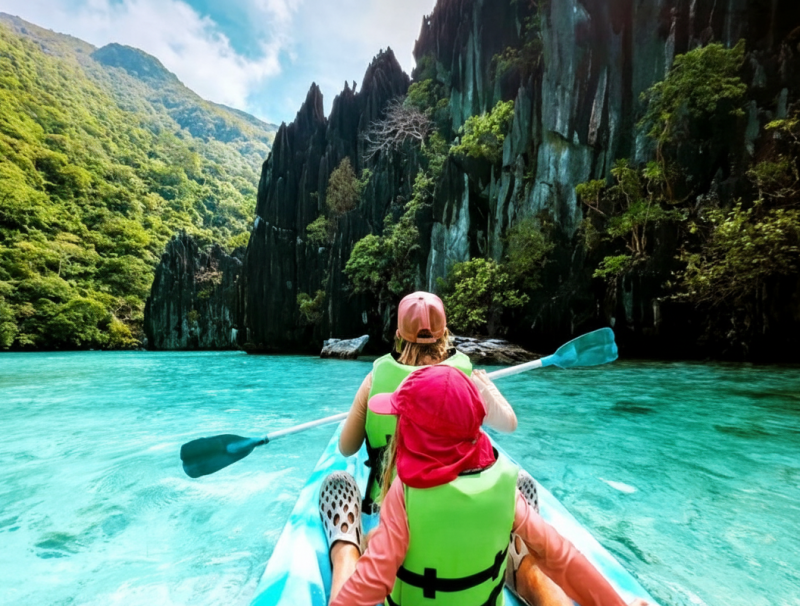
For the Budget-Conscious: High Value, Not High Cost
An impactful family vacation is determined by the quality of shared experience, not the size of the expenditure. These destinations offer an exceptional return on investment.
10. The Great Smoky Mountains National Park: America's Backyard
This is the most visited national park in the United States, in large part because it charges no entrance fee, offering an incredibly accessible natural landscape.
Strategic Advantage: The financial barrier to entry is virtually non-existent. Families can enjoy scenic drives, hiking trails, and abundant wildlife viewing for free. The nearby towns of Gatlinburg and Pigeon Forge offer a wide spectrum of affordable lodging and entertainment.
Logistical Considerations: The park's popularity, especially in October, means significant traffic congestion. Plan to enter the park very early in the day. A cabin rental can often be more cost-effective for a family than multiple hotel rooms.
11. The "Riviera Maya," Mexico: Sun, Cenotes, and Savings
This region boasts a strong infrastructure for budget-conscious travel, including affordable all-inclusive resorts and vacation rentals.
Strategic Advantage: The favorable exchange rate and competitive tourism market provide exceptional value. Families can experience beautiful beaches, unique cenotes (natural swimming holes), and world-class archaeological sites at a fraction of the cost of a comparable Caribbean vacation.
Logistical Considerations: Fly into Cancún (CUN). The summer and fall shoulder seasons offer the best pricing but coincide with hurricane season, making travel insurance a non-negotiable requirement. Consider our Mexico guide for more tips.
12. Wisconsin Dells, Wisconsin: The Waterpark Capital of the World
This Midwest destination offers a high concentration of family-friendly attractions at a family-friendly price point.
Strategic Advantage: Competition among the numerous resorts and waterparks keeps prices competitive. Many resorts offer packages that bundle lodging and park passes, providing significant value. It's a driveable destination for a large portion of the U.S. population.
Logistical Considerations: Summer is the peak season. Consider a visit in the shoulder seasons (late spring, early fall) for lower prices and fewer crowds, as many of the larger parks have extensive indoor facilities.

For Multigenerational Groups: Designing for a Diverse Team
These vacations are selected for their ability to comfortably accommodate a wide range of ages, mobility levels, and interests, facilitating connection across generations.
13. Orlando, Florida (Beyond the Parks): Your Private Command Center
Orlando's greatest asset for multigenerational travel is its vast inventory of large-scale vacation rental homes.
Strategic Advantage: Renting a 5- or 6-bedroom house with a private pool provides a central base for the entire family. It offers common spaces for gathering and private rooms for retreat, a dynamic that is impossible to replicate in a hotel.
Logistical Considerations: A rental home requires rental cars. Choose a location that offers a good balance between proximity to attractions and a quiet residential setting.
14. Hilton Head Island, South Carolina: Lowcountry Relaxation
This destination offers a more tranquil, nature-oriented coastal experience with a sophisticated infrastructure for large family groups.
Strategic Advantage: The island's design emphasizes outdoor activity for all ability levels. Grandparents can enjoy a leisurely bike ride on the 60+ miles of paved paths, parents can play golf, and kids can enjoy the calm waters of the Atlantic.
Logistical Considerations: The vacation rental market is robust. Reservations for popular summer weeks should be made up to a year in advance.
15. An Alaskan Cruise: Majesty for All Ages
An Alaskan cruise offers spectacular, large-scale scenery that can be appreciated by every generation, regardless of physical ability.
Strategic Advantage: The primary attraction—the dramatic landscape of glaciers, fjords, and mountains—is viewed directly from the ship. This makes it an ideal trip for family members with limited mobility.
Logistical Considerations: The cost can be high, but the value is strong. Book a ship with a naturalist onboard. Balcony rooms are worth the extra expense on this itinerary. The season is short (May-September), so book well in advance.
Frequently Asked Questions
What is the best age to take a child on their first major family vacation?
While travel is beneficial at any age, the "sweet spot" for memory and participation is often between 6 and 12 years old. At this stage, kids have the stamina for active days, are curious about new places, and are still happy with a family-focused agenda.
How can we find the best family vacation deals?
The most effective strategies are flexibility and advance planning. Traveling during "shoulder seasons" (just before or after peak season) can reduce costs significantly. Setting up price alerts and booking accommodations at least six months out are also key.
Are vacation rentals better than hotels for families?
It depends on your travel style. A vacation rental offers more space and a kitchen, ideal for longer stays and saving money on food. A hotel or resort provides more amenities, daily housekeeping, and on-site dining for a true break from domestic duties.
How do you manage screen time on a family vacation?
Set clear expectations beforehand. A great strategy is the "bookend rule": allow screens in the morning while getting ready and in the evening to wind down, but make the core of the day a screen-free zone for shared activities.
It's Time to Start Your Story
The perfect family vacation isn’t about finding a spot on a map; it's about finding the place that matches your family’s unique travel style. By choosing a destination architected for relaxation, adventure, or discovery, you stop just 'going on a trip' and start building a chapter in your family's story.
Now that you have the framework to make the right choice, the next step is bringing it to life. For detailed, expert-crafted plans for these destinations and beyond, explore our collection of in-depth guides, starting with our comprehensive Travel Guide.
Read the full guide: Family Travel Ideas: The 2026 Guide to Unforgettable Trips
Don't Miss Out! Subscribe for Exclusive Content
SubscribeComments 0
No comments yet
Be the first to share your experience!
Dont Miss Out! Subscribe for Exclusive Content

Ultimate USA Holidays Guide: Top Picks
FTC Affiliate Disclosure Essentials: Stay Compliant as a Travel Creator
Essential Affiliate Tools: From Tracking to Full Optimization
Booking.com Affiliate Program Review: Pros, Cons, and Earnings Potential
Decoding Affiliate Commission Rates: Benchmarks for Travel Creators

Top 11 High-Paying Affiliate Programs for Travel Bloggers
11 Best Family Travel Blogs for Real Advice
TrekGuider @trekguider
Planning a family vacation feels like it should be an act of joy, but let's be honest—it often descends into a frantic, late-night scroll for answers. You’re drowning in a sea of generic travel advice that simply doesn’t grasp the logistical chaos of navigating an airport with a Tasmanian-devil toddler or the complex psychological warfare of convincing a teenager that a family hike is, in fact, “cool.” You waste hours sifting through posts, a knot of anxiety tightening in your stomach that you’re about to invest your hard-earned money and precious vacation time into a trip that leads to meltdowns for everyone involved. The stress of planning is actively poisoning the very joy you’re trying to create.
What if you could bypass the noise? Imagine tapping directly into a brain trust of seasoned parents who have already navigated these minefields and documented the solutions. Picture finding field-tested, practical advice tailored specifically to your kids’ ages and your family’s unique travel style. This curated list of the best family travel blogs is your direct line to that expertise. While our comprehensive guide to The Best Travel Blogs to Follow in 2026 provides a 30,000-foot view of the entire industry, this article is your specialized ground-level playbook. These are the voices of experience that will help you transform travel chaos into cherished, lifelong memories.

Why Age-Specific Advice is the Key to Family Travel Harmony
Let’s start with a hard truth: the single biggest strategic blunder parents make is assuming "family travel" is a monolith. The reality is that the challenges of traveling with a three-year-old are worlds apart from those of traveling with a fifteen-year-old. As extensive travel industry analysis shows, their needs are fundamentally, diametrically opposed.
Traveling with Toddlers (Ages 1-4): This stage is a masterclass in logistics. The challenges are overwhelmingly physical. Success is measured by your ability to manage rigid nap schedules that are easily derailed, your patience while providing constant supervision for a mobile being with zero sense of danger, and your sheer strength hauling the mountain of required gear—strollers, car seats, diapers, and specialized snacks.
Traveling with Teenagers (Ages 13-18): In stark contrast, the hurdles with teens are primarily psychological and social. This is a game of diplomacy. Victory lies in respecting their craving for independence, granting them downtime away from the family unit, and accepting that their need for reliable WiFi is a non-negotiable part of their travel hierarchy, right alongside food and shelter.
The best family travel blogs don’t just understand this distinction; they build their entire content strategy around it. They provide targeted, actionable solutions to these distinct, age-related pain points, making them an indispensable resource for any parent.

Best Family Travel Blogs for the Toddler & Little Kid Years
This is the age of pure logistics, where the right advice can be the difference between a smooth, joyful trip and a full-blown, public tantrum. These blogs are the undisputed masters of the practical, offering the checklists, packing guides, and sanity-saving strategies you desperately need.
1. Ytravelblog
Run by Australian veterans Caz and Craig Makepeace, Ytravelblog is an institution built on over a decade of trust and real-world experience. They’ve been traveling with their two daughters since they were toddlers, and their content has an incredibly reassuring "we've-been-there" quality that instantly puts parents at ease.
Why They Made Our List:
Honest & Relatable: They excel at addressing the tough, unspoken questions, as evidenced by their iconic post, "
Long-Term Perspective: They offer a rare look at how travel evolves as kids grow, providing wisdom that applies far beyond a single trip.
Balanced Content: They seamlessly cover everything from epic road trips to relaxing resort stays, making them a perfect resource for families who enjoy a variety of travel styles.
2. The Jetsetting Family
Rod, a full-time traveling dad, offers a refreshingly hands-on perspective on family adventure. The Jetsetting Family has become a go-to for parents of toddlers, with unbelievably detailed guides on the nitty-gritty of air travel and packing.
Why They Made Our List:
Logistical Mastery: Their content on managing flights, from booking the right seats to surviving security, is a masterclass in preparation.
Dad's Perspective: Rod’s voice provides a different and valuable viewpoint in a niche often dominated by moms.
High-Quality Visuals: Their video content is especially helpful, showing you exactly how they pack and navigate airports.

3. Marcie in Mommyland
Specializing in travel with babies, toddlers, and preschoolers, Marcie offers some of the most comprehensive and visually appealing content online. Her blog is a goldmine for parents in the demanding early stages of family travel.
Why They Made Our List:
Niche Expertise: Her laser focus on the 0-5 age range means every piece of advice is hyper-relevant and practical.
Product Recommendations: She provides genuinely helpful reviews of travel gear for little ones, saving parents time and money.
Destination Guides for Little Kids: She expertly breaks down popular destinations like Paris and London from the perspective of a parent with a stroller and a diaper bag.
4. Wandering Wagars
Kevin and Christina Wagar are living proof that having kids doesn’t mean the end of adventure. Their blog is a shot of inspiration for parents who want to introduce their young children to diverse, culturally rich experiences from an early age.
Why They Made Our List:
Confidence Building: Their post, "" is packed with actionable advice that empowers hesitant new parents to take that first big trip.
Adventure Focus: They show you how to do more adventurous activities, like caving or hiking, safely with young kids.
Cultural Immersion: They prioritize connecting with local cultures, setting a fantastic example for raising global citizens.
Ready to Conquer the Skies?
For most parents of young children, the flight is the single most daunting part of the entire trip. The thought of keeping a toddler entertained in a confined space for hours, dealing with ear pressure, and avoiding meltdowns at 30,000 feet can be overwhelming. But it doesn't have to be. We’ve compiled the ultimate playbook from experts who have it down to a science.
Download our FREE guide: Stress-Free Flying with Kids Guide and get field-tested tips on booking, packing, and in-flight strategies to ensure a smooth journey for the whole family.
Best Family Travel Blogs for Navigating the Teen Years
Once you enter the teen years, vacation success becomes less about physical logistics and more about masterful diplomacy. It’s a delicate dance of balancing family time with a teenager’s deep-seated need for a teenager’s deep-seated need for independence. These blogs get it.

5. Kids Are A Trip
Created by Kirsten, this blog is an exceptional resource for parents who are past the stroller phase and firmly in the eye-rolling years. She has a real talent for finding activities that genuinely engage the notoriously hard-to-please teenage demographic.
Why They Made Our List:
Teen-Approved Activities: Her content, like "," goes far beyond the obvious tourist traps to find experiences teens will actually enjoy and remember.
Multi-Generational Focus: She provides great ideas for trips that will satisfy everyone from a 14-year-old to a 70-year-old grandparent.
Practical Itineraries: Her sample itineraries are realistic, well-paced, and leave room for the downtime teens desperately need.
6. Ciao Bambino
For families seeking expertly planned, immersive, and often luxurious trips, Ciao Bambino operates in a class of its own. While they cover all ages, their true strength lies in crafting complex itineraries that appeal to multi-generational groups with teens.
Why They Made Our List:
Deep Destination Expertise: Their " " showcases an incredible ability to blend history, food, and culture in a way that captivates every member of the family.
Vetted Recommendations: They have a team of advisors who vet every hotel and activity, providing a level of trust you can count on. It’s this level of curated expertise that inspires the hyper-detailed itineraries you can find from creators on the TrekGuider Platform.
Problem Solving: They excel at solving complex travel puzzles, like planning a trip for a large family with diverse interests and age ranges.
7. Earth Trekkers
The family behind Earth Trekkers—Julie, Tim, and their now-teenage kids Tyler and Kara—have documented their global travels for years. Because their audience has watched their children grow up, their blog serves as a fascinating and incredibly useful roadmap for how family travel evolves over time.
Why They Made Our List:
Real-Time Evolution: They offer an authentic, long-term perspective on transitioning from travel with little kids to travel with independent teens and young adults.
Adventure & Education: They masterfully blend adventure (like hiking in U.S. National Parks) with world schooling and historical context.
Exceptional Photography & Itineraries: Their content is not only inspiring but also carefully detailed, providing a clear path for readers to follow in their footsteps.
Pro-Tip: The #1 piece of advice from blogs that successfully travel with teenagers is to give them ownership. Involve them in the planning process. Let them choose the destination for one day, research the restaurants, or be the official navigator. This simple act of giving them control drastically reduces apathy and disinterest.
How to Vet a Family Travel Blog for Yourself
While our list is a great starting point, knowing how to spot a truly high-quality resource is a skill that will serve you well. Here’s a quick framework based on how our experts evaluate blogs:
Look for Niche Specificity: Does the blogger claim to be an expert on everything, or do they have a clear focus? The best advice often comes from someone who has gone deep on a specific topic, whether that’s RV travel with kids or navigating Disney World with a child who has sensory issues.
Check for Real Community Engagement: Don't just look at follower counts. Read the comments. Does the blogger respond thoughtfully to reader questions? A thriving comment section is a strong signal that the creator has built a genuine, trusting community.
Is the Advice Actionable? Inspirational photos are nice, but the best family travel blogs provide advice you can actually use. Look for detailed budget breakdowns, specific packing lists, and step-by-step instructions. If you finish an article feeling empowered to take action, you’ve found a great resource.

Frequently Asked Questions About Family Travel Blogs
How do family travel blogs make money?
Professional family travel blogs typically use a mix of monetization methods. The most common are affiliate marketing (earning a commission when you buy a product they recommend, like a hotel or travel gear), display advertising (the ads you see on the page), sponsored posts (where a brand pays them to feature a destination or product), and selling their own digital products, like detailed itineraries or travel planning guides.
Is it really safe to take young kids to "adventurous" destinations?
Absolutely, with the right planning and precautions. Blogs like Wandering Wagars and Earth Trekkers are fantastic resources for this. They demonstrate how to approach adventure travel responsibly by choosing age-appropriate activities, prioritizing safety, and managing risk. Their content shows that adventure is scalable and can be an incredible way to build resilience and confidence in kids.
What's the best way to budget for a family trip?
The most effective strategy, echoed by many top travel bloggers, is the "Pay Yourself First" model. This involves setting up a dedicated high-yield savings account for travel and scheduling automatic monthly transfers. You treat your travel fund as a non-negotiable expense, just like a mortgage or car payment. This ensures you’re consistently saving rather than just hoping there’s money left over at the end of the month.
Pro-Tip: When reading any blog, always look for authenticity. The best creators share the highs and the lows. A blogger who admits to a travel mishap or a day when the kids were just not having it is often more trustworthy than one who presents a picture-perfect, flawless feed.
Your Adventure Awaits
The overwhelming task of planning a family trip becomes infinitely more manageable—and even joyful—when you have the right guides. The creators behind these exceptional family travel blogs offer more than just glossy photos and destination ideas; they provide a real-world roadmap for navigating the beautiful, chaotic, and profoundly rewarding journey of exploring the world with your children. They’ve done the trial and error so you don’t have to. By arming yourself with their expert advice, tailored to your family's specific stage and style, you're not just planning a vacation—you're setting the stage for a lifetime of shared adventures.

Meta Data Suggestions:
SEO Meta Title (58 chars): 11 Best Family Travel Blogs for Real Advice (2026 Guide)
URL Slug: best-family-travel-blogs
SEO Meta Description (154 chars): Ditch generic tips. Discover the top 11 family travel blogs with real, field-tested advice for toddlers, teens, and every travel style in between.
Don't Miss Out! Subscribe for Exclusive Content
SubscribeComments 0
No comments yet
Be the first to share your experience!
Dont Miss Out! Subscribe for Exclusive Content
FTC Affiliate Disclosure Essentials: Stay Compliant as a Travel Creator
Essential Affiliate Tools: From Tracking to Full Optimization
Avoid These 5 Affiliate Landing Page Mistakes for Better Conversions

Affiliate Keyword Research Mastery for Travel Blogs
Booking.com Affiliate Program Review: Pros, Cons, and Earnings Potential