
Ultimate USA Holidays Guide: Top Picks

TrekGuider @trekguider
From the electric hum of a million people counting down in Times Square to the soulful, brass-band rhythm of a New Orleans parade, the calendar of holidays in the USA is a vibrant mix of culture, history, and pure, unadulterated celebration. This is a nation that doesn’t just mark time—it celebrates it, painting its calendar with explosions of patriotic fireworks, soulful city-wide festivals, and seasonal traditions as diverse as the continent itself.

Planning a trip around an American holiday elevates a simple vacation into a deep cultural immersion. It’s a chance to see a destination at its most alive, to share in a collective moment of joy or reverence, and to come away with stories that resonate far more than a standard sightseeing tour. But with a map so vast and a calendar so packed, the sheer number of options can feel overwhelming. Where do you even begin?
Consider this your definitive launchpad. We’ve distilled the essence of American celebrations into a curated guide to the nation’s most iconic, unique, and unforgettable festive experiences. This is not just a list; it’s a strategic starting point designed to spark your imagination and connect you with the perfect holiday adventure. To get a head start on organizing your thoughts and mapping out your dream trip, download our free Travel Itinerary Template. It’s the first step toward turning inspiration into a flawless plan.
The American Holiday Calendar: Key Dates for Strategic Planning
Before you book a single flight or hotel, understanding the rhythm of the American calendar is essential. Federal holidays mean closures for banks, post offices, and government buildings. More importantly for travelers, they signal peak travel periods, leading to higher prices and bigger crowds. Planning around these dates is the first and most critical step to a seamless journey.

Here are the official federal holidays to circle on your calendar for the coming years.
2026 Federal Holidays:
New Year’s Day: January 1 (Wednesday)
Martin Luther King, Jr. Day: January 20 (Monday)
Washington’s Birthday (Presidents' Day): February 17 (Monday)
Memorial Day: May 26 (Monday)
Juneteenth: June 19 (Thursday)
Independence Day: July 4 (Friday)
Labor Day: September 1 (Monday)
Columbus Day / Indigenous Peoples’ Day: October 13 (Monday)
Veterans Day: November 11 (Tuesday)
Thanksgiving Day: the fourth Thursday of November (Thursday)
Christmas Day: December 25 (Thursday)
2026 Federal Holidays:
New Year’s Day: January 1 (Thursday)
Martin Luther King, Jr. Day: January 19 (Monday)
Washington’s Birthday (Presidents' Day): February 16 (Monday)
Memorial Day: May 25 (Monday)
Juneteenth: June 19 (Friday)
Independence Day: July 4 (Saturday, observed Friday, July 3)
Labor Day: September 7 (Monday)
Columbus Day: October 12 (Monday)
Veterans Day: November 11 (Wednesday)
Thanksgiving Day: November 26 (Thursday)
Christmas Day: December 25 (Friday)
The Nation’s Heartbeat: Patriotic, Cultural & Seasonal Cornerstones
While every city adds its own unique flavor, some holidays resonate with a powerful national identity, uniting the country in shared tradition and history. These are the cultural pillars of the American year, events that are not just dates on a calendar but massive economic and social engines. Mardi Gras in New Orleans, for instance, generated a staggering $891 million economic impact in 2024, while the Art Basel fair in Miami brings in over $500 million—an impact that rivals a Super Bowl. Traveling for these holidays means stepping into a moment of collective energy and profound significance.

Independence Day (July 4th) stands as the nation’s quintessential summer celebration. Commemorating the adoption of the Declaration of Independence in 1776, it’s a day of unabashed patriotism expressed through spectacular fireworks displays, small-town parades, and backyard barbecues. It’s a moment to honor American history and the foundational principles of life, liberty, and the pursuit of happiness.
As the air turns crisp in autumn, Thanksgiving arrives on the fourth Thursday of November. While centered on a private feast of gratitude and family, its most famous public face is the Macy's Thanksgiving Day Parade in New York City. This whimsical procession of giant character balloons, elaborate floats, and celebrity performers has captivated the nation since 1924, officially kicking off the holiday season.
Following closely is Christmas, which transforms towns and cities into winter wonderlands on December 25th. The celebrations are incredibly diverse, ranging from solemn religious services on Christmas Eve to bustling German-style markets, dazzling neighborhood light displays, and iconic tree-lighting ceremonies that have become national traditions in their own right.
Beyond these, cultural celebrations like Pride Parades in June have evolved from their protest roots—commemorating the 1969 Stonewall Uprising—into powerful, joyous affirmations of identity and activism. Similarly, holidays like Cinco de Mayo and Chinese New Year have grown from community-specific observances into vibrant, large-scale festivals that showcase the rich multicultural fabric of the United States.
City by City: A Guide to America's Premier Holiday Destinations
The true magic of American holidays lies in their regional expressions. A single holiday can feel worlds apart depending on whether you’re standing on a crowded Manhattan street, a sun-drenched Miami beach, or a historic New Orleans square. Here’s our guide to the cities that do it best, each offering a unique portal into the nation’s festive soul.
New York City: The Epicenter of Iconic Celebrations
When you imagine classic holidays in the USA, chances are you’re picturing New York City. The Big Apple doesn’t just celebrate; it creates global landmarks out of its festivities. This is the city of grand gestures and timeless traditions, where every season brings a spectacle known the world over. In winter, the lighting of the Rockefeller Center Christmas Tree marks the unofficial start of the holiday season, its glittering presence best viewed at dawn to avoid the thickest crowds. Nearby, the Bryant Park Winter Village offers a charming European-style market and ice rink set against a stunning skyscraper backdrop. As the year closes, the world turns its attention to the Times Square Ball Drop, a century-old tradition where arriving by 3 PM is essential to secure a spot for the legendary countdown.

But NYC’s holiday spirit isn’t confined to winter. Autumn brings the whimsical Macy's Thanksgiving Day Parade, which has marched through Manhattan since its inception. To truly experience it, insiders recommend arriving by 6 AM along Central Park West. On October 31st, the Village Halloween Parade transforms Greenwich Village into a creative, spooky, and utterly unique procession where wearing a costume is your ticket to march alongside the performers. And in June, the NYC Pride Parade—which traces its roots to the first march in 1970, one year after the Stonewall Uprising—fills Fifth Avenue with a powerful and joyous celebration of love and equality. From patriotic fireworks over the East River on July 4th to the festive markets of December, New York offers a holiday experience that is nothing short of cinematic.
For a complete guide to the Big Apple's festivities, see our New York Holidays: 10 Must-Do Events.
Miami: Where Holiday Spirit Meets Tropical Glamour
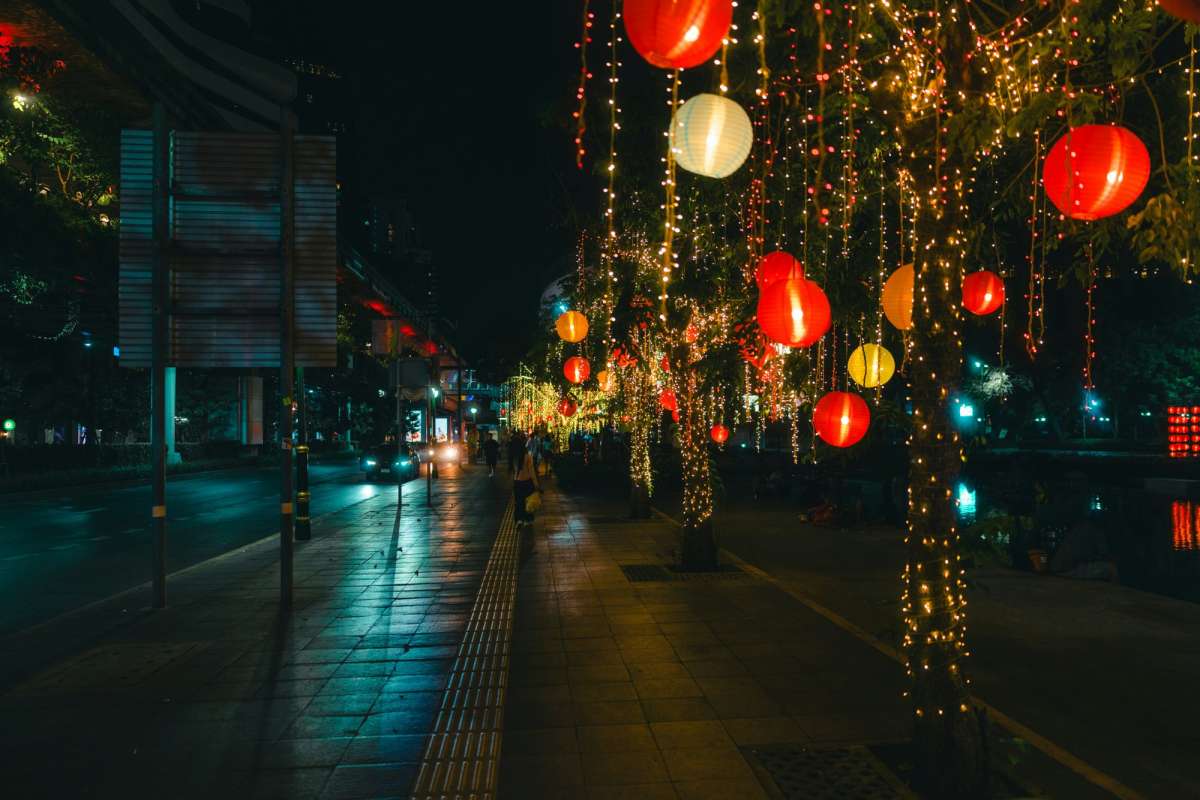
Forget snow and sleigh bells; Miami reimagines American holidays with a sun-drenched, high-energy, and impossibly stylish twist. Here, the festive season is marked by palm trees wrapped in twinkling lights and celebrations that seamlessly blend beach culture with global sophistication. The city’s holiday calendar is anchored by two world-renowned events: Ultra Music Festival in March and Art Basel in December. Ultra transforms Bayfront Park into a pulsating epicenter of electronic music, drawing top DJs and fans from across the globe for a three-day sonic marathon where the dress code is lightweight, breathable, and ready to dance. Just months later, Art Basel makes Miami the undisputed capital of the art world, with the Miami Beach Convention Center hosting the main fair while countless satellite events and vibrant street art take over districts like Wynwood.

Miami’s take on traditional holidays is equally unique. Christmas isn’t about cozying up by the fire; it’s about watching the spectacular Holiday Boat Parades, where yachts adorned with festive lights cruise down Biscayne Bay. New Year’s Eve offers a choice for every style, from the massive free fireworks display at Bayfront Park to exclusive, high-glamour parties at South Beach clubs like LIV and Fontainebleau, where tickets can run upwards of $200. Even Independence Day gets a coastal makeover, with the best fireworks views often found from a boat on the bay, far from the crowded parks. In Miami, the holiday season is an invitation to trade your winter coat for swimwear and experience a celebration that is vibrant, chic, and unapologetically fun.
To discover all the sun-soaked celebrations, check out our guide to Miami Holidays: 8 Beach Fest Vibes.
New Orleans: A Cultural Feast for the Senses
In New Orleans, holidays are not just celebrated; they are deeply felt, steeped in centuries of Creole heritage, and served up with a soulful blend of music, food, and pure, uninhibited revelry. The city’s festive calendar is legendary, headlined by Mardi Gras, a season of indulgence that culminates on "Fat Tuesday." From the family-friendly parades of Uptown to the wild spectacle of the French Quarter, the entire city erupts in a riot of purple, green, and gold. Krewes like Endymion and Bacchus toss beads from elaborate floats, and the air is thick with the sounds of marching bands and the scent of king cake. Shortly after, the New Orleans Jazz & Heritage Festival (Jazz Fest) takes over, a two-weekend celebration of the region’s profound musical roots, featuring everything from legendary jazz acts to Cajun and Zydeco bands, all accompanied by some of the best food you’ll ever eat at a festival.

The city’s unique cultural fabric enriches every holiday. Halloween in the Crescent City is an atmospheric affair, drawing on its history of voodoo lore and ghost tales. The Krewe of Boo parade rolls through the streets, and ceremonies honoring Voodoo Queen Marie Laveau add an authentic, spooky flair. Christmas takes on a distinctly Creole flavor with Réveillon dinners, elaborate multi-course feasts served after midnight mass, and bonfires lighting up the levee along the Mississippi River to guide "Papa Noël." Even St. Patrick’s Day has a local twist, with parade-goers in the Irish Channel neighborhood famously throwing cabbages and other vegetables to the crowds. To experience a holiday in New Orleans is to immerse yourself in a living, breathing culture that knows how to celebrate like nowhere else on Earth.
Explore the city’s rich traditions with our deep dive into New Orleans Holidays: Cultural Feasts.
Chicago: Grand Traditions in the Heart of the Windy City
Chicago celebrates the holidays with a hearty, Midwestern spirit, transforming its world-class architecture and stunning lakefront into a playground for grand-scale urban festivities. The Windy City is home to some of the most iconic holiday traditions in the country, none more famous than the dyeing of the Chicago River for St. Patrick's Day. Since 1962, the city has used 40-60 pounds of a secret, vegetable-based orange powder to turn its waterway a brilliant emerald green, a spectacular sight that lasts for about five hours and kicks off a massive parade and city-wide celebration of Irish heritage. In the summer, Chicago becomes a global music destination with Lollapalooza, a four-day festival in Grant Park that showcases a diverse lineup of the biggest names in music, from Olivia Rodrigo to Tyler the Creator.

When winter arrives, Chicago embraces the cold with gusto. The Christkindlmarket at Daley Plaza, a traditional German-style Christmas market, becomes a festive hub where visitors can sip spiced Glühwein and shop for handcrafted gifts. The Magnificent Mile glows with a million twinkling lights, and ice skating at Millennium Park with the city skyline as a backdrop is a quintessential Chicago experience. For Independence Day, crowds flock to Navy Pier for a dazzling fireworks display over Lake Michigan, a patriotic spectacle that lights up the night sky. From neighborhood street fairs celebrating local culture to massive music events that draw international crowds, Chicago’s holidays are a perfect blend of down-to-earth fun and big-city excitement, offering thrilling experiences for every season.
Get ready for an urban adventure with our complete guide to Chicago Holidays: Windy City Thrills.
San Francisco: A Vibrant Mix of Culture and Innovation
Set against the stunning backdrop of the Golden Gate Bridge and the rolling bay, San Francisco’s holidays are a reflection of its identity as a vibrant, forward-thinking, and culturally rich metropolis. The city is renowned for hosting the oldest and largest Chinese New Year celebration outside of Asia, a tradition dating back to 1851. The festival leads to one of the few night-illuminated parades in North America, a spectacular procession featuring lion dancers, complex floats, a modern drone light show, and the famous 268-foot Golden Dragon. Another key element of the city’s cultural calendar is the SF Pride Parade, which has been a powerful platform for LGBTQ+ rights and celebration since the first "gay-in" in 1970. The parade marches down Market Street, drawing enormous crowds in a joyous and defiant expression of identity and solidarity, now secured with modern safety measures like weapon detection technology.

San Francisco’s holiday season blends tradition with the city’s signature innovative spirit. Christmas brings a massive tree and ice rink to Union Square, with the best views found from the upper floors of the adjacent Macy's. The city’s diverse neighborhoods come alive with unique festivals celebrating everything from craft beer to local music. Even Halloween has a distinct SF flavor, with massive street parties in the Castro and spooky tours of historic sites like the Winchester Mystery House. From the cherry blossoms that signal spring to the vibrant festivals that fill its parks, San Francisco offers a holiday experience that is as diverse and dynamic as the city itself.
Discover the best of the Bay Area’s celebrations in our guide to San Francisco Holidays: Bay Area Buzz.
From Traveler to Creator: The TrekGuider Ecosystem
As you explore these incredible holidays, you'll quickly realize that the best experiences often come from hyper-local, on-the-ground knowledge. A blog post can tell you about a festival, but a true local expert can give you the custom-drawn map of parade-viewing sweet spots, the checklist for navigating a music festival like a pro, or the guide to a city's best holiday markets.

That’s the core mission of TrekGuider. We are more than just a publication; we are a marketplace for digital tourism products created by a community of vetted travel experts. For travelers, this means you can go beyond the article and instantly download high-quality resources—from detailed itineraries to photo spot maps—made by people who live and breathe their destinations. You can even discover and follow your favorite authors on their personal creator pages, accessing all their content and products in one place.
And if you're the person in your friend group who plans all the trips—the one with the color-coded spreadsheets and secret spots—then TrekGuider is also for you. Our platform empowers travel experts and passionate enthusiasts to monetize their knowledge. You can publish articles to build your authority, sell your own digital products, and connect with a community of like-minded creators and travelers. It’s a place to turn your passion into a resource that helps others travel better.
Pro Tips for a Seamless Holiday Trip
Traveling for major holidays in the USA can be incredibly rewarding, but it requires smart planning. The massive crowds and high demand that make these events so exciting also present challenges. Here is some expert advice to ensure your trip is memorable for all the right reasons.

Booking & Budgeting: The golden rule for holiday travel is to book well in advance. Flights, accommodations, and event tickets can sell out months ahead of time, and prices will almost certainly rise as the date approaches. For major festivals like Lollapalooza or Ultra, buying tickets the moment they go on sale is often necessary. For city-wide events like New Year's Eve in New York or Mardi Gras in New Orleans, booking your hotel 6-12 months in advance is not an exaggeration.
Safety in Large Crowds: Major events are increasingly leveraging technology to enhance security. Ultra Music Festival partners with the SaferWatch app for real-time, anonymous safety reporting, while NYC's July 4th celebration uses drone surveillance. Regardless of the event, timeless safety rules apply:
Use the buddy system: Always stick with a friend or group.
Establish a meeting point: In case you get separated, have a clear, designated spot to regroup.
Stay aware of your surroundings: Keep your valuables secure and be mindful of the people around you.
Know who to call: In any emergency, dial 911 for immediate assistance.
Sustainability on the Go: There is a growing movement toward making large-scale celebrations more eco-friendly. You can be a part of this positive trend. Look for festivals with green initiatives, such as the oyster shell recycling program at New Orleans Jazz Fest or the use of solar-powered stages at Ultra. In New Orleans, there’s a rising demand for biodegradable beads during Mardi Gras. Simple actions like using designated recycling bins and bringing a reusable water bottle can make a big difference.
Your Ultimate American Holiday Awaits
The United States offers a spectacular and endlessly diverse calendar of celebrations, each providing a unique window into the heart of American culture. From the historic patriotic fervor of the Fourth of July to the modern, pulsating beats of a world-class music festival, there is an experience waiting to match every traveler’s dream. The key is to look beyond the date on the calendar and see the opportunity for connection, discovery, and unforgettable memories.
This guide is your starting point for exploring the vast landscape of holidays in the USA. Use it to spark inspiration, then dive deeper into our city-specific guides to start crafting the details of your next great adventure. Whether you're seeking tradition, innovation, or just a really great party, your ultimate holiday is out there. For a complete, step-by-step resource to plan every aspect of your trip, from budgeting to packing, our comprehensive Travel Guide is the essential tool you need to make it happen.
Don't Miss Out! Subscribe for Exclusive Content
Subscribe



Comments 0
No comments yet
Be the first to share your experience!
Dont Miss Out! Subscribe for Exclusive Content

San Francisco Cherry Blossoms: A Local's Guide to the Blooms


Halloween SF: Haunts Without Horrors

SF Festivals: 7 Must-See Lineups

Christmas SF: Lights & Wharf Wonders

SF Pride: 6 Route & Party Hacks

Chinese New Year SF: Parade Essentials
Choosing an All-Inclusive Family Resort? Read This First.
TrekGuider @trekguider
The idea of an all-inclusive resort is almost magical for parents: a place where "I'm hungry" is solved instantly, activities are endless, and your wallet can stay locked in the safe. But the dream can quickly turn into a pricey mistake with crowded pools, hidden fees, and lackluster kids' clubs. The key to securing that blissful, stress-free escape isn't luck—it's knowing exactly what to look for before you book.
For every family that returns refreshed, another comes back with cautionary tales. The difference between paradise and disappointment lies in the details. This guide is your battle plan to see past the glossy marketing photos and find true value.

We'll show you how to vet any resort and book a vacation that delivers on its promise. This advice is a perfect starting point for the hands-on planning that follows exploring broader Family Travel Ideas: The 2026 Guide to Unforgettable Trips.
The Real Genius of an All-Inclusive
Choosing an all-inclusive isn't just about unlimited snacks (though that helps). It's a strategic move to conserve your most valuable resources: mental energy and peace of mind.
The Freedom from Decision-Making: A great vacation shouldn't require a dozen decisions before breakfast. At the right resort, the only choice you need to make is between the pool and the beach. This freedom from constant planning is the ultimate luxury for a parent.
Lock In Your Budget, Then Forget About It: This is perhaps the biggest stress-reducer. You know the vast majority of your costs upfront, eliminating the constant mental math of vacation spending. It allows you to relax and say "yes" to another round of virgin piña coladas without wincing.
A Safe Harbor for Your Kids: The self-contained nature of a resort means you can relax your constant hyper-vigilance. It’s a secure environment where older kids can have a taste of independence (like walking to the ice cream stand on their own) and you can actually finish a chapter of your book. For more on this, explore The Secret to Stress-Free All Inclusive Family Vacations.
The Perfect Solution for Group Getaways: Trying to coordinate a trip with grandparents, cousins, or another family can be a logistical nightmare. An all-inclusive acts as the perfect home base, offering a wide array of food and activities to keep everyone happy without the need for complex daily planning.
Not All-Inclusives Are Created Equal
The term "all-inclusive" covers everything from sprawling theme parks to quiet beach retreats. The key is matching the resort's personality to your family's.

The Action-Packed Wonderland: Think massive water parks, character breakfasts, and a dizzying schedule of activities from sunrise to sunset.
Best For: Families who crave constant stimulation. If your kids thrive on energy and want to make a dozen new friends, this is your spot.
The Chic & Serene Escape: These smaller, more intimate properties focus on quality over quantity. Expect elevated dining, stunning design, and a more relaxed, upscale atmosphere.
Best For: Families with infants who just need a beautiful place to relax, or those with self-sufficient teenagers who cringe at organized fun. This is about connection, not chaos.
The Eco-Adventure Hub: Located in places like Costa Rica, these resorts weave nature and adventure into the all-inclusive package. Think guided jungle hikes, kayaking tours, and wildlife spotting included in your stay.
Best For: Active families who want the ease of an all-inclusive without being confined to a pool deck. It’s for those who want to explore the world, then come back for a hassle-free dinner.
The Savvy Parent's Vetting Checklist: 5 Things to Do Before You Book
Marketing photos sell a fantasy. Your job is to uncover the reality. Be ruthless. Use this five-point checklist to dissect any potential resort and ensure it’s the right fit for your family.

1. Interrogate the Kids' Club
A great kids' club is the key to unlocking actual adult relaxation. Don't just confirm its existence; investigate the details like a detective.
The Checklist:
Age Groups: Are kids lumped together, or are there separate programs for toddlers, little kids, and tweens? A 4-year-old and a 10-year-old have vastly different needs.
The Schedule: Ask for a sample weekly activity schedule. Is it creative and engaging (nature walks, craft projects, local cooking classes) or is it just screen time?
Staffing: What is the staff-to-child ratio? Are staff certified in CPR and first aid?
Security: What are the check-in and check-out procedures?
Green Flag: The resort proudly displays its kids' club schedule online.
Red Flag: The details are vague, and customer service can't provide specifics.
2. Scrutinize the Food & Drink Scene
"All-inclusive" shouldn't mean mediocre. You need to understand the logistics of how, when, and where you'll be eating.
The Checklist:
The Reservation Reality: How many restaurants require reservations? Can they be made before you arrive, or is it a mad dash each morning to book a spot for dinner?
Buffet Recon: Look at recent guest photos on TripAdvisor or Google, not just the professional ones. Does the buffet look fresh and varied? Are there plenty of simple, kid-friendly staples?
Hours of Operation: When do the restaurants and snack bars open and close? If your toddler is an early riser, a coffee shop that opens at 8 a.m. is a problem.
Green Flag: Multiple casual, drop-in dining options are available all day.
Red Flag: Reviews repeatedly mention long waits for tables or difficulty getting reservations.
3. Audit the "All-Included" Fine Print
The most frustrating part of a bad all-inclusive experience is the endless stream of upcharges. Your mission is to identify them beforehand.
The Checklist:
Activities: Is it just non-motorized water sports (kayaks, paddleboards)? Or are things like snorkel gear, a climbing wall, or an introductory scuba lesson included?
Drinks: Is it just local beer and well liquor? Are premium spirits, bottled water, and decent wine extra?
Hidden Fees: Look for mentions of "resort fees," Wi-Fi charges, or extra costs for premium beach chairs or cabanas.
Green Flag: The resort's website has a clear, detailed page listing exactly what’s included.
Red Flag: The language is vague, using phrases like "select beverages" or "some activities."
4. Evaluate the Resort Map
A sprawling, poorly planned resort can turn a simple trip to the pool into a 15-minute trek in the blazing sun with a tired toddler.
The Checklist:
The Golden Triangle: Look at the map. How far are the main family pool, the primary buffet, and the beach from the room blocks designated for families?
Quiet vs. Action: Does the resort have designated "quiet pools" or adults-only sections? This is a great sign—it means they're thinking about different types of guests.
Green Flag: The resort is thoughtfully laid out with key family amenities clustered together.
Red Flag: The resort is massive, and reviews mention needing to wait for golf carts to get anywhere.
5. Triangulate Real-World Reviews
Read reviews, but read them like a pro. Don't just skim the star ratings.
The Checklist:
Filter Everything: On sites like TripAdvisor, filter reviews specifically for "Family." The experience of a honeymooning couple is irrelevant to you.
Search for Keywords: Use the search function within reviews to look for terms relevant to you: "toddler," "stroller," "food allergies," or "teen."
Look for Patterns: Ignore the single 1-star review from an angry guest and the glowing 5-star review that sounds like it was written by the hotel manager. Look for consistent themes that appear in multiple reviews over several months. That’s the truth.
Green Flag: Recent family reviews are consistently positive about the staff and cleanliness.
Red Flag: Multiple families mention the same recurring problems (broken A/C, dirty pools, etc.).
Pro-Tips for Your First All-Inclusive Trip
Here's the insider knowledge that can make a good trip great.

Pack Your Own Insulated Cups: The resort cups are often tiny and flimsy. Bringing your own will keep your drink cold, reduce plastic waste, and save you countless trips to the bar.
Bring Small Bills for Tipping: While tips are often included, a few dollars for the bartenders, housekeeping staff, or kids' club counselors will ensure exceptional service.
Bring a Mini-Pharmacy: Don't pay $20 at the resort gift shop for children's Tylenol. Pack a small kit with essentials like pain relievers, allergy meds, upset stomach remedies, and plenty of waterproof Band-Aids.
The Early Bird Gets the Best Chair: In most resorts, the prime real estate by the pool is claimed early. If a shady spot is important, you may need to stake your claim before breakfast.
Make the Journey as Smooth as the Destination
The perfect resort vacation starts with a stress-free travel day. But flying with kids can feel like its own logistical puzzle. Our free guide is packed with pro tips on navigating airports, beating boredom, and arriving at your resort ready to relax.
Download the Stress-Free Flying with Kids Guide
Frequently Asked Questions
Are all-inclusive resorts really a good value?
They offer incredible value for convenience and budget control. While an a la carte trip might be cheaper, it requires far more planning and leaves you open to surprise costs. For parents who value a low-stress experience, the return on investment is huge.
What's the best age for a child to enjoy an all-inclusive?
The 4-12 age range is often the sweet spot, as kids are old enough for the kids' club but young enough to be dazzled by it all. That said, many resorts now have fantastic, dedicated programs for toddlers and teens, making them a great option for nearly any age.
How do I handle food allergies?
Recommended: Stress-Free Flying with Kids: Airport, TSA, and In-Flight Guide
Recommended: Travel Guide: Trip Planning, Flights, and Avoiding Tourist Traps
Reputable resorts take this very seriously. Contact the resort directly before booking to discuss their protocols. Once you arrive, ask to speak with the head chef, who can often arrange for safe, specially prepared meals.
What should I always pack for an all-inclusive trip?
Beyond your usual clothes, always pack your own insulated cups for drinks, a mini-pharmacy with kids' medicine and first-aid, and small bills for tipping. These items will save you money and hassle.
An all-inclusive family vacation, chosen wisely, is more than a trip—it's a reset button. By using this framework to look beyond the brochure, you can confidently select a resort that fits your family's unique style. You can trade planning and stress for presence and connection, and create memories that truly last.
Read the full guide: Family Travel Ideas: The 2026 Guide to Unforgettable Trips
Don't Miss Out! Subscribe for Exclusive Content
SubscribeComments 0
No comments yet
Be the first to share your experience!
Dont Miss Out! Subscribe for Exclusive Content

Ultimate USA Holidays Guide: Top Picks

FTC Affiliate Disclosure: Stay Compliant as a Travel Creator

Essential Affiliate Tools: From Tracking to Full Optimization

Booking.com Affiliate Review: Pros, Cons & Earnings

Decoding Affiliate Commission Rates: Benchmarks for Travel Creators

Top 11 High-Paying Affiliate Programs for Travel Bloggers
Best Family Vacations: How to Finally Pick the Right One
TrekGuider @trekguider
Staring at a map, overwhelmed by options? You're not alone. The pressure to choose the perfect family vacation—one that delights a toddler, engages a teen, and actually feels like a break for you—is immense. It’s a high-stakes puzzle where the fear of getting it wrong can be paralyzing. This guide is your solution.
It's engineered to cut through that noise. This isn't just another list; it's a practical plan designed to help you confidently identify the absolute best family vacations for your unique crew.
Building on the core principles of our Family Travel Ideas: The 2026 Guide to Unforgettable Trips, we apply our "travel style" analysis to 15 premier destinations. Each has been rigorously vetted for its appeal and, just as importantly, for its operational excellence in making family travel seamless. This is your definitive resource for turning the anxiety of planning into the pure excitement of a perfectly chosen adventure.
At a Glance: The Best Family Vacation for Your Crew

For the Relaxation-Oriented: Minimal Logistics, Maximum Restoration
These destinations are architected to reduce decision fatigue and eliminate logistical friction, making them ideal for first-time family travelers, those with very young children, or anyone whose primary objective is genuine rest.
1. Beaches Turks & Caicos: The Gold Standard of All-Inclusive
This resort functions as a self-contained vacation ecosystem, setting the industry standard for the luxury all-inclusive family model.
Strategic Advantage: The resort's primary asset is its comprehensive infrastructure for children of all ages, from certified nannies for infants to a sophisticated Xbox lounge for teens and a 45,000-square-foot waterpark. This allows for a rare vacation dynamic where parents can achieve genuine relaxation while children are safely and happily engaged. If this is your goal, be sure to read our guide on The Secret to Stress-Free All Inclusive Family Vacations.
Logistical Considerations: As a premium offering, this is one of the more expensive options. Booking at least six to nine months in advance is critical, especially for travel during school holidays. The flight to Providenciales (PLS) is direct from many major U.S. hubs.
2. Aulani, A Disney Resort & Spa, Hawaii: Sophisticated Island Magic
This resort masterfully blends the immersive storytelling of Disney with the rich cultural fabric of Hawaii, offering a sophisticated alternative to a theme park vacation.
Strategic Advantage: Aulani excels at creating parallel experiences for adults and children. While kids engage in the supervised activities at Aunty's Beach House (a best-in-class kids' club), adults can enjoy the adult-only pools, the Laniwai spa, or fine dining. The protected, calm lagoon is a significant safety feature for families with toddlers.
Logistical Considerations: The resort is located in Ko Olina, about 30-45 minutes from the Honolulu airport (HNL) and Waikiki. A rental car offers flexibility, but it's possible to remain on-resort. Book character dining and other popular experiences the moment your booking window opens.
3. A Family-Focused Cruise: The Multigenerational Solution
Modern cruise ships from lines like Royal Caribbean or Disney are floating resorts designed to cater to a wide array of interests and energy levels.
Strategic Advantage: A cruise is arguably the most efficient model for a multigenerational vacation. The vessel itself is the destination, offering a controlled environment with a vast spectrum of dining, entertainment, and relaxation options consolidated in one place. It solves the complex problem of coordinating activities and meals for a large, diverse group.
Logistical Considerations: Scrutinize the ship's itinerary and "at sea" days. Pay close attention to the specific amenities on your chosen ship, as they vary significantly. Shore excursions should be booked well in advance. While the base price can be appealing, budget carefully for additional costs like drink packages and gratuities.

For the Outdoor Adventurer: Immersive Natural Encounters
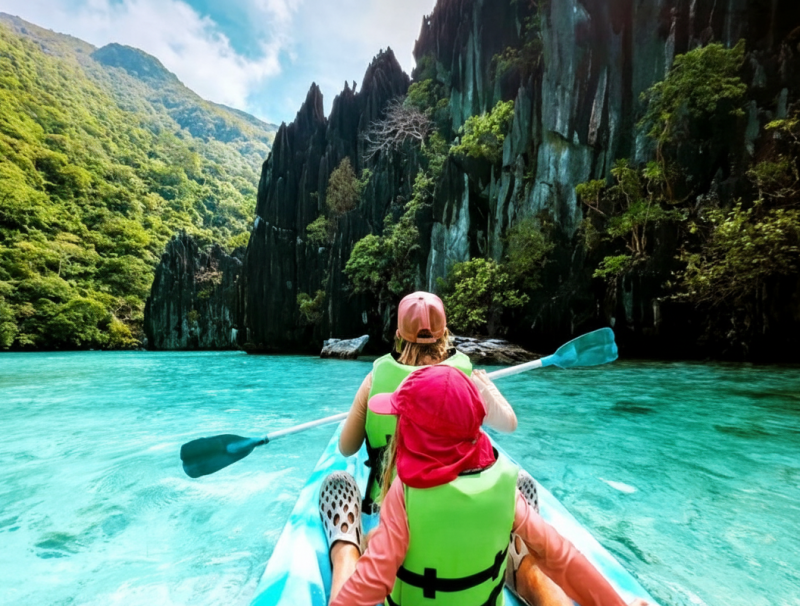
These destinations prioritize engagement with the natural world, offering a powerful antidote to a technologically saturated daily life. They are best suited for active families with school-aged children and teens.
4. Zion & Bryce Canyon National Parks, Utah: A Journey into the Sublime
This pairing offers a journey through two of the most geologically distinct and jaw-dropping landscapes in North America.
Strategic Advantage: The parks provide a "choose your own adventure" model of graduated physical challenges. Families can opt for accessible, paved paths like the Pa'rus Trail in Zion or undertake more strenuous, iconic hikes. This adaptability makes it suitable for families with varying fitness levels.
Logistical Considerations: These parks have seen a massive surge in popularity. Stay in Springdale for Zion and use the mandatory park shuttle. Lodging must be booked a year in advance. The best times to visit are spring and fall to avoid extreme summer heat. Grab our National Park Road Trip Checklist to stay organized.
5. Costa Rica: The Ultimate Eco-Adventure
A global pioneer in ecotourism, Costa Rica offers a safe, accessible, and exhilarating introduction to tropical biodiversity.
Strategic Advantage: The country's well-established tourism infrastructure is specifically geared toward family adventure. Reputable tour operators offer a seamless experience for activities like zip-lining, volcano hikes, and guided rainforest tours, managing all equipment and safety protocols. This allows families to experience high-adventure activities with a professional safety net.
Logistical Considerations: Don't attempt to see the entire country in one trip. A highly effective itinerary focuses on two regions: the Arenal area and the Manuel Antonio region. A 4x4 rental is advisable. Remember to download your International Travel Checklist before you go!
6. The Black Hills, South Dakota: An Iconic American Road Trip
This region offers a classic American road trip experience, combining national monuments with extensive outdoor recreation and a rich history of the American West. This is one of our favorite ideas for A Midwest Family Road Trip That Actually Wows Kids.
Strategic Advantage: The density and variety of attractions within a relatively compact geographical area minimize drive times and maximize engagement. In a single day, a family can visit Mount Rushmore, hike in Custer State Park, and drive the Needles Highway.
Logistical Considerations: Base your stay in a central location like Keystone or Custer. The best time to visit is late summer or early fall. Be prepared for crowds at major monuments; visiting early in the morning is a sound strategy.
Turn Your Plan Into Reality
Choosing the perfect trip is one thing—organizing it is another. To help you structure your days, track bookings, and keep all your plans in one place, download our free Travel Itinerary Template. It's the simple, powerful tool that turns your dream trip into a stress-free reality.

For the Curious Mind: Education through Exploration
These destinations are living classrooms, transforming history, culture, and science from abstract concepts into tangible, multi-sensory experiences.
7. Washington, D.C.: A Museum with a City Built Around It
The nation's capital offers an unparalleled density of world-class, and largely free, cultural and historical institutions.
Strategic Advantage: The Smithsonian Institution is a national treasure. The sheer quality and interactivity of the exhibits at the National Museum of Natural History and the National Air and Space Museum can ignite a child's curiosity in a way no textbook can.
Logistical Considerations: Don't attempt to conquer the entire National Mall in one day. A superior strategy is to select one or two museums per day. The city's Metro system is the most efficient mode of transport.
8. London, England: The Perfect First Trip "Across the Pond"
For many American families, London serves as the perfect gateway to international travel, offering a rich historical mix with the convenience of a shared language.
Strategic Advantage: History is palpable and accessible here. Standing in the Tower of London or touring the Churchill War Rooms provides a powerful, contextual understanding of world events. The city's blend of ceremony and modern attractions caters to a wide range of interests.
Logistical Considerations: The "Tube" (Underground) is exceptionally efficient. Purchase Oyster cards upon arrival. Book major attractions online in advance to secure timed entry slots.
9. Colonial Williamsburg, Virginia: America's Origin Story, Brought to Life
This destination offers a uniquely immersive and interactive journey into the origins of American democracy, operating as a carefully recreated 18th-century city.
Strategic Advantage: Williamsburg's strength lies in its "living history" model. Children don't just see artifacts behind glass; they interact with costumed historical interpreters—blacksmiths, printers, and political figures—who engage them in conversation and demonstrations.
Logistical Considerations: A multi-day pass is essential. The site is large and requires significant walking. Combine a visit with trips to nearby Jamestown and Yorktown for a complete "Historic Triangle" itinerary.
For the Budget-Conscious: High Value, Not High Cost
An impactful family vacation is determined by the quality of shared experience, not the size of the expenditure. These destinations offer an exceptional return on investment.
10. The Great Smoky Mountains National Park: America's Backyard
This is the most visited national park in the United States, in large part because it charges no entrance fee, offering an incredibly accessible natural landscape.
Strategic Advantage: The financial barrier to entry is virtually non-existent. Families can enjoy scenic drives, hiking trails, and abundant wildlife viewing for free. The nearby towns of Gatlinburg and Pigeon Forge offer a wide spectrum of affordable lodging and entertainment.
Logistical Considerations: The park's popularity, especially in October, means significant traffic congestion. Plan to enter the park very early in the day. A cabin rental can often be more cost-effective for a family than multiple hotel rooms.
11. The "Riviera Maya," Mexico: Sun, Cenotes, and Savings
This region boasts a strong infrastructure for budget-conscious travel, including affordable all-inclusive resorts and vacation rentals.
Strategic Advantage: The favorable exchange rate and competitive tourism market provide exceptional value. Families can experience beautiful beaches, unique cenotes (natural swimming holes), and world-class archaeological sites at a fraction of the cost of a comparable Caribbean vacation.
Logistical Considerations: Fly into Cancún (CUN). The summer and fall shoulder seasons offer the best pricing but coincide with hurricane season, making travel insurance a non-negotiable requirement. Consider our Mexico guide for more tips.
12. Wisconsin Dells, Wisconsin: The Waterpark Capital of the World
This Midwest destination offers a high concentration of family-friendly attractions at a family-friendly price point.
Strategic Advantage: Competition among the numerous resorts and waterparks keeps prices competitive. Many resorts offer packages that bundle lodging and park passes, providing significant value. It's a driveable destination for a large portion of the U.S. population.
Logistical Considerations: Summer is the peak season. Consider a visit in the shoulder seasons (late spring, early fall) for lower prices and fewer crowds, as many of the larger parks have extensive indoor facilities.

For Multigenerational Groups: Designing for a Diverse Team
These vacations are selected for their ability to comfortably accommodate a wide range of ages, mobility levels, and interests, facilitating connection across generations.
13. Orlando, Florida (Beyond the Parks): Your Private Command Center
Orlando's greatest asset for multigenerational travel is its vast inventory of large-scale vacation rental homes.
Strategic Advantage: Renting a 5- or 6-bedroom house with a private pool provides a central base for the entire family. It offers common spaces for gathering and private rooms for retreat, a dynamic that is impossible to replicate in a hotel.
Logistical Considerations: A rental home requires rental cars. Choose a location that offers a good balance between proximity to attractions and a quiet residential setting.
14. Hilton Head Island, South Carolina: Lowcountry Relaxation
This destination offers a more tranquil, nature-oriented coastal experience with a sophisticated infrastructure for large family groups.
Strategic Advantage: The island's design emphasizes outdoor activity for all ability levels. Grandparents can enjoy a leisurely bike ride on the 60+ miles of paved paths, parents can play golf, and kids can enjoy the calm waters of the Atlantic.
Logistical Considerations: The vacation rental market is robust. Reservations for popular summer weeks should be made up to a year in advance.
15. An Alaskan Cruise: Majesty for All Ages
An Alaskan cruise offers spectacular, large-scale scenery that can be appreciated by every generation, regardless of physical ability.
Strategic Advantage: The primary attraction—the dramatic landscape of glaciers, fjords, and mountains—is viewed directly from the ship. This makes it an ideal trip for family members with limited mobility.
Logistical Considerations: The cost can be high, but the value is strong. Book a ship with a naturalist onboard. Balcony rooms are worth the extra expense on this itinerary. The season is short (May-September), so book well in advance.
Frequently Asked Questions
What is the best age to take a child on their first major family vacation?
While travel is beneficial at any age, the "sweet spot" for memory and participation is often between 6 and 12 years old. At this stage, kids have the stamina for active days, are curious about new places, and are still happy with a family-focused agenda.
How can we find the best family vacation deals?
The most effective strategies are flexibility and advance planning. Traveling during "shoulder seasons" (just before or after peak season) can reduce costs significantly. Setting up price alerts and booking accommodations at least six months out are also key.
Are vacation rentals better than hotels for families?
Recommended: Stress-Free Flying with Kids: Airport, TSA, and In-Flight Guide
Recommended: Travel Guide: Trip Planning, Flights, and Avoiding Tourist Traps
It depends on your travel style. A vacation rental offers more space and a kitchen, ideal for longer stays and saving money on food. A hotel or resort provides more amenities, daily housekeeping, and on-site dining for a true break from domestic duties.
How do you manage screen time on a family vacation?
Set clear expectations beforehand. A great strategy is the "bookend rule": allow screens in the morning while getting ready and in the evening to wind down, but make the core of the day a screen-free zone for shared activities.
It's Time to Start Your Story
The perfect family vacation isn’t about finding a spot on a map; it's about finding the place that matches your family’s unique travel style. By choosing a destination architected for relaxation, adventure, or discovery, you stop just 'going on a trip' and start building a chapter in your family's story.
Now that you have the framework to make the right choice, the next step is bringing it to life. For detailed, expert-crafted plans for these destinations and beyond, explore our collection of in-depth guides, starting with our comprehensive Travel Guide.
Read the full guide: Family Travel Ideas: The 2026 Guide to Unforgettable Trips
Don't Miss Out! Subscribe for Exclusive Content
SubscribeComments 0
No comments yet
Be the first to share your experience!
Dont Miss Out! Subscribe for Exclusive Content
Ultimate USA Holidays Guide: Top Picks
FTC Affiliate Disclosure: Stay Compliant as a Travel Creator
Essential Affiliate Tools: From Tracking to Full Optimization
Booking.com Affiliate Review: Pros, Cons & Earnings
Decoding Affiliate Commission Rates: Benchmarks for Travel Creators
Top 11 High-Paying Affiliate Programs for Travel Bloggers
9 Beach Safety Tips That Could Save Your Life
TrekGuider @trekguider
There’s a moment on every beach trip that feels like pure magic. It’s the feeling of warm sand between your toes, the hypnotic sound of waves crashing, and the endless blue horizon stretching out before you. It’s a picture of perfect relaxation. But beneath that tranquil surface, the ocean holds immense and impartial power. A beautiful day can turn dangerous in an instant from a hidden current, underestimated waves, or the relentless sun, transforming a dream vacation into a terrifying emergency. Every year, countless beachgoers find themselves in preventable peril simply because they misread the water or weren't prepared for the environment.
This isn't a guide to make you fear the ocean; it's a playbook to empower you to respect it. We’re here to give you the essential, expert-backed beach safety tips that can mean the difference between a blissful day and a life-altering one. These strategies, drawn from lifeguarding associations and national weather experts, are a critical component of the situational awareness we cover in our comprehensive guide, The Ultimate Guide to Travel Safety: A 2026 Playbook. By learning to see the beach not just as a playground, but as a dynamic natural environment, you can ensure your only takeaways are seashells and incredible memories. Let’s dive in.

Master the Water: Essential Ocean Safety Tips
The vast majority of beach-related dangers originate in the water itself. From powerful currents to unpredictable surf, understanding the ocean's behavior is the most critical skill any beachgoer can possess. These are the foundational beach safety tips for staying safe in the surf.
1. Become an Expert at Spotting Rip Currents
Rip currents are the number one danger at most surf beaches, responsible for the majority of ocean rescues performed by lifeguards. They are not undertows that pull you under the water; they are powerful, narrow channels of water that flow away from the shore at high speed. According to NOAA and the United States Lifesaving Association (USLA), knowing how to visually identify one from the shore is your first and best line of defense.
Here’s what to look for, especially from an elevated position like the dunes or a lifeguard tower:
A Channel of Churning, Choppy Water: Look for a specific area where the water seems agitated or rough, moving in a different direction than the surrounding waves.
A Break in the Incoming Wave Pattern: This is often the easiest sign to spot. You'll see a gap in the line of breaking waves—an area that looks deceptively calm. This flat spot is the rip current pulling water back out to sea, disrupting the incoming waves.
A Difference in Water Color: Because the current is carrying sand and sediment offshore, the water within a rip current often appears darker, murky, or sandy brown compared to the clearer, greener water on either side.
A Line of Foam or Debris Moving Seaward: This is a dead giveaway. If you see a line of foam, seaweed, or other floating debris moving steadily away from the beach, perpendicular to the shore, you are looking directly at a rip current.
Pro-Tip: Before you even set up your umbrella, take five minutes to stand back and observe the water. Actively look for these signs. Identifying potential rip currents before you get in the water is the single most important safety action you can take.
2. Know the "Flip, Float, Follow" Rule for Rip Current Survival
If you do get caught in a rip current, your instinctive reaction—to panic and swim directly against it back to shore—is the most dangerous thing you can do. Fighting a rip current will exhaust you to the point of drowning. The correct response is simple and could save your life.
Flip: Flip onto your back to stay afloat and conserve energy.
Float: The current will not pull you under; it will only pull you away from shore. Stay calm and float with it.
Follow: Once you are out of the main pull of the current, begin swimming parallel to the shoreline. Do not swim toward the beach. Once you have swum out of the current, you can then turn and swim back to shore, ideally at an angle away from where you were caught.
If you are unable to swim out of it, continue to float and wave your arms and yell for help to attract the attention of a lifeguard or other swimmers.

3. Understand and Obey the Beach Warning Flag System
While knowing how to escape an invisible current is a vital reactive skill, your most powerful proactive tool is the one flapping in the breeze. Beach warning flags are a simple, universal language used by lifeguards to communicate the current water conditions. This system, adopted by the International Lifesaving Federation, provides a quick, visual assessment of the hazard level. Ignoring these flags is a gamble you should never take.
Green Flag: Low Hazard. Conditions are calm, but you should still exercise caution.
Yellow Flag: Medium Hazard. Moderate surf and/or currents are present. Weak swimmers should stay out of the water, and everyone else should use extra care.
Red Flag: High Hazard. The surf is high, and/or strong currents make conditions dangerous. It is recommended that no one enters the water.
Double Red Flag: Water Closed to Public. Conditions are extremely dangerous. The water is closed to all swimming, and entering it is prohibited.
Purple Flag: Dangerous Marine Life. This flag indicates that potentially hazardous marine life, like jellyfish or sharks, has been spotted. It is always flown with another color flag that indicates the surf conditions.
Pro-Tip: The absence of flags does not automatically mean the water is safe. If there is no flag, it likely means there is no lifeguard on duty. In that case, you are swimming entirely at your own risk. Always try to swim at a beach protected by lifeguards.
Master the Environment: Sun and Shoreline Safety Tips
While the ocean poses the most immediate threats, the beach environment itself has its own set of risks. The sun, sand, and heat can cause serious health issues if not managed properly. These beach safety tips will keep you safe on the shore.
4. Know the Signs of Heat Exhaustion vs. Heatstroke
That perfect, sun-drenched beach day holds a hidden danger. When the temperature climbs, the line between bliss and a medical emergency can blur with alarming speed. According to the Red Cross, it's crucial to know the difference between heat exhaustion and the more severe, life-threatening heatstroke (sunstroke).
Heat Exhaustion Symptoms:
Headache, dizziness, and confusion
Excessive sweating with cool, moist, or pale skin
Nausea and muscle cramps
A rapid, weak pulse
First-Aid for Heat Exhaustion:
Move to a Cool Place: Immediately get the person out of the direct sun and into shade or air conditioning.
Cool Them Down: Loosen their clothing and apply cool, wet cloths or spray them with cool water.
Rehydrate: If they are conscious and able to swallow, have them sip small amounts of a sports drink or water.
If their condition doesn't improve or they start vomiting, call for emergency help immediately, as it can progress to heatstroke.
5. Recognize the Emergency of Heatstroke (Sunstroke)
Heatstroke is a full-blown medical emergency where the body's internal cooling system completely fails.
Heatstroke Symptoms:
Changes in mental status (confusion, agitation, loss of consciousness)
Hot, flushed, and often dry skin (sweating may have stopped)
A dangerously high body temperature (often above 104°F / 40°C)
A rapid, strong pulse, which may become weak later
First-Aid for Heatstroke:
Call 911 Immediately: This is a life-threatening emergency that requires professional medical intervention.
Begin Rapid Cooling: While waiting for help, do everything you can to cool the person's body. Immerse them in cool water if possible, or douse them with water and apply ice packs to the neck, groin, and armpits.

6. Practice Proactive Sun Protection
The best way to deal with a heat-related illness is to never let it start. Sun protection is a continuous strategy, not a one-time action.
Hydrate Constantly: Drink plenty of water throughout the day, even before you feel thirsty.
Use Broad-Spectrum Sunscreen: Apply a sunscreen with at least SPF 30 and reapply it every two hours, and always immediately after swimming or excessive sweating.
Seek Shade: Use an umbrella and take breaks from the sun, especially during the peak intensity hours of 10 a.m. to 4 p.m.
Wear Protective Clothing: A wide-brimmed hat and UV-blocking sunglasses are non-negotiable.
7. The "Stingray Shuffle" Rule
In many coastal areas, stingrays bury themselves in the sand in shallow water. Stepping directly on one can result in an excruciatingly painful sting from the barb on their tail. To avoid this, never walk normally through the shallows. Instead, shuffle your feet along the sand. The vibrations from the shuffle will alert any nearby stingrays to your presence, giving them a chance to swim away peacefully.
Master Your Preparation: Final Beach Safety Tips
A safe and relaxing beach day begins before you even leave home. Smart planning and having the right gear can make all the difference, especially when traveling with family.
8. Pack a Dedicated Beach First-Aid Kit
While your main travel medical kit should be comprehensive, your beach bag needs a few specific items to handle common coastal issues:
Waterproof Bandages: For minor cuts and scrapes from shells or rocks.
Aloe Vera Gel: For immediate relief from minor sunburn.
Antihistamine Cream: To soothe the itch from insect bites.
Tweezers: For removing splinters or shell fragments.
Vinegar: A small bottle of white vinegar is a secret weapon; it can help neutralize the sting from some types of jellyfish.
9. Always Designate a "Water Watcher"
When you're at the beach with a group, especially with children, it's easy to fall into the trap of "diffusion of responsibility," where everyone assumes someone else is watching the kids in the water. The solution is to formally designate one adult as the "Water Watcher" for a set period (e.g., 15-20 minutes). During their shift, that person's only job is to watch the water without distraction—no phones, no books, no conversations. Then, you switch. This simple system ensures there are always eyes on the swimmers.
Your Ultimate Guide to Family Beach Travel
Keeping kids safe and entertained at the beach is a unique challenge. From packing the right gear to navigating meltdowns and keeping them safe in the sun and surf, a little extra preparation goes a long way. Our specialized guide takes the stress out of the equation.
Download our free Stress-Free Flying with Kids Guide for expert tips on making every part of your family vacation, from the airport to the beach, a breeze!
Beach Safety FAQs
A prepared mind is a safe mind. Here are quick answers to other common beach safety questions.
1. What’s the right way to treat a jellyfish sting?
First, get out of the water. Rinse the affected area with vinegar (if available) for about 30 seconds to deactivate the stingers. Do not use fresh water, as it can make it worse. Carefully pluck out any visible tentacles with tweezers. Soaking the skin in hot water (as hot as can be tolerated without burning) for 20-45 minutes can also help relieve the pain.
2. Is it safe to dig deep holes in the sand?
Digging in the sand is a classic beach activity, but deep holes can be incredibly dangerous. They can collapse unexpectedly, burying a person in seconds. Never dig a hole deeper than the knees of the smallest person in your group, and always fill in any holes you dig before you leave the beach.
3. What should I do if I see someone in trouble in the water?
Do not attempt a swimming rescue yourself unless you are trained in water rescue. An untrained rescuer can quickly become a second victim. The best course of action is to call for help immediately. Yell to alert a lifeguard and call 911. If you can, throw the person something that floats, like a cooler or a boogie board.
By embracing these nine essential beach safety tips, you shift from being a passive visitor to an active, aware, and prepared participant in one of nature’s most magnificent environments. The goal isn't to diminish the fun but to ensure it. A healthy respect for the ocean and a solid plan for your day are the keys to unlocking a truly carefree and unforgettable experience by the sea.

Now that you've mastered the art of staying safe on the coast, you can focus on the rest of your adventure. For a complete, deep-dive into every facet of trip planning, from health and safety to budgeting and logistics, our comprehensive Travel Guide is the only resource you'll ever need.
Don't Miss Out! Subscribe for Exclusive Content
SubscribeComments 0
No comments yet
Be the first to share your experience!
Dont Miss Out! Subscribe for Exclusive Content
Ultimate USA Holidays Guide: Top Picks
FTC Affiliate Disclosure: Stay Compliant as a Travel Creator
Essential Affiliate Tools: From Tracking to Full Optimization
Booking.com Affiliate Review: Pros, Cons & Earnings
Decoding Affiliate Commission Rates: Benchmarks for Travel Creators
