The Ultimate Solo Travel Packing List: A Modular Checklist
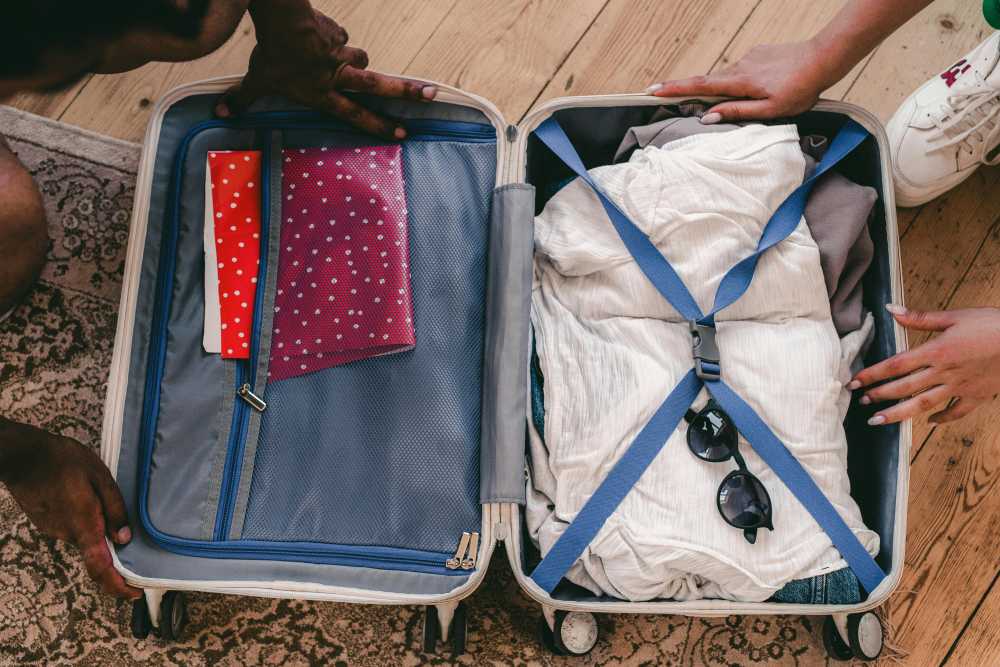
Mar 16, 2026 82 Views

Staring at an empty suitcase can be overwhelming. This is not another generic article; this is your definitive, actionable solo travel packing list. It’s a methodical system designed to transform packing from a chore into an act of empowerment. We’ve built this checklist on a "Core + Modules" framework: a non-negotiable foundation of essentials, plus optional modules you can add for specific types of travel.

This tactical checklist is your "what." Before you dive into the specific items, we highly recommend reading our guide to to understand the minimalist systems and philosophy that make this list so powerful. Understanding the "why" will make packing the "what" intuitive and stress-free.

solo traveler, carry-on backpack, airport terminal, looking at departure board, sense of

Your Core Essentials

Every trip, regardless of destination or duration, starts here. These are the non-negotiable items that form the base of any smart solo travel plan. Do not leave home without them.

Your Access to Everything

Your ability to move, transact, and prove your identity matters most. Build redundancy into your document strategy.

Passport/Visa: Check that your passport has at least six months of validity from your planned return date.

Digital & Physical Copies: Store a physical photocopy of your passport and driver's license in a separate bag from the originals. Keep high-quality photos of them in a secure cloud service (Google Drive, Dropbox) and in your email.

Travel Insurance Details: Carry a printed copy of your policy and save a PDF to your phone for offline access.

Multiple Bank Cards: Pack at least two different credit cards and one debit card. Store them in separate locations (e.g., one in your wallet, one in your daypack).

Emergency Cash: Hide $100-$200 USD deep within your main bag as a final safety net.

Bank Travel Notifications: Log into your banking apps and set a travel notice for your specific destinations and dates. This five-minute task prevents your accounts from being frozen for suspected fraud.

Your On-the-Go Wellness Kit

Recommended: The Solo Female Travel Safety Guide

Recommended: How to Pack Light: The Carry-On Guide

Stay healthy and comfortable on the road. The goal is a compact, leak-proof, and comprehensive kit.

Prescription Medications: Pack enough for your entire trip in their original, labeled containers. Bring a copy of the prescription itself.

Mini First-Aid Kit:

Pain relievers (Ibuprofen/Acetaminophen)

Assorted adhesive bandages

Antiseptic wipes

Blister treatment (e.g., Compeed)

Anti-diarrhea medication (e.g., Imodium)

Solid Toiletries: The ultimate packing hack. Eliminates liquid restrictions, prevents leaks, and lasts longer.

Solid shampoo bar

Solid conditioner bar

Solid soap bar

The Basics:

Toothbrush

Solid toothpaste tablets

Deodorant

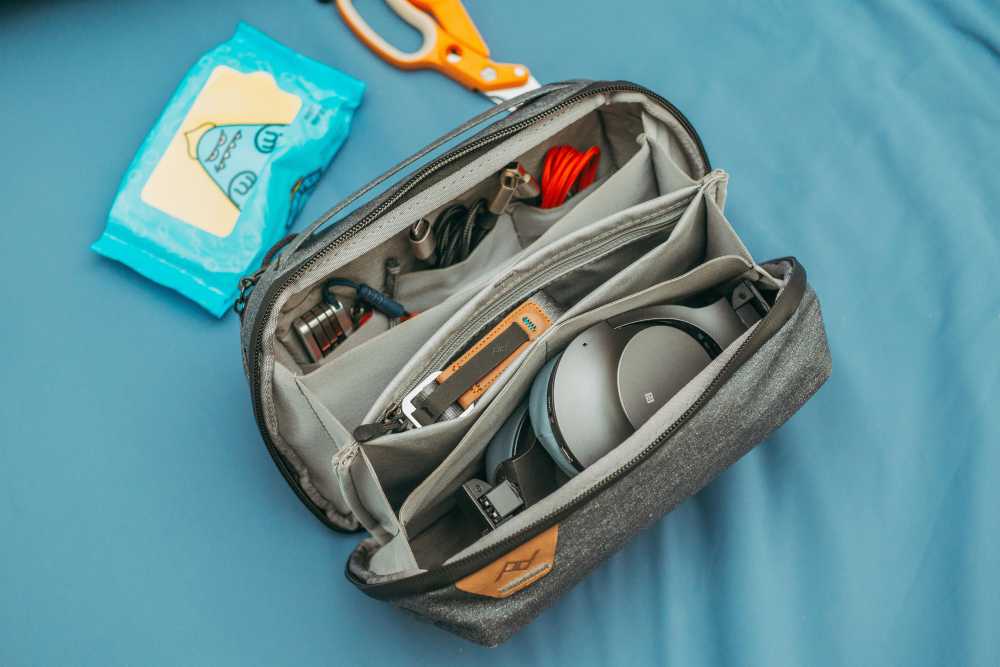
Your Digital Lifeline

Your smartphone is your navigator, translator, and connection to the world. Keeping it powered is mission-critical.

Smartphone: Your all-in-one command center. Download offline maps for your destination.

Portable Power Bank: A non-negotiable safety item. Choose a 10,000mAh+ model from a reliable brand like Anker to guarantee 2-3 full phone charges. Keep it charged.

Universal Power Adapter: Invest in one high-quality universal adapter with multiple USB ports. This allows you to charge all your devices from a single outlet.

Noise-Canceling Headphones: Essential for focus and peace on loud flights, trains, or in shared hostel rooms.

travel essentials flat lay, passport, power bank, solid toiletries, universal adapter,

Essential Solo Travel Safety Gear

This module proactively addresses the "what-if" scenarios, allowing you to explore with confidence and sleep soundly. The gear here is your first line of defense, but true confidence comes from preparation. For a complete guide to situational awareness and navigating new environments securely, our comprehensive article, Anxious to Adventurous: Solo Travel Tips for Confidence, is required reading.
solo travel safety gear, flat lay, portable door lock, door stop alarm, anti-theft bag,

For Your Accommodation

Portable Door Lock (e.g., Addalock): A small, lightweight device that braces your door from the inside, making it impossible to open even with a key.

Door Stop Alarm: A wedge that slides under your door. If opened, it physically blocks the door while emitting a piercingly loud alarm.

For When You're Out & About

Anti-Theft Daypack (e.g., Pacsafe, Travelon): Choose a crossbody bag or backpack with slash-proof straps, lockable zippers, and RFID-blocking pockets.

Personal Safety Alarm: A keychain device that emits an ear-splitting siren and flashing strobe light to attract attention and disorient an attacker.

RFID-Blocking Wallet: Protects your passport and credit cards from electronic "skimming."

The 5-4-3-2-1 Formula

Pack less and wear more with a strategic, versatile wardrobe built on mix-and-match essentials. Choose a neutral color palette (black, gray, navy) for core items.
capsule wardrobe checklist, travel clothing icons, 5-4-3-2-1 rule, minimalist packing guide,

The 5-4-3-2-1 Formula (1-Week Framework)

5 Tops: Focus on wrinkle-resistant, odor-resistant fabrics. At least one should be merino wool—the ultimate travel fabric for temperature regulation and multi-day wear.

4 Bottoms: A typical mix includes one pair of comfortable travel pants, one pair of jeans or chinos, and one skirt or pair of shorts.

3 Accessories: A lightweight scarf or sarong is incredibly versatile (fashion, beach cover-up, towel, head covering).

2 Pairs of Shoes:

Pair 1: Supremely comfortable, broken-in walking shoes.

Pair 2: A versatile, slightly dressier option (flats, loafers, clean leather sneakers).

1 Jacket: A waterproof, windproof outer shell. Layer with a fleece or sweater for warmth as needed.

Climate Sub-Modules (Choose One)

Cold Climate Add-ons: One set of thermal base layers (top and bottom), a warm hat, gloves, and wool socks.

Tropical Climate Add-ons: A swimsuit, a quick-dry microfiber towel, a wide-brimmed sun hat, and sunglasses.

Digital Nomad's Checklist

This module is for anyone working on the road. It focuses on creating an efficient, ergonomic, and connected remote workstation.

digital nomad workspace, laptop on stand, cafe with scenic view, remote work, travel lifestyle

Lightweight Laptop: An ultrabook (e.g., MacBook Air) offers the best balance of power and portability.

Portable Laptop Stand (e.g., Roost, Nexstand): The single best way to prevent neck and back pain.

Ergonomic Peripherals: A slim, portable keyboard (e.g., Logitech K380) and a portable mouse (e.g., Logitech MX Anywhere).

High-Quality Headphones with Mic: Essential for calls and focus in noisy environments.

eSIM: Use an app like Airalo to purchase and install a digital SIM card before you leave. Get connected the moment you land.

High-Capacity "PD" Power Bank: Ensure your power bank is "Power Delivery" rated and has enough capacity to charge your laptop, not just your phone.

What NOT to Pack

Knowing what to leave behind is as important as knowing what to bring.

what not to pack, travel mistakes, crossed-out items icons, heavy luggage, minimalist travel

Expensive or Sentimental Jewelry: Don't bring anything you would be devastated to lose.

Full-Sized Towel: Most accommodations provide them. If needed, a quick-dry travel towel is a superior option.

Multiple "Good" Outfits: Stick to versatile pieces that can be dressed up or down.

Physical Books: An e-reader provides an entire library at a fraction of the weight.

"Just in Case" Items: Unless you're traveling to a very remote location, you can buy most basic items at your destination.

Your Questions Answered

What should a solo female traveler add? Many add a versatile sarong (for modesty at religious sites), a silicone doorstop for extra security, and some opt for a fake wedding ring to deter unwanted attention.

How do I pack for a long-term trip in a carry-on? Commit to doing laundry. Pack one week's worth of clothing using the capsule method and plan to do laundry every 7-10 days.

What are the best shoes for solo travel? The ones you can walk in comfortably for 8+ hours. Never bring new, unbroken-in shoes on a trip.
open backpack, organized packing cubes, rolling clothes, minimalist carry-on, efficient

By starting with the Core Essentials and adding modules tailored to your journey, you have now built the perfect solo travel packing list. This system eliminates guesswork, ensures you are prepared for your adventure, and empowers you to travel with the confidence of a pro.

Read the full guide: Anxious to Adventurous: The Ultimate Guide to Solo Travel Confidence
Spotted a mistake?

Comments 0

No comments yet

Be the first to share your experience!

Dont Miss Out! Subscribe for Exclusive Content

Ultimate USA Holidays Guide: Top Picks

Ultimate USA Holidays Guide: Top Picks

Mar 16, 2026
FTC Affiliate Disclosure: Stay Compliant as a Travel Creator

FTC Affiliate Disclosure: Stay Compliant as a Travel Creator

Mar 16, 2026
Essential Affiliate Tools: From Tracking to Full Optimization

Essential Affiliate Tools: From Tracking to Full Optimization

Mar 16, 2026
Booking.com Affiliate Review: Pros, Cons & Earnings

Booking.com Affiliate Review: Pros, Cons & Earnings

Mar 16, 2026
Decoding Affiliate Commission Rates: Benchmarks for Travel Creators

Decoding Affiliate Commission Rates: Benchmarks for Travel Creators

Mar 16, 2026
Amazon Associates for Travel: Strategies to Maximize Commissions

Amazon Associates for Travel: Strategies to Maximize Commissions

Mar 16, 2026

How to Plan a Stress-Free Hawaii Family Trip

Mar 16, 2026 398 Views

Planning a family trip to Hawaii should feel exciting, but the reality can be overwhelming. You're juggling how to pack for unpredictable weather, what activities will actually entertain everyone from toddlers to teens, and how to manage the logistics without losing your mind. The fear of getting it wrong—forgetting something crucial or planning a day that ends in meltdowns—can quickly overshadow the promise of paradise.

family of four, watching sunset, Maui beach, silhouette, palm trees, colorful sky, peaceful

Imagine arriving on Maui only to realize you’ve forgotten the reef-safe sunscreen now required by law, forcing a frantic, expensive search. Picture the meltdowns—from kids and adults alike—when a carefully planned beach day is met with groans of boredom, or the crushing disappointment of discovering the lūʻau you dreamed of has been sold out for weeks. Without a strategic plan, the logistical details can overshadow the magic you’re seeking.

This guide is the antidote to that anxiety. It’s your strategic playbook, crafted from hard-won experience to eliminate the guesswork and transform your planning process into an exciting prelude to your adventure. While this article drills down into Hawaii-specifics, it's part of our complete library of Family Travel Ideas: The 2026 Guide to Unforgettable Trips. Consider this your roadmap to a seamless, stress-free, and truly magical Hawaiian escape.

What to Bring and What to Leave Behind

A successful packing strategy for Hawaii isn't about bringing everything; it's about bringing the right things. The islands’ unique environment—from intense equatorial sun to sudden tropical showers—demands a thoughtful approach. For a deep dive into the core principles, our How to Pack Light Guide is a great resource. This Hawaii-specific blueprint ensures you’re prepared for every possibility without hauling unnecessary weight across the Pacific.

Your In-Flight & First-Day Survival Kit

Think of your carry-on bag as your mission-critical command center. If your checked luggage gets delayed, this bag should contain everything you need to not just survive, but thrive for the first 24 hours.

A Complete Change of Clothes for Everyone: One full, lightweight outfit per person. Don't forget underwear and socks.

Swimsuits: This is non-negotiable. You can change in the lobby restroom and head straight to the pool, starting your vacation immediately.

Essential Medications: All prescription medications, plus a small first-aid kit with children’s pain relievers, allergy medicine, band-aids, and antibacterial ointment.

Documents & Valuables: IDs, credit cards, and digital or printed copies of your key reservations (hotel, rental car, first big tour).

The "Boredom Buster" Kit: Fully charge all electronics and pre-load them with movies and games. For younger kids, pack a small bag with a new coloring book or a few wrapped dollar-store toys to reveal mid-flight.

A Feast of Snacks: Pack more than you think you’ll need to combat travel delays and grumpy tummies.

Empty Reusable Water Bottles: Fill them up post-security to stay hydrated and save money.

Your Flight Plan for Happy Kids

The long flight to Hawaii is often the most dreaded part of the trip. To make it a breeze, download our free, sanity-saving checklist.

Stress-Free Flying with Kids Guide

It's packed with simple, actionable tips to keep kids of all ages happy and occupied from takeoff to landing.

The Checked Luggage

Chaos is the enemy of a relaxing vacation. To combat this, we rely on a modular system built around packing cubes. This simple technique transforms your luggage from a chaotic pit into a structured, mobile dresser where everything has its place.

open suitcase, organized packing cubes, colorful clothes, travel essentials, flat lay, bright

The Clothing System (Lightweight & Layered): Hawaii’s climate is defined by humidity and trade winds. Pack lightweight, breathable fabrics like cotton and linen. Focus on mix-and-match pieces. For a week, plan on 5-6 tops and 3-4 bottoms per person. Everyone should have a light jacket or cardigan for breezy evenings and a packable rain jacket.

The Beach Gear System (Protect & Play): This is the core of your Hawaii packing.

Reef-Safe Sunscreen: An absolute must. Pack at least one large tube of mineral-based (zinc oxide or titanium dioxide) sunscreen lotion.

Total Sun Protection: Wide-brimmed sun hats, UV-protective sunglasses, and long-sleeved rash guards for every family member.

Minimalist Beach Toys: A collapsible bucket and a few small shovels are all you need.

Goggles: For kids who love to put their face in the water, a good pair of goggles is invaluable.

The Footwear System (The Rule of Three): You only need three pairs of shoes per person.

Water Shoes/Aqua Socks: Essential for exploring rocky tide pools or beaches with sharp lava rock.

Sandals/Flip-Flops: For the beach, pool, and casual strolls.

Closed-Toe Shoes: A comfortable pair of sneakers for travel days, hikes, or activities like ziplining.

What to Leave at Home (And Rent or Buy in Hawaii)

Beach Towels: Every hotel and condo complex will provide these.

Bulky Floaties and Pool Noodles: Buy them there and leave them for another family when you depart.

Full-Sized Snorkel Sets: Renting high-quality, sanitized equipment on the island is far more convenient.

Formal Wear: Hawaii is overwhelmingly casual. A sundress or a collared shirt with nice shorts is as dressed-up as you’ll need to get.

Pro-Tip: Assign each family member a specific color of packing cubes. This simple trick makes it incredibly easy to identify whose clothes are whose.

Crafting Your Perfect Itinerary for Family Beach Vacations in Hawaii

While building sandcastles is a rite of passage, the true magic of Hawaii lies in its diverse experiences. Tailoring activities to your children's developmental stage is the secret to a trip that engages everyone. And to keep it all organized, our Travel Itinerary Template is a game-changer.

For Families with Toddlers & Preschoolers (Ages 0-5)

At this age, the goals are safety, sensory engagement, and maintaining routines. Focus on manageable outings that spark wonder without causing overstimulation.

Master the Art of the Lagoon: The man-made lagoons of Ko Olina on Oahu are a toddler parent’s paradise. The water is virtually waveless, creating a giant, safe saltwater pool. On Kauai, Lydgate Beach Park offers similarly protected swimming.

Meet the Marine Life (Up Close): The Maui Ocean Center is a world-class aquarium with a walk-through tunnel and touch pools. The Waikiki Aquarium on Oahu is smaller but equally captivating.

Discover the Magic of Shave Ice: Don't underestimate the joy of this simple treat. Trying authentic Hawaiian shave ice is a core memory on a hot afternoon.

toddler, playing in calm water, shallow lagoon, Hawaiian beach, parent watching, safe, sunny day

For School-Aged Kids (Ages 6-12)

This is the golden age of family travel. Kids are old enough for bigger activities and to truly learn from their experiences.

Become a Junior Snorkeler: This is the perfect age to introduce kids to the underwater world. Start at an ultra-calm spot like Kapalua Bay on Maui or Hanauma Bay on Oahu (reservations required!).

Experience a Family Lūʻau: A lūʻau is a quintessential Hawaiian experience. Opt for one known for being family-friendly, like the Smith Family Garden Lūʻau on Kauai.

Become a Volcano Voyager: On the Big Island, a visit to Hawaiʻi Volcanoes National Park is like a real-life science lesson. Pick up a Junior Ranger booklet to transform your kids into active explorers.

child snorkeling, clear turquoise water, colorful fish, coral reef, underwater, first time, excited

For Teenagers (Ages 13-18)

For teenagers, the key is balancing family time with a sense of independence and adventure. Involve them in the planning.

Learn to Surf: Book a group lesson from a reputable surf school in a beginner-friendly area like Waikiki on Oahu or Kihei on Maui.

Conquer an Epic Hike: Challenge your teens with an iconic hike like the summit of Diamond Head on Oahu, which offers panoramic vistas of Waikiki.

Zipline Through Paradise: Soaring through the rainforest canopy on a zipline is a pure adrenaline rush that provides a thrilling adventure for the whole family.

teenager, surf lesson, Waikiki, instructor, beginner surfboard, small waves, smiling, active

Pro-Tip: The most popular activities in Hawaii—especially lūʻaus, timed-entry parks like Hanauma Bay, and surf lessons—book up weeks, if not months, in advance. Make your reservations the moment you have your travel dates confirmed.

The Aloha Code: Essential Rules for a Safe and Respectful Trip

A little local knowledge goes a long way. These are the non-negotiable rules for any family visiting the islands.

Ocean Safety Comes First

The Pacific Ocean is powerful. The most important rule in Hawaii is "Never turn your back on the ocean." Rogue waves can appear on even the calmest-looking days.

Swim at Lifeguarded Beaches: Whenever possible, choose a beach with a lifeguard on duty.

Understand Shore Break: Many Hawaiian beaches have a powerful shore break, where waves crash directly onto the sand. This can be dangerous for young children.

Respect the Warnings: Pay attention to all posted warning signs regarding strong currents, high surf, or dangerous marine life.

Protecting the 'Āina (Land)

Hawaii's coral reefs are fragile, living ecosystems. Protecting them is not just a suggestion; it's the law.

reef-safe sunscreen, harmful chemicals, oxybenzone, octinoxate, mineral ingredients, zinc

Use Mineral-Based LOTION Only: By law, you must only use sunscreens with zinc oxide or titanium dioxide. Critically, avoid aerosol sprays. Even "reef-safe" sprays settle on the sand and wash into the ocean, harming the reef.

Apply Early and Often: Apply sunscreen 20 minutes before sun exposure and reapply every two hours, or immediately after swimming.

Respecting the Wildlife

Hawaii is home to the Hawaiian green sea turtle (honu) and the endangered Hawaiian monk seal.

Hawaiian green sea turtle, honu, resting on sandy beach, volcanic black sand, ocean waves,

Keep Your Distance—It's the Law: You must maintain a distance of at least 10 feet (3 meters) from sea turtles and 50 feet (15 meters) from monk seals. It is illegal to touch, chase, or harass them.

View Responsibly: Use a zoom lens for photos. If an animal approaches you, calmly and slowly move away.

Frequently Asked Questions

What is the single most important thing to pack for a Hawaii family trip?

The most crucial item is reef-safe, mineral-based sunscreen LOTION. Sunscreens containing oxybenzone and octinoxate are banned in Hawaii to protect the coral reefs, and aerosol sprays are highly discouraged as they pollute the sand and water.

Is Hawaii a safe destination for toddlers and young children?

Recommended: Stress-Free Flying with Kids: Airport, TSA, and In-Flight Guide

Recommended: Travel Guide: Trip Planning, Flights, and Avoiding Tourist Traps

Absolutely. Many beaches are perfect for little ones, especially the man-made lagoons at Ko Olina on Oahu or the protected rock ponds at Lydgate Beach Park on Kauai, which have calm, waveless water perfect for safe splashing.

Do I really need to book Hawaiian activities in advance?

Yes, it is critical. Popular activities like lūʻaus, boat tours, surf lessons, and timed-entry parks like Hanauma Bay on Oahu often sell out weeks or even months in advance. Booking ahead is essential to avoid disappointment.

What are the essential types of shoes to bring to Hawaii?

You only need three pairs per person: water shoes for rocky beaches and tide pools, comfortable sandals or flip-flops for the beach and pool, and a pair of closed-toe sneakers for travel days and hiking.

Conclusion

The key to crafting the perfect trip isn’t about finding a secret beach; it’s about making a series of smart, informed choices. By implementing a strategic packing system and thoughtfully selecting age-appropriate activities, you transform the stress of planning into the joy of anticipation. You now have the framework to pack with confidence and design an itinerary that weaves together relaxation, adventure, and connection. This is how you create the legendary Hawaiian family vacation that becomes a key part of your family's story. For even more in-depth strategies on planning unforgettable trips anywhere in the world, explore our comprehensive Travel Guide. Aloha.

Read the full guide: Family Travel Ideas: The 2026 Guide to Unforgettable Trips

Spotted a mistake?

Comments 0

No comments yet

Be the first to share your experience!

Dont Miss Out! Subscribe for Exclusive Content

Ultimate USA Holidays Guide: Top Picks

Ultimate USA Holidays Guide: Top Picks

Mar 16, 2026
FTC Affiliate Disclosure: Stay Compliant as a Travel Creator

FTC Affiliate Disclosure: Stay Compliant as a Travel Creator

Mar 16, 2026
Essential Affiliate Tools: From Tracking to Full Optimization

Essential Affiliate Tools: From Tracking to Full Optimization

Mar 16, 2026
Booking.com Affiliate Review: Pros, Cons & Earnings

Booking.com Affiliate Review: Pros, Cons & Earnings

Mar 16, 2026
Decoding Affiliate Commission Rates: Benchmarks for Travel Creators

Decoding Affiliate Commission Rates: Benchmarks for Travel Creators

Mar 16, 2026
Amazon Associates for Travel: Strategies to Maximize Commissions

Amazon Associates for Travel: Strategies to Maximize Commissions

Mar 16, 2026

Transportation Safety: Staying Safe on Planes & Trains

Mar 16, 2026 138 Views

There's a certain magic to being in transit—that liminal space where you're neither here nor there, just a passenger watching the world blur past your window. It’s the very heart of travel, but it’s also a moment of profound vulnerability. The problem is, amidst the controlled chaos of an airport, the anonymous bustle of a train station, or the quiet confines of a taxi, our focus can drift.

This constant motion agitates a core travel anxiety: the fear that one moment of distraction could lead to a lost passport, a stolen wallet, or a compromised sense of security that sours an entire trip. But it doesn't have to be this way. The solution is to trade that anxiety for a set of simple, repeatable habits—a tactical playbook for navigating every mode of transport with unshakable confidence. This guide delivers the essential transportation safety tips you need, broken down by the unique challenges of air, rail, and ground travel. Mastering these routines is a critical part of any smart travel strategy, a foundation we explore in our comprehensive guide to The Ultimate Guide to Travel Safety: A 2026 Playbook.

Think of your journey in stages, with each mode of transport presenting its own unique playbook. We’ll start where most international trips begin: the controlled chaos of the airport.

traveler looking out airplane window, wing view, clouds, sunrise, journey, contemplation}

Mastering the Airport: Your Guide to Air Travel Security

An airport is a marvel of modern logistics, but for a traveler, it’s a gauntlet of queues, checkpoints, and crowds. Its process-driven environment creates unique security challenges, but a few smart transportation safety tips can make all the difference from the moment you pack your bags to the second you reclaim them.

Before You Leave: Smart Packing & Luggage Security

Your airport safety strategy begins at home. How you pack and secure your luggage is your first and most important line of defense.

Never Pack Valuables in Checked Luggage: This is the cardinal rule of air travel. If it’s valuable or irreplaceable, it belongs with you in the cabin. Your carry-on is the only secure place for:

Passport, IDs, and all travel documents

Cash, credit cards, and debit cards

Electronics (laptops, tablets, cameras, power banks)

Essential medications (plus extra for delays)

Jewelry and any other items of sentimental or high monetary value

Use Globally Recognized Locks: The TSA needs to be able to inspect checked bags. If you use a non-approved lock, they will cut it off. To avoid this, use locks recognized by the TSA. According to their official guidelines, these can be opened by security officers using universal master keys. Look for the Travel Sentry (red diamond) or Safe Skies logo when buying a lock. This isn't just a U.S. system; it's a global standard used by security agencies in Canada, the UK, Germany, Japan, and dozens of other countries.

Make Your Bag Stand Out: In a sea of black roller bags, a little personality is a security feature. Use a colorful luggage strap, a unique tag, or a bright ribbon to make your bag instantly identifiable. This dramatically reduces the chance of an accidental bag swap at the carousel.

Photograph Your Evidence: Before you hand over your bag, take a quick photo of your packed suitcase (both open and closed). If your bag is lost, delayed, or damaged, this provides an indisputable visual record for your airline and insurance claims.

flat lay of travel essentials, passport, TSA-approved lock, luggage tag, smartphone, organized

Pack Smarter, Not Harder

A lighter bag is a safer bag. It’s easier to manage, less likely to be checked, and keeps your essentials within arm's reach. Our definitive guide shows you how to fit everything you need into a single carry-on, saving you time, money, and the stress of lost luggage.

Download the Free How to Pack Light Guide

Navigating the Security Checkpoint

The security line is a notorious chokepoint where travelers are distracted, rushed, and temporarily separated from their belongings. This is a time for heightened focus.

Guard Your Bins: As your items slide onto the conveyor belt, keep your eyes on them. Wait to walk through the metal detector until you see your bins beginning to enter the X-ray machine. This minimizes the time your valuables are sitting unattended on the other side.

Consolidate Before the Line: Don't wait until you're at the bins to fumble with loose items. Before you even join the queue, place your phone, wallet, passport, and boarding pass inside a zipped pocket of your jacket or deep within your carry-on.

Beware of Coordinated Distractions: Professional thieves sometimes work in teams at security. One person might create a delay in front of you (e.g., setting off the metal detector repeatedly) while an accomplice on the other side of the scanner quickly grabs your emerging laptop or wallet. Be patient, but stay vigilant and focused on your belongings.

On the Rails: A Playbook for Safe Train Travel

Train travel offers a romantic and scenic way to see the world, but the open nature of stations and the shared spaces on board require a specific approach to security.

General Security on Daytime Trains

During the day, the primary risk is opportunistic theft in crowded stations or on busy carriages.

Maintain Physical Contact: In a chaotic station, your luggage should be in direct physical contact with you at all times. Loop a strap around your foot or keep a hand on the handle. When waiting on a platform, stand with your back to a wall and your bags in front of you.

Position Luggage Strategically: On the train, store your main suitcase on an overhead rack that is across the aisle from you, not directly above. This keeps it constantly within your line of sight. If you must use the large luggage racks at the end of a carriage, use a lightweight cable lock to secure your bag to the rack itself.

Never Let Your Daypack Go: Your small bag containing your valuables should be treated as an extension of your body. Keep it on your lap, on the seat next to you, or in a crossbody position. When you get up to use the restroom or walk to the dining car, it goes with you. No exceptions.

train cabin interior, sleeper car, empty bunk beds, window view, overnight journey, quiet}

Overnight on the Rails: Your Security Checklist

Sleeping on a train is an unforgettable experience, but it’s also when you are most vulnerable. Follow these three protocols to ensure a safe and restful journey.

Physically Secure Your Main Luggage: A thief can silently walk through a dark train car and lift a bag from an unlocked compartment. Make your bag an inconvenient, noisy target. Use a small cable lock or even your bag’s own strap to attach it to a fixed object like:

The luggage rack frame

The ladder to the top bunk

The metal frame under your seat

Keep Essential Valuables on Your Person: Your most critical items—passport, phone, cash, cards—should never be in your main luggage while you sleep. The only secure place is on your body.

Use a money belt worn under your clothes.

Sleep with your small daypack physically on your bunk. Use it as a pillow or loop a strap around your arm or leg. This ensures your essentials remain safe even if your main bag is compromised.

Secure Your Compartment Door: The door is your primary barrier. As soon as everyone is settled for the night, lock it from the inside. Private sleeper cabins have strong locks. In a shared couchette, have a polite conversation with your cabin mates and agree to keep the door locked. Train staff or border officials will knock loudly enough to wake you if they need entry.

Pro-Tip: When booking a bunk in a shared couchette, the top bunk is often the most secure choice. It is harder for anyone to access your belongings without waking you and keeps you out of the general foot traffic in the compartment.

On the Ground: Staying Safe in Taxis & Ride-Shares

Your journey isn’t over until you’ve reached your hotel. Ground transportation is the final leg, and it’s a critical moment to apply your safety knowledge.

ride-share safety checklist, match license plate, verify driver, share trip, app interface, icons}

Your Ride-Share Safety Checklist

Ride-sharing apps have built-in safety features, but they only work if you use them. Before you get into any vehicle, run through this non-negotiable verification checklist.

Verify the Vehicle:

Match the License Plate: This is the most important step. The license plate number in the app must match the plate on the car. If it doesn’t, do not get in. Cancel the ride and report the mismatch.

Match the Car Details: Confirm the make, model, and color of the car also match the information in the app.

Verify the Driver:

Check the Driver's Photo: Glance at the driver and ensure they match the photo in the app.

Confirm Your Name: Ask the driver, "Who are you here for?" or "What's my name?" They must be able to say your name. Never volunteer it by asking, "Are you here for Jane?" This gives a fraudulent driver the information they need.

Use PIN Verification: Many apps now offer a PIN verification feature. Enable it. The trip cannot start until you provide the correct PIN to your driver, guaranteeing you are in the right car.

Share Your Trip Details:

As soon as the trip starts, use the app’s built-in "Share Trip Status" function. This sends a live map of your journey, including the car's route and your ETA, to a trusted contact.

Sit in the Back Seat:

Especially when traveling alone, sitting in the back provides personal space and allows you to exit from either side of the vehicle if you feel uncomfortable.

Trust Your Instincts:

If anything feels off—the driver, the vehicle, the situation—do not get in. Cancel the ride, report your concerns, and order another car. Your safety is worth more than a cancellation fee.

Navigating Taxis and Tuk-Tuks Safely

When using traditional taxis, you are more reliant on your own judgment and vigilance.

Insist on the Meter: The "broken meter" is one of the oldest travel scams in the book, designed to lock you into a wildly inflated flat fare. Before getting in, point to the meter and say, "Meter, please." If the driver refuses, simply find another taxi.

Follow Your Route: Have your destination pulled up on a map app on your phone. This helps you ensure the driver is taking a logical route and not an inefficient "scenic" one designed to drive up the fare.

Use Official Taxi Ranks: At airports and train stations, always use the designated, official taxi queue. Avoid the freelance drivers who approach you in the arrivals hall, as they are often unlicensed and operating illegally.

Pro-Tip: Ask your hotel or restaurant to call a taxi for you. They almost always have a relationship with a reputable, trusted local company. Before you get in, take a quick, discreet photo of the taxi's license plate and driver ID card (usually displayed on the dash).

traveler walking through busy train station, motion blur, carrying luggage, purposeful,

Frequently Asked Questions (FAQ)

Q: What's the safest way to carry my passport and money while in transit? A: The best method is to use multiple locations. Keep your passport, one credit card, and the bulk of your cash in a secure money belt or neck wallet worn under your clothing. Keep a small amount of daily cash and a second credit card in a more accessible wallet in a front pocket or a secure crossbody bag.

Q: Are airport charging stations safe to use? A: Avoid using the public USB ports. Hackers can modify these stations for "juice jacking," which can install malware or steal data from your phone. Always use your own AC power adapter and plug it into a standard electrical outlet, or carry a portable power bank.

Q: Should I use my phone's data plan abroad or rely on public WiFi? A: Using your own cellular data plan (either an international plan or a local SIM card) is always more secure than public WiFi. If you must use public WiFi, you absolutely need to use a VPN (Virtual Private Network) to encrypt your connection and protect your data from hackers.

Travel with Confidence

Transportation is the thread that connects the incredible moments of your journey. By mastering these transportation safety tips, you transform these in-between moments from periods of uncertainty into a seamless and secure part of your adventure. Whether you’re locking your bag before a flight, securing your cabin on an overnight train, or verifying your ride-share before hopping in, these proactive habits build a powerful foundation of security.

This allows you to move through the world not with fear, but with the calm confidence of a prepared and savvy traveler. For a more comprehensive look at planning your entire journey, our all-encompassing Travel Guide is the perfect resource. And for expert advice on navigating the specific transit systems of your next destination—from the Tokyo Metro to the Swiss rail network—be sure to explore the detailed guides from our expert creators on the TrekGuider. You're now equipped to handle the journey, so you can focus on the destination.

Spotted a mistake?

Comments 0

No comments yet

Be the first to share your experience!

Dont Miss Out! Subscribe for Exclusive Content

Ultimate USA Holidays Guide: Top Picks

Ultimate USA Holidays Guide: Top Picks

Mar 16, 2026
FTC Affiliate Disclosure: Stay Compliant as a Travel Creator

FTC Affiliate Disclosure: Stay Compliant as a Travel Creator

Mar 16, 2026
Essential Affiliate Tools: From Tracking to Full Optimization

Essential Affiliate Tools: From Tracking to Full Optimization

Mar 16, 2026
Booking.com Affiliate Review: Pros, Cons & Earnings

Booking.com Affiliate Review: Pros, Cons & Earnings

Mar 16, 2026
Decoding Affiliate Commission Rates: Benchmarks for Travel Creators

Decoding Affiliate Commission Rates: Benchmarks for Travel Creators

Mar 16, 2026
Amazon Associates for Travel: Strategies to Maximize Commissions

Amazon Associates for Travel: Strategies to Maximize Commissions

Mar 16, 2026

FTC Affiliate Disclosure: Stay Compliant as a Travel Creator

Mar 16, 2026 409 Views

Let’s talk about the single most valuable asset in your travel content business: trust. It’s the bedrock of your brand, the reason your audience listens, and the currency that turns recommendations into revenue. Yet, there’s a legal landmine many creators unwittingly step on that can shatter that trust in an instant: the Federal Trade Commission (FTC).

travel creator, looking concerned, laptop, legal document, FTC logo, coffee shop}

In a creator economy where the affiliate marketing industry is a $93 billion juggernaut, operating with professional integrity isn't just good ethics—it's a brilliant business strategy. The creators hitting the reported average of $13,847 a month aren't just getting lucky; they're building resilient businesses on a foundation of transparency. But the rules around disclosure can feel like a confusing maze of legalese, leading many to either ignore them or implement them incorrectly. This isn't just a minor slip-up; it's a mistake that can get you kicked out of affiliate programs, alienate your audience, and attract unwanted legal attention.

This guide is your definitive, jargon-free map through that maze. We're breaking down the exact rules, providing copy-and-paste templates for every platform, and giving you the confidence to monetize ethically and legally. Mastering compliance is at the heart of a successful business, a topic we explore from every angle in our comprehensive pillar page on Travel Affiliate Programs: The 2026 Ultimate Guide.

What Exactly Is an FTC Affiliate Disclosure?

At its heart, an FTC affiliate disclosure is a simple, honest statement. It informs your audience that you have a "material connection" to a product or service you're recommending. In plain English, if you stand to earn a commission, get a free product, or receive any compensation when someone uses your link, you are legally required to tell them.

This isn't just red tape. It serves two purposes that are vital to your business:

It’s the Law: The FTC is America's consumer protection agency. Its job is to prevent deceptive advertising, and hiding a paid endorsement is considered deceptive. Compliance is non-negotiable.

It Forges Unbreakable Trust: In the creator world, transparency is a superpower. When you're upfront about your affiliate relationships, you prove you have nothing to hide. This makes your audience more likely to trust your recommendations, not less, because they see you as an honest broker.

Pro-Tip: Stop thinking of your FTC affiliate disclosure as a legal chore. Start seeing it as a badge of honor that signals your commitment to professionalism and respect for your audience.

affiliate disclosure flowchart, creator, brand, audience, transparency, trust, commission}

The "Clear and Conspicuous" Standard: Your Four-Point Compliance Checklist

The FTC’s mandate boils down to two words: "clear and conspicuous." This isn’t just vague legalese; it’s an actionable standard built on four pillars. If your disclosure fails on even one, it’s not compliant.

1. Prominence: It Must Be Impossible to Miss

Recommended: Travel Creator Toolkit: 34 Essential Apps and Resources

Recommended: Digital Product Ideas: How to Make Money From Your Next Trip

Your disclosure can't be an afterthought. It needs to be presented in a font, color, and location that a typical user can't help but see. That means no tiny, light-gray text hidden in a crowded footer.

2. Presentation: It Must Be in Plain English

Ditch the corporate jargon. Your disclosure needs to be written in simple, straightforward language that anyone can understand instantly.

Excellent: "This post contains affiliate links. If you buy something through one of these links, I may earn a commission at no extra cost to you."

Poor: "This site is a participant in affiliate advertising programs designed to provide a means for sites to earn advertising fees."

3. Placement: It Must Appear Before Any Links

This is the rule creators break most often. The disclosure must be placed where your audience will see it before they scroll to your first affiliate link. Placing it at the bottom of your post is a clear violation.

4. Proximity: It Must Be Close to the Action

The disclosure should be as close to your recommendations as possible. For a blog post, a single, clear statement at the very top of the article is the gold standard and covers all the links that follow.

four pillars of disclosure, clear and conspicuous, prominence, presentation, placement,

Your Platform-by-Platform Disclosure Playbook (with Templates)

The four pillars apply everywhere, but how you build them changes with the platform. Here’s your definitive guide.

For Your Travel Blog or Website

This is your home base, and the rules are clearest here. Your disclosure must be at the top of the article, before the main content begins.

Compliant Placement: At the very beginning of the post.

Non-Compliant Placement: In the sidebar, in the footer, or on a separate "Disclosures" page.

Template You Can Use:

(Heads up! This post contains affiliate links. If you book or buy something through one of my links, I may earn a small commission at no extra cost to you. This helps me keep the adventures coming. Thanks for your support!)

For Instagram (Posts, Stories, and Reels)

On social media, disclosures must be instantly visible without a user having to click "see more."

Compliant Placement: Within the first three lines of the caption.

Non-Compliant Placement: Buried in a long block of hashtags at the end.

Pro-Tip: For maximum clarity, the FTC recommends using simple, unambiguous terms.

Templates You Can Use:

For Captions: Start your caption with Ad: or Sponsored:.

Hashtags: Use clear, upfront hashtags like #ad or #sponsored. While #affiliate is used, it's less clear to the average consumer.

For Stories/Reels: The best method is using Instagram's built-in "Paid Partnership" label. If that's not an option, superimpose clear text like "Ad" or "Sponsored" on the screen and mention it verbally.

smartphone screen, Instagram post, compliant disclosure, #ad hashtag, paid partnership label,

For YouTube Videos

A compliant YouTube video requires a two-pronged disclosure: one verbal, one written.

Compliant Placement: Stated verbally near the beginning of the video AND written in the description box above the "show more" fold.

Non-Compliant Placement: Only written in the description box where a user has to click to see it.

Templates You Can Use:

Verbal Script: "Just a quick heads-up before we get started—this video contains affiliate links. So if you decide to book that incredible tour I'm about to show you, I might earn a small commission, which is a huge help in supporting this channel!"

Description Box Text: DISCLOSURE: This video and description may contain affiliate links, which means that if you click on one of the product links, I’ll receive a small commission at no additional cost to you.

Don't Forget Referral Links

The rules for an FTC affiliate disclosure extend beyond traditional product sales. They cover any "material connection," and that absolutely includes referral programs. If you share a link that gives a friend a discount and earns you a credit or bonus, that relationship must be disclosed.

This is particularly relevant for modern creator platforms. For example, when you invite fellow creators to join the TrekGuider Seller Platform using your unique referral link, you must be transparent about the fact that you stand to benefit. The best disclosures frame this as a win-win.

Templates for Referral Links:

Simple & Direct: "This is my referral link. If you sign up, I may receive a bonus from TrekGuider."

Benefit-Focused: "Use my link to join the TrekGuider Seller Platform! You'll get mention the benefit, e.g., a 15% discount on your first purchase, and I'll get a small commission to help support my work."

The Travel Creator's Toolkit

Mastering compliance is a key part of building a professional content business. To help you organize your entire strategy—from legal checklists to content templates—we've created the ultimate resource bundle. It’s designed to help you operate like a pro from day one.

Download Your Free Bundle: The Travel Creator's Toolkit Today!

Frequently Asked Questions (FAQ)

1. Is it enough to have a "Disclosure Policy" page on my website? No. While having a dedicated policy page is a good practice, it does not satisfy the FTC's requirement for a disclosure that is proximate to the recommendation. The disclosure must be on the same page as the affiliate links themselves.

2. Do I need to disclose if I received a product for free, even if I'm not getting paid? Yes. Receiving a product or service for free (like a complimentary hotel stay or a free piece of luggage) is considered a "material connection" and must be disclosed just as you would a monetary commission.

3. Can I just use #affiliate in my social media posts? While it's better than nothing, the FTC has indicated that it prefers clearer, more universally understood terms like #ad or #sponsored. The term "affiliate" may not be clear to everyone in your audience.

Your Commitment to Transparency

The world of FTC affiliate disclosure is not designed to be a trap. It’s a framework for honest communication. By embracing these rules, you’re not just protecting yourself legally; you’re making a powerful statement to your audience that you value their trust above all else.

You now have the knowledge and the templates to implement compliant disclosures with confidence across every platform. See this not as a chore, but as a professional standard that elevates your brand. In the creator economy, transparency isn't just good policy—it's the ultimate currency.

Read the full guide: The Travel Blogger's Playbook to Affiliate Marketing Mastery

Spotted a mistake?

Comments 0

No comments yet

Be the first to share your experience!

Dont Miss Out! Subscribe for Exclusive Content

Ultimate USA Holidays Guide: Top Picks

Ultimate USA Holidays Guide: Top Picks

Mar 16, 2026
Essential Affiliate Tools: From Tracking to Full Optimization

Essential Affiliate Tools: From Tracking to Full Optimization

Mar 16, 2026
Avoid These 5 Affiliate Landing Page Mistakes for Better Conversions

Avoid These 5 Affiliate Landing Page Mistakes for Better Conversions

Mar 16, 2026
Affiliate Keyword Research Mastery for Travel Blogs

Affiliate Keyword Research Mastery for Travel Blogs

Mar 16, 2026
Booking.com Affiliate Review: Pros, Cons & Earnings

Booking.com Affiliate Review: Pros, Cons & Earnings

Mar 16, 2026
Decoding Affiliate Commission Rates: Benchmarks for Travel Creators

Decoding Affiliate Commission Rates: Benchmarks for Travel Creators

Mar 16, 2026