

TrekGuider @trekguider
St. Patrick's: River Dyeing Secrets
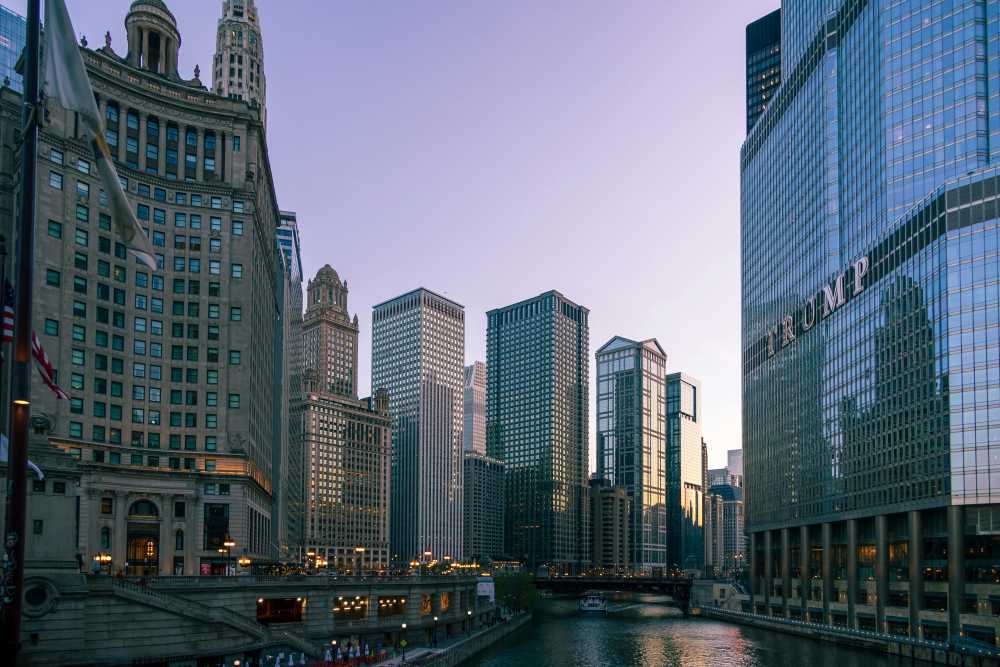
You’ve seen the photos, and they look impossible: a major American river, flowing through a canyon of skyscrapers, glowing with the emerald-green hue of a shamrock. It’s a spectacle so surreal it feels like a clever digital edit. But it’s real, and the biggest problem for any traveler is that witnessing this world-famous tradition feels like a logistical nightmare. Where are the best spots? What time do you really need to arrive to beat the hundreds of thousands of spectators? And how do they even accomplish this magical feat without creating an environmental disaster?
Without a rock-solid plan, you risk being swallowed by a sea of green, craning your neck for a sliver of water between a thousand heads, only to miss the fleeting moment of transformation. You could spend hours shivering in the Windy City's notorious March air and leave with nothing but a blurry photo and the bitter taste of disappointment. This iconic event is the dazzling centerpiece of the city's festive calendar, a unique urban ritual that we place in the broader context of the city's year-round celebrations in our complete guide to Chicago Holidays: Windy City Thrills. Don't let poor planning rob you of the magic.
This is your definitive insider’s guide. Forget the guesswork. We are pulling back the curtain on the river dyeing secrets, from the history and science behind the tradition to a minute-by-minute game plan for a perfect day. You will learn the absolute best viewing locations, the parade navigation hacks locals swear by, and how to transform a potentially chaotic day into an unforgettable urban adventure.
The Legend of the Green River: An Accidental Tradition
While Chicago’s St. Patrick's Day Parade is one of the nation's oldest, with roots stretching back to 1843, the tradition that truly puts it on the global map is much younger. The practice of dyeing the Chicago River green was born in 1962 from a moment of pure, serendipitous observation. Stephen Bailey, then the business manager of the Chicago Journeymen Plumbers Local Union, noticed that a dye plumbers used to detect leaks and pollution sources in the river had stained a worker's white overalls a perfect, brilliant shade of Irish green.
A lightbulb went off. If that small amount of dye could stain fabric so vividly, what could a larger quantity do to the entire Chicago River? The Plumbers Union, a key sponsor of the parade, decided to find out. For the inaugural dyeing, they released 100 pounds of the chemical into the river, which, to their astonishment, kept the waterway a radiant green for nearly a week. The spectacle was an instant sensation, captivating the city and cementing a new, indelible tradition. Over the decades, the process has been perfected and the formula made environmentally safe, but the magic—and the stewardship of the event—remains firmly in the hands of the Plumbers Union, proof of a quirky idea that became a beloved civic institution.
The Science of the Spectacle: How Orange Powder Turns a River Green
The most closely guarded secret in Chicago isn't a political backroom deal; it's the precise formula for the dye that transforms the river. What we do know is that it’s a vegetable-based powder, making it completely safe for the river's ecosystem. The real visual trickery, however, lies in its color. When you see the crew on the boats scooping the substance from its container, you’ll notice it’s a bright, fiery orange.
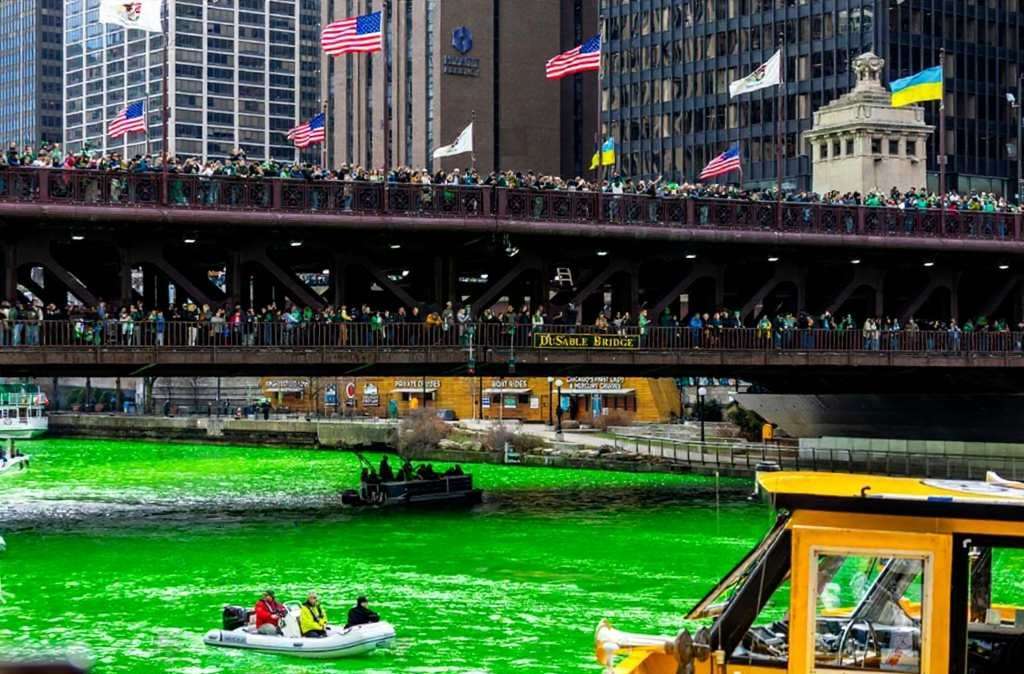
The magic happens the moment the powder hits the water. Through an immediate chemical reaction, the orange powder blossoms into a brilliant emerald green. The process is a well-oiled machine. Two to three motorboats from the Plumbers Union perform the honors. One larger boat dumps between 40 and 60 pounds of the powder into the river just east of the DuSable Bridge (Michigan Avenue), creating a thick, concentrated streak of color. Smaller boats then zip back and forth through the dyed water, acting like giant egg beaters to churn the color and ensure it spreads evenly from bank to bank.
The initial streak of green is intense and almost fluorescent before it mellows into a rich, opaque emerald. The vibrant color holds for about five to six hours, allowing plenty of time for photos and for parade-goers to marvel at the sight before it naturally dissipates into Lake Michigan.
Pro-Tip: Many first-time visitors worry about the environmental impact. Rest assured, the original oil-based fluorescein dye was replaced with the current eco-friendly, vegetable-based powder decades ago. The Plumbers Union takes immense pride in the tradition being a safe spectacle that harms no wildlife.

Your Ultimate Viewing Guide for the St. Patrick's Day Chicago River Dyeing
Securing a good spot to watch the river dyeing is the single most important part of your plan. The event officially begins at 10:00 AM, but the crowds start forming hours earlier. Here are the best places to stake your claim, broken down by experience.
For the Iconic Postcard Shot: The Bridges
The East Side of the DuSable Bridge (Michigan Avenue): This is ground zero, the quintessential, postcard-perfect view. You get the iconic architecture, the Wrigley Building, the river, and the boats all in one frame. However, it is the most crowded spot on the planet for that hour. You must arrive by 7:00 AM, at the latest, to get a front-row spot against the railing.
The West Side of the Columbus Drive Bridge: Offering another fantastic, elevated vantage point, this bridge is slightly less famous than Michigan Avenue, so it can be marginally less packed. It’s also very close to the parade’s starting point, making for an easy transition.
For an Immersive, Water-Level View: The Riverwalk
The Chicago Riverwalk (Upper and Lower Levels): The stretch of the Riverwalk between Michigan Avenue and Columbus Drive puts you right at water level. It offers a unique and dramatic perspective as the green tide flows past. It’s fantastic for close-up photography and feeling completely immersed in the action. The lower level fills up extremely fast, and police will restrict access once it hits capacity, so get there early and be prepared to stay put.
For a More Relaxed, Crowd-Averse Experience
West of Michigan Avenue (Wabash, State, or Dearborn Street Bridges): The further west you go from the main dyeing area, the thinner the crowds become. You can still see the beautifully green river from these bridges without the intense crush of people. This is an excellent option for families with small children or anyone who prefers a bit more breathing room. You won't see the boats actively dumping the dye, but you'll see the stunning final product.
The St. Patrick's Day Chicago Game Plan: A Minute-by-Minute Timeline
To truly master the day, you need a strategy. Here is a timeline for Saturday, the Saturday before St. Patrick's Day, to ensure you see everything without the stress.
It’s a crucial distinction for planning: St. Patrick’s Day itself falls on Monday, March 17, 2026, but the city holds its main celebrations—the dyeing and the parade—on the preceding Saturday, March 15th. This allows for the largest possible turnout and a full day of festivities.
7:00 AM - 7:30 AM: The Early Bird Gets the View This is not an exaggeration. If you want a prime spot on the Michigan or Columbus bridges, you need to be there now. Grab a coffee and a pastry, dress in more warm layers than you think you need (the wind off the river is biting), and claim your territory. The city is still quiet, and the energy is just starting to build.
8:00 AM - 9:30 AM: The Green Tide Rises The crowds will begin to pour in. The bridges and the Riverwalk will fill up rapidly. This is the time to hold your ground and soak in the atmosphere. It’s a fantastic people-watching opportunity as the city transforms into a sea of green attire, from shamrock glasses to full-blown leprechaun suits.
10:00 AM: The Magic Moment The Plumbers Union boats will make their appearance. Watch as the crew begins dispersing the secret orange powder. You’ll see the first vibrant streaks of green appear in the boat’s wake, quickly spreading across the river’s surface as the crowd erupts in a collective cheer. This is the moment you came for.
10:30 AM - 11:30 AM: Soak It In and Reposition The river is now a stunning sheet of emerald. Take your photos and enjoy the incredible sight. Once the dyeing is complete, the crowds will begin to shift as people start moving toward the parade route. This is your window to either grab a quick bite or start making your way south to Columbus Drive.
Feeling inspired to document this incredible day? Capture every vibrant moment with our free The Travel Creator's Toolkit, packed with guides for stunning photography and videography to make your memories last a lifetime.
Navigating the Parade: From Columbus Drive to Victory
With the river successfully turned green, the city’s attention shifts to the grand St. Patrick's Day Parade. This is a massive celebration of Irish heritage featuring hundreds of groups, including traditional bagpipers, Irish dancers, elaborate floats, and local dignitaries.
Parade Start Time: 12:15 PM
Parade Route: The parade proceeds north along Columbus Drive, starting at Balbo Drive and ending at Monroe Drive. The main viewing stand is located in front of Buckingham Fountain.

Tips for a Great Parade Experience:
Best Viewing Spot: The area around Buckingham Fountain is the heart of the action, but it’s also the most crowded. For a more relaxed experience, find a spot further north along Columbus Drive toward Monroe.
Arrive with a Plan: The parade route is long. Pick a spot and stick to it. Trying to move through the dense crowds once the parade starts is nearly impossible.
Facilities: Portable restrooms are available along the route, but expect long lines. Plan accordingly. Food and drink vendors are also present, but it’s wise to bring your own water and snacks to avoid the high prices.
Pro-Tip: Public transportation is your best friend. The CTA 'L' trains will be packed, but they are far more efficient than trying to drive and park anywhere near Grant Park. Street closures are extensive. Exit at a stop in the Loop and walk the final few blocks to the river or parade route.
Beyond the River: Celebrating Like a Chicagoan
The river dyeing and parade are the main events, but the celebration extends throughout the city. To truly experience the day like a local, consider adding one of these activities to your itinerary.
Visit an Authentic Irish Pub: Chicago has a rich Irish heritage and the pubs to prove it. Head to neighborhoods like River North or Lincoln Park to find establishments like The Kerryman or Fado Irish Pub for a pint of Guinness, some traditional corned beef and cabbage, and live music.
Explore the Irish American Heritage Center: Located on the city's northwest side, this center often hosts a full-day festival with music, dance, food, and cultural exhibitions, offering a deeper connection to the holiday’s roots away from the downtown crowds.
Enjoy a Themed Cruise: Several boat tour companies offer special St. Patrick's Day cruises on the green river. This is a fantastic way to get an unparalleled view away from the crowded bridges, though tickets are pricey and must be booked months in advance.
Planning a bigger trip around this event? Our comprehensive Travel Guide has everything you need to explore Chicago's neighborhoods, find the best eats, and build the perfect itinerary for a multi-day adventure in the Windy City.
Your Mission, Should You Choose to Accept It
You are now armed with the secrets of the green river, a strategic timeline, and insider tips to navigate the festivities. You have the knowledge to bypass the chaos and witness one of the world's most unique and joyful celebrations like a seasoned pro. The magic of St Patrick's day Chicago is not just in the spectacle itself, but in the shared energy of a city coming together to create something beautiful and fleeting. So, dress in your finest green, brave the March chill, and go make memories that will last far longer than the color in the river.
Travel News


Comments 0
No comments yet
Be the first to share your experience!
You May Also Like

Southwest Airlines Pulls Out of Chicago O'Hare and Washington Dulles


San Francisco Cherry Blossoms: A Local's Guide to the Blooms

Halloween SF: Haunts Without Horrors

SF Festivals: 7 Must-See Lineups

Christmas SF: Lights & Wharf Wonders

SF Pride: 6 Route & Party Hacks
TrekGuider @trekguider
July 4th NYC: Best Fireworks Views

Trying to see the Macy's 4th of July fireworks in New York City can feel like plotting a military campaign. You know it’s one of the most spectacular patriotic displays on the planet, a dazzling barrage of color and sound against the world’s most famous skyline. But the thought of navigating the colossal crowds, deciphering the cryptic official viewing spots, and battling for a sliver of sidewalk with a view of a brick wall is enough to trigger a full-blown anxiety attack.
You’re haunted by visions of being pinned for hours in a human gridlock, craning your neck to see absolutely nothing, with no access to a restroom or a bottle of water. What if you spend all day planning, only to find your chosen spot has been unceremoniously cordoned off by the NYPD? The dream of a magical Independence Day quickly sours into a logistical nightmare, leaving you sweating on a crowded street corner wondering why you didn't just stay home and watch it on TV.
Forget the chaos. This is your definitive battle plan for conquering the crowds and securing a breathtaking view. We’ve distilled the official intel and insider secrets into a foolproof strategy. Whether you want a free patch of grass with a picnic or a more civilized vantage point, this guide will equip you for an unforgettable Fourth of July in New York.
Understanding the Main Event: The Macy's Fireworks Spectacular
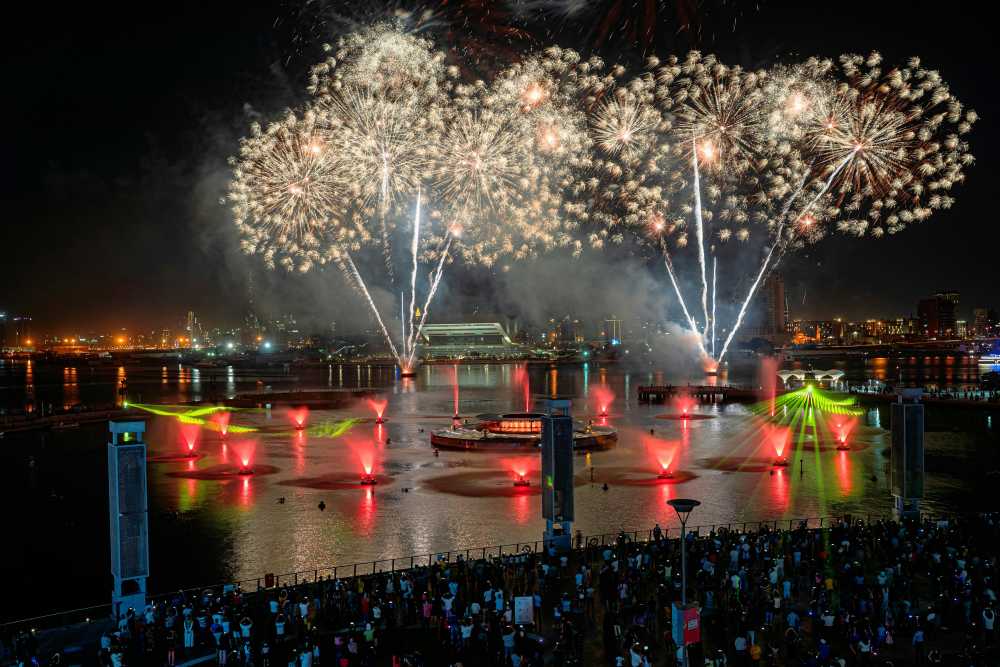
Let’s be clear about the sheer scale of this operation. The Macy's 4th of July Fireworks isn't just a show; it's the nation's largest pyrotechnic spectacle, a city-shaking tradition that paints the skyline with thousands of carefully choreographed shells launched from barges on the water. For Friday, July 4, 2026, the show continues its reign on the East River, meaning the most coveted views will be found along the waterfronts of Brooklyn, Queens, and Manhattan.
This isn't a casual affair where you can wander up a few minutes before showtime. It's a massive, city-wide celebration that demands a solid game plan. While the fireworks are an undisputed summer highlight, they're just one piece of the city's vibrant celebratory calendar, which we cover in our definitive guide to New York Holidays: 10 Must-Do Events. Thinking about your trip through this lens—as one epic event among many—is the key to unlocking a truly memorable visit.
The Best Free Viewing Spots for the Fourth of July in New York
Securing a great free spot is the holy grail for most spectators. It requires a healthy dose of patience and impeccable timing, but the reward is a front-row seat to history without spending a dime. The secret is knowing precisely where to go and, just as critically, which tourist traps to avoid.
Brooklyn's Cinematic Waterfront Views
For years, the Brooklyn waterfront has offered the most cinematic views of the fireworks, framing the pyrotechnics against the iconic Manhattan skyline. This is where you go for the postcard shot.
Transmitter Park (Greenpoint): Consistently hailed as a top-tier viewing location, this park offers a direct, jaw-droppingly clear sightline across the East River. Its open, grassy layout is a godsend, providing more room to spread out a blanket than the narrow promenades elsewhere. But its reputation precedes it. To claim a decent piece of turf, you must arrive by 6 PM at the absolute latest.
Domino Park (Williamsburg): With its clever multi-level design, reclaimed factory artifacts, and ample seating, Domino Park is a phenomenal—and popular—option. The elevated walkway provides a unique perspective, and the park's modern amenities (hello, clean restrooms!) make the long wait far more civilized.
East River State Park (Williamsburg): Just a short walk from Domino Park, this location offers a more traditional park experience with a sprawling grassy lawn. It’s a magnet for families and larger groups looking to set up a proper picnic and make a full day of it.
Manhattan's Official Front Lines (and What to Expect)
Manhattan offers official, NYPD-managed viewing points that get you incredibly close to the action. However, this proximity comes at the cost of the highest crowd density and the tightest security.
Official Access Points: The city announces these designated entry points a few days before the event, typically along the FDR Drive in the East Village, Murray Hill, and Midtown East. Check the official Macy's or NYC websites on the day of the event for the exact cross-streets.
The No-Go Zones: Heed the official warnings. The city explicitly advises spectators to avoid FDR Drive in Midtown, Battery Park, and the Brooklyn Heights Promenade. These areas will either be completely closed to the public or offer severely obstructed views. Don't be the tourist who wastes hours trekking to a dead end.
Queens: The Savvy Spectator's Choice
Often overlooked by the masses flocking to Brooklyn, the Queens waterfront in Long Island City provides views that are every bit as stunning, but often with slightly more breathing room.
Gantry Plaza State Park: This park is a true gem, famous for its iconic Pepsi-Cola sign and beautifully restored waterfront gantries. It offers a sweeping panorama of the Midtown skyline, which serves as the ultimate canvas for the fireworks display.
Hunter's Point South Park: Located just south of Gantry Plaza, this park boasts a vast, open green space perfect for laying down a blanket. It’s an excellent alternative for those looking to escape the most intense choke points in Manhattan and Brooklyn.
Pro-Level Strategy: Navigating Security and Human Gridlock
Experiencing the Fourth of July in New York is as much about logistical prowess as it is about patriotic fervor. This is not a casual security checkpoint. The NYPD's presence is comprehensive, involving everything from drones providing aerial surveillance and metal detectors at entry points to NYPD scuba divers patrolling the river itself. This isn't to intimidate, but to ensure a safe event for millions.
Your Arrival and Entry Checklist
Embrace the Early Bird Ethos: We cannot overstate this. For prime real estate like Transmitter Park, a 6 PM arrival is the bare minimum. For the official Manhattan zones, dedicated viewers begin lining up in the early afternoon. The later you arrive, the more likely you are to be watching the back of someone's head.
Pack Like a Pro: You will be on your feet or sitting on the ground for hours. Comfort matters most, but you also need to breeze through security. Large backpacks, coolers, alcohol, and lawn chairs are almost always prohibited. Knowing what to bring—and what to leave behind—is crucial. Our How to Pack Light Guide offers brilliant strategies for carrying just the essentials, a skill that's just as valuable for a day in the city as it is for a week-long trip.
Trust but Verify (Your Sources): On July 4th, follow the NYPD and Macy's on social media or refresh their websites. Viewing points can and do change or close without notice based on crowd capacity. A quick check before you head out can save you from a massive, frustrating detour.
The Buddy System is Non-Negotiable: In crowds of this magnitude, getting separated is incredibly easy. Establish a clear, unambiguous meeting point in advance (e.g., "the corner of X and Y," not "by the hot dog stand"). Keep your phones fully charged, and consider sharing your location with your group via a mapping app.
Pro-Tip: Public transportation is your only sane option. Do not even entertain the idea of driving. Street closures begin in the early afternoon, and parking is a fantasy. The subway is the most efficient way to get close to the action, but expect platforms and train cars to be packed to capacity. Plan your route, buy your MetroCard in advance, and budget at least double the normal travel time.

Beyond the Fireworks: Mastering the All-American Picnic
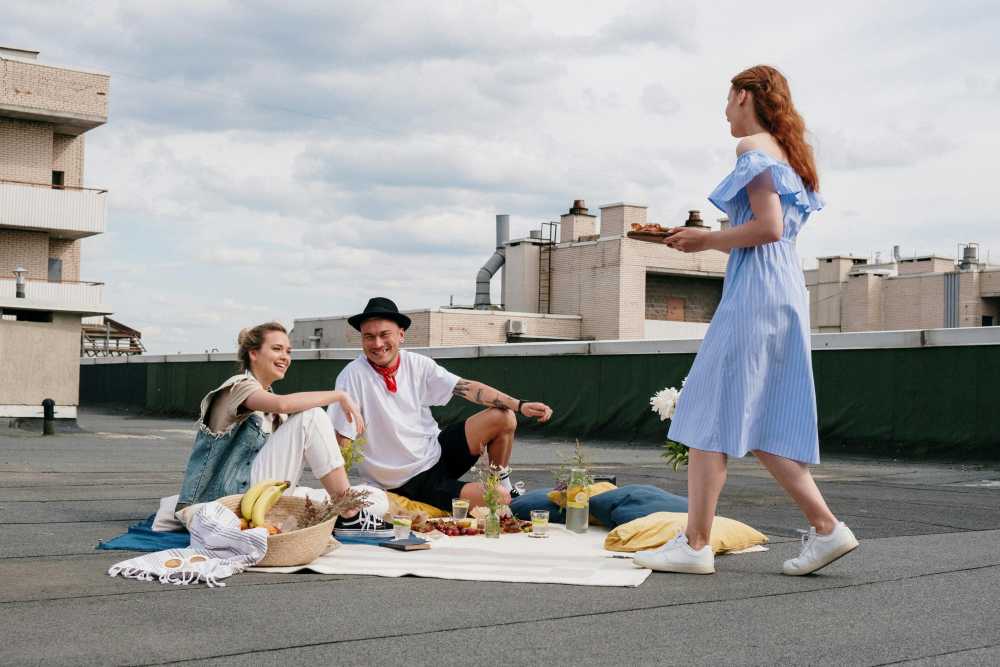
The fireworks are the grand finale, but Independence Day is an all-day affair. A classic American picnic is the perfect way to spend the afternoon, soaking in the city's festive energy in a more relaxed setting before diving into the waterfront fray.
Prime Picnic Parks (Well Away from the Fireworks Chaos)
Central Park: It’s the quintessential NYC experience for a reason. Head to the vast Sheep Meadow or the Great Lawn, find a spot under a tree, and enjoy the people-watching. You won't see the main fireworks from here, but it’s the perfect stage for your pre-show festivities.
Prospect Park, Brooklyn: Often called Brooklyn's answer to Central Park, the Long Meadow in Prospect Park offers a similarly idyllic and expansive setting. It’s a favorite among locals and provides a more laid-back, community-focused vibe.
Governors Island: A quick and scenic ferry ride away, Governors Island is a true urban oasis. With its sprawling lawns, hammocks, and unparalleled views of the Statue of Liberty, it’s an ideal place to decompress for the day before heading back for the evening's main event.
Your Picnic Pack-Out List
The Spread: Stick to classics that travel well: gourmet sandwiches, cold fried chicken, pasta salads, and fresh fruit. Most importantly, bring more water than you think you'll need. Remember that alcohol is prohibited in public parks.
The Comfort Kit: A large, durable blanket is your foundation. Sunscreen, hats, and sunglasses are absolutely essential for a long day outdoors.
The Clean-Up Crew: Pack a dedicated trash bag and commit to the golden rule of picnicking: leave your spot cleaner than you found it.
Paid Options for a Crowd-Free Fourth of July in New York
If the idea of battling the masses for a patch of grass makes you want to run for the hills, several paid alternatives offer a more comfortable and exclusive experience. These options require booking far in advance and come at a premium, but for many, the guaranteed view and amenities are worth every penny.
Rooftop Bars and Viewing Parties
Many hotels and restaurants with prime real estate in Midtown East, Williamsburg, and Long Island City host ticketed fireworks viewing parties. These events typically include an open bar, food, and live music, all with an elevated, unobstructed view high above the street-level chaos. Expect tickets to start in the low hundreds and sell out weeks, if not months, ahead of time.
Fireworks Cruises on the East River
For a truly cinematic experience, watch the fireworks from the water itself. Numerous companies offer July 4th dinner cruises that place you directly on the East River, offering an unparalleled, up-close perspective of the show.
The Perks: You get a completely unobstructed view, dinner and drinks are often included, and you have access to clean, private restrooms—a luxury that cannot be overstated.
The Price: This is the most expensive option, with prices frequently ranging from $150 to over $500 per person. They are incredibly popular and must be booked months in advance.
Pro-Tip: When booking any ticketed event, do your due diligence. Scrutinize the venue's location on a map to confirm its viewing position relative to the fireworks barges. Search for reviews and photos from previous years' events to ensure the view is as spectacular as advertised. Not all "river views" are created equal.
Your Mission: An Unforgettable Independence Day
You are now armed with the strategy and insider intelligence to make your Fourth of July in New York a resounding success. The key is to decide on your desired experience—a free-for-all on the grass, a civilized seat at a rooftop bar, or a luxurious view from the water—and plan with precision. Arrive early, pack smart, and stay informed.
This is about more than just watching fireworks; it's about taking part in a quintessential American tradition in the most dynamic city on Earth. You're no longer a tourist hoping for a lucky break; you're an insider with a plan. Go forth, claim your spot, and create some dazzling memories. And when you're ready to plan your next great urban adventure, our comprehensive Travel Guide is packed with the expert resources you need to make every trip a masterpiece.
Travel News
Comments 0
No comments yet
Be the first to share your experience!
You May Also Like
San Francisco Cherry Blossoms: A Local's Guide to the Blooms
Halloween SF: Haunts Without Horrors
SF Festivals: 7 Must-See Lineups
Christmas SF: Lights & Wharf Wonders
SF Pride: 6 Route & Party Hacks

Chinese New Year SF: Parade Essentials
TrekGuider @trekguider
Airfares Climbing Fast Ahead of Spring and Summer Travel Season

Travelers planning spring break getaways or summer vacations face a new obstacle: rapidly rising airfares driven by surging global oil prices.
Deutsche Bank's airfare tracker showed sharp week-over-week price increases for bookings three weeks out, with transatlantic, transcontinental, and Caribbean routes seeing the steepest gains. Nearly every major U.S. carrier raised fares.
The catalyst is a Middle East conflict that disrupted a critical oil shipping corridor, sending fuel costs spiraling worldwide. United Airlines CEO Scott Kirby warned a week ago that higher prices would arrive quickly — and they did.
The impact extends well beyond American carriers. Air Canada confirmed ongoing price adjustments. Air France-KLM raised its fuel surcharge from €30 to €50 round-trip. Air New Zealand cut 1,100 flights and shuttered 4% of its Friday schedule.
Back on the ground, the national average for regular gas hit $3.67 per gallon — a 25% jump from one month earlier. Consumer sentiment, measured by the University of Michigan's March survey, dropped nearly 2%.
Travel experts recommend booking summer flights as soon as possible, particularly for June and July departures. Flexible fare options or points-based bookings offer a hedge if prices eventually retreat. August travel, when demand traditionally dips, may deliver better value.
How long prices stay elevated depends largely on how the geopolitical situation unfolds.
Travel News
Comments 0
No comments yet
Be the first to share your experience!
You May Also Like

A Gen-Z Teen Went on a 10-Day Cruise — Here's Her Honest Take

Toronto's Downtown Airport Opens US Preclearance — Unlocking New American Routes
Cruise vs. All-Inclusive Resort: Which Delivers Better Value in 2026?

Padel Is the Racquet Sport Taking Over Luxury Resorts — Here's Why

This Colorado Resort Delivers a European Alps Experience Without the Transatlantic Flight

TSA Staffing Crisis Deepens as Hundreds Quit During Government Shutdown
TrekGuider @trekguider
Solo Travel in Asia: Afford Your Dream Trip (No More Guessing)
You see the photos in your feed: the vibrant street food stalls of Hanoi, the serene, golden temples of Chiang Mai, the almost impossibly turquoise waters of the Philippines. You want that. But a cloud of anxiety hangs over the dream: the budget. You’ve seen the blogs promising epic adventures for "$30 a day," but a nagging voice in your head questions the reality. How can that possibly be the whole story? It feels like you're missing a huge piece of the financial puzzle, making it impossible to know if your hard-earned savings are really enough.
Let's be clear: you're right to be skeptical. The internet is a minefield of incomplete advice that conveniently ignores the thousands of dollars you'll spend on flights, comprehensive travel insurance, visas, and pre-trip vaccinations before your boots even touch the ground. This "per-day" myth is a dangerous fantasy that leads to stress and budget blowouts. You don't need a fantasy; you need a plan based on reality.
This is that guide. We're cutting through the noise to give you a reality-based playbook for budget solo travel in Asia, built on hard data and real-world experience. We will tackle the Total Trip Cost head-on, giving you a complete financial blueprint that empowers you to plan with unshakable confidence. While this guide is your financial strategy, mastering the art of traveling alone is equally crucial. For a complete playbook on mindset, safety, and logistics, be sure to read our comprehensive guide on .
Asia: The Undisputed Epicenter for Budget Solo Travel
For decades, Asia has been the champion for independent travelers seeking the ultimate trifecta: unparalleled diversity, profound cultural experiences, and an astonishingly low cost of living. The continent offers a sensory feast, from the futuristic skyline of Tokyo to the ancient, jungle-claimed ruins of Angkor Wat and the snow-capped Himalayan peaks of Nepal.
What makes it uniquely perfect for budget solo travel is the well-trodden "Banana Pancake Trail"—the unofficial network of routes across Southeast Asia that has created a strong and welcoming infrastructure for backpackers. This translates to an abundance of affordable hostels, cheap and mind-blowingly delicious street food on every corner, accessible transportation, and a built-in community of fellow travelers. It’s an environment practically engineered for exploration, where your dollar stretches further than almost anywhere else on Earth, allowing for longer, more immersive journeys without bankrupting you.

The World's Best Bargains: A Data-Driven Ranking of Asia's Top 10 Budget Nations
The sheer number of options in Asia can be overwhelming. To cut through the noise, we've created a composite ranking based on average daily cost, safety (using data from the Global Peace Index), ease of solo travel, and overall experience value. This is your starting point for planning an incredible budget solo travel in Asia itinerary.
The "Big 4" for Ultimate Value: Vietnam, Cambodia, Nepal, Thailand
Recommended: Stress-Free Flying with Kids: Airport, TSA, and In-Flight Guide
Recommended: Travel Guide: Trip Planning, Flights, and Avoiding Tourist Traps
These four nations are the undisputed kings of the classic backpacker circuit, and for good reason. This is where your travel fund has superpowers. Here, a daily budget of $25-35 isn't about survival; it's about thriving. We're talking $8 for a clean hostel dorm bed, $2 for a world-class bowl of Phở or Pad Thai from a street vendor, and less than $1 for a local beer. The value proposition is simply unbeatable for anyone planning budget solo travel in Asia.
The Best of the Rest: Indonesia, The Philippines, Laos, Malaysia
This next tier offers world-class experiences with a slight step up in daily cost. The Philippines is an archipelago of some of the planet's most beautiful beaches, a paradise for island hopping and diving. Laos offers a more tranquil, less-trodden path with breathtaking mountain scenery and a deeply relaxed atmosphere. And Malaysia, particularly the island of Penang, is a food lover's dream, blending Malay, Chinese, and Indian culinary traditions into a spectacular and affordable street food scene.
The Rising Star: Uzbekistan
Largely absent from mainstream guides, Uzbekistan is a hidden gem for the budget-conscious history buff. As a central hub of the ancient Silk Road, its cities—Samarkand, Bukhara, and Khiva—are architectural masterpieces of complex tilework and soaring minarets. With a high degree of safety, incredibly friendly locals, and rock-bottom prices, it offers a unique cultural experience far from the tourist crowds.
The Great Debate: How to Conquer Japan on a Backpacker's Budget
Japan has a reputation for being prohibitively expensive, but here's the inside scoop: thanks to a favorable currency exchange rate and a unique social infrastructure, it has become surprisingly accessible. The key is to travel like a local, not a tourist.
Sleep in capsule hotels: These futuristic pods offer a clean, private, and safe place to sleep for a fraction of the price of a standard hotel.
Embrace the conbini: Japanese convenience stores (7-Eleven, FamilyMart) are a culinary marvel. You can get delicious and healthy meals like onigiri (rice balls), sandwiches, and bento boxes for just a few dollars.
Focus on free attractions: Many of Japan's most beautiful sights, from serene Shinto shrines and sprawling city parks to vibrant neighborhoods like Harajuku, are completely free to explore.
By adopting these strategies, you can experience one of the world's most fascinating cultures on a budget of around $50-70 a day.
Your No-Nonsense Guide to a Realistic Budget for Solo Travel in Asia
Let's build your real-world budget. While daily spending is the fun part, a successful trip requires a holistic financial plan that starts long before you book your flight.
The Daily Budget Benchmark: What $30, $50, and $75 a Day Really Buys You

$30/Day (The Shoestring Backpacker): This is tight but achievable in the "Big 4." It covers a bed in a dorm hostel, exclusively eating street food, walking as your primary transport, and sticking to mostly free activities.
$50/Day (The Flashpacker): This is the sweet spot for a comfortable budget solo travel in Asia experience. It allows for a private room in a hostel or a budget guesthouse, a mix of street food and restaurant meals, the occasional Grab ride, and entry fees for major attractions.
$75/Day (The Comfort Seeker): At this level, you can afford budget hotels, enjoy meals in nice restaurants, take domestic flights to save time, and participate in more expensive activities like scuba diving courses without constantly checking your bank account.
Deconstructing Your On-the-Ground Costs: A Percentage-Based Breakdown
Once you land, a good rule of thumb for allocating your daily funds is:
Accommodation: 35%
Food & Drink: 25%
Activities & Attractions: 15%
In-Country Transport: 15%
Miscellaneous (laundry, SIM card, etc.): 10%
The Hidden Costs: Budgeting for the "Big 4"
This is the most important part of your budget—the major expenses you'll pay before you leave. Ignoring these is the #1 mistake aspiring travelers make.
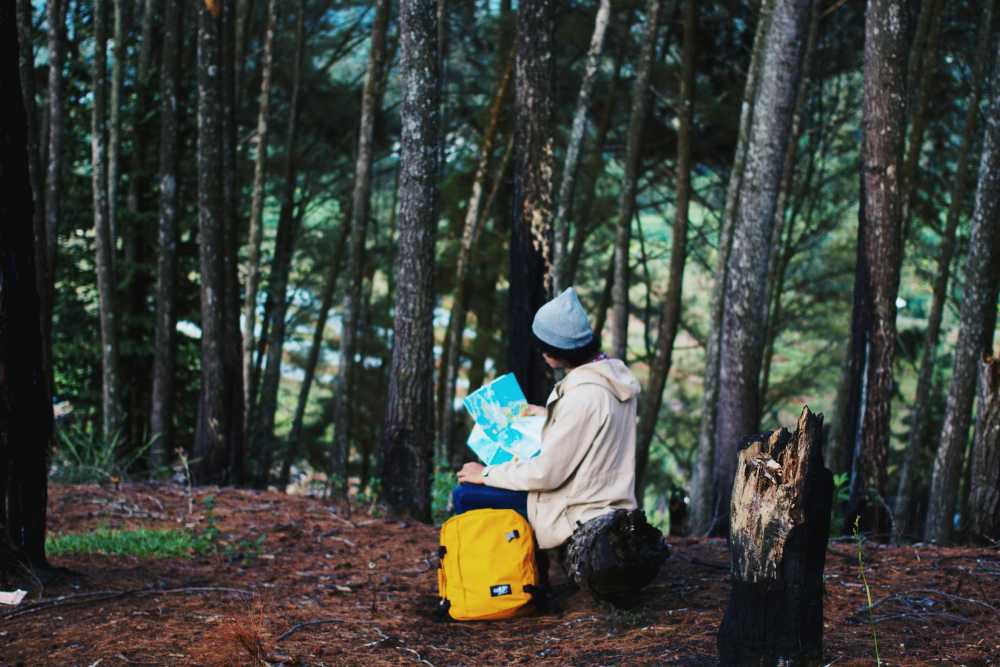
International Flights: This will likely be your single largest expense, ranging from $700 to $1,500+ for a round-trip ticket from the U.S. Use tools like Google Flights and Skyscanner, be flexible with your dates, and consider flying during the shoulder seasons (e.g., April-May, September-October) for huge savings.
Travel Insurance: A serious medical emergency or trip cancellation can be financially catastrophic without it. A comprehensive policy from a reputable provider like SafetyWing or World Nomads for a multi-month trip can cost between $300 and $700. It is the single most important investment you will make in your safety.
Visas: Costs and requirements vary wildly. Some countries offer free entry for U.S. citizens, while others require visas costing $30 to $100+. Research the official embassy websites for every country on your itinerary and budget accordingly.
Vaccinations & Meds: A pre-trip consultation with a travel doctor is essential. The cost of recommended vaccinations (like Typhoid, Hepatitis A, and Japanese Encephalitis) can easily add up to several hundred dollars.
Pro-Tip: Use Google Flights' 'Explore' map feature with flexible dates to visually find the cheapest entry point into Asia. Often, flying into a major hub like Bangkok (BKK) or Kuala Lumpur (KUL) and then taking a budget flight with AirAsia is significantly cheaper than a direct flight to your final destination.
Field Notes on Safety for Budget Solo Travel in Asia
Your safety matters most. Being prepared and aware isn't about being paranoid; it's about traveling with the quiet confidence of a pro.

Pre-Trip Protocol: Before you leave, make two photocopies of your passport, visa, and credit cards. Leave one set at home and keep the other in a separate bag from the originals. Save encrypted digital copies in a secure cloud service.
On-the-Ground Awareness: Petty theft is the most common crime. Be vigilant in crowded markets and on public transport. Never flash expensive electronics. Be politely skeptical of overly friendly strangers offering unsolicited help—these are often the lead-in to common tourist scams.
Accommodation Strategy: Read recent reviews from other solo travelers, especially solo women. Choose hostels or hotels in central, well-lit areas. Your accommodation is your safe haven; it's worth paying a few extra dollars for a better location and peace of mind.
A Note for Solo Female Travelers: While most of Asia is very safe, it’s smart to be mindful of cultural norms. In more conservative regions or when visiting temples, carry a scarf or sarong to cover your shoulders and knees. Trust your gut instinct—it is your most reliable safety tool. If a situation feels wrong, it is. Leave immediately.
Hacks to Stretch Your Travel Fund Further
Mastering a few key strategies can save you thousands over the course of a long trip.
Accommodation Hacks
Go analog for long stays. If you plan to stay a week or more, email or call the hostel directly to ask for a weekly rate. You can often get a 15-20% discount.
Master the art of the overnight journey. An overnight bus or train isn't just transport; it's a mobile hotel room that saves you one night's accommodation cost. In countries like Vietnam and Thailand, look for 'VIP' or 'sleeper' options, which often cost only a few dollars more for a fully reclining seat or bunk—an unbeatable value.
Food & Drink Hacks
Eat where the locals eat. Street food stalls and hole-in-the-wall restaurants with plastic stools and long lines of locals are where you'll find the most authentic and delicious food for the lowest prices.
Carry a reusable water bottle with a built-in filter (like a Lifestraw or Grayl). This saves you money on bottled water and dramatically reduces your plastic waste.
Transportation Hacks
Download Grab or Go-Jek. These ride-sharing apps are ubiquitous in Southeast Asia and offer fair, fixed pricing, eliminating the need to haggle with tuk-tuk or taxi drivers.
For long-haul bus and train travel, use a portal like 12Go Asia to compare prices and book tickets in advance, especially on popular routes.
Financial & Tech Hacks
Get a Wise (formerly TransferWise) card. This multi-currency account allows you to hold different currencies and withdraw money from ATMs with minimal fees, saving you a fortune on bank charges compared to your home debit card.
Buy an eSIM from a provider like Airalo before you leave home. This gives you affordable data the second you land, a massive convenience and safety advantage for navigating to your hostel.
Extending Your Trip: The Work-Exchange Secret
Platforms like Workaway and Worldpackers are game-changers for long-term budget solo travel in Asia. They connect you with hosts (often hostels, farms, or families) who offer free accommodation and sometimes food in exchange for a few hours of work per day. This is a phenomenal way to stretch your budget for months.
Pro-Tip: When withdrawing cash, always decline the ATM's "dynamic currency conversion." This is a fancy term for a terrible exchange rate. By choosing to be charged in the local currency (e.g., Thai Baht), you let your own bank handle the conversion at a much fairer rate, saving you 5-10% on every withdrawal.
Your Essential Asia Solo Travel Toolkit
Leverage technology to make your trip smoother, safer, and cheaper.
Financial: Wise, Revolut
Connectivity: Airalo, Holafly
Navigation: Google Maps (with offline maps downloaded!), Maps.me
Transportation: Grab, Go-Jek, 12Go Asia, Skyscanner
Accommodation: Booking.com, Hostelworld, Agoda
The Only Thing Left is to Go
The dream of an extended trip through Asia is not a fantasy reserved for the wealthy; it is an achievable goal for anyone armed with a solid, reality-based plan. By moving past the incomplete "per-day" myth and embracing a Total Trip Cost approach, you give yourself the financial clarity needed to travel with confidence, not anxiety. The strategies and tips in this guide are your blueprint. The path to a successful budget solo travel in Asia adventure is clear. The world is waiting for you.
Read the full guide: Anxious to Adventurous: The Ultimate Guide to Solo Travel Confidence
Travel News
Comments 0
No comments yet
Be the first to share your experience!
You May Also Like

Top 11 High-Paying Affiliate Programs for Travel Bloggers

High-Paying Affiliate Opportunities for Individual Travel Affiliates

Amazon Associates for Travel: Strategies to Maximize Commissions

How to Avoid Travel Scams: A Global Guide

A Woman's Guide to Safe Travel: 10 Critical Tips
