
How to Make a Solo Travel Budget (That You'll Actually Keep)

TrekGuider @trekguider
You have the destination pinned on a map, the screenshots saved, the dream of a life-changing solo trip burning bright. But a huge, intimidating question mark looms over the entire fantasy: the money. You have no real idea how much it costs, how to save for it, or how you’ll manage it all on your own. This financial uncertainty is paralyzing, isn't it? It’s the anchor that keeps your dream moored in the harbor of "someday," while you watch others set sail. You worry that you’ll either never save enough or, even worse, that you’ll miscalculate and run out of money halfway through your adventure, turning a dream trip into a stressful nightmare.
This guide is your anchor chain cutter. It is the definitive, step-by-step system to create a realistic, achievable, and stress-free financial plan for your adventure. We’re going to demystify the process of how to budget for solo travel, breaking down every potential cost, from pre-flight essentials to daily gelato. This isn't about restriction; it's about empowerment. It's about giving you the clarity and control to turn "someday" into a firm departure date. For a complete roadmap of your entire journey, start with our foundational pillar article, The Ultimate Guide to Solo Female Travel (15 Essential Tips).
The "Why" Before the "How": A Solo Traveler's Financial Mindset
Before we open a single spreadsheet, let's establish a crucial mindset shift. For a solo traveler, a budget is not a cage—it is the key that unlocks the cage. When you travel with others, costs are often shared or split. When you travel alone, you bear 100% of the financial responsibility for every room, ride, and meal. While this may seem daunting, it grants you an unparalleled superpower: absolute financial agility and control.
You, and you alone, decide where to splurge and where to save. You can choose a hostel in Prague to save for a Michelin-starred meal in Paris. This level of autonomy is a core part of the solo travel experience, a movement dominated by women who make up a staggering 84% of the market. Mastering your budget is the first and most critical step in mastering the art of traveling on your own terms.
From Dream to Departure: Your Step-by-Step Guide on How to Budget for Solo Travel
Creating a comprehensive travel budget isn't guesswork; it's a systematic process that transforms a vague dream into an actionable financial goal. Follow these four steps to build a plan you can trust.
Step 1: Research and Estimate Your "Big Three" Costs
Your first task is to get a realistic, high-level estimate of what your trip will cost. Focus your research on the three largest categories of expense that will form the foundation of your budget.
Pre-Trip Fixed Costs: These are the one-time expenses you'll incur before you even leave home. This category includes things like necessary visas, travel insurance (an absolute non-negotiable), essential gear you need to buy (like a good backpack or walking shoes), and any required vaccinations.
Major Transportation: For most trips, this will be your round-trip flight to and from your destination region. Use tools like Google Flights or Skyscanner and search with flexible dates to get a ballpark figure for this significant cost.
Average Daily On-the-Ground Cost: This is the most variable part of your budget, and it's heavily influenced by your destination and travel style. Research is key here. As we'll see below, the difference between regions is dramatic. A budget-conscious solo traveler could comfortably explore Prague on around €65 per day, while maintaining a similar travel style in Paris would require at least €115 per day, according to cost-of-living data.

Step 2: Build Your Master Budget Spreadsheet
Once you have your "Big Three" estimates, it's time to get granular. Create a detailed spreadsheet or use a budgeting app to break down your total estimated cost into specific, itemized categories. This detailed view is crucial because it shows you exactly where your money is going and helps you identify areas where you can potentially cut back.
Your spreadsheet should include the following categories:
Pre-Trip Costs: (Visa fees, travel insurance, vaccinations, new gear)
International Transport: (Flights, long-distance trains)
Daily Lodging: (Your estimated nightly cost x number of nights)
Daily Food: (Your estimated daily cost x number of days)
Daily Activities: (Museum tickets, tours, special experiences)
Local Transport: (Subway passes, buses, occasional taxis)
Miscellaneous: (Souvenirs, laundry, toiletries)
Your Ultimate Planning Companion
A great budget is the foundation of a great itinerary. To help you organize every aspect of your trip, from flight details and accommodation confirmations to your daily spending plan, we've created the perfect tool to put this plan into action.
Download your free Travel Itinerary Template now! This comprehensive template will help you keep all your essential information in one organized place, making your planning process seamless and stress-free.
Step 3: Set a Savings Goal and Automate Your Success
With a tangible number in your sights, the path to your departure date sharpens from a hazy dream into simple, motivating math. Divide the total cost by the number of months you have until your departure. This number is your required monthly savings target.
The single most effective strategy for hitting this target is automation. Don't rely on willpower. Set up an automatic, recurring transfer from your checking account to a dedicated high-yield savings account for the day after you get paid. By treating your travel savings as a non-negotiable monthly bill, you pay your future self first and ensure you stay on track without having to think about it.
Step 4: The Golden Rule: Build a 15-20% Contingency Fund
This is the most crucial, and most often overlooked, step in building a resilient budget. After you’ve calculated your total estimated trip cost, add a buffer of 15% to 20% on top of that total. This is your contingency fund.
This fund is not just for emergencies like a missed flight or a medical issue. It is also your "opportunity fund." It’s the financial freedom to say "yes" to a spontaneous, can't-miss experience—like a last-minute ticket to the opera or a day trip with new friends from your hostel. This buffer is what prevents financial stress on the road and allows you to travel with confidence and flexibility.
The Cost of Style: Decoding Daily Expenses for Three Travel Tiers
That four-step framework gives you the how, but the biggest variable will always be the where and the what. To give you tangible financial targets, let's break down what those "on-the-ground costs" actually look like across three distinct travel styles, based on global averages for popular destinations. These figures are for a single person in USD and do not include major pre-trip costs like international flights.

The Budget Backpacker: Stays in hostel dorms, primarily eats street food or cooks in the hostel kitchen, and focuses on free activities like walking tours.
The Mid-Range Comfort Seeker: Stays in private hostel rooms or budget hotels, eats a mix of cafe meals and local restaurants, and enjoys a paid activity each day.
The Affordable Luxury Traveler: Stays in boutique hotels, dines out for most meals, uses ride-shares, and books multiple guided tours or unique experiences.
To see these numbers in action, explore the Travel Guide marketplace on TrekGuider. Many of our expert guides, published by seasoned solo travelers, include detailed budget breakdowns from their own trips, giving you invaluable real-world insight.
Hacking the System: 5 Actionable Tips for Slashing Your Biggest Costs
For a solo traveler, flights and accommodation are the two largest line items in the budget. Employing a few savvy strategies can dramatically reduce these costs, freeing up more of your hard-earned money for actual experiences.
Travel in the Shoulder Season: The months just before and after peak tourist season (typically spring and autumn) are the sweet spot. You’ll enjoy pleasant weather, fewer crowds, and flight and accommodation costs that can be 25-50% cheaper than in peak summer.
Embrace Modern Hostels (and Their Private Rooms): The stereotype of dingy dorms is long gone. Many modern hostels are stylish, social hubs that offer private rooms with ensuite bathrooms at a fraction of the cost of a hotel. You get privacy plus access to money-saving amenities like a communal kitchen.
Filter for Single Rooms: When searching on booking sites, specifically look for "single rooms" or studios. Many traditional European guesthouses offer smaller rooms designed for one person at a lower price than a standard double.
Use Flight Scanners with Flexible Date Searches: Instead of searching for a specific date on Google Flights or Skyscanner, use their calendar or "whole month" functions. You’ll often find that shifting your departure by just a day or two can result in massive savings.
Leverage Loyalty Programs: Before your trip, sign up for the free loyalty programs of the airlines and hotel chains you plan to use. More significantly, using a travel-focused credit card to pay for your trip expenses can earn valuable points and miles for free flights and hotel stays in the future.

How to Budget for Solo Travel and Avoid the "Budget Busters"
Even a perfect plan can be derailed by unexpected expenses. Being aware of these common "hidden" costs allows you to account for them in your contingency fund from the start.
The Single Supplement: The most notorious cost for solo travelers. Many tours and cruises base their pricing on double occupancy and charge extra for a single person. Always look for companies that cater to solo travelers or offer to pair you with a roommate to waive this fee.
ATM and Foreign Transaction Fees: This is death by a thousand cuts. Using the wrong card can mean paying a 3% fee on every purchase and $5-$10 for every cash withdrawal.
Baggage Fees: Budget airlines are famous for their exorbitant fees for both checked and carry-on luggage. Always read the fine print on baggage allowances before booking.
Local Tourist Taxes: Many cities charge a small tourist tax per person, per night, that is often not included in your prepaid booking price and must be paid in cash at your hotel.
International Data: Relying on your home carrier's roaming plan can be incredibly expensive. Budget for a local SIM card or an eSIM to ensure affordable connectivity.
Pro-Tip: Your most powerful tool against hidden fees is a strategic financial setup. Travel with two key products: a credit card that has no foreign transaction fees (like the Chase Sapphire Preferred®) and a debit card from a bank that offers worldwide ATM fee reimbursements (like the Charles Schwab Bank High Yield Investor Checking Account). This combination alone can save you hundreds of dollars.
Pro-Tip: Before you leave, create a "financial lifeline." Photocopy the front and back of every credit and debit card you plan to carry. Leave one copy with a trusted emergency contact at home and keep a digital copy in a secure cloud storage service. If your wallet is lost or stolen, having the card numbers and the international toll-free numbers on the back will make the cancellation process infinitely smoother.
Frequently Asked Questions About Solo Travel Budgeting
How far in advance should I start budgeting for a big solo trip?
Ideally, start your high-level research 9-12 months out. This gives you plenty of time to track flight deals, understand seasonal price shifts, and, most importantly, allows you to set a smaller, less intimidating monthly savings goal over a longer period.
Is it better to bring a lot of cash or just use cards?
Never carry large amounts of cash. The best strategy is a multi-pronged approach. Use a no-foreign-transaction-fee credit card for the majority of your purchases (hotels, restaurants, tours) to maximize security and rewards. Use a fee-reimbursing debit card to withdraw small amounts of local currency every few days for things like small market purchases, tips, or cash-only street food.
The 15-20% contingency fund seems like a lot. Is it really necessary?
Absolutely. Think of it as buying peace of mind. On a $3,000 trip, a 15% buffer is $450. That single fund could cover a last-minute flight change, a necessary trip to a doctor, or the spontaneous decision to take a ferry to a Greek island with new friends. Without it, any unexpected event becomes a major crisis. With it, it’s just a manageable part of the adventure.
Your Journey to Financial Freedom Awaits
A budget is not about what you can't do; it's about empowering everything you can do. It transforms a vague, anxiety-inducing dream into a clear, tangible, and achievable goal. By following this systematic approach, you now have the tools to build a financial plan that is not just a spreadsheet of numbers, but a roadmap to the world. You have a framework for how to budget for solo travel that puts you in complete control of your adventure.
This financial competence is the foundation upon which the most incredible solo journeys are built. With your budget sorted, you can focus on the real magic: planning your itinerary, discovering new cultures, and, most importantly, discovering yourself.

SEO Meta Data Suggestions:
SEO Meta Title (59 characters): How to Make a Solo Travel Budget You'll Actually Stick To
URL Slug: /how-to-budget-for-solo-travel
SEO Meta Description (154 characters): A step-by-step guide on how to budget for solo travel. Learn to estimate costs, save effectively, and avoid hidden fees for your next adventure.
Don't Miss Out! Subscribe for Exclusive Content
Subscribe



Comments 0
No comments yet
Be the first to share your experience!
Dont Miss Out! Subscribe for Exclusive Content

Ultimate USA Holidays Guide: Top Picks


FTC Affiliate Disclosure Essentials: Stay Compliant as a Travel Creator

Essential Affiliate Tools: From Tracking to Full Optimization

Booking.com Affiliate Program Review: Pros, Cons, and Earnings Potential

Decoding Affiliate Commission Rates: Benchmarks for Travel Creators

Top 11 High-Paying Affiliate Programs for Travel Bloggers
Cinco de Mayo NOLA: Festive Twists
TrekGuider @trekguider
You’ve seen the flyers and the two-for-one drink specials. When May 5th appears on the calendar, it seems every bar in the country suddenly becomes a Mexican cantina, slinging salty margaritas and generic tacos. You’re searching for a way to celebrate Cinco de Mayo in America, but you’re tired of the commercialized cliché. You want an experience with soul—a celebration that feels authentic, vibrant, and deeply connected to a sense of place.
The endless sea of plastic sombreros and pre-made margarita mix leaves you feeling hollow, completely disconnected from the holiday's true spirit. You know there’s a richer story to be told, a more meaningful way to engage with Mexican-American culture, but the typical party scene always falls flat. You want to trade the crowded, noisy bar for a genuine cultural fiesta, one that blends history with a modern, electric energy. You’re missing out on a celebration as complex and flavorful as the city that hosts it, a unique event that stands apart from all others.
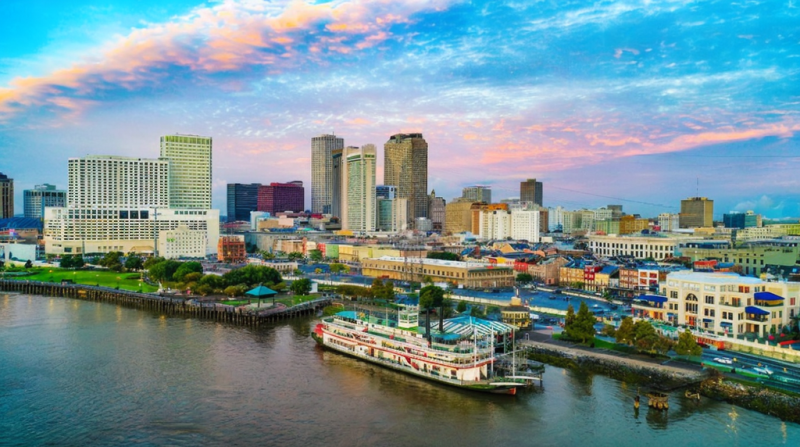
The solution lies in a city that has mastered the art of cultural fusion: New Orleans. Here, Cinco de Mayo sheds its one-dimensional party persona and transforms into a dynamic, multi-layered celebration with a distinctly Creole accent. It’s a holiday that reflects the city’s own history of blending traditions to create something entirely new and unforgettable. This guide is your key to unlocking the festive twists of a New Orleans Cinco de Mayo, an essential stop on the city’s vibrant calendar that we explore in our definitive guide to New Orleans Holidays: Cultural Feasts. Get ready to discover a celebration where mariachi rhythms dance with jazz notes and traditional Pueblan flavors are served with a side of Southern hospitality.

Understanding the Real Cinco de Mayo: Beyond the Bar Specials
Before you can appreciate the NOLA spin, you need to grasp what Cinco de Mayo truly represents. It is not, as is commonly mistaken, Mexico's Independence Day (that's September 16th). The holiday has a specific and powerful origin story. It commemorates the Mexican Army's improbable victory over the far better-equipped French forces at the Battle of Puebla on May 5, 1862. While a significant morale boost, it wasn't a war-winning event.
Its adoption as a major holiday happened largely in the United States, where Mexican-Americans in the 1860s used it as a symbol of resistance, a tradition later amplified by the Chicano Movement. That history is precisely why Cinco de Mayo in America evolved not as a military anniversary, but as a powerful and vibrant affirmation of cultural identity. For travelers inspired to trace this incredible history back to its source and explore the rich mix of the country, our comprehensive Mexico travel guide is the ultimate resource for planning an authentic journey. Understanding this background transforms the experience, allowing you to see past the party and appreciate the deep cultural significance behind the festivities.
The NOLA Twist: How Creole Culture Meets Mexican Heritage
New Orleans doesn’t just host events; it absorbs them, infuses them with its own unique cultural DNA, and presents them with a theatrical flair you won't find anywhere else. The city is a rich gumbo of French, Spanish, African, and Caribbean influences, creating a Creole culture that is inherently skilled at adaptation and fusion. This is the secret ingredient that makes Cinco de Mayo in New Orleans so extraordinary.
The celebration here is not a simple transplant of Mexican traditions but a creative dialogue between two passionate cultures. Here’s how the NOLA twist comes to life:
Culinary Alchemy: New Orleans chefs are masters of remixing flavors. On Cinco de Mayo, you’ll find menus boasting crawfish enchiladas with a spicy étouffée sauce, alligator tacos drizzled with Creole remoulade, and bread pudding with a decadent dulce de leche swirl. It’s a culinary conversation where Mexican staples are reimagined with iconic Louisiana ingredients.
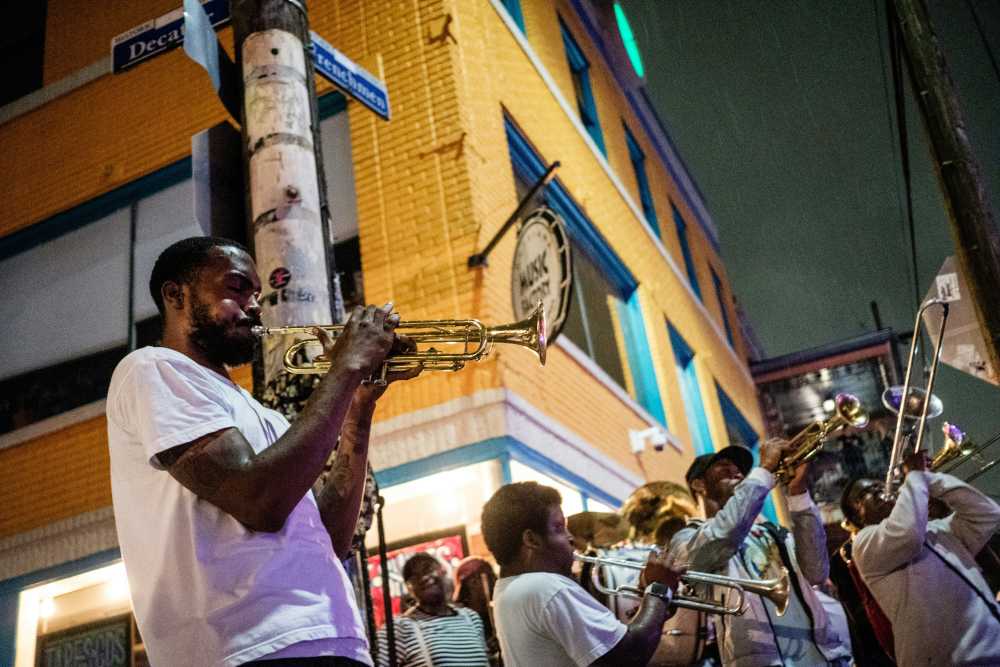
Musical Mashups: Don’t be surprised to hear a brass band break into a funky rendition of "La Bamba" or a local jazz trio improvising over a mariachi standard. Music is the city's lifeblood, and on May 5th, the sounds of Mexico blend seamlessly with the rhythms of the Crescent City, creating spontaneous and joyous street performances that feel both familiar and thrillingly new.
Community-Centric Celebrations: While other cities focus on massive, impersonal festivals, New Orleans excels at the neighborhood level. The celebrations here are often intimate block parties, courtyard gatherings, and food-focused festivals that feel more like a family reunion than a commercial event. This aligns with the city’s deep-seated emphasis on community and shared experience.

This effortless blending of heritage is what makes the city’s take on Cinco de Mayo in America a truly singular experience, turning a national holiday into a distinctly local affair.

Where to Find the Fiesta: A Neighborhood-by-Neighborhood Guide
To truly experience the festive twists of a New Orleans Cinco de Mayo, you need to know where to look. The city’s celebrations are spread across its diverse neighborhoods, each offering a different vibe and flavor.
The Warehouse District: Upscale Fiestas and Craft Cocktails
Known for its sophisticated art galleries, world-class museums, and upscale restaurants, the Warehouse District offers a more polished Cinco de Mayo. Here, renowned chefs craft special prix-fixe menus that elevate traditional Mexican dishes with gourmet ingredients and artistic presentation. The bars in this area focus on high-end agave spirits, offering curated tequila and mezcal flights guided by expert mixologists.
What to Expect: Elegant restaurant parties, inventive craft cocktail specials, and a chic, professional crowd.
Don’t Miss: Look for events at restaurants helmed by James Beard Award-winning chefs, who often use the holiday as an opportunity to showcase their boundary-pushing culinary creativity.
The French Quarter: Historic Charm with a Spicy Kick
While the French Quarter can be tourist-heavy, its historic courtyards and hidden bars provide an enchanting backdrop for Cinco de Mayo. Many of the neighborhood's iconic establishments host lively parties with live music that spills out onto the cobblestone streets. It’s a place where you can sip a handcrafted margarita in a centuries-old courtyard while a Latin band plays just a few feet away, the air thick with history and hibiscus.
What to Expect: Courtyard parties, live Latin music, and a bustling, infectious energy.
Pro-Tip: Seek out restaurants advertising 'Pueblan' specials to honor the holiday's origins, not just generic 'Mexican' deals. This is often a sign of a more thoughtful and authentic celebration.
The Marigny & Bywater: Artsy Block Parties and Local Vibes
For a more bohemian and authentically local experience, head downriver to the Marigny and Bywater. These artsy neighborhoods are famous for their colorful shotgun houses, quirky bars, and fiercely independent spirit. On Cinco de Mayo, this translates into laid-back block parties, pop-up taco stands run by local chefs, and impromptu musical performances on street corners. The vibe is less about spectacle and more about genuine community connection.
What to Expect: Casual block parties, innovative food trucks, local art, and a diverse, eclectic crowd.
Don’t Miss: Keep an eye on social media for announcements of unofficial parties and pop-ups; these are often the most memorable and authentic events of the day.
Mid-City & Uptown: Family-Friendly Festivals and Food Galore
These residential neighborhoods are where you’ll find larger, more family-oriented celebrations. Parks and community centers often host food festivals that blend Mexican heritage with local culture, featuring everything from traditional folk dancers to local school bands. It’s a relaxed and welcoming atmosphere perfect for families or anyone looking to enjoy the culinary side of the holiday without the late-night party scene.
What to Expect: Outdoor food festivals, family activities, and a strong, welcoming community feel.
Don’t Miss: The annual food festivals that bring together dozens of local vendors, offering a chance to sample a wide array of NOLA-Mexican fusion dishes in one place.
The Ultimate NOLA Cinco de Mayo Itinerary: A Step-by-Step Plan
Ready to dive in? Here’s a sample itinerary to help you make the most of your Cinco de Mayo in New Orleans. Just as our Big Sur Map & Itinerary helps you navigate the stunning twists and turns of the California coast, this plan will guide you through the festive twists of a Crescent City celebration.
Morning (10:00 AM): A Boozy Brunch with a Twist
Start your day in the Lower Garden District or Uptown at a restaurant known for its creative brunch. Look for spots offering specials like huevos rancheros over a bed of Creole-spiced grits or breakfast tacos filled with smoky andouille sausage. Pair it with a spicy Bloody Maria (made with tequila) to kick off the festivities right.
Afternoon (2:00 PM): Neighborhood Food Festival
Head to Mid-City to explore a local food festival. Spend the afternoon sampling unique creations from various food stalls. This is your chance to try those crawfish enchiladas or boudin-stuffed jalapeños. Enjoy the live music and soak in the relaxed, family-friendly atmosphere.
Evening (6:00 PM): Courtyard Cocktails and Live Music
As the sun begins to set, make your way to the French Quarter. Find a secluded courtyard bar and order a top-shelf margarita or a smoky mezcal old fashioned. Enjoy the sounds of a live Latin guitarist as the historic architecture glows in the warm evening light.
Dinner (8:00 PM): An Elevated Culinary Experience
For dinner, book a table at a renowned Warehouse District restaurant. Indulge in a multi-course tasting menu that reinterprets Mexican classics through a modern, Louisiana lens. This is where the city’s culinary artistry truly shines.
Late Night (10:30 PM): Dance the Night Away
Finish your night on Frenchmen Street in the Marigny. While famous for jazz, many clubs feature Latin bands and DJs for Cinco de Mayo. Join the locals on the dance floor for a high-energy, sweat-soaked end to a perfect day of celebration.

Pro-Level Tips for Celebrating in the Big Easy
To navigate the day like a seasoned local, keep these insider tips in your back pocket.
Navigating the Crowds and Transportation
While not as intense as Mardi Gras, certain areas can get crowded. Rideshares are a great option, but prices may surge during peak hours.
Pro-Tip: The city's streetcar lines are a scenic and practical way to hop between neighborhoods. The iconic St. Charles line is perfect for getting between Uptown and the edge of the French Quarter. Consider buying a Jazzy Pass for unlimited rides.
What to Wear: Festive but Practical
New Orleans in early May is typically warm and humid. Dress in lightweight, breathable fabrics like cotton or linen. While festive attire is encouraged, prioritize comfort, especially your footwear—you’ll be doing a lot of walking. A light rain jacket or poncho is also a wise addition, as brief afternoon showers are common.
Beyond the Margarita: Exploring Agave Spirits
This is your chance to expand your palate beyond the standard lime-and-sugar concoction. Many New Orleans bars have excellent selections of tequila and mezcal. Don’t be afraid to ask the bartender for a recommendation. Try sipping a high-quality añejo tequila neat to appreciate its complex, barrel-aged notes, or explore the earthy, smoky flavors of a small-batch mezcal from Oaxaca.
Safety and Etiquette
As with any large celebration, be mindful of your surroundings and stay aware. Hydrate constantly—alternate alcoholic drinks with water, especially in the Louisiana heat. The spirit of the celebration is one of cultural appreciation, so be respectful. Engage with the history, savor the food, and enjoy the music, but please avoid stereotypical or cartoonish costumes that mock the culture you're there to celebrate.
Your Invitation to a Uniquely American Fiesta
New Orleans has a rare gift for taking a celebration you think you know and showing you a version of it that is deeper, richer, and infinitely more soulful. The city’s take on Cinco de Mayo in America is a perfect example of this magic. It’s a day that honors Mexican heritage not by simple imitation, but by engaging with it in a creative and collaborative cultural dance. It’s a celebration of resilience, flavor, and the joyous, life-affirming spirit that both Mexico and New Orleans share in their very bones.

You now have the insider’s guide to experiencing this one-of-a-kind fiesta. You know the real history behind the holiday, the neighborhoods where the magic happens, and the pro-level tips to navigate the day with ease. You are empowered to step beyond the clichés and discover a celebration that is as unique and unforgettable as the city itself. Go forth, explore the festive twists, and savor every moment of a truly New Orleans Cinco de Mayo.
Don't Miss Out! Subscribe for Exclusive Content
SubscribeComments 0
No comments yet
Be the first to share your experience!
Dont Miss Out! Subscribe for Exclusive Content

San Francisco Cherry Blossoms: A Local's Guide to the Blooms

Halloween SF: Haunts Without Horrors

SF Festivals: 7 Must-See Lineups

Christmas SF: Lights & Wharf Wonders

SF Pride: 6 Route & Party Hacks

Chinese New Year SF: Parade Essentials
Is Public WiFi Safe? How to Protect Your Data Abroad
TrekGuider @trekguider
You’ve just touched down in a new country, a city buzzing with unfamiliar energy. You’re desperate to check the map to your hotel, message family that you’ve arrived safely, or book that last-minute tour. Then you see it, a digital oasis in the chaos of travel: "Free_Airport_WiFi." It feels like a lifesaver. But the moment you connect to that open network, you might as well be shouting your passwords, credit card numbers, and private messages in the middle of a crowded town square.
This isn’t a hypothetical threat; it’s a silent, digital mugging that happens every single day in airports and cafes around the globe. Every unsecured connection is a wide-open door for digital thieves who are masters at exploiting the trust of travelers. They can intercept your data, steal your identity, and drain your bank account before you’ve even claimed your luggage. This menace can cast a shadow of anxiety over your entire trip, turning a tool of convenience into a source of vulnerability.
But it doesn’t have to be this way. This guide is your solution—a simple, non-technical playbook for protecting your digital life abroad. We will demystify the dangers and provide a clear, step-by-step process for using any public network with total confidence. Mastering public wifi safety is a critical skill for the modern traveler and a key part of the masterclass in preparedness we offer in our definitive guide, The Ultimate Guide to Travel Safety: A 2026 Playbook.

The Hidden Danger: What Really Happens on Public WiFi?
The fundamental problem with most public WiFi networks—in cafes, hotels, airports, and libraries—is that they are unencrypted. Think of it like sending a postcard through the mail. Anyone who handles it along the way can read the message written on the back. When you log into your email or check your bank account on an unencrypted network, your data is sent "in the clear," making it trivially easy for a hacker on the same network to intercept and read it.
These hackers don’t need sophisticated government-level equipment. They use readily available software to "sniff" the digital airwaves, plucking your sensitive information out of the stream of data flowing around them. Their primary method for doing this is a shockingly simple and effective strategy known as a "Man-in-the-Middle" attack.
Understanding the "Man-in-the-Middle" Attack
A "Man-in-the-Middle" (MitM) attack is exactly what it sounds like. A hacker secretly positions their computer between your device (your phone or laptop) and the legitimate internet connection point (the WiFi router). You believe you’re communicating directly and securely with the websites you’re visiting, but in reality, the hacker is intercepting, reading, and potentially even altering every piece of information you send and receive.
The most common way they achieve this is through a tactic called a "malicious hotspot" or "evil twin" attack:
The Setup: A hacker sits in a busy airport or coffee shop and sets up a new WiFi network on their laptop. They give it a believable, trustworthy-sounding name, like "Airport_Guest_WiFi" or "Starbucks_Free," often mimicking the name of the legitimate network.
The Connection: Your phone, set to connect to known networks automatically, might connect to this stronger, malicious signal without you even noticing. Or, you might manually select it, assuming it’s the official network.
The Interception: The moment you connect, all of your internet traffic is routed directly through the hacker's computer. They become an invisible eavesdropper on your digital life, capturing your login credentials when you check Facebook, your credit card details when you buy something online, and the contents of your private messages.
To you, the internet works perfectly. You can browse websites and use your apps as usual. You have no idea that a digital thief is silently recording your every move.

Your Digital Bodyguard: The Ultimate Guide to Using a VPN
If an unencrypted network is like sending a postcard, then using a Virtual Private Network (VPN) is like sealing that same message inside a locked, armored briefcase before sending it. A VPN is the single most powerful and essential tool for ensuring your public wifi safety. In simple terms, a VPN is an app for your phone or computer that creates a secure, encrypted tunnel for all your internet traffic, making your data completely unreadable to anyone who tries to intercept it.
When you connect to a VPN, even if you’re on a hacker’s malicious hotspot, all they can see is a stream of indecipherable gibberish. Your passwords, bank details, and messages are completely shielded from prying eyes.
How to Set Up a VPN on Your Smartphone in 4 Simple Steps
You don’t need to be a tech expert to use a VPN. Modern VPN services are designed to be incredibly user-friendly. Here’s a simple, step-by-step guide for any non-technical traveler.
Step 1: Choose and Subscribe to a VPN Service
Before you travel, you need to sign up for a reputable, subscription-based VPN provider. Do some research by reading reviews from trusted tech websites like Wired or The Verge. Crucially, avoid "free" VPN services. These companies have to make money somehow, and they often do it by logging your online activity, selling your data to advertisers, or, in the worst cases, embedding malware in their own software. A paid subscription to a well-known provider is a small investment for ironclad security.
Step 2: Download and Install the VPN App
Once you’ve created an account on the VPN provider’s website, the next step is to get the app on your phone.
On an iPhone: Go to the App Store, search for the name of your chosen VPN (e.g., NordVPN, ExpressVPN, Surfshark), and tap "Get" to download and install it.
On an Android phone: Go to the Google Play Store, search for the name of your VPN provider, and tap "Install."
Step 3: Log In and Grant Permissions
Open the newly installed app. You’ll be prompted to log in using the email and password you created when you subscribed. The very first time you try to connect, the app will ask for permission to add a VPN configuration to your phone's settings. A standard system pop-up from iOS or Android will appear. You must tap "Allow" or "OK." This is a necessary and safe step that allows the app to manage your phone's internet connection.
Step 4: Connect to a VPN Server
This is the easiest part. Most VPN apps are designed for one-tap simplicity.
The app’s main screen will almost always feature a large "Quick Connect" or "Connect" button. Tapping this will automatically connect you to the fastest or nearest server available. For general security on public WiFi, this is all you need to do.
If you want to appear as if you are browsing from a specific country (useful for accessing home-country content), you can tap on the "Locations" or "Servers" list within the app and select a country to connect through.
Once you tap connect, the app will confirm your "Connected" status, and a small VPN icon will appear in your phone’s status bar at the very top of the screen. That’s it. Your internet connection is now fully encrypted and secure.

Pro-Tip: For travelers who work on the road, like digital nomads or content creators, a VPN isn't just a recommendation—it's an essential business tool. Consistent use is key to protecting client data and financial information. This level of professional-grade security is at the heart of the resources we provide in The Travel Creator's Toolkit.
Are You a Travel Creator or Digital Nomad?
Protecting your data is just the beginning. To thrive on the road, you need the right tools for content creation, productivity, and monetization. Our free toolkit has you covered with expert-vetted recommendations for the apps, gear, and platforms that power a successful location-independent career.
Beyond the VPN: 3 Essential Habits for Ironclad Public WiFi Safety
While a VPN is your star player, a few additional habits will complete your digital defense, creating a multi-layered security strategy that protects you from a wider range of threats.
1. Practice Impeccable Device and Password Hygiene
Your first line of defense is the device itself. Before you leave home, make sure your digital house is in order.
Secure Your Devices: Ensure all your devices—laptop, smartphone, tablet—are updated with the latest operating system and security patches. Lock every single device with a strong, complex passphrase or, even better, biometric protection like a fingerprint or facial recognition.
Manage Passwords Securely: Never store passwords in a plain text file on your device. Use a reputable, cloud-based password manager app to generate and store unique, complex passwords for every account.
Perform a Digital "Clean Up": Before you travel, clear your browser's history, cache, and saved passwords. When you return home, make it a habit to change the passwords for any critical accounts you accessed while you were away, especially banking and email.
2. Avoid "Juice Jacking": The Threat of Public USB Ports
Those convenient USB charging stations you see in airports, cafes, and hotel lobbies are a potential security risk. Hackers can modify these public ports in a practice known as "juice jacking," where the USB connection is used not only to charge your device but also to secretly install malware or steal data from it. The data pins on a USB cable can transmit information while the power pins are charging your device.
The solution is simple and non-negotiable: never plug your device directly into a public USB port. Instead, use your own AC power adapter and plug it into a standard electrical outlet, or carry a portable power bank to recharge your devices safely.

3. Beware of Digital Trojan Horses: Untrusted Accessories
This same principle applies to any untrusted digital accessory. If you find a USB drive left behind in a hotel business center or a cafe, do not plug it into your laptop out of curiosity. Criminals sometimes intentionally leave these "bait" drives in public places, loaded with malware that will auto-install the moment it's connected to a computer. Treat any found accessory as a potential threat.
Pro-Tip: Before you leave, do a digital 'pack-up.' Log out of all non-essential apps on your phone and laptop. This reduces your 'attack surface,' meaning that even if your device is compromised, the hacker has access to far less of your personal data.
Public WiFi Safety FAQs
A prepared mind anticipates questions. Here are expert answers to common concerns about staying safe online while traveling.
1. Is WiFi on a plane or in a reputable hotel safer than in a coffee shop?
Not necessarily. While a hotel network may require a password, that doesn't mean the connection itself is encrypted or secure from other guests on the same network. The rule of thumb is to treat any WiFi network you do not personally own and control as untrusted. The same risks of interception and Man-in-the-Middle attacks can apply anywhere, from a budget hostel to a five-star resort. Always use your VPN.
2. Are "Free VPNs" really that bad?
Yes. A reliable VPN service requires significant infrastructure—servers, software development, and security maintenance—which costs money. If a "free" VPN provider isn't charging you a subscription fee, they are making money from you in other ways. Many have been caught logging user activity, selling browsing data to third parties, or even injecting extra ads into your browsing. In the worst cases, the "free VPN" itself is just a front for harvesting your data. A reputable, paid VPN service is a small investment for a massive gain in privacy and security.
3. Can't I just use my phone's cellular data plan instead?
Yes, and you should when possible. Your phone's 4G or 5G cellular data connection is significantly more secure than public WiFi. However, international data roaming charges can be astronomically expensive. Learning to use public WiFi safely is a crucial skill for budget-conscious travelers who need to stay connected without breaking the bank.
Connect with Confidence
Public WiFi is not inherently evil. It is a powerful tool that has become an indispensable part of modern travel. But like any powerful tool, it demands respect and the right safety equipment. The fear and uncertainty surrounding public wifi safety stem from a lack of knowledge, not from an insurmountable threat.
You now possess that knowledge. By understanding the simple risks and adopting the straightforward solutions—led by your essential VPN—you can transform any public hotspot from a potential liability into a trusted resource. You are now equipped to connect with confidence, anywhere in the world, freeing your mind to focus on the adventure in front of you.
This level of digital preparedness is just one part of a truly seamless travel experience. To master every aspect of your journey, from planning and packing to health and logistics, our all-encompassing Travel Guide is the only resource you'll ever need.
Don't Miss Out! Subscribe for Exclusive Content
SubscribeComments 0
No comments yet
Be the first to share your experience!
Dont Miss Out! Subscribe for Exclusive Content

How to Avoid Travel Scams: A Global Guide

A Woman's Guide to Safe Travel: 10 Critical Tips

7 Hotel Safety & Security Tips for Peace of Mind

9 Beach Safety Tips That Could Save Your Life

How to Stay Safe While Hiking: A Hiker's Safety Guide
