
Decoding Affiliate Commission Rates: Benchmarks for Travel Creators

TrekGuider @trekguider
You’re a travel creator, and you’ve entered the world of affiliate marketing to turn your passion into a profession. But you’ve quickly run into a frustrating black box: the commission structure. You see a dizzying array of percentages, acronyms like CPA and EPC, and vague promises of earnings. You’re left wondering what good affiliate commission rates even look like. Are you earning your worth, or are you leaving a significant amount of money on the table?
This confusion isn't just academic; it's a direct threat to your bottom line. The reported average monthly income for affiliates in the travel niche is an impressive $13,847, a figure that proves this is a serious enterprise. But you can't build a sustainable business on guesswork. Partnering with a program offering a flashy 40% commission—only to discover it’s 40% of their tiny margin—is a rookie mistake that costs real money. This lack of clarity makes it impossible to forecast your income, negotiate better terms, or build a truly predictable business. You feel like you’re flying blind.
This guide is your decoder ring. We are pulling back the curtain to give you a comprehensive breakdown of how affiliate commissions actually work. We will deconstruct every major commission model, provide clear, data-backed industry benchmarks, and teach you how to analyze these rates like a seasoned professional. By the end of this deep dive, you will be able to spot high-value opportunities and architect a monetization strategy that truly rewards your influence. For a complete overview of the affiliate landscape, our definitive pillar page, [Travel Affiliate Programs: The 2026 Ultimate Guide], is your essential command center.

The Anatomy of a Commission: Deconstructing the Core Models
Let's cut through the jargon. An affiliate commission is simply a reward for a job well done. A company—the merchant—pays you for successfully driving a specific, valuable action, which in the travel world almost always means a completed booking or sale.
But the way that reward is calculated can vary dramatically. Understanding the underlying structure of different affiliate commission rates is the first step toward becoming a high-earning creator.
1. Cost Per Sale (CPS) or Pay Per Sale (PPS): The Industry Workhorse
You'll encounter this model most often—it's the industry's workhorse for a reason. It’s simple and transparent: when a reader clicks your affiliate link and completes a purchase, you earn a percentage of the total sale value. If you recommend a $500 hotel stay and the program offers a 6% CPS commission, you earn $30. This model directly ties your earnings to the revenue you generate, making it the gold standard for most travel bookings and gear sales.
2. Cost Per Action (CPA): Rewarding a Specific Step
CPA is a broader model where you’re compensated for a specific action a user takes. While that action is often a sale (making it identical to CPS), it can also be something else. For example, a travel credit card company might pay you a CPA commission for every user who completes an application, regardless of whether they are approved.
3. Cost Per Lead (CPL): Paying for High-Value Inquiries
With a CPL model, you earn a fixed fee for each qualified lead you generate. This is common in high-ticket travel sectors where the sales cycle is long. A luxury tour operator, for instance, might pay you $50 for every user who fills out a detailed inquiry form for a bespoke African safari. You get paid for delivering a potential customer; their sales team takes it from there.
4. Tiered & Multi-Tier Structures: Incentivizing Growth
This is where commission models get more sophisticated and rewarding.
Tiered Structures: Rewarding Your Growth These are designed to reward high-performing affiliates. Your commission rate increases as you drive more sales. A program might offer a base rate of 6%, which jumps to 8% after you generate $5,000 in sales in a month, and 10% after $10,000.
Multi-Tier Structures: Building a Network These allow you to earn commissions not only on your own sales but also on the sales generated by other affiliates you recruit into the program. This effectively turns you into a partner who helps grow the program itself, creating a secondary, more passive income stream.
5. Cost Per Click (CPC): The Rare Exception
In this model, you are paid a small fee for every click your affiliate link receives, regardless of a sale. Due to its high vulnerability to fraud, the CPC model is now extremely rare in modern affiliate marketing and almost never seen in the travel space.

Industry Benchmarks: What Good Affiliate Commission Rates Look Like
So, what should you actually expect to earn? While rates vary, the travel industry has established clear benchmarks across its major categories. Here’s your cheat sheet.
Hotels & Accommodations: 2% - 7% of Booking Value This is the bread and butter for many creators, but the details are everything. A program like Expedia Group offers up to 6% of the total booking value with a 7-day cookie. In contrast, Booking.com advertises a much higher "25-40%", but this is a percentage of their commission, not the customer's total payment. This opaque structure often results in a much lower effective rate, closer to 2-4% of the final booking value.
Tours, Activities & Experiences: 6% - 8%+ This is a high-margin category with strong potential. Market leaders like Viator and GetYourGuide set the standard with base commissions of 7-8%. Adventure-focused operators like G Adventures offer 6%, which is incredibly powerful when applied to their high-ticket tours that can cost thousands of dollars.
Travel Insurance: 10% or More Insurance is a consistently high-paying vertical. Top programs like SafetyWing and World Nomads both offer a standard 10% commission. SafetyWing takes this a step further with a recurring model, meaning you continue to earn 10% every time your referred customer renews their policy.
Gear & Apparel: 3% - 8% For physical products, rates depend heavily on the retailer. Amazon Associates is the baseline, offering 3-4% for most travel categories. However, partnering with specialty retailers is far more lucrative. A brand like REI, for example, offers a 5-8% commission on high-quality (and often high-priced) outdoor gear.
Pro-Tip: Don't be blinded by the highest percentage. A 6% commission on a $3,000 G Adventures tour is $180. An 8% commission on a $50 city walking tour is $4. Always consider the average order value of the products you are promoting when evaluating affiliate commission rates.

The Metrics That Matter More Than the Rate Itself
An experienced affiliate marketer knows the commission rate is just a starting point. To truly understand a program's profitability, you need to analyze the metrics that measure real-world performance.
Earnings Per Click (EPC): Your True North This is arguably the single most important metric. It’s calculated by dividing your total commission earnings by the total number of clicks you sent. If you sent 100 clicks and earned $50, your EPC is $0.50. This number tells you the average value of every single click. A program with a lower commission but a higher EPC is often the more profitable partner for your specific audience.
Conversion Rate (CR): The Sign of a Healthy Partner This is the percentage of users who take the desired action after clicking your link. A high conversion rate is a sign of a trusted brand with a well-optimized checkout process. A program with a 10% commission that converts at 1% is less profitable than a program with a 5% commission that converts at 5%.
Cookie Duration: The Travel Creator's Safety Net This is critical in the travel space. A longer cookie duration (30, 60, or 90 days) gives your audience the time they need to research a high-consideration purchase while ensuring you still get credit. A short cookie window is a major red flag and a sign that the program may not be structured in your favor.
Pro-Tip: Dive into your affiliate dashboards. Most networks like CJ Affiliate and Travelpayouts provide detailed reports on your EPC and conversion rates for each program. Use this data to identify your true top performers—the results will often surprise you.

The Travel Creator's Toolkit
Feeling overwhelmed by the data? You don't have to be. To help you organize your strategy and implement everything you've learned, we've created the ultimate resource bundle. It includes checklists, templates, and tools designed to accelerate your journey from beginner to pro.
Download Your Free Bundle: The Travel Creator's Toolkit
The High-Margin Alternative: Referral & Revenue Share Models
While traditional commission models are powerful, the most forward-thinking creators are diversifying into referral and revenue-sharing programs. Instead of a one-time payment for a single sale, these models allow you to build long-term, passive income streams by becoming a true platform partner.
This is the philosophy behind the [TrekGuider Seller Platform]. We believe in empowering creators to build multifaceted businesses. Our platform is designed for you to sell your own digital products—like itineraries and guides—but our referral program adds another powerful layer to your income strategy.
Instead of a simple CPS commission, our model functions like a sophisticated multi-tier system. When you refer other creators to become sellers on TrekGuider, you earn an ongoing share of the revenue they generate, with tiered commissions that start at 4% for referred sellers. You’re not just earning from a single transaction; you’re building a network and earning from its collective success. It's a strategic way to move beyond chasing individual sales and start building a more resilient, high-margin business.
Frequently Asked Questions (FAQ)
1. Is a higher commission rate always better? Not at all. A high commission rate can be misleading if the program has a low conversion rate, a short cookie duration, or a low average order value. Always look at your Earnings Per Click (EPC) to determine the true profitability of a program for your audience.
2. How can I find the EPC for an affiliate program? Most reputable affiliate networks (like CJ Affiliate, ShareASale, or Travelpayouts) provide EPC data. It's often listed as a network-wide average for each merchant, which gives you a good baseline. Once you start sending traffic, you can track your own personal EPC in your performance reports.
3. Can I negotiate my affiliate commission rates? Yes, absolutely. Once you become a proven partner and consistently drive a significant volume of high-quality sales, you have leverage. Many brands are willing to negotiate a higher, private commission rate for their top-performing affiliates. Always track your performance and don't be afraid to ask.

From Confusion to Command
You are no longer in the dark. The world of affiliate commission rates is no longer a confusing black box. You now have the knowledge to deconstruct any program's payment structure, the industry benchmarks to know your worth, and the key metrics to identify what truly drives profit.
This knowledge is power. It empowers you to audit your existing partnerships, confidently seek out new ones, and even negotiate better terms. By focusing on programs with fair commissions, long cookie durations, and high conversion rates, you can ensure your hard work is properly rewarded. Building a profitable travel content business requires a strategic approach, and a deep understanding of affiliate commission rates is a non-negotiable part of that strategy.
Don't Miss Out! Subscribe for Exclusive Content
Subscribe



Comments 0
No comments yet
Be the first to share your experience!
Dont Miss Out! Subscribe for Exclusive Content

Ultimate USA Holidays Guide: Top Picks


FTC Affiliate Disclosure Essentials: Stay Compliant as a Travel Creator

Essential Affiliate Tools: From Tracking to Full Optimization

Avoid These 5 Affiliate Landing Page Mistakes for Better Conversions

Affiliate Keyword Research Mastery for Travel Blogs

Booking.com Affiliate Program Review: Pros, Cons, and Earnings Potential
Best Solo Destinations for Foodies: Culinary Solo Adventures
TrekGuider @trekguider
There's a delicious, unparalleled freedom that comes with traveling for food by yourself. It’s the liberty to chase a craving for the perfect taco across three neighborhoods, to build an entire day around a single reservation, or to linger over a coffee without compromise. But for many, this thrilling prospect is shadowed by a single, persistent question: "Will it be weird eating by myself?" This worry can stop a culinary adventure in its tracks, agitating the traveler's mind until a dream trip becomes a hesitant daydream.
The truth is, some of the world's greatest travel moments happen at a table for one. But the anxiety is real, and it stems from a critical lack of information. Most travel guides list great food cities but completely ignore the person who matters most: you, the solo traveler. They don't tell you where dining alone is not just accepted, but celebrated. They don't point you to the vibrant food halls, the welcoming chef's counters, or the social cooking classes that solve this problem by making a solo trip a feast for the senses and the soul. We've explored the foundational principles in , and now we're diving deeper into the delicious specifics.
This isn't just another list of cities with good restaurants. This is your definitive guide to the best solo destinations for foodies in the United States. Each city has been meticulously selected and ranked based on two critical factors: its world-class, undeniable culinary prowess and, just as importantly, its exceptional environment for the individual adventurer. Get ready to pack your bags and your appetite.
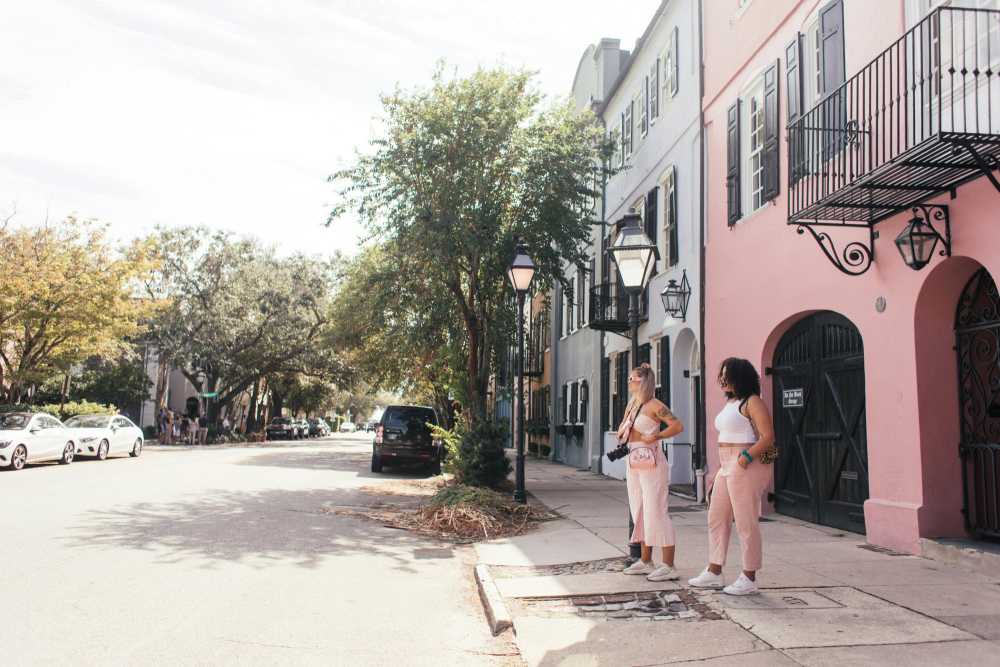
A Food Lover's Hit List: The Top 8 US Cities for a Solo Culinary Trip
1. New Orleans, Louisiana
New Orleans isn't a city that simply has good food; it is a city where food is the culture. It's the vibrant, soulful expression of its unique Creole and Cajun heritage, a story told through flavor that you simply cannot find anywhere else on earth. To visit New Orleans is to participate in a city-wide, centuries-old celebration of eating.
Why Your Taste Buds Will Thank You
A Roster of Icons: This is the hallowed ground of Gumbo, Jambalaya, Étouffée, Po' boys, and Beignets. These aren't just dishes; they are cultural institutions you must experience at their source.
A Spectrum of Dining: From historic, white-tablecloth Creole establishments to raucous neighborhood seafood boils, the city offers a dining experience for every mood and budget.
Birthplace of the Cocktail: The city's bar scene is as serious and storied as its restaurant scene, giving us legendary cocktails like the Sazerac and the Vieux Carré.
The Solo Traveler Advantage
The energy of New Orleans is communal and infectious, making it surprisingly easy to navigate as an individual. The city’s dining infrastructure is built for solo exploration. Countless classic restaurants feature long, inviting bars where ordering a three-course meal is as common as ordering a drink. Casual po' boy shops and oyster bars are designed for quick, delicious, and solo-friendly meals. The constant hum of music and street life means you're never truly alone; you're part of the city's living, breathing festival. Joining a walking food tour of the French Quarter is one of the best ways to get your bearings, sample the classics, and connect with fellow travelers.
The Solo Foodie Scorecard
Your "Must-Eat" List
Charbroiled Oysters: Find a classic oyster bar with a seat at the counter and watch the magic happen.
A Fried Shrimp Po' boy "Dressed": Grab one from a casual, no-frills neighborhood joint for an authentic taste.
Gumbo: Sample it everywhere, from an upscale Creole restaurant to a laid-back Cajun cafe, to appreciate its rich diversity.
Insider Solo Tip: Many of the most famous restaurants, like Commander's Palace, offer fantastic weekday lunch specials that provide a taste of their legendary cuisine for a fraction of the dinner price.
2. New York City, New York

New York isn't just a city; it's a global culinary encyclopedia. It's a place where you can eat your way across continents without ever leaving a single borough. The city's food scene is a direct reflection of its identity: a dynamic, endlessly diverse melting pot of cultures, flavors, and experiences.
Why Your Taste Buds Will Thank You
Unmatched Diversity: From Michelin-starred tasting menus in Manhattan to authentic soup dumplings in Queens, NYC offers a world of culinary options.
An Iconic Menu: It’s the definitive home of the classic pizza slice, the overstuffed deli sandwich, and the perfect bagel with lox.
The Trendsetter: NYC is a culinary incubator where new food trends are born, making it a thrilling destination for anyone who wants to taste the future.
The Solo Traveler Advantage
Let’s state this plainly: New York City isn't just one of the best solo destinations for foodies; it's arguably the template. Why? Because dining alone here isn't an exception or a novelty—it’s a fundamental part of the city’s rhythm. The infrastructure is built for one. The sheer number of diners, ramen shops with counter seating, gourmet food halls (like Chelsea Market and Dekalb Market), and slice shops makes solo dining effortless. You will never feel out of place grabbing a seat at a bar for dinner or a stool at a coffee counter. The world-class public transportation system means you can affordably explore the culinary landscapes of all five boroughs with just the swipe of a MetroCard.
The Solo Foodie Scorecard
Your "Must-Eat" List
A Classic Slice: Grab a foldable, perfect slice from a legendary, no-frills joint like Joe's Pizza.
A Pastrami on Rye: Experience a true New York deli sandwich from an institution like Katz's Delicatessen.
Soup Dumplings (Xiao Long Bao): Head to a specialty spot in Chinatown or Flushing for these delicate, broth-filled wonders.
Insider Solo Tip: To experience some of the city's best food without the hassle of reservations, focus on the incredible food halls where you can sample from multiple high-end vendors in a casual, communal setting.
3. Portland, Oregon

Portland's food scene is a delicious reflection of its independent, creative, and slightly quirky spirit. It's a city that champions the local, the artisanal, and the unconventional, from its world-class coffee roasters to its pioneering food truck culture. This is a place for the foodie who values craft and community.
Why Your Taste Buds Will Thank You
Food Cart Culture: Portland is the undisputed king of food trucks (called "food carts" here). Clusters of these carts, known as "pods," offer a staggering variety of high-quality, affordable global cuisine.
Farm-to-Table Ethos: The city is surrounded by the fertile Willamette Valley, giving chefs direct access to incredible local produce, which is a cornerstone of the dining scene.
Coffee and Doughnuts: Portland takes its coffee and doughnuts very seriously, with legendary spots like Voodoo Doughnut and the more artisanal Blue Star, plus a world-class coffee scene.
The Solo Traveler Advantage
Portland is a paradise for the solo diner, primarily because of its food cart culture. The pods are designed for individual ordering and casual outdoor seating, completely removing the formality of a traditional restaurant. You can create your own progressive meal, grabbing an appetizer from one cart, a main from another, and dessert from a third. It's a low-pressure, high-reward dining experience that feels custom-made for one. The city is also incredibly walkable and bike-friendly, with excellent public transit, making it easy to explore.
The Solo Foodie Scorecard
Your "Must-Eat" List
Anything from a Food Cart: Explore a large pod and pick whatever tempts you most.
An Artisanal Doughnut: Try a unique flavor from a spot like Blue Star Donuts to taste Portland's creative side.
A Specialty Coffee: Visit one of the city's renowned roasters, like Stumptown Coffee, for a perfectly crafted pour-over.
Insider Solo Tip: Build your own food tour by using the city's bike-share program, Biketown, to pedal between different food cart pods in various neighborhoods.
4. San Francisco, California

San Francisco is a culinary heavyweight with a rich history, from Gold Rush-era sourdough starters to the birth of the modern farm-to-table movement. Its food scene is a vibrant tapestry of historic neighborhoods, fresh California ingredients, and a deep connection to the Pacific.
Why Your Taste Buds Will Thank You
Neighborhood Specialties: This is a city of distinct culinary zones: authentic Italian in North Beach, incredible dim sum in the country's oldest Chinatown, and world-class Mexican food in the Mission District.
Ingredient Mecca: Situated between the Pacific Ocean and California's agricultural heartland, chefs here have access to some of the best seafood, produce, and wine in the world.
The Ferry Building Marketplace: This iconic food hall is a one-stop shop for the best of Northern California's artisanal products, from local cheeses to fresh oysters.
The Solo Traveler Advantage
San Francisco's neighborhood-centric nature makes it a fantastic city for solo exploration on foot. A solo traveler can easily spend a day walking from the taquerias of the Mission to the cafes of North Beach, tasting the city's history along the way. The Ferry Building Marketplace is a must-visit, offering a bustling, low-pressure environment perfect for grabbing a gourmet lunch, sampling local products, and enjoying stunning views of the bay.
The Solo Foodie Scorecard
Your "Must-Eat" List
A Mission Burrito: Get an authentic, foil-wrapped masterpiece from a beloved taqueria in the Mission District.
Dim Sum in Chinatown: Wander the streets of the nation's oldest Chinatown and find a bustling spot for a dim sum brunch.
Sourdough Bread Bowl with Clam Chowder: A quintessential San Francisco experience, best enjoyed with a view of the water.
Insider Solo Tip: For an amazing and affordable solo lunch, head to a market in Chinatown, grab some roast duck or pork to go, and enjoy it at a park with a view.
5. Chicago, Illinois

Chicago is a city of bold flavors and hearty appetites. While famous for its deep-dish pizza, its culinary scene is also incredibly sophisticated, boasting a high concentration of Michelin-starred restaurants. It's a city that perfects both high-end and low-brow cuisine with equal passion.
Why Your Taste Buds Will Thank You
A Trio of Icons: Chicago is the undisputed home of deep-dish pizza, the Chicago-style hot dog (dragged through the garden), and the Italian beef sandwich.
Fine Dining Powerhouse: The city is a destination for serious gourmands, with a thriving fine-dining scene that consistently earns international acclaim.
Diverse Culinary Neighborhoods: From the foodie hub of the West Loop to the Mexican flavors of Pilsen, Chicago's neighborhoods offer a world of exploration.
The Solo Traveler Advantage
Chicago's Midwestern friendliness extends to its dining scene. The city is full of classic taverns and restaurants with welcoming bars where a solo diner can comfortably enjoy a full meal. The rise of food halls, like Time Out Market in the West Loop, has added even more excellent solo-friendly options. The city's grid system and strong 'L' train network make it straightforward to navigate and explore different culinary neighborhoods on your own.
The Solo Foodie Scorecard
Your "Must-Eat" List
Deep-Dish Pizza: You have to try it. Find a classic pizzeria and settle in for a gloriously cheesy experience.
A Chicago-Style Hot Dog: Get one from a classic hot dog stand with all seven traditional toppings.
An Italian Beef Sandwich: Order it "dipped" for the full, messy, and delicious experience.
Insider Solo Tip: To tackle a deep-dish pizza without taking up a large table, aim for a weekday lunch special or find a classic pizzeria with bar seating where you can often order by the slice.
6. San Diego, California

San Diego offers a sun-drenched culinary scene defined by its proximity to the ocean and the border. The vibe is casual and fresh, with a focus on high-quality local ingredients and a vibrant fusion of American and Mexican flavors that created the city's signature dish: the fish taco.
Why Your Taste Buds Will Thank You
Cali-Baja Cuisine: San Diego is the birthplace of this exciting culinary movement, blending the fresh, local ingredients of California with the bold flavors and techniques of Baja California, Mexico.
The Fish Taco Capital: The city is the undisputed fish taco capital, offering everything from simple fried fish stands to gourmet grilled mahi-mahi versions.
A Premier Craft Beer Scene: San Diego is one of America's best craft beer cities, with dozens of innovative breweries perfect for a solo afternoon of tasting.
The Solo Traveler Advantage
The casual, outdoor-oriented culture of San Diego makes it an incredibly welcoming place for a solo traveler. The dining scene is dominated by taco shops, breweries with food trucks, and open-air cafes where dining alone is completely normal. You can grab a few fish tacos from a casual stand in La Jolla and eat them on the beach, or settle in at a brewery tasting room and chat with the locals.
The Solo Foodie Scorecard
Your "Must-Eat" List
Fish Tacos: Eat them from a casual, open-air stand in a beach neighborhood like Pacific Beach.
Carne Asada Fries: A decadent and delicious local specialty you'll find at taco shops across the city.
A Local Craft Beer: Visit a brewery in the North Park neighborhood, the heart of the city's craft beer scene.
Insider Solo Tip: Many of San Diego's best taco shops are cash-only, so be sure to have some on hand to avoid missing out on the most authentic spots.
7. Charleston, South Carolina

Charleston is a city where history and culinary innovation gracefully intertwine. It’s a jewel box of a city, with a sophisticated food scene that honors its Lowcountry roots while constantly pushing the boundaries of Southern cuisine.
Why Your Taste Buds Will Thank You
The Heart of Lowcountry Cuisine: Charleston is the epicenter of Lowcountry cooking, featuring regional staples like shrimp and grits, she-crab soup, and fresh oysters.
James Beard Acclaim: The city has an incredibly high concentration of James Beard Award-winning chefs and restaurants, making it a destination for high-end dining.
Historic Ambiance: Dining in Charleston often means eating in beautifully preserved historic buildings, adding a unique sense of place to every meal.
The Solo Traveler Advantage
The solo traveler's skeleton key to Charleston's exclusive dining scene? The bar seat. At celebrated spots like Husk or FIG, where reservations are booked months out, the bar is often held for walk-ins. Arrive 15 minutes before they open for dinner, be the first in line, and you can often snag a front-row seat to a world-class meal without a reservation. The city's compact, historic downtown is exceptionally walkable and safe, making it a joy to explore on foot.
The Solo Foodie Scorecard
Your "Must-Eat" List
Shrimp and Grits: Try a classic version at a respected Lowcountry restaurant.
She-Crab Soup: A rich, creamy Charleston specialty you won't find anywhere else.
Fresh Oysters: Enjoy them raw on the half shell from the nearby waters.
Insider Solo Tip: Beyond the bar trick, look for the city's many "hidden gem" casual lunch counters tucked away on side streets, which serve incredible Lowcountry food without the pomp or price.
8. Austin, Texas

Austin runs on a fuel of barbecue smoke, breakfast tacos, and live music. It's a city with a rebellious, fun-loving spirit, and its food scene is just as bold and creative. It's a place where tradition (Texas barbecue) and innovation (gourmet food trucks) exist side-by-side.
Why Your Taste Buds Will Thank You
A Barbecue Pilgrimage: Austin is a global destination for barbecue lovers, home to legendary smokehouses where people wait in line for hours for perfectly smoked brisket.
The Breakfast Taco: The breakfast taco is a local obsession and the city's quintessential morning meal.
Innovative Food Trucks: Like Portland, Austin has a thriving food truck scene, offering everything from gourmet donuts to fusion tacos in parks across the city.
The Solo Traveler Advantage
Austin’s casual, social culture makes it one of the best US cities for solo food travel. The barbecue experience, where waiting in line is a communal ritual, is inherently social and a great way to meet people. The food truck parks are designed for casual, individual dining, and grabbing a breakfast taco from a walk-up window is a perfect solo start to the day. The live music scene provides endless evening entertainment that's easy to enjoy alone.
The Solo Foodie Scorecard
Your "Must-Eat" List
Brisket from a Legendary Smokehouse: It's worth the wait. Go early and make an experience out of it.
Breakfast Tacos: Try a few different kinds from a beloved local taco stand.
Queso: Sample this molten cheese dip, a Tex-Mex staple, at a lively restaurant with a patio.
Insider Solo Tip: To skip the legendary lines at places like Franklin Barbecue, consider their pre-order service for pickup or aim for a weekday visit right when they open.
Your Field Guide to Dining Solo—And Loving It

Having a list of destinations is the first step—now it's time to master the craft. Because knowing where to go is only half the battle; knowing how to approach it with confidence is what turns a good trip into an unforgettable one.
Four Ways to Conquer the Table for One
Embrace the Bar: The bar is the best seat in the house for a solo diner. It's socially designated for individuals, eliminates the "empty chair" feeling, and often provides a chance to chat with the bartender or other patrons.
Come with a Prop: A book, a journal, or a city map can be a great prop. It gives you something to engage with during lulls and signals that you're a traveler contentedly soaking in the experience.
Start Casual: Your first few solo meals don't need to be at a fancy restaurant. Start with more casual environments. Cafés, bustling food halls, and counter-service restaurants are excellent, low-pressure venues.
Dine Early: Dining during off-peak hours (e.g., an early dinner at 5:30 PM) can feel less intimidating than walking into a packed restaurant at the height of the dinner rush.
Pro-Tip: Download the Resy or OpenTable app and look for restaurants that have a "Bar Seating" option when you book. This guarantees you a designated solo spot and takes the guesswork out of your arrival.
Think Beyond the Restaurant: How to Find Your Food Tribe
Take a Food Tour: These are the ultimate solo traveler hack. They offer a curated tasting menu of a city's best bites, eliminate decision fatigue, and provide an instant group of like-minded dining companions for an afternoon.
Sign Up for a Cooking Class: This is a hands-on, immersive way to learn about local ingredients and culinary techniques. The small-group setting naturally fosters conversation and connection over a shared task.
Explore a Farmers' Market: Places like San Francisco's Ferry Building are vibrant, low-pressure environments perfect for observing local life, sampling artisanal products, and assembling a gourmet picnic to enjoy in a nearby park.
The Table is Set for Your Solo Adventure
The best solo destinations for foodies offer a perfect marriage of exceptional cuisine and a welcoming, accessible environment for the individual traveler. From the Creole kitchens of New Orleans to the food trucks of Austin, these cities prove that you don't need a companion to have a rich and delicious travel experience. Armed with this knowledge, you can confidently navigate the country's best food scenes. The world is your oyster (or taco, or slice of pizza). Go taste it.
Your Questions, Answered: The Solo Foodie FAQ
What is the best US city for a first-time solo foodie trip?
New York City is often the top choice for first-timers. The sheer variety of food, the prevalence of solo-friendly dining spots like food halls and diners, and the fact that eating alone is completely normal make it a very comfortable and exciting experience.
How can I find good restaurants for dining alone?
Look for places with bar or counter seating, as this is a natural spot for solo diners. Food halls and markets are also fantastic options for variety and a casual atmosphere. Reading online reviews and searching for terms like "counter seating" or "good for solo dining" can also help you find the perfect spot.
Are food tours a good idea for solo travelers?
Absolutely! Food tours are one of the best ways to experience a city's culinary scene when traveling alone. They provide a structured itinerary, allow you to sample many different things without ordering full meals, and offer a great opportunity to meet other travelers in a relaxed, social setting.
Is it safe to explore food scenes alone at night?
Safety varies by city and neighborhood, so it is crucial to research your specific destination. Always stick to well-lit, busy areas, be aware of your surroundings, and let someone know your plans. Using a taxi or rideshare service for late-night travel back to your accommodation is a wise precaution.
Don't Miss Out! Subscribe for Exclusive Content
SubscribeComments 0
No comments yet
Be the first to share your experience!
Dont Miss Out! Subscribe for Exclusive Content

Chicago Beer Fests: Top 6 Tastings

A Woman's Guide to Safe Travel: 10 Critical Tips

7 Hotel Safety & Security Tips for Peace of Mind

9 Beach Safety Tips That Could Save Your Life

How to Stay Safe While Hiking: A Hiker's Safety Guide

11 Essential Solo Travel Safety Tips You Need to Know
Top 9 Adventure Travel Blogs to Follow Now
TrekGuider @trekguider
Let's be honest: the term "adventure travel" has been stretched to its breaking point. A search for genuine thrill-seeking inspiration often leads to a deluge of content about city walking tours and all-inclusive resorts. For someone planning a high-altitude trek or a remote jungle expedition, this isn't just frustrating—it's a waste of valuable time. Worse, relying on generic, unqualified advice for high-stakes travel can be impractical and even dangerous.
You need insights from people who have field-tested their gear in a downpour, navigated a remote border crossing, and know the difference between a challenging hike and a technical climb. That’s why we’ve gone deep, applying a rigorous, data-driven framework to identify the absolute best adventure travel blogs on the internet. This isn't just another list. We’ve categorized the top creators by their specific expertise—hiking, water sports, and extreme expeditions—so you can connect directly with the authorities who share your passion. For a complete map of every travel niche, start with our definitive pillar guide, [The Best Travel Blogs to Follow in 2026].

Defining the "Adventure" in Adventure Travel Blogs
Before diving in, it’s crucial to understand a key industry distinction. The adventure travel sector is broadly split into two categories: "soft" and "hard" adventure. Knowing where a blog focuses its content is the first step to finding the right inspiration for your personal comfort level and skillset.
Soft Adventure: This category is all about accessible excitement. Characterized by low-to-moderate perceived risk, these activities don't require specialized training. Think guided wildlife safaris, kayaking on calm waters, or hiking on well-marked trails. The soft adventure market is experiencing significant growth, driven by families and active "baby boomers" seeking engaging yet safe experiences, making it a major focus for many top-tier blogs.
Hard Adventure: This is where the stakes get higher. Defined by a high level of real or perceived risk, these pursuits demand significant physical fitness, technical skill, and specialized gear. We're talking high-altitude mountaineering, whitewater kayaking in advanced rapids, and caving in remote environments. The creators behind these blogs are seasoned experts providing indispensable advice for high-consequence journeys.
Our list features the best of both worlds, ensuring a perfect match for every type of thrill-seeker.
The Best Adventure Travel Blogs for Hiking & Trekking
These creators are masters of the trail, providing invaluable advice for everything from day hikes in national parks to epic, multi-week treks in the world's most remote mountain ranges.
1. Nomadasaurus
Alesha and Jarryd of Nomadasaurus are the real deal. They’ve built an ironclad reputation for their incredible overland journeys and meticulously detailed trekking guides. They seamlessly blend inspirational storytelling with the practical, nitty-gritty details you need to plan your own expedition, proving that a life of adventure can be a sustainable lifestyle.
Why They Made the List: They specialize in comprehensive, step-by-step guides for world-class, multi-day hikes.
Must-Read Post: ""
2. Expert Vagabond
Matthew Karsten has been a leading voice in adventure travel for over a decade, and for good reason. His blog is a treasure trove of stunning photography, riveting stories, and practical tips from his expeditions around the globe. He focuses on challenging, often-remote treks that push the boundaries of independent travel.
Why They Made the List: Unmatched experience in remote, hard-adventure trekking with a focus on skill-building.
Must-Read Post: ""
3. Earth Trekkers
While they often appear on lists of top family travel blogs, the core of Earth Trekkers' content is pure adventure. Julie, Tim, and their two kids have documented their journeys through dozens of countries, with a heavy emphasis on hiking and maximizing time in national parks. They are living proof that having a family can amplify a life of adventure, not end it.
Why They Made the List: They offer meticulously detailed itineraries for challenging hikes that are still accessible for active families and couples.
Must-Read Post: " "
Your Next Great American Adventure Awaits
Planning an epic road trip to explore the stunning trails of America's national parks? Don't leave home without our essential checklist. This free, downloadable guide is packed with expert tips on everything from gear and vehicle prep to can't-miss hikes.
Download your free [National Park Road Trip Checklist] now!

Top Adventure Travel Blogs for Water Sports & Expeditions
From the crushing pressure of the deep sea to the wild spray of a whitewater river, these bloggers are experts in water-based adventure. They cover everything from scuba diving and kayaking to epic coastal explorations.
4. The Planet D
Dave and Deb of The Planet D live by the motto "Adventure is for Everyone." After participating in the world’s longest and hardest cycling race, they dedicated their lives to pushing the limits. Their content covers a massive range of activities, but they truly shine when it comes to expedition travel, especially in cold climates and on the water.
Why They Made the List: They are pioneers in expedition travel and excel at documenting epic, guided adventures like kayaking in Antarctica.
Must-Read Post: " "
5. Atlas & Boots
"Adventure with a dash of class" is the perfect tagline for this blog, run by professional writers Kia and Peter. Atlas & Boots is the go-to resource for travelers who want to explore the world's most remote environments without sacrificing smart planning. They cover everything from diving in treacherous waters to climbing the world's highest peaks.
Why They Made the List: Their content is exceptionally well-researched, often exploring the science and history behind the world's most extreme destinations.
Must-Read Post: ""
6. Shalee Wanders
Shalee is an adventure travel blogger with a passion for wildlife and conservation. Her blog documents incredible journeys with a special focus on African safaris and marine expeditions. She provides readers with a roadmap for planning their own ethical and unforgettable wildlife encounters, both on land and in the water.
Why They Made the List: She is a leading voice in combining adventure with ethical wildlife tourism, especially for safari and marine environments.
Must-Read Post: ""
Pro-Tip: When vetting an adventure blog for a high-risk activity, look for content that details failures and lessons learned, not just success stories. True expertise, as research on brand authenticity shows, is demonstrated in how a creator handles mistakes and mitigates risk.
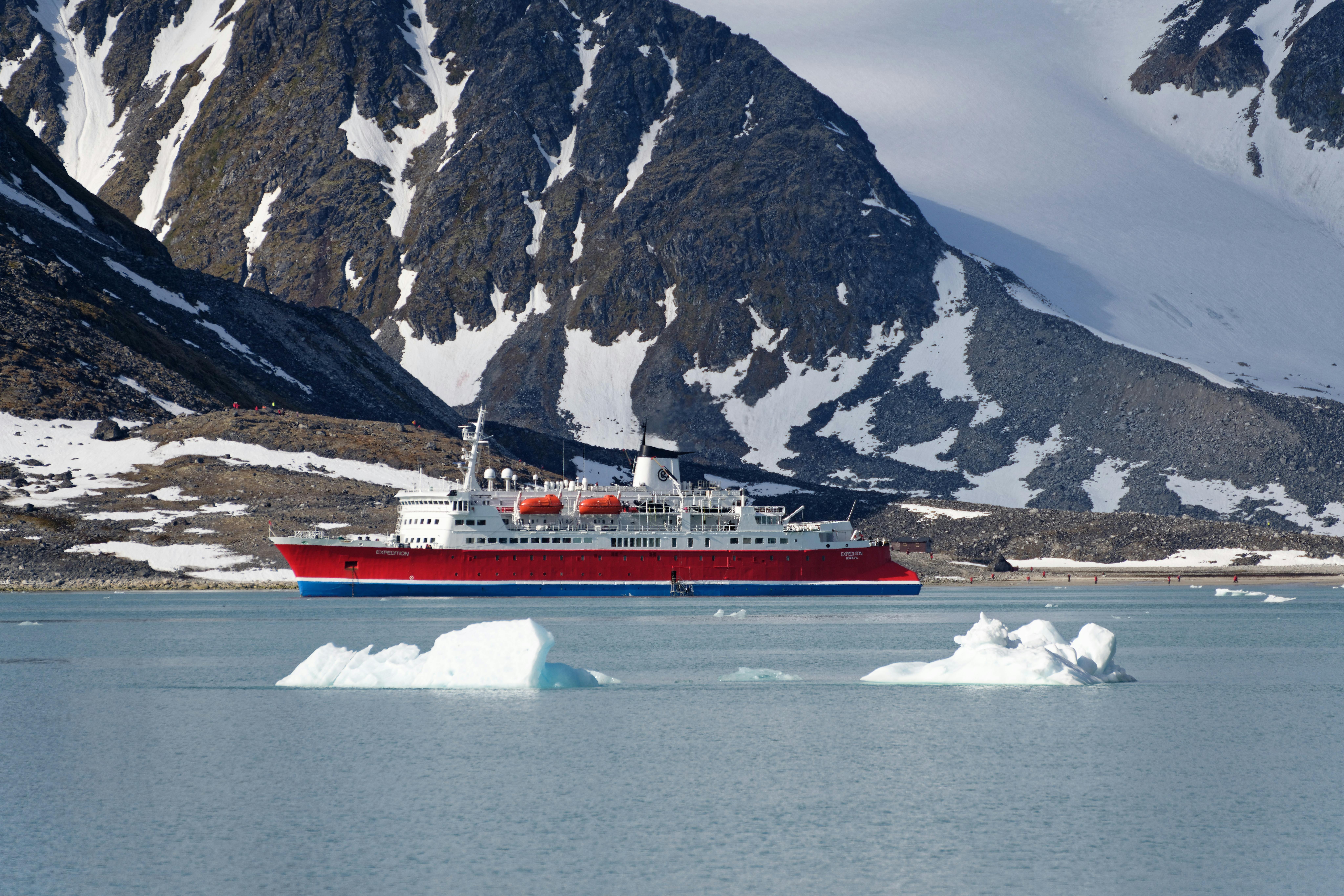
Leading Adventure Travel Blogs for High-Altitude & Extreme Expeditions
This final category is for the true adrenaline junkies. These adventure travel blogs are run by creators who are experts in mountaineering, rock climbing, and other high-stakes pursuits that require immense skill, training, and courage.
7. Andrew Skurka
Recognized by National Geographic as "Adventurer of the Year," Andrew Skurka is in a league of his own. His blog is less a travelogue and more a technical library for serious backpackers and alpinists. He shares unparalleled expertise on gear, technique, and planning. If you are preparing for a truly demanding, self-supported trek, his site is a non-negotiable resource.
Why They Made the List: He is one of the most respected authorities on the planet for hard-adventure hiking and mountaineering.
Must-Read Content: His extensive library of technical and "how-to" guides.
8. The Broke Backpacker
Will Hatton is on a mission to prove that adventure is accessible to everyone, regardless of budget. While the blog covers budget travel, its soul is rooted in raw, off-the-beaten-path adventure. Will and his team travel to destinations few others dare to, from the mountains of Pakistan to the jungles of South America. If you want to know how to really get off the grid, this is your manual.
Why They Made the List: This blog is the undisputed champion of finding epic, hard adventures on a shoestring budget.
Must-Read Post: " "
9. GRRRLTRAVELER
Christine Kaaloa is a solo female traveler who tackles destinations and activities that many would find intimidating. She combines her adventures with intensely practical advice on safety, navigation, and street smarts. She empowers her readers—especially women—to confidently take on challenging solo adventures. That level of self-reliance is invaluable whether you're trekking in remote regions or navigating the diverse landscapes of the Yucatan, a journey we map out in our complete [Mexico Travel Guide].
Why They Made the List: She is the leading expert on safe and practical solo adventure travel in challenging destinations.
Must-Read Post: " "
Pro-Tip: Pay close attention to the gear lists on these adventure travel blogs. The best creators don't just list what they use; they explain why they chose a specific item over its competitors. It is precisely this kind of deep expertise that creators leverage on platforms like TrekGuider to create and sell their own premium guides and itineraries.

Frequently Asked Questions About Adventure Travel Blogs
How do adventure travel blogs make money?
Top-tier blogs diversify their income. While some use display advertising, the most profitable methods, according to creator economy reports, are affiliate marketing (earning a commission for recommending gear or tours) and selling their own digital products. This can include anything from detailed itineraries and e-books to photography presets and online courses.
What's the difference between an adventure blogger and an Instagram influencer?
While there can be overlap, the key difference is depth. The blogs on this list are authoritative resources that provide detailed, practical advice that solves specific problems. Their business is built on expertise and trust, not just beautiful photos. An influencer's primary focus is often on aspirational content for a social media platform, while a professional blogger builds a long-term media asset.
Is it safe to follow advice from blogs for high-risk activities?
These expert-led blogs are excellent starting points for planning. However, for any activity with inherent risk, you must treat them as one of many resources. Always cross-reference their advice with official sources like government travel advisories, local guide services, and park authorities. Never attempt a high-risk activity without the proper training, gear, and understanding of current conditions.
Your Adventure Starts Here
The world is full of incredible challenges waiting for you, and the right guidance can mean the difference between a dream trip and a disaster. By focusing on the specific niche that ignites your passion—whether it's a peaceful mountain trail, a vibrant coral reef, or a towering summit—you can learn from a creator who has already forged the path. The nine adventure travel blogs listed here are more than just sources of inspiration; they are invaluable resources run by true experts in their fields. Use their hard-won knowledge to plan your next journey, push your limits, and embark on an adventure you’ll never forget.
Meta Data Suggestions:
SEO Meta Title (59 characters): Top 9 Adventure Travel Blogs to Follow for Real Expertise
URL Slug: /best-adventure-travel-blogs
SEO Meta Description (154 characters): Find your next thrill. We curated and categorized the 9 best adventure travel blogs for hiking, water sports, and extreme expeditions. Real expert advice.
Don't Miss Out! Subscribe for Exclusive Content
SubscribeComments 0
No comments yet
Be the first to share your experience!
Dont Miss Out! Subscribe for Exclusive Content
FTC Affiliate Disclosure Essentials: Stay Compliant as a Travel Creator
Essential Affiliate Tools: From Tracking to Full Optimization
Avoid These 5 Affiliate Landing Page Mistakes for Better Conversions
Affiliate Keyword Research Mastery for Travel Blogs
Booking.com Affiliate Program Review: Pros, Cons, and Earnings Potential
