
7 Hotel Safety & Security Tips for Peace of Mind

TrekGuider @trekguider
You’ve finally made it. After a long day of navigating airports, taxis, and unfamiliar streets, you slide the key card into your hotel room door and a wave of relief washes over you. This is your sanctuary, your home base for the adventures ahead. But as you drop your bags, another feeling can creep in, spoiling the moment. Let’s be honest: that sterile, anonymous hotel room doesn't feel as secure as your own home. It’s a vulnerability that can cast a shadow over an entire trip, a persistent whisper of "what if" that prevents you from ever truly relaxing.

The good news is that safety isn't a matter of luck; it's a repeatable skill. This guide is your new ritual, a systematic playbook for transforming any hotel room into a personal fortress. We’ve synthesized advice from former hotel security personnel and fire safety experts to bring you seven essential hotel safety tips. This isn’t about paranoia; it's about empowerment. By making these simple checks a habit, you can ensure your peace of mind is the most valuable thing you pack. These strategies are a critical part of the accommodation-specific awareness we cover in our comprehensive guide to The Ultimate Guide to Travel Safety: A 2026 Playbook.
The 60-Second Security Sweep: Your First Check-In Ritual
Your first minute inside a new hotel room is the most important. This is your window to verify, secure, and orient yourself before you get distracted by unpacking or collapsing on the bed. By turning the following steps into an unbreakable habit, you proactively eliminate the most common security and safety risks. Think of it as a professional-grade inspection that takes less time than it does to check your email.
Tip 1: Secure the Door and Verify the Room is Empty
Before you do anything else, take control of your entry point. A common mistake is to walk in, close the door, and immediately turn your back to it while dealing with luggage. This makes you vulnerable. Instead, follow this security-conscious procedure.
Prop the Door: As you enter, use your luggage to prop the door open so it can't be closed behind you.
Conduct a Visual Clear: From the doorway, quickly scan the room to ensure it is empty. This includes a glance behind the curtains, in the closet, under the bed, and inside the shower.
Close and Lock: Once you've confirmed the room is unoccupied, remove your luggage from the entryway, close the door, and immediately test every single locking mechanism. This includes the primary deadbolt and any secondary security devices like a security chain or a flip latch. Ensure they are all functional and engage smoothly. Don't assume they work; physically test them.
Tip 2: Check Your Communication and Safety Gear
Now that the room is secure, your next step is to verify your lifelines. You need to know that the room’s built-in safety equipment is present and functional.
Test the Phone: Pick up the in-room phone and confirm there’s a dial tone or call the front desk for a quick "hello." This ensures you have a reliable way to call for help if your cell phone has no service or the battery dies.
Locate Safety Devices: Visually identify the smoke detector and fire alarm sprinkler heads. It’s also wise to check for a carbon monoxide detector, especially in hotels with in-room fireplaces or those attached to large parking garages. If one isn't present and you have concerns, report it to the front desk.
Tip 3: Create a Mental Fire Escape Map
This is one of the most critical hotel safety tips, yet it's the one most often ignored. In the event of a fire, heavy smoke can reduce visibility to absolute zero. The evacuation map on the back of your door is not decoration; it's your key to survival.
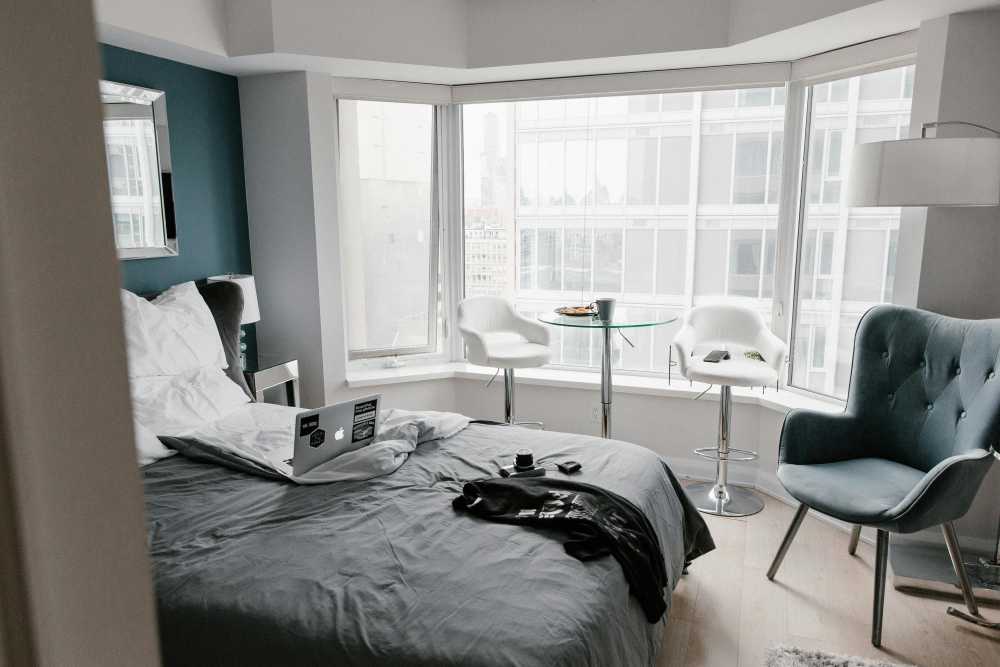
According to fire safety experts, you must identify three key things:
Your Primary and Secondary Exits: The map will show the nearest emergency exit stairwell. Crucially, you must also identify an alternative, secondary exit in case your primary route is blocked by fire or smoke. Remember, elevators must never be used in a fire.
The Door Count: This is the most important part. Physically walk out into the hallway and count the number of doors between your room and the nearest emergency exit. Memorize this number. In a dark, smoke-filled hallway, this knowledge will allow you to feel your way along the wall to safety, counting the doors as you go.
Location of Safety Equipment: As you identify your route, note the location of fire alarm pull stations and fire extinguishers in the hallway.
Tip 4: Fortify Your Privacy
Your final step in the initial sweep is to ensure your room is a truly private space.
Check Windows and Connecting Doors: Go to every window and make sure it is locked securely. If your room has a connecting door to an adjacent room, verify that it is locked from your side. A good practice is to slide a chair or your luggage in front of a connecting door as an extra physical and audible barrier.
Close the Curtains: Fully close the curtains to ensure privacy from the outside, especially in ground-floor rooms or those that face other buildings.
Scan for Oddities: While rare, hidden cameras are a modern concern. Conduct a quick visual scan for any electronics or objects that seem out of place. Pay attention to smoke detectors, alarm clocks, and USB wall outlets, looking for unusual pinholes or lenses.
Beyond the Locks: Advanced Hotel Safety Tips
Okay, the room is secure. But a locked door is just the first line of defense. Now it’s time to think like a pro and protect your belongings with the kind of savvy that separates seasoned travelers from the rest.
Tip 5: Outsmart a Thief: How to Hide Your Valuables
The in-room safe should always be your first choice for storing passports, extra cash, and small electronics. However, if a safe is unavailable, broken, or you simply don't trust it, you need a smart hiding strategy. The key is to avoid the first places a thief would look: in drawers, under the mattress, and inside your suitcase.

Security consultants recommend using non-obvious, "high-friction" hiding spots that take time and effort to find.
Taped in an Inconspicuous Location: Use a small amount of duct tape to secure an envelope containing cash or cards to a surface that is out of sight. Think creatively: the underside of a heavy desk, the back panel of a chest of drawers, or high up on a closet shelf.
Inside a Common, Uninteresting Object: Hide valuables in plain sight by placing them inside items a thief would ignore. A popular tactic is to place cash inside a bag of dirty laundry, as it's highly unlikely to be searched. You can also slip flat items like cash or cards inside the hotel room's bible or another book on a shelf.
Within the Room's Fixtures: Some parts of a hotel room offer clever nooks. For a laptop, a surprisingly effective tactic is to hide it inside a pillowcase on the bed, then pile the other pillows on top to disguise its shape.
Pro-Tip: When hiding cash or cards in an envelope, tape it flat against a surface and choose a dark color for the envelope (e.g., black or brown) to prevent it from being seen through any gaps.
Tip 6: Bring Your Own Security: Portable Safety Devices
For the ultimate peace of mind, especially when staying in older hotels, budget accommodations, or short-term rentals, consider investing in a portable security device. These lightweight gadgets are designed to provide an extra layer of defense against unauthorized entry.
Portable Door Locks: These devices brace against the door frame from the inside, making it physically impossible for the door to be opened from the outside, even with a key.
Door Stop Alarms: These are simple, wedge-shaped door stops that you place under your door from the inside. If the door is pushed open, it triggers a piercingly loud alarm, startling the intruder and alerting you and others to the breach.
The Final Layer of Protection: Personal Habits
Your physical security measures are only half the battle. The other half is cultivating smart habits and maintaining a high level of situational awareness throughout your stay.
Tip 7: Practice Smart "Hotel Habits"
Small, consistent habits can significantly reduce your risk profile.
Sanitize High-Touch Surfaces: Upon arrival, use a disinfectant wipe to clean the objects that are most frequently handled but often overlooked by cleaning staff: the TV remote, light switches, doorknobs, and the phone.
Be Discreet with Your Room Number: When checking in, if the front desk clerk announces your room number out loud, politely ask for a different room and for them to write it down for you instead. Never leave your key card sleeve, which often has the room number written on it, lying around in public areas.
Use the "Do Not Disturb" Sign: When you are in your room, hang the "Do Not Disturb" sign on the outside of your door. This is a clear signal that the room is occupied and can deter someone from trying to enter, whether by mistake or with ill intent.
Verify All Visitors: Never blindly open your door. If someone knocks claiming to be hotel staff, call the front desk to verify that they sent someone to your room before opening the door.
Pro-Tip: If you order room service or have hotel staff coming to your room, call the front desk to verify the person's identity before opening the door. It's a simple step that confirms the visitor is legitimate.
A secure hotel stay is at the heart of a well-planned trip. To ensure every other aspect of your journey is just as prepared, from packing lists to financial planning, a comprehensive resource is essential. The right Travel Guide can be the difference between a good trip and a flawless one.
Your Pre-Trip Master Plan
A secure hotel room is just one piece of your travel safety puzzle. To ensure you don't overlook a single essential item—from documents and finances to clothing and gear—a master checklist is your most powerful tool. Our comprehensive, free checklist has you covered for every stage of your trip.

Download Your Free International Travel Checklist Now!
Hotel Safety FAQs
A prepared mind anticipates questions. Here are expert answers to common concerns.
1. Is an in-room safe really the most secure option?
For the vast majority of travelers, yes. Modern electronic safes are quite secure against opportunistic theft. However, hotel management does have a master key or code for emergencies. The greatest risk often comes from user error (choosing an obvious code like 1234) or a dishonest staff member (which is rare in reputable hotels). For irreplaceable items, using a smart hiding spot in addition to the safe, or keeping them on your person, can provide an extra layer of security.
2. Are short-term rentals (like an Airbnb) more or less secure than hotels?
It varies dramatically. A professionally managed rental in a secure building can be safer than a budget motel. However, rentals lack the 24/7 staff, multiple security cameras, and controlled access points of a hotel. When booking a rental, read reviews carefully for any mention of safety concerns, check the lock quality upon arrival, and consider bringing your own portable door lock.
3. What should I do if hotel staff need to enter my room while I'm out?
If you have requested maintenance or housekeeping, you have a reasonable expectation they will enter. Secure all valuables in the safe or hide them before you leave. If you are concerned, you can request that these services only be performed while you are present in the room. Always leave the "Do Not Disturb" sign on your door when you leave if you do not want anyone entering.
Travel with True Peace of Mind
Your hotel room should be a sanctuary—a place where you can recharge after a day of exploration and sleep soundly through the night. It shouldn't be a source of anxiety. By incorporating these seven hotel safety tips into your check-in routine, you are taking active control of your environment. You are replacing uncertainty with a plan and vulnerability with empowerment. This simple, 60-second ritual does more than just secure a room; it secures your peace of mind, freeing you to focus on the real purpose of your journey: the adventure that awaits outside your door.

Meta Data Suggestions:
SEO Meta Title (Under 60 characters):
7 Essential Hotel Safety Tips for Travelers
URL Slug:
hotel-safety-security-tips
SEO Meta Description (Under 155 characters):
Sleep soundly on your next trip. Our expert-backed hotel safety tips cover room security, hiding valuables, fire safety, and more for total peace of mind.
Don't Miss Out! Subscribe for Exclusive Content
Subscribe



Comments 0
No comments yet
Be the first to share your experience!
Dont Miss Out! Subscribe for Exclusive Content

Ultimate USA Holidays Guide: Top Picks


FTC Affiliate Disclosure Essentials: Stay Compliant as a Travel Creator

Essential Affiliate Tools: From Tracking to Full Optimization

Booking.com Affiliate Program Review: Pros, Cons, and Earnings Potential

Decoding Affiliate Commission Rates: Benchmarks for Travel Creators

Amazon Associates for Travel: Strategies to Maximize Commissions
9 Family Travel Ideas for a Magical, Low-Stress Holiday
TrekGuider @trekguider
Does the thought of the holiday season fill you with equal parts excitement and dread? You dream of creating magical memories, but the reality is often a marathon of shopping, cooking, and hosting that leaves you completely exhausted. You want a special, connective experience, but the idea of planning a trip on top of it all feels like just one more impossible task.
What if you could trade that holiday chaos for genuine connection? A well-planned holiday trip isn’t another chore; it's the solution. It’s your chance to swap stressful routines for new traditions that are all your own. This guide is your blueprint for nine incredible family travel ideas for holidays across the United States that are both magical and manageable.
For a complete overview of planning your next family adventure, our Family Travel Ideas: The 2026 Guide to Unforgettable Trips is the perfect place to start. Consider this your permission slip to escape the holiday hustle and create a festive story you'll tell for years.
Why Trading Your Living Room for a New Destination is a Brilliant Idea
Choosing to travel during the holidays is about more than just a change of scenery; it's a strategic investment in your family's well-being. By stepping away from the pressures of home, you remove the endless checklist of "shoulds" and replace it with opportunities for real connection.
This simple change in scenery is a powerful tool. It allows your family to:
Forge Powerful New Traditions: Decorating the same tree is wonderful. But so is ice skating in a new city, watching a lighted boat parade for the first time, or sipping hot cocoa in a mountain town. Travel-based traditions become potent, multi-sensory memories that stand out with incredible clarity.
Outsource the Holiday Labor: Imagine a holiday where you don't have to cook a massive meal or clean for guests. A holiday trip allows you to enjoy the festive atmosphere while hotels, restaurants, and event planners do the heavy lifting.
Give the Gift of Experience: In a world cluttered with things, the gift of a shared adventure is priceless. It fosters curiosity, builds resilience, and creates a stronger family narrative that you will revisit long after the trip is over.
Timeless Winter Wonderlands
For families who dream of stepping into a real-life snow globe, these destinations are the masters of festive cheer, combining natural beauty with deeply rooted holiday traditions.

Leavenworth, Washington
Nestled in the Cascade Mountains, this Bavarian-style village undergoes a breathtaking transformation each winter. With its alpine architecture blanketed in snow and over half a million lights twinkling in the crisp mountain air, it’s about as close to a European Christmas market as you can get in the US.
Must-Do Activities: Witness the magical Village Lighting Festival on December weekends; take a horse-drawn sleigh ride through the snowy landscape; visit the Leavenworth Reindeer Farm for an up-close encounter.
Logistical Considerations: Leavenworth is a two-hour drive from Seattle. Accommodations book up months—sometimes a year—in advance for December, so early booking is non-negotiable.
Asheville, North Carolina
Asheville offers a sophisticated and enchanting holiday, anchored by the magnificent Biltmore Estate. The city itself is a hub of art, culture, and Appalachian charm, all decorated in its festive best.
Must-Do Activities: Experience Christmas at Biltmore, where America's largest home is adorned with dozens of Christmas trees. Marvel at the complex creations at The Omni Grove Park Inn's National Gingerbread House Competition.
Logistical Considerations: Purchase Biltmore tickets well in advance, as they sell out. The estate is vast, so plan for a full-day experience.
Woodstock, Vermont
Often called "the prettiest small town in America," Woodstock is the quintessential New England Christmas village. Think covered bridges, a town green dusted with snow, and historic homes adorned with classic wreaths.
Must-Do Activities: Don't miss the Wassail Weekend in mid-December, a festival complete with a horse-drawn parade and caroling. Visit the Billings Farm & Museum for a taste of a 19th-century Christmas.
Logistical Considerations: This small town gets very busy. Book accommodations early and be prepared for a cozy, low-key celebration focused on charm rather than spectacle. For more tips on planning a drive-to vacation, check out The Sanity-Saving System for Your Next Family Road Trip.
New York City, New York
Nowhere does holiday spectacle quite like the Big Apple. The energy is electric, and the city transforms into a glittering fantasy land of festive cheer. It's an iconic, can't-miss experience.
Must-Do Activities: Gaze at the Rockefeller Center Christmas Tree; stroll down Fifth Avenue to admire the elaborate window displays; explore the Bryant Park Winter Village; see the Rockettes in the Christmas Spectacular.
Logistical Considerations: Manage expectations with kids; the crowds can be overwhelming. Use the subway. Book hotels and show tickets as far in advance as possible.
Sun & Celebration: Festive Family Travel Ideas for Holidays in Warmer Climates
If your family’s idea of a white Christmas involves white sand beaches, these destinations trade winter coats for sunglasses without sacrificing an ounce of holiday spirit.
St. Augustine, Florida
America’s oldest city becomes one of its most dazzling during the holidays. The annual Nights of Lights festival is a world-class spectacle where the city's historic buildings are illuminated by more than three million tiny white lights.
Must-Do Activities: Take an Old Town Trolley's Famous Nights of Lights Tour; climb the St. Augustine Lighthouse for a breathtaking panoramic view; enjoy a lighted boat parade in Matanzas Bay.
Logistical Considerations: The lights are on from mid-November through January. Weekends are extremely busy; consider a weekday trip for a more relaxed experience.
San Antonio, Texas
The San Antonio River Walk becomes an absolute wonderland during the holidays. Millions of lights are draped from the cypress trees, reflecting in the water below for a truly enchanting effect.
Must-Do Activities: Take a narrated river cruise to experience the lights from the water; listen to the Ford Holiday Boat Caroling; explore the historic missions, which also host festive events.
Logistical Considerations: The lights are typically turned on the day after Thanksgiving. Book a hotel directly on the River Walk for the most immersive experience.
Key West, Florida
For a truly unique and quirky holiday, Key West delivers. Here, Santa hats are paired with flip-flops, and the festive spirit has a distinctly tropical, laid-back vibe.
Must-Do Activities: See the Key West Lighted Boat Parade; take a photo with the "Southernmost Point Buoy" decorated for the holidays; tour the historic inns on the annual Holiday Historic Inn Tour.
Logistical Considerations: December is peak season. Book everything far in advance. The atmosphere is festive but definitely not traditional—perfect for families seeking something different.
Culture & Quirky Charm
For families who want to go beyond the usual tinsel and trees, these destinations offer rich cultural traditions and one-of-a-kind holiday experiences.

Santa Fe, New Mexico
Experience a holiday season steeped in the unique cultural traditions of the Southwest. Santa Fe glows with a different kind of light: the soft, warm radiance of thousands of farolitos (paper bags filled with sand and a candle).
Must-Do Activities: The Canyon Road Farolito Walk on Christmas Eve is an unforgettable experience. Experience a Native American Pueblo feast day. Ski at nearby Ski Santa Fe.
Logistical Considerations: Santa Fe is at 7,200 feet elevation. Drink plenty of water to acclimate. The Farolito Walk draws huge crowds, so be prepared to walk and dress warmly.
Colonial Williamsburg, Virginia
Step back in time and experience the holidays as they were celebrated in 18th-century America. The traditions are authentic, rooted in history, and offer a peaceful alternative to modern holiday commercialism.
Must-Do Activities: Witness the Grand Illumination, a spectacular fireworks display. Take a candlelit tour of the historic buildings. Enjoy the simple, natural decorations of wreaths made from fruits and greenery.
Logistical Considerations: This is a very popular destination. Purchase tickets for specific tours and events in advance. It's an educational trip, ideal for school-aged children.
All Aboard! The Most Magical Holiday Train Rides
There is something inherently magical about trains during the holidays. These rolling adventures bring classic Christmas stories to life, captivating children and nostalgic adults alike.
The Polar Express (Various Locations)
Inspired by the beloved children's book, The Polar Express train rides are offered by dozens of heritage railroads across the country. Families, often dressed in pajamas, board for a journey to the "North Pole," complete with hot chocolate and a visit from Santa.
Popular Locations: Grand Canyon Railway (AZ), Great Smoky Mountains Railroad (NC), Durango & Silverton Narrow Gauge Railroad (CO).
Logistical Considerations: These are incredibly popular and often sell out by late summer. Book your tickets the moment they go on sale.
Make Holiday Flights Feel Like a Gift
Feeling anxious about navigating airports with kids during the busiest time of year? Our guide is packed with practical tips, checklists, and sanity-saving strategies to make the journey as joyful as the destination. Download your free Stress-Free Flying with Kids Guide and travel with confidence.
A Stress-Free Planning Checklist
The secret to a joyful holiday trip is planning ahead. The festive season is the busiest travel time of the year, and last-minute arrangements lead to stress and overspending. For an even deeper dive, see our guide on How to Make Family Travel Planning Actually Easy.

Pro-Tip: The best deals are often found by booking mid-week travel dates. Flying on a Tuesday or Wednesday can be significantly cheaper than on a Friday or Sunday, and you'll face smaller crowds.
Book the Big Three (4-6 Months Out): Your flights, accommodations, and rental car should be booked well in advance. For top-tier destinations, you may need to book even earlier.
Secure Special Event Tickets (2-3 Months Out): Don't wait to buy tickets for high-demand events like The Polar Express, Biltmore Estate tours, or Broadway shows. They will sell out.
Map Your Must-Dos (1 Month Out): Outline a loose daily schedule. Make dining reservations for any special meals, especially for Christmas Eve or Christmas Day.
Rethink Your Gifting Strategy: Hauling a sleigh's worth of presents is impractical.
Ship ahead: Send gifts to your hotel or vacation rental (confirm they accept packages).
Focus on experiences: Make the "big gift" a special tour or show tickets.
One and done: Give each child one small, easy-to-pack gift to open on holiday morning.
Pro-Tip: Talk to your kids about a travel-focused holiday beforehand. Frame the trip itself as the primary gift to manage expectations. You can create a fun "travel reveal" with a scavenger hunt or a special box containing clues about the destination.
Frequently Asked Questions
What is the best time to book holiday travel?
For the best prices and availability, you should book flights and accommodations 4-6 months in advance. For extremely popular destinations or special event tickets like The Polar Express, you may need to book even earlier, as they can sell out by late summer.
Are holiday vacations with kids actually relaxing?
They absolutely can be, but it requires a shift in mindset. A successful holiday trip trades the stress of hosting and chores for the logistics of travel. By planning ahead and focusing on experiences over a packed itinerary, you can create a trip that is genuinely restful and connective.
How can I make holiday travel more affordable?
Booking early is the single best way to save money. Traveling on off-peak days, like a Tuesday or Wednesday, can also significantly reduce flight costs. Additionally, consider destinations that are within driving distance to save on airfare.
Your New Holiday Tradition Awaits
The pressure to create a "perfect" holiday can often rob us of the joy of the season. By choosing to travel, you are consciously deciding to trade chaos for connection and stuff for stories. You are giving your family a shared narrative, building a foundation of memories far more valuable than anything that can be wrapped.
This guide has given you a starting point and the destinations to craft a new tradition. When you're ready to build out your full itinerary, our complete Travel Guide is the ultimate tool for turning your dream trip into a reality.
Don't Miss Out! Subscribe for Exclusive Content
SubscribeComments 0
No comments yet
Be the first to share your experience!
Dont Miss Out! Subscribe for Exclusive Content
Ultimate USA Holidays Guide: Top Picks
FTC Affiliate Disclosure Essentials: Stay Compliant as a Travel Creator
Essential Affiliate Tools: From Tracking to Full Optimization
Booking.com Affiliate Program Review: Pros, Cons, and Earnings Potential
Decoding Affiliate Commission Rates: Benchmarks for Travel Creators

Top 11 High-Paying Affiliate Programs for Travel Bloggers
5 Ways to Confidently Eat Alone While Traveling
TrekGuider @trekguider
You’ve done it. You’ve booked the flight, mapped out the museums, and conquered the logistics of your solo adventure. But a single, persistent scenario keeps playing out in your mind, a small moment that feels disproportionately terrifying: walking into a restaurant, meeting the host’s gaze, and uttering the three quietest, loudest words in the English language: "Table for one."
For countless aspiring and even experienced solo travelers, this is the final boss of social anxiety. It’s a fear so potent it can dictate an entire trip. A recent study confirmed that for many first-timers, the thought of dining alone is a major source of apprehension, ranking among top concerns like safety and loneliness.
This fear is a thief. It doesn’t just steal your appetite; it steals your access to the very soul of a destination—the vibrant, chaotic, delicious culture that happens around the dinner table. It convinces you that a sad takeaway eaten on the edge of your hotel bed is preferable to the perceived judgment of a room full of strangers. It whispers that your solitude is a spotlight.
But what if that spotlight was actually a stage, and a table for one was the best seat in the house?

This guide is your step-by-step plan to reframe that narrative. These aren’t just tips; they are five actionable, confidence-building strategies designed to transform the experience of eating alone while traveling from a source of dread into an empowering, delicious, and deeply memorable ritual. For a complete roadmap of your entire journey, start with our foundational pillar guide, The Ultimate Guide to Solo Female Travel (15 Essential Tips).
Strategy #1: Master the Art of the Bar Seat
The single most effective way to immediately diffuse the anxiety of solo dining is to bypass the traditional tables altogether and make a beeline for the bar or counter. This isn't a compromise; it's a strategic upgrade to your dining experience, a universally accepted and comfortable spot for any solo diner.
Sitting at a two- or four-top table by yourself can sometimes feel like you’re occupying "empty" space, drawing attention to your solo status. The bar, however, is a fundamentally different social landscape. It's a dynamic, linear space designed for individuals and pairs. Here, you are not "alone"; you are simply another patron in a row of patrons, part of the restaurant's fluid, buzzing energy.
This vantage point offers a multitude of benefits. It often provides a front-row seat to the theater of the restaurant—the craft of the bartender mixing cocktails, the rhythm of the kitchen, the flow of patrons coming and going. It’s an environment that provides endless built-in entertainment. More importantly, it creates a low-pressure opportunity for social connection if you want it. The bartender is a professional at conversation, often happy to offer menu recommendations or share local insights. You might strike up a casual chat with the person next to you, or you can remain comfortably anonymous, absorbed in the ambiance. The choice is entirely yours, and that control is empowering.
Pro-Tip: When researching restaurants, specifically look for photos of the interior that show a substantial bar or counter seating area. Places like tapas bars in Spain, ramen counters in Japan, and classic bistros in France are almost always designed with excellent bar seating, making them perfect venues for a comfortable solo meal.

Strategy #2: Arm Yourself with a Purposeful Prop
One of the biggest sources of anxiety when eating alone while traveling is the fear of just sitting there with nothing to do during the lulls of the meal, such as after you’ve ordered and are waiting for your food. This is where a "prop" becomes your most valuable tool. Having a purposeful object with you completely reframes the narrative, both for any observer and, more importantly, for yourself.
A prop signals that you are not passively waiting for a companion or feeling lonely; you are actively and contentedly engaged in your own company. It fills the silence and gives your hands and eyes a focus, instantly dissolving any feelings of awkwardness. The key is to choose your prop with intention.
A Travel Journal: This is perhaps the ultimate solo dining companion. Use the time to write about your day's adventures, document the sights and sounds around you, or sketch the street scene outside the window. It turns your meal into a productive, reflective, and creative session.
A Good Book: Getting lost in a compelling story is a timeless pleasure. A book is an unambiguous sign that you are happily occupied and content in your solitude.
A Map or Guidebook: Spreading out a map to plan the next leg of your journey is a classic traveler move. It’s practical, engaging, and makes you look like a seasoned, confident explorer engrossed in your adventure.
The Psychology Behind the Prop
It’s a psychological pattern interrupt. When you feel anxious, your brain looks for evidence to support that feeling—you scan the room for people looking at you, you interpret neutral expressions as judgmental. A prop gives you an alternative focus. You are consciously giving your brain a different task to focus on, preventing it from spiraling into self-conscious thoughts. By bringing a prop, you transform your "table for one" into your personal command center, a space for reflection, planning, or escape. You're no longer just a person eating alone; you're a writer, a reader, an adventurer deep in thought.
Strategy #3: Become a Master of Timing
The ambiance of a restaurant can change dramatically depending on the time of day. A chaotic, packed dining room at the peak of the dinner rush can feel overwhelming and intensify feelings of self-consciousness. By strategically choosing when you dine, you can curate a much more relaxed and enjoyable experience for yourself.
Dining during "off-peak" hours is a simple but incredibly effective tactic. Arriving for a late lunch around 2:30 PM or an early dinner at 6:00 PM, before the main crowds descend, offers several advantages. The restaurant will be calmer and quieter, allowing you to choose a desirable table—perhaps one tucked into a cozy corner or with a great view for people-watching. The service staff will likely be less rushed and more attentive, giving you the space to ask questions about the menu and savor your meal without feeling hurried.
This strategy is particularly effective in countries with distinct dining schedules. In Italy, for example, locals often don't eat dinner until 8:00 PM or later. Arriving at a trattoria at 7:00 PM means you'll have the place almost to yourself, allowing you to build your confidence in a low-stakes environment. This deep understanding of local rhythms is something we explore in our comprehensive Italy Guide, which is packed with the kind of insider knowledge that makes a solo trip seamless and authentic.
Before you start scouting trattorias, let's get your master plan organized.
Your Ultimate Planning Companion
A great solo dining experience starts with a great plan. Knowing which restaurants you want to try and when to go is a key part of building a confident itinerary. Our free, downloadable template is the perfect tool to help you organize every aspect of your trip, from your daily schedule to your must-try foodie destinations.
Download your free Travel Itinerary Template here!
Strategy #4: Choose Your Venue with Intention
Not all restaurants are created equal when it comes to the solo dining experience. The venue you choose plays an enormous role in your comfort level. Actively seeking out establishments with a solo-friendly ambiance and avoiding those geared toward formal or romantic occasions can make all the difference.
Your mission is to find places that are inherently lively, casual, and built for a fluid mix of patrons. Here’s what to look for:
Casual Bistros and Cafes: These are often the lifeblood of a neighborhood, with a constant, friendly buzz. Outdoor seating is a huge bonus, as it turns your table into a front-row seat for people-watching—the ultimate solo-dining pastime.
Bustling Food Halls and Markets: These are a solo traveler’s paradise. With a multitude of vendors and communal seating, the entire environment is built around individual choice and a dynamic, social-but-anonymous atmosphere. You can sample a wide variety of local dishes without the formality of a traditional restaurant.
Restaurants with Communal Tables: Many modern eateries feature large, shared tables. Choosing to sit at one of these signals an openness to interaction and creates a natural opportunity for conversation to spark with fellow diners, if you’re in the mood.
Ethnic Restaurants: Places like sushi bars, ramen shops, pho counters, or tapas bars are often culturally geared toward individual diners and counter service, making them incredibly comfortable and natural-feeling environments for eating alone.
Pro-Tip: Use Google Maps and restaurant review sites to do some digital reconnaissance before you head out. Don’t just read the reviews; look at the photos uploaded by patrons. You can get a great feel for the restaurant's layout, see if it has a good bar or counter, and gauge the overall vibe to see if it aligns with what will make you feel most at ease.

Strategy #5: Start with a "Gateway" Food Tour
If the idea of a full, sit-down meal by yourself still feels like too big a leap, then start with a "gateway drug" to confident solo dining: a food tour. Joining a small-group food tour on your first or second day in a new city is one of the most effective and enjoyable ways to build your culinary confidence.
A food tour is a structured, social, and low-pressure experience. You get to sample a wide variety of local specialties from different vendors and restaurants, but you do it as part of a small, friendly group. This immediately removes the "all eyes on me" feeling and replaces it with a fun, shared experience.
This approach is powerful for several reasons. First, it demystifies the local cuisine and ordering process, giving you the knowledge and vocabulary to feel more confident on your own later. Second, it's a fantastic way to meet other travelers and get their recommendations. Third, and most importantly, it provides you with a vetted list of fantastic, friendly restaurants. The casual street food stall or family-run bakery you visit on the tour can become a place you feel completely comfortable returning to on your own, because you've already been there and established a positive connection. It’s a confidence-building exercise disguised as a delicious adventure.
Frequently Asked Questions About Dining Solo
Even with a solid plan, a few lingering questions can cause anxiety. Here are the answers you need.
What if I don't drink alcohol? Is it still okay to sit at the bar?
Absolutely. A modern bar is a full-service part of the restaurant. It's completely normal to sit at the bar and order a mocktail, a soda, or even just a glass of water while you enjoy a full meal. The bartender's job is to serve all patrons, and they will be more than happy to accommodate you.
How do I handle getting a bad table (e.g., right by the kitchen or bathroom)?
As a solo diner, you have the right to be just as comfortable as any other guest. If you're led to a table you don't like, it is perfectly acceptable to politely ask if another is available. A simple, "I was hoping for something a little quieter, is one of the tables by the window available?" is all it takes. Most restaurants will gladly accommodate a reasonable request.
How much should I budget for dining alone?
This varies dramatically by destination and your travel style. A meal in Portugal can be a third of the price of a similar meal in Switzerland. The best approach is to find real-world examples. On the TrekGuider marketplace, you can explore detailed itineraries and guides published by seasoned solo travelers, many of whom include specific restaurant recommendations and budget breakdowns from their own trips.
Your Table is Waiting
The fear of eating alone while traveling is valid, but it is not a permanent barrier. It is a skill waiting to be learned, a confidence muscle waiting to be built. By being strategic—by choosing the bar seat, bringing a journal, dining early, selecting a casual venue, or starting with a food tour—you systematically dismantle the anxiety and replace it with a sense of mastery and enjoyment.
You will soon discover that dining solo is not a consolation prize; it is a unique and powerful way to experience the world. It’s a moment for quiet reflection, a front-row seat to a new culture, and an unfiltered connection to the taste and rhythm of a place. It is an act of radical self-reliance and a declaration of your right to be there, to take up space, and to savor every last bite. Your journey to becoming a confident solo diner is one of the most rewarding parts of the adventure, proving that the best company you can have at the table is often your own.
Meta Data Suggestions:
SEO Meta Title (59 characters): Confidently Eat Alone While Traveling: 5 Expert Tips
URL Slug: confidently-eat-alone-traveling
SEO Meta Description (154 characters): Nervous about dining solo? Our guide offers 5 practical ways to confidently eat alone while traveling, turning social anxiety into an empowering experience.
Don't Miss Out! Subscribe for Exclusive Content
SubscribeComments 0
No comments yet
Be the first to share your experience!
Dont Miss Out! Subscribe for Exclusive Content

Chicago Beer Fests: Top 6 Tastings
Ultimate USA Holidays Guide: Top Picks
FTC Affiliate Disclosure Essentials: Stay Compliant as a Travel Creator
Essential Affiliate Tools: From Tracking to Full Optimization
Booking.com Affiliate Program Review: Pros, Cons, and Earnings Potential