
The Secret to a Solo Travel Blog People Actually Read

TrekGuider @trekguider
You’ve returned from a life-changing solo trip, your camera roll is full, and your head is buzzing with stories. You open up your laptop, ready to launch the blog you've been dreaming of, and... you freeze. Paralyzed by the thought that it's all been done before by influencers with perfect photos and unlimited budgets, you start to question everything. The pressure to present a flawless journey can feel immense, leaving you wondering if your own authentic, sometimes messy, experiences are even worth sharing.
What if the secret isn't to be perfect, but to be real? What if the moments of uncertainty, the budget-stretching decisions, and the quiet evenings spent alone are the very things that will make your readers connect with you on a deeper level? Your unique perspective is your single greatest asset. This is not just another list of generic topics. This is your playbook for turning your unique experiences—the good, the bad, and the beautifully mundane—into a solo travel blog that people will actually want to read.

First, Find Your Lane: Choosing a Powerful Solo Travel Niche
The travel blogging world is crowded, but most of it exists on a single, wide highway. The secret to standing out isn't to shout louder; it's to take a well-marked exit ramp into a specific niche.
"Niching down" isn't about limiting yourself; it's about becoming a big fish in a smaller, more passionate pond. Instead of being a generalist talking to everyone, you become the go-to expert for a specific type of solo traveler. This is how you build a loyal community that hangs on your every word.

For the Thrill-Seeker: The Adventurer
Your content revolves around the adrenaline of the journey, focusing on physically demanding, nature-based experiences.
"Training for the Inca Trail: My 3-Month Fitness Plan for Solo Hikers"
"My First Solo Scuba Dive: What to Expect in the Red Sea"
"Ranking the Best (and Safest) Destinations for Solo Rock Climbing"
"A Complete Gear Guide for a Multi-Day Solo Trek in Patagonia"
For the Knowledge-Seeker: The Culturalist
You travel for the stories, the art, and the history. Your blog is a treasure map to the world's most fascinating cultural experiences.
"How to Conquer the Uffizi Gallery in Florence as a Solo Traveler"
"Beyond the Temples: Finding Authentic Local Art in Kyoto"
"A Guide to Respectfully Visiting Historical Sites When You're Alone"
"The Ultimate 3-Day Historical Walking Tour of Rome for One"
For the Taste-Tester: The Foodie
Your itinerary is built around meals. You guide your readers on a culinary journey, helping them experience a destination one bite at a time.
"The Solo Foodie's Guide to the Best Street Food in Bangkok"
"How to Confidently Book a Table for One at a High-End Restaurant"
"I Took a Cooking Class in Tuscany Alone—Here’s What I Learned"
"Mapping Out the Perfect Solo Food Tour of Mexico City"
For the Quiet Observer: The Introvert
You prove solo travel isn't just for extroverts. Your blog focuses on mindful journeys, quiet retreats, and the profound joy of solitude.
"The Best Quiet Cafes in Paris for Reading and People-Watching"
"Why a Silent Retreat in a Japanese Monastery Was My Best Solo Trip Yet"
"A Guide to the Most Peaceful National Parks for Solo Exploration"
"How to Travel Solo Without Feeling Pressured to Socialize"
For the Savvy Saver: The Budget Backpacker
Your expertise lies in stretching every dollar. You provide actionable advice for long-term, sustainable travel on a shoestring.
"How I Traveled Through Southeast Asia for 3 Months on Under $3,000"
"An Honest Review of Hostel Life: The Good, The Bad, and The Smelly"
"The Ultimate Guide to Finding Cheap (But Amazing) Eats Anywhere"
"Workaway vs. Worldpackers: Which is Better for the Solo Traveler?"
Turn Problems into Your Best Posts
Every aspiring solo traveler has the same core fears: safety, loneliness, money, and logistics. When you address these fears head-on with honesty and practical advice, you don’t just get clicks—you build deep, lasting trust. Turning your fears into content is a powerful way to connect with readers. Of course, before you can write about overcoming these challenges, you need the right strategies to handle them in the first place. For a comprehensive breakdown of safety, budgeting, and planning, is your essential starting point. This is a crucial category of solo travel blog ideas because it provides immense value.

On Safety: Your Digital Bodyguard Content
"My Non-Negotiable Solo Female Safety Checklist for Southeast Asia"
"10 Things I Do to Feel Safer in a Hotel or Airbnb Alone"
"The Peace-of-Mind Apps on My Phone When I'm Traveling Solo"
"How to Handle Unwanted Attention: My Go-To Scripts"
On Loneliness: Writing About the Elephant in the Room
"What I Did When I Felt Crushing Loneliness in a Lisbon Crowd"
"A Guide to Making Friends on the Road (Even If You're an Introvert)"
"It's Okay to Be Sad: How I Deal with Homesickness During Long Trips"
"The Unexpected Joy of Dining Alone: A Mindset Shift"
On Money: From Budgeting Anxiety to Financial Freedom
"How I Saved $5,000 for My First Big Solo Trip (And You Can Too)"
"A Complete Breakdown of My Budget for One Month in Vietnam"
"The Worst Money Mistakes I've Made Traveling (And How to Avoid Them)"
"Credit Cards vs. Debit Cards vs. Cash: My Best Mix for Solo Travel"
On Photography: Nailing the Shot When You're the Whole Crew
"My No-Tripod Tricks for Amazing Solo Travel Photos"
"How to Ask Strangers to Take Your Photo (and Actually Get a Good One)"
"The Ultimate Guide to Using a GorillaPod and Your Phone's Self-Timer"
"The 'Video Screenshot' Hack That Changed My Solo Travel Photography"
Pro-Tip: When writing about challenges, use the "Problem-Solution-Transformation" framework. Start with the relatable problem ("I was terrified of eating alone"), explain your practical solution ("I started by sitting at the bar instead of a table"), and describe the transformation ("Now, it's one of my favorite parts of traveling and a great way to meet bartenders and other travelers").
The Unfiltered Guide: Reinventing the Destination Post
Forget the generic "Top 10 Things to Do" lists. Your readers crave authenticity. The best destination guides are filled with personal stories, honest opinions, and practical details that can't be found in a corporate guidebook. Share the mistakes and the magic.

The "First Impressions" Post
This is your raw, immediate reaction to a new place. It’s relatable and captures the feeling of arrival.
"24 Hours in Tokyo: The Honest Truth About Overwhelm and Wonder"
"My First Thoughts on Arriving in Cairo: A Sensory Overload"
"Landing in Iceland: What I Wish I'd Known Before Leaving the Airport"
The "Biggest Mistake" Post
Vulnerability builds trust. Sharing what went wrong is often more valuable than sharing what went right.
"The Tourist Trap I Fell For in Rome (And How You Can Avoid It)"
"Why I Hated My First Day in Paris (And How I Turned the Trip Around)"
"The Packing Mistake That Almost Ruined My Trip to the Andes"
The "A Day in the Life" Post
This format gives readers a true sense of your travel style. It’s less about a packed itinerary and more about the vibe.
"A Slow Travel Day in a Parisian Cafe: Journaling, Coffee, and Croissants"
"A Budget Backpacker's Day in Chiang Mai: Temples, Street Food, and Night Markets"
"My Digital Nomad Routine: A Work Day from a Beach in Portugal"
The "Hidden Gem" List
Go beyond the obvious landmarks. This is where you showcase your unique discoveries and provide immense value.
"5 Things to Do in Barcelona That Aren't in the Guidebooks"
"Forget the Main Square: Here Are the Best Neighborhoods to Explore in Prague"
"The Best Local Restaurant I Found in Florence (And How I Stumbled Upon It)"
Creative Formats to Keep Readers Hooked
Your blog doesn’t have to be an endless series of destination guides. Mixing up your content formats keeps your audience engaged and allows you to explore different facets of the solo travel experience, making your solo travel blog a dynamic resource.
Personal Essays: "How Solo Travel Forced Me to Face My Social Anxiety."
How-To Guides: "A Beginner's Guide to Using Public Transit in Europe."
Interviews: "I Interviewed a 70-Year-Old Solo Female Traveler: Here's Her Advice."
Gear Reviews: "The Only Backpack You Need for a Month-Long Trip: An In-Depth Review."
"A Week in My Wallet": A detailed, day-by-day spending diary from a specific city.
"What I Read on the Road": A list of books that shaped your journey.
Pro-Tip: Create templates for your most common post types. For example, have a "Day in the Life" template with sections for morning, afternoon, evening, what you ate, how much you spent, and a "vibe check." This streamlines your writing and creates consistency for readers.
Writing Blog Posts That Earn
From day one, you can be strategic about creating content that has the potential to earn an income. This isn't about selling out; it's about sustainably funding your work by providing genuinely valuable recommendations.
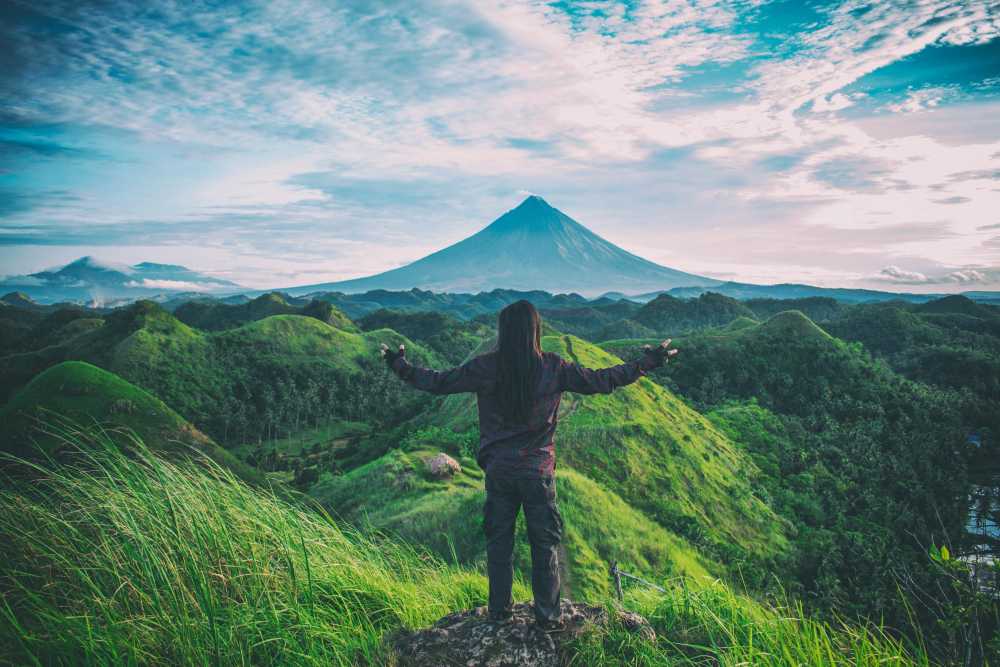
For Affiliate Income: The "Problem-Solver" Post
These posts recommend products or services you actually use and love. The key is to frame your recommendation as the hero of a story. Don't just list "My Favorite Power Bank." Write "The $30 Power Bank That Saved My Phone (and My Sanity) on a 14-Hour Train Ride."
"The 10 Travel Essentials I Never Leave Home Without"
"My Complete Solo Travel Tech Kit (Camera, Power Bank, and More)"
"Why Specific Travel Insurance is the Best for Solo Adventurers"
"The Most Comfortable Walking Shoes for Exploring Cities All Day"
For Building Your Email List: The "Lead Magnet" Post
Create content that naturally leads to a freebie (like a PDF checklist) that you offer in exchange for an email address. Your email list is one of your most valuable assets.
"My Ultimate Pre-Travel Planning Checklist (Get Your Free PDF!)"
"The 10 Most Important Phrases to Learn in Italian (Download the Cheatsheet)"
"How to Plan Your First Solo Trip in 10 Easy Steps (Free Workbook)"
For Selling Your Own Products: The "Appetizer" Post
Write a detailed, valuable free guide to a city, then offer a super-detailed, day-by-day downloadable itinerary for a small price for readers who want an expert plan without the work.
"The Perfect 3-Day Solo Solo Itinerary for Lisbon"
"How to Spend a Magical Week Alone in the Scottish Highlands"
"The Ultimate Solo Traveler's Guide to New York City"
Your Questions, Answered: A Solo Travel Blogger's FAQ
What should my first solo travel blog post be about?
Your first post should be your manifesto. Introduce yourself, share the story that sparked your love of solo travel, and most importantly, tell your readers why you're starting this blog and who it is for. Set the tone and make a promise about the authentic value you'll provide.
How do I make my travel blog stand out?
Find your unique niche and be ruthlessly authentic. Don't just share the postcard moments; share the challenges, the lessons learned, and your honest opinions. Your unique voice and real-world perspective are your biggest competitive advantages.
Do I need to be a great writer to start a travel blog?
You need to be a clear communicator. Write like you're talking to a friend. Use simple language, short paragraphs, and a conversational tone. Passion and honesty are far more important than a sophisticated vocabulary. You'll become a better writer simply by writing more.
Can I start a travel blog without traveling full-time?
Absolutely. Some of the most successful travel blogs are run by people with full-time jobs. You can blog about weekend trips, planning for a future big adventure, or exploring your own city like a tourist. Your audience will likely find this more relatable than the life of a full-time nomad.
Your Story Is Waiting
You’re standing at the trailhead of an incredible journey. That blinking cursor on a blank page isn't a barrier; it's a boarding pass. Every post you write, every story you share, and every fear you address is a step toward building something that is uniquely yours. This playbook of solo travel blog ideas is designed to give you the spark, but your experiences will provide the fire. Don't aim for perfection; aim for connection. Your story is waiting to be told.
Read the full guide: Anxious to Adventurous: The Ultimate Guide to Solo Travel Confidence
Don't Miss Out! Subscribe for Exclusive Content
Subscribe



Comments 0
No comments yet
Be the first to share your experience!
Dont Miss Out! Subscribe for Exclusive Content

FTC Affiliate Disclosure Essentials: Stay Compliant as a Travel Creator


Essential Affiliate Tools: From Tracking to Full Optimization

Avoid These 5 Affiliate Landing Page Mistakes for Better Conversions

Affiliate Keyword Research Mastery for Travel Blogs

Booking.com Affiliate Program Review: Pros, Cons, and Earnings Potential

Decoding Affiliate Commission Rates: Benchmarks for Travel Creators
San Francisco Holidays: Bay Area Buzz
TrekGuider @trekguider
San Francisco has never been a city to do things by the book, and its holidays are no exception. Here, tradition isn’t just observed—it’s remixed. Celebrations are infused with the same spirit of innovation, cultural fusion, and defiant creativity that defines the city itself. Planning a trip around the holidays in San Francisco means setting aside expectations of a conventional getaway and preparing for something far more dynamic.
This is a city where the nation's oldest Lunar New Year parade is illuminated by both ancient lanterns and modern drone light shows; where Christmas lights twinkle through a classic Karl the Fog cameo; and where a celebration of love and equality transforms Market Street into the world’s most vibrant runway. From the historic cable cars decked out in tinsel to the neighborhood festivals that pulse with local character, the Bay Area offers a calendar of festivities that is as diverse as its population.

Whether you're drawn by the spectacle of a world-famous parade or the quiet charm of a fog-kissed holiday market, this guide will serve as your compass. We’ll navigate the iconic events, uncover the seasonal secrets, and give you the insider track on making your trip unforgettable.
For a coast-to-coast look at the country's most iconic celebrations, from New York's ball drop to New Orleans' Mardi Gras, see our Ultimate USA Holidays Guide: Top Picks.
The Main Events: SF's Unmissable Street Spectacles
In San Francisco, parades are more than just processions; they are powerful, moving expressions of the city's identity, where entire communities claim the streets to celebrate their heritage and values with the world.

Chinese New Year: A Dazzling Display of Light and Legend
San Francisco is home to the oldest and largest Chinese New Year celebration outside of Asia, a deeply rooted tradition that has captivated the city since 1851. This is no single-day event; it's a vibrant, multi-week festival that leads to one of the few night-illuminated parades in North America. On the evening of around mid-February (dates shift each year), find a spot and prepare for a sensory feast as complex floats, acrobatic lion dancers, and martial arts troupes command the streets. The parade’s breathtaking finale is the 268-foot Golden Dragon, a shimmering marvel that requires a team of over 100 people to guide it through the city. In a perfect marriage of old and new, the spectacle now features a stunning drone light show, painting the sky with symbols of luck for the Year of the Snake.
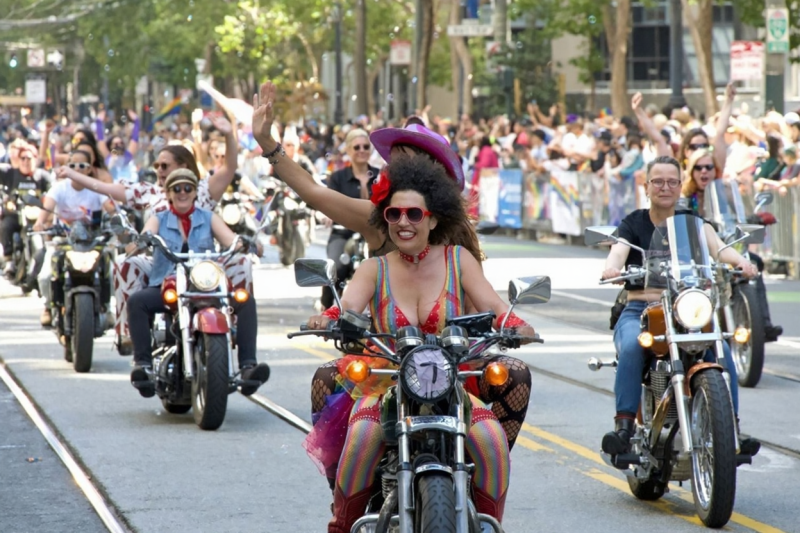
For a complete playbook on navigating the crowds, securing the best viewing spots, and understanding the rich cultural traditions, see our detailed guide on Chinese New Year SF: Parade Essentials.
SF Pride: A Radiant March for Equality
Born from the city's legacy as a sanctuary for the LGBTQ+ community, the SF Pride Parade is one of the most iconic and joyous pride celebrations on the planet. Commemorating the first "gay-in" held in Golden Gate Park in 1970, the event has evolved from a protest into a massive, powerful platform for activism, visibility, and pure, unadulterated joy. On Sunday, the last Sunday of June, the parade kicks off at 10:30 AM, transforming Market Street into a sea of rainbow flags, elaborate floats, and ecstatic crowds as it proceeds from Beale to 8th Street. It’s a profound proof of love and resilience, and in a nod to modern realities, the event is known for strong security, including weapon detection technology, to ensure a safe space for all.
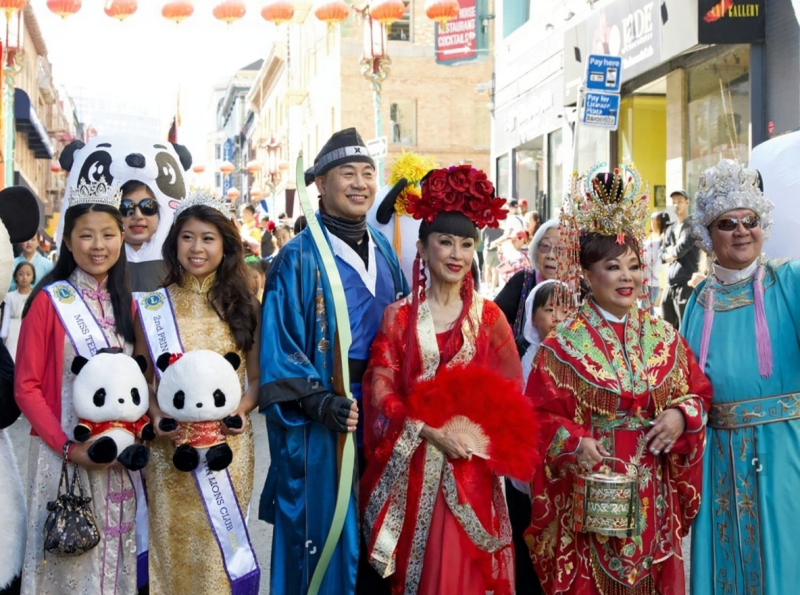
To get the inside scoop on the parade route, can't-miss parties, and tips for celebrating with intention, check out our essential guide to SF Pride: 6 Route & Party Hacks.
Seasonal Magic: Autumn & Winter in the City
As the seasons shift, San Francisco’s festive spirit comes alive in a uniquely coastal way. From the spooky energy of autumn to the crisp air of winter, the city offers unforgettable ways to celebrate.
Christmas by the Bay: Lights, Ice, and Wharf Wonders
Christmas in San Francisco is a masterclass in atmosphere, blending classic holiday traditions with a distinct maritime charm. The celebration's epicenter is Union Square, where a colossal, brilliantly lit Christmas tree presides over an outdoor ice rink. Skaters glide below the towering skyscrapers as the cheerful sounds of the season fill the air. For a pro-level view that floats above the crowds, head inside the adjacent Macy's and find a window on one of the upper floors—it’s the best-kept secret for capturing that perfect, glittering photo of the square. Beyond downtown, the entire city gets in on the act, with festive lights adorning everything from the historic streetcars to the bustling piers of Fisherman's Wharf.

Discover the most dazzling light displays, coziest holiday markets, and can't-miss festive events with our complete guide to Christmas SF: Lights & Wharf Wonders.
Halloween: Creative Haunts and Neighborhood Parties
San Francisco’s approach to Halloween favors creative expression and high-energy community gatherings over traditional horror. The Castro District becomes the unofficial heart of the celebration, famous for its spirited pub crawls and an informal street party where costume design is treated as a competitive sport. For those craving a more classic haunted experience, the legendary Winchester Mystery House, with its baffling architecture and ghostly lore, is a short drive away and a Bay Area institution. Whether you're looking for a family-friendly pumpkin patch in Half Moon Bay or a costumed night out on the town, the city offers a diverse menu of spooky fun. A quick tip: rely on rideshares for safe and easy transport between events.
For a curated list of the best family-friendly activities and neighborhood haunts that skip the gore, explore our guide to Halloween SF: Haunts Without Horrors.
A Festival for Every Season
Beyond the marquee holidays, San Francisco’s calendar is a year-round whirlwind of festivals celebrating the city's rich cultural fabric.
The Ultimate SF Festival Guide
There is always something happening in San Francisco. The city’s deep Irish heritage is on full display during its St. Patrick's Day Parade, an event held since 1852 that fills Market Street with the sounds of pipes and traditional dance. A few months later, the Cinco de Mayo celebration, a tradition dating back to 1863, honors Mexican-American culture with vibrant parades and powerful speeches. But that’s just scratching the surface. The Bay Area hosts an incredible variety of events, from massive music festivals in Golden Gate Park to hyper-local street fairs celebrating everything from truffles to jazz. This constant cultural buzz is what makes the city a premier destination for travelers seeking authentic experiences.
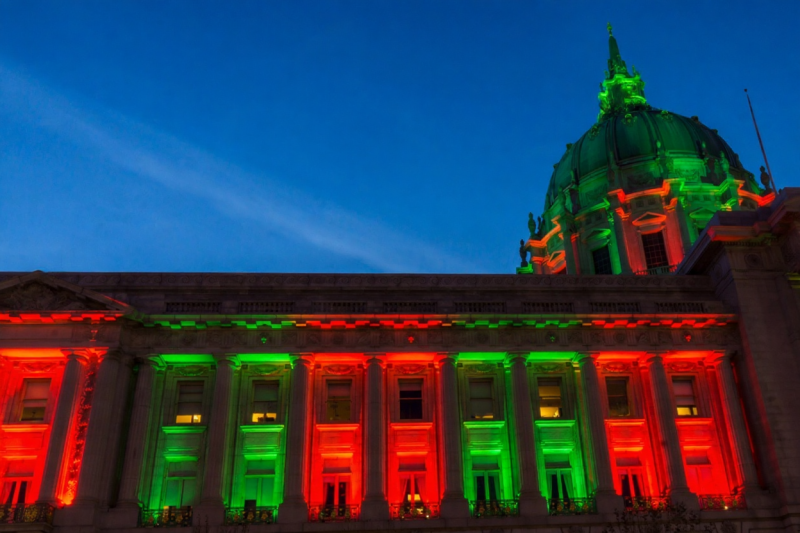
To discover the best music, food, and cultural events happening throughout the year, don't miss our essential roundup of SF Festivals: 7 Must-See Lineups.
Japantown in Bloom: A Signature San Francisco Spring
As winter fog gives way to crisp spring air, one of the city's most beautiful and meaningful traditions unfolds. The Northern California Cherry Blossom Festival is one of the oldest and largest of its kind in the country, transforming historic Japantown into a vibrant hub of culture and color. More than just a floral display, it’s a profound tribute to the resilience and heritage of San Francisco's Japanese and Japanese-American community.
For two weekends in April, the neighborhood comes alive with traditional music, martial arts demonstrations, incredible food from street-side yatai, and the spectacular Grand Parade. It’s an immersive cultural experience that stands as a key part of the city's spring calendar. Planning a visit requires a bit of strategy, from timing the unpredictable "peak bloom" to navigating the festival crowds.
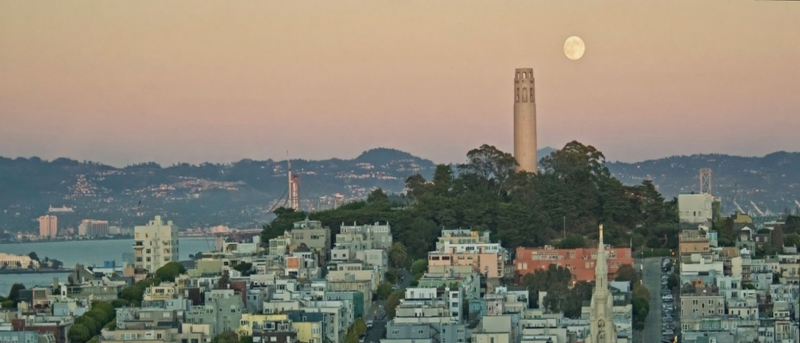
For a complete playbook on how to experience this iconic event like a local, including the best viewing spots and transportation hacks, see our detailed guide: San Francisco Cherry Blossoms: A Local's Guide to the Blooms.
Mastering Your Budget for Holidays in San Francisco
A trip to celebrate the holidays in San Francisco is an investment in incredible memories, but it’s no secret that the city can be expensive. With smart planning, however, you can experience the best of the Bay Area without your wallet taking a hit.
First, book flights and accommodations early. This is non-negotiable for major events like Pride or Chinese New Year, when prices can surge. Look at neighborhoods slightly outside the tourist core, like the Inner Sunset or Cole Valley; they offer charming local vibes and are easily accessible via the Muni transit system.
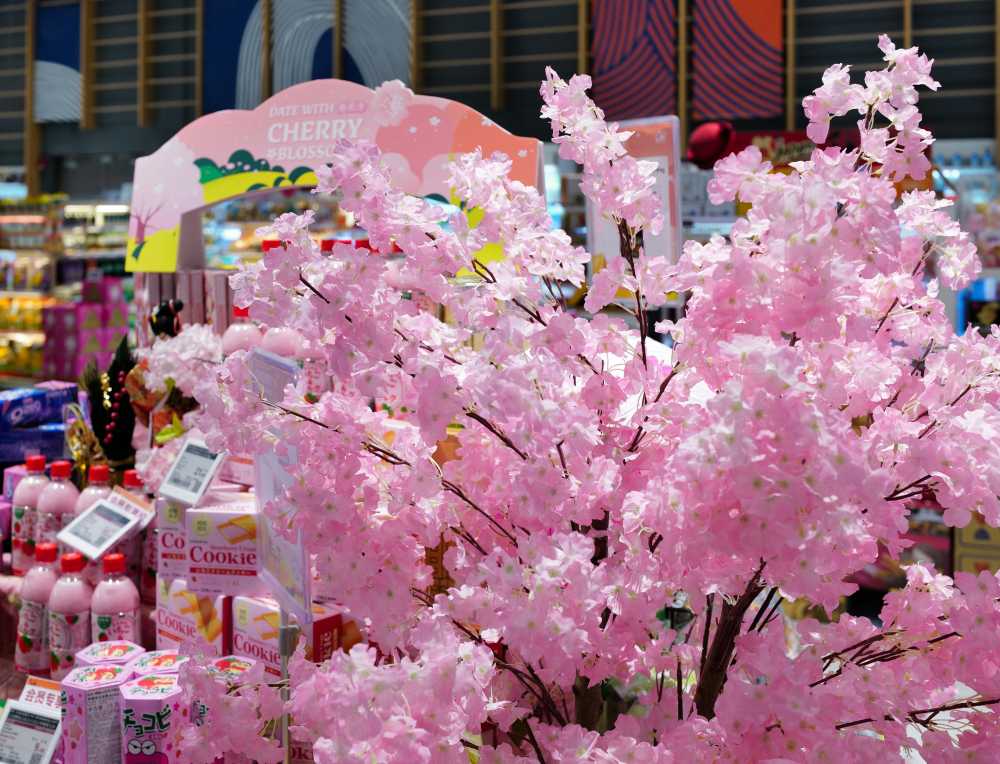
Second, embrace public transport. A multi-day Muni Passport is your golden ticket, offering unlimited rides on buses, historic streetcars, and cable cars. It’s far more economical than relying on rideshares, which are subject to steep surge pricing during peak festival times. Remember, many of the city's best holiday experiences—from the Pride Parade to the Christmas lights at the Palace of Fine Arts—are completely free to enjoy.
This is where the TrekGuider marketplace truly shines. Instead of a generic city guide, you can discover hyper-specific resources—like a "Mission District Mural Walk" or a "Guide to Sausalito's Best Views"—created by local experts who live and breathe the Bay Area. For a comprehensive foundation, our flagship Travel Guide is packed with insider tips and detailed itineraries to help you navigate the city like a pro.
Packing for SF: The Art of the Layer
Packing for San Francisco requires mastering one essential skill: layering. The city’s infamous microclimates are very real. You can start your day in the sunny Mission District and end it in the chilly, fog-drenched Richmond, with a 20-degree temperature drop in between.
A lightweight, waterproof or wind-resistant jacket is your most crucial piece of gear, regardless of the season. The fog doesn’t just cool things down; it brings a damp chill that can cut through a simple sweater. Underneath, think in modules: t-shirts, long-sleeved shirts, and a fleece or cashmere sweater. This allows you to adapt on the fly as you move through the city.
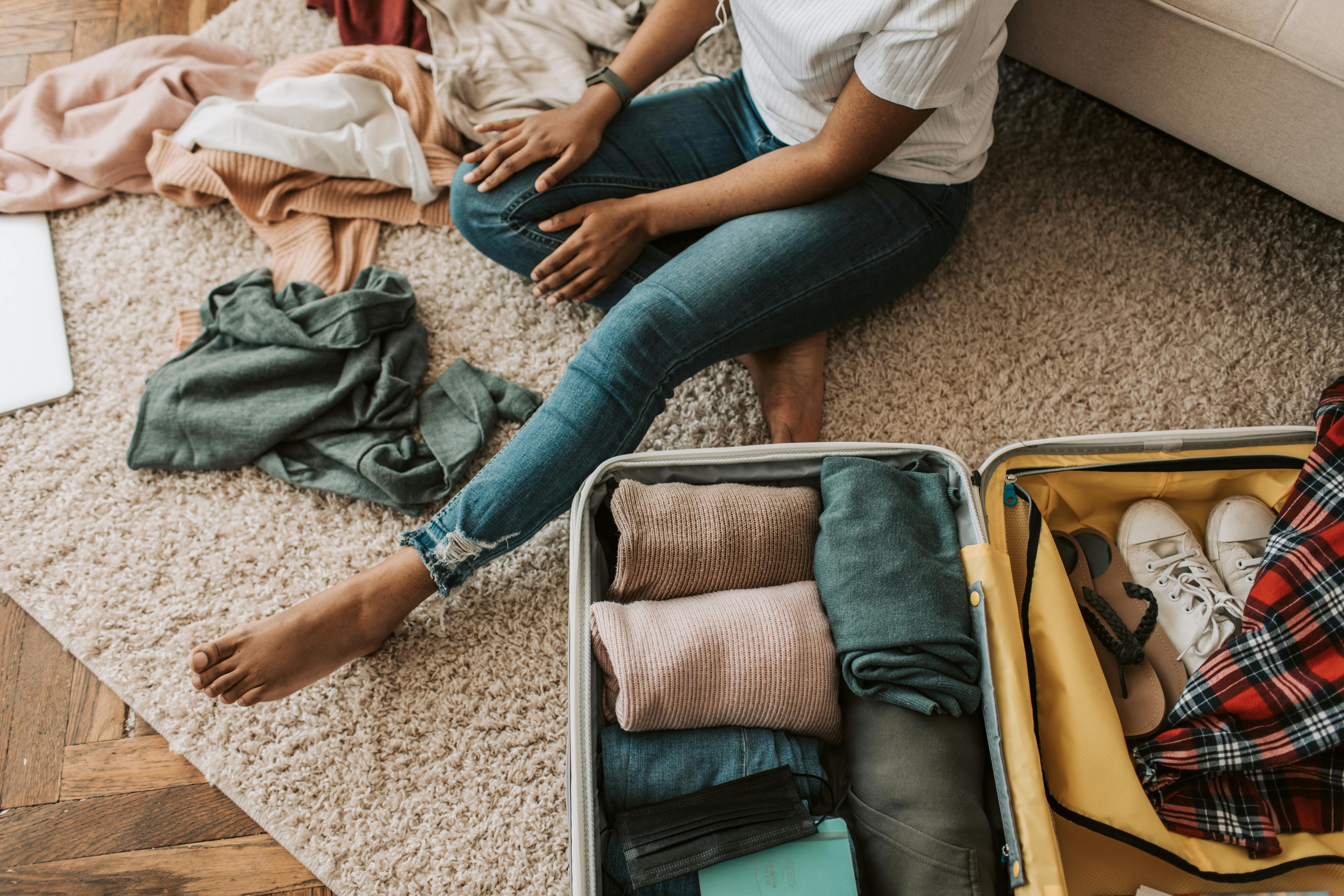
Comfortable walking shoes are absolutely mandatory. San Francisco’s hills are no joke, and you’ll be logging serious mileage. Finally, pack a reusable water bottle and a sturdy tote bag or small backpack. You’ll need it to stash the layers you shed when the sun finally breaks through the clouds.
And if the city’s coastal beauty inspires you to see more of California, you’ll be perfectly equipped for the state’s most iconic drive. For the ultimate road trip plan, be sure to download our free Big Sur Map & Itinerary—the perfect companion for your coastal adventure.
Are You a Bay Area Expert?
Do you know the best place to get a Mission-style burrito at 2 AM? The secret history behind the murals in the Clarion Alley? The perfect vantage point for watching the Blue Angels during Fleet Week? If you have deep, authentic knowledge of San Francisco, you’re exactly the kind of creator we love at TrekGuider.
Our platform was built to empower local experts like you to share and monetize your passion. You can publish articles to build your authority, create your own personal creator page to showcase your work, and sell your own digital products—from detailed neighborhood guides to curated food tours—directly to a global audience of curious travelers. TrekGuider provides the tools; you provide the expertise.

Your San Francisco Story Awaits
From the ancient traditions of the Lunar New Year to the modern, joyful expressions of Pride, the holidays in San Francisco offer a rich mix of experiences found nowhere else on earth. This is a city that doesn’t just host events; it invites you to become part of the story. With its singular blend of cultural depth, natural splendor, and innovative fire, every visit promises a new discovery. Let this guide be your starting point, and get ready to feel the unforgettable buzz of the Bay Area.
Don't Miss Out! Subscribe for Exclusive Content
SubscribeComments 0
No comments yet
Be the first to share your experience!
Dont Miss Out! Subscribe for Exclusive Content

San Francisco Cherry Blossoms: A Local's Guide to the Blooms

Halloween SF: Haunts Without Horrors

SF Festivals: 7 Must-See Lineups

Christmas SF: Lights & Wharf Wonders

SF Pride: 6 Route & Party Hacks

Chinese New Year SF: Parade Essentials
Mardi Gras: 6 Parade Survival Tips
TrekGuider @trekguider
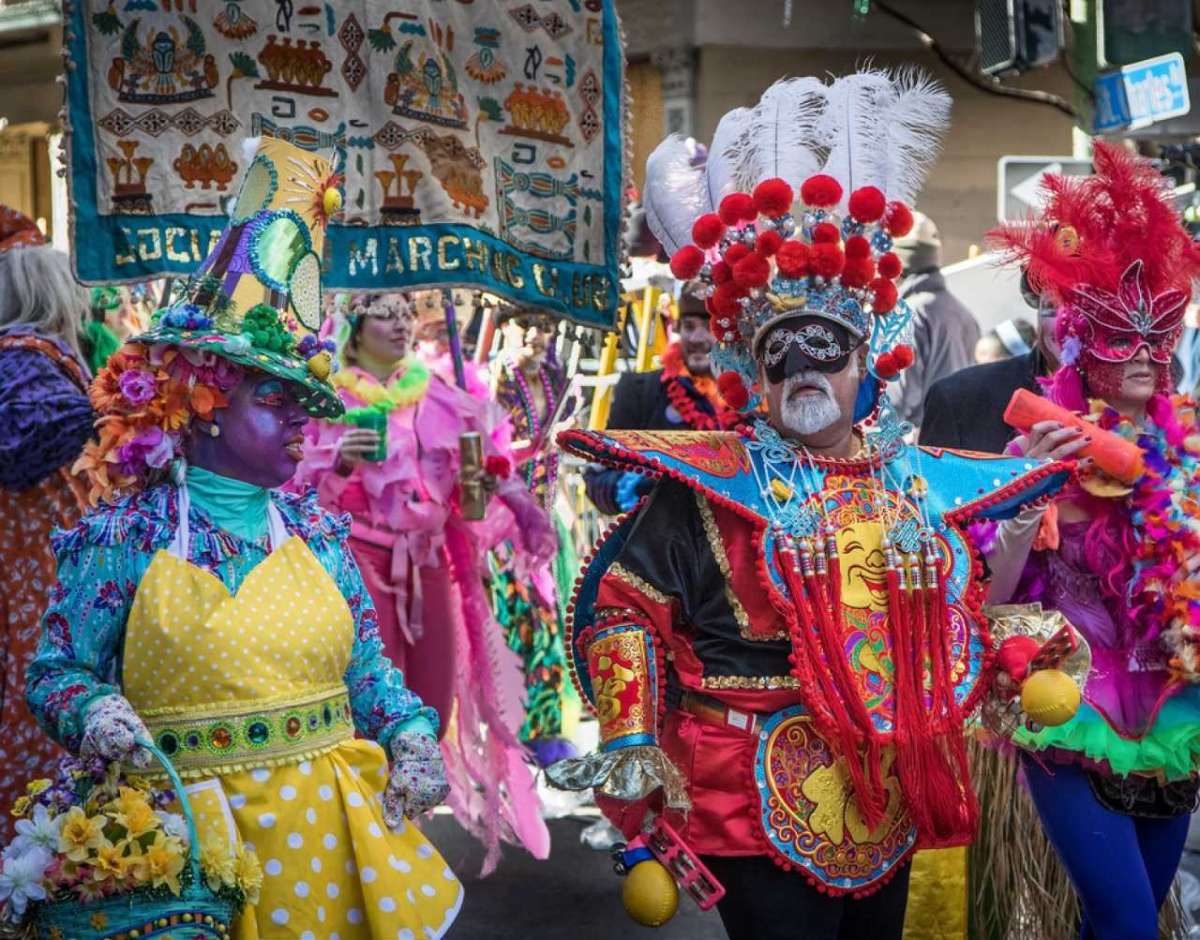
You’ve seen the photos—a blizzard of purple, green, and gold beads flying through the air. You’ve heard the stories of jazz music spilling onto streets packed with revelers. The dream of Mardi Gras in New Orleans is a powerful one, a siren call to the world’s greatest free party. It’s a bucket-list spectacle of dazzling floats, complex costumes, and pure, unadulterated joy. But let’s be honest: the reality behind that dream can be intimidating. The sheer scale of the crowds, the labyrinthine parade schedules, and the logistical hurdles can turn a fantasy trip into a frantic mess.
Without a battle plan, you risk becoming just another overwhelmed tourist. Imagine traveling all that way only to be stuck ten rows deep, craning your neck for a fleeting glimpse of a float. Picture the rising panic of losing your friends in a sea of humanity with zero cell service, or the bone-deep exhaustion that sets in after hours on your feet, unprepared. The magic of Carnival can fade fast when you’re fighting the chaos instead of embracing it.
This is where you stop worrying. Consider this your official playbook for not just surviving, but thriving at the parades. We’re going to arm you with the insider knowledge to navigate the festivities like a seasoned pro. These six essential survival tips will transform your Mardi Gras New Orleans experience from stressful to unforgettable. This is just one of the incredible cultural celebrations we explore in our complete guide to New Orleans Holidays: Cultural Feasts, but for now, let’s master the art of the parade.

Tip 1: Decode the Schedule & Choose Your Krewes Like a Local
First, let’s clear up a common misconception: Mardi Gras isn't just one day. It's an entire season, a cultural crescendo that officially begins on January 6th and leads to the city-wide blowout of "Fat Tuesday." The parades, organized by social clubs known as "krewes," are the lifeblood of the celebration, and they hit a fever pitch in the final two weeks. Knowing which parades to see—and when—is the first step to crafting your perfect experience.
The final weekend before Fat Tuesday is when the legendary "super-krewes" roll, drawing the biggest crowds and delivering the most spectacular shows. For 2026, these are the dates to circle in red on your calendar:
Saturday, the weekend before Mardi Gras: A marathon day featuring the massive Krewe of Endymion, an evening parade so spectacular it feels like a rolling blockbuster.
Sunday, the days leading up to Fat Tuesday: The Krewe of Bacchus, another titan of Carnival, hits the streets at 5:15 PM with its own celebrity monarch and jaw-dropping floats.
Monday, the Monday before Mardi Gras (Lundi Gras): Witness history with the Krewes of Proteus and Orpheus, two stunning nighttime parades that light up the city.
Tuesday, late February (dates shift each year—check nola.com for the exact schedule) (Fat Tuesday): The grand finale. The day kicks off with the Krewe of Zulu at 8:00 AM, famous for its coveted hand-painted coconut throws, followed by the regal Krewe of Rex at 10:30 AM, whose leader is the official "King of Carnival."
Not all krewes offer the same experience. Daytime parades often have a more relaxed, family-centric vibe. Nighttime parades are a different animal entirely—lit by historic gaslight torches called "flambeaux," they are dazzling, high-energy spectacles that draw a more party-oriented crowd. Do a little research on each krewe's theme and history to find the ones that match your style.
Pro-Tip: Before you even leave your hotel, download a real-time parade tracker app from a local New Orleans news station. These GPS-powered apps show you the exact location of the parade's lead float, giving you the intel to know if you have time for a bathroom break or a food run before the action reaches you.

Tip 2: Location is Everything: How to Claim Your Parade Turf
Your viewing spot will define your entire parade experience. The primary routes snake through the stately Uptown/St. Charles Avenue corridor and along the edge of the French Quarter. For a more traditional, family-friendly atmosphere, plant yourself along St. Charles Avenue. Under the canopy of ancient oak trees, you’ll find generations of families who have claimed the same spot for decades. For a more intense, high-octane experience, the sections of the route closer to Canal Street are where the crowds roar loudest.
Let’s be clear: the golden rule of securing a good spot is to arrive obscenely early. For a super-krewe on that final weekend, we’re not talking 30 minutes ahead—we’re talking hours. This is a marathon of patience. You’ll see locals set up their full camp—chairs, coolers, and ladders—long before the first siren wails. About those ladders: you’ll see many custom-built ladder seats designed to give kids a safe, elevated view. It’s a brilliant tradition, but if you use one, follow the local etiquette: place it at least six feet back from the curb to avoid obstructing the view of those in front and to stay clear of the massive floats.
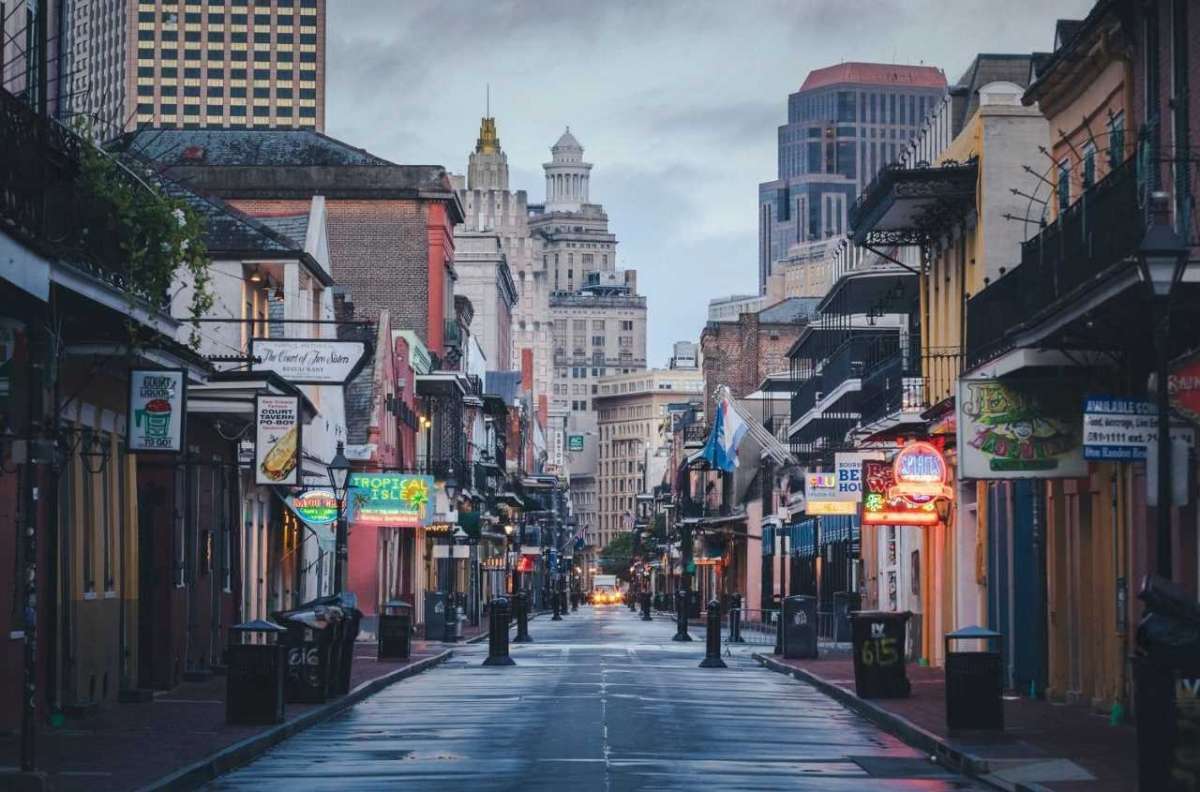
Remember, the major parades do not go through the narrow, historic streets of the French Quarter. While Bourbon Street is its own unique Mardi Gras spectacle, it is not the place to watch the krewes roll.

Tip 3: Master the Art of the "Throw" for Your Mardi Gras New Orleans Haul
The quintessential Mardi Gras New Orleans experience is reaching up and catching a string of colorful beads. These items, tossed from the floats by krewe members, are called "throws," and they are the currency of Carnival. But it’s so much more than just beads. Each krewe has its own signature throws, from decorated plastic cups and doubloon coins to light-up toys and stuffed animals. Some are true collector's items, like the exquisitely hand-decorated shoes from the all-female Krewe of Muses or the legendary painted coconuts from Zulu.
Catching the best stuff is a skill. Here’s how to improve your odds:
Engage and Make Eye Contact: Float riders are scanning the crowd for energy. Wave your arms, smile, and yell the classic line: "Throw me something, mister!" They are more likely to toss something special to someone who is clearly having a great time.
Practice Good Karma: Be aware of the people around you, especially children. If a coveted throw lands near a kid, let them have it. The spirit of Mardi Gras is communal joy, not competition.
Bring a Designated Bag: You will catch far more than you can wear or carry. A simple tote bag or small backpack is essential for stashing your loot.
Above all, be safe. The number one rule is never, ever run into the street or chase a float for a throw. These floats are enormous, pulled by tractors with limited visibility. Wait for the throws to come to you and never reach under a float. No plastic necklace is worth the risk.
Tip 4: Pack Your Ultimate Parade Survival Kit
A day on the parade route is an urban endurance event. You’ll be on your feet for hours, exposed to the elements, and a long way from your home base. A well-packed day bag is non-negotiable. Being prepared for any great American adventure requires the right checklist, and just as you’d use our National Park Road Trip Checklist to prepare for the wild, this kit will ensure you conquer the urban jungle of Carnival.
These are the absolute essentials for your Mardi Gras survival kit:
Hydration: Pack more water than you think you need. Staying hydrated is critical.
Fuel: High-energy, easy-to-carry snacks like protein bars, trail mix, and pretzels will keep your energy levels up.
Sun & Rain Gear: New Orleans weather is fickle. Pack sunscreen, a hat, and sunglasses for daytime parades, but also throw in a cheap poncho. A sudden downpour can’t ruin your day if you’re prepared for it.
Layers: A sunny 70-degree afternoon can plummet to a chilly 50 degrees after sunset. Wear layers you can easily shed or add.
Portable Power Bank: Between taking photos, coordinating with friends, and running a parade tracker, your phone battery will vanish. A portable charger is a modern-day necessity.
Sanitation Supplies: Public restrooms are of the port-a-potty variety and see heavy use. A travel-sized pack of tissues and a bottle of hand sanitizer will feel like pure luxury.
A Throw Bag: A lightweight, foldable tote is perfect for your haul.
Tip 5: Navigate the Crowds & Stay Safe Like a Pro
The sheer scale of the crowds can be staggering—this is, after all, an event that generated an $891 million economic impact in 2024. Navigating this joyful mass of humanity requires a proactive approach to safety.
First, the buddy system is not optional. Stick with your group. Before you even head out, establish a non-obvious, hyper-specific meeting point. "Under the clock at the hotel" is good. "The corner of Canal and St. Charles" is a recipe for disaster. Cell service will be spotty at best, so you cannot rely on your phone to reunite.
When it comes to getting around, forget driving. Street closures and traffic make it a nightmare. Parking, if you can find it, will be exorbitant—reserve a spot in a garage well in advance if you must bring a car. Your best bets are walking, using public transit, or grabbing a rideshare, but be prepared for surge pricing and long waits after a parade.
Pro-Tip: To move through a thick crowd, don't try to bull your way through the middle. The pro move is to retreat one block off the parade route, walk parallel to it in the direction you want to go, and then cut back in. It’s a slightly longer walk that will save you immense time and frustration.
Tip 6: Embrace the Spirit of "Laissez les Bons Temps Rouler"
Finally, the most crucial tip of all: embrace the official motto of Mardi Gras, Laissez les bons temps rouler—Let the good times roll. This isn't just a slogan; it's the city's philosophy. This celebration is a profound expression of New Orleans' unique Creole heritage, a season defined by king cake feasts, brass bands, and an unbreakable sense of community. Don't get so wrapped up in logistics that you forget to be present.
Strike up a conversation with the family next to you. Compliment a stranger's incredible costume. Share your snacks. New Orleanians are famously hospitable and love sharing their traditions. Participate in the culture, don't just observe it. To truly understand the soul of this festival and others like it, our comprehensive Travel Guide offers a deep dive into the cultural fabric of America's most fascinating cities, providing the context that turns a great trip into a meaningful one.
Your Mission: Go Forth and Conquer Carnival
You are now officially prepared. Armed with these insider strategies, you can confidently tackle your Mardi Gras New Orleans adventure. You have the knowledge to decode the schedule, claim the best spots, pack for success, and stay safe in the joyous chaos. You are no longer just a tourist hoping for the best; you are an informed participant, ready to dive into the heart of one of the world's greatest cultural spectacles.
So book the ticket, pack your most festive attire, and get ready to let the good times roll. The magic of Mardi Gras is waiting for you.
Don't Miss Out! Subscribe for Exclusive Content
SubscribeComments 0
No comments yet
Be the first to share your experience!
Dont Miss Out! Subscribe for Exclusive Content
San Francisco Cherry Blossoms: A Local's Guide to the Blooms
Halloween SF: Haunts Without Horrors
SF Festivals: 7 Must-See Lineups
Christmas SF: Lights & Wharf Wonders
SF Pride: 6 Route & Party Hacks