
5 Ways to Confidently Eat Alone While Traveling

TrekGuider @trekguider
You’ve done it. You’ve booked the flight, mapped out the museums, and conquered the logistics of your solo adventure. But a single, persistent scenario keeps playing out in your mind, a small moment that feels disproportionately terrifying: walking into a restaurant, meeting the host’s gaze, and uttering the three quietest, loudest words in the English language: "Table for one."
For countless aspiring and even experienced solo travelers, this is the final boss of social anxiety. It’s a fear so potent it can dictate an entire trip. A recent study confirmed that for many first-timers, the thought of dining alone is a major source of apprehension, ranking among top concerns like safety and loneliness.
This fear is a thief. It doesn’t just steal your appetite; it steals your access to the very soul of a destination—the vibrant, chaotic, delicious culture that happens around the dinner table. It convinces you that a sad takeaway eaten on the edge of your hotel bed is preferable to the perceived judgment of a room full of strangers. It whispers that your solitude is a spotlight.
But what if that spotlight was actually a stage, and a table for one was the best seat in the house?
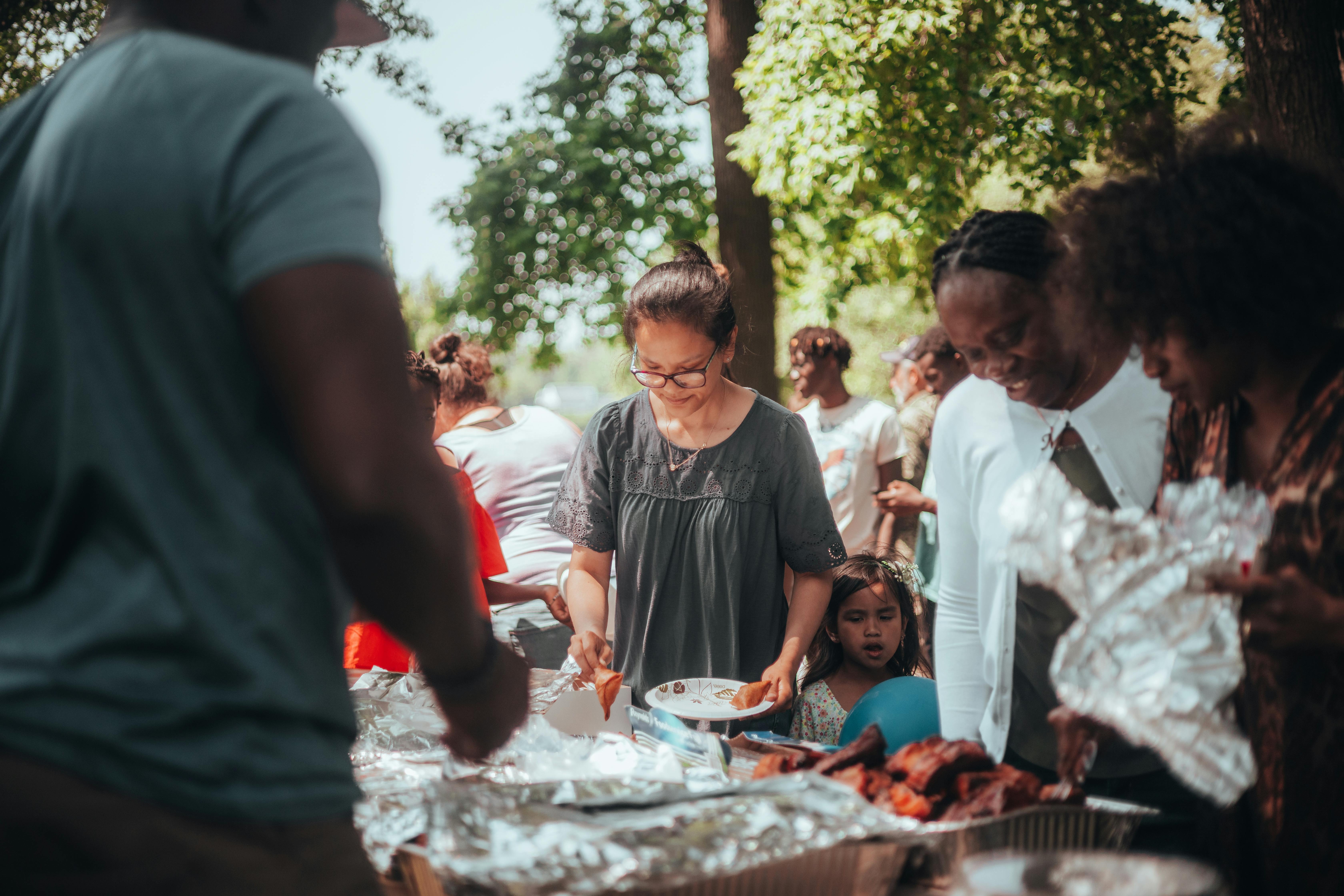
This guide is your step-by-step plan to reframe that narrative. These aren’t just tips; they are five actionable, confidence-building strategies designed to transform the experience of eating alone while traveling from a source of dread into an empowering, delicious, and deeply memorable ritual. For a complete roadmap of your entire journey, start with our foundational pillar guide, The Ultimate Guide to Solo Female Travel (15 Essential Tips).
Strategy #1: Master the Art of the Bar Seat
The single most effective way to immediately diffuse the anxiety of solo dining is to bypass the traditional tables altogether and make a beeline for the bar or counter. This isn't a compromise; it's a strategic upgrade to your dining experience, a universally accepted and comfortable spot for any solo diner.
Sitting at a two- or four-top table by yourself can sometimes feel like you’re occupying "empty" space, drawing attention to your solo status. The bar, however, is a fundamentally different social landscape. It's a dynamic, linear space designed for individuals and pairs. Here, you are not "alone"; you are simply another patron in a row of patrons, part of the restaurant's fluid, buzzing energy.
This vantage point offers a multitude of benefits. It often provides a front-row seat to the theater of the restaurant—the craft of the bartender mixing cocktails, the rhythm of the kitchen, the flow of patrons coming and going. It’s an environment that provides endless built-in entertainment. More importantly, it creates a low-pressure opportunity for social connection if you want it. The bartender is a professional at conversation, often happy to offer menu recommendations or share local insights. You might strike up a casual chat with the person next to you, or you can remain comfortably anonymous, absorbed in the ambiance. The choice is entirely yours, and that control is empowering.
Pro-Tip: When researching restaurants, specifically look for photos of the interior that show a substantial bar or counter seating area. Places like tapas bars in Spain, ramen counters in Japan, and classic bistros in France are almost always designed with excellent bar seating, making them perfect venues for a comfortable solo meal.

Strategy #2: Arm Yourself with a Purposeful Prop
One of the biggest sources of anxiety when eating alone while traveling is the fear of just sitting there with nothing to do during the lulls of the meal, such as after you’ve ordered and are waiting for your food. This is where a "prop" becomes your most valuable tool. Having a purposeful object with you completely reframes the narrative, both for any observer and, more importantly, for yourself.
A prop signals that you are not passively waiting for a companion or feeling lonely; you are actively and contentedly engaged in your own company. It fills the silence and gives your hands and eyes a focus, instantly dissolving any feelings of awkwardness. The key is to choose your prop with intention.
A Travel Journal: This is perhaps the ultimate solo dining companion. Use the time to write about your day's adventures, document the sights and sounds around you, or sketch the street scene outside the window. It turns your meal into a productive, reflective, and creative session.
A Good Book: Getting lost in a compelling story is a timeless pleasure. A book is an unambiguous sign that you are happily occupied and content in your solitude.
A Map or Guidebook: Spreading out a map to plan the next leg of your journey is a classic traveler move. It’s practical, engaging, and makes you look like a seasoned, confident explorer engrossed in your adventure.
The Psychology Behind the Prop
It’s a psychological pattern interrupt. When you feel anxious, your brain looks for evidence to support that feeling—you scan the room for people looking at you, you interpret neutral expressions as judgmental. A prop gives you an alternative focus. You are consciously giving your brain a different task to focus on, preventing it from spiraling into self-conscious thoughts. By bringing a prop, you transform your "table for one" into your personal command center, a space for reflection, planning, or escape. You're no longer just a person eating alone; you're a writer, a reader, an adventurer deep in thought.
Strategy #3: Become a Master of Timing
The ambiance of a restaurant can change dramatically depending on the time of day. A chaotic, packed dining room at the peak of the dinner rush can feel overwhelming and intensify feelings of self-consciousness. By strategically choosing when you dine, you can curate a much more relaxed and enjoyable experience for yourself.
Dining during "off-peak" hours is a simple but incredibly effective tactic. Arriving for a late lunch around 2:30 PM or an early dinner at 6:00 PM, before the main crowds descend, offers several advantages. The restaurant will be calmer and quieter, allowing you to choose a desirable table—perhaps one tucked into a cozy corner or with a great view for people-watching. The service staff will likely be less rushed and more attentive, giving you the space to ask questions about the menu and savor your meal without feeling hurried.
This strategy is particularly effective in countries with distinct dining schedules. In Italy, for example, locals often don't eat dinner until 8:00 PM or later. Arriving at a trattoria at 7:00 PM means you'll have the place almost to yourself, allowing you to build your confidence in a low-stakes environment. This deep understanding of local rhythms is something we explore in our comprehensive Italy Guide, which is packed with the kind of insider knowledge that makes a solo trip seamless and authentic.
Before you start scouting trattorias, let's get your master plan organized.
Your Ultimate Planning Companion
A great solo dining experience starts with a great plan. Knowing which restaurants you want to try and when to go is a key part of building a confident itinerary. Our free, downloadable template is the perfect tool to help you organize every aspect of your trip, from your daily schedule to your must-try foodie destinations.
Download your free Travel Itinerary Template here!
Strategy #4: Choose Your Venue with Intention
Not all restaurants are created equal when it comes to the solo dining experience. The venue you choose plays an enormous role in your comfort level. Actively seeking out establishments with a solo-friendly ambiance and avoiding those geared toward formal or romantic occasions can make all the difference.
Your mission is to find places that are inherently lively, casual, and built for a fluid mix of patrons. Here’s what to look for:
Casual Bistros and Cafes: These are often the lifeblood of a neighborhood, with a constant, friendly buzz. Outdoor seating is a huge bonus, as it turns your table into a front-row seat for people-watching—the ultimate solo-dining pastime.
Bustling Food Halls and Markets: These are a solo traveler’s paradise. With a multitude of vendors and communal seating, the entire environment is built around individual choice and a dynamic, social-but-anonymous atmosphere. You can sample a wide variety of local dishes without the formality of a traditional restaurant.
Restaurants with Communal Tables: Many modern eateries feature large, shared tables. Choosing to sit at one of these signals an openness to interaction and creates a natural opportunity for conversation to spark with fellow diners, if you’re in the mood.
Ethnic Restaurants: Places like sushi bars, ramen shops, pho counters, or tapas bars are often culturally geared toward individual diners and counter service, making them incredibly comfortable and natural-feeling environments for eating alone.
Pro-Tip: Use Google Maps and restaurant review sites to do some digital reconnaissance before you head out. Don’t just read the reviews; look at the photos uploaded by patrons. You can get a great feel for the restaurant's layout, see if it has a good bar or counter, and gauge the overall vibe to see if it aligns with what will make you feel most at ease.

Strategy #5: Start with a "Gateway" Food Tour
If the idea of a full, sit-down meal by yourself still feels like too big a leap, then start with a "gateway drug" to confident solo dining: a food tour. Joining a small-group food tour on your first or second day in a new city is one of the most effective and enjoyable ways to build your culinary confidence.
A food tour is a structured, social, and low-pressure experience. You get to sample a wide variety of local specialties from different vendors and restaurants, but you do it as part of a small, friendly group. This immediately removes the "all eyes on me" feeling and replaces it with a fun, shared experience.
This approach is powerful for several reasons. First, it demystifies the local cuisine and ordering process, giving you the knowledge and vocabulary to feel more confident on your own later. Second, it's a fantastic way to meet other travelers and get their recommendations. Third, and most importantly, it provides you with a vetted list of fantastic, friendly restaurants. The casual street food stall or family-run bakery you visit on the tour can become a place you feel completely comfortable returning to on your own, because you've already been there and established a positive connection. It’s a confidence-building exercise disguised as a delicious adventure.
Frequently Asked Questions About Dining Solo
Even with a solid plan, a few lingering questions can cause anxiety. Here are the answers you need.
What if I don't drink alcohol? Is it still okay to sit at the bar?
Absolutely. A modern bar is a full-service part of the restaurant. It's completely normal to sit at the bar and order a mocktail, a soda, or even just a glass of water while you enjoy a full meal. The bartender's job is to serve all patrons, and they will be more than happy to accommodate you.
How do I handle getting a bad table (e.g., right by the kitchen or bathroom)?
As a solo diner, you have the right to be just as comfortable as any other guest. If you're led to a table you don't like, it is perfectly acceptable to politely ask if another is available. A simple, "I was hoping for something a little quieter, is one of the tables by the window available?" is all it takes. Most restaurants will gladly accommodate a reasonable request.
How much should I budget for dining alone?
This varies dramatically by destination and your travel style. A meal in Portugal can be a third of the price of a similar meal in Switzerland. The best approach is to find real-world examples. On the TrekGuider marketplace, you can explore detailed itineraries and guides published by seasoned solo travelers, many of whom include specific restaurant recommendations and budget breakdowns from their own trips.
Your Table is Waiting
The fear of eating alone while traveling is valid, but it is not a permanent barrier. It is a skill waiting to be learned, a confidence muscle waiting to be built. By being strategic—by choosing the bar seat, bringing a journal, dining early, selecting a casual venue, or starting with a food tour—you systematically dismantle the anxiety and replace it with a sense of mastery and enjoyment.
You will soon discover that dining solo is not a consolation prize; it is a unique and powerful way to experience the world. It’s a moment for quiet reflection, a front-row seat to a new culture, and an unfiltered connection to the taste and rhythm of a place. It is an act of radical self-reliance and a declaration of your right to be there, to take up space, and to savor every last bite. Your journey to becoming a confident solo diner is one of the most rewarding parts of the adventure, proving that the best company you can have at the table is often your own.
Meta Data Suggestions:
SEO Meta Title (59 characters): Confidently Eat Alone While Traveling: 5 Expert Tips
URL Slug: confidently-eat-alone-traveling
SEO Meta Description (154 characters): Nervous about dining solo? Our guide offers 5 practical ways to confidently eat alone while traveling, turning social anxiety into an empowering experience.
Don't Miss Out! Subscribe for Exclusive Content
Subscribe



Comments 0
No comments yet
Be the first to share your experience!
Dont Miss Out! Subscribe for Exclusive Content

Chicago Beer Fests: Top 6 Tastings


Ultimate USA Holidays Guide: Top Picks

FTC Affiliate Disclosure Essentials: Stay Compliant as a Travel Creator

Essential Affiliate Tools: From Tracking to Full Optimization

Booking.com Affiliate Program Review: Pros, Cons, and Earnings Potential

Decoding Affiliate Commission Rates: Benchmarks for Travel Creators
How to Plan Your First Solo Trip (and Conquer the Fear)
TrekGuider @trekguider
You’ve seen the photos, heard the stories, and a powerful idea has taken root: traveling the world on your own terms. But right behind that excitement, a wave of doubt probably follows. What if I get lonely? What if it’s not safe? What if I’m just not the kind of person who can do this?
Let’s take a breath. Feeling a mix of excitement and sheer terror is the unofficial rite of passage for every person who has ever considered traveling alone. It’s not a sign you should stop; it’s a sign you’re about to do something brave. This guide is your starting point. We’re not going to overwhelm you with packing lists or complex itineraries. Instead, we're going to focus on the most important first step: turning that anxiety into a quiet confidence and creating a simple, actionable plan to get you started. This is how to plan your first solo trip by conquering the fear first.
For the bigger picture on planning your first independent journey, explore

The Most Important Step: Your Mindset Shift
Before you book a single flight, the real journey begins in your mind. The psychological hurdles are the biggest barriers for most aspiring solo travelers. Let’s dismantle them together.
It's Normal to Feel Anxious. Here's How to Use It.
Feeling nervous before a big adventure is completely normal—it means you’re taking this exciting challenge seriously. The trick is to treat your fears not as stop signs, but as a pre-flight checklist.
Fear thrives on vague, undefined worries. Clarity is its kryptonite. So, grab a notebook and write down your top three concerns. Is it safety? Loneliness? Getting lost? By giving your anxieties a name, you take back control. For every worry, there is a practical solution, and you’ll find that a little preparation makes you feel capable, not scared.
The Antidote to "What If I'm Lonely?"
Let's reframe the biggest myth in solo travel. There is a world of difference between being alone and being lonely. Being alone is a superpower. For the first time, your schedule is 100% your own. You can spend three hours in a museum, change your entire plan on a whim, or eat gelato for dinner without a single committee meeting. This isn’t loneliness; it’s absolute freedom.
Remember, traveling solo doesn’t mean you’re isolated. It means you have complete control over your social thermostat. You can turn it up by joining a food tour or staying in a social guesthouse, or turn it down when you just need to recharge. This journey is an incredible chance to get comfortable in your own company—a skill that will empower you for the rest of your life.

How to Handle Naysayers (Even When They Mean Well)
Often, the most discouraging feedback comes from those who love us most. Their own fears, disguised as concern for you, can chip away at your resolve. Navigating these conversations requires a calm, confident strategy.
Present a Plan, Not a Plea: Instead of saying, “I’m thinking of going to Portugal alone,” try this: “I’m so excited—I've started planning a solo trip to Portugal for next year. I've found some amazing, highly-rated places to stay in a really safe neighborhood.” You are not asking for permission; you are sharing your exciting news.
Demonstrate Your Competence: Proactively show them you’re taking this seriously. Talk about the research you’re doing on safe destinations or the simple communication plan you'll have, like a daily WhatsApp check-in. When they see you’ve thought it through, their anxiety will decrease because yours already has.
Your 'First Three Steps' Action Plan
With your mindset fortified, it's time for action. We're going to keep it simple. Here are three manageable, non-intimidating first steps to turn your dream into a reality.

Step 1: Choose a Beginner-Friendly Destination
For your first trip, set yourself up for an overwhelming win. Choosing a destination that is known for being easy to navigate will boost your confidence for all future adventures. Look for places with:
A Welcoming Tourist Infrastructure: Places with reliable public transport, lots of accommodation choices, and readily available information (like Portugal, Japan, or Costa Rica) make logistics a breeze.
A High Safety Ranking: Use resources like the Global Peace Index to find countries known for safety and stability.
Ease of Communication: While you don't need to go somewhere that only speaks English, choosing a destination where it's widely spoken in tourist areas (like the Netherlands or Scandinavia) can reduce a layer of stress.
Ready to explore your options? For a deep dive into the pros and cons of different regions and a list of the top 10 safest countries for solo travelers, check out the ».
Step 2: Book Your First Night's Accommodation
Don't worry about planning the entire trip right now. The single most effective way to make your trip feel real is to commit to Day One. Research and book your accommodation for the first one or two nights. This simple action creates a secure "landing pad," transforming a vague idea into a concrete event with a date and an address. It’s your anchor, giving you a safe, secure base from which to start your adventure.
Step 3: Do a "Low-Stakes" Solo Practice Run
Build your solo muscle at home. Before you fly across the world, take yourself on a solo "date" for a full day in a nearby town or even a different neighborhood in your own city. Go to a museum alone. Navigate to a park you’ve never visited. Eat a meal at a restaurant by yourself. The point is to experience the feeling of navigating, making decisions, and enjoying your own company. This small taste of self-reliance will prove to you that you absolutely can do this.
Your Adventure Is Closer Than You Think
You've already taken the hardest step: deciding to explore this possibility. The fear you feel is not a weakness; it's a gateway to discovering just how capable you are. By shifting your mindset and taking a few small, deliberate planning actions, you are building the foundation for an incredible adventure.
You don't need to have all the answers right now. You just need to be willing to take the next step.
Read the full guide: Anxious to Adventurous: The Ultimate Guide to Solo Travel Confidence
Don't Miss Out! Subscribe for Exclusive Content
SubscribeComments 0
No comments yet
Be the first to share your experience!
Dont Miss Out! Subscribe for Exclusive Content
Ultimate USA Holidays Guide: Top Picks
FTC Affiliate Disclosure Essentials: Stay Compliant as a Travel Creator
Essential Affiliate Tools: From Tracking to Full Optimization
Booking.com Affiliate Program Review: Pros, Cons, and Earnings Potential
Decoding Affiliate Commission Rates: Benchmarks for Travel Creators

Amazon Associates for Travel: Strategies to Maximize Commissions
How to Meet People While Traveling Solo (Without Being Awkward)
TrekGuider @trekguider
The dream is crystal clear: the absolute freedom of a solo trip. You picture yourself wandering through ancient cobblestone streets, discovering hidden cafes, and moving entirely at your own pace. But then, a shadow creeps in. It’s the fear of a silence that’s less than peaceful, the specter of profound loneliness. You worry about eating every meal alone, of having no one to turn to and say, "Wow, look at that sunset," of the journey feeling isolating rather than liberating. This fear of awkward, lonely moments—a concern that ranks right alongside safety for many women—is one of the most powerful deterrents for aspiring solo travelers, a quiet anxiety that can keep the most adventurous spirits tethered to home.
But what if that fear is based on a false premise? What if traveling solo didn’t have to mean being lonely? The truth is, a solo journey isn't about isolation; it's about being the sole captain of your social ship. You have complete control over when to embrace solitude and when to seek connection. This guide is your tactical playbook for doing exactly that. We’re moving beyond vague advice and into actionable, non-awkward strategies for how to meet people traveling solo. These are the proven methods to fill your adventure with as much connection as you want, on your own terms. This is a critical skill, and it’s just one part of the bigger picture we cover in our foundational guide, The Ultimate Guide to Solo Female Travel (15 Essential Tips).

Laying the Foundation: Your Accommodation is Your Social Hub
The single easiest way to build a social element into your trip is to choose accommodation that is designed for it. Your hotel room or rental can be either an isolating box or a vibrant launchpad for connection—the choice is yours, and it begins before you even book.
The Modern Hostel: A Solo Traveler's Secret Weapon
Let’s dismantle an outdated stereotype: the modern hostel is not the dingy, crowded dorm room of decades past. Today’s best hostels are stylish, clean, and carefully designed to be social hubs. They are, without a doubt, the number one asset for a solo traveler seeking connection.
The magic of a hostel lies in its common spaces. The kitchen, the lounge, the rooftop terrace—these areas are intentionally designed to foster low-pressure interaction. Cooking a meal in the communal kitchen is a natural conversation starter. Joining the free group dinner or movie night instantly gives you a "ready-made" group of friends for the evening.
Pro-Tip: You don't have to sacrifice comfort and privacy. Many modern hostels offer private rooms with ensuite bathrooms that are often cheaper than a standard hotel room. This gives you the perfect balance: a secure, private sanctuary to retreat to, with instant access to a social scene right outside your door whenever you’re in the mood.
Beyond the Hostel: Guesthouses and Co-Living Spaces
If dorms aren't your style, look for smaller, family-run guesthouses or B&Bs. The environment is often more intimate than a large hotel, and the hosts can be incredible connectors, offering local insights and introducing you to other guests. For longer stays, consider co-living spaces, which are becoming increasingly popular in hubs for digital nomads and offer a built-in community of fellow travelers and remote workers.

The Power of Shared Experiences: Meeting People Through Activities
One of the most effective and least awkward ways to meet people is to join an activity where a shared interest is the automatic, built-in icebreaker. The focus is on the experience itself, and the social connection happens as a natural, easy byproduct.
The Classic First-Day Strategy: Free Walking Tours
On your first day in a new city, make a free walking tour your number one priority. This is a classic for a reason. You’ll get oriented to the city's layout, learn about its history, and spend a couple of hours with a small group of other curious travelers. The format is perfect for striking up a conversation. A simple, "Wow, I didn't know that," about a historical fact or, "Do you have any plans for lunch after this?" is a completely natural way to connect.
Learn and Connect: Cooking Classes, Surf Lessons, and More
Signing up for a class to learn a local skill is a fantastic way to meet both locals and other travelers. Whether it’s a pasta-making class in Tuscany, a tango lesson in Buenos Aires, or a surfing class in Costa Rica, you’re placed in a small-group environment where you’re all learning something new together. The shared challenge and laughter create an instant bond that feels authentic and unforced.
Explore Together: Day Trips and Group Tours
For the safety-conscious first-timer, group tours are an incredible confidence-builder. In fact, an estimated 75% of women who have never traveled alone would be more likely to do so for the first time on a group tour. Joining a guided day trip to a nearby vineyard, a historical site, or a national park takes all the logistical stress off your shoulders and places you with a group for the entire day, making conversation and connection almost inevitable.

Your Digital Toolkit for In-Person Connection
In the modern travel era, your smartphone can be your most powerful tool for finding your tribe. Used safely and intentionally, technology can bridge the gap between solo exploration and real-world, in-person connection.
Vetted Online Communities: Your Global Circle of Friends
Before you even leave home, join a few key online communities. Large, well-moderated Facebook groups like Solo Female Travelers or Host a Sister are invaluable resources. These groups have hundreds of thousands of active members who regularly post about their travel plans. It’s common to see a post like, "Hey! I’m a 30-year-old from Canada, and I’ll be in Lisbon next week. Any other solo travelers want to meet up for a coffee or explore the Alfama district?" It’s a way to pre-vet potential friends and make plans before you even land.
Apps for Friendship, Not Just Dating
Many apps have expanded beyond romance to focus on platonic connection. BumbleBFF is the "friend" mode of the popular dating app, allowing you to swipe and find other people in your area who are also looking for friends. Meetup.com is another fantastic tool for finding local groups and events based on your specific hobbies, whether it's a hiking club, a language exchange gathering, or a board game night.
A Critical Note on Safety with Digital Meetups
The digital world is for making the connection; the real world is for building it. The golden rule is to always move the conversation from the app to a safe, public, well-lit space. Always arrange to meet for the first time in a popular coffee shop or a busy public square during the day. Inform a friend back home of your plans, including who you are meeting, where, and when. Trust your intuition—if a conversation online feels off, don't hesitate to cancel. Your safety is non-negotiable.
Your Ultimate Safety Companion
Meeting new people is one of the most rewarding parts of travel, but your safety is always priority number one. Our free, comprehensive guide is designed to give you the tactical knowledge you need to navigate every situation with confidence.
Download Your Free Solo Female Travel Safety Guide Here
This downloadable checklist covers everything from vetting your accommodation to transportation safety protocols, ensuring you can embrace connection without compromising your security.

Everyday Encounters: Finding Connection in the Routine
Beyond the structured tours and scheduled meetups lies the real magic of solo travel: the spontaneous, everyday encounters. These moments can't be planned, but you can absolutely create the conditions for them to happen.
The Cafe Strategy: Communal Tables and Becoming a "Regular"
When you stop for your morning coffee or an afternoon break, choose your venue with intention. Look for cafes that have large, communal tables. Sitting at one of these tables, rather than a small table for one, signals an openness to interaction and creates a natural opportunity for a simple conversation to spark with those sitting nearby.
If you’re staying in a neighborhood for a few days, try becoming a "regular" at a local coffee shop or bakery. Visiting the same spot at the same time each day allows you to become a familiar face to the staff and other patrons. A simple nod of recognition can easily blossom into a friendly "hello" and a genuine conversation, giving you a deeper sense of connection to the place you’re visiting.
The Power of the Bar Seat
As we discuss in our guide to 5 Ways to Confidently Eat Alone While Traveling, the bar or counter is the ultimate solo-friendly spot. It’s a dynamic space that eliminates the awkwardness of a table for one and provides an easy opportunity for casual conversation with the bartender or your neighbors.
Speaking the Universal Language: How to Break the Ice
The final hurdle is often the first word. The fear of being awkward or intrusive can be paralyzing. The secret is to keep it simple, observational, and low-stakes.
Start with a compliment: "I love your backpack, where did you get it?"
Ask for a small favor: "Would you mind taking a photo for me?"
Make an observation about your shared experience: "This view is incredible, isn't it?" or "Have you tried the coffee here? I’m trying to decide what to get."
Ask for a recommendation: "You look like you know your way around. Do you have a recommendation for a good, non-touristy restaurant in this area?"
Pro-Tip: Wear something that tells a story or invites a question—a t-shirt from your favorite band, a pin from your home city, or a unique piece of jewelry. These small items can act as conversation-starters, giving people an easy and natural entry point to start talking to you.

Frequently Asked Questions About Meeting People Solo
I'm an introvert. Will these strategies feel overwhelming?
Absolutely not. The beauty of these strategies is that they are scalable to your comfort level. Introverts often thrive in situations with a shared focus, like a cooking class or a walking tour. The activity—not the conversation—does the heavy lifting. You can participate, enjoy the company, and engage as much or as little as you feel comfortable with, without any pressure to be "on."
What if I try to talk to someone and they're not interested?
It happens, and it is almost never personal. They might be busy, tired, or simply not in a social mood. Don't view it as a rejection of you; see it as a simple misalignment of timing. Smile, wish them a good day, and move on. The goal is to make small, low-risk offers of connection, not to force a friendship with every person you meet.
Is it safe to tell new people I'm traveling alone?
This requires discretion. In a controlled, public group setting like a guided tour or a hostel common room, it's generally fine and helps build camaraderie. However, in one-on-one encounters with strangers, it's wise to be a bit more vague at first. You can mention you're "meeting friends later" or just keep the focus of the conversation on the activity at hand until you've established a comfortable level of trust.
Your Journey, Your Connections
The narrative that solo travel is a lonely endeavor is a myth. It is, in fact, an experience that can be rich with human connection—perhaps even more so than when traveling with a partner, as you are inherently more open and approachable to the world around you. The key is to be intentional. By choosing social accommodations, joining shared experiences, leveraging technology safely, and being open to everyday encounters, you gain complete control over your social life on the road.
These strategies are your toolkit for how to meet people traveling solo in a way that feels authentic to you. They are the bridge between the profound freedom of solitude and the joy of shared moments. You will learn to dance between the two, creating a travel experience that is perfectly, uniquely your own. With this knowledge, you can step out into the world with the confidence that you will find your tribe, wherever your journey takes you.
For even more detailed planning resources, you can explore our collection of expert-written Travel Guide to find specific tours, classes, and solo-friendly accommodations that have been vetted and reviewed by a community of seasoned travelers just like you.
Meta Data Suggestions:
SEO Meta Title (Under 60 characters): How to Meet People Traveling Solo: 5 Awkward-Free Ways
URL Slug: how-to-meet-people-traveling-solo
SEO Meta Description (Under 155 characters): Feeling lonely on the road? Learn 5 easy, safe, and non-awkward strategies for how to meet people traveling solo, from group tours to social apps.
Don't Miss Out! Subscribe for Exclusive Content
SubscribeComments 0
No comments yet
Be the first to share your experience!
Dont Miss Out! Subscribe for Exclusive Content

San Francisco Cherry Blossoms: A Local's Guide to the Blooms

Halloween SF: Haunts Without Horrors

SF Festivals: 7 Must-See Lineups

Christmas SF: Lights & Wharf Wonders

SF Pride: 6 Route & Party Hacks
