
Best Family Vacations: How to Finally Pick the Right One

TrekGuider @trekguider
Staring at a map, overwhelmed by options? You're not alone. The pressure to choose the perfect family vacation—one that delights a toddler, engages a teen, and actually feels like a break for you—is immense. It’s a high-stakes puzzle where the fear of getting it wrong can be paralyzing. This guide is your solution.
It's engineered to cut through that noise. This isn't just another list; it's a practical plan designed to help you confidently identify the absolute best family vacations for your unique crew.
Building on the core principles of our Family Travel Ideas: The 2026 Guide to Unforgettable Trips, we apply our "travel style" analysis to 15 premier destinations. Each has been rigorously vetted for its appeal and, just as importantly, for its operational excellence in making family travel seamless. This is your definitive resource for turning the anxiety of planning into the pure excitement of a perfectly chosen adventure.
At a Glance: The Best Family Vacation for Your Crew
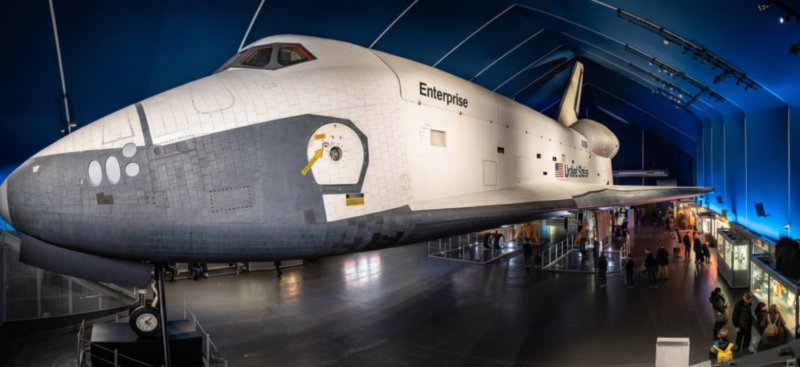
For the Relaxation-Oriented: Minimal Logistics, Maximum Restoration
These destinations are architected to reduce decision fatigue and eliminate logistical friction, making them ideal for first-time family travelers, those with very young children, or anyone whose primary objective is genuine rest.
1. Beaches Turks & Caicos: The Gold Standard of All-Inclusive
This resort functions as a self-contained vacation ecosystem, setting the industry standard for the luxury all-inclusive family model.
Strategic Advantage: The resort's primary asset is its comprehensive infrastructure for children of all ages, from certified nannies for infants to a sophisticated Xbox lounge for teens and a 45,000-square-foot waterpark. This allows for a rare vacation dynamic where parents can achieve genuine relaxation while children are safely and happily engaged. If this is your goal, be sure to read our guide on The Secret to Stress-Free All Inclusive Family Vacations.
Logistical Considerations: As a premium offering, this is one of the more expensive options. Booking at least six to nine months in advance is critical, especially for travel during school holidays. The flight to Providenciales (PLS) is direct from many major U.S. hubs.
2. Aulani, A Disney Resort & Spa, Hawaii: Sophisticated Island Magic
This resort masterfully blends the immersive storytelling of Disney with the rich cultural fabric of Hawaii, offering a sophisticated alternative to a theme park vacation.
Strategic Advantage: Aulani excels at creating parallel experiences for adults and children. While kids engage in the supervised activities at Aunty's Beach House (a best-in-class kids' club), adults can enjoy the adult-only pools, the Laniwai spa, or fine dining. The protected, calm lagoon is a significant safety feature for families with toddlers.
Logistical Considerations: The resort is located in Ko Olina, about 30-45 minutes from the Honolulu airport (HNL) and Waikiki. A rental car offers flexibility, but it's possible to remain on-resort. Book character dining and other popular experiences the moment your booking window opens.
3. A Family-Focused Cruise: The Multigenerational Solution
Modern cruise ships from lines like Royal Caribbean or Disney are floating resorts designed to cater to a wide array of interests and energy levels.
Strategic Advantage: A cruise is arguably the most efficient model for a multigenerational vacation. The vessel itself is the destination, offering a controlled environment with a vast spectrum of dining, entertainment, and relaxation options consolidated in one place. It solves the complex problem of coordinating activities and meals for a large, diverse group.
Logistical Considerations: Scrutinize the ship's itinerary and "at sea" days. Pay close attention to the specific amenities on your chosen ship, as they vary significantly. Shore excursions should be booked well in advance. While the base price can be appealing, budget carefully for additional costs like drink packages and gratuities.

For the Outdoor Adventurer: Immersive Natural Encounters
These destinations prioritize engagement with the natural world, offering a powerful antidote to a technologically saturated daily life. They are best suited for active families with school-aged children and teens.
4. Zion & Bryce Canyon National Parks, Utah: A Journey into the Sublime
This pairing offers a journey through two of the most geologically distinct and jaw-dropping landscapes in North America.
Strategic Advantage: The parks provide a "choose your own adventure" model of graduated physical challenges. Families can opt for accessible, paved paths like the Pa'rus Trail in Zion or undertake more strenuous, iconic hikes. This adaptability makes it suitable for families with varying fitness levels.
Logistical Considerations: These parks have seen a massive surge in popularity. Stay in Springdale for Zion and use the mandatory park shuttle. Lodging must be booked a year in advance. The best times to visit are spring and fall to avoid extreme summer heat. Grab our National Park Road Trip Checklist to stay organized.
5. Costa Rica: The Ultimate Eco-Adventure
A global pioneer in ecotourism, Costa Rica offers a safe, accessible, and exhilarating introduction to tropical biodiversity.
Strategic Advantage: The country's well-established tourism infrastructure is specifically geared toward family adventure. Reputable tour operators offer a seamless experience for activities like zip-lining, volcano hikes, and guided rainforest tours, managing all equipment and safety protocols. This allows families to experience high-adventure activities with a professional safety net.
Logistical Considerations: Don't attempt to see the entire country in one trip. A highly effective itinerary focuses on two regions: the Arenal area and the Manuel Antonio region. A 4x4 rental is advisable. Remember to download your International Travel Checklist before you go!
6. The Black Hills, South Dakota: An Iconic American Road Trip
This region offers a classic American road trip experience, combining national monuments with extensive outdoor recreation and a rich history of the American West. This is one of our favorite ideas for A Midwest Family Road Trip That Actually Wows Kids.
Strategic Advantage: The density and variety of attractions within a relatively compact geographical area minimize drive times and maximize engagement. In a single day, a family can visit Mount Rushmore, hike in Custer State Park, and drive the Needles Highway.
Logistical Considerations: Base your stay in a central location like Keystone or Custer. The best time to visit is late summer or early fall. Be prepared for crowds at major monuments; visiting early in the morning is a sound strategy.
Turn Your Plan Into Reality
Choosing the perfect trip is one thing—organizing it is another. To help you structure your days, track bookings, and keep all your plans in one place, download our free Travel Itinerary Template. It's the simple, powerful tool that turns your dream trip into a stress-free reality.
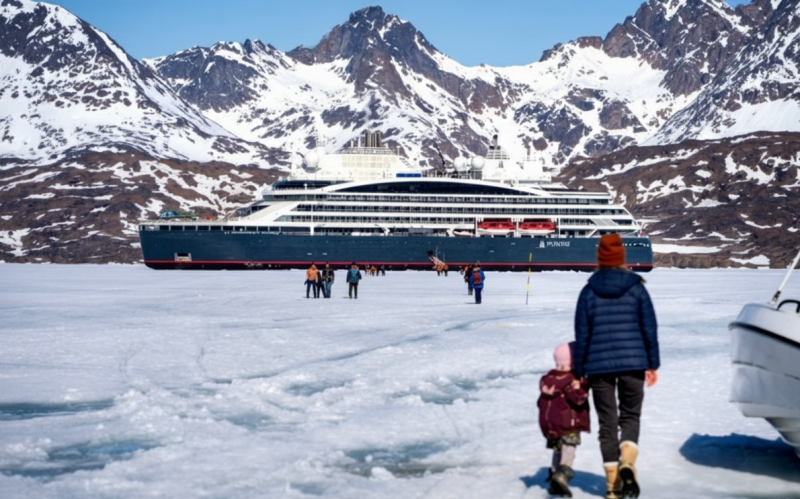
For the Curious Mind: Education through Exploration
These destinations are living classrooms, transforming history, culture, and science from abstract concepts into tangible, multi-sensory experiences.
7. Washington, D.C.: A Museum with a City Built Around It
The nation's capital offers an unparalleled density of world-class, and largely free, cultural and historical institutions.
Strategic Advantage: The Smithsonian Institution is a national treasure. The sheer quality and interactivity of the exhibits at the National Museum of Natural History and the National Air and Space Museum can ignite a child's curiosity in a way no textbook can.
Logistical Considerations: Don't attempt to conquer the entire National Mall in one day. A superior strategy is to select one or two museums per day. The city's Metro system is the most efficient mode of transport.
8. London, England: The Perfect First Trip "Across the Pond"
For many American families, London serves as the perfect gateway to international travel, offering a rich historical mix with the convenience of a shared language.
Strategic Advantage: History is palpable and accessible here. Standing in the Tower of London or touring the Churchill War Rooms provides a powerful, contextual understanding of world events. The city's blend of ceremony and modern attractions caters to a wide range of interests.
Logistical Considerations: The "Tube" (Underground) is exceptionally efficient. Purchase Oyster cards upon arrival. Book major attractions online in advance to secure timed entry slots.
9. Colonial Williamsburg, Virginia: America's Origin Story, Brought to Life
This destination offers a uniquely immersive and interactive journey into the origins of American democracy, operating as a carefully recreated 18th-century city.
Strategic Advantage: Williamsburg's strength lies in its "living history" model. Children don't just see artifacts behind glass; they interact with costumed historical interpreters—blacksmiths, printers, and political figures—who engage them in conversation and demonstrations.
Logistical Considerations: A multi-day pass is essential. The site is large and requires significant walking. Combine a visit with trips to nearby Jamestown and Yorktown for a complete "Historic Triangle" itinerary.
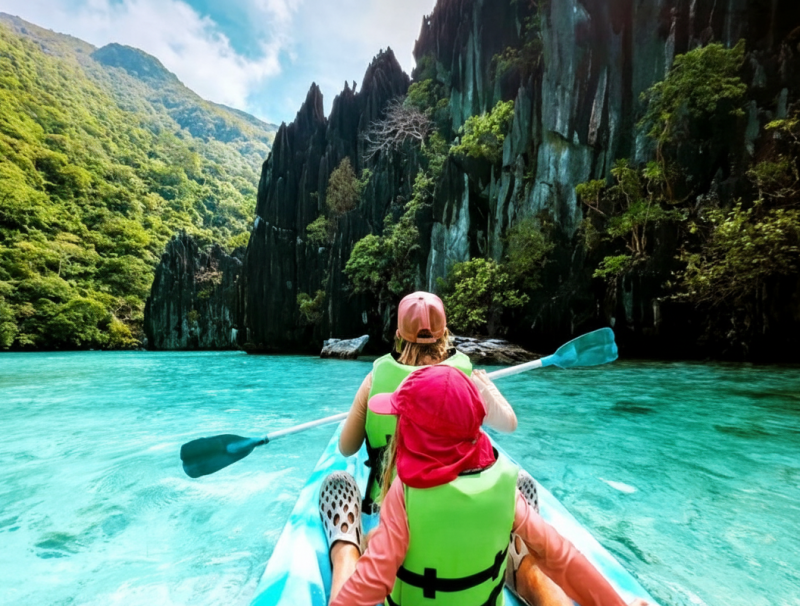
For the Budget-Conscious: High Value, Not High Cost
An impactful family vacation is determined by the quality of shared experience, not the size of the expenditure. These destinations offer an exceptional return on investment.
10. The Great Smoky Mountains National Park: America's Backyard
This is the most visited national park in the United States, in large part because it charges no entrance fee, offering an incredibly accessible natural landscape.
Strategic Advantage: The financial barrier to entry is virtually non-existent. Families can enjoy scenic drives, hiking trails, and abundant wildlife viewing for free. The nearby towns of Gatlinburg and Pigeon Forge offer a wide spectrum of affordable lodging and entertainment.
Logistical Considerations: The park's popularity, especially in October, means significant traffic congestion. Plan to enter the park very early in the day. A cabin rental can often be more cost-effective for a family than multiple hotel rooms.
11. The "Riviera Maya," Mexico: Sun, Cenotes, and Savings
This region boasts a strong infrastructure for budget-conscious travel, including affordable all-inclusive resorts and vacation rentals.
Strategic Advantage: The favorable exchange rate and competitive tourism market provide exceptional value. Families can experience beautiful beaches, unique cenotes (natural swimming holes), and world-class archaeological sites at a fraction of the cost of a comparable Caribbean vacation.
Logistical Considerations: Fly into Cancún (CUN). The summer and fall shoulder seasons offer the best pricing but coincide with hurricane season, making travel insurance a non-negotiable requirement. Consider our Mexico guide for more tips.
12. Wisconsin Dells, Wisconsin: The Waterpark Capital of the World
This Midwest destination offers a high concentration of family-friendly attractions at a family-friendly price point.
Strategic Advantage: Competition among the numerous resorts and waterparks keeps prices competitive. Many resorts offer packages that bundle lodging and park passes, providing significant value. It's a driveable destination for a large portion of the U.S. population.
Logistical Considerations: Summer is the peak season. Consider a visit in the shoulder seasons (late spring, early fall) for lower prices and fewer crowds, as many of the larger parks have extensive indoor facilities.

For Multigenerational Groups: Designing for a Diverse Team
These vacations are selected for their ability to comfortably accommodate a wide range of ages, mobility levels, and interests, facilitating connection across generations.
13. Orlando, Florida (Beyond the Parks): Your Private Command Center
Orlando's greatest asset for multigenerational travel is its vast inventory of large-scale vacation rental homes.
Strategic Advantage: Renting a 5- or 6-bedroom house with a private pool provides a central base for the entire family. It offers common spaces for gathering and private rooms for retreat, a dynamic that is impossible to replicate in a hotel.
Logistical Considerations: A rental home requires rental cars. Choose a location that offers a good balance between proximity to attractions and a quiet residential setting.
14. Hilton Head Island, South Carolina: Lowcountry Relaxation
This destination offers a more tranquil, nature-oriented coastal experience with a sophisticated infrastructure for large family groups.
Strategic Advantage: The island's design emphasizes outdoor activity for all ability levels. Grandparents can enjoy a leisurely bike ride on the 60+ miles of paved paths, parents can play golf, and kids can enjoy the calm waters of the Atlantic.
Logistical Considerations: The vacation rental market is robust. Reservations for popular summer weeks should be made up to a year in advance.
15. An Alaskan Cruise: Majesty for All Ages
An Alaskan cruise offers spectacular, large-scale scenery that can be appreciated by every generation, regardless of physical ability.
Strategic Advantage: The primary attraction—the dramatic landscape of glaciers, fjords, and mountains—is viewed directly from the ship. This makes it an ideal trip for family members with limited mobility.
Logistical Considerations: The cost can be high, but the value is strong. Book a ship with a naturalist onboard. Balcony rooms are worth the extra expense on this itinerary. The season is short (May-September), so book well in advance.
Frequently Asked Questions
What is the best age to take a child on their first major family vacation?
While travel is beneficial at any age, the "sweet spot" for memory and participation is often between 6 and 12 years old. At this stage, kids have the stamina for active days, are curious about new places, and are still happy with a family-focused agenda.
How can we find the best family vacation deals?
The most effective strategies are flexibility and advance planning. Traveling during "shoulder seasons" (just before or after peak season) can reduce costs significantly. Setting up price alerts and booking accommodations at least six months out are also key.
Are vacation rentals better than hotels for families?
Recommended: Stress-Free Flying with Kids: Airport, TSA, and In-Flight Guide
Recommended: Travel Guide: Trip Planning, Flights, and Avoiding Tourist Traps
It depends on your travel style. A vacation rental offers more space and a kitchen, ideal for longer stays and saving money on food. A hotel or resort provides more amenities, daily housekeeping, and on-site dining for a true break from domestic duties.
How do you manage screen time on a family vacation?
Set clear expectations beforehand. A great strategy is the "bookend rule": allow screens in the morning while getting ready and in the evening to wind down, but make the core of the day a screen-free zone for shared activities.
It's Time to Start Your Story
The perfect family vacation isn’t about finding a spot on a map; it's about finding the place that matches your family’s unique travel style. By choosing a destination architected for relaxation, adventure, or discovery, you stop just 'going on a trip' and start building a chapter in your family's story.
Now that you have the framework to make the right choice, the next step is bringing it to life. For detailed, expert-crafted plans for these destinations and beyond, explore our collection of in-depth guides, starting with our comprehensive Travel Guide.
Read the full guide: Family Travel Ideas: The 2026 Guide to Unforgettable Trips
Don't Miss Out! Subscribe for Exclusive Content
Subscribe



Comments 0
No comments yet
Be the first to share your experience!
Dont Miss Out! Subscribe for Exclusive Content

Ultimate USA Holidays Guide: Top Picks


FTC Affiliate Disclosure: Stay Compliant as a Travel Creator

Essential Affiliate Tools: From Tracking to Full Optimization

Booking.com Affiliate Review: Pros, Cons & Earnings

Decoding Affiliate Commission Rates: Benchmarks for Travel Creators

Top 11 High-Paying Affiliate Programs for Travel Bloggers
Ultra Festival: Beat the Heat Guide
TrekGuider @trekguider
You’ve done it. You scored the golden ticket to Ultra Music Festival, a three-day sonic pilgrimage in the heart of Miami where the world’s greatest DJs command colossal stages and the energy is nothing short of electric. But as the bass drops, so does the relentless Florida sun. The real problem isn't just the heat; it's the brutal combination of scorching temperatures, suffocating humidity, and tens of thousands of dancing bodies that can quickly turn your dream festival into a dehydrated, sun-stroked nightmare.
Imagine the agony of missing Skrillex’s closing set because you’re dizzy and nauseous, huddled in a medical tent. Picture the sheer frustration of tapping out before sunset on day one, your energy completely drained, while your friends rave on into the night. This isn't a scare tactic; it's a common reality for unprepared attendees who fatally underestimate the physical toll of partying under the Miami sun for three straight days. The line between an unforgettable weekend and a miserable, potentially dangerous one is drawn by a single thing: a bulletproof strategy.
This is that strategy. Forget the generic "drink water" advice you’ve heard a thousand times. This is your new bible for not just surviving, but truly conquering the heat at Ultra. We’re providing a pro-level, comprehensive blueprint covering everything from tactical gear selection and advanced hydration science to strategic stage navigation and leveraging festival tech for your safety. Follow these steps, and you won't just beat the heat—you'll own the entire experience, from the opening beat on Friday to the final fireworks on Sunday.
Understanding the Ultra Music Festival Environment: Sun, Crowds, and Sound
Before you can build a plan, you must understand the battlefield. Ultra Music Festival unfolds in late March at Bayfront Park, a beautiful but notoriously exposed venue. For 2026, the festival runs from March 28-30 (and for you long-term planners, March 27-29 in 2026), a time when Miami’s weather is deceptively intense. While the festival is at the heart of the city's vibrant event calendar—a scene we detail in our complete guide to Miami Holidays: 8 Beach Fest Vibes—its unique environment presents a specific set of challenges you must be prepared for.
The festival operates on a strict "rain or shine" policy, meaning you need to be ready for anything. The schedule itself is a marathon, not a sprint:
Friday, March 28: 4:00 PM – 12:00 AM
Saturday, March 29: 12:00 PM – 12:00 AM
Sunday, March 30: 12:00 PM – 10:00 PM
Notice that Saturday and Sunday demand ten to twelve hours of exposure. The primary obstacles you will face are:
Intense Solar Radiation: The Florida sun is powerful. Without adequate shade, direct exposure can lead to severe sunburn and rapidly increase your core body temperature.
Oppressive Humidity: Miami's humidity cripples your body's natural cooling system. It prevents sweat from evaporating effectively, making 85°F feel like a suffocating 95°F.
Massive Crowds: Dense crowds trap body heat, creating microclimates that are significantly hotter than the ambient air. Navigating these human seas requires immense physical energy.
Constant Movement: You’ll be walking, standing, and dancing for hours on end, burning calories and losing fluids at a dangerously accelerated rate.
The first and most critical mindset shift is to treat Ultra like an athletic event. Your preparation starts long before you ever step foot in Bayfront Park.

Pre-Festival Prep: Your Foundation for Success
Victory is won in the preparation. What you do in the days leading up to the festival and what you pack in your bag will absolutely dictate your endurance and enjoyment.
The Ultimate Packing List: Beyond the Basics
Your packing list is your first line of defense. Every single item should serve a purpose, primarily focused on cooling, hydration, and comfort.
Clothing (The Three B’s: Breathable, Bright, and Barely-There):
Fabrics: Choose lightweight, moisture-wicking materials like polyester, nylon, or bamboo blends. These technical fabrics pull sweat away from your skin, allowing it to evaporate and cool you down. Avoid cotton at all costs; it absorbs moisture, becoming a heavy, suffocating trap for heat.
Colors: Opt for light-colored clothing. White, beige, and pastels reflect sunlight rather than absorbing it like dark colors do.
Fit: Loose-fitting garments are your best friend. They allow for crucial airflow against your skin, preventing heat from getting trapped.
Footwear (Your Most Important Gear): You will be on your feet for 30+ hours over the weekend. Comfortable, well-worn sneakers are non-negotiable. Do not, under any circumstances, wear brand-new shoes, flimsy sandals, or heavy boots. Running or athletic shoes with proven arch support are ideal.
Hydration Hardware:
Hydration Pack: This is the single most important piece of gear you can bring. A CamelBak or a similar backpack with a water bladder allows you to carry 2-3 liters of water and sip continuously without fumbling with a bottle. Ensure it complies with the latest festival size and pocket regulations before you go.
Electrolyte Packets: Pack single-serving powders or tablets (like Liquid I.V., Nuun, or Pedialyte packets). They are small, light, and absolutely essential for true hydration.

Sun & Heat Protection Arsenal:
Sweatproof Sunscreen: A broad-spectrum, water-resistant sunscreen with an SPF of 50 or higher is mandatory. Apply it generously 30 minutes before you enter and reapply every two hours, no exceptions.
Wide-Brimmed Hat: A bucket hat or other wide-brimmed hat provides a portable oasis of shade for your face, neck, and ears, significantly reducing your perceived temperature.
UV-Protective Sunglasses: Protect your eyes from the relentless glare and long-term sun damage.
Cooling Towel: These hyper-evaporative towels, when soaked in water, provide incredible cooling relief when worn around your neck.
Handheld Fan/Mister: A small, battery-operated fan can be a godsend in a stagnant, dense crowd, creating a personal breeze when you need it most.
Physical Conditioning: Don't Underestimate the Marathon
You wouldn't run a 10k without training, and you shouldn't tackle Ultra without some physical prep.
Pre-Hydrate Aggressively: Begin increasing your water intake 2-3 days before the festival. Your goal is to start Day 1 with your body in a state of optimal hydration, not playing a desperate game of catch-up.
Build Endurance: In the weeks leading up, incorporate some light cardio into your routine. Even 30 minutes of brisk walking or jogging a few times a week will dramatically improve your stamina.
Prioritize Sleep: Get a full 8 hours of sleep each night in the week before the festival. A sleep deficit severely impairs your body's ability to regulate temperature and recover.
Just as detailed planning is key for a scenic road trip, like the one we map out in our Big Sur Map & Itinerary, careful preparation is essential for a massive festival. Don't leave your experience to chance.
Mastering Hydration: The Core of Your Ultra Music Festival Strategy
This is the most critical section of this guide. Proper hydration at Ultra is a science. Simply drinking water when you feel thirsty is a recipe for disaster; by the time you feel thirst, you are already significantly dehydrated.

Water Isn't Enough: The Critical Role of Electrolytes
When you sweat, you don't just lose water; you lose vital minerals called electrolytes—primarily sodium, potassium, and magnesium. These minerals are the spark plugs of your body, responsible for regulating nerve and muscle function, hydrating your cells, and balancing blood pressure. Replenishing them is just as important as replenishing water.
Why It Matters: Drinking excessive amounts of plain water without replacing electrolytes can lead to a dangerous condition called hyponatremia, where the sodium levels in your blood become dangerously diluted. Symptoms can mimic dehydration (nausea, headache, confusion) but can be far more severe.
Your Game Plan: For every two refills of your hydration pack with plain water, make the third refill an electrolyte mix. This simple rule ensures you are constantly replenishing what you're sweating out. Avoid relying on sugary energy drinks or sodas for hydration; they can often make dehydration worse.
Your Hydration Schedule: A Sip-by-Sip Plan
Discipline is everything. You need a proactive hydration schedule, not a reactive one.
The Morning Load-Up: Drink at least 16-20 ounces (about half a liter) of water with an electrolyte packet before you even leave for the festival.
The Immediate Refill: The very first thing you do upon entering Bayfront Park is locate a water station and fill your hydration pack to its maximum capacity.
The 15-Minute Rule: Take a few big sips of water from your pack every 15 minutes. Set a recurring alarm on your phone or watch if you have to. Do not wait until you feel thirsty.
The Proactive Refill: Never wait until your pack is empty to refill it. When it's about one-third full, make your way to a water station. The lines are shortest during non-peak times (e.g., during a headliner's set when everyone is at one stage, or early in the day).
The End-of-Night Recovery: Drink another 16-20 ounces of electrolyte-infused water before you go to sleep. This will supercharge your body's recovery overnight and prepare you for the next day.
Pro-Tip: As soon as you get inside, open the festival map on the official app and screenshot the locations of all free water refill stations. The stations located near smaller stages or along the perimeter of the park often have significantly shorter lines than the ones near the main stage.
Strategic Navigation and Lineup Planning
How you move through the festival and plan your day is just as important as what you pack. Wasting energy is a luxury you simply cannot afford.

Decoding the Festival Map for Heat Evasion
The festival grounds are a maze of stages, vendors, and people. Use the map to your real advantage.
Identify Cool Zones: Before you even start thinking about artists, scan the map for any designated shade structures, indoor stages (like the iconic Megastructure), or air-conditioned brand activations. These are your recovery oases.
Plan Efficient Routes: When moving from the Main Stage to the Resistance stage, don't just try to cut through the thickest part of the crowd. Use the perimeter walkways. It might be a slightly longer distance, but it will be faster and require far less energy than pushing through a human traffic jam.
Building a Smart Schedule: Pacing is Everything
With a 2026 lineup featuring titans like John Summit & Dom Dolla, Armin van Buuren, Tiësto, Chase & Status, and Deadmau5, the temptation is to sprint from stage to stage. This is a rookie mistake that will burn you out by 9 PM on Friday.
Prioritize Ruthlessly: Accept that you cannot see every artist. Pick your top 3-4 "can't-miss" sets for each day and build your schedule around them as anchors.
Schedule Deliberate Downtime: The hottest part of the day is typically between 2 PM and 5 PM. This is the perfect time to schedule a tactical break. Find a shady spot, sit down, focus on hydrating, and eat a proper meal. This planned rest will give you the energy you need for the headlining acts at night.
Embrace Discovery: Use the time between your must-see sets to explore smaller stages. They are often less crowded, providing more space to dance, breathe, and discover your new favorite artist.
Pro-Tip: When moving through a dense crowd to get closer to a stage, conserve energy by following directly behind a larger, determined person or group. Let them carve a path for you. It's a simple "drafting" trick that saves a surprising amount of physical effort.
Leveraging Technology and Safety Resources at Ultra Music Festival
In the modern festival era, your phone is an essential survival tool. Ultra has integrated technology to enhance attendee safety, and you should take full advantage of every resource.
Your Phone is Your Lifeline
The Official Ultra App: Download it well in advance. It contains the most up-to-date festival map, set times, and, most importantly, will send push notifications for any emergency alerts or important announcements.
The SaferWatch App: Ultra has partnered with the SaferWatch app, which allows you to report any safety or security concerns (medical emergencies, suspicious activity) directly and anonymously to festival staff in real-time. Have it downloaded and set up before you arrive.
Portable Charger: Your phone is useless with a dead battery. A fully charged portable power bank is not optional; it's mandatory.
Knowing Where to Go for Help
Even with perfect preparation, things can go wrong. Knowing how to recognize a problem and where to get help is crucial.
Locate Medical Tents: Just like the water stations, the first thing you should do is identify the location of all medical tents on your map. They are staffed with professionals who are there to help you, no questions asked. There is no shame in seeking help.
Recognize the Signs of Heat Exhaustion: Be aware of these symptoms in yourself and your friends:
Heavy sweating
Dizziness or lightheadedness
Nausea or vomiting
A throbbing headache
Cool, pale, clammy skin
If you or a friend experience these, get to a medical tent immediately. Do not try to "tough it out."
Be a Good Raver: The Ultra community is known for looking out for one another. If you see someone who looks unwell or is in distress, ask if they need help and guide them toward a medical tent or alert festival staff.

You're Ready to Conquer Ultra
The roar of the crowd, the earth-shaking bass, the Miami skyline lit up against the night sky—these are the moments that define the Ultra Music Festival experience. By approaching the weekend with the mindset of an endurance athlete, you are no longer at the mercy of the elements. You are in control. Preparation is your armor, hydration is your fuel, and a smart strategy is your map to victory. You now have the expert knowledge to stay cool, energized, and safe from the first set to the final encore.
You are now equipped to handle the heat, navigate the crowds, and fully immerse yourself in the magic of one of the world's greatest music festivals. This level of detailed planning is what transforms a good trip into an unforgettable one. For comprehensive strategies on navigating destinations and events worldwide, our master Travel Guide is the ultimate resource for the serious traveler. Now go, stay hydrated, and have the time of your life.
Don't Miss Out! Subscribe for Exclusive Content
SubscribeComments 0
No comments yet
Be the first to share your experience!
Dont Miss Out! Subscribe for Exclusive Content

San Francisco Cherry Blossoms: A Local's Guide to the Blooms

Halloween SF: Haunts Without Horrors

SF Festivals: 7 Must-See Lineups

Christmas SF: Lights & Wharf Wonders

SF Pride: 6 Route & Party Hacks

Chinese New Year SF: Parade Essentials
Top 11 Solo Female Travel Blogs to Follow in 2026
TrekGuider @trekguider
You feel the pull—that undeniable urge to see the world on your own terms. But as you begin your research, you’re hit with a tidal wave of online information. You’re confronted with a digital landscape saturated with generic advice, conflicting tips, and picture-perfect influencers whose lives feel worlds away from your own. It’s frustrating. How do you find the authentic voices? Who can you trust for real, actionable advice on safety, budgeting, and finding community on the road? The sheer volume of content can make your dream feel more distant, turning excitement into a paralyzing sense of overwhelm.

This is where your journey truly begins—not with booking a flight, but with finding your mentors. This curated guide is your solution. We’ve sifted through the noise to bring you the definitive, must-follow list of solo female travel blogs for 2026. This isn't just a list; it's an annotated collection of the most influential, trustworthy, and inspiring creators, categorized by their unique travel style. Whether you’re a budget backpacker, a luxury seeker, an adventure junkie, or a mid-career professional, your perfect guide is here. For a foundational overview of the entire journey, start with The Ultimate Guide to Solo Female Travel (15 Essential Tips).
For All-Around Guidance & Safety Expertise
These bloggers are the titans of the industry, offering comprehensive advice that covers nearly every aspect of the solo female travel experience, with a special emphasis on safety and empowerment.
1. Adventurous Kate
Primary Author: Kate McCulley
Primary Travel Style: All-Around / Safety Focus
Mission: "I teach women how to travel the world safely! I'm here to help you have the best trip ever."
https://www.adventurouskate.com/
Let’s start with a legend. Kate McCulley isn’t just a voice in the solo female travel space; she’s one of its founding architects, a creator whose platform has become required reading for a generation of travelers. After a harrowing shipwreck experience in Indonesia early in her travels, she made safety the absolute key element of her brand. Adventurous Kate is a masterclass in responsible, intelligent travel. She doesn’t shy away from the realities and risks but addresses them with practical, no-nonsense advice that empowers rather than scares. Her content is exhaustive, covering destination guides, travel insurance breakdowns, and candid discussions about the challenges women face on the road. For any woman starting her journey, Kate’s blog is a foundational text on how to be both a brave and a smart world explorer.
2. Solo Female Travelers Club
Primary Authors: Mar Pages & Meg Jerrard
Primary Travel Style: Community / Tours
Mission: "We founded Solo Female Travelers as a for profit platform with a social impact mission: Empowering women through travel."
https://www.solofemaletravelers.club/
More than just a blog, Solo Female Travelers Club is a massive, complex community. Mar and Meg have built an empire that includes a vibrant Facebook group with hundreds of thousands of members, small-group tours designed specifically for women, and a wealth of online courses. Their blog content reflects this community focus, addressing the questions and concerns that come directly from their members. They cover everything from overcoming loneliness and navigating cultural etiquette to detailed safety guides for destinations that might seem intimidating at first. If you’re looking for a sense of solidarity and a "ready-made tribe" to support your journey, this is your home base.

Adventure & Off-the-Beaten-Path: The Top Solo Female Travel Blogs
If your travel dreams involve trekking through jungles, diving in remote waters, and pushing the boundaries of your comfort zone, these are the creators that will speak to your soul.
3. Be My Travel Muse
Primary Author: Kristin Addis
Primary Travel Style: Adventure / Off-the-Beaten-Path
Mission: Focuses on authentic, adventurous solo travel, encouraging women to travel in a way that is meaningful to them.
https://www.bemytravelmuse.com/
Kristin Addis is the voice for the woman who wants to go deeper. Her blog, Be My Travel Muse, is proof of the power of authentic, immersive travel. She eschews the most crowded tourist traps in favor of truly unique experiences, from trekking in the Himalayas to road-tripping through remote parts of Africa. Her writing is introspective and honest, focusing on the personal growth that comes from challenging yourself. Her photography is stunning, capturing the raw beauty of the landscapes she explores. For the traveler who wants to do more than just see the world—but to truly experience it—Kristin is an essential guide.
4. Absolutely Lucy
Primary Author: Lucy
Primary Travel Style: Adventure / Digital Nomad
Mission: "I'm passionate about empowering women to feel confident to travel the world solo. My goal? To inspire you to solo travel to countries that challenge you and change you."
https://absolutelylucy.com/
Absolutely Lucy chronicles a journey of profound personal transformation through travel. After leaving a life that no longer felt right in the UK, Lucy embraced solo travel as a tool for self-discovery and empowerment. Her blog is a powerful mix of adventure travelogues, mental health discussions, and practical advice for living a nomadic lifestyle. She tackles topics like travel anxiety and burnout with a refreshing honesty, making her an incredibly relatable mentor for anyone looking to travel as a means of personal growth and healing.
5. My Life's a Travel Movie
Primary Author: Alyssa Ramos
Primary Travel Style: Adventure / Bucket List
Mission: "Showcasing the beauty & truth of all countries, culture, & nature! 145/197 countries (solo!)"
https://mylifesamovie.com/
Alyssa Ramos is on a mission to see every country in the world, and she’s taking her massive audience along for the ride. Her blog and social media are a whirlwind of bucket-list adventures, from swimming with sharks to exploring ancient ruins. What makes Alyssa a great follow is her focus on logistics. She excels at breaking down how to achieve these epic experiences, providing detailed itineraries, gear lists, and budget tips. If you have a travel goal that feels impossibly big, Alyssa’s blog is the perfect resource to show you that with the right planning, anything is possible.

For Luxury, Lifestyle & Aspirational Travel
These creators prove that solo travel doesn’t have to mean roughing it. They are experts in finding the best boutique hotels, stylish outfits, and incredible culinary experiences, all while navigating the world independently.
6. The Blonde Abroad
Primary Author: Kiersten Rich
Primary Travel Style: Luxury / Lifestyle
Mission: Hopes to "inspire others to live a life they love and settle for nothing less than extraordinary."
https://www.theblondeabroad.com/
Kiersten Rich, known to millions as The Blonde Abroad, is a powerhouse in the travel industry. After leaving a career in corporate finance, she built a globally recognized brand around stylish, female-focused travel. Her blog is a visually stunning resource packed with beautiful photography, destination guides, packing tips for every occasion, and reviews of the world’s most beautiful hotels and experiences.
She also runs a successful all-female tour company, TBA Escapes, offering curated group trips that combine adventure with luxury. For the woman who wants to explore the world with style, comfort, and a touch of glamour, The Blonde Abroad is the ultimate source of inspiration.

For Budget-Conscious & Long-Term Travelers
These are the mentors for anyone who wants to make travel a sustainable, long-term part of their life. They are masters of stretching a dollar, finding affordable destinations, and living a nomadic lifestyle.
7. Hey Ciara
Primary Author: Ciara
Primary Travel Style: Budget / Empowerment
Mission: "Quit my job to travel the 🌎 solo. Regular girl showing you HOW & WHY to travel. Solo Travel Queen 👑"
https://heyciara.com/
Ciara is a breath of of fresh air in the travel blogging world. Her core message is that travel is accessible to everyone, regardless of their background or budget. She provides incredibly practical, step-by-step advice on how to save money for travel, find cheap flights, and live affordably on the road. Her content is down-to-earth, relatable, and relentlessly encouraging. She breaks down the financial and mental barriers that stop many women from traveling, making her an essential follow for the aspiring traveler who thinks a global adventure is financially out of reach.
8. Globetrotter Girls
Primary Author: Dani Heinrich
Primary Travel Style: Budget / LGBTQ+ Focus
Mission: To "inspire curiosity about the world and provide the tips and tools to help you see as much of the world as you can," with a focus on LGBTQ+ travel.
https://globetrottergirls.com/
Dani Heinrich has been traveling the world full-time for over a decade, making her an authority on long-term, budget-conscious travel. Globetrotter Girls is filled with practical advice on house-sitting, managing finances on the road, and finding great value in destinations across the globe. As a lesbian traveler, Dani also provides an invaluable perspective on LGBTQ+ safety, challenges, and welcoming destinations, a niche that is critically important and often underrepresented in the broader travel media landscape.
9. Alex in Wanderland
Primary Author: Alexandra Baackes
Primary Travel Style: Digital Nomad / Diving
Mission: Documents a life of full-time travel since 2011, with a focus on scuba diving, creativity, and adventure.
https://www.alexinwanderland.com/
Alexandra Baackes is the quintessential digital nomad, seamlessly blending work, travel, and her passions. Her blog is a vibrant chronicle of a life lived on the move, with a special emphasis on her love for scuba diving. She provides readers with an honest look at the highs and lows of the full-time travel lifestyle, from the logistics of running a business remotely to the importance of finding community abroad. For anyone who dreams of trading their office cubicle for a laptop on the beach, Alex is a source of both inspiration and practical, real-world advice.
Feeling Inspired to Share Your Own Story?
Reading these incredible stories might just spark a desire to create your own. The world needs more unique voices and diverse perspectives. If you're feeling that creative pull, the first step is building a solid foundation. Our free guide is designed to help you turn your travel experiences into compelling content.
Ready to Become a Creator? Learn More.
Download The Travel Creator's Toolkit for free! This comprehensive guide includes templates, checklists, and expert tips to help you launch your own travel blog and share your unique journey with the world.
For Mid-Career Professionals & Part-Time Travelers
These bloggers are champions of the idea that you don’t have to quit your job to live a travel-filled life. They offer brilliant strategies for maximizing vacation time and integrating meaningful travel into a conventional career.
10. Otts World
Primary Author: Sherry Ott
Primary Travel Style: Over 40 / Career Break
Mission: Chronicles her journey "from traditional cubicle to travel writer and digital nomad," inspiring mid-career professionals.
https://www.ottsworld.com/
Sherry Ott made a brave choice: she left a successful corporate career in her 30s to see the world. Her blog, Otts World, is proof of the power of the career break and a valuable resource for anyone considering a similar path. She covers sabbaticals, long-term travel for "grown-ups," and how to pivot professionally while on the road. Her perspective is mature, thoughtful, and deeply encouraging for anyone who feels like they might have "missed the boat" on long-term travel. Sherry proves that it’s never too late to reinvent your life.
11. A Dangerous Business
Primary Author: Amanda Williams
Primary Travel Style: Mid-Range / Part-Time Travel
Mission: Believes "you don't have to quit your job or leave your loved ones behind in order to be a traveler."
https://www.dangerous-business.com/
Amanda Williams is the leading voice for the realistic traveler. She has built her popular blog while holding down a full-time job, making her an expert in maximizing vacation time and crafting incredible itineraries for 1-2 week trips. A Dangerous Business is packed with practical, achievable travel plans that fit into a standard work-life schedule. She demonstrates that a life rich in travel doesn't require a nomadic existence. For the majority of people who love their jobs, homes, and families but also have a deep-seated case of wanderlust, Amanda is the ultimate role model.

Your Questions Answered: Getting the Most Out of Solo Female Travel Blogs
Finding the right blog is just the beginning. Here’s how to use these incredible resources to their full potential.
How can I tell if a travel blog is trustworthy?
Look for signs of authenticity. Do they write about the challenges as well as the highlights? Are they transparent about sponsored content or affiliate links? Trustworthy bloggers often share detailed, practical advice that goes beyond surface-level descriptions. The creators on this list have spent years building their reputations through consistent, high-quality, and honest content.
Is it better to follow blogs or just use Instagram?
Think of them as two different tools. Instagram is fantastic for instant inspiration and a visual sense of a place. A blog, however, is where you'll find the deep, practical information you need to actually plan a trip. Use Instagram to discover destinations, then go to that creator’s blog for the detailed itineraries, safety advice, and budget breakdowns.
How do I use a blog to actually plan a trip?
Pro-Tip: When you find a blogger whose style resonates with you, use their website's search function. Instead of just reading their latest posts, search for the specific destinations on your dream list. You’ll often find incredibly detailed, evergreen guides that are far more valuable than a generic search engine result. Use their itineraries as a starting template, their packing lists as a checklist, and their hotel recommendations as a vetted shortlist.

From Inspiration to Your Itinerary
Following these incredible women is the first step. You now have a digital compass pointing you toward trusted advice, endless inspiration, and a vibrant community of women who are out there exploring the world on their own terms. You can see yourself in their stories—in their initial fears and their ultimate triumphs. The path has been blazed.
The next step is to take this spark of inspiration and forge it into a plan. Use the destination guides from these solo female travel blogs to start your research. Absorb their safety advice until it becomes second nature. Let their stories be the fuel that pushes you from dreaming to doing.

At TrekGuider, we believe every traveler has a story worth telling. We’ve built a platform for explorers like you to become creators—to share your wisdom, publish your own expert Travel Guide, and inspire the next wave of adventurers. Your journey is just beginning. The world is ready for you.
Meta Data Suggestions:
SEO Meta Title (57 characters): Top 11 Solo Female Travel Blogs to Follow in 2026
URL Slug: /solo-female-travel-blogs
SEO Meta Description (154 characters): Discover the definitive list of the best solo female travel blogs for 2026. Find your mentor for adventure, budget, safety, and luxury travel today.
Don't Miss Out! Subscribe for Exclusive Content
SubscribeComments 0
No comments yet
Be the first to share your experience!
Dont Miss Out! Subscribe for Exclusive Content
FTC Affiliate Disclosure: Stay Compliant as a Travel Creator
Essential Affiliate Tools: From Tracking to Full Optimization

Avoid These 5 Affiliate Landing Page Mistakes for Better Conversions

Affiliate Keyword Research Mastery for Travel Blogs
Booking.com Affiliate Review: Pros, Cons & Earnings