
Best Solo Destinations for Foodies: Culinary Solo Adventures

TrekGuider @trekguider
There's a delicious, unparalleled freedom that comes with traveling for food by yourself. It’s the liberty to chase a craving for the perfect taco across three neighborhoods, to build an entire day around a single reservation, or to linger over a coffee without compromise. But for many, this thrilling prospect is shadowed by a single, persistent question: "Will it be weird eating by myself?" This worry can stop a culinary adventure in its tracks, agitating the traveler's mind until a dream trip becomes a hesitant daydream.
The truth is, some of the world's greatest travel moments happen at a table for one. But the anxiety is real, and it stems from a critical lack of information. Most travel guides list great food cities but completely ignore the person who matters most: you, the solo traveler. They don't tell you where dining alone is not just accepted, but celebrated. They don't point you to the vibrant food halls, the welcoming chef's counters, or the social cooking classes that solve this problem by making a solo trip a feast for the senses and the soul. We've explored the foundational principles in , and now we're diving deeper into the delicious specifics.
This isn't just another list of cities with good restaurants. This is your definitive guide to the best solo destinations for foodies in the United States. Each city has been carefully selected and ranked based on two critical factors: its world-class, undeniable culinary prowess and, just as importantly, its exceptional environment for the individual adventurer. Get ready to pack your bags and your appetite.
A Food Lover's Hit List: The Top 8 US Cities for a Solo Culinary Trip
1. New Orleans, Louisiana
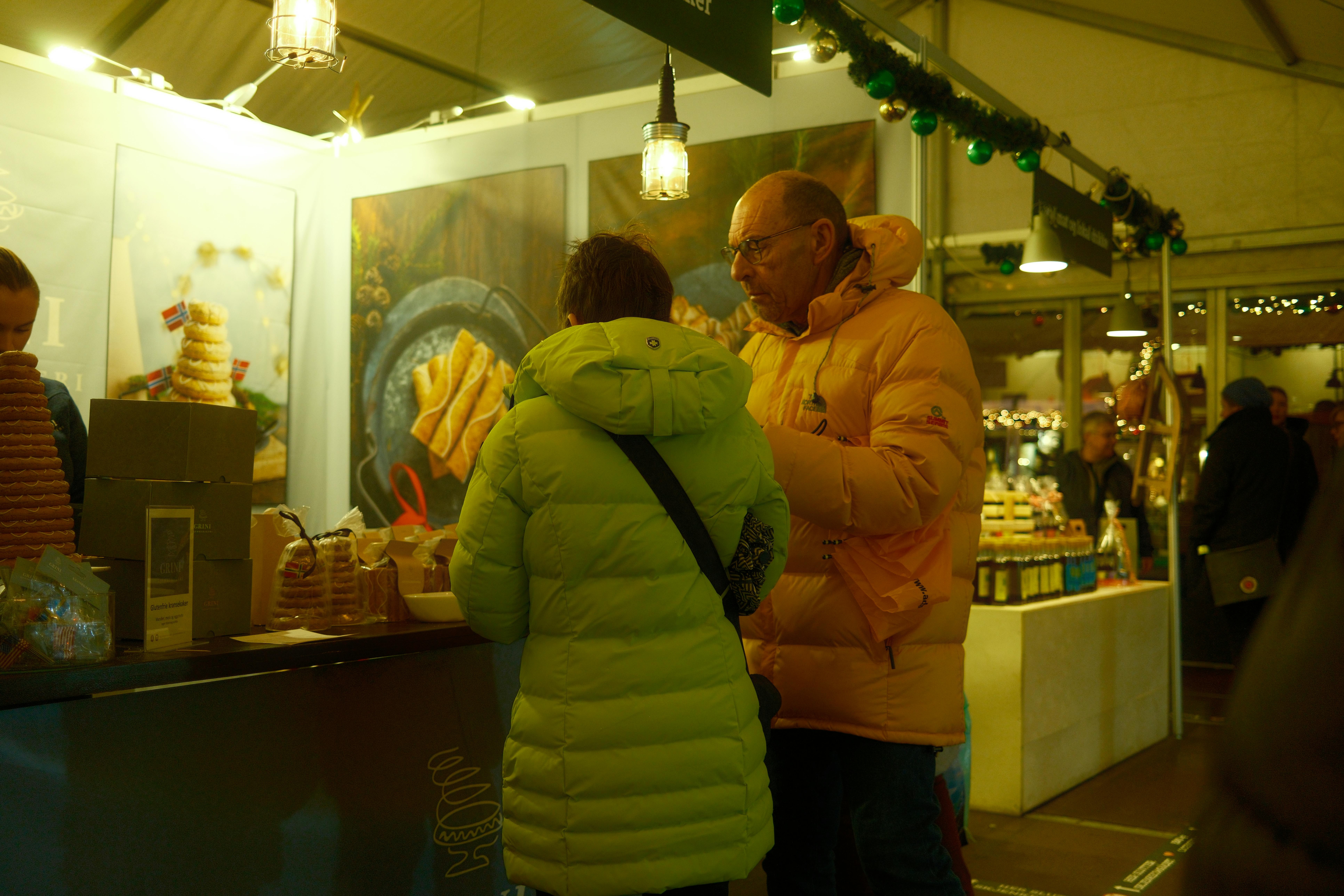
New Orleans isn't a city that simply has good food; it is a city where food is the culture. It's the vibrant, soulful expression of its unique Creole and Cajun heritage, a story told through flavor that you simply cannot find anywhere else on earth. To visit New Orleans is to participate in a city-wide, centuries-old celebration of eating.
Why Your Taste Buds Will Thank You
A Roster of Icons: This is the hallowed ground of Gumbo, Jambalaya, Étouffée, Po' boys, and Beignets. These aren't just dishes; they are cultural institutions you must experience at their source.
A Spectrum of Dining: From historic, white-tablecloth Creole establishments to raucous neighborhood seafood boils, the city offers a dining experience for every mood and budget.
Birthplace of the Cocktail: The city's bar scene is as serious and storied as its restaurant scene, giving us legendary cocktails like the Sazerac and the Vieux Carré.
The Solo Traveler Advantage
The energy of New Orleans is communal and infectious, making it surprisingly easy to navigate as an individual. The city’s dining infrastructure is built for solo exploration. Countless classic restaurants feature long, inviting bars where ordering a three-course meal is as common as ordering a drink. Casual po' boy shops and oyster bars are designed for quick, delicious, and solo-friendly meals. The constant hum of music and street life means you're never truly alone; you're part of the city's living, breathing festival. Joining a walking food tour of the French Quarter is one of the best ways to get your bearings, sample the classics, and connect with fellow travelers.
The Solo Foodie Scorecard
Your "Must-Eat" List
Charbroiled Oysters: Find a classic oyster bar with a seat at the counter and watch the magic happen.
A Fried Shrimp Po' boy "Dressed": Grab one from a casual, no-frills neighborhood joint for an authentic taste.
Gumbo: Sample it everywhere, from an upscale Creole restaurant to a laid-back Cajun cafe, to appreciate its rich diversity.
Insider Solo Tip: Many of the most famous restaurants, like Commander's Palace, offer fantastic weekday lunch specials that provide a taste of their legendary cuisine for a fraction of the dinner price.
2. New York City, New York

New York isn't just a city; it's a global culinary encyclopedia. It's a place where you can eat your way across continents without ever leaving a single borough. The city's food scene is a direct reflection of its identity: a dynamic, endlessly diverse melting pot of cultures, flavors, and experiences.
Why Your Taste Buds Will Thank You
Unmatched Diversity: From Michelin-starred tasting menus in Manhattan to authentic soup dumplings in Queens, NYC offers a world of culinary options.
An Iconic Menu: It’s the definitive home of the classic pizza slice, the overstuffed deli sandwich, and the perfect bagel with lox.
The Trendsetter: NYC is a culinary incubator where new food trends are born, making it a thrilling destination for anyone who wants to taste the future.
The Solo Traveler Advantage
Let’s state this plainly: New York City isn't just one of the best solo destinations for foodies; it's arguably the template. Why? Because dining alone here isn't an exception or a novelty—it’s a fundamental part of the city’s rhythm. The infrastructure is built for one. The sheer number of diners, ramen shops with counter seating, gourmet food halls (like Chelsea Market and Dekalb Market), and slice shops makes solo dining effortless. You will never feel out of place grabbing a seat at a bar for dinner or a stool at a coffee counter. The world-class public transportation system means you can affordably explore the culinary landscapes of all five boroughs with just the swipe of a MetroCard.
The Solo Foodie Scorecard
Your "Must-Eat" List
A Classic Slice: Grab a foldable, perfect slice from a legendary, no-frills joint like Joe's Pizza.
A Pastrami on Rye: Experience a true New York deli sandwich from an institution like Katz's Delicatessen.
Soup Dumplings (Xiao Long Bao): Head to a specialty spot in Chinatown or Flushing for these delicate, broth-filled wonders.
Insider Solo Tip: To experience some of the city's best food without the hassle of reservations, focus on the incredible food halls where you can sample from multiple high-end vendors in a casual, communal setting.
3. Portland, Oregon

Portland's food scene is a delicious reflection of its independent, creative, and slightly quirky spirit. It's a city that champions the local, the artisanal, and the unconventional, from its world-class coffee roasters to its pioneering food truck culture. This is a place for the foodie who values craft and community.
Why Your Taste Buds Will Thank You
Food Cart Culture: Portland is the undisputed king of food trucks (called "food carts" here). Clusters of these carts, known as "pods," offer a staggering variety of high-quality, affordable global cuisine.
Farm-to-Table Ethos: The city is surrounded by the fertile Willamette Valley, giving chefs direct access to incredible local produce, which is at the heart of the dining scene.
Coffee and Doughnuts: Portland takes its coffee and doughnuts very seriously, with legendary spots like Voodoo Doughnut and the more artisanal Blue Star, plus a world-class coffee scene.
The Solo Traveler Advantage
Portland is a paradise for the solo diner, primarily because of its food cart culture. The pods are designed for individual ordering and casual outdoor seating, completely removing the formality of a traditional restaurant. You can create your own progressive meal, grabbing an appetizer from one cart, a main from another, and dessert from a third. It's a low-pressure, high-reward dining experience that feels custom-made for one. The city is also incredibly walkable and bike-friendly, with excellent public transit, making it easy to explore.
The Solo Foodie Scorecard
Your "Must-Eat" List
Anything from a Food Cart: Explore a large pod and pick whatever tempts you most.
An Artisanal Doughnut: Try a unique flavor from a spot like Blue Star Donuts to taste Portland's creative side.
A Specialty Coffee: Visit one of the city's renowned roasters, like Stumptown Coffee, for a perfectly crafted pour-over.
Insider Solo Tip: Build your own food tour by using the city's bike-share program, Biketown, to pedal between different food cart pods in various neighborhoods.
4. San Francisco, California

San Francisco is a culinary heavyweight with a rich history, from Gold Rush-era sourdough starters to the birth of the modern farm-to-table movement. Its food scene is a vibrant mix of historic neighborhoods, fresh California ingredients, and a deep connection to the Pacific.
Why Your Taste Buds Will Thank You
Neighborhood Specialties: This is a city of distinct culinary zones: authentic Italian in North Beach, incredible dim sum in the country's oldest Chinatown, and world-class Mexican food in the Mission District.
Ingredient Mecca: Situated between the Pacific Ocean and California's agricultural heartland, chefs here have access to some of the best seafood, produce, and wine in the world.
The Ferry Building Marketplace: This iconic food hall is a one-stop shop for the best of Northern California's artisanal products, from local cheeses to fresh oysters.
The Solo Traveler Advantage
San Francisco's neighborhood-centric nature makes it a fantastic city for solo exploration on foot. A solo traveler can easily spend a day walking from the taquerias of the Mission to the cafes of North Beach, tasting the city's history along the way. The Ferry Building Marketplace is a must-visit, offering a bustling, low-pressure environment perfect for grabbing a gourmet lunch, sampling local products, and enjoying stunning views of the bay.
The Solo Foodie Scorecard
Your "Must-Eat" List
A Mission Burrito: Get an authentic, foil-wrapped masterpiece from a beloved taqueria in the Mission District.
Dim Sum in Chinatown: Wander the streets of the nation's oldest Chinatown and find a bustling spot for a dim sum brunch.
Sourdough Bread Bowl with Clam Chowder: A quintessential San Francisco experience, best enjoyed with a view of the water.
Insider Solo Tip: For an amazing and affordable solo lunch, head to a market in Chinatown, grab some roast duck or pork to go, and enjoy it at a park with a view.
5. Chicago, Illinois

Chicago is a city of bold flavors and hearty appetites. While famous for its deep-dish pizza, its culinary scene is also incredibly sophisticated, boasting a high concentration of Michelin-starred restaurants. It's a city that perfects both high-end and low-brow cuisine with equal passion.
Why Your Taste Buds Will Thank You
A Trio of Icons: Chicago is the undisputed home of deep-dish pizza, the Chicago-style hot dog (dragged through the garden), and the Italian beef sandwich.
Fine Dining Powerhouse: The city is a destination for serious gourmands, with a thriving fine-dining scene that consistently earns international acclaim.
Diverse Culinary Neighborhoods: From the foodie hub of the West Loop to the Mexican flavors of Pilsen, Chicago's neighborhoods offer a world of exploration.
The Solo Traveler Advantage
Chicago's Midwestern friendliness extends to its dining scene. The city is full of classic taverns and restaurants with welcoming bars where a solo diner can comfortably enjoy a full meal. The rise of food halls, like Time Out Market in the West Loop, has added even more excellent solo-friendly options. The city's grid system and strong 'L' train network make it straightforward to navigate and explore different culinary neighborhoods on your own.
The Solo Foodie Scorecard
Your "Must-Eat" List
Deep-Dish Pizza: You have to try it. Find a classic pizzeria and settle in for a gloriously cheesy experience.
A Chicago-Style Hot Dog: Get one from a classic hot dog stand with all seven traditional toppings.
An Italian Beef Sandwich: Order it "dipped" for the full, messy, and delicious experience.
Insider Solo Tip: To tackle a deep-dish pizza without taking up a large table, aim for a weekday lunch special or find a classic pizzeria with bar seating where you can often order by the slice.
6. San Diego, California
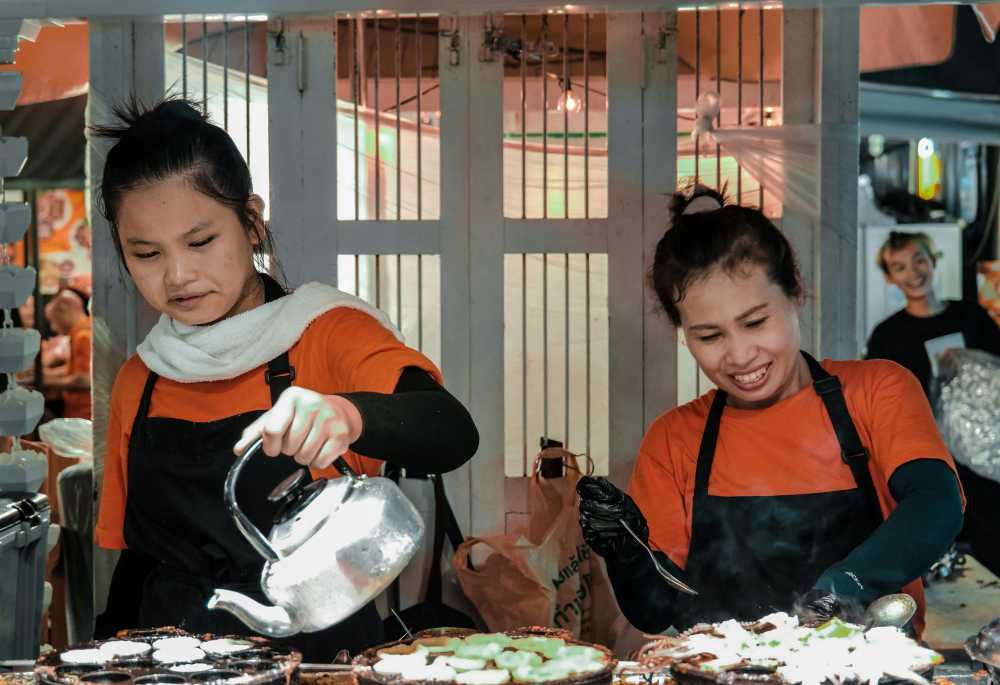
San Diego offers a sun-drenched culinary scene defined by its proximity to the ocean and the border. The vibe is casual and fresh, with a focus on high-quality local ingredients and a vibrant fusion of American and Mexican flavors that created the city's signature dish: the fish taco.
Why Your Taste Buds Will Thank You
Cali-Baja Cuisine: San Diego is the birthplace of this exciting culinary movement, blending the fresh, local ingredients of California with the bold flavors and techniques of Baja California, Mexico.
The Fish Taco Capital: The city is the undisputed fish taco capital, offering everything from simple fried fish stands to gourmet grilled mahi-mahi versions.
A Premier Craft Beer Scene: San Diego is one of America's best craft beer cities, with dozens of innovative breweries perfect for a solo afternoon of tasting.
The Solo Traveler Advantage
The casual, outdoor-oriented culture of San Diego makes it an incredibly welcoming place for a solo traveler. The dining scene is dominated by taco shops, breweries with food trucks, and open-air cafes where dining alone is completely normal. You can grab a few fish tacos from a casual stand in La Jolla and eat them on the beach, or settle in at a brewery tasting room and chat with the locals.
The Solo Foodie Scorecard
Your "Must-Eat" List
Fish Tacos: Eat them from a casual, open-air stand in a beach neighborhood like Pacific Beach.
Carne Asada Fries: A decadent and delicious local specialty you'll find at taco shops across the city.
A Local Craft Beer: Visit a brewery in the North Park neighborhood, the heart of the city's craft beer scene.
Insider Solo Tip: Many of San Diego's best taco shops are cash-only, so be sure to have some on hand to avoid missing out on the most authentic spots.
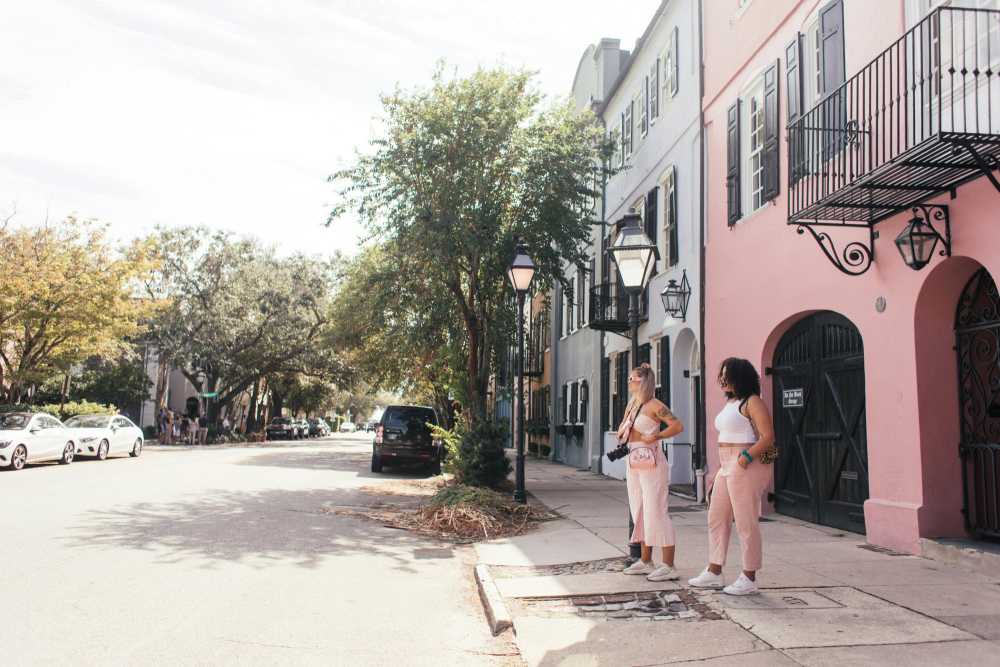
7. Charleston, South Carolina

Charleston is a city where history and culinary innovation gracefully intertwine. It’s a jewel box of a city, with a sophisticated food scene that honors its Lowcountry roots while constantly pushing the boundaries of Southern cuisine.
Why Your Taste Buds Will Thank You
The Heart of Lowcountry Cuisine: Charleston is the epicenter of Lowcountry cooking, featuring regional staples like shrimp and grits, she-crab soup, and fresh oysters.
James Beard Acclaim: The city has an incredibly high concentration of James Beard Award-winning chefs and restaurants, making it a destination for high-end dining.
Historic Ambiance: Dining in Charleston often means eating in beautifully preserved historic buildings, adding a unique sense of place to every meal.
The Solo Traveler Advantage
The solo traveler's skeleton key to Charleston's exclusive dining scene? The bar seat. At celebrated spots like Husk or FIG, where reservations are booked months out, the bar is often held for walk-ins. Arrive 15 minutes before they open for dinner, be the first in line, and you can often snag a front-row seat to a world-class meal without a reservation. The city's compact, historic downtown is exceptionally walkable and safe, making it a joy to explore on foot.
The Solo Foodie Scorecard
Your "Must-Eat" List
Shrimp and Grits: Try a classic version at a respected Lowcountry restaurant.
She-Crab Soup: A rich, creamy Charleston specialty you won't find anywhere else.
Fresh Oysters: Enjoy them raw on the half shell from the nearby waters.
Insider Solo Tip: Beyond the bar trick, look for the city's many "hidden gem" casual lunch counters tucked away on side streets, which serve incredible Lowcountry food without the pomp or price.
8. Austin, Texas

Austin runs on a fuel of barbecue smoke, breakfast tacos, and live music. It's a city with a rebellious, fun-loving spirit, and its food scene is just as bold and creative. It's a place where tradition (Texas barbecue) and innovation (gourmet food trucks) exist side-by-side.
Why Your Taste Buds Will Thank You
A Barbecue Pilgrimage: Austin is a global destination for barbecue lovers, home to legendary smokehouses where people wait in line for hours for perfectly smoked brisket.
The Breakfast Taco: The breakfast taco is a local obsession and the city's quintessential morning meal.
Innovative Food Trucks: Like Portland, Austin has a thriving food truck scene, offering everything from gourmet donuts to fusion tacos in parks across the city.
The Solo Traveler Advantage
Austin’s casual, social culture makes it one of the best US cities for solo food travel. The barbecue experience, where waiting in line is a communal ritual, is inherently social and a great way to meet people. The food truck parks are designed for casual, individual dining, and grabbing a breakfast taco from a walk-up window is a perfect solo start to the day. The live music scene provides endless evening entertainment that's easy to enjoy alone.
The Solo Foodie Scorecard
Your "Must-Eat" List
Brisket from a Legendary Smokehouse: It's worth the wait. Go early and make an experience out of it.
Breakfast Tacos: Try a few different kinds from a beloved local taco stand.
Queso: Sample this molten cheese dip, a Tex-Mex staple, at a lively restaurant with a patio.
Insider Solo Tip: To skip the legendary lines at places like Franklin Barbecue, consider their pre-order service for pickup or aim for a weekday visit right when they open.
Your Field Guide to Dining Solo—And Loving It

Having a list of destinations is the first step—now it's time to master the craft. Because knowing where to go is only half the battle; knowing how to approach it with confidence is what turns a good trip into an unforgettable one.
Four Ways to Conquer the Table for One
Embrace the Bar: The bar is the best seat in the house for a solo diner. It's socially designated for individuals, eliminates the "empty chair" feeling, and often provides a chance to chat with the bartender or other patrons.
Come with a Prop: A book, a journal, or a city map can be a great prop. It gives you something to engage with during lulls and signals that you're a traveler contentedly soaking in the experience.
Start Casual: Your first few solo meals don't need to be at a fancy restaurant. Start with more casual environments. Cafés, bustling food halls, and counter-service restaurants are excellent, low-pressure venues.
Dine Early: Dining during off-peak hours (e.g., an early dinner at 5:30 PM) can feel less intimidating than walking into a packed restaurant at the height of the dinner rush.
Pro-Tip: Download the Resy or OpenTable app and look for restaurants that have a "Bar Seating" option when you book. This guarantees you a designated solo spot and takes the guesswork out of your arrival.
Think Beyond the Restaurant: How to Find Your Food Tribe
Take a Food Tour: These are the ultimate solo traveler hack. They offer a curated tasting menu of a city's best bites, eliminate decision fatigue, and provide an instant group of like-minded dining companions for an afternoon.
Sign Up for a Cooking Class: This is a hands-on, immersive way to learn about local ingredients and culinary techniques. The small-group setting naturally fosters conversation and connection over a shared task.
Explore a Farmers' Market: Places like San Francisco's Ferry Building are vibrant, low-pressure environments perfect for observing local life, sampling artisanal products, and assembling a gourmet picnic to enjoy in a nearby park.
The Table is Set for Your Solo Adventure
The best solo destinations for foodies offer a perfect marriage of exceptional cuisine and a welcoming, accessible environment for the individual traveler. From the Creole kitchens of New Orleans to the food trucks of Austin, these cities prove that you don't need a companion to have a rich and delicious travel experience. Armed with this knowledge, you can confidently navigate the country's best food scenes. The world is your oyster (or taco, or slice of pizza). Go taste it.
Your Questions, Answered: The Solo Foodie FAQ
What is the best US city for a first-time solo foodie trip?
New York City is often the top choice for first-timers. The sheer variety of food, the prevalence of solo-friendly dining spots like food halls and diners, and the fact that eating alone is completely normal make it a very comfortable and exciting experience.
How can I find good restaurants for dining alone?
Look for places with bar or counter seating, as this is a natural spot for solo diners. Food halls and markets are also fantastic options for variety and a casual atmosphere. Reading online reviews and searching for terms like "counter seating" or "good for solo dining" can also help you find the perfect spot.
Are food tours a good idea for solo travelers?
Absolutely! Food tours are one of the best ways to experience a city's culinary scene when traveling alone. They provide a structured itinerary, allow you to sample many different things without ordering full meals, and offer a great opportunity to meet other travelers in a relaxed, social setting.
Is it safe to explore food scenes alone at night?
Safety varies by city and neighborhood, so it is crucial to research your specific destination. Always stick to well-lit, busy areas, be aware of your surroundings, and let someone know your plans. Using a taxi or rideshare service for late-night travel back to your accommodation is a wise precaution.
Read the full guide: Anxious to Adventurous: The Ultimate Guide to Solo Travel Confidence
Don't Miss Out! Subscribe for Exclusive Content
Subscribe



Comments 0
No comments yet
Be the first to share your experience!
Dont Miss Out! Subscribe for Exclusive Content

Chicago Beer Fests: Top 6 Tastings


A Woman's Guide to Safe Travel: 10 Critical Tips

7 Hotel Safety & Security Tips for Peace of Mind

9 Beach Safety Tips That Could Save Your Life

How to Stay Safe While Hiking: A Hiker's Safety Guide

11 Essential Solo Travel Safety Tips You Need to Know
9 Beach Safety Tips That Could Save Your Life
TrekGuider @trekguider
There’s a moment on every beach trip that feels like pure magic. It’s the feeling of warm sand between your toes, the hypnotic sound of waves crashing, and the endless blue horizon stretching out before you. It’s a picture of perfect relaxation. But beneath that tranquil surface, the ocean holds immense and impartial power. A beautiful day can turn dangerous in an instant from a hidden current, underestimated waves, or the relentless sun, transforming a dream vacation into a terrifying emergency. Every year, countless beachgoers find themselves in preventable peril simply because they misread the water or weren't prepared for the environment.
This isn't a guide to make you fear the ocean; it's a playbook to empower you to respect it. We’re here to give you the essential, expert-backed beach safety tips that can mean the difference between a blissful day and a life-altering one. These strategies, drawn from lifeguarding associations and national weather experts, are a critical component of the situational awareness we cover in our comprehensive guide, The Ultimate Guide to Travel Safety: A 2026 Playbook. By learning to see the beach not just as a playground, but as a dynamic natural environment, you can ensure your only takeaways are seashells and incredible memories. Let’s dive in.

Master the Water: Essential Ocean Safety Tips
The vast majority of beach-related dangers originate in the water itself. From powerful currents to unpredictable surf, understanding the ocean's behavior is the most critical skill any beachgoer can possess. These are the foundational beach safety tips for staying safe in the surf.
1. Become an Expert at Spotting Rip Currents
Rip currents are the number one danger at most surf beaches, responsible for the majority of ocean rescues performed by lifeguards. They are not undertows that pull you under the water; they are powerful, narrow channels of water that flow away from the shore at high speed. According to NOAA and the United States Lifesaving Association (USLA), knowing how to visually identify one from the shore is your first and best line of defense.
Here’s what to look for, especially from an elevated position like the dunes or a lifeguard tower:
A Channel of Churning, Choppy Water: Look for a specific area where the water seems agitated or rough, moving in a different direction than the surrounding waves.
A Break in the Incoming Wave Pattern: This is often the easiest sign to spot. You'll see a gap in the line of breaking waves—an area that looks deceptively calm. This flat spot is the rip current pulling water back out to sea, disrupting the incoming waves.
A Difference in Water Color: Because the current is carrying sand and sediment offshore, the water within a rip current often appears darker, murky, or sandy brown compared to the clearer, greener water on either side.
A Line of Foam or Debris Moving Seaward: This is a dead giveaway. If you see a line of foam, seaweed, or other floating debris moving steadily away from the beach, perpendicular to the shore, you are looking directly at a rip current.
Pro-Tip: Before you even set up your umbrella, take five minutes to stand back and observe the water. Actively look for these signs. Identifying potential rip currents before you get in the water is the single most important safety action you can take.
2. Know the "Flip, Float, Follow" Rule for Rip Current Survival
If you do get caught in a rip current, your instinctive reaction—to panic and swim directly against it back to shore—is the most dangerous thing you can do. Fighting a rip current will exhaust you to the point of drowning. The correct response is simple and could save your life.
Flip: Flip onto your back to stay afloat and conserve energy.
Float: The current will not pull you under; it will only pull you away from shore. Stay calm and float with it.
Follow: Once you are out of the main pull of the current, begin swimming parallel to the shoreline. Do not swim toward the beach. Once you have swum out of the current, you can then turn and swim back to shore, ideally at an angle away from where you were caught.
If you are unable to swim out of it, continue to float and wave your arms and yell for help to attract the attention of a lifeguard or other swimmers.

3. Understand and Obey the Beach Warning Flag System
While knowing how to escape an invisible current is a vital reactive skill, your most powerful proactive tool is the one flapping in the breeze. Beach warning flags are a simple, universal language used by lifeguards to communicate the current water conditions. This system, adopted by the International Lifesaving Federation, provides a quick, visual assessment of the hazard level. Ignoring these flags is a gamble you should never take.
Green Flag: Low Hazard. Conditions are calm, but you should still exercise caution.
Yellow Flag: Medium Hazard. Moderate surf and/or currents are present. Weak swimmers should stay out of the water, and everyone else should use extra care.
Red Flag: High Hazard. The surf is high, and/or strong currents make conditions dangerous. It is recommended that no one enters the water.
Double Red Flag: Water Closed to Public. Conditions are extremely dangerous. The water is closed to all swimming, and entering it is prohibited.
Purple Flag: Dangerous Marine Life. This flag indicates that potentially hazardous marine life, like jellyfish or sharks, has been spotted. It is always flown with another color flag that indicates the surf conditions.
Pro-Tip: The absence of flags does not automatically mean the water is safe. If there is no flag, it likely means there is no lifeguard on duty. In that case, you are swimming entirely at your own risk. Always try to swim at a beach protected by lifeguards.
Master the Environment: Sun and Shoreline Safety Tips
While the ocean poses the most immediate threats, the beach environment itself has its own set of risks. The sun, sand, and heat can cause serious health issues if not managed properly. These beach safety tips will keep you safe on the shore.
4. Know the Signs of Heat Exhaustion vs. Heatstroke
That perfect, sun-drenched beach day holds a hidden danger. When the temperature climbs, the line between bliss and a medical emergency can blur with alarming speed. According to the Red Cross, it's crucial to know the difference between heat exhaustion and the more severe, life-threatening heatstroke (sunstroke).
Heat Exhaustion Symptoms:
Headache, dizziness, and confusion
Excessive sweating with cool, moist, or pale skin
Nausea and muscle cramps
A rapid, weak pulse
First-Aid for Heat Exhaustion:
Move to a Cool Place: Immediately get the person out of the direct sun and into shade or air conditioning.
Cool Them Down: Loosen their clothing and apply cool, wet cloths or spray them with cool water.
Rehydrate: If they are conscious and able to swallow, have them sip small amounts of a sports drink or water.
If their condition doesn't improve or they start vomiting, call for emergency help immediately, as it can progress to heatstroke.
5. Recognize the Emergency of Heatstroke (Sunstroke)
Heatstroke is a full-blown medical emergency where the body's internal cooling system completely fails.
Heatstroke Symptoms:
Changes in mental status (confusion, agitation, loss of consciousness)
Hot, flushed, and often dry skin (sweating may have stopped)
A dangerously high body temperature (often above 104°F / 40°C)
A rapid, strong pulse, which may become weak later
First-Aid for Heatstroke:
Call 911 Immediately: This is a life-threatening emergency that requires professional medical intervention.
Begin Rapid Cooling: While waiting for help, do everything you can to cool the person's body. Immerse them in cool water if possible, or douse them with water and apply ice packs to the neck, groin, and armpits.

6. Practice Proactive Sun Protection
The best way to deal with a heat-related illness is to never let it start. Sun protection is a continuous strategy, not a one-time action.
Hydrate Constantly: Drink plenty of water throughout the day, even before you feel thirsty.
Use Broad-Spectrum Sunscreen: Apply a sunscreen with at least SPF 30 and reapply it every two hours, and always immediately after swimming or excessive sweating.
Seek Shade: Use an umbrella and take breaks from the sun, especially during the peak intensity hours of 10 a.m. to 4 p.m.
Wear Protective Clothing: A wide-brimmed hat and UV-blocking sunglasses are non-negotiable.
7. The "Stingray Shuffle" Rule
In many coastal areas, stingrays bury themselves in the sand in shallow water. Stepping directly on one can result in an excruciatingly painful sting from the barb on their tail. To avoid this, never walk normally through the shallows. Instead, shuffle your feet along the sand. The vibrations from the shuffle will alert any nearby stingrays to your presence, giving them a chance to swim away peacefully.
Master Your Preparation: Final Beach Safety Tips
A safe and relaxing beach day begins before you even leave home. Smart planning and having the right gear can make all the difference, especially when traveling with family.
8. Pack a Dedicated Beach First-Aid Kit
While your main travel medical kit should be comprehensive, your beach bag needs a few specific items to handle common coastal issues:
Waterproof Bandages: For minor cuts and scrapes from shells or rocks.
Aloe Vera Gel: For immediate relief from minor sunburn.
Antihistamine Cream: To soothe the itch from insect bites.
Tweezers: For removing splinters or shell fragments.
Vinegar: A small bottle of white vinegar is a secret weapon; it can help neutralize the sting from some types of jellyfish.
9. Always Designate a "Water Watcher"
When you're at the beach with a group, especially with children, it's easy to fall into the trap of "diffusion of responsibility," where everyone assumes someone else is watching the kids in the water. The solution is to formally designate one adult as the "Water Watcher" for a set period (e.g., 15-20 minutes). During their shift, that person's only job is to watch the water without distraction—no phones, no books, no conversations. Then, you switch. This simple system ensures there are always eyes on the swimmers.
Your Ultimate Guide to Family Beach Travel
Keeping kids safe and entertained at the beach is a unique challenge. From packing the right gear to navigating meltdowns and keeping them safe in the sun and surf, a little extra preparation goes a long way. Our specialized guide takes the stress out of the equation.
Download our free Stress-Free Flying with Kids Guide for expert tips on making every part of your family vacation, from the airport to the beach, a breeze!
Beach Safety FAQs
A prepared mind is a safe mind. Here are quick answers to other common beach safety questions.
1. What’s the right way to treat a jellyfish sting?
First, get out of the water. Rinse the affected area with vinegar (if available) for about 30 seconds to deactivate the stingers. Do not use fresh water, as it can make it worse. Carefully pluck out any visible tentacles with tweezers. Soaking the skin in hot water (as hot as can be tolerated without burning) for 20-45 minutes can also help relieve the pain.
2. Is it safe to dig deep holes in the sand?
Digging in the sand is a classic beach activity, but deep holes can be incredibly dangerous. They can collapse unexpectedly, burying a person in seconds. Never dig a hole deeper than the knees of the smallest person in your group, and always fill in any holes you dig before you leave the beach.
3. What should I do if I see someone in trouble in the water?
Do not attempt a swimming rescue yourself unless you are trained in water rescue. An untrained rescuer can quickly become a second victim. The best course of action is to call for help immediately. Yell to alert a lifeguard and call 911. If you can, throw the person something that floats, like a cooler or a boogie board.
By embracing these nine essential beach safety tips, you shift from being a passive visitor to an active, aware, and prepared participant in one of nature’s most magnificent environments. The goal isn't to diminish the fun but to ensure it. A healthy respect for the ocean and a solid plan for your day are the keys to unlocking a truly carefree and unforgettable experience by the sea.

Now that you've mastered the art of staying safe on the coast, you can focus on the rest of your adventure. For a complete, deep-dive into every facet of trip planning, from health and safety to budgeting and logistics, our comprehensive Travel Guide is the only resource you'll ever need.
Don't Miss Out! Subscribe for Exclusive Content
SubscribeComments 0
No comments yet
Be the first to share your experience!
Dont Miss Out! Subscribe for Exclusive Content

Ultimate USA Holidays Guide: Top Picks

FTC Affiliate Disclosure Essentials: Stay Compliant as a Travel Creator

Essential Affiliate Tools: From Tracking to Full Optimization

Booking.com Affiliate Program Review: Pros, Cons, and Earnings Potential

Decoding Affiliate Commission Rates: Benchmarks for Travel Creators

Amazon Associates for Travel: Strategies to Maximize Commissions
St. Patrick's: River Dyeing Secrets
TrekGuider @trekguider
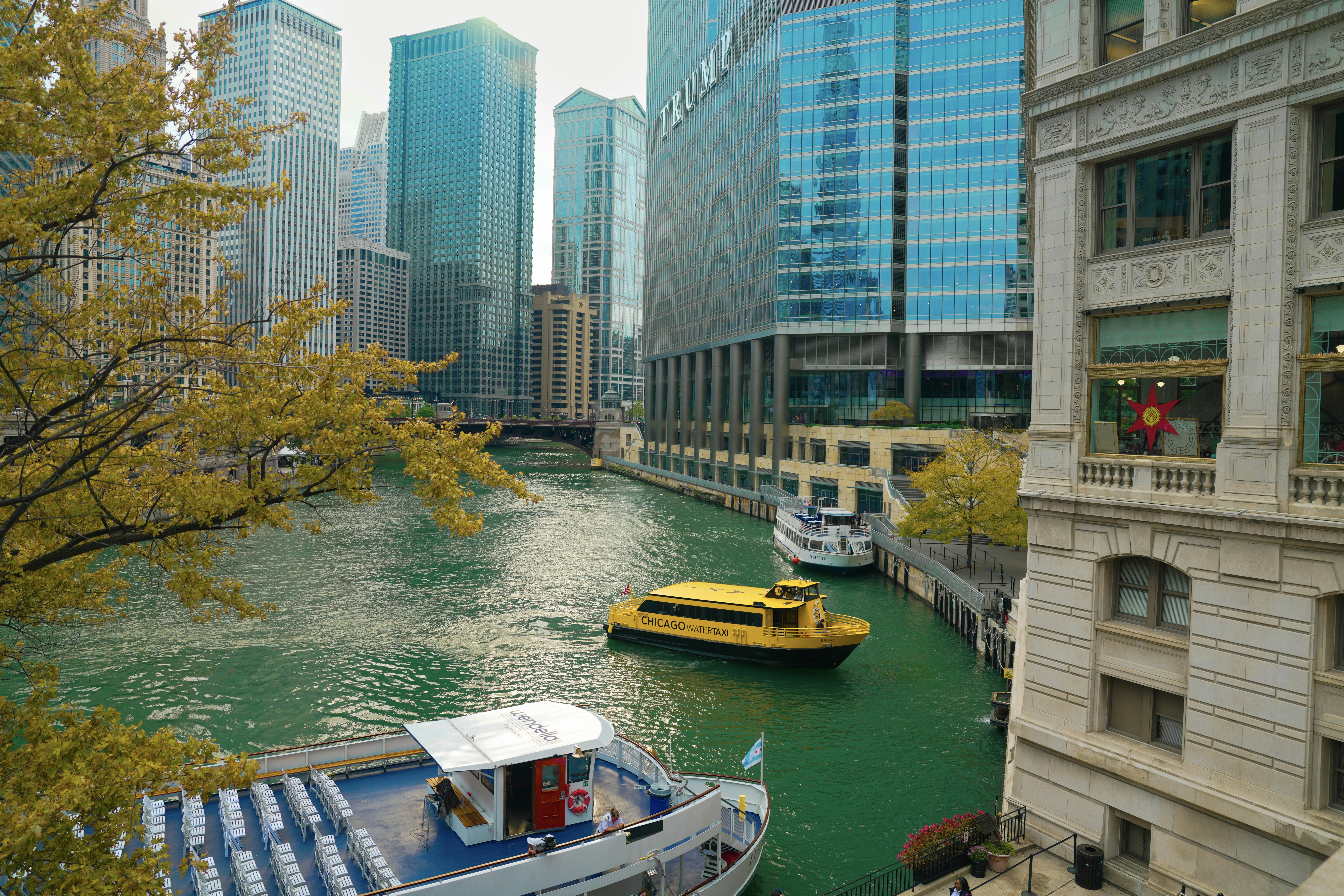
You’ve seen the photos, and they look impossible: a major American river, flowing through a canyon of skyscrapers, glowing with the emerald-green hue of a shamrock. It’s a spectacle so surreal it feels like a clever digital edit. But it’s real, and the biggest problem for any traveler is that witnessing this world-famous tradition feels like a logistical nightmare. Where are the best spots? What time do you really need to arrive to beat the hundreds of thousands of spectators? And how do they even accomplish this magical feat without creating an environmental disaster?
Without a rock-solid plan, you risk being swallowed by a sea of green, craning your neck for a sliver of water between a thousand heads, only to miss the fleeting moment of transformation. You could spend hours shivering in the Windy City's notorious March air and leave with nothing but a blurry photo and the bitter taste of disappointment. This iconic event is the dazzling centerpiece of the city's festive calendar, a unique urban ritual that we place in the broader context of the city's year-round celebrations in our complete guide to Chicago Holidays: Windy City Thrills. Don't let poor planning rob you of the magic.
This is your definitive insider’s guide. Forget the guesswork. We are pulling back the curtain on the river dyeing secrets, from the history and science behind the tradition to a minute-by-minute game plan for a perfect day. You will learn the absolute best viewing locations, the parade navigation hacks locals swear by, and how to transform a potentially chaotic day into an unforgettable urban adventure.

The Legend of the Green River: An Accidental Tradition
While Chicago’s St. Patrick's Day Parade is one of the nation's oldest, with roots stretching back to 1843, the tradition that truly puts it on the global map is much younger. The practice of dyeing the Chicago River green was born in 1962 from a moment of pure, serendipitous observation. Stephen Bailey, then the business manager of the Chicago Journeymen Plumbers Local Union, noticed that a dye plumbers used to detect leaks and pollution sources in the river had stained a worker's white overalls a perfect, brilliant shade of Irish green.
A lightbulb went off. If that small amount of dye could stain fabric so vividly, what could a larger quantity do to the entire Chicago River? The Plumbers Union, a key sponsor of the parade, decided to find out. For the inaugural dyeing, they released 100 pounds of the chemical into the river, which, to their astonishment, kept the waterway a radiant green for nearly a week. The spectacle was an instant sensation, captivating the city and cementing a new, indelible tradition. Over the decades, the process has been perfected and the formula made environmentally safe, but the magic—and the stewardship of the event—remains firmly in the hands of the Plumbers Union, proof of a quirky idea that became a beloved civic institution.
The Science of the Spectacle: How Orange Powder Turns a River Green
The most closely guarded secret in Chicago isn't a political backroom deal; it's the precise formula for the dye that transforms the river. What we do know is that it’s a vegetable-based powder, making it completely safe for the river's ecosystem. The real visual trickery, however, lies in its color. When you see the crew on the boats scooping the substance from its container, you’ll notice it’s a bright, fiery orange.
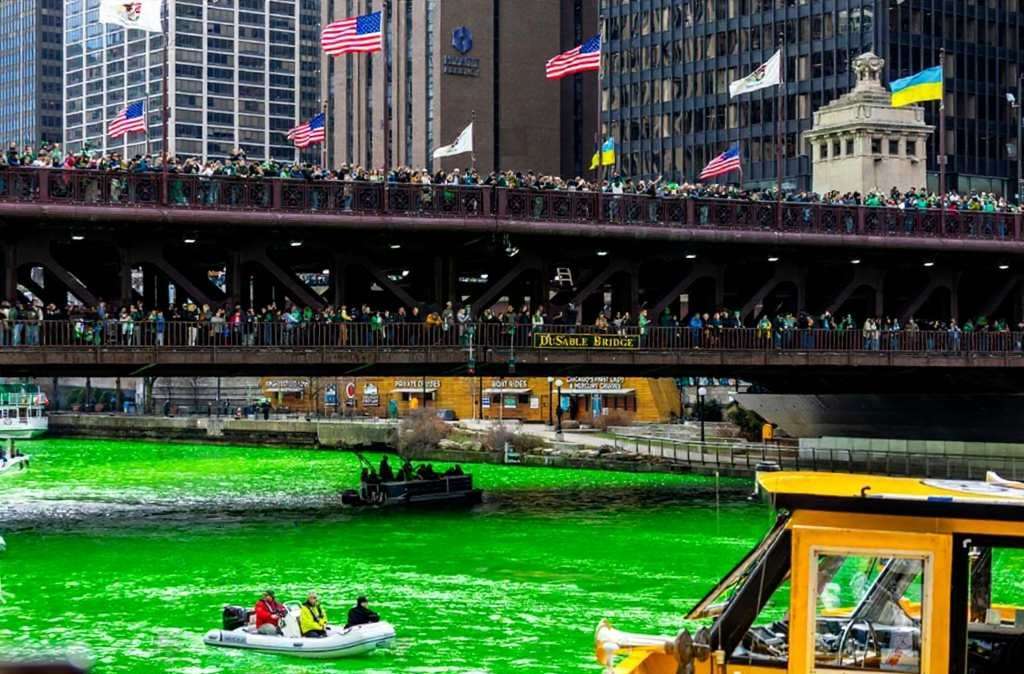
The magic happens the moment the powder hits the water. Through an immediate chemical reaction, the orange powder blossoms into a brilliant emerald green. The process is a well-oiled machine. Two to three motorboats from the Plumbers Union perform the honors. One larger boat dumps between 40 and 60 pounds of the powder into the river just east of the DuSable Bridge (Michigan Avenue), creating a thick, concentrated streak of color. Smaller boats then zip back and forth through the dyed water, acting like giant egg beaters to churn the color and ensure it spreads evenly from bank to bank.
The initial streak of green is intense and almost fluorescent before it mellows into a rich, opaque emerald. The vibrant color holds for about five to six hours, allowing plenty of time for photos and for parade-goers to marvel at the sight before it naturally dissipates into Lake Michigan.
Pro-Tip: Many first-time visitors worry about the environmental impact. Rest assured, the original oil-based fluorescein dye was replaced with the current eco-friendly, vegetable-based powder decades ago. The Plumbers Union takes immense pride in the tradition being a safe spectacle that harms no wildlife.

Your Ultimate Viewing Guide for the St. Patrick's Day Chicago River Dyeing
Securing a good spot to watch the river dyeing is the single most important part of your plan. The event officially begins at 10:00 AM, but the crowds start forming hours earlier. Here are the best places to stake your claim, broken down by experience.
For the Iconic Postcard Shot: The Bridges
The East Side of the DuSable Bridge (Michigan Avenue): This is ground zero, the quintessential, postcard-perfect view. You get the iconic architecture, the Wrigley Building, the river, and the boats all in one frame. However, it is the most crowded spot on the planet for that hour. You must arrive by 7:00 AM, at the latest, to get a front-row spot against the railing.
The West Side of the Columbus Drive Bridge: Offering another fantastic, elevated vantage point, this bridge is slightly less famous than Michigan Avenue, so it can be marginally less packed. It’s also very close to the parade’s starting point, making for an easy transition.
For an Immersive, Water-Level View: The Riverwalk
The Chicago Riverwalk (Upper and Lower Levels): The stretch of the Riverwalk between Michigan Avenue and Columbus Drive puts you right at water level. It offers a unique and dramatic perspective as the green tide flows past. It’s fantastic for close-up photography and feeling completely immersed in the action. The lower level fills up extremely fast, and police will restrict access once it hits capacity, so get there early and be prepared to stay put.
For a More Relaxed, Crowd-Averse Experience
West of Michigan Avenue (Wabash, State, or Dearborn Street Bridges): The further west you go from the main dyeing area, the thinner the crowds become. You can still see the beautifully green river from these bridges without the intense crush of people. This is an excellent option for families with small children or anyone who prefers a bit more breathing room. You won't see the boats actively dumping the dye, but you'll see the stunning final product.
The St. Patrick's Day Chicago Game Plan: A Minute-by-Minute Timeline
To truly master the day, you need a strategy. Here is a timeline for Saturday, the Saturday before St. Patrick's Day, to ensure you see everything without the stress.
It’s a crucial distinction for planning: St. Patrick’s Day itself falls on Monday, March 17, 2026, but the city holds its main celebrations—the dyeing and the parade—on the preceding Saturday, March 15th. This allows for the largest possible turnout and a full day of festivities.
7:00 AM - 7:30 AM: The Early Bird Gets the View This is not an exaggeration. If you want a prime spot on the Michigan or Columbus bridges, you need to be there now. Grab a coffee and a pastry, dress in more warm layers than you think you need (the wind off the river is biting), and claim your territory. The city is still quiet, and the energy is just starting to build.
8:00 AM - 9:30 AM: The Green Tide Rises The crowds will begin to pour in. The bridges and the Riverwalk will fill up rapidly. This is the time to hold your ground and soak in the atmosphere. It’s a fantastic people-watching opportunity as the city transforms into a sea of green attire, from shamrock glasses to full-blown leprechaun suits.
10:00 AM: The Magic Moment The Plumbers Union boats will make their appearance. Watch as the crew begins dispersing the secret orange powder. You’ll see the first vibrant streaks of green appear in the boat’s wake, quickly spreading across the river’s surface as the crowd erupts in a collective cheer. This is the moment you came for.
10:30 AM - 11:30 AM: Soak It In and Reposition The river is now a stunning sheet of emerald. Take your photos and enjoy the incredible sight. Once the dyeing is complete, the crowds will begin to shift as people start moving toward the parade route. This is your window to either grab a quick bite or start making your way south to Columbus Drive.
Feeling inspired to document this incredible day? Capture every vibrant moment with our free The Travel Creator's Toolkit, packed with guides for stunning photography and videography to make your memories last a lifetime.
Navigating the Parade: From Columbus Drive to Victory
With the river successfully turned green, the city’s attention shifts to the grand St. Patrick's Day Parade. This is a massive celebration of Irish heritage featuring hundreds of groups, including traditional bagpipers, Irish dancers, elaborate floats, and local dignitaries.
Parade Start Time: 12:15 PM
Parade Route: The parade proceeds north along Columbus Drive, starting at Balbo Drive and ending at Monroe Drive. The main viewing stand is located in front of Buckingham Fountain.

Tips for a Great Parade Experience:
Best Viewing Spot: The area around Buckingham Fountain is the heart of the action, but it’s also the most crowded. For a more relaxed experience, find a spot further north along Columbus Drive toward Monroe.
Arrive with a Plan: The parade route is long. Pick a spot and stick to it. Trying to move through the dense crowds once the parade starts is nearly impossible.
Facilities: Portable restrooms are available along the route, but expect long lines. Plan accordingly. Food and drink vendors are also present, but it’s wise to bring your own water and snacks to avoid the high prices.
Pro-Tip: Public transportation is your best friend. The CTA 'L' trains will be packed, but they are far more efficient than trying to drive and park anywhere near Grant Park. Street closures are extensive. Exit at a stop in the Loop and walk the final few blocks to the river or parade route.
Beyond the River: Celebrating Like a Chicagoan
The river dyeing and parade are the main events, but the celebration extends throughout the city. To truly experience the day like a local, consider adding one of these activities to your itinerary.
Visit an Authentic Irish Pub: Chicago has a rich Irish heritage and the pubs to prove it. Head to neighborhoods like River North or Lincoln Park to find establishments like The Kerryman or Fado Irish Pub for a pint of Guinness, some traditional corned beef and cabbage, and live music.
Explore the Irish American Heritage Center: Located on the city's northwest side, this center often hosts a full-day festival with music, dance, food, and cultural exhibitions, offering a deeper connection to the holiday’s roots away from the downtown crowds.
Enjoy a Themed Cruise: Several boat tour companies offer special St. Patrick's Day cruises on the green river. This is a fantastic way to get an unparalleled view away from the crowded bridges, though tickets are pricey and must be booked months in advance.
Planning a bigger trip around this event? Our comprehensive Travel Guide has everything you need to explore Chicago's neighborhoods, find the best eats, and build the perfect itinerary for a multi-day adventure in the Windy City.
Your Mission, Should You Choose to Accept It
You are now armed with the secrets of the green river, a strategic timeline, and insider tips to navigate the festivities. You have the knowledge to bypass the chaos and witness one of the world's most unique and joyful celebrations like a seasoned pro. The magic of St Patrick's day Chicago is not just in the spectacle itself, but in the shared energy of a city coming together to create something beautiful and fleeting. So, dress in your finest green, brave the March chill, and go make memories that will last far longer than the color in the river.
Don't Miss Out! Subscribe for Exclusive Content
SubscribeComments 0
No comments yet
Be the first to share your experience!
Dont Miss Out! Subscribe for Exclusive Content

San Francisco Cherry Blossoms: A Local's Guide to the Blooms

Halloween SF: Haunts Without Horrors

SF Festivals: 7 Must-See Lineups

Christmas SF: Lights & Wharf Wonders

SF Pride: 6 Route & Party Hacks
