
Best Family Vacations: 4 Ideas That Are Fun With a Toddler

TrekGuider @trekguider
Feeling the pull for a family adventure but paralyzed by the thought of traveling with a toddler? You’re not alone. Many parents find themselves caught between the deep desire for new memories and the very real fear of meltdowns, jet lag, and logistical chaos. This guide is here to solve that conflict, proving that the best family vacations aren't just possible during the toddler years—they can be truly wonderful.
The internet is filled with horror stories that can make any parent second-guess their plans. The stress is immense, from packing to navigating public spaces with a tiny human whose whims are as unpredictable as the weather. But what if the problem isn’t the toddler, but our definition of a “vacation”? What if we shifted the goal from blissful relaxation to creating a pocket of truly joyful, shared memories within a framework of manageable stress?
This is your new playbook. We’ll move beyond generic lists to give you a system for choosing a trip that matches your family’s unique personality. Drawing inspiration from our comprehensive guide to Family Travel Ideas: The 2026 Guide to Unforgettable Trips, this article drills down into the specific, data-driven strategies that make traveling with toddlers a success.

The Unspoken Rules of Toddler Travel
The term "kid-friendly" is one of the most misleading labels in the travel industry. A destination that’s a thrill ride for a ten-year-old can be a sensory overload nightmare for a two-year-old. A truly "toddler-friendly" vacation must be measured by a more rigorous, operational standard.
After analyzing countless family travel experiences, we’ve identified four pillars that are the primary determinants of a trip’s success. The very best family vacations with toddlers master these principles.
Logistical Simplicity: This is about relentlessly reducing friction. It means favoring destinations with direct flights or manageable driving distances. Every layover, every transfer, is a potential failure point. The goal is to minimize the number of stressful transitions between your front door and your final destination.
Environmental Control: A successful toddler trip creates a safe, contained environment where your child can have a degree of freedom without causing constant parental anxiety. This is why car-free locations, walkable beach towns, and all-inclusive resorts are so popular. They create a "bubble" of safety that allows parents to relax their hyper-vigilance.
Flexible Pacing: The rigid, minute-by-minute itineraries of pre-child travel are a recipe for disaster. A successful toddler vacation is built around the non-negotiable anchors of their day: naps and meals. The best destinations offer low-pressure activities. A beach day can be cut short without a major loss, unlike a day at a theme park with expensive, time-stamped tickets.
Sensory Management: Toddlers are experiencing the world with wide-open senses. While new stimuli are great, overstimulation is the number one trigger for meltdowns. The ideal destination is engaging but not overwhelming. Nature-focused trips and smaller, more relaxed theme parks often hit this sweet spot perfectly.
Four Proven Archetypes for the Best Family Vacations With Toddlers
With this framework in mind, the theoretical becomes practical. Let's move from the "what" to the "where." To combat the classic parental decision fatigue, we’ve categorized the world of toddler-friendly travel into four distinct archetypes, allowing you to quickly identify a style that aligns with your family’s goals.
1. The All-Inclusive Sanctuary: For Parents Craving a True Break
Think of this as the 'total surrender' model—the ultimate choice for parents whose primary goal is to escape the relentless cognitive load of planning, cooking, and cleaning that defines daily life. This is the closest a toddler’s parent can get to a restorative break. For a deeper dive into this option, it's worth reading our guide on Choosing an All-Inclusive Family Resort? Read This First.
Beaches Resorts (Turks & Caicos, Jamaica): The gold standard. They offer childcare for infants and toddlers supervised by certified nannies, providing parents with actual, legitimate downtime. With Sesame Street characters, tot-specific waterparks, and endless food options, it’s an entire ecosystem designed to eliminate stress.
Club Med (Multiple Locations): Known for its family focus, Club Med excels at creating a predictable daily rhythm that toddlers thrive on—breakfast, beach, nap, lunch, pool, dinner. This routine, combined with available childcare, gives parents a perfect blend of family time and personal time.
Woodloch (Pocono Mountains, PA): A fantastic domestic option, this resort is built around "togethering." With all-inclusive meal plans and a staggering array of on-site activities, you never have to get in a car or wonder what to do next. It’s a self-contained world of low-stress fun.
2. The Classic Beach Getaway: For Low-Key, Flexible Fun

A beach vacation remains a top contender for a simple reason: sand and water are the ultimate open-ended toys. A beach day has no rules, no schedule, and no pressure, allowing for maximum flexibility and making it one of the very best family vacations you can take.
San Diego, California: Perhaps the most perfect U.S. city for toddlers. It offers gentle beaches like La Jolla Shores, the world-class San Diego Zoo, and the perfectly-scaled LEGOLAND California. The weather is famously mild year-round, removing another layer of planning stress.
The Florida Gulf Coast (e.g., Rosemary Beach, Siesta Key): This region is known for its calm, warm waters and powder-soft sand. Towns like Rosemary Beach are master-planned for walkability, with stroller-friendly paths connecting everything. You can park your car and live a simple, blissful rhythm of beach, naps, and evening strolls for ice cream.
Outer Banks, North Carolina: For families who prefer the space and control of a rental home, the Outer Banks are ideal. You can set up your own home base, cook familiar meals, and enjoy wide-open, uncrowded beaches where your toddler can run free.
Pro-Tip: When booking a beach rental, use satellite view on a map to check the actual distance from the property to the sand. A "beachfront" listing can sometimes mean a grueling trek over dunes or across a busy road—a deal-breaker with a toddler and gear in tow.
3. The National Park Expedition (Toddler Edition)

Introducing your toddler to the wonders of nature can be incredibly rewarding. The key is to radically adjust expectations. Forget long, strenuous hikes. The goal is to leverage scenic drives and short, paved, stroller-friendly trails to experience the majesty of the parks with minimal strain.
Zion National Park, Utah: Exceptionally well-suited for families. The Pa'rus Trail is a paved, 3.5-mile path that follows the Virgin River and is perfect for strollers. The park's shuttle system makes accessing key areas effortless.
Great Smoky Mountains National Park (TN/NC): A classic choice with strong infrastructure. The Cades Cove Loop Road is a scenic 11-mile drive with fantastic opportunities for spotting wildlife from your car. There are also numerous short, accessible nature trails perfect for little legs.
Acadia National Park, Maine: Offers stunning coastal scenery with manageable effort. The Ocean Path is a relatively flat trail that offers iconic views, and the Jordan Pond Loop is another fantastic, stroller-friendly option. The proximity to the charming town of Bar Harbor means you're never far from a good meal or a comfortable bed.
4. The Low-Key Theme Park Experience: For Managed Excitement

Many parents want to give their kids a theme park experience but are rightly terrified of the cost, crowds, and sensory assault of the mega-parks. These smaller, smarter alternatives deliver the magic without the madness.
LEGOLAND (California, Florida, New York): The undisputed champion for this age group. It is specifically designed for kids ages 2-12, with an entire DUPLO Village for toddlers. It’s consistently praised for being quieter, smaller, and more relaxed than its larger competitors, making it the ideal "starter" theme park.
Sesame Place (San Diego, CA & Langhorne, PA): Leveraging a cast of beloved characters, these parks are a massive hit. They blend gentle rides with fantastic, age-appropriate water park features, offering a full day of excitement in a more contained and focused environment.
Story Land (Glen, NH): A charming, classic theme park where beloved fairy tales come to life. The park is designed for young children, with rides and attractions that are whimsical rather than over-the-top, creating a magical but manageable experience.
Want to Make Flying With Your Toddler a Breeze?
The thought of a long flight can be the most stressful part of planning. Our free, printable guide is packed with expert tips, checklists, and sanity-saving strategies to make your travel day smooth and meltdown-free. Download the Stress-Free Flying with Kids Guide and fly with confidence.
The Savvy Parent's Logistics Toolkit
A smooth trip is built on a foundation of careful planning. Mastering the practical details is what separates a stressful ordeal from an enjoyable adventure.
The Ultimate Toddler Vacation Packing System

This isn't just a list; it's a strategic system. Pack by category to ensure nothing essential is forgotten. To keep your days organized, you can also download our free Travel Itinerary Template.
Sleep & Comfort
Portable Crib/Pack-n-Play (unless confirmed by accommodation)
Slumber Pod or similar blackout solution (a game-changer for room sharing)
White Noise Machine
Familiar sheets and a favorite "lovey" or stuffed animal
Baby Monitor
Feeding & Mealtime
An abundance of familiar, non-perishable snacks
Spill-proof sippy cups and a portable water bottle
Toddler utensils and a travel-friendly plate/bowl
Wipeable bibs
Travel high chair or booster seat
Health & Safety
Comprehensive First-Aid Kit (Children's Tylenol/Motrin, thermometer, bandages, etc.)
All prescription medications
Toddler-safe sunscreen and bug spray
Diapering supplies (pack more than you think you need)
Small bag of child-proofing supplies (outlet covers) and a small roll of painter's tape for on-the-fly fixes.
Gear & Entertainment
FAA-approved Car Seat and padded travel bag for gate-checking
Lightweight travel stroller
Baby carrier or hiking backpack carrier
Tablet pre-loaded with shows and games (and volume-limiting headphones)
A bag of new, inexpensive "surprise" toys and mess-free activities (Water Wow!, sticker books)
Pro-Tip: The gate-check tag for your stroller or car seat is your best friend. Get it as soon as you arrive at the gate. On a full flight, overhead bin space disappears fast; waiting until the last minute to get your gear tagged risks having to check it with regular luggage, where it's more likely to be damaged.
The Lodging Debate: Hotel Suite vs. Vacation Rental
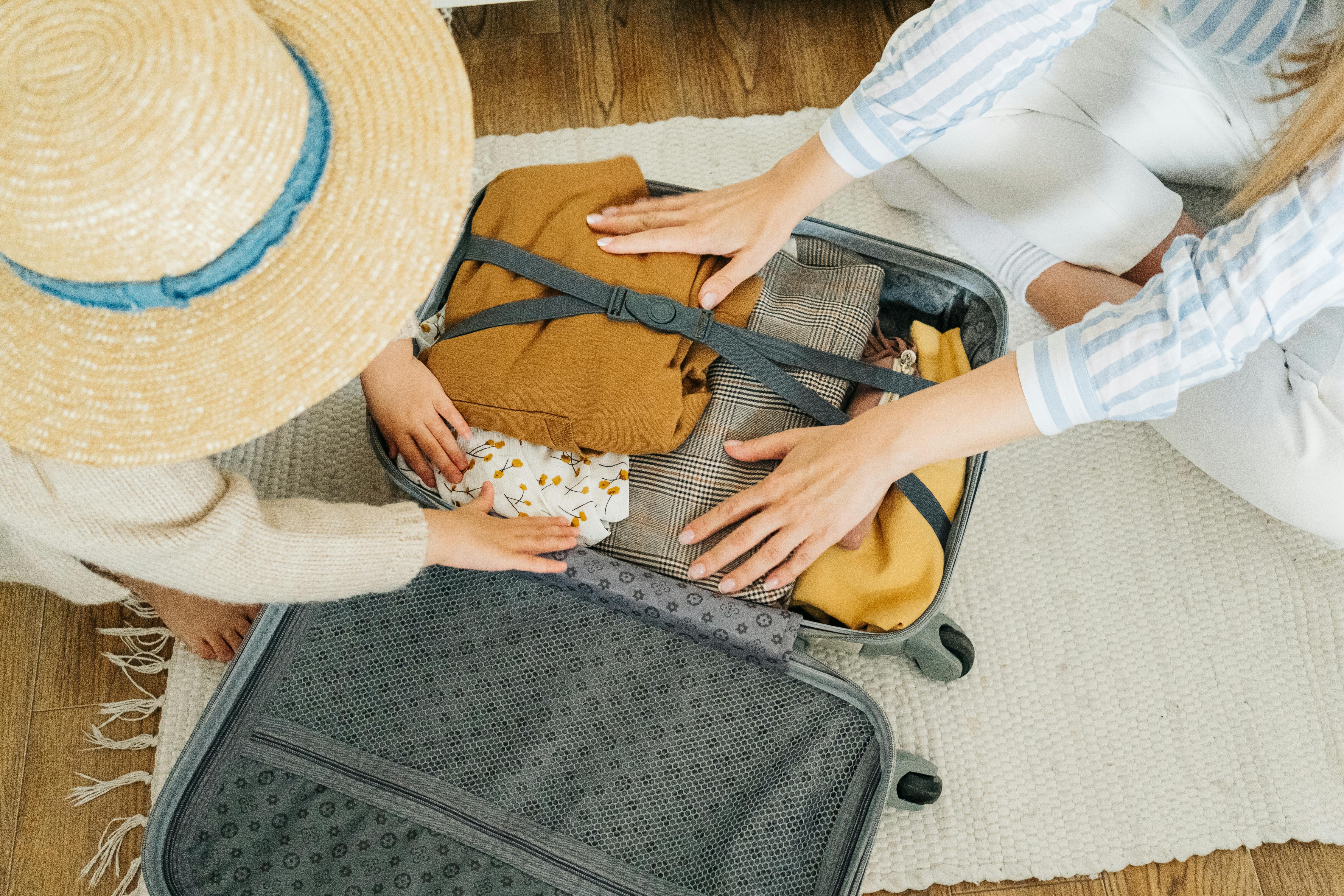
This is one of the most critical decisions you'll make, reflecting your core vacation philosophy.
Team Hotel/Resort: Choose this if your primary goal is parental relaxation. The biggest advantages are daily housekeeping (no cleaning!), room service, and on-site amenities like pools and restaurants. The major downside is often being confined to a single dark room after your toddler goes to bed at 7:30 PM. The Fix: Book a suite with a separate living area or adjoining rooms if the budget allows.
Team Airbnb/Vacation Rental: Choose this if your primary goal is maintaining routine and control. The biggest advantages are a separate bedroom for the child (giving parents their evenings back), a full kitchen for preparing familiar meals, and a laundry machine. The downside is that you’re still responsible for cooking and cleaning. The Trade-off: Plan for simple meals and accept that the space will get a little messy. The freedom you gain is often worth it.
Frequently Asked Questions
What is the best age to travel with a toddler?
There's no single "best" age, as success depends more on strategy than the child's exact age. The key is choosing a destination that aligns with their developmental stage by focusing on logistical simplicity, flexible pacing, and avoiding overstimulation, which this guide helps you do.
How can I make flying with a toddler easier?
Preparation is everything. Pack a bag of new, engaging toys, bring more snacks than you think you'll need, and use a tablet with headphones for screen time. For a complete strategy, download our Stress-Free Flying with Kids Guide to cover all your bases from check-in to landing.
Are all-inclusive resorts a good option for toddlers?
Yes, they can be fantastic. All-inclusive resorts excel at creating a controlled, safe environment that minimizes planning and stress for parents. With kids' clubs, endless food options, and on-site activities, they allow parents a rare chance to relax while ensuring the toddler's needs are met.
Your Adventure Awaits
Finding the best family vacations with a toddler is entirely possible when you approach it with the right mindset and strategy. It begins by letting go of pre-child expectations and embracing a new goal: creating joyful, shared experiences within a framework of manageable logistics.
By thoughtfully choosing a destination archetype that aligns with your family’s unique needs—whether it's the effortless escape of an all-inclusive resort or the flexible fun of a classic beach getaway—you set the stage for success. Mastering the details of packing and lodging removes the friction that leads to stress, allowing you to focus on what truly matters.
This proactive approach transforms planning into an act of empowerment. You are not just booking a trip; you are architecting an experience for memories that will last a lifetime. The challenges of this age are temporary, but the joy of watching your child discover the world is permanent.
Read the full guide: Family Travel Ideas: The 2026 Guide to Unforgettable Trips
Don't Miss Out! Subscribe for Exclusive Content
Subscribe



Comments 0
No comments yet
Be the first to share your experience!
Dont Miss Out! Subscribe for Exclusive Content

Ultimate USA Holidays Guide: Top Picks


FTC Affiliate Disclosure Essentials: Stay Compliant as a Travel Creator

Essential Affiliate Tools: From Tracking to Full Optimization

Booking.com Affiliate Program Review: Pros, Cons, and Earnings Potential

Decoding Affiliate Commission Rates: Benchmarks for Travel Creators

Amazon Associates for Travel: Strategies to Maximize Commissions
How to Start a Travel Blog (And Get Noticed)
TrekGuider @trekguider
You have a passion for travel that borders on obsession. Your camera roll is a treasure map of untold stories, and your notes app is filled with the kind of hard-won wisdom that could save a fellow traveler time, money, and stress. The idea of starting a travel blog feels like the perfect way to share it all—a potential path to a life with more freedom and adventure.
But there’s a problem. The moment you consider the "how," a wave of technical overwhelm washes over you. Domains, hosting, WordPress, plugins, SEO—it’s a foreign language, a dense fog of conflicting advice that makes the entire project feel intimidating and out of reach. You see other creators living the dream, and you're stuck in analysis paralysis, believing you need to be a web developer just to get started. Every day you wait, you feel the immense opportunity of the creator economy—a market projected to swell from $250 billion to nearly $500 billion by 2027—slipping through your fingers.
Forget the confusion. This is the guide that cuts through the noise. The old way of starting a travel blog is dead. You don't need to build a website from scratch. This is your chronological, step-by-step playbook that will show you how to start a travel blog presence on a powerful marketplace, letting you focus on what you do best: creating. We'll walk you through building a professional home for your brand in minutes, not months. This is your A-to-Z blueprint for building the foundational asset of your future business. Once this home base is built, you can begin the journey of transforming it into a real enterprise, a journey we map out in our ultimate guide to How to Make Money Online: A Creator's Guide for 2026.
Why a Marketplace? The Smarter Foundation for Your Creator Empire
Before we dive in, it's critical to understand why starting on a creator marketplace like TrekGuider is a fundamentally better strategy than building a self-hosted blog from scratch. While owning a website was once the only path, today it's a detour filled with technical headaches, maintenance costs, and the slow, grinding challenge of building traffic from zero.
The most resilient and profitable creators still operate on a "Hub-and-Spoke" model, but the "hub" has evolved.
The Old Hub: A self-hosted blog you have to build, manage, and secure yourself.
The New Hub: Your professional creator page on a marketplace like TrekGuider. This is the core business asset you control, supercharged with a built-in audience, e-commerce tools, and the collective SEO power of the entire platform.
The Spokes: Social media platforms remain your powerful distribution channels, used to capture attention and drive traffic back to your new, high-powered hub.
Starting on a marketplace isn't just about creating a profile; it's about plugging into a pre-built ecosystem designed for your success. You get to skip the entire technical setup and focus day-one on content and commerce.

The Strategic Blueprint – Nailing Your Niche
Even on a powerful platform, the single biggest real advantage you can give yourself is specificity. Trying to be a travel expert for "everyone" is a recipe for getting lost in the noise. Choosing a well-defined niche allows you to build authority faster, attract a dedicated audience, and stand out in a catalog of creators.
How to Find a Profitable Niche
A successful niche sits at the intersection of three circles: your genuine passion, your audience's pressing problems, and its potential for profitability. Before you commit, you must validate your idea.
Keyword & Platform Search: Use keyword research tools to check Google search volume, but also search within the marketplace itself. Are other creators successfully selling products in this niche? Is there a healthy amount of interest? This is your data-driven sign of audience demand.
Competitor & Market Analysis: The presence of a few successful creators in your niche is a good thing; it proves a market exists. Analyze their products, articles, and pricing. If others are generating revenue, it validates the niche's commercial potential.
5 Promising Travel Blog Niche Ideas to Spark Inspiration
To get your brainstorming started, here are five less-saturated niches with huge potential for 2026:
Eco-Friendly & Sustainable Travel: Focus on low-impact tourism, conservation-focused experiences, and green-certified brands. This niche attracts a passionate, value-driven audience.
Remote Work & "Workation" Travel: Become the go-to resource for digital nomads by creating guides on finding reliable WiFi, navigating visa requirements, and discovering the best long-term accommodations.
Culinary Tourism (Hyper-Niche): Don't just be a "food travel" blog. Go deeper. Focus on a specific cuisine (e.g., "Exploring the Regional Cuisines of Southern Italy") or a dietary need (e.g., "A Vegan's Guide to Japan").
Accessible Travel: A critically underserved and deeply important niche. Create practical guides and resources for travelers with disabilities, focusing on wheelchair-accessible hotels, attractions, and transportation.
Micro-Destination Blog: Instead of trying to cover the world, become the undisputed expert on a single city, region, or small country (e.g., "The Ultimate Guide to Visiting Malta"). You can dominate local affiliate partnerships and product sales for that area.
How to Start a Travel Blog on a Marketplace – Your 10-Minute Setup
This is where you leapfrog months of technical work. Instead of wrestling with hosting and code, you'll build a professional home for your brand in less time than it takes to drink a cup of coffee.

Step 1: Claim Your Professional Creator Page
Getting started is simple. Navigate to the TrekGuider marketplace and register. The platform is actively creating pages for established bloggers using public data, so your first step is to search the author catalog to see if a page already exists for you.
If you find your page, you can claim it and gain full control.
If not, you can create a new one from scratch in minutes.
Step 2: Customize Your Digital Home Base
Your creator page is your professional landing page. It's designed to be your central hub, consolidating your entire brand in one place. Fill out every section to build trust and showcase your expertise:
Basic Information: Add a high-quality photo and a compelling bio that tells your story and explains who you help.
Social & External Links: Integrate your social media profiles and link out to any other personal websites or online stores you may have.
Monetization Tools: Enable the donation feature to allow your most loyal fans to support you through one-time payments or recurring subscriptions.
Step 3: Build Your Product Showcase
This is your integrated storefront. You don't need to install any clunky e-commerce plugins. Simply start uploading the digital products you want to sell:
Guides and E-books
Custom Maps and Routes
Itinerary Templates
The platform handles secure payment processing (via Stripe) and instant digital delivery, so you can focus on creating, not logistics.
The Foundational Content – Publishing on the Platform
With your digital home base established, it's time to furnish it with value. On a marketplace, you don't need to worry about building a blog from zero. Your mission is to publish 5-10 high-quality, in-depth articles directly to the platform's article section. This is your primary strategy for getting discovered.

Why Publishing on the Marketplace is a Superpower
Instant Audience: You tap into the marketplace's existing audience of passionate travelers who are already there to read articles and buy products.
Shared SEO Authority: You benefit from the domain authority of the entire platform, giving your articles a better chance to rank on Google much faster than a brand-new website.
Direct Traffic to Your Products: Every article you publish is linked back to your creator page, acting as a powerful, built-in funnel that drives readers directly to your product showcase and donation buttons.
Writing Your First Authority-Building Articles
Your first articles should be "key elements"—long, in-depth, evergreen posts that solve a major problem for your niche audience. Examples include:
A definitive guide to your niche destination (e.g., "The Ultimate First-Timer's Guide to Visiting Bali").
An exhaustive packing list (e.g., "What to Pack for a 2-Week Trip to Italy").
A detailed "how-to" post (e.g., "How to Plan a Trip to Japan on a Budget").
Feeling Overwhelmed by Trip Planning?
Creating a detailed itinerary is one of the most time-consuming parts of travel planning. To help you streamline the process for your own adventures—and to give you an example of a high-value resource you can one day create for your own readers—we've built the ultimate tool. Our comprehensive, plug-and-play itinerary template takes the stress out of organizing your next trip.
Download Your Free Plug-and-Play Itinerary Template Now
This type of high-value resource is exactly what your audience is looking for. Once you've created a helpful freebie, the next step is to package your unique expertise into a premium Travel Guide, which you can sell directly on your TrekGuider creator page to a global audience of passionate travelers.
Getting Noticed – The Basics of Promotion
With your page set up and a foundation of great content published, you can finally shift your focus to promotion.

Master Marketplace SEO From Day One
SEO is still your most critical long-term strategy, but now you apply it to the articles you publish on TrekGuider. For every post you write, you should:
Target a Keyword: Choose a specific phrase your ideal reader would search for.
Use the Keyword: Place your keyword naturally in the article's title, the first paragraph, and at least one subheading.
Optimize Images: Use descriptive file names and add "alt text" to every image.
Use Social Media as Your Amplifier
Your social media channels are your "spokes." Their job is to drive traffic back to your TrekGuider "hub." Share your newly published articles and link directly to your creator page or specific products in your social profiles. This creates a powerful feedback loop, funneling your existing audience to the place where they can best support you and buy your products.
Pro-Tip: Your creator page bio is your elevator pitch. It's the first thing a potential customer will read. Use it to tell a compelling story, clearly state who you serve, and explain the unique value you provide. This builds an instant, human connection that turns a casual browser into a loyal follower.
Frequently Asked Questions About Starting a Travel Blog
1. Is it free to start a travel blog on TrekGuider?
Yes. Creating your personal author page, publishing articles, and listing products is free. The platform makes money by taking a small, transparent commission on the products you sell, so we only succeed when you succeed.
2. Do I need my own website to use the marketplace?
No, and that's the biggest advantage. TrekGuider provides you with your own professional landing page, so you can have a credible, feature-rich home for your brand without any of the costs or technical hassles of building and maintaining your own site.
3. How does the platform help me get discovered?
The marketplace helps in two key ways: First, your articles and products are showcased to the platform's entire audience of travelers. Second, by publishing on a high-authority domain, your content has a much better chance of ranking on search engines like Google, attracting new users to the platform and, ultimately, to your page.
Your Journey Starts Now
The path from a vague dream to a published, professional travel blog presence is no longer a fog. It's a clear, actionable checklist. You now have the complete blueprint that details how to start a travel blog the modern, smarter way—by leveraging the power of a creator marketplace.
The most challenging part of any great journey is taking the first step. You have the map to a faster, more direct route. The only thing left to do is to begin your adventure.
SEO Meta Data Suggestions:
SEO Meta Title (58 characters): How to Start a Travel Blog in 2026 (Beginner's Guide)
URL Slug: how-to-start-a-travel-blog
SEO Meta Description (154 characters): A step-by-step guide for beginners on how to start a travel blog. Learn how to choose a niche, set up your creator page, and publish content that gets noticed.
Read the full guide: The Travel Blog Business Plan: How to Make Real Money in 2026
Don't Miss Out! Subscribe for Exclusive Content
SubscribeComments 0
No comments yet
Be the first to share your experience!
Dont Miss Out! Subscribe for Exclusive Content
FTC Affiliate Disclosure Essentials: Stay Compliant as a Travel Creator
Essential Affiliate Tools: From Tracking to Full Optimization

Avoid These 5 Affiliate Landing Page Mistakes for Better Conversions

Affiliate Keyword Research Mastery for Travel Blogs
Booking.com Affiliate Program Review: Pros, Cons, and Earnings Potential
Decoding Affiliate Commission Rates: Benchmarks for Travel Creators
Chicago Holidays: Windy City Thrills
TrekGuider @trekguider
There are cities that celebrate holidays, and then there is Chicago—a city that seizes them, amplifying them with architectural grandeur and a palpable, Midwestern heart. Here, tradition isn’t just observed; it’s a city-wide spectacle. The calendar of holidays in Chicago is a masterclass in urban transformation, where a river can run emerald green, a downtown park can roar with the energy of a global music festival, and a simple winter market can feel like a fairytale escape to Old World Europe.
This is a city of bold gestures, where fireworks don’t just light up the sky—they explode against a world-famous skyline, reflecting in the vast, dark waters of Lake Michigan. Whether you’re planning a pilgrimage for a bucket-list event or simply want to immerse yourself in the city’s seasonal rhythm, Chicago provides a dynamic stage for celebration.

This guide is your definitive starting point. We’ll move beyond the surface-level itineraries to give you an insider’s perspective on the iconic events and cherished traditions that define the Windy City’s festive soul. Consider this your blueprint for navigating the headliners, uncovering the neighborhood gems, and planning an unforgettable trip.
For a broader look at how cities across the country celebrate, from the beaches of Miami to the streets of New York, explore our Ultimate USA Holidays Guide: Top Picks.
Navigating the Windy City: A Traveler's Toolkit
A successful trip to Chicago hinges on understanding its layout and seasons. The city is a grid, making it remarkably easy to navigate, but its weather is famously unpredictable. Mastering both is key to a seamless experience.

The Best Time to Visit
Chicago is a city of four distinct and dramatic seasons. Summer (June-August) is prime festival season, boasting warm, sunny days perfect for exploring the lakefront and sprawling parks. It's also peak tourist season, meaning higher prices and bigger crowds. Autumn (September-October) is arguably the city's most beautiful season, with crisp air, changing leaves, and a packed calendar of food and art festivals. Winter (November-March) is not for the faint of heart, but for those who brave the cold, it offers a magical landscape of snow-dusted streets, festive lights, and cozy indoor attractions. Spring (April-May) is a time of reawakening, as the city thaws and residents flock to patios and parks, though be prepared for fluctuating temperatures and rain.
Getting Around Like a Local
Forget the stress of gridlock and the nightmare of parking; the city’s elevated ‘L’ train is the circulatory system of Chicago and the savvy traveler’s key to unlocking it all. Operated by the Chicago Transit Authority (CTA), the rail system connects the downtown Loop with neighborhoods across the city and both major airports (O'Hare and Midway). Purchase a Ventra card at any station and load it with a multi-day pass for the most cost-effective way to explore. For shorter distances, the bus system is extensive, and on a beautiful day, there’s no better way to see the architecture than by walking or using the Divvy bike-share system.
To map out your movements and keep your plans organized in one place, start with our Travel Itinerary Template.
Budgeting for Your Chicago Celebration
Chicago can accommodate nearly any budget, offering everything from Michelin-starred dining to world-class free attractions. A smart budget starts with your priorities.
Budget Traveler ($75-125/day): Focus on staying in hostels or well-connected neighborhood Airbnbs. Use the CTA for all transportation. Your dining will consist of Chicago classics like deep-dish pizza, hot dogs, and incredible food from neighborhood taquerias and ethnic eateries. Take advantage of free attractions like Millennium Park, the Lincoln Park Zoo, and walking the Lakefront Trail.
Mid-Range Traveler ($200−350/day): This budget allows for a comfortable stay in a boutique hotel outside the immediate downtown core, like in Lincoln Park or Wicker Park. You can enjoy a mix of casual eats and a few sit-down dinners in the city’s renowned restaurant scene. This range also covers admission to a major museum or an architectural boat cruise.
Luxury Traveler ($500+/day): Stay at one of the iconic hotels along the Magnificent Mile or with sweeping views of the Chicago River. Indulge in tasting menus from celebrity chefs, private tours, and premium seats at a Broadway in Chicago show. Transportation will be a mix of rideshares and private cars.
No matter your budget, book flights and accommodations well in advance, especially if your trip aligns with a major festival like Lollapalooza, when prices can skyrocket.
Lollapalooza: The Ultimate Summer Music Pilgrimage
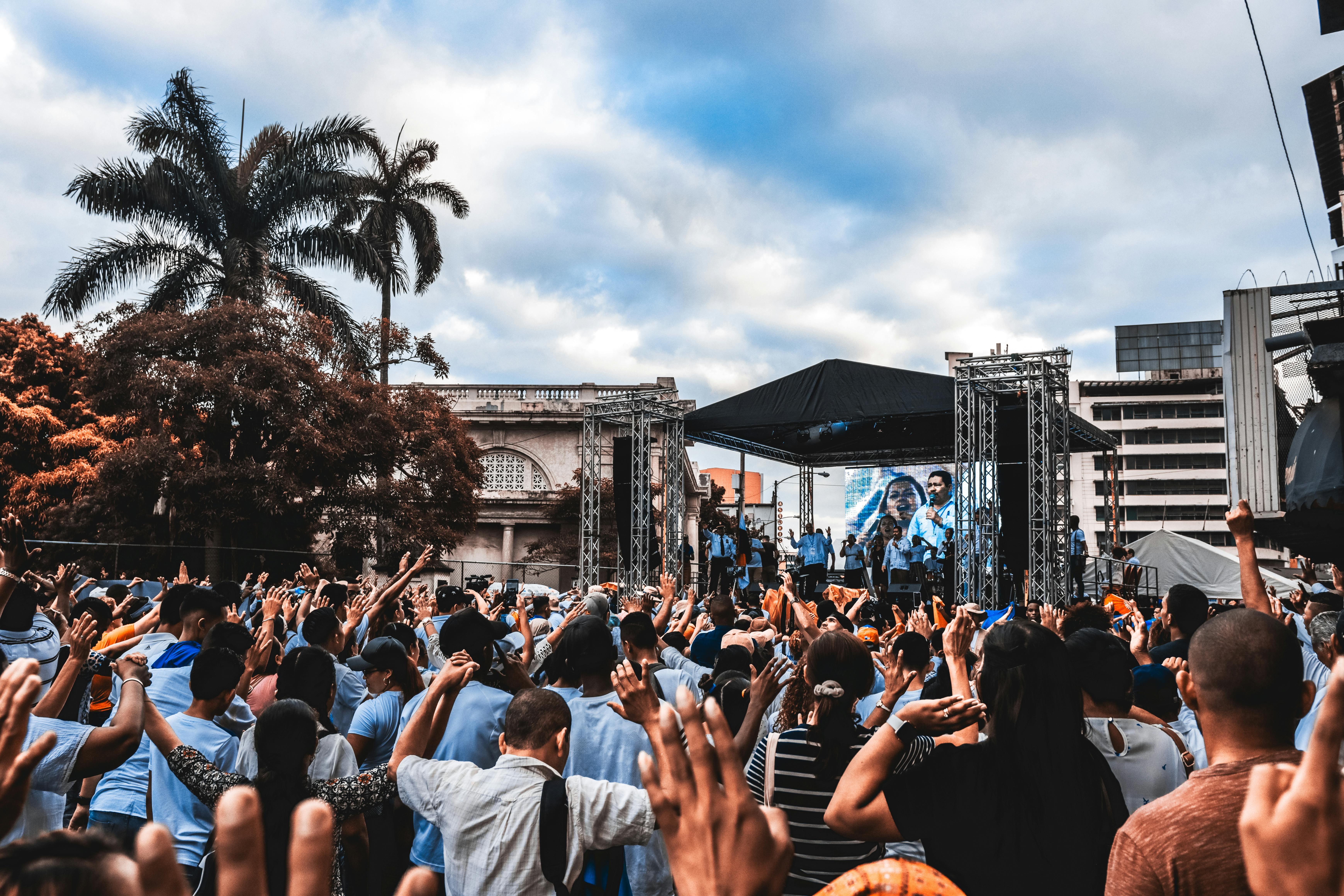
For four electrifying days each summer, Chicago’s Grant Park—affectionately known as "Chicago's front yard"—becomes the undisputed center of the music universe. Lollapalooza is not just a festival; it's a cultural rite of passage that draws hundreds of thousands of fans to its eight stages, set against one of the most dramatic urban backdrops in the world. Scheduled for July 31 - the final day of the festival, the event is a masterclass in musical diversity. The 2026 lineup already promises a staggering range of talent, from global pop sensations like Olivia Rodrigo and Sabrina Carpenter to genre-defining artists like Tyler the Creator and Korn.
This festival is a massive economic force, injecting an estimated $440.9 million into the local economy. The energy is palpable, a city-wide hum of excitement that extends far beyond the park gates. Prepare for a marathon of incredible performances, sprawling crowds, and the vibrant, sun-soaked essence of a perfect Chicago summer.
To master the art of stage-hopping and learn how to survive the crowds in style, consult our complete insider’s guide: Lollapalooza: 7 Stage-Hopping Tips.

St. Patrick's Day: A River of Green and a Parade of Pride
Few cities on earth commit to St. Patrick's Day with the sheer audacity of Chicago. The annual dyeing of the Chicago River is a spectacle of civic pride and quirky tradition that has to be witnessed to be believed. The practice, which began in 1962, involves union plumbers dispersing 40-60 pounds of a secret, eco-friendly vegetable powder from their boats. The orange powder hits the water and magically transforms it into a brilliant, surreal emerald green that lasts for several hours, drawing immense crowds to the city's bridges and riverwalk.
The main event is the city’s parade, a tradition that stretches all the way back to 1843. On Saturday, the Saturday before St. Patrick's Day, the procession will step off at 12:15 PM, marching down Columbus Drive in a joyous celebration of Chicago's deep Irish roots, complete with bagpipers, dancers, and elaborate floats. It’s a day when the entire city feels united in celebration.
For the best viewing spots and insider secrets to experiencing this iconic Chicago moment, dive into our detailed guide: St. Patrick's: River Dyeing Secrets.

July 4th: A Symphony of Fireworks Over Lake Michigan
Chicago celebrates American Independence Day with a patriotic grandeur befitting its powerful skyline. The centerpiece of the celebration is the magnificent fireworks display at Navy Pier, a cherished tradition that illuminates the Lake Michigan shoreline. The pyrotechnics are expertly synchronized to a stirring soundtrack, creating a breathtaking symphony of light and sound that reflects across the water. To secure a prime viewing spot on the pier, plan to arrive by 7 PM, as the area fills quickly with spectators staking their claim with blankets and picnic baskets.
For those seeking a more elevated—and less crowded—experience, the city’s many rooftop bars in the Streeterville and River North neighborhoods offer phenomenal views. There’s nothing quite like sipping a cocktail as the fireworks erupt at eye level. Whether you’re on the ground or high above it all, this is a quintessential Chicago summer experience.
Discover the best vantage points and get our tips for a perfect patriotic evening in our dedicated guide: July 4th Chicago: Fireworks Hotspots.

Christmas in Chicago: A Classic Winter Wonderland
When winter’s chill descends, Chicago doesn’t hibernate; it transforms into a magical, snow-globe version of itself. The city wholeheartedly embraces the season with classic winter thrills that feel torn from the pages of a storybook. The trees along the Magnificent Mile are draped in over a million twinkling lights, and skaters glide across the ice rink in Millennium Park under the shadow of the iconic "Bean" sculpture. The heart of the season is the Christkindlmarket at Daley Plaza, an authentic German-style Christmas market. Here, you can meander through rows of charming wooden stalls, shopping for handcrafted gifts and warming your hands with a cup of spiced mulled wine (Glühwein) served in a collectible souvenir mug.
For another dose of festive brilliance, the Lincoln Park Zoo’s ZooLights is a must-see. Millions of lights create dazzling animal-themed displays, turning the zoo into an illuminated wonderland. For a more peaceful experience, plan your visit on a weekday to avoid the weekend crowds. The combination of festive markets, brilliant lights, and the distinct possibility of a gentle snowfall makes the holidays in Chicago an utterly enchanting affair.
To find the best festive treats and plan your visit to the city’s most magical markets, explore our complete guide: Christmas Chicago: 5 Market Musts.
Unlock Hyper-Local Expertise on TrekGuider
The best travel advice always comes from a local. While this guide gives you the big picture, the real magic of Chicago is often found in the details—the best neighborhood coffee shop near the festival, the hidden bar for a post-parade drink, or the secret to skipping the longest lines.
On the TrekGuider marketplace, you can find digital guides, maps, and itineraries created by Chicago-based experts who live and breathe this city. These creators have poured their on-the-ground knowledge into resources you can download instantly. Looking for a guide to the city's best deep-dish pizza or a walking tour of its most famous architectural landmarks? You'll find it crafted by a creator who knows the city inside and out.
Beyond the Marquee: Exploring Chicago's Diverse Festival Scene
While the major events command the spotlight, Chicago's festive spirit is a year-round affair, thriving in its vibrant neighborhoods and passionate communities.
A Celebration of Craft: Chicago's Beer Festivals
The craft beer scene in Chicago is a force of nature, and the city’s calendar is packed with festivals celebrating it. From massive tasting events at Navy Pier featuring hundreds of breweries to intimate, neighborhood-focused gatherings, there is always an opportunity to sample the latest innovative IPAs, rich barrel-aged stouts, and crisp, refreshing lagers. These festivals are the perfect way to taste the creativity of the region's best brewers, often paired with fantastic food truck fare and live local music. They offer a more relaxed, authentic taste of Chicago’s culture.
For a curated list of the best sudsy celebrations happening throughout the year, check out our guide: Chicago Beer Fests: Top 6 Tastings.
The Heartbeat of the City: Neighborhood Street Fests
To truly understand Chicago, you must venture beyond the Loop. The city is a mosaic of 77 distinct neighborhoods, and there’s no better way to experience their unique character than at a local street festival. All summer long, communities from the Mexican-American enclave of Pilsen to the historic Swedish neighborhood of Andersonville host vibrant events celebrating their heritage. You’ll find everything from sprawling art fairs and food festivals to block parties with local bands. These events are where real Chicagoans come together, offering an authentic slice of city life far from the tourist crowds.
To get off the beaten path and discover the events that make the city tick, explore our roundup of can't-miss local gems: Chicago Festivals: 8 Hidden Gems.

Your Chicago Story Awaits
From the first green shock of the Chicago River on St. Patrick's Day to the final, fragrant sip of mulled wine at the Christkindlmarket, this city offers a year-round invitation to celebrate. Each season unfolds with a new reason to visit, a new spectacle to witness, and a new memory to forge. The dynamic, powerful energy of the holidays in Chicago is something that must be felt to be understood.
So choose your season, plan your adventure, and come ready to be captivated by a city that doesn’t just host events—it becomes the event itself. And for the most comprehensive resource to plan every aspect of your journey, from budgeting to booking, our all-in-one Travel Guide is the ultimate companion.
And if you’re a Chicago expert with your own stories to tell, TrekGuider provides the platform to share your knowledge and build a business around your passion.
Don't Miss Out! Subscribe for Exclusive Content
SubscribeComments 0
No comments yet
Be the first to share your experience!
Dont Miss Out! Subscribe for Exclusive Content

San Francisco Cherry Blossoms: A Local's Guide to the Blooms

Halloween SF: Haunts Without Horrors

SF Festivals: 7 Must-See Lineups

Christmas SF: Lights & Wharf Wonders

SF Pride: 6 Route & Party Hacks
