
How to Plan Your First Solo Trip (and Conquer the Fear)

TrekGuider @trekguider
You’ve seen the photos, heard the stories, and a powerful idea has taken root: traveling the world on your own terms. But right behind that excitement, a wave of doubt probably follows. What if I get lonely? What if it’s not safe? What if I’m just not the kind of person who can do this?
Let’s take a breath. Feeling a mix of excitement and sheer terror is the unofficial rite of passage for every person who has ever considered traveling alone. It’s not a sign you should stop; it’s a sign you’re about to do something brave. This guide is your starting point. We’re not going to overwhelm you with packing lists or complex itineraries. Instead, we're going to focus on the most important first step: turning that anxiety into a quiet confidence and creating a simple, actionable plan to get you started. This is how to plan your first solo trip by conquering the fear first.
For the bigger picture on planning your first independent journey, explore

The Most Important Step: Your Mindset Shift
Before you book a single flight, the real journey begins in your mind. The psychological hurdles are the biggest barriers for most aspiring solo travelers. Let’s dismantle them together.
It's Normal to Feel Anxious. Here's How to Use It.
Feeling nervous before a big adventure is completely normal—it means you’re taking this exciting challenge seriously. The trick is to treat your fears not as stop signs, but as a pre-flight checklist.
Fear thrives on vague, undefined worries. Clarity is its kryptonite. So, grab a notebook and write down your top three concerns. Is it safety? Loneliness? Getting lost? By giving your anxieties a name, you take back control. For every worry, there is a practical solution, and you’ll find that a little preparation makes you feel capable, not scared.
The Antidote to "What If I'm Lonely?"
Let's reframe the biggest myth in solo travel. There is a world of difference between being alone and being lonely. Being alone is a superpower. For the first time, your schedule is 100% your own. You can spend three hours in a museum, change your entire plan on a whim, or eat gelato for dinner without a single committee meeting. This isn’t loneliness; it’s absolute freedom.
Remember, traveling solo doesn’t mean you’re isolated. It means you have complete control over your social thermostat. You can turn it up by joining a food tour or staying in a social guesthouse, or turn it down when you just need to recharge. This journey is an incredible chance to get comfortable in your own company—a skill that will empower you for the rest of your life.

How to Handle Naysayers (Even When They Mean Well)
Often, the most discouraging feedback comes from those who love us most. Their own fears, disguised as concern for you, can chip away at your resolve. Navigating these conversations requires a calm, confident strategy.
Present a Plan, Not a Plea: Instead of saying, “I’m thinking of going to Portugal alone,” try this: “I’m so excited—I've started planning a solo trip to Portugal for next year. I've found some amazing, highly-rated places to stay in a really safe neighborhood.” You are not asking for permission; you are sharing your exciting news.
Demonstrate Your Competence: Proactively show them you’re taking this seriously. Talk about the research you’re doing on safe destinations or the simple communication plan you'll have, like a daily WhatsApp check-in. When they see you’ve thought it through, their anxiety will decrease because yours already has.
Your 'First Three Steps' Action Plan
With your mindset fortified, it's time for action. We're going to keep it simple. Here are three manageable, non-intimidating first steps to turn your dream into a reality.

Step 1: Choose a Beginner-Friendly Destination
For your first trip, set yourself up for an overwhelming win. Choosing a destination that is known for being easy to navigate will boost your confidence for all future adventures. Look for places with:
A Welcoming Tourist Infrastructure: Places with reliable public transport, lots of accommodation choices, and readily available information (like Portugal, Japan, or Costa Rica) make logistics a breeze.
A High Safety Ranking: Use resources like the Global Peace Index to find countries known for safety and stability.
Ease of Communication: While you don't need to go somewhere that only speaks English, choosing a destination where it's widely spoken in tourist areas (like the Netherlands or Scandinavia) can reduce a layer of stress.
Ready to explore your options? For a deep dive into the pros and cons of different regions and a list of the top 10 safest countries for solo travelers, check out the ».
Step 2: Book Your First Night's Accommodation
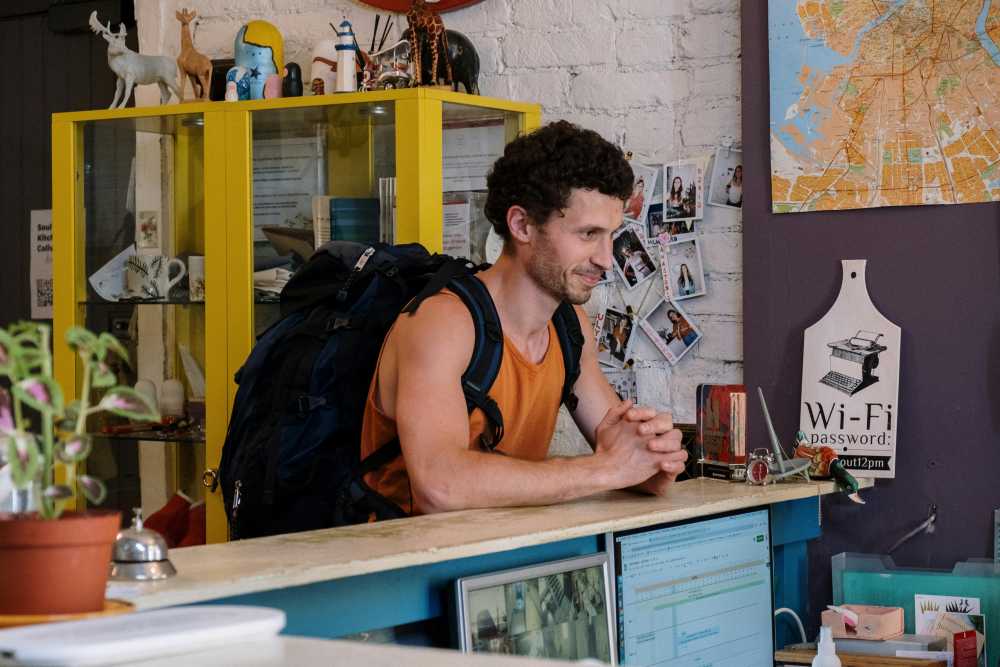
Don't worry about planning the entire trip right now. The single most effective way to make your trip feel real is to commit to Day One. Research and book your accommodation for the first one or two nights. This simple action creates a secure "landing pad," transforming a vague idea into a concrete event with a date and an address. It’s your anchor, giving you a safe, secure base from which to start your adventure.
Step 3: Do a "Low-Stakes" Solo Practice Run
Build your solo muscle at home. Before you fly across the world, take yourself on a solo "date" for a full day in a nearby town or even a different neighborhood in your own city. Go to a museum alone. Navigate to a park you’ve never visited. Eat a meal at a restaurant by yourself. The point is to experience the feeling of navigating, making decisions, and enjoying your own company. This small taste of self-reliance will prove to you that you absolutely can do this.
Your Adventure Is Closer Than You Think
You've already taken the hardest step: deciding to explore this possibility. The fear you feel is not a weakness; it's a gateway to discovering just how capable you are. By shifting your mindset and taking a few small, deliberate planning actions, you are building the foundation for an incredible adventure.
You don't need to have all the answers right now. You just need to be willing to take the next step.
Don't Miss Out! Subscribe for Exclusive Content
Subscribe



Comments 0
No comments yet
Be the first to share your experience!
Dont Miss Out! Subscribe for Exclusive Content

Ultimate USA Holidays Guide: Top Picks


FTC Affiliate Disclosure Essentials: Stay Compliant as a Travel Creator

Essential Affiliate Tools: From Tracking to Full Optimization

Booking.com Affiliate Program Review: Pros, Cons, and Earnings Potential

Decoding Affiliate Commission Rates: Benchmarks for Travel Creators

Amazon Associates for Travel: Strategies to Maximize Commissions
Solo Travel in Asia: Afford Your Dream Trip (No More Guessing)
TrekGuider @trekguider
You see the photos in your feed: the vibrant street food stalls of Hanoi, the serene, golden temples of Chiang Mai, the almost impossibly turquoise waters of the Philippines. You want that. But a cloud of anxiety hangs over the dream: the budget. You’ve seen the blogs promising epic adventures for "$30 a day," but a nagging voice in your head questions the reality. How can that possibly be the whole story? It feels like you're missing a huge piece of the financial puzzle, making it impossible to know if your hard-earned savings are really enough.
Let's be clear: you're right to be skeptical. The internet is a minefield of incomplete advice that conveniently ignores the thousands of dollars you'll spend on flights, comprehensive travel insurance, visas, and pre-trip vaccinations before your boots even touch the ground. This "per-day" myth is a dangerous fantasy that leads to stress and budget blowouts. You don't need a fantasy; you need a plan based on reality.

This is that guide. We're cutting through the noise to give you a reality-based playbook for budget solo travel in Asia, built on hard data and real-world experience. We will tackle the Total Trip Cost head-on, giving you a complete financial blueprint that empowers you to plan with unshakable confidence. While this guide is your financial strategy, mastering the art of traveling alone is equally crucial. For a complete playbook on mindset, safety, and logistics, be sure to read our comprehensive guide on .
Asia: The Undisputed Epicenter for Budget Solo Travel
For decades, Asia has been the champion for independent travelers seeking the ultimate trifecta: unparalleled diversity, profound cultural experiences, and an astonishingly low cost of living. The continent offers a sensory feast, from the futuristic skyline of Tokyo to the ancient, jungle-claimed ruins of Angkor Wat and the snow-capped Himalayan peaks of Nepal.
What makes it uniquely perfect for budget solo travel is the well-trodden "Banana Pancake Trail"—the unofficial network of routes across Southeast Asia that has created a strong and welcoming infrastructure for backpackers. This translates to an abundance of affordable hostels, cheap and mind-blowingly delicious street food on every corner, accessible transportation, and a built-in community of fellow travelers. It’s an environment practically engineered for exploration, where your dollar stretches further than almost anywhere else on Earth, allowing for longer, more immersive journeys without bankrupting you.

The World's Best Bargains: A Data-Driven Ranking of Asia's Top 10 Budget Nations
The sheer number of options in Asia can be overwhelming. To cut through the noise, we've created a composite ranking based on average daily cost, safety (using data from the Global Peace Index), ease of solo travel, and overall experience value. This is your starting point for planning an incredible budget solo travel in Asia itinerary.
The "Big 4" for Ultimate Value: Vietnam, Cambodia, Nepal, Thailand
These four nations are the undisputed kings of the classic backpacker circuit, and for good reason. This is where your travel fund has superpowers. Here, a daily budget of $25-35 isn't about survival; it's about thriving. We're talking $8 for a clean hostel dorm bed, $2 for a world-class bowl of Phở or Pad Thai from a street vendor, and less than $1 for a local beer. The value proposition is simply unbeatable for anyone planning budget solo travel in Asia.
The Best of the Rest: Indonesia, The Philippines, Laos, Malaysia
This next tier offers world-class experiences with a slight step up in daily cost. The Philippines is an archipelago of some of the planet's most beautiful beaches, a paradise for island hopping and diving. Laos offers a more tranquil, less-trodden path with breathtaking mountain scenery and a deeply relaxed atmosphere. And Malaysia, particularly the island of Penang, is a food lover's dream, blending Malay, Chinese, and Indian culinary traditions into a spectacular and affordable street food scene.
The Rising Star: Uzbekistan
Largely absent from mainstream guides, Uzbekistan is a hidden gem for the budget-conscious history buff. As a central hub of the ancient Silk Road, its cities—Samarkand, Bukhara, and Khiva—are architectural masterpieces of intricate tilework and soaring minarets. With a high degree of safety, incredibly friendly locals, and rock-bottom prices, it offers a unique cultural experience far from the tourist crowds.
The Great Debate: How to Conquer Japan on a Backpacker's Budget
Japan has a reputation for being prohibitively expensive, but here's the inside scoop: thanks to a favorable currency exchange rate and a unique social infrastructure, it has become surprisingly accessible. The key is to travel like a local, not a tourist.
Sleep in capsule hotels: These futuristic pods offer a clean, private, and safe place to sleep for a fraction of the price of a standard hotel.
Embrace the conbini: Japanese convenience stores (7-Eleven, FamilyMart) are a culinary marvel. You can get delicious and healthy meals like onigiri (rice balls), sandwiches, and bento boxes for just a few dollars.
Focus on free attractions: Many of Japan's most beautiful sights, from serene Shinto shrines and sprawling city parks to vibrant neighborhoods like Harajuku, are completely free to explore.
By adopting these strategies, you can experience one of the world's most fascinating cultures on a budget of around $50-70 a day.
Your No-Nonsense Guide to a Realistic Budget for Solo Travel in Asia
Let's build your real-world budget. While daily spending is the fun part, a successful trip requires a holistic financial plan that starts long before you book your flight.
The Daily Budget Benchmark: What $30, $50, and $75 a Day Really Buys You

$30/Day (The Shoestring Backpacker): This is tight but achievable in the "Big 4." It covers a bed in a dorm hostel, exclusively eating street food, walking as your primary transport, and sticking to mostly free activities.
$50/Day (The Flashpacker): This is the sweet spot for a comfortable budget solo travel in Asia experience. It allows for a private room in a hostel or a budget guesthouse, a mix of street food and restaurant meals, the occasional Grab ride, and entry fees for major attractions.
$75/Day (The Comfort Seeker): At this level, you can afford budget hotels, enjoy meals in nice restaurants, take domestic flights to save time, and participate in more expensive activities like scuba diving courses without constantly checking your bank account.
Deconstructing Your On-the-Ground Costs: A Percentage-Based Breakdown
Once you land, a good rule of thumb for allocating your daily funds is:
Accommodation: 35%
Food & Drink: 25%
Activities & Attractions: 15%
In-Country Transport: 15%
Miscellaneous (laundry, SIM card, etc.): 10%
The Hidden Costs: Budgeting for the "Big 4"
This is the most important part of your budget—the major expenses you'll pay before you leave. Ignoring these is the #1 mistake aspiring travelers make.
International Flights: This will likely be your single largest expense, ranging from $700 to $1,500+ for a round-trip ticket from the U.S. Use tools like Google Flights and Skyscanner, be flexible with your dates, and consider flying during the shoulder seasons (e.g., April-May, September-October) for huge savings.
Travel Insurance: A serious medical emergency or trip cancellation can be financially catastrophic without it. A comprehensive policy from a reputable provider like SafetyWing or World Nomads for a multi-month trip can cost between $300 and $700. It is the single most important investment you will make in your safety.
Visas: Costs and requirements vary wildly. Some countries offer free entry for U.S. citizens, while others require visas costing $30 to $100+. Research the official embassy websites for every country on your itinerary and budget accordingly.
Vaccinations & Meds: A pre-trip consultation with a travel doctor is essential. The cost of recommended vaccinations (like Typhoid, Hepatitis A, and Japanese Encephalitis) can easily add up to several hundred dollars.
Pro-Tip: Use Google Flights' 'Explore' map feature with flexible dates to visually find the cheapest entry point into Asia. Often, flying into a major hub like Bangkok (BKK) or Kuala Lumpur (KUL) and then taking a budget flight with AirAsia is significantly cheaper than a direct flight to your final destination.
Field Notes on Safety for Budget Solo Travel in Asia
Your safety is paramount. Being prepared and aware isn't about being paranoid; it's about traveling with the quiet confidence of a pro.

Pre-Trip Protocol: Before you leave, make two photocopies of your passport, visa, and credit cards. Leave one set at home and keep the other in a separate bag from the originals. Save encrypted digital copies in a secure cloud service.
On-the-Ground Awareness: Petty theft is the most common crime. Be vigilant in crowded markets and on public transport. Never flash expensive electronics. Be politely skeptical of overly friendly strangers offering unsolicited help—these are often the lead-in to common tourist scams.
Accommodation Strategy: Read recent reviews from other solo travelers, especially solo women. Choose hostels or hotels in central, well-lit areas. Your accommodation is your safe haven; it's worth paying a few extra dollars for a better location and peace of mind.
A Note for Solo Female Travelers: While most of Asia is very safe, it’s smart to be mindful of cultural norms. In more conservative regions or when visiting temples, carry a scarf or sarong to cover your shoulders and knees. Trust your gut instinct—it is your most reliable safety tool. If a situation feels wrong, it is. Leave immediately.
Hacks to Stretch Your Travel Fund Further
Mastering a few key strategies can save you thousands over the course of a long trip.
Accommodation Hacks
Go analog for long stays. If you plan to stay a week or more, email or call the hostel directly to ask for a weekly rate. You can often get a 15-20% discount.
Master the art of the overnight journey. An overnight bus or train isn't just transport; it's a mobile hotel room that saves you one night's accommodation cost. In countries like Vietnam and Thailand, look for 'VIP' or 'sleeper' options, which often cost only a few dollars more for a fully reclining seat or bunk—an unbeatable value.
Food & Drink Hacks
Eat where the locals eat. Street food stalls and hole-in-the-wall restaurants with plastic stools and long lines of locals are where you'll find the most authentic and delicious food for the lowest prices.
Carry a reusable water bottle with a built-in filter (like a Lifestraw or Grayl). This saves you money on bottled water and dramatically reduces your plastic waste.
Transportation Hacks
Download Grab or Go-Jek. These ride-sharing apps are ubiquitous in Southeast Asia and offer fair, fixed pricing, eliminating the need to haggle with tuk-tuk or taxi drivers.
For long-haul bus and train travel, use a portal like 12Go Asia to compare prices and book tickets in advance, especially on popular routes.
Financial & Tech Hacks
Get a Wise (formerly TransferWise) card. This multi-currency account allows you to hold different currencies and withdraw money from ATMs with minimal fees, saving you a fortune on bank charges compared to your home debit card.
Buy an eSIM from a provider like Airalo before you leave home. This gives you affordable data the second you land, a massive convenience and safety advantage for navigating to your hostel.
Extending Your Trip: The Work-Exchange Secret
Platforms like Workaway and Worldpackers are game-changers for long-term budget solo travel in Asia. They connect you with hosts (often hostels, farms, or families) who offer free accommodation and sometimes food in exchange for a few hours of work per day. This is a phenomenal way to stretch your budget for months.
Pro-Tip: When withdrawing cash, always decline the ATM's "dynamic currency conversion." This is a fancy term for a terrible exchange rate. By choosing to be charged in the local currency (e.g., Thai Baht), you let your own bank handle the conversion at a much fairer rate, saving you 5-10% on every withdrawal.
Your Essential Asia Solo Travel Toolkit
Leverage technology to make your trip smoother, safer, and cheaper.
Financial: Wise, Revolut
Connectivity: Airalo, Holafly
Navigation: Google Maps (with offline maps downloaded!), Maps.me
Transportation: Grab, Go-Jek, 12Go Asia, Skyscanner
Accommodation: Booking.com, Hostelworld, Agoda
The Only Thing Left is to Go
The dream of an extended trip through Asia is not a fantasy reserved for the wealthy; it is an achievable goal for anyone armed with a solid, reality-based plan. By moving past the incomplete "per-day" myth and embracing a Total Trip Cost approach, you give yourself the financial clarity needed to travel with confidence, not anxiety. The strategies and tips in this guide are your blueprint. The path to a successful budget solo travel in Asia adventure is clear. The world is waiting for you.
Don't Miss Out! Subscribe for Exclusive Content
SubscribeComments 0
No comments yet
Be the first to share your experience!
Dont Miss Out! Subscribe for Exclusive Content

Top 11 High-Paying Affiliate Programs for Travel Bloggers

High-Paying Affiliate Opportunities for Individual Travel Affiliates
Amazon Associates for Travel: Strategies to Maximize Commissions

How to Avoid Travel Scams: A Global Guide

A Woman's Guide to Safe Travel: 10 Critical Tips

7 Hotel Safety & Security Tips for Peace of Mind
7 Best Travel Photography Blogs for Tips
TrekGuider @trekguider
You know the feeling. You’re standing before a truly breathtaking scene—a fiery sunset melting into the ocean, a frenetic city street alive with energy, a mountain range so vast it stills your breath. You raise your camera, convinced you can bottle that magic. But when you get home, the photos on your screen are a pale imitation. The colors look washed out, the epic scale feels diminished, and the raw emotion of the moment is gone. It's the most common frustration in photography.
The gap between the photos you take and the professional shots you admire isn't about money or a more expensive camera. It's about knowledge. It's about seeing the world through a trained eye and understanding the techniques that transform a simple snapshot into a powerful story. The secret is learning from those who have already walked the path and mastered the craft. In a world saturated with social media portfolios, however, finding true educators can feel impossible.
That’s why we’ve sifted through the noise for you. We’ve identified the creators who are dedicated to teaching—the ones who provide the actionable advice, in-depth tutorials, and honest gear reviews that will actually make you a better photographer. If you’re ready to finally start creating travel photos that do your memories justice, you’re in the right place. These are the best travel photography blogs for real, practical tips. And for panoramic view of the top creators ac across every niche, our definitive guide to [The Best Travel Blogs to Follow in 2026] is your essential starting point.
What Separates a Portfolio from a Powerhouse Educational Blog?
Before we dive in, let’s clarify our criteria. A gallery of beautiful photos is inspiring, but it won’t teach you how to improve. The blogs on this list were handpicked because they are exceptional educational platforms that empower their audience.
According to our 2025-2026 market analysis, the most authoritative blogs share key traits that set them apart. First is niche specificity and expertise; they establish themselves as deep experts in a specific domain, whether it’s adventure photography or post-processing. Second is the quality of writing and originality, allowing them to deconstruct complex topics—like the exposure triangle or advanced composition—into language anyone can understand. They are teachers, not just tastemakers.
The Top 7 Travel Photography Blogs for Actionable Advice
These seven blogs deliver on the promise of education. Each offers a unique perspective and a wealth of knowledge to help you improve your craft, whether you’re starting out or looking to refine your professional skills.
1. Expert Vagabond (Matthew Karsten)
For the photographer who thrives in the wild, there’s no better mentor than Matthew Karsten of Expert Vagabond. With over a decade of professional experience shooting in some of the world's most remote corners, Karsten doesn’t just show you the shot; he shows you the grit behind it. His gear guides are legendary for their depth, explaining not just what he uses, but why a particular piece of equipment is e essential for a specific environment. This is the ultimate resource for learning to create stunning images under rugged, challenging conditions.
2. Along Dusty Roads (Andrew & Emily)
Andrew and Emily are masters of mood. Their work has a distinct, cinematic quality, and their blog is an incredible resource for learning how to evoke emotion through imagery. While they offer detailed guides on photography techniques, their true genius lies in post-processing. Their Lightroom tutorials are models of clarity, focused on teaching you how to use editing to enhance the story of your image, not just apply a generic filter. They prove that the art happens just as much in the digital darkroom as it does in the camera.
3. BucketListly Blog (Pete R.)
If you love the tech behind the art, BucketListly Blog is your paradise. Pete’s gear reviews are exhaustive, moving far beyond spec sheets to deliver meticulous real-world performance analysis. He covers everything from the latest flagship mirrorless cameras to the best travel drones and action cameras. What makes his blog essential is its dual focus on both photography and videography, making it a one-stop shop for the modern hybrid creator who needs to produce elite content in multiple formats.
4. I Hit The Button (Andy Feliciotti)
The name says it all. This blog is laser-focused on the science and art of photography. Andy Feliciotti dives deep into the technical craft, offering detailed explorations of topics like long exposure, astrophotography, and advanced composition. This is where you go when you’re ready to move beyond beginner tips and truly understand the why behind a great photo. It’s the perfect resource for the photographer who loves to geek out on the details and push their creative boundaries.

5. The Blonde Abroad (Kiersten Rich)
Kiersten Rich is a powerhouse in the travel industry, and her photography is a masterclass in creating a vibrant, aspirational brand. Her blog is an excellent resource for anyone looking to master lifestyle and portrait travel photography. She offers fantastic, practical tips on everything from styling and wardrobe choices to using presets to achieve a cohesive, professional aesthetic. Her content is especially helpful for solo travelers who want to learn how to take incredible photos of themselves.
6. The Planet D (Dave & Deb)
Dave and Deb have been exploring the world for over a decade, and their photography captures the sheer scale and grandeur of our planet's most epic landscapes. Their blog is a fantastic learning tool for anyone looking to improve their landscape and wildlife photography. They provide practical, field-tested advice on what lenses to use for sweeping vistas, how to shoot in harsh weather conditions (like Antarctica!), and how to tell a story of adventure through a series of powerful images.
7. The Lovers Passport (Stephen & Giselle)
Focused on couple’s travel, The Lovers Passport is an invaluable resource for anyone wanting to learn how to weave human elements into their photography. They excel at breaking down how to plan and execute an epic shot, from location scouting with Google Earth to posing subjects to create a compelling narrative. Their guides are packed with practical advice on making a destination feel both grand in scale and deeply intimate at the same time.
Decoding the Masters: Key Lessons from the Pros
Studying the work of these top-tier photographers reveals a set of shared principles. Their incredible images are not the result of magic, but a consistent application of three core pillars: strategic gear selection, timeless composition, and masterful post-processing.

It Starts with the Right Gear (But Not How You Think)
A unanimous philosophy among these pros is that the best camera for travel is the one you’re willing to carry. A bulky, heavy kit is a liability, not an asset. The market trend is toward smaller, lighter, yet incredibly powerful mirrorless systems.
Beyond the camera, your core kit should include a few essentials: a versatile "walk-around" lens (like a 24-70mm), extra batteries, and a solid camera bag.
Pro-Tip: A lightweight carbon fiber tripod is the single best investment for elevating your landscape photography. It allows you to shoot at "golden hour" with a low ISO for clean images and enables creative long exposures that are impossible handheld.
Mastering the Fundamentals of Composition
Gear is just a tool. The real art lies in arranging the elements within your frame. The best photographers use these timeless principles to tell a story.
Rule of Thirds: Mentally divide your frame into a 3x3 grid. By placing your subject along a line or at an intersection, you create a more balanced and visually engaging image than a simple centered shot.
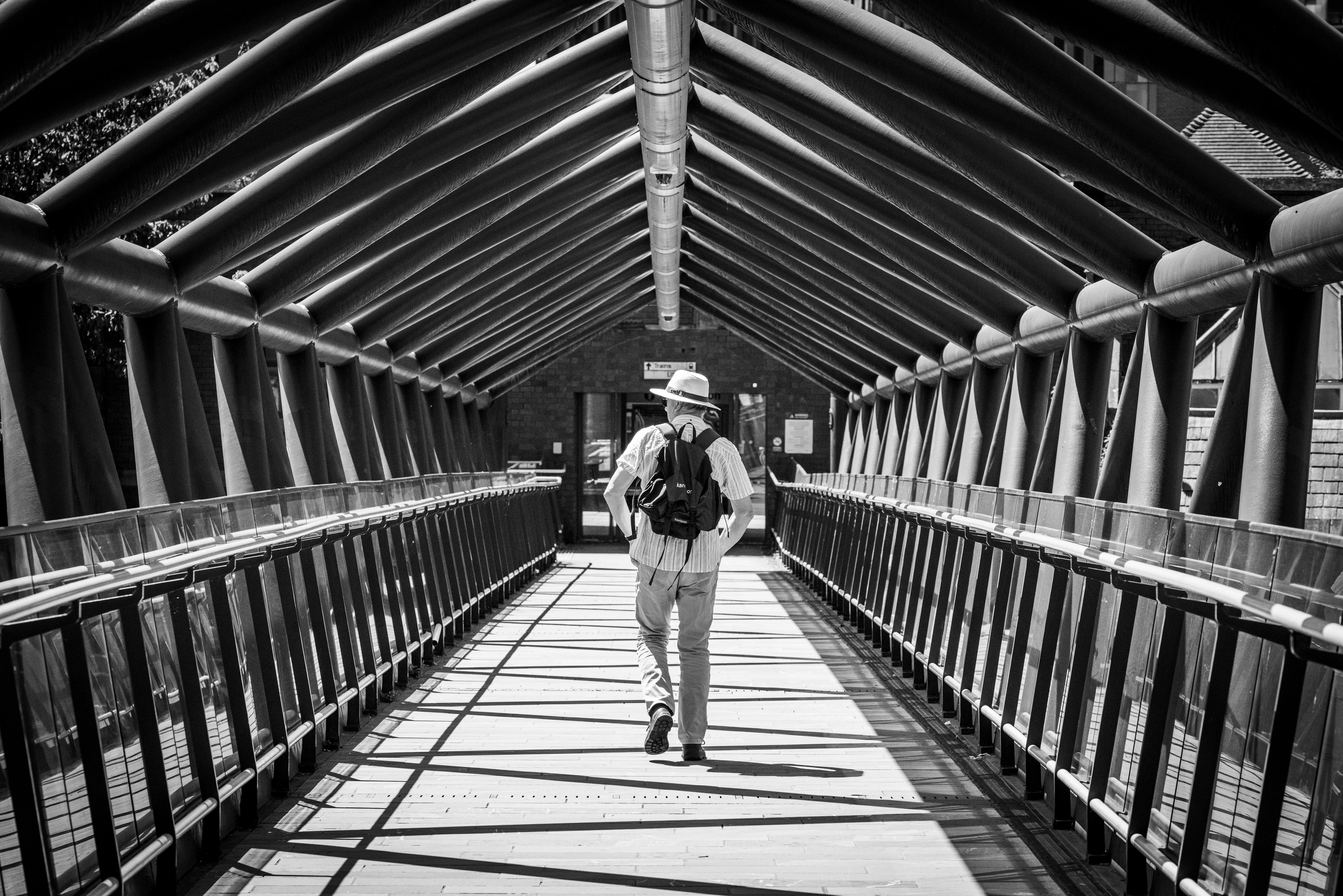
Leading Lines: Use a road, river, or fence to create a line that guides the viewer's eye through the scene toward your main subject. This technique is a powerful way to create a sense of depth.
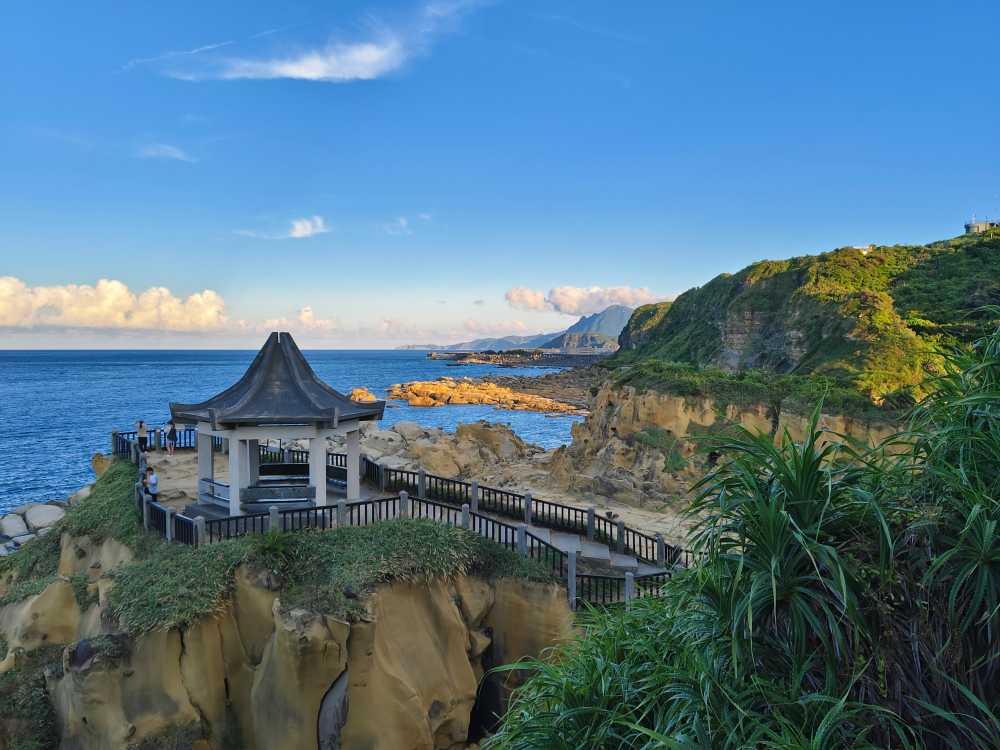
Shooting at Golden Hour: The hour after sunrise and before sunset offers soft, warm, directional light. This is far more flattering and dramatic than the harsh, flat light of midday.
Framing: Use foreground elements like an archway, a window, or tree branches to create a natural frame around your subject. This adds context and draws the viewer's focus.
Changing Perspective: Don't shoot everything from eye level. Get low to the ground to emphasize a foreground or find a high vantage point for a unique, sweeping overview. This simple shift can make a scene extraordinary.
Ready to Practice Your Composition Skills? Download the free Best NYC Photo Spots Map and start capturing incredible cityscapes today!
The Digital Darkroom: Post-Processing is Half the Battle
Every single professional photo you admire has been post-processed. Editing is not about "fixing" a bad photo; it's about enhancing a good one to fully realize your creative vision. The blogs we've highlighted consistently teach three key areas of editing in software like Adobe Lightroom.
Using Lightroom Presets: Presets are one-click settings that create a consistent aesthetic. They are excellent learning tools for understanding how different settings interact to create a professional look.
Editing Sunset Photos: This is a classic challenge that requires balancing the extreme dynamic range between the bright sky and the dark landscape. Tutorials will teach you how to use tools like graduated filters and the shadow/highlight sliders to balance the exposure and bring out the rich, vibrant colors.
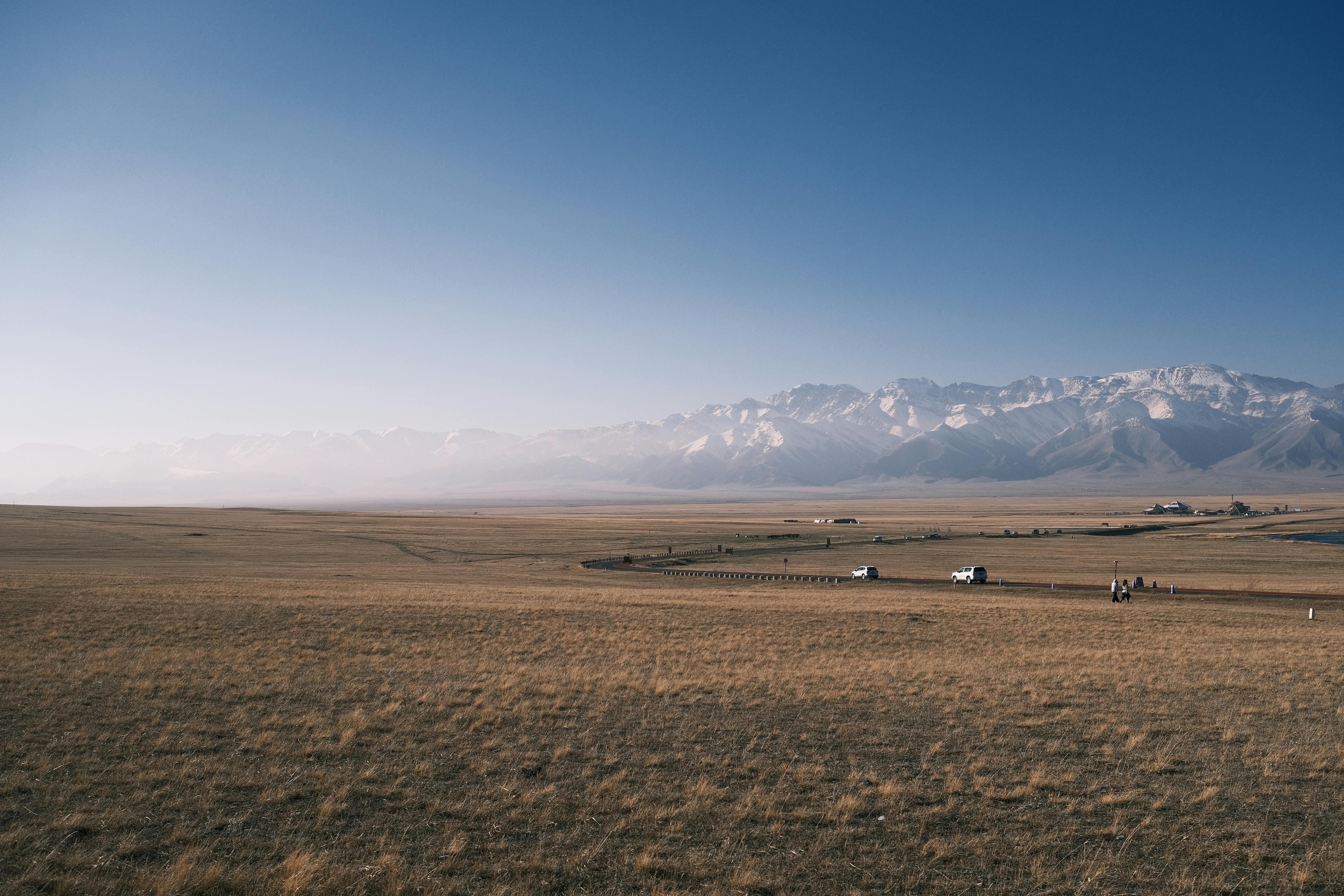
Basic Color Grading: This is the art of adjusting the colors in your image to create a specific mood. Mastering the HSL (Hue, Saturation, Luminance) panel allows you to take full control, making the blues in the ocean deeper, the greens in a forest richer, or giving your entire photo a warm, autumnal feel. Destinations with distinct color palettes, like the neon-lit streets of Tokyo or the serene temples of Kyoto, are perfect places to practice these skills. If you're planning a trip, our Japan Travel Guide can help you find the most visually stunning locations.
Pro-Tip: When starting with post-processing, focus on mastering one tool at a time. The HSL panel in Lightroom is a great place to begin. Learning how to selectively adjust the hue, saturation, and luminance of individual colors can have a bigger impact on your photos than trying to learn every single tool at once.
Your Path to Better Travel Photos
Improving your travel photography is a journey, not a destination. It doesn't happen overnight. But by following the right guides, you can accelerate your progress and avoid common pitfalls. The path is simple: learn from the best travel photography blogs, focus on mastering the fundamental techniques of composition and light, and practice every chance you get. Pick one blog from this list to follow this week. Choose one composition technique to practice on your next outing, even if it's just in your own backyard. The more you shoot with intention, the faster you will begin to create images that truly capture the magic of your travels.
Meta Data Suggestions:
SEO Meta Title (56 characters): 7 Best Travel Photography Blogs for Tips (2026 Update)
URL Slug: best-travel-photography-blogs-tips
SEO Meta Description (154 characters): Want to take better travel photos? Discover the 7 best travel photography blogs that offer actionable tips on gear, composition, and editing from the pros.
Don't Miss Out! Subscribe for Exclusive Content
SubscribeComments 0
No comments yet
Be the first to share your experience!
Dont Miss Out! Subscribe for Exclusive Content
Ultimate USA Holidays Guide: Top Picks
FTC Affiliate Disclosure Essentials: Stay Compliant as a Travel Creator
Essential Affiliate Tools: From Tracking to Full Optimization

Avoid These 5 Affiliate Landing Page Mistakes for Better Conversions

Affiliate Keyword Research Mastery for Travel Blogs