
SF Pride: 6 Route & Party Hacks

TrekGuider @trekguider
Picture it: a river of rainbow flags, glitter, and pure, unadulterated joy flowing down Market Street. The air thrums with music, cheers, and the collective heartbeat of hundreds of thousands celebrating love, identity, and resilience. This isn't just any parade; this is the legendary San Francisco Pride Parade. But for every person lost in the moment, there's another lost in the crowd, wrestling with a dead phone, a terrible view, and no idea where their friends have vanished. The sheer scale of SF Pride can be overwhelming, threatening to turn a day of pure celebration into a stressful logistical nightmare.
You’ve imagined yourself at the heart of the action, capturing the perfect photo, feeling that powerful sense of community. The reality, however, could be getting stuck behind a seven-foot-tall person, unable to see a single float, with your phone battery blinking at 3% and no cell service to find your crew. The difference between an unforgettable experience and a frustrating ordeal isn't luck—it's preparation. You deserve to experience every ounce of joy this iconic event has to offer, without the chaos and confusion that can so easily derail the day.
This is your definitive guide to conquering the celebration. We’re giving you six battle-tested route and party hacks to navigate the pride parade San Francisco like a seasoned pro. Forget the stress; this playbook ensures you soak in the history, master the logistics, and create memories that will last a lifetime, all while staying safe and comfortable.

Before You Go: Essential Prep for the Pride Parade San Francisco
Before you even think about your rainbow outfit, a little prep work will set the stage for a flawless day. The SF Pride Parade is more than a party; it’s a powerful legacy. Born from the first "gay-in" in 1970 and commemorating the key 1969 Stonewall Uprising, this event has evolved from a protest into a global platform for activism and celebration. In the 1980s, it became a crucial front line for raising AIDS awareness, and today it continues to champion the diverse spectrum of the LGBTQ+ community. Understanding this history enriches the entire experience, transforming it from a spectacle into a meaningful pilgrimage.
The 2026 SF Pride Parade is scheduled for Sunday, the last Sunday of Juneth, with the first contingents stepping off at 10:30 AM. To be ready, your day pack is your most critical asset. Here’s a non-negotiable checklist:
Hydration: Pack a reusable water bottle. There are water stations, but having your own is crucial for staying hydrated in the California sun.
Sun Protection: Sunscreen, a hat, and sunglasses are absolutely essential. There is very little shade along the parade route.
Layered Clothing: San Francisco weather is famously fickle. What starts as a chilly, foggy morning can quickly turn into a warm, sunny afternoon. A light jacket or hoodie you can tie around your waist is the smartest move you can make.
Comfortable Shoes: You will be on your feet for hours, walking and standing. Prioritize comfort over style; your feet will thank you by the end of the day.
Portable Power Bank: Your phone will be working overtime as your camera, map, and communication device. A fully charged power bank is an absolute must-have.
Snacks: While there are food vendors, lines can be long and prices high. Pack some energy bars or other easy-to-eat snacks to keep your energy levels up.
Finally, let's talk safety. SF Pride is known for its strong security measures, including advanced weapon detection technology at key entry points. While organizers work hard to create a secure environment, personal safety matters most in any large crowd. Familiarize yourself with basic protocols, like being aware of your surroundings and keeping your valuables secure. For a comprehensive look at staying safe while traveling, our Solo Female Travel Safety Guide offers invaluable tips that apply to everyone, regardless of gender, in any crowded event scenario.
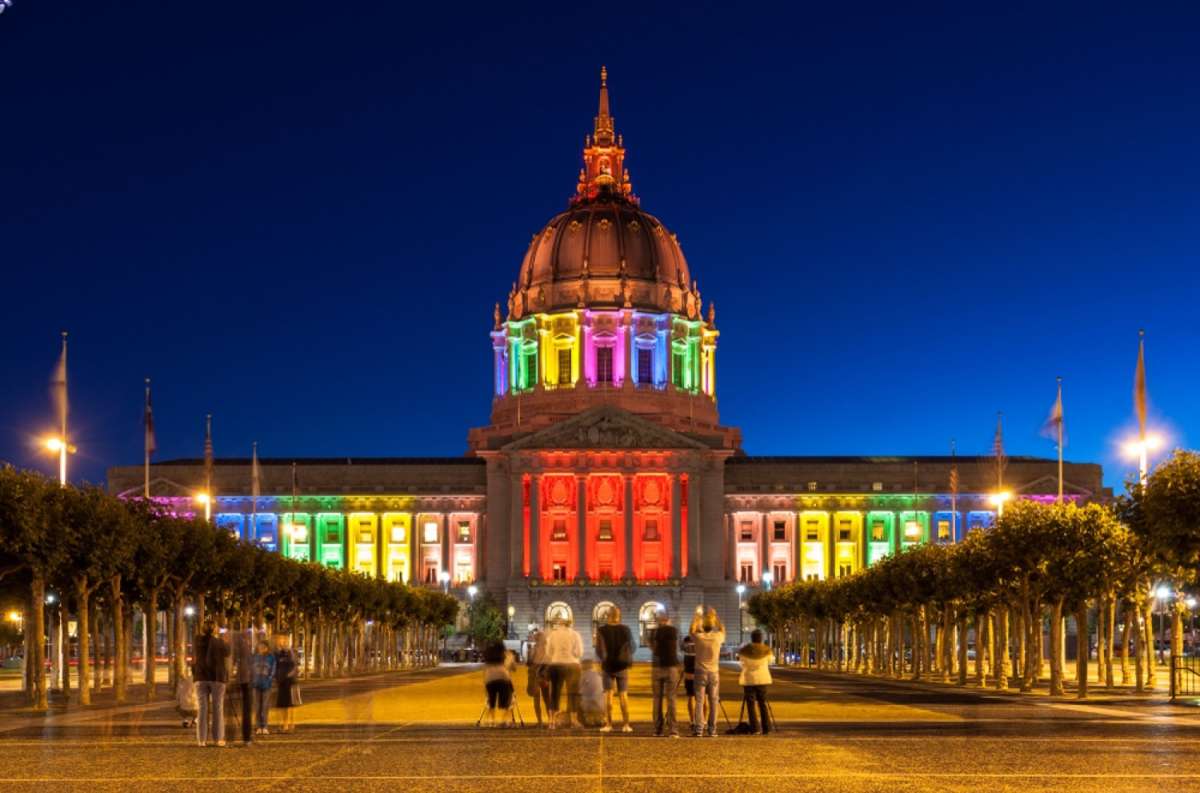
Hack #1: Master the Market Street Route for the Pride Parade San Francisco
The parade route is deceptively simple: it runs straight down Market Street, starting at Beale Street and culminating at 8th Street, right by the Civic Center Plaza. The challenge isn't knowing the route; it's knowing where on the route to be and when to be there.
The Hack: Arrive by 9 AM and choose your zone strategically. The parade officially starts at 10:30 AM, but the sidewalks begin filling up much earlier. Arriving an hour and a half beforehand allows you to claim a prime spot without having to battle the late-coming masses.
Here’s a breakdown of the route's key zones to help you decide on your ideal viewing experience:
The Starting Zone (Beale to Montgomery Street): This area is often less crowded, especially right at the beginning. You'll see all the contingents when they are fresh, energized, and at their most organized. It’s a fantastic spot for photographers who want clean shots of the floats and performers before the crowds swell. The energy here is one of joyful anticipation.
The Commercial Core (Montgomery to Powell Street): This is the heart of the parade and, consequently, the most packed section. The tall buildings create a canyon-like effect, amplifying the sound and energy. It’s an intense and exhilarating place to be, but not for the faint of heart. If you want to be in the thick of it, this is your spot, but be prepared for a tight squeeze.
The Climax Zone (Powell to 8th Street): As the parade approaches its end at the Civic Center, the energy reaches a fever pitch. This is where the performers give their all, knowing they’re approaching the main celebration. The crowd here is dense but incredibly vibrant. Positioning yourself near 8th Street gives you a head start on moving into the Civic Center Plaza for the post-parade festivities.
Pro-Tip: For a less obstructed view and better photos, try to secure a spot on the south side of Market Street. In the late morning and early afternoon, the sun will be mostly at your back, beautifully illuminating the parade without forcing you to squint. This side is often just slightly less congested than the north side.
Hack #2: The Transportation Game Plan - Ditch the Car, Embrace Public Transit
Let’s be perfectly clear: driving to the SF Pride Parade is a recipe for disaster. Street closures are extensive, parking is virtually non-existent and astronomically expensive, and navigating the gridlock will drain your celebratory spirit before you even arrive.
The Hack: Make BART (Bay Area Rapid Transit) and Muni your best friends for the day. San Francisco’s public transit system is designed to handle massive events like this, and it is by far the most efficient way to get to and from the parade.
Here’s your transit strategy:
BART: The underground trains are the fastest way to get downtown from the East Bay, the Peninsula, or other parts of the city. The key is choosing the right station to exit.
Embarcadero Station: Puts you right near the start of the parade. A great option if you plan to arrive early and watch from the beginning.
Montgomery Station: A perfect middle-ground, placing you in the energetic core of the route. It’s one of the busiest stations, so be prepared for crowds.
Powell Station: Another central option, close to the cable car turnaround and a major shopping area. Like Montgomery, expect it to be very busy.
Civic Center Station: This is your stop if you want to head directly to the post-parade celebration or watch the parade's final leg.
Muni: The city’s network of buses and light rail (Muni Metro) is another excellent choice. The F-Market & Wharves historic streetcar will be rerouted, but the Muni Metro lines run directly under Market Street, using the same stations as BART. Many bus lines will have detours, so be sure to check the SFMTA website or your favorite transit app for real-time updates on the day of the event.
Rideshare services like Uber and Lyft will be operating, but expect heavy surge pricing and designated drop-off/pick-up zones that may be several blocks away from Market Street to avoid the worst of the congestion. Public transit remains the most reliable and cost-effective option.

Hack #3: The Civic Center Celebration - Your Post-Parade HQ
The last float crossing 8th Street doesn't mark the end of the day—it marks the beginning of the next phase. The parade flows directly into the massive Pride Celebration at Civic Center Plaza, a sprawling festival with multiple stages of live music, DJs, inspiring speakers, hundreds of community booths, art installations, and food vendors.
The Hack: Have a concrete plan for navigating the festival, especially for meeting your group. Cell service in and around Civic Center Plaza can become extremely unreliable due to the sheer number of people. A "we'll find each other" approach will likely fail.
Follow these steps for a seamless transition from parade to party:
Establish a Hyper-Specific Meeting Point: Before you separate, agree on a meeting spot that is impossible to mistake. "By the main stage" is too vague. Instead, choose something like, "At the base of the statue of James Lick, on the side facing the library," or "Directly in front of the main entrance to the Asian Art Museum." Set specific times to meet there (e.g., 2 PM and 4 PM).
Pace Yourself and Hydrate: The celebration runs for hours after the parade. It's a marathon, not a sprint. Continue to drink water, find moments of shade, and don't forget to eat.
Explore with Purpose: Don't just wander aimlessly. The community booths are the soul of the celebration. You can connect with dozens of non-profits, activist groups, and local organizations. It’s an incredible opportunity to learn, connect, and find your community.
Know Your Exits: Take a moment upon arrival to orient yourself and identify the main exit points from the plaza. Knowing how to get out quickly in case of an emergency or if you simply feel overwhelmed is a smart move.
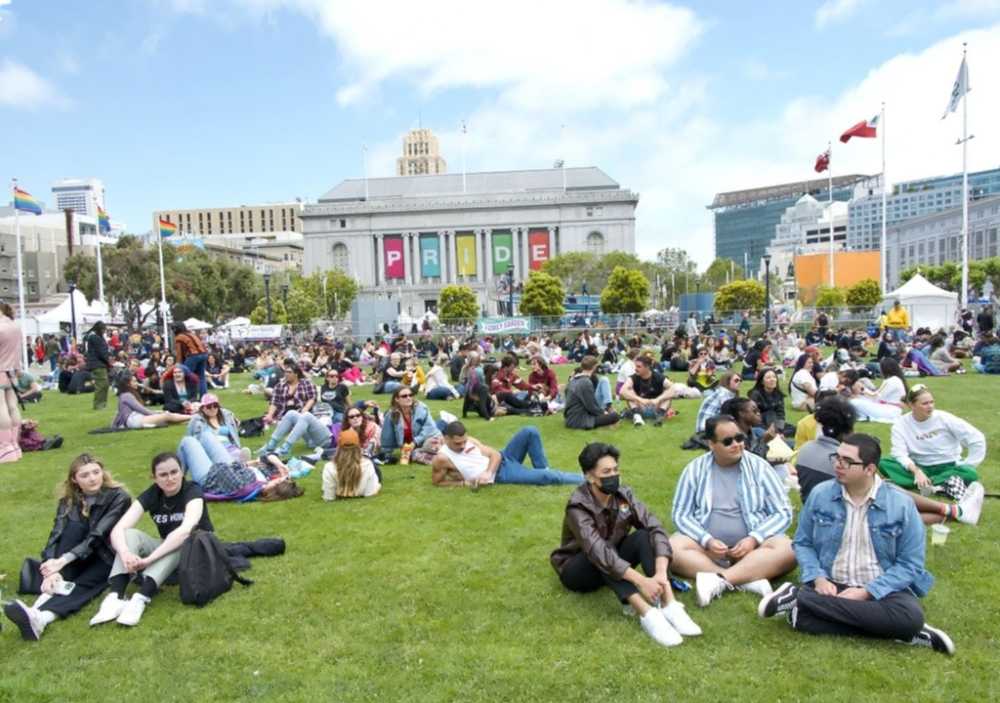
Hack #4: Beyond Market Street - Unofficial Parties & Neighborhood Vibes
The official parade and Civic Center festival are the main events, but the spirit of Pride permeates the entire city, becoming a vibrant key element of the city’s festive calendar—a calendar we explore in our broader guide to San Francisco Holidays: Bay Area Buzz.
The Hack: Dip out of the main event for a few hours to experience a different, more intimate side of Pride.
The Castro District: As the historic heart of San Francisco's LGBTQ+ community, the Castro is ground zero for Pride weekend. The streets become a massive, vibrant block party. While it will be just as crowded as the parade, the atmosphere is different—more neighborhood-focused and less structured. Grab a drink at a historic bar, watch the impromptu dance parties, and soak in the history.
Dolores Park: On Pride Sunday, the park's famous "Gay Beach" area expands to cover nearly the entire lawn. It transforms into a massive, sun-drenched picnic party. The vibe is more relaxed and bohemian than the official festival. Pack a blanket, bring some snacks, and enjoy people-watching in one of the city's most beautiful settings.
SoMa (South of Market): This neighborhood is home to many of the city's most famous clubs and venues. Throughout Pride weekend, these spaces host a huge variety of official and unofficial after-parties, from daytime DJ sets to late-night dance events. Check event listings in advance, as many of the most popular parties sell out.

Hack #5: Tech & Safety - Your Digital Toolkit for a Seamless Day
In a modern festival environment, your smartphone is your most powerful tool—if you use it wisely.
The Hack: Prep your phone and apps to be your digital command center for the day.
The Power Bank is Non-Negotiable: We mentioned it before, but it bears repeating. A dead phone means no photos, no map, and no way to contact your friends. A fully charged portable power bank is the single most important piece of tech you can bring.
Master Your Communication Apps: Standard text messages can be delayed when cell networks are overloaded. Use a data-based messaging app like WhatsApp or Signal for your group chat. Their delivery is often more reliable in dense crowds. Use the "Share Live Location" feature for a set period (e.g., 15 minutes) if you get separated and need to find your way back to your group.
Download Offline Maps: Before you leave home, download an offline map of the downtown San Francisco area in your map app of choice. Even if you lose all cell service, your phone's GPS will still work, allowing you to see your location on the map and navigate.
Embrace Official Resources: Check the official SF Pride website in the days leading up to the event. If they release an official app, download it. It will likely have the most accurate schedules, maps, and emergency alerts.
Pro-Tip: Take a screenshot of your planned meeting spots, the parade route map, and the contact info for everyone in your group. Create a dedicated photo album for these screenshots so you can access them instantly, even if your apps won't load due to poor connectivity.

Hack #6: The Exit Strategy - How to Leave Without the Headache
Just as important as your arrival plan is your exit strategy. When hundreds of thousands of people try to leave the same area at the same time, the public transit stations and rideshare zones become incredibly congested.
The Hack: Avoid leaving during the peak rush right as the festival winds down.
You have two primary strategies for a stress-free departure:
The Early Exit: If you've had your fill of the crowds and the main celebration, start making your way out before the final headliners take the stage at Civic Center. By leaving an hour before the official end time, you can beat the massive wave of people heading for the BART and Muni stations.
The Patient Wait: This is often the better option. Instead of rushing out with everyone else, wait it out. Find a restaurant or cafe a few blocks away from Civic Center, grab a bite to eat, and relax for an hour or so. Let the crowds on the transit platforms thin out. By the time you're done, your journey home will be far more pleasant.
If you're using a rideshare service, walk at least four or five blocks away from Market Street and Civic Center before you even attempt to request a ride. This will get you out of the most congested, no-pickup zones and will likely save you from the highest surge pricing.
Your Guide to an Unforgettable Pride
You are now armed with the knowledge to do more than just attend the pride parade San Francisco —you are ready to experience it with confidence, joy, and a sense of empowered preparedness. From mastering the Market Street route and navigating the Civic Center celebration to knowing the smartest ways to get there and back, you have the tools to craft a perfect day. This isn't just about avoiding stress; it's about creating space for the powerful moments of connection, celebration, and solidarity that define SF Pride. Go forth, celebrate loudly, and have an incredible time.
For a complete blueprint to planning your ultimate trip to the Bay Area, including deep dives into its other iconic holidays and hidden gems, be sure to explore our comprehensive Travel Guide.
Meta Data Suggestions:
SEO Meta Title: SF Pride: 6 Essential Hacks for the Parade Route & Parties
URL Slug: sf-pride-parade-route-party-hacks
SEO Meta Description: Master the SF Pride Parade! Get 6 expert hacks on navigating the Market Street route, finding the best parties, and staying safe in the crowds.
Don't Miss Out! Subscribe for Exclusive Content
Subscribe



Comments 0
No comments yet
Be the first to share your experience!
Dont Miss Out! Subscribe for Exclusive Content

San Francisco Cherry Blossoms: A Local's Guide to the Blooms


Halloween SF: Haunts Without Horrors

SF Festivals: 7 Must-See Lineups

Christmas SF: Lights & Wharf Wonders

Chinese New Year SF: Parade Essentials

San Francisco Holidays: Bay Area Buzz
The 7 Solo Female Travel Safety Rules You Can't Ignore
TrekGuider @trekguider
You feel the magnetic pull of the world, a deep-seated desire to explore ancient cities, wander through breathtaking landscapes, and discover it all on your own terms. The dream of solo travel is vibrant and powerful. But for so many women, that dream is shadowed by a persistent and paralyzing question: "But will I be safe?"
This isn't just a fleeting thought; it's a formidable barrier. It’s a shared, valid concern that echoes across the travel community. A staggering 66% of women who travel solo report worrying about their personal safety, and for the 59% of women who have yet to start their first independent journey, these concerns are the second-largest obstacle holding them back. The fear is real, and it is robbing you of what could be the most transformative experience of your life. But what if you could systematically dismantle that fear, replacing it with an unshakable foundation of competence?
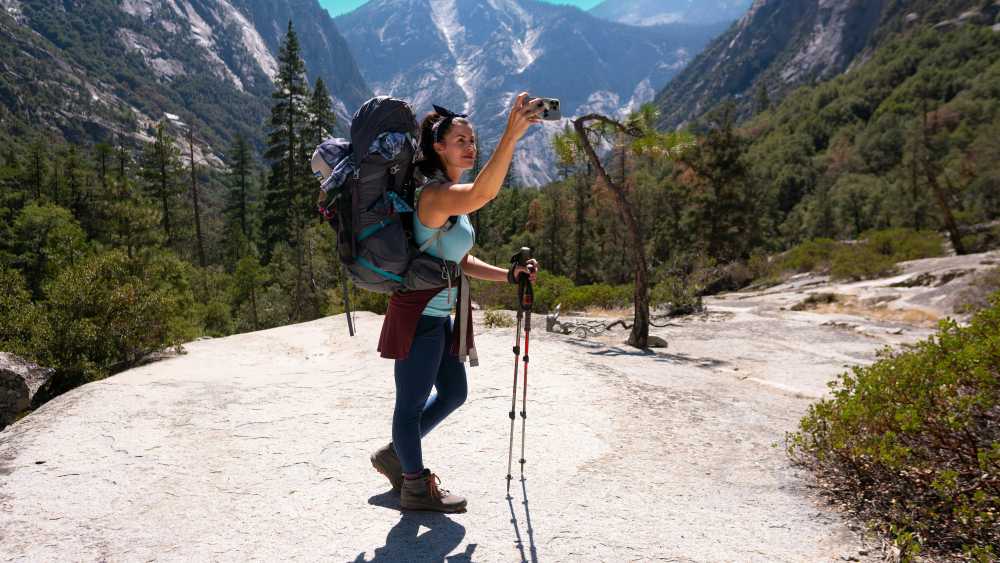
This guide is your tactical blueprint to do exactly that. We are moving beyond vague reassurances and diving into the essential, non-negotiable rules of solo female travel safety. This isn't about seeing the world through a lens of paranoia; it's about equipping yourself with the knowledge to navigate it intelligently. For a complete overview of the journey, start with our comprehensive pillar guide, The Ultimate Guide to Solo Female Travel (15 Essential Tips). These seven rules, however, are the bedrock—the field-tested strategies that will transform you from a worrier into a prepared and confident global explorer.
Rule 1: Build a "Lifeline Home" Before You Leave
The single most important phase of your safety strategy happens before you ever pack a bag. Creating a strong communication and information bridge between you and a trusted emergency contact back home is non-negotiable. This "mission control" is your ultimate safety net, ensuring that if you are ever unreachable, someone you trust has every critical detail needed to help.
Your "lifeline" packet should be a comprehensive dossier containing both physical and digital copies of the following, based on recommendations from the U.S. Department of State:
A Complete Itinerary: Detail your trip on a day-by-day basis, including flight numbers, train schedules, and the names, addresses, and phone numbers of all booked accommodations.
Copies of All Important Documents: Include the photo page of your passport, any necessary visas, your driver's license, and a full copy of your travel insurance policy, complete with the policy number and the 24/7 emergency assistance phone number.
Financial Information: Provide photocopies of the front and back of every credit and debit card you are carrying. The international toll-free numbers on the back are essential for canceling them if they are lost or stolen.
A Pre-Arranged Communication Plan: Establish a clear plan for when you will check in (e.g., a quick text upon arrival in a new city). Crucially, agree on a protocol for what your contact should do if you miss a check-in (e.g., wait 12 hours, then contact your hotel, then contact the nearest embassy).

Pro-Tip: The single most effective safety action you can take in under five minutes is to enroll your trip with the U.S. Department of State’s free Smart Traveler Enrollment Program (STEP). This provides the nearest U.S. Embassy or Consulate with your itinerary, creating a three-way digital bridge connecting you, your emergency contact, and the State Department for a coordinated response in a worst-case scenario.
Rule 2: Master Your Sanctuary with an Unbreakable Arrival Protocol
Think of your accommodation as more than just a place to sleep. It’s your secure base of operations, your private sanctuary to rest and recharge. Ensuring its integrity from the moment you arrive is a critical habit that provides profound peace of mind. Adopt this methodical security check and perform it automatically every single time you enter a new room.
Prop the Door Open. Before you fully enter, use your main piece of luggage to prop the door open. This simple action prevents the door from closing and locking behind you, guaranteeing an immediate escape route should the room not be empty.
Conduct a Full Room Sweep. With the door still open, perform a quick but thorough physical search. Check under the bed, behind all curtains, inside closets, and in the bathroom, including behind the shower curtain.
Verify All Locks. Once the room is confirmed to be empty, close the door and immediately test all locking mechanisms. Engage the deadbolt, chain lock, or security latch. Go to every window and any balcony doors to ensure they lock securely.
Deploy Your Personal Security. Your own devices provide a layer of protection entirely within your control. Immediately place a rubber wedge doorstop alarm under the main door or install a portable door lock like an Addalock. These inexpensive, lightweight devices are highly effective at preventing unauthorized entry, even from someone with a key card.
Locate and Map Emergency Exits. Find the fire exit map on the back of the door. Identify the two nearest exits, then physically walk the route to each one, counting the doors you pass. This mental map is invaluable for navigating in darkness or smoke.
Perform a Hidden Camera Scan. In an age of miniaturized electronics, a quick scan for hidden cameras is a prudent measure. Use your phone's flashlight to look for the tell-tale glint of a tiny lens in unexpected places like smoke detectors, alarm clocks, and USB wall chargers. In the dark, use your phone's front-facing camera (which is more sensitive to infrared light) to scan the space. Look for the small, often blinking, IR lights used by night-vision cameras that are invisible to the naked eye.
Adopt a "Verify, Then Open" Door Policy. Make it your strict policy to never open your door to an unsolicited knock. If someone claims to be from housekeeping, call the front desk using the room phone to verify they sent a staff member to your room.

YOUR ULTIMATE SAFETY TOOLKIT
Mastering your environment is the first step to confident travel. True preparedness means having the right tools for every situation. Our free, downloadable Solo Female Travel Safety Guide is the perfect companion to these rules. It's a comprehensive checklist and resource guide covering everything from what to pack to what to do in an emergency.
Rule 3: Take Absolute Control of Your Ground Transportation
Moving through an unfamiliar city can be a point of high vulnerability. Whether you’re using a ride-sharing app or a local taxi, you must shift from being a passive passenger to an active participant in your own safety. Adhere to this strict set of protocols for every single ride.
The "Match, Name, Share" Protocol for Ride-Shares
Match: Before you get in, carefully match the vehicle's make, model, and license plate number with the information in the app. Check that the driver's appearance matches their profile photo. If anything is off, do not get in the car.
Name: This is a critical verification step. Do not approach a vehicle and ask, "Are you here for Jane?" This gives a potential imposter the information they need. Instead, from a safe position on the curb, ask the driver, "Who are you here for?" A legitimate driver will be able to state your name correctly.
Share: Before your ride begins, use the app's built-in "Share Trip Status" feature. This sends a live map of your journey to a trusted contact, allowing them to track your progress in real-time.
Universal Rules for Every Ride
The Backseat Protocol: As a solo traveler, always sit in the back seat on the side opposite the driver. This creates crucial physical distance and gives you access to two separate exits.
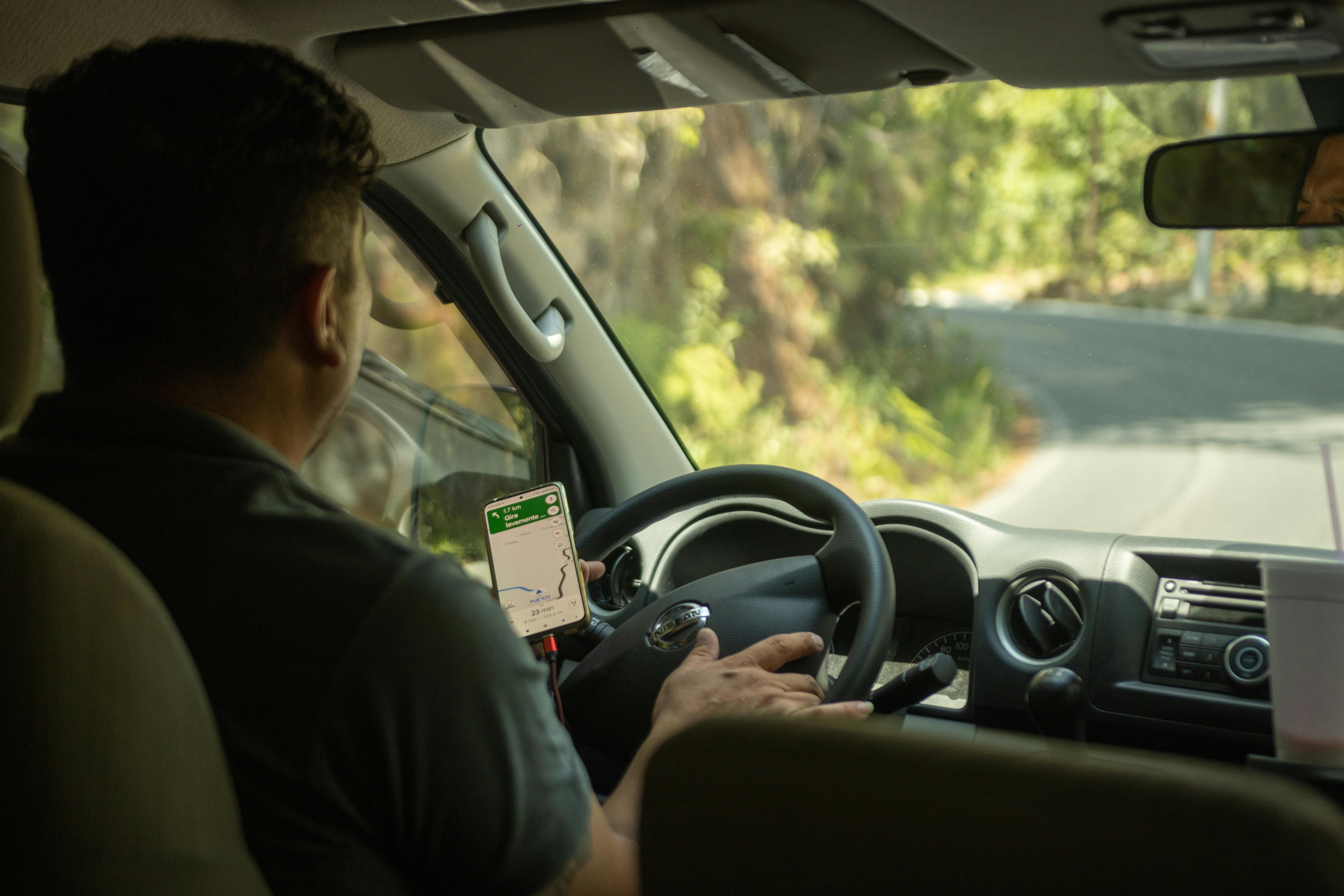
The Route Protocol: Keep your own mapping application, like Google Maps, open on your phone throughout the journey. If the driver takes a significant, unexplained detour, you are empowered to question it. If the response makes you uncomfortable, end the ride in a safe, well-lit public area.

Rule 4: Create Layers of Personal and Digital Security
Your solo female travel safety strategy should be built on layers and redundancy. This means pairing smart practices with an effective toolkit of personal security devices and ensuring your digital lifelines are always active.
Your Personal Security Toolkit
Personal Safety Alarm: This is arguably the most valuable device for a solo traveler. An alarm like the She's Birdie emits an extremely loud siren (130+ decibels) and a flashing strobe light to startle an attacker and attract immediate attention. They are small, legal everywhere, and attach to a keychain for instant access.
Anti-Theft Bag: Invest in a bag with features like RFID-blocking pockets (to protect from electronic skimming), slash-proof fabric, and lockable zippers. A crossbody style worn in front of your body offers the most security.
Portable Door Lock / Alarm: As mentioned in Rule 2, carrying your own lock gives you absolute control over the security of your room, ensuring your sanctuary remains impenetrable.
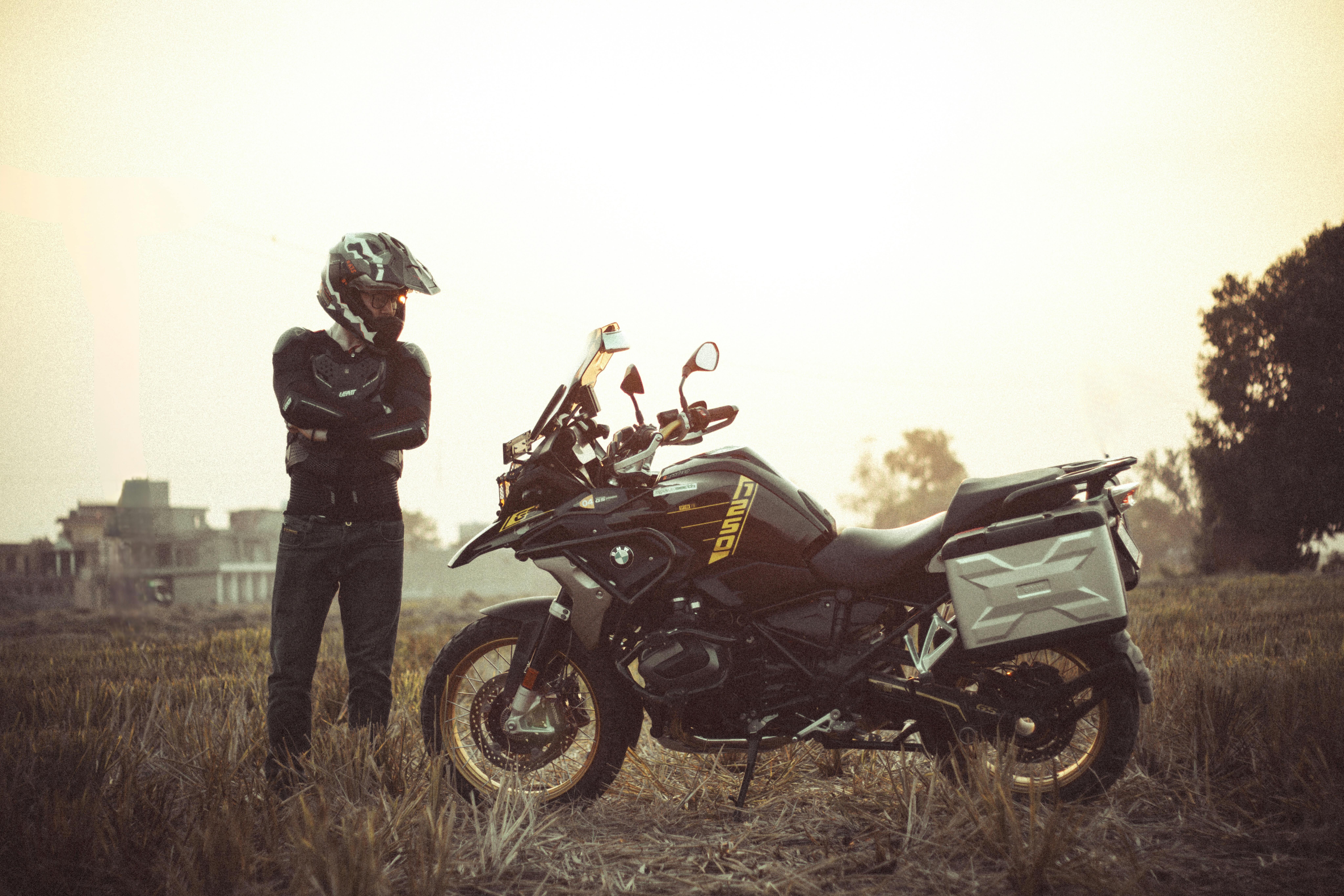
Your Digital Security Layer
Your phone is your map, translator, and lifeline. A solar-powered power bank adds a critical layer of resilience to a standard one, ensuring you can maintain a charge even during power outages or on multi-day treks.
Rule 5: Project Confidence and Practice Proactive Situational Awareness
How you carry yourself has a profound impact on how you are perceived. Projecting confidence—even when you're feeling uncertain—is a powerful deterrent. Walk with purpose, keep your head up, and make brief eye contact. This signals that you are aware of your surroundings, not an easy target.
This confidence is fueled by situational awareness. It's not about being paranoid; it's about being present.
Understand the Local Landscape: Before arriving, research common tourist scams. A 2024 report noted that 29% of solo female travelers had experienced a theft or attempted scam. Knowing the playbook for ploys like the "friendship bracelet" or "spilled drink" allows you to disengage before you become a victim.
Trust Your Intuition: Your intuition is your most finely tuned security equipment. If a person, place, or situation feels "off," it probably is. You do not need a logical reason. Honor it. Cross the street, leave the bar, get in a different train car. Acting on your intuition is not rude; it is intelligent.
Manage Your Inputs: Be mindful of your alcohol consumption. Your awareness is your primary defense, and anything that dulls it increases your vulnerability.

Rule 6: Embrace That Safety Anxiety Decreases with Experience
It's crucial to understand the psychology of solo travel fear. The data reveals a powerful truth: the act of traveling solo is the most effective antidote to the fear of it.
Among women who have taken fewer than six solo trips, 77% report worrying about safety. That number drops dramatically to just 55% for those who have traveled solo more than ten times. This establishes a direct, negative correlation between experience and anxiety.
Every time you successfully navigate a new city and overcome a challenge, you are collecting real-world evidence of your own competence. This direct experience systematically replaces abstract, media-fueled fear with managed, situational awareness. You learn that while vigilance is essential, you are far more capable than you imagined. The goal of your first trip is to break this cycle of fear and begin the empowering loop of experience.
Rule 7: Never Outsource Your Safety to Chance—The Travel Insurance Mandate
For a solo traveler, travel insurance isn't an optional add-on; it is a foundational pillar of your financial security. A cheap policy is not a good deal if it doesn't have the right coverage. When evaluating policies, ensure the plan includes strong coverage in these key areas:
Emergency Medical Coverage: A policy should offer a minimum of $250,000 in benefits.
Emergency Medical Evacuation: This covers the potentially astronomical cost of transporting you to a hospital with adequate facilities or back home.
Emergency Medical Reunion (Companion Coverage): This is vital for solo travelers. If you are hospitalized, this coverage pays for a family member's transportation and accommodation to be at your bedside, providing invaluable logistical and emotional support.
Trip Interruption and Cancellation: This reimburses your non-refundable trip costs if you have to cancel or cut your trip short for a covered reason.
Frequently Asked Questions About Solo Female Travel Safety
What's the single most important safety device I should buy?
A personal safety alarm. While a doorstop and anti-theft bag are excellent, a loud, attention-grabbing alarm is the most versatile tool for deterring a potential threat in any public situation, day or night.
I'm nervous about nightlife. Should I just avoid going out after dark?
Not at all! The key is to be strategic. Have your transportation planned in advance—know exactly how you're getting home. Nurse your drink and never leave it unattended. Stick to well-lit, reputable areas and consider starting with a structured activity, like a group tour or a show, rather than just wandering.
How do I handle street harassment without escalating the situation?
The most effective strategy is confident disengagement. Do not respond or make prolonged eye contact. Project purpose and keep walking. In many cases, a reaction is what the harasser is seeking. If you feel you are being followed, walk into a busy, open shop or restaurant immediately.
Are group tours a good option for a safety-conscious first-timer?
Absolutely. An estimated 75% of women who have never traveled alone would be more likely to do so on a group tour. They provide a "scaffolded" entry into the world of solo travel. You can find tours vetted and reviewed by other solo female travelers on platforms like TrekGuider, which is a great way to build foundational confidence.
Your Journey to Confident Exploration Starts Now
The narrative around solo female travel safety is too often dominated by fear. But the data tells a different, more empowering story of capability and resilience. These seven rules are your framework—a practical system for managing risk and moving through the world with intelligent confidence. By internalizing these strategies, you build a foundation of competence from which you can freely and bravely explore.
Now that you have the safety blueprint, the truly exciting part can begin. Explore our collection of expert-written Travel Guide resources to find your perfect destination, and remember to download the essential Solo Female Travel Safety Guide. The world is waiting for you to discover it—and yourself.
Meta Data Suggestions:
SEO Meta Title (59 characters): The 7 Essential Solo Female Travel Safety Rules for 2026
URL Slug: solo-female-travel-safety-rules
SEO Meta Description (154 characters): From accommodation security to transport protocols, these 7 non-negotiable solo female travel safety rules will empower you to explore the world with confidence.
Don't Miss Out! Subscribe for Exclusive Content
SubscribeComments 0
No comments yet
Be the first to share your experience!
Dont Miss Out! Subscribe for Exclusive Content

How to Avoid Travel Scams: A Global Guide

Is Public WiFi Safe? How to Protect Your Data Abroad

A Woman's Guide to Safe Travel: 10 Critical Tips

7 Hotel Safety & Security Tips for Peace of Mind

9 Beach Safety Tips That Could Save Your Life

How to Stay Safe While Hiking: A Hiker's Safety Guide
How to Plan a US Family Vacation That Actually Happens
TrekGuider @trekguider
Does the dream of a family vacation always seem to get buried under a pile of school projects and work deadlines? You want to make those precious memories, but the sheer effort of planning a big trip—the budget, the flights, the sprawling itinerary—feels completely overwhelming. That dream gets pushed to the “maybe next year” pile, and another opportunity slips away.
This is the cycle of vacation procrastination. The pressure to make every trip a grand, epic adventure creates a paralysis that keeps you at home. Weekends blur into a routine of errands and screen time, and you’re left with the nagging feeling that you’re not making the most of your time together.
This guide is the antidote. We’re here to champion the art of the short-form getaway—the powerful, transformative two- or three-day trip. A well-executed weekend escape can recharge your family, create lasting inside jokes, and deliver that essential change of scenery without the strain of a major holiday. While a grand tour has its place, as we explore in our comprehensive Family Travel Ideas: The 2026 Guide to Unforgettable Trips, mastering the weekend trip is a practical skill that pays dividends all year long. This is your roadmap to choosing the perfect spots for a quick, high-impact getaway that actually happens.

The Weekend Warrior: Why Short Trips Are a Family’s Secret Weapon
Before we dive into destinations, it’s crucial to understand the real advantage of short-form travel. In our fast-paced world, the weekend getaway isn’t a lesser version of a vacation; in many ways, it’s a superior model for modern families.
It Obliterates Decision Fatigue: Planning a three-day trip requires a fraction of the decisions needed for a ten-day epic. You’re choosing two nights of accommodation, not nine. You’re planning six meals, not thirty. This lower logistical barrier is the key to moving from idea to action.
It's a Budget-Friendly Power-Up: The math is simple. Fewer nights, fewer meals, and shorter travel distances mean a significantly lower overall cost. This makes travel more accessible more often.
It Forces Frequent Reconnection: Long breaks are fantastic, but the daily grind can quickly erode that post-vacation glow. Frequent weekend trips act as regular “reconnection points” for your family, reinforcing bonds and breaking up monotony.
It's a Low-Stakes Laboratory: A weekend trip is the perfect environment to test new travel styles. Want to see if your kids enjoy hiking? A two-night trip to a mountain town is a much lower-risk experiment than a full week in a national park.

The 72-Hour City Break: Culture and Energy for the Urban Explorer
A city break is a masterclass in efficiency. It's a high-impact dose of culture, cuisine, and energy, perfectly contained within a 72-hour window where your own two feet are the best mode of transport. These destinations are perfect for a short-form family vacation adventure.
Boston, Massachusetts: A Walk Through American History
For families with school-aged children, Boston is a living classroom. The city’s compact core makes it incredibly easy to explore on foot, turning a simple walk into an unforgettable journey.
Can't-Miss Experiences: Walk the 2.5-mile Freedom Trail, a red-brick line connecting 16 nationally significant historic sites. Kids will love the energy of Faneuil Hall Marketplace and the chance to climb aboard the USS Constitution (“Old Ironsides”). The Boston Children’s Museum is legendary for hands-on fun.
Must-Try Food: Grab a cannoli from Mike’s Pastry or Modern Pastry in the North End. For a classic experience, head to the Union Oyster House, one of America’s oldest restaurants.
Logistics: Leave the car behind. Boston is best navigated via the “T” (its subway system) and your own two feet.

Savannah, Georgia: Southern Charm and Spooky Stories
Savannah drips with Spanish moss and southern charm, offering a unique and atmospheric weekend escape. Its famous historic squares provide beautiful, built-in parks for kids to run around in between sightseeing.
Can't-Miss Experiences: Explore Forsyth Park and the 22 historic squares. For older kids and teens, take a family-friendly evening ghost tour to learn about the city’s spooky legends. A 20-minute drive to nearby Tybee Island offers a perfect beach day.
Must-Try Food: Enjoy classic southern cooking at The Olde Pink House or grab a casual slice at Vinnie Van Go-Go's in City Market. A scoop from Leopold's Ice Cream is non-negotiable.
Logistics: Savannah’s historic district is very walkable. A rental car is only necessary if you plan to visit Tybee Island.
Chicago, Illinois: Big City Fun, Midwestern Heart
The Windy City is a world-class destination that feels surprisingly manageable for a weekend. With its stunning lakefront, incredible museums, and friendly vibe, it’s a fantastic choice for an urban family getaway.
Can't-Miss Experiences: Millennium Park is a must-do for a picture with "The Bean" (Cloud Gate). See Sue, the world’s most complete T. rex, at The Field Museum. The Shedd Aquarium and the Adler Planetarium are conveniently located on the same Museum Campus. An architectural boat tour is a surprise hit with all ages.
Must-Try Food: You can’t leave Chicago without trying deep-dish pizza from Lou Malnati’s or Giordano’s. For a fun, casual meal, head to Portillo's for a classic Chicago-style hot dog.
Pro-Tip: If you plan on visiting multiple museums, look into the Chicago CityPASS. It can offer significant savings and often lets you skip long lines—a lifesaver with impatient kids.
The Nature Reset: Fresh Air and Open Spaces
Sometimes the best way to reconnect is to disconnect from everything else. These destinations offer stunning scenery and a much-needed change of pace, perfect for a rejuvenating weekend.

Asheville, North Carolina: Gateway to the Blue Ridge Mountains
Nestled in the heart of the Blue Ridge Mountains, Asheville is a vibrant, artsy town surrounded by breathtaking natural beauty. It’s the perfect basecamp for families who love the outdoors but also appreciate great food.
What to Do: The top attraction is the Blue Ridge Parkway, one of America’s most scenic drives. Pack a picnic and stop at the numerous overlooks. There are hundreds of hiking trails for all skill levels; the relatively easy Craggy Gardens Pinnacle trail offers huge 360-degree views.
Where to Stay: Consider renting a cabin just outside the city to fully immerse yourselves in the mountain setting.
Good to Know: The weather in the mountains can change quickly. Always pack rain jackets and an extra layer, even if the forecast looks clear.
The Poconos, Pennsylvania: A Four-Season Mountain Retreat
For generations, the Poconos have been a go-to weekend getaway for families in the Northeast, and for good reason. This region offers a massive variety of activities that change with the seasons.
What to Do: In the summer, enjoy boating on Lake Wallenpaupack. The region is also home to several excellent indoor waterparks, like Kalahari Resorts. In the fall, the foliage is spectacular. In the winter, Camelback Mountain offers family-friendly skiing and snow tubing.
Where to Stay: The Poconos excel at family-friendly resorts that offer all-in-one vacation experiences.
Pro-Tip: Many state parks have beautiful and affordable lodges or cabins that can be booked online. They offer a rustic, immersive experience with more amenities than camping.
Lake Tahoe, California/Nevada: Alpine Beauty and Recreation
Straddling the border of California and Nevada, Lake Tahoe is a stunning, crystal-clear alpine lake surrounded by the majestic Sierra Nevada mountains. It’s an outdoor playground that offers distinct experiences in winter and summer.
What to Do: Summer is all about the water. Visit Sand Harbor for its beautiful, family-friendly beach. Rent kayaks to explore the impossibly blue waters of Emerald Bay. In the winter, the area transforms into a ski destination, with resorts like Heavenly and Northstar.
Altitude Awareness: The base elevation at Lake Tahoe is over 6,200 feet. For the first day, take it easy and drink more water than you think you need to let your family acclimate.
A Guide to Flawless Execution
A list of great destinations is just a starting point. The real magic of a stress-free weekend lies in the execution. This is the playbook that separates the frazzled travelers from the weekend warriors.
1. Master the Clock: The Friday to Sunday Formula
The key to a successful weekend trip is maximizing your time.
The Friday Escape: If possible, pull the kids from school an hour or two early and hit the road before the evening rush hour. This single move can save you hours of traffic-induced stress.
Low-Key Arrival: Don’t schedule a major activity for your first night. Your goal is to get settled and have a simple dinner (pizza delivery is a weekend warrior’s best friend).
The Saturday Anchor: Make Saturday your main event day. This is when you’ll tackle your must-do activity, whether it’s a museum, a big hike, or a theme park.
The Sunday Send-off: Plan one final, short activity for Sunday morning before hitting the road, like a special brunch or a final walk on the beach. It makes the last day feel like part of the vacation, not just a travel day.
2. Pack with Precision: The Weekend Luggage System
Overpacking for a short trip is a common mistake that creates unnecessary hassle.
One Bag Per Person: Institute a strict one-bag-per-person rule. This empowers older kids to be responsible for their own things.
Embrace the Packing Cube: These small organizers are a game-changer. Use them to keep complete outfits together, making mornings incredibly fast.
Build a “Go Bag”: For road trips, have one small bag that stays in the car with mission-critical essentials: snacks, wet wipes, a basic first-aid kit, portable chargers, and paper towels. A tool like our National Park Road Trip Checklist has great ideas for this, even if you aren't headed to a park.
Stop Dreaming, Start Planning
The perfect weekend trip doesn't have to be complicated. Our free, plug-and-play Travel Itinerary Template takes the guesswork out of planning. Get the simple, proven framework we use to organize our own family getaways Download the Free Template.
3. Budget for a Short Trip: Where to Splurge, Where to Save
A weekend budget requires a different mindset than a long vacation.
Splurge on Location: For a short trip, the location of your accommodation is critical. Spending a little extra to be in the heart of the action saves you hours of travel time—your most valuable commodity.
Save on Meals: You don’t need three sit-down restaurant meals a day. Plan on a fun, splurgy dinner on Saturday night, but save money by having breakfast in your hotel room and grabbing a casual lunch from a food truck or cafe.
Frequently Asked Questions
What's the biggest advantage of a short family trip?
The main advantage is the low logistical barrier. Planning for just two or three days drastically reduces decision fatigue, making it much easier to go from dreaming about a trip to actually booking it. This also makes travel more frequent and budget-friendly.
How can I save money on a weekend family vacation?
The best strategy is to splurge on a central location to save valuable travel time, while saving on meals. Pack your own breakfasts and snacks, and opt for casual lunches from cafes or food trucks instead of multiple expensive sit-down meals.
What is the best way to maximize time on a 2-3 day trip?
To make the most of your weekend, try to leave Friday afternoon to beat the worst of the traffic. Dedicate Saturday to your main "anchor" activity, and plan a smaller, final fun activity for Sunday morning so the last day still feels like part of the vacation.
The idea of a family vacation doesn't have to be a source of stress or be relegated to a once-a-year event. By embracing the power of the weekend getaway, you unlock the ability to punctuate your year with adventure, connection, and discovery. You now have a framework for choosing destinations and a playbook for executing the trip with precision.
The most important step is the next one: pick a date, book that room, and transform the idea of a trip into a tangible plan. The memories your family makes on a simple weekend trip will become just as cherished as those from a far-flung destination, and our comprehensive Travel Guide is ready when you are. Start planning today, because your next great family story is just a weekend away.
Read the full guide: Family Travel Ideas: The 2026 Guide to Unforgettable Trips
Don't Miss Out! Subscribe for Exclusive Content
SubscribeComments 0
No comments yet
Be the first to share your experience!
Dont Miss Out! Subscribe for Exclusive Content
San Francisco Cherry Blossoms: A Local's Guide to the Blooms
Halloween SF: Haunts Without Horrors
SF Festivals: 7 Must-See Lineups
Christmas SF: Lights & Wharf Wonders

SF Pride: 6 Route & Party Hacks
Chinese New Year SF: Parade Essentials
Best Solo Destinations in the USA (For Your Travel Style)
TrekGuider @trekguider
Planning a solo travel USA adventure can feel both exhilarating and incredibly daunting. Staring at a map with a thousand pins, you're drowning in options, caught between endless, subjective lists that lump sprawling cities with remote national parks. The result? Total analysis paralysis. You're not just looking for a place to go; you're searching for the right place for you—a destination that feels safe, is easy to navigate, and truly matches your unique travel style.
This is where we do things differently. Forget one-size-fits-all lists. This guide is your compass, built around a single, powerful idea: your unique travel personality. We’ve organized the country’s best solo destinations into five distinct "Traveler Archetypes." By identifying which one resonates with you, you'll unlock a curated list of places where you're not just guaranteed a great trip, but an adventure that feels like it was designed just for you.
Before you dive in, remember that being prepared is what makes a trip successful. For a complete breakdown of budgeting, packing, and safety protocols, review our ultimate guide to essential solo travel tips.
For the bigger picture on planning your first independent journey, explore

What's Your Solo Traveler Archetype?
Every solo traveler is motivated by a different calling. Some crave the electric pulse of a city, while others seek the quiet wisdom of the wild. By matching a place to your personality, you can stop guessing and start planning an incredible journey. Which of these sounds most like you? 🗺️
The Urban Explorer: You come alive amidst the energy of a great city. Museums, history, architecture, and the endless possibility of discovery are your fuel.
The Outdoor Adventurer: You feel most at home in the great outdoors. Fresh air, epic hikes, and breathtaking natural vistas are what you seek.
The Foodie: You travel with your taste buds. Your itinerary is built around iconic dishes, bustling food markets, and the quest for the perfect meal.
The History Buff: You walk through the present while exploring the past. You're drawn to places that tell the rich, complex story of America.
The Wellness Seeker: You travel to recharge and reconnect. Tranquility, mindfulness, and serene environments are your ultimate destination.
For the Urban Explorer: Cities That Never Sleep
For those who thrive on culture, art, and the vibrant energy of a metropolis, these cities offer endless solo exploration with world-class public transport and walkability. They are logistical dreamscapes where you can effortlessly blend into the rhythm of the city.

New York City, New York: The Iconic Metropolis
Let's be clear: New York City isn't just arguably the ultimate solo travel destination; it is. This is a city built for individuals on a mission, where being alone is a way of life and dining solo is an art form. The sheer energy of millions of people forging their own paths means you'll never feel out of place, and with an unparalleled public transit system, you have five boroughs of distinct culture, food, and history at your fingertips.
Top Things to Do Alone:
Conquer Museum Mile: Get lost for hours in The Metropolitan Museum of Art, marvel at modern masterpieces at MoMA, or explore the Guggenheim's iconic spiral.
Find Your Spot in Central Park: Rent a bike, wander through the Ramble, find a quiet bench by the Lake, or simply people-watch on the Great Lawn.
Walk Across the Brooklyn Bridge: Go at sunrise for unforgettable, crowd-free skyline views that will stay with you forever.
Catch a Broadway Show: The TKTS booth in Times Square offers same-day discount tickets, making it easy to snag a single seat for a world-class performance.
Solo Pro-Tip: Nearly every great restaurant has bar seating. Sit at the counter at a legendary spot like Joe's Pizza in Greenwich Village for a classic slice without the fuss. Don't be afraid to embrace the cliché of just sitting on a bench in Central Park; watching the city's incredible cross-section of humanity walk by is a grounding and memorable experience.
Chicago, Illinois: The Architectural Hub
Chicago offers the big-city buzz of NYC but with a friendlier, more approachable Midwestern vibe. It's a clean, stunningly beautiful city with a world-class arts scene, incredible food, and an efficient 'L' train system that connects all major neighborhoods. For the solo explorer, its walkable downtown and magnificent architecture are a dream come true.
Top Things to Do Alone:
Take an Architecture River Cruise: The Chicago Architecture Foundation Center's tour is legendary and unquestionably the best way to see the city.
Explore Millennium Park: See your reflection in the iconic "Bean" (Cloud Gate) sculpture and enjoy the free public art.
Visit the Art Institute of Chicago: Spend an afternoon with masters like Grant Wood, Monet, and Seurat.
Solo Pro-Tip: Everyone tells you to get deep-dish pizza, but the real solo dining hack is finding a classic Chicago hot dog stand. It's quick, delicious, and a truly local experience. Grab a "dog dragged through the garden" at Portillo's and eat it by the river.
San Francisco, California: The Quirky Coastal Gem
With its iconic hills, historic cable cars, and fiercely independent spirit, San Francisco is a fantastic city to explore alone. Every neighborhood, from the Mission District to Haight-Ashbury, has its own distinct personality waiting to be discovered.
At a Glance:
Solo Safety Index: Moderate. Stick to well-trafficked areas, especially at night, and be aware of petty theft.
Budget Snapshot (Per Day): Budget: $90 | Mid-Range: $220 | Luxury: $450+
Navigability Score: 4/5. A combination of BART, Muni buses, and cable cars make it easy to get around. Be prepared for steep hills!
Best Time to Visit: Fall (September-October) for the city's sunniest weather.
Top Things to Do Alone:
Tour Alcatraz: Book your tickets well in advance—it's a fascinating and chilling experience.
Walk or Bike the Golden Gate Bridge: A true bucket-list moment with unparalleled views.
Explore the Ferry Building Marketplace: A vibrant food hall perfect for sampling local cheeses, coffee, and oysters.
Solo Pro-Tip: Riding the cable car isn't just for tourists. Hang on to the outside rail for the full, wind-in-your-hair experience. It's a genuinely fun way to get a feel for the city's unique topography and is worth the wait.
Portland, Oregon: The Hub of Indie Culture
Famous for its motto "Keep Portland Weird," this city is a haven for independent spirits. It's perfect for the solo traveler who loves unique shops, incredible coffee, a thriving food truck scene, and easy access to nature.
At a Glance:
Solo Safety Index: Good. Downtown and popular neighborhoods are safe, but be aware of your surroundings.
Budget Snapshot (Per Day): Budget: $60 | Mid-Range: $150 | Luxury: $300+
Navigability Score: 4/5. Portland has an excellent public transit system (MAX Light Rail and buses) and is famously bike-friendly.
Best Time to Visit: Summer (July-August) for warm, dry weather.
Top Things to Do Alone:
Get Lost in Powell's City of Books: The world's largest independent bookstore is a universe unto itself.
Explore the International Rose Test Garden: Enjoy stunning city views and thousands of fragrant blooms.
Eat Your Way Through a Food Cart Pod: A culinary adventure awaits with dozens of options in one place.
Solo Pro-Tip: The food cart pods are a solo traveler's dream. You can sample multiple cuisines without the formality of a sit-down restaurant. Grab a Thai dish and a craft soda and just people-watch; it’s the heart of the city's social scene.
For the Outdoor Adventurer: Epic Natural Escapes
If your idea of a perfect trip involves hiking boots and national parks, these destinations offer some of the best adventure-focused solo travel USA experiences imaginable. 🏞️
Moab, Utah: Gateway to Arches & Canyonlands
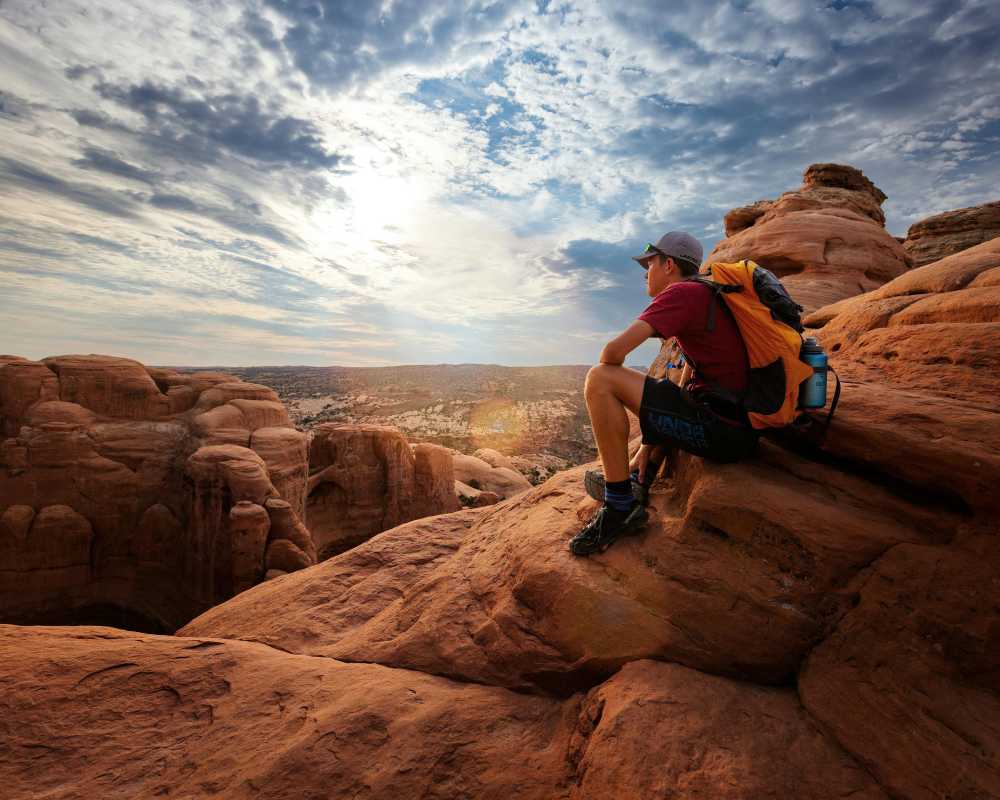
Moab is the undisputed adventure capital of the Southwest. It provides direct access to two national parks—Arches and Canyonlands—offering a lifetime's worth of hiking, photography, and stargazing for the solo nature lover.
At a Glance:
Solo Safety Index: High. The main safety concerns are standard wilderness precautions (carry plenty of water, inform someone of your hiking plans).
Budget Snapshot (Per Day): Budget: $60 | Mid-Range: $160 | Luxury: $320+
Navigability Score: 2/5. A car is essential to access the parks and trailheads.
Best Time to Visit: Spring (April-May) and Fall (September-October) for ideal hiking temperatures.
Top Things to Do Alone:
Hike to Delicate Arch at Sunrise: Seeing the morning light hit the iconic arch in Arches National Park is a spiritual experience.
Visit Canyonlands National Park: Drive the scenic Island in the Sky district for jaw-dropping, expansive views.
Join a Group Rafting Tour: See the towering red cliffs from a new perspective on the Colorado River.
Solo Pro-Tip: The sheer silence at Dead Horse Point State Park at sunset is unforgettable. Find a spot away from the main overlook, sit down, and just listen. It’s a profoundly peaceful experience.
Sedona, Arizona: Red Rocks and Spiritual Retreats
Sedona's stunning red rock landscapes are believed by many to be centers of spiritual energy, or vortexes. This makes it a popular and welcoming destination for solo travelers on a journey of reflection, hiking, and natural immersion.
At a Glance:
Solo Safety Index: High. Sedona is an extremely safe and tranquil community.
Budget Snapshot (Per Day): Budget: $70 | Mid-Range: $180 | Luxury: $400+
Navigability Score: 2/5. You'll need a car to get the most out of the area and access various trailheads.
Best Time to Visit: Spring (March-May) and Fall (September-November).
Top Things to Do Alone:
Hike a Vortex Site: Cathedral Rock and Bell Rock are the most famous, offering powerful energy and incredible views.
Drive the Red Rock Scenic Byway (SR 179): This short drive offers breathtaking views at every turn.
Explore Tlaquepaque Arts & Shopping Village: A beautiful, mission-style village filled with art galleries and craft shops.
Solo Pro-Tip: Even if you're not into the spiritual side of things, the hike up to the Airport Mesa overlook is incredible for 360-degree sunset views. The way the light hits the red rocks is pure magic.
Other Great Outdoor Destinations:
The Oregon Coast: A 363-mile solo road trip dream of dramatic cliffs, charming towns, and public beaches. A car is mandatory.
Jackson Hole, Wyoming: A welcoming basecamp for exploring the awe-inspiring jagged peaks of Grand Teton National Park.
Boulder, Colorado: An outdoor lover's paradise nestled at the base of the Rockies, with hundreds of miles of trails accessible right from town.
For the Foodie: 4 Cities to Feast In
If your travel memories are measured in meals, these cities offer culinary adventures that are perfect for the solo diner, with abundant counter seating and vibrant food markets. 🌮

New Orleans, Louisiana: Creole & Cajun Capital
NOLA is a city that stimulates all the senses, especially taste. Its unique food culture is a massive draw, and the abundance of bar seating at classic establishments makes solo dining a joy.
At a Glance:
Solo Safety Index: Moderate. The French Quarter is busy, but be very cautious at night, especially off Bourbon Street.
Budget Snapshot (Per Day): Budget: $60 | Mid-Range: $160 | Luxury: $320+
Navigability Score: 4/5. The French Quarter is extremely walkable, and the St. Charles Streetcar is a charming way to see other parts of the city.
Best Time to Visit: Spring (February-May) for pleasant weather and festivals.
Top Things to Do Alone:
Join a Food Tour of the French Quarter: Sample everything from gumbo to po'boys to pralines.
Enjoy Beignets and Café au Lait: A stop at the iconic Café Du Monde is non-negotiable.
Listen to Live Jazz on Frenchmen Street: Far more authentic than Bourbon Street, it's the soul of the city's music scene.
Solo Pro-Tip: Find a club on Frenchmen Street, grab a seat at the bar with a Sazerac cocktail, and let the incredible live jazz wash over you. It's an essential New Orleans experience.
Austin, Texas: BBQ, Tacos, and Food Trucks
Austin's laid-back, creative atmosphere is reflected in its casual and incredibly delicious food scene. It's a city where a solo traveler can happily subsist on world-class brisket, breakfast tacos, and inventive food truck fare.
At a Glance:
Solo Safety Index: Good. Austin is a safe city, particularly in the downtown and South Congress areas.
Budget Snapshot (Per Day): Budget: $55 | Mid-Range: $150 | Luxury: $300+
Navigability Score: 3/5. The downtown core is walkable, but the city is spread out. Ride-sharing services are your best bet.
Best Time to Visit: Spring (March-May) and Fall (September-November) to avoid the brutal summer heat.
Top Things to Do Alone:
Eat Texas Barbecue: Brave the line at Franklin Barbecue for a transcendent experience, or head to a spot like Terry Black's for phenomenal brisket without the wait.
Swim in Barton Springs Pool: A three-acre, natural spring-fed oasis perfect for cooling off.
Experience the Live Music Scene: Check out the bars along 6th Street or in the Red River Cultural District.
Solo Pro-Tip: The line at Franklin Barbecue is part of the experience, and you'll meet people from all over the world. To feel more comfortable and social at any restaurant, always opt for a seat at the bar or a chef's counter.
Other Great Foodie Destinations:
Portland, Maine: A charming, walkable coastal city with a sophisticated food scene and arguably the best lobster rolls in the country.
Los Angeles, California: A treasure hunt through an endless landscape of authentic taco trucks, world-class sushi bars, and historic food markets like Grand Central Market.
For the History Buff: Destinations That Tell America's Story
Step back in time in these cities, where the past is always present and every street corner has a story to tell. These walkable historic cores are perfect for the intellectually curious solo traveler. 🏛️
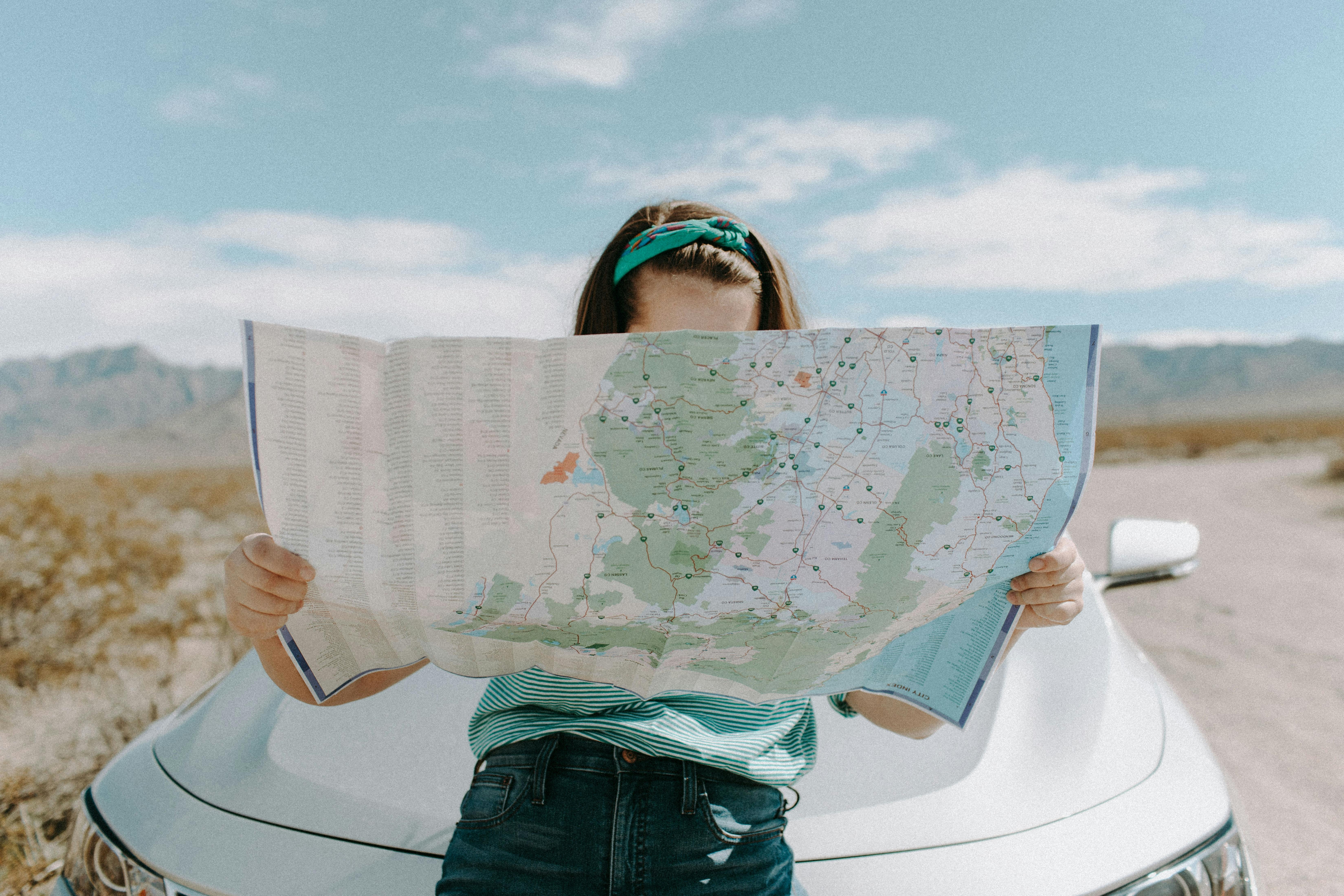
Washington, D.C.: The Nation's Capital
Our nation's capital is one of the best solo destinations in the USA for budget-conscious and intellectually curious travelers. The core of the city—the National Mall and its surrounding monuments and museums—is incredibly walkable. Best of all, every single one of the Smithsonian museums is completely free to enter, allowing you to craft a deeply personal journey through American history.
At a Glance:
Solo Safety Index: Good. The tourist areas around the National Mall are very safe.
Budget Snapshot (Per Day): Budget: $60 | Mid-Range: $170 | Luxury: $350+
Navigability Score: 5/5. The Metro system is clean and efficient, and the core is very walkable.
Best Time to Visit: Spring (March-April) for the iconic Cherry Blossom Festival.
Top Things to Do Alone:
Explore the Smithsonian Museums: You could spend weeks here. Pick a few that match your interests, from the National Air and Space Museum to the National Portrait Gallery.
Walk the National Mall at Night: The monuments—from the Lincoln Memorial to the Washington Monument—are beautifully illuminated and far less crowded, creating a powerful and reflective experience.
Wander Through Georgetown: Explore the historic cobblestone streets, browse the chic boutiques, and walk along the scenic C&O Canal.
Solo Pro-Tip: The sheer scale of the Lincoln Memorial is so much more powerful in person than in photos. Go at night when the crowds are thinner. It's a very moving and contemplative experience to stand there alone with your thoughts.
Boston, Massachusetts: The Historic Walker's Paradise
Boston is a city that wears its history on its sleeve. Its compact, European-style downtown is a walker's paradise, made for tracing the footsteps of the American Revolution at your own pace. The 2.5-mile Freedom Trail is a red-bricked line that guides you past 16 of the nation's most important historic sites.
Top Things to Do Alone:
Walk the Freedom Trail: It's the perfect self-guided tour. Take your time, read the plaques, and immerse yourself in the story of the nation's birth.
Explore the North End: Get lost in the narrow streets of Boston's oldest residential neighborhood. The lively atmosphere and incredible Italian food are a must.
Visit the Isabella Stewart Gardner Museum: A truly unique museum housed in a Venetian-style palace. The stunning courtyard garden is an oasis of calm.
Solo Pro-Tip: In the North End, skip the restaurants with long lines and duck into one of the smaller, more authentic bakeries like Bova's or Modern Pastry for a cannoli. Enjoy it while wandering the beautiful, narrow streets.
Other Great History Destinations:
Philadelphia, Pennsylvania: The birthplace of a nation, where you can stand in the very rooms where the Declaration of Independence and Constitution were signed.
Savannah, Georgia: Walk through 22 park-like squares draped in Spanish moss to soak in the Antebellum South's beauty and complex history.
St. Augustine, Florida: Explore the nation's oldest continuously inhabited European-established settlement, with its 17th-century stone fort and narrow colonial lanes.
For the Wellness Seeker: 3 Retreats for Mind & Body
If your goal is to disconnect, recharge, and find tranquility, these destinations offer serene landscapes, a peaceful atmosphere, and a focus on well-being. 🧘
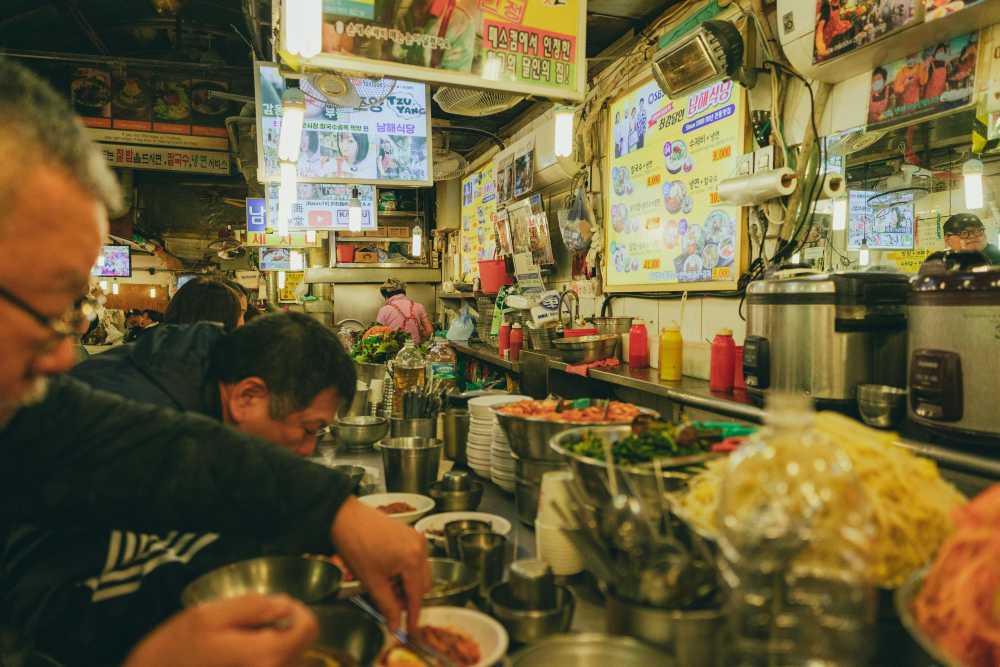
Santa Fe, New Mexico: Arts, Culture, and Serenity
With its unique Pueblo-style architecture, high-desert landscape, and thriving arts scene, Santa Fe has long been a magnet for those seeking spiritual and artistic renewal. It has a calming energy that's perfect for a solo retreat.
At a Glance:
Solo Safety Index: High. Santa Fe is a very safe and relaxed city.
Budget Snapshot (Per Day): Budget: $70 | Mid-Range: $190 | Luxury: $400+
Navigability Score: 3/5. The historic Plaza is walkable, but a car is needed to explore further afield.
Best Time to Visit: Fall (September-October) for the smell of roasting green chiles and golden aspen leaves.
Top Things to Do Alone:
Explore the Art Galleries on Canyon Road: A half-mile stretch of over 100 galleries, boutiques, and restaurants.
Visit the Georgia O'Keeffe Museum: Immerse yourself in the work of the master of American modernism.
Experience Meow Wolf's House of Eternal Return: A unique, immersive art adventure that defies description.
Solo Pro-Tip: The drive up to Ten Thousand Waves, a Japanese-style spa nestled in the mountains, is part of the experience. Book a private tub for an hour. Soaking in the hot water surrounded by piñon pines as the sun sets is pure bliss.
Big Sur, California: Coastal Contemplation
There are few places on Earth more soul-stirring than Big Sur. This rugged stretch of California coast is a place of profound, wild beauty that forces you to slow down, breathe, and simply be present. Cell service is very limited, making it the perfect place to truly disconnect.
At a Glance:
Solo Safety Index: High. The primary safety concerns are related to driving the winding Highway 1.
Budget Snapshot (Per Day): Budget: $80 | Mid-Range: $250 | Luxury: $600+
Navigability Score: 1/5. A car is absolutely essential.
Best Time to Visit: Spring (April-May) for wildflowers or Fall (September-October) for the clearest weather.
Top Things to Do Alone:
Photograph the Bixby Bridge: Pull over at one of the many turnouts to capture this iconic feat of engineering.
Hike in Pfeiffer Big Sur State Park: Wander among towering coastal redwoods.
Watch the Sunset from Nepenthe: This cliffside restaurant offers legendary views over the Pacific.
Solo Pro-Tip: Pack a lunch and go to Pfeiffer Beach to see the keyhole arch. The road down is easy to miss, so look carefully. It feels like a secret spot and is the perfect place to sit and just watch the powerful waves crash.
Asheville, North Carolina: Blue Ridge Mountain Calm
Tucked into the beautiful Blue Ridge Mountains, Asheville offers a perfect blend of vibrant city life and tranquil nature. It's a progressive, friendly city known for its arts scene, craft breweries, and focus on wellness.
At a Glance:
Solo Safety Index: High. Asheville is a very safe and welcoming community.
Budget Snapshot (Per Day): Budget: $65 | Mid-Range: $170 | Luxury: $350+
Navigability Score: 3/5. Downtown is walkable, but you'll need a car to access the Blue Ridge Parkway.
Best Time to Visit: Fall (October) when the mountain foliage is at its peak.
Top Things to Do Alone:
Drive a Portion of the Blue Ridge Parkway: One of America's most scenic drives, with countless overlooks and hiking trails.
Tour the Biltmore Estate: Explore America's largest home, a magnificent Gilded Age mansion.
Explore Downtown Asheville: Check out the funky shops, art galleries, and excellent restaurants.
Solo Pro-Tip: The drum circle in Pritchard Park on Friday nights is a must-see. It's an amazing, free-spirited display of Asheville's bohemian soul. Grab a local craft beer and watch the community come alive.
Your Solo Travel USA Questions, Answered
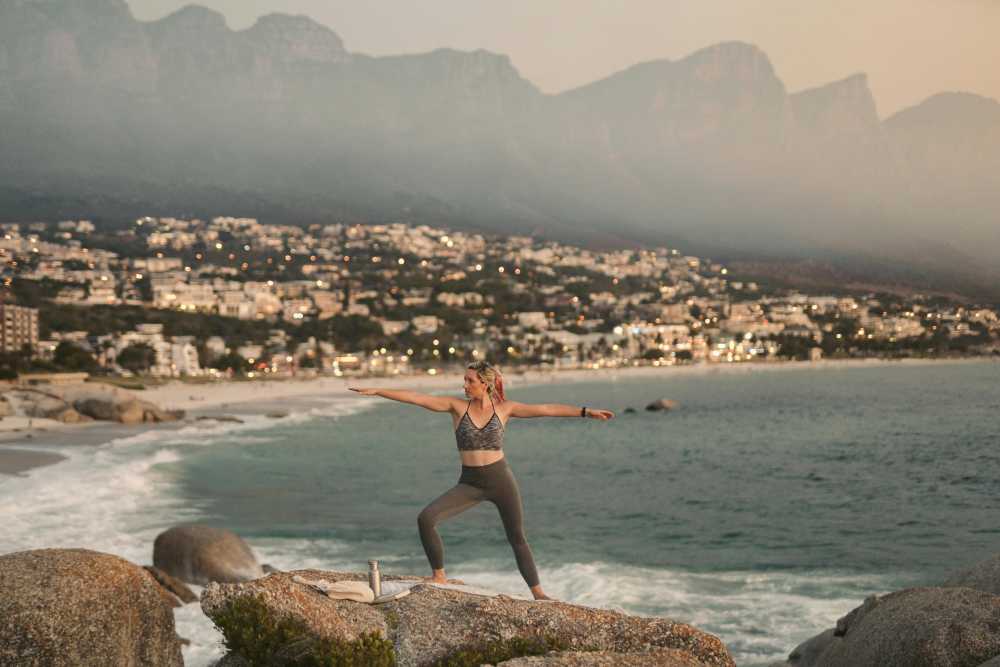
Is it safe to travel alone in the USA?
Yes, absolutely—with the right preparation. Safety varies greatly by location, so research is key. In cities, situational awareness matters most: stick to well-lit, populated areas at night and be mindful of your belongings. In national parks, the risks are different: always inform someone of your hiking plans, carry extra water, and be "bear aware."
What is the safest state for a solo female traveler?
While states in New England like Vermont, New Hampshire, and Maine consistently rank as having the lowest crime rates, a safe trip is less about a "safe state" and more about practicing awareness in a specific city or town.
How can I save money traveling solo?
Travel during the "shoulder seasons" (spring and fall) to dramatically reduce flight and accommodation costs. Prioritize destinations with great public transit to save on rental cars, take advantage of free museum days, and balance restaurant meals with grabbing food from local grocery stores or food markets.
Is it strange to eat out alone in America?
Not at all! It's increasingly common, and you shouldn't let it stop you from trying great places. To feel more comfortable, opt for a seat at the bar or a chef's counter. It's more casual, and you might strike up a conversation. Bringing a book also makes the experience more enjoyable.
How can I meet people while traveling solo?
Staying in hostels is a guaranteed way to meet people. Joining a group city tour, a cooking class, or a local Meetup event are also fantastic options. Don't underestimate the power of simply sitting at the bar in a friendly brewery; it’s an open invitation for conversation.
What are the best solo road trips in the USA?
For stunning scenery and plenty of safe stops, the Pacific Coast Highway in California is iconic for a reason. Other fantastic options include the Blue Ridge Parkway through Virginia and North Carolina, and the scenic loop through Utah's "Mighty 5" National Parks.
The United States offers an incredible spectrum of experiences for those bold enough to explore it on their own. By matching your travel style to the right destination, you move beyond a generic vacation and create a journey that truly resonates. The confidence you're looking for isn't found in an article; it's waiting for you on a bustling city street, a quiet mountain trail, or at a lively food truck. The only thing left to do is pick one and go.
Read the full guide: Anxious to Adventurous: The Ultimate Guide to Solo Travel Confidence
Don't Miss Out! Subscribe for Exclusive Content
SubscribeComments 0
No comments yet
Be the first to share your experience!
Dont Miss Out! Subscribe for Exclusive Content
San Francisco Cherry Blossoms: A Local's Guide to the Blooms
Halloween SF: Haunts Without Horrors
SF Festivals: 7 Must-See Lineups
Christmas SF: Lights & Wharf Wonders
SF Pride: 6 Route & Party Hacks