
SF Pride: 6 Route & Party Hacks

TrekGuider @trekguider
Picture it: a river of rainbow flags, glitter, and pure, unadulterated joy flowing down Market Street. The air thrums with music, cheers, and the collective heartbeat of hundreds of thousands celebrating love, identity, and resilience. This isn't just any parade; this is the legendary San Francisco Pride Parade. But for every person lost in the moment, there's another lost in the crowd, wrestling with a dead phone, a terrible view, and no idea where their friends have vanished. The sheer scale of SF Pride can be overwhelming, threatening to turn a day of pure celebration into a stressful logistical nightmare.
You’ve imagined yourself at the heart of the action, capturing the perfect photo, feeling that powerful sense of community. The reality, however, could be getting stuck behind a seven-foot-tall person, unable to see a single float, with your phone battery blinking at 3% and no cell service to find your crew. The difference between an unforgettable experience and a frustrating ordeal isn't luck—it's preparation. You deserve to experience every ounce of joy this iconic event has to offer, without the chaos and confusion that can so easily derail the day.
This is your definitive guide to conquering the celebration. We’re giving you six battle-tested route and party hacks to navigate the pride parade San Francisco like a seasoned pro. Forget the stress; this playbook ensures you soak in the history, master the logistics, and create memories that will last a lifetime, all while staying safe and comfortable.

Before You Go: Essential Prep for the Pride Parade San Francisco
Before you even think about your rainbow outfit, a little prep work will set the stage for a flawless day. The SF Pride Parade is more than a party; it’s a powerful legacy. Born from the first "gay-in" in 1970 and commemorating the key 1969 Stonewall Uprising, this event has evolved from a protest into a global platform for activism and celebration. In the 1980s, it became a crucial front line for raising AIDS awareness, and today it continues to champion the diverse spectrum of the LGBTQ+ community. Understanding this history enriches the entire experience, transforming it from a spectacle into a meaningful pilgrimage.
The 2026 SF Pride Parade is scheduled for Sunday, the last Sunday of Juneth, with the first contingents stepping off at 10:30 AM. To be ready, your day pack is your most critical asset. Here’s a non-negotiable checklist:
Hydration: Pack a reusable water bottle. There are water stations, but having your own is crucial for staying hydrated in the California sun.
Sun Protection: Sunscreen, a hat, and sunglasses are absolutely essential. There is very little shade along the parade route.
Layered Clothing: San Francisco weather is famously fickle. What starts as a chilly, foggy morning can quickly turn into a warm, sunny afternoon. A light jacket or hoodie you can tie around your waist is the smartest move you can make.
Comfortable Shoes: You will be on your feet for hours, walking and standing. Prioritize comfort over style; your feet will thank you by the end of the day.
Portable Power Bank: Your phone will be working overtime as your camera, map, and communication device. A fully charged power bank is an absolute must-have.
Snacks: While there are food vendors, lines can be long and prices high. Pack some energy bars or other easy-to-eat snacks to keep your energy levels up.
Finally, let's talk safety. SF Pride is known for its strong security measures, including advanced weapon detection technology at key entry points. While organizers work hard to create a secure environment, personal safety matters most in any large crowd. Familiarize yourself with basic protocols, like being aware of your surroundings and keeping your valuables secure. For a comprehensive look at staying safe while traveling, our Solo Female Travel Safety Guide offers invaluable tips that apply to everyone, regardless of gender, in any crowded event scenario.

Hack #1: Master the Market Street Route for the Pride Parade San Francisco
The parade route is deceptively simple: it runs straight down Market Street, starting at Beale Street and culminating at 8th Street, right by the Civic Center Plaza. The challenge isn't knowing the route; it's knowing where on the route to be and when to be there.
The Hack: Arrive by 9 AM and choose your zone strategically. The parade officially starts at 10:30 AM, but the sidewalks begin filling up much earlier. Arriving an hour and a half beforehand allows you to claim a prime spot without having to battle the late-coming masses.
Here’s a breakdown of the route's key zones to help you decide on your ideal viewing experience:
The Starting Zone (Beale to Montgomery Street): This area is often less crowded, especially right at the beginning. You'll see all the contingents when they are fresh, energized, and at their most organized. It’s a fantastic spot for photographers who want clean shots of the floats and performers before the crowds swell. The energy here is one of joyful anticipation.
The Commercial Core (Montgomery to Powell Street): This is the heart of the parade and, consequently, the most packed section. The tall buildings create a canyon-like effect, amplifying the sound and energy. It’s an intense and exhilarating place to be, but not for the faint of heart. If you want to be in the thick of it, this is your spot, but be prepared for a tight squeeze.
The Climax Zone (Powell to 8th Street): As the parade approaches its end at the Civic Center, the energy reaches a fever pitch. This is where the performers give their all, knowing they’re approaching the main celebration. The crowd here is dense but incredibly vibrant. Positioning yourself near 8th Street gives you a head start on moving into the Civic Center Plaza for the post-parade festivities.
Pro-Tip: For a less obstructed view and better photos, try to secure a spot on the south side of Market Street. In the late morning and early afternoon, the sun will be mostly at your back, beautifully illuminating the parade without forcing you to squint. This side is often just slightly less congested than the north side.
Hack #2: The Transportation Game Plan - Ditch the Car, Embrace Public Transit
Let’s be perfectly clear: driving to the SF Pride Parade is a recipe for disaster. Street closures are extensive, parking is virtually non-existent and astronomically expensive, and navigating the gridlock will drain your celebratory spirit before you even arrive.
The Hack: Make BART (Bay Area Rapid Transit) and Muni your best friends for the day. San Francisco’s public transit system is designed to handle massive events like this, and it is by far the most efficient way to get to and from the parade.
Here’s your transit strategy:
BART: The underground trains are the fastest way to get downtown from the East Bay, the Peninsula, or other parts of the city. The key is choosing the right station to exit.
Embarcadero Station: Puts you right near the start of the parade. A great option if you plan to arrive early and watch from the beginning.
Montgomery Station: A perfect middle-ground, placing you in the energetic core of the route. It’s one of the busiest stations, so be prepared for crowds.
Powell Station: Another central option, close to the cable car turnaround and a major shopping area. Like Montgomery, expect it to be very busy.
Civic Center Station: This is your stop if you want to head directly to the post-parade celebration or watch the parade's final leg.
Muni: The city’s network of buses and light rail (Muni Metro) is another excellent choice. The F-Market & Wharves historic streetcar will be rerouted, but the Muni Metro lines run directly under Market Street, using the same stations as BART. Many bus lines will have detours, so be sure to check the SFMTA website or your favorite transit app for real-time updates on the day of the event.
Rideshare services like Uber and Lyft will be operating, but expect heavy surge pricing and designated drop-off/pick-up zones that may be several blocks away from Market Street to avoid the worst of the congestion. Public transit remains the most reliable and cost-effective option.

Hack #3: The Civic Center Celebration - Your Post-Parade HQ
The last float crossing 8th Street doesn't mark the end of the day—it marks the beginning of the next phase. The parade flows directly into the massive Pride Celebration at Civic Center Plaza, a sprawling festival with multiple stages of live music, DJs, inspiring speakers, hundreds of community booths, art installations, and food vendors.
The Hack: Have a concrete plan for navigating the festival, especially for meeting your group. Cell service in and around Civic Center Plaza can become extremely unreliable due to the sheer number of people. A "we'll find each other" approach will likely fail.
Follow these steps for a seamless transition from parade to party:
Establish a Hyper-Specific Meeting Point: Before you separate, agree on a meeting spot that is impossible to mistake. "By the main stage" is too vague. Instead, choose something like, "At the base of the statue of James Lick, on the side facing the library," or "Directly in front of the main entrance to the Asian Art Museum." Set specific times to meet there (e.g., 2 PM and 4 PM).
Pace Yourself and Hydrate: The celebration runs for hours after the parade. It's a marathon, not a sprint. Continue to drink water, find moments of shade, and don't forget to eat.
Explore with Purpose: Don't just wander aimlessly. The community booths are the soul of the celebration. You can connect with dozens of non-profits, activist groups, and local organizations. It’s an incredible opportunity to learn, connect, and find your community.
Know Your Exits: Take a moment upon arrival to orient yourself and identify the main exit points from the plaza. Knowing how to get out quickly in case of an emergency or if you simply feel overwhelmed is a smart move.

Hack #4: Beyond Market Street - Unofficial Parties & Neighborhood Vibes
The official parade and Civic Center festival are the main events, but the spirit of Pride permeates the entire city, becoming a vibrant key element of the city’s festive calendar—a calendar we explore in our broader guide to San Francisco Holidays: Bay Area Buzz.
The Hack: Dip out of the main event for a few hours to experience a different, more intimate side of Pride.
The Castro District: As the historic heart of San Francisco's LGBTQ+ community, the Castro is ground zero for Pride weekend. The streets become a massive, vibrant block party. While it will be just as crowded as the parade, the atmosphere is different—more neighborhood-focused and less structured. Grab a drink at a historic bar, watch the impromptu dance parties, and soak in the history.
Dolores Park: On Pride Sunday, the park's famous "Gay Beach" area expands to cover nearly the entire lawn. It transforms into a massive, sun-drenched picnic party. The vibe is more relaxed and bohemian than the official festival. Pack a blanket, bring some snacks, and enjoy people-watching in one of the city's most beautiful settings.
SoMa (South of Market): This neighborhood is home to many of the city's most famous clubs and venues. Throughout Pride weekend, these spaces host a huge variety of official and unofficial after-parties, from daytime DJ sets to late-night dance events. Check event listings in advance, as many of the most popular parties sell out.

Hack #5: Tech & Safety - Your Digital Toolkit for a Seamless Day
In a modern festival environment, your smartphone is your most powerful tool—if you use it wisely.
The Hack: Prep your phone and apps to be your digital command center for the day.
The Power Bank is Non-Negotiable: We mentioned it before, but it bears repeating. A dead phone means no photos, no map, and no way to contact your friends. A fully charged portable power bank is the single most important piece of tech you can bring.
Master Your Communication Apps: Standard text messages can be delayed when cell networks are overloaded. Use a data-based messaging app like WhatsApp or Signal for your group chat. Their delivery is often more reliable in dense crowds. Use the "Share Live Location" feature for a set period (e.g., 15 minutes) if you get separated and need to find your way back to your group.
Download Offline Maps: Before you leave home, download an offline map of the downtown San Francisco area in your map app of choice. Even if you lose all cell service, your phone's GPS will still work, allowing you to see your location on the map and navigate.
Embrace Official Resources: Check the official SF Pride website in the days leading up to the event. If they release an official app, download it. It will likely have the most accurate schedules, maps, and emergency alerts.
Pro-Tip: Take a screenshot of your planned meeting spots, the parade route map, and the contact info for everyone in your group. Create a dedicated photo album for these screenshots so you can access them instantly, even if your apps won't load due to poor connectivity.

Hack #6: The Exit Strategy - How to Leave Without the Headache
Just as important as your arrival plan is your exit strategy. When hundreds of thousands of people try to leave the same area at the same time, the public transit stations and rideshare zones become incredibly congested.
The Hack: Avoid leaving during the peak rush right as the festival winds down.
You have two primary strategies for a stress-free departure:
The Early Exit: If you've had your fill of the crowds and the main celebration, start making your way out before the final headliners take the stage at Civic Center. By leaving an hour before the official end time, you can beat the massive wave of people heading for the BART and Muni stations.
The Patient Wait: This is often the better option. Instead of rushing out with everyone else, wait it out. Find a restaurant or cafe a few blocks away from Civic Center, grab a bite to eat, and relax for an hour or so. Let the crowds on the transit platforms thin out. By the time you're done, your journey home will be far more pleasant.
If you're using a rideshare service, walk at least four or five blocks away from Market Street and Civic Center before you even attempt to request a ride. This will get you out of the most congested, no-pickup zones and will likely save you from the highest surge pricing.
Your Guide to an Unforgettable Pride
You are now armed with the knowledge to do more than just attend the pride parade San Francisco —you are ready to experience it with confidence, joy, and a sense of empowered preparedness. From mastering the Market Street route and navigating the Civic Center celebration to knowing the smartest ways to get there and back, you have the tools to craft a perfect day. This isn't just about avoiding stress; it's about creating space for the powerful moments of connection, celebration, and solidarity that define SF Pride. Go forth, celebrate loudly, and have an incredible time.
For a complete blueprint to planning your ultimate trip to the Bay Area, including deep dives into its other iconic holidays and hidden gems, be sure to explore our comprehensive Travel Guide.
Meta Data Suggestions:
SEO Meta Title: SF Pride: 6 Essential Hacks for the Parade Route & Parties
URL Slug: sf-pride-parade-route-party-hacks
SEO Meta Description: Master the SF Pride Parade! Get 6 expert hacks on navigating the Market Street route, finding the best parties, and staying safe in the crowds.
Don't Miss Out! Subscribe for Exclusive Content
Subscribe



Comments 0
No comments yet
Be the first to share your experience!
Dont Miss Out! Subscribe for Exclusive Content

San Francisco Cherry Blossoms: A Local's Guide to the Blooms


Halloween SF: Haunts Without Horrors

SF Festivals: 7 Must-See Lineups

Christmas SF: Lights & Wharf Wonders

Chinese New Year SF: Parade Essentials

San Francisco Holidays: Bay Area Buzz
Food & Water Safety Abroad: How to Avoid Getting Sick
TrekGuider @trekguider
There’s a moment on every trip where the true magic happens: the first bite of a dish you can’t pronounce from a street cart buzzing with locals, the refreshing sip of a regional drink, the discovery of a flavor that will forever define a place in your memory. Food is culture, connection, and the fastest way to the heart of a destination. And that’s the traveler’s paradox, isn’t it? The very experiences that promise the most profound connection also carry a potent, gut-wrenching risk.
One bad meal or a single sip of contaminated water can derail your entire adventure, swapping days of discovery for days spent locked in a hotel room. This fear is agitated by horror stories from fellow travelers and the sheer unpredictability of an unfamiliar environment. It's a valid concern—traveler's diarrhea is unequivocally the most common travel-related illness, affecting up to 80% of international travelers depending on the destination. The fear of getting sick can make you timid, causing you to stick to bland, "safe" foods and miss out on the rich mix of flavors your destination has to offer. It can rob you of the very experiences you traveled so far to find.

But it doesn't have to be this way. This guide is your solution, a definitive and practical playbook for mastering food and water safety abroad. We’ve synthesized actionable advice from the world’s leading health organizations, including the Centers for Disease Control and Prevention (CDC) and the World Health Organization (WHO), to empower you to eat boldly and drink safely. This isn’t a list of things to fear; it’s a set of simple, memorable rules for prevention, identification, and, if necessary, management. This is a critical deep-dive into a core pillar of preparedness we cover in The Ultimate Guide to Travel Safety: A 2026 Playbook, designed to give you the confidence to dive fork-first into the heart of a culture.
The Golden Rule of Food and Water Safety: "Boil It, Cook It, Peel It, or Forget It"
If you remember only one thing from this guide, make it this simple, five-word mantra. Promoted by the CDC and other global health bodies, this single rule is a powerful and easy-to-use filter for nearly every culinary decision you'll make on the road. It’s the foundation of your entire food and water safety strategy.
Boil It: Your Safest Bet for Liquids
Pathogens like bacteria, viruses, and parasites are killed by heat. This makes boiling the most effective method for purifying liquids.
Examples: Drinking water that has been brought to a vigorous, rolling boil for at least one full minute. Hot beverages like tea or coffee that are served steaming hot are also generally safe. Any milk products you consume should be confirmed to be pasteurized or have been boiled.
Cook It: The Power of Heat
Thoroughly cooking food kills the harmful microorganisms that cause illness. The key is to ensure it is cooked all the way through and served hot.
Examples: Meat, poultry, or seafood that is well-cooked (not rare or raw) and served steaming hot to the touch. This is especially crucial for street food; dishes that are cooked fresh to order in front of you are a much safer bet than those that have been sitting out.
Peel It: Nature’s Own Packaging
For raw fruits and vegetables, the contamination is almost always on the outside surface. By peeling it yourself with clean hands, you remove the risk.
Examples: Fruits with a thick, peelable skin like bananas, oranges, mangoes, and avocados are your safest and best friends for a healthy snack. Similarly, vegetables you can peel, such as cucumbers, are also a great option.
Forget It: When in Doubt, Go Without
This is the most critical and sometimes most difficult part of the rule to follow. It requires discipline, but it’s your ultimate defense. If an item of food or drink doesn't meet one of the three criteria above, you must skip it.
Examples: Tap water and ice cubes made from tap water are the biggest culprits. Salads and raw leafy greens like lettuce are high-risk because they are difficult to clean thoroughly and may have been washed in contaminated water. You should also avoid fruits that cannot be peeled, such as grapes and berries, and any unpasteurized dairy products like milk or cheese. Finally, be very wary of any food served at room temperature, such as from a buffet.
Navigating the Streets: A Visual Guide to Spotting Unsafe Food
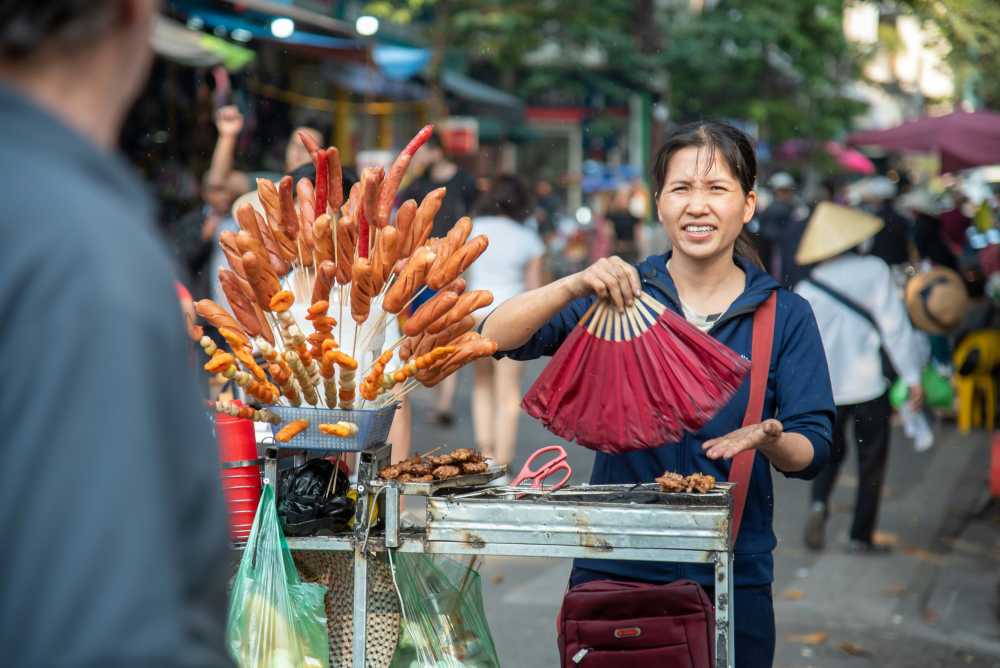
Street food is often the soul of a city's cuisine, but not all vendors are created equal. Your eyes are your best tool for vetting a stall. Before you order, take thirty seconds to perform a quick visual inspection. Look for these five clear signs of a safe or unsafe operation.
Poor General Cleanliness: This is the most obvious indicator. Red flags include dirty workstations with unwiped spills, visible food waste, rubbish on the ground, and the presence of pests like flies or wasps. The vendor themselves should also appear clean, with tidy clothes and hands.
Improper Food Temperatures: Food left in the "danger zone" (room temperature) is a breeding ground for bacteria. Avoid stalls where cooked food, especially meat, is sitting out in large trays. The safest option is always food that is cooked fresh to order, right in front of you. Hot food should be visibly steaming.
Obvious Cross-Contamination: Watch how the vendor handles ingredients. A major red flag is using the same cutting board, knife, or unwashed hands to handle raw meat and then touch ready-to-eat items like bread, salad, or cooked food.
Use of Contaminated Water: Look at the vendor’s water source. Rinsing dishes, utensils, or vegetables in a single bucket of murky, stagnant water is a sign of a high-risk operation. Likewise, avoid ice in your drinks unless you can confirm it was made from purified water (commercially bagged ice is usually a safe sign).
Lack of a Crowd (Especially Locals): A busy stall with a long line, particularly of local residents, is one of the best indicators of a trusted and safe food source. High customer turnover means the food is fresh and hasn't been sitting out for long. An empty stall is often empty for a reason.
Pro-Tip: Make "follow the locals" your street food mantra. A long line of residents is a walking, talking five-star review of a vendor's quality and safety. It's the most reliable seal of approval you can find.
Securing Your Water Supply: A Deep Dive into Hydration and Purification
Staying hydrated is non-negotiable for your health and energy while traveling, but assuming tap water is safe is one of the most common and dangerous mistakes a traveler can make. Here’s how to ensure every sip you take is safe.
Identifying Safe and Unsafe Drinking Water Sources
The CDC and WHO have clear guidelines. Unless you are in a country with a known, highly-developed sanitation system, you should assume all tap water is unsafe.
Safest Sources: Commercially bottled water in a factory-sealed, tamper-proof container is your most reliable option. Carbonated water is even safer, as a broken seal is immediately obvious. The second safest source is water that you have personally brought to a rolling boil for at least one minute.
Unsafe Sources to Avoid: Tap water, well water, ice made from tap water, fountain drinks mixed with tap water, and even water from clear mountain streams (which can contain germs) should all be avoided unless they have been purified.
Your Purification Playbook: The Top 3 Methods
When bottled or boiled water isn't available, you need a backup plan. Here are the top three recommended purification methods.
Boiling (The Gold Standard): This is consistently ranked by the CDC and WHO as the single most effective method. It kills all known disease-causing microorganisms, including viruses, bacteria, and parasites. Simply bring clear water to a rolling boil for 1 minute (or 3 minutes at elevations above 6,500 feet / 2,000 meters).
Filtration: A high-quality portable water filter is highly effective at removing bacteria and protozoan parasites like Giardia and Cryptosporidium. Look for a filter with an absolute pore size of 1 micron or smaller. The main limitation is that most portable filters do not remove viruses, so in high-risk areas, the CDC recommends following filtration with chemical disinfection.
Chemical Disinfection: Chlorine, iodine, or chlorine dioxide tablets/drops are a lightweight and easy way to kill viruses and bacteria. However, they are not consistently effective against the parasite Cryptosporidium and require a contact time of at least 30 minutes.
For in-depth planning on what gear to pack for every type of trip, from water filters to first-aid supplies, our all-encompassing Travel Guide is the only resource you'll ever need.
Damage Control: How to Manage Traveler's Diarrhea
But let’s be realistic: even the most diligent traveler can have a bad day. When that happens, knowing exactly what to do—and what not to do—can be the difference between a 24-hour nuisance and a trip-ruining ordeal. This is the damage control phase of your food and water safety plan.
The First and Most Critical Step: Oral Rehydration
According to travel medicine doctors, dehydration is the single most likely and dangerous complication of traveler's diarrhea. Replacing lost fluids and electrolytes is your absolute first priority.
Method: The best way to rehydrate is with a dedicated Oral Rehydration Solution (ORS), which comes in packets of salts and sugars that you mix with boiled or bottled water. In a pinch, sports drinks or clear soups can also be used.
Symptomatic Treatment for Mild to Moderate Cases
If the diarrhea is tolerable and not accompanied by a high fever or blood, over-the-counter medications can provide relief and help you get through a travel day.
Medications: An antimotility agent like Loperamide (the active ingredient in Imodium, a top pharmacist-recommended brand) can reduce the frequency of bowel movements. Bismuth Subsalicylate (found in Pepto-Bismol, another pharmacist favorite) can also help decrease the frequency and shorten the duration of the illness.
When to Use Standby Antibiotics (For Severe Cases)
If diarrhea is distressing, incapacitating, or contains blood or mucus, a prescribed antibiotic may be necessary.
Method: Before you travel, speak with your doctor or a travel medicine clinic. For travelers heading to high-risk destinations, they may provide a prescription for a standby antibiotic, such as Azithromycin, to carry with you. A single dose is often highly effective at treating severe cases.
Pro-Tip: Within your main travel first-aid kit, create a dedicated "Digestive Distress" module. Keep it in a separate, clearly-labeled zip-top bag containing a few packets of Oral Rehydration Salts, a strip of Loperamide, and a few antacids. This way, when you need it, you won't have to rummage through your entire kit.

Ready to Pack Like a Pro?
A smart food and water safety strategy is just one piece of your pre-trip preparation. To ensure you don't overlook a single essential item—from documents and finances to clothing and medical supplies—a master checklist is your most powerful tool. Our comprehensive, free checklist has you covered for every stage of your journey.
Download Your Free International Travel Checklist Now!
Food and Water Safety FAQs
A prepared mind is a safe mind. Here are expert answers to common questions that take your preparedness to the next level.
1. Besides traveler's diarrhea, what are the most common travel illnesses?
While traveler's diarrhea is number one, the CDC reports that other common issues include acute respiratory infections (like influenza or COVID-19, often acquired in transit), vector-borne fevers like Dengue and Malaria in tropical regions, and other food-borne illnesses like Hepatitis A and Typhoid Fever. Skin conditions from insect bites are also extremely common.
2. Is it safe to eat at a restaurant if I'm worried about street food?
Generally, restaurants can be safer, but the same principles apply. A busy restaurant full of locals is a great sign. Be cautious with the same high-risk items: salads, unpeeled fruits, and tap water or ice. If you want to find trusted, local-approved gems, explore the TrekGuider platform, where travel creators often share their own curated guides to safe and authentic eats.
3. Should I carry a standby antibiotic in my first-aid kit?
This is a question for your doctor or a travel medicine clinic. For travelers heading to high-risk destinations where severe traveler's diarrhea is common, many doctors will provide a prescription for a standby antibiotic like Azithromycin. It’s not for mild cases but can significantly shorten the duration of a severe bout of illness. Discuss your itinerary with your doctor to see if this is right for you.
Eat Boldly, Travel Well
The world of food is a world of incredible diversity and connection, and it deserves to be explored with an open mind and a curious palate. The goal of mastering food and water safety is not to build a wall of fear that separates you from authentic experiences. It is about building a foundation of knowledge that gives you the freedom to be adventurous. By internalizing the golden rule of "Boil it, cook it, peel it, or forget it," learning to trust your own visual assessment of a food stall, and knowing exactly what to do if you get sick, you replace anxiety with empowerment. You are now equipped with the skills to navigate the world's most exciting cuisines with confidence, ensuring your focus remains on the flavor, connection, and joy that every journey promises. Go explore, eat boldly, and travel well.

Meta Data Suggestions:
SEO Meta Title (Under 60 characters): Food & Water Safety Abroad: How to Avoid Getting Sick
URL Slug: food-water-safety-abroad
SEO Meta Description (Under 155 characters): Avoid traveler's diarrhea with our expert guide to food and water safety abroad. Learn the golden rules for eating street food, purifying water, and staying healthy.
Don't Miss Out! Subscribe for Exclusive Content
SubscribeComments 0
No comments yet
Be the first to share your experience!
Dont Miss Out! Subscribe for Exclusive Content

Chicago Beer Fests: Top 6 Tastings

Ultimate USA Holidays Guide: Top Picks

FTC Affiliate Disclosure Essentials: Stay Compliant as a Travel Creator

Essential Affiliate Tools: From Tracking to Full Optimization

Booking.com Affiliate Program Review: Pros, Cons, and Earnings Potential

Decoding Affiliate Commission Rates: Benchmarks for Travel Creators
How to Travel More: 8 Best Budget Blogs
TrekGuider @trekguider
Do you find yourself endlessly scrolling through photos of distant landscapes, wondering how everyone else seems to afford a life of travel? You diligently try to save, but just as your travel fund starts to grow, an unexpected expense comes along and wipes it out. The dream of exploring the world feels like a luxury reserved for the wealthy or the wildly lucky, leaving you stuck in a cycle of wanderlust and frustration. It’s easy to believe that your travel dreams are financially impossible.
But what if the key to traveling more wasn’t about having a bigger paycheck, but about having a smarter playbook? The secret isn’t a lottery ticket; it’s a proven, repeatable financial strategy. The world's most effective budget travel blogs have moved far beyond simple lists of cheap hostels. They are comprehensive masterclasses in strategic saving, smart spending, and even earning money from anywhere on the globe. They provide the actionable framework you need to turn your travel dreams into a well-funded reality. For a complete overview of the different types of blogs shaping the industry, see our definitive guide to The Best Travel Blogs to Follow in 2026. This article, however, focuses on the financial wizards who will show you exactly how to make it happen.
What Truly Defines Great Budget Travel Blogs?
In a sea of travel content, the best budget travel blogs stand apart by focusing on financial strategy over simple destination guides. They operate on the principle that affordable travel is a skill that can be learned, not a privilege you’re born with. The real value lies in their ability to provide transparent, actionable systems that readers can apply to their own lives.
A top-tier budget blog offers two non-negotiable things:
Radical Transparency: The most valuable content offers a high degree of transparency, providing detailed, line-item breakdowns of trip costs. We’re not talking about vague estimates; we mean granular reports that track daily averages for lodging, food, and activities, like the country-by-country spending reports offered by some top-tier bloggers. This level of detail empowers you to create your own realistic budgets and demystifies the true cost of travel.
Actionable Financial Tools: These blogs provide the practical financial frameworks to make your travel goals a reality. This includes long-term savings strategies that go beyond "skip the latte." They teach sophisticated methods, endorsed by consumer finance publications, like the "Pay Yourself First" model and the strategic use of travel rewards programs to eliminate what are typically the two largest expenses of any trip: flights and hotels.
The 8 Best Budget Travel Blogs for Proven Financial Strategies
We’ve vetted the best in the business—the financial wizards who provide actionable systems, not just vague inspiration. Here are the eight budget travel blogs you need to follow.
1. Nomadic Matt - The Original Budget Travel Guru
If there is one name synonymous with budget travel, it's Matt Kepnes, better known as Nomadic Matt. For over a decade, he has been the go-to source for actionable advice on long-term travel. His blog is a treasure trove of practical tips, but its real power lies in its comprehensive guides that break down complex topics into easy-to-follow steps.
His famous post, "," isn't just a list of tips; it’s a complete philosophical and practical plan for reorienting your financial life around your travel goals. He is a master of teaching long-term savings strategies, showing readers how to carefully audit their expenses and redirect funds into a dedicated travel account.
2. The Broke Backpacker - For Hardcore Adventure on a Shoestring
Will Hatton, the founder of The Broke Backpacker, caters to the intrepid traveler who wants to push boundaries—both geographically and financially. His blog is proof of the idea that a limited budget can actually lead to more authentic and adventurous experiences. He champions a raw, honest approach, sharing the highs and lows of long-term travel. His real value is in the trenches—providing the kind of proven, field-tested advice that shows you how to stretch every single dollar until it screams. From a deep dive into the " " to guides on how to find work on the road, The Broke Backpacker is an essential read for anyone considering a long-term backpacking trip.
3. Kara and Nate - The Masters of Travel Hacking
Kara and Nate are a powerhouse YouTube couple who have documented their journey to over 100 countries, evolving from budget backpackers to savvy, full-time travelers. While their travels have become more luxurious over time, their unique value lies in the immense library of content that shows how they did it. Their channel is a masterclass in "travel hacking." They are incredibly transparent about how they leverage credit card points and miles to cover major expenses like flights and hotels, effectively traveling for a fraction of the cost. Their videos breaking down exactly which cards they use and the strategies they employ to accumulate points provide a clear, actionable playbook for anyone looking to drastically reduce the biggest travel expenses. They prove that the most powerful budget tool isn't just saving money, but strategically generating travel value.

Master Your Packing, Master Your Budget
One of the biggest—and most avoidable—costs of modern travel is checked baggage fees, which can add hundreds of dollars to a single trip. Learning to pack efficiently in one carry-on is a financial superpower. Our expert guide breaks down the techniques for maximizing space and minimizing weight, so you can travel lighter and cheaper—forever.
Download the FREE How to Pack Light Guide
4. BudgetTraveller - Affordable Luxury and Style
Kash Bhattacharya, the creator of BudgetTraveller, debunks the myth that budget travel has to be uncomfortable. His blog is dedicated to the art of "luxury hostelling" and finding stylish, unique, and affordable experiences around the world. He proves that you can enjoy high-quality travel without the high-end price tag. BudgetTraveller is perfect for those who want to save money but aren't willing to sacrifice comfort and style. Kash focuses on the "value" aspect of budget travel, showing you how to get the most for your money, whether it's a beautifully designed hostel in Lisbon or a fantastic cheap meal in Rotterdam.
Pro-Tip: Treat your travel fund like a non-negotiable bill. Experts recommend setting up a dedicated, high-yield savings account specifically for travel and scheduling an automatic monthly transfer the day you get paid. You'll be surprised how quickly it grows when you make it a priority rather than an afterthought.
5. Taylor On A Trip - Modern, Practical Advice for Young Travelers
Taylor On A Trip provides fresh, relevant, and highly practical budget travel tips for a new generation of explorers. Her content is straightforward and actionable, focusing on the core strategies that make the biggest impact. She excels at creating concise, easy-to-digest guides that get straight to the point. Her post "" is a perfect example of her approach. It's not filled with fluff; it’s a power-packed checklist of strategies you can implement immediately, from booking flights to daily spending. She is an excellent resource for anyone who wants clear, modern advice without having to sift through long narratives.
6. GRRRLTRAVELER - Street-Smart Safety and Budget Savvy
Christine Kaaloa of GRRRLTRAVELER focuses primarily on solo travel, but her advice is pure gold for any budget-conscious traveler. A significant part of traveling on a budget is being smart enough to avoid costly mistakes, scams, and theft. Christine is a master of teaching street smarts. Her content, such as "" is a masterclass in situational awareness and preventative safety. Learning how to avoid common local scams, protect your valuables, and navigate unfamiliar areas confidently is a core skill of budget travel. Her practical, no-nonsense tips will save you money and provide invaluable peace of mind.
7. Expert Vagabond - Affordable Adventure and Gear
Matthew Karsten of Expert Vagabond is one of the top adventure travel blogs, and while adventure travel can seem expensive, Matthew is an expert at making it accessible. A huge part of his content focuses on the practicalities of adventure, including detailed gear guides that are crucial for budget planning. Investing in the right gear from the start saves you money on rentals and prevents you from buying costly replacements on the road. His gear guides often include a range of options for different budgets, allowing you to prepare for incredible experiences like trekking in Greenland without overspending on equipment you don't need.
Pro-Tip: The strategic use of travel rewards credit cards can eliminate your two biggest expenses: flights and hotels. The process, known as "travel hacking," involves channeling everyday spending through cards that offer high point-multipliers on categories like groceries and dining. These accumulated points can then be redeemed for nearly free travel.
8. Legal Nomads - Authentic Food Experiences on a Budget
Jodi Ettenberg of Legal Nomads began her journey as a lawyer but became a celebrated travel blogger with a focus on food. Her blog demonstrates one of the most important principles of budget travel: eating like a local is not only more authentic, but it's almost always significantly cheaper. Instead of focusing on expensive tourist restaurants, Jodi’s guides dive deep into street food and local markets. She teaches you how to find the best, most authentic meals for a fraction of the price of a formal dinner. This approach not only saves a huge amount of money but also connects you more deeply to the culture of the destination you're visiting.
The 3 Core Pillars of Budget Travel Success
The advice from these top blogs can be distilled into three fundamental pillars. Mastering these will provide a complete financial system for traveling more.
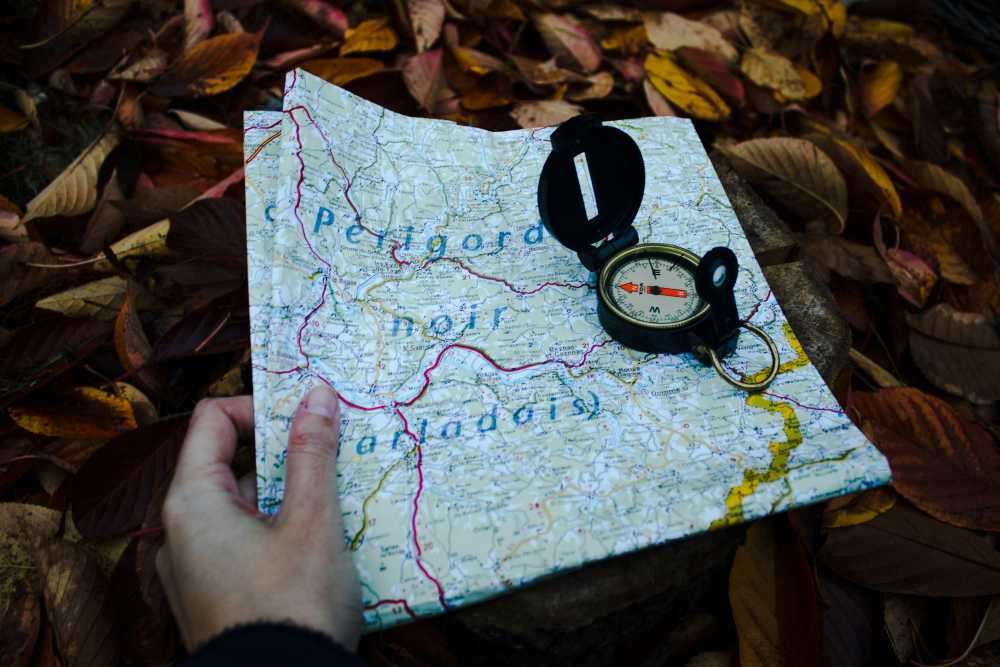
Pillar 1: Strategic Saving - Building Your Travel War Chest
This is the foundation. It begins with a comprehensive audit of all your current monthly expenses. By carefully tracking your spending, you can identify non-essential areas to cut back and systematically redirect that money into your dedicated travel fund. This isn't about deprivation; it's about conscious spending aligned with your goals. The "Pay Yourself First" model is the key here, automating your savings to ensure you are consistently building your travel fund.
Pillar 2: Smart Spending - Making Every Dollar Count on the Road
Once you’re traveling, your strategy shifts from saving to smart allocation. This is where detailed budget breakdowns become your best friend, helping you track your daily spending and stay on target. It also means making conscious choices, like prioritizing street food over tourist-trap restaurants. For example, knowing the best local markets versus overpriced cafes in Chiang Mai can cut your food budget in half. It's this kind of granular, on-the-ground knowledge that can make or break your budget, which is why a detailed resource like our Thailand Travel Guide is invaluable for making smart spending decisions.
Pillar 3: Location Independence - Earning While You Explore
This is the advanced level of budget travel that allows for a truly sustainable lifestyle of exploration. The rise of the digital nomad and remote work has made it more possible than ever to earn an income without being tied to a single location. This could involve freelance work, online businesses, or negotiating a remote arrangement with your current employer. This pillar shifts the entire approach from "how long can my savings last?" to "how can I create a life where travel and work are seamlessly integrated?"
Frequently Asked Questions About Budget Travel
Even with the best blogs as guides, you might still have questions. Here are answers to some of the most common ones.

What's the single most effective savings strategy?
Overwhelmingly, the experts point to the "Pay Yourself First" model. Instead of saving what's left after your expenses, you treat your travel savings as a non-negotiable bill. Set up an automatic transfer from your checking account to a separate, high-yield savings account that's specifically for travel. Schedule it for the day you get paid. This automates your discipline and prioritizes your goal, ensuring you're always making progress.
Is it still possible to travel on a budget in 2026 with rising costs?
Absolutely. While it's true that some costs are rising, the core principles of budget travel are timeless. The key is to be strategic. This might mean choosing less expensive destinations, traveling in the shoulder season, or leaning more heavily on skills like travel hacking. The global travel market is projected to grow substantially, reaching $9 billion by 2032, which means more options and competition, often leading to better deals for savvy consumers. Your budget isn't just about how much you have, but how intelligently you use it.
Do I really need a travel rewards credit card?
While not strictly necessary, a good travel rewards card is one of the most powerful tools for reducing your biggest costs. If you pay your balance in full every month, you're essentially getting a discount on future travel for spending you were already going to do. The key is to find a card that offers high points on your biggest spending categories (like groceries or gas) and to be disciplined about paying it off. For a US-based traveler, it's one of the fastest ways to earn flights and hotel stays.
Your Journey Starts Now
The idea that travel is an expensive luxury is a myth. As these experts prove, traveling more is the result of a deliberate and strategic financial plan. It’s about shifting your mindset from one of scarcity to one of strategy, transforming from a passive dreamer into an active planner. You now have the resources and the core pillars of a successful budget travel system.

These incredible budget travel blogs are your mentors and your guidebooks. They provide the proven playbooks that have enabled thousands of people to see the world on their own terms. Your journey doesn't start when you board a plane; it starts today. Pick one blog from this list, read one of their key element articles, and implement just one savings strategy this week. That small, decisive action is the first step toward making your travel dreams your reality.
Meta Data Suggestions:
SEO Meta Title (59 characters): 8 Best Budget Travel Blogs to Help You Travel More in 2026
URL Slug: best-budget-travel-blogs
SEO Meta Description (154 characters): Stop dreaming and start planning. Discover the 8 best budget travel blogs that provide proven financial strategies to help you save money and travel the world.
Don't Miss Out! Subscribe for Exclusive Content
SubscribeComments 0
No comments yet
Be the first to share your experience!
Dont Miss Out! Subscribe for Exclusive Content
FTC Affiliate Disclosure Essentials: Stay Compliant as a Travel Creator
Essential Affiliate Tools: From Tracking to Full Optimization

Avoid These 5 Affiliate Landing Page Mistakes for Better Conversions

Affiliate Keyword Research Mastery for Travel Blogs
Booking.com Affiliate Program Review: Pros, Cons, and Earnings Potential
Decoding Affiliate Commission Rates: Benchmarks for Travel Creators
How to Plan a US Family Vacation That Actually Happens
TrekGuider @trekguider
Does the dream of a family vacation always seem to get buried under a pile of school projects and work deadlines? You want to make those precious memories, but the sheer effort of planning a big trip—the budget, the flights, the sprawling itinerary—feels completely overwhelming. That dream gets pushed to the “maybe next year” pile, and another opportunity slips away.
This is the cycle of vacation procrastination. The pressure to make every trip a grand, epic adventure creates a paralysis that keeps you at home. Weekends blur into a routine of errands and screen time, and you’re left with the nagging feeling that you’re not making the most of your time together.
This guide is the antidote. We’re here to champion the art of the short-form getaway—the powerful, transformative two- or three-day trip. A well-executed weekend escape can recharge your family, create lasting inside jokes, and deliver that essential change of scenery without the strain of a major holiday. While a grand tour has its place, as we explore in our comprehensive Family Travel Ideas: The 2026 Guide to Unforgettable Trips, mastering the weekend trip is a practical skill that pays dividends all year long. This is your roadmap to choosing the perfect spots for a quick, high-impact getaway that actually happens.

The Weekend Warrior: Why Short Trips Are a Family’s Secret Weapon
Before we dive into destinations, it’s crucial to understand the real advantage of short-form travel. In our fast-paced world, the weekend getaway isn’t a lesser version of a vacation; in many ways, it’s a superior model for modern families.
It Obliterates Decision Fatigue: Planning a three-day trip requires a fraction of the decisions needed for a ten-day epic. You’re choosing two nights of accommodation, not nine. You’re planning six meals, not thirty. This lower logistical barrier is the key to moving from idea to action.
It's a Budget-Friendly Power-Up: The math is simple. Fewer nights, fewer meals, and shorter travel distances mean a significantly lower overall cost. This makes travel more accessible more often.
It Forces Frequent Reconnection: Long breaks are fantastic, but the daily grind can quickly erode that post-vacation glow. Frequent weekend trips act as regular “reconnection points” for your family, reinforcing bonds and breaking up monotony.
It's a Low-Stakes Laboratory: A weekend trip is the perfect environment to test new travel styles. Want to see if your kids enjoy hiking? A two-night trip to a mountain town is a much lower-risk experiment than a full week in a national park.

The 72-Hour City Break: Culture and Energy for the Urban Explorer
A city break is a masterclass in efficiency. It's a high-impact dose of culture, cuisine, and energy, perfectly contained within a 72-hour window where your own two feet are the best mode of transport. These destinations are perfect for a short-form family vacation adventure.
Boston, Massachusetts: A Walk Through American History
For families with school-aged children, Boston is a living classroom. The city’s compact core makes it incredibly easy to explore on foot, turning a simple walk into an unforgettable journey.
Can't-Miss Experiences: Walk the 2.5-mile Freedom Trail, a red-brick line connecting 16 nationally significant historic sites. Kids will love the energy of Faneuil Hall Marketplace and the chance to climb aboard the USS Constitution (“Old Ironsides”). The Boston Children’s Museum is legendary for hands-on fun.
Must-Try Food: Grab a cannoli from Mike’s Pastry or Modern Pastry in the North End. For a classic experience, head to the Union Oyster House, one of America’s oldest restaurants.
Logistics: Leave the car behind. Boston is best navigated via the “T” (its subway system) and your own two feet.

Savannah, Georgia: Southern Charm and Spooky Stories
Savannah drips with Spanish moss and southern charm, offering a unique and atmospheric weekend escape. Its famous historic squares provide beautiful, built-in parks for kids to run around in between sightseeing.
Can't-Miss Experiences: Explore Forsyth Park and the 22 historic squares. For older kids and teens, take a family-friendly evening ghost tour to learn about the city’s spooky legends. A 20-minute drive to nearby Tybee Island offers a perfect beach day.
Must-Try Food: Enjoy classic southern cooking at The Olde Pink House or grab a casual slice at Vinnie Van Go-Go's in City Market. A scoop from Leopold's Ice Cream is non-negotiable.
Logistics: Savannah’s historic district is very walkable. A rental car is only necessary if you plan to visit Tybee Island.
Chicago, Illinois: Big City Fun, Midwestern Heart
The Windy City is a world-class destination that feels surprisingly manageable for a weekend. With its stunning lakefront, incredible museums, and friendly vibe, it’s a fantastic choice for an urban family getaway.
Can't-Miss Experiences: Millennium Park is a must-do for a picture with "The Bean" (Cloud Gate). See Sue, the world’s most complete T. rex, at The Field Museum. The Shedd Aquarium and the Adler Planetarium are conveniently located on the same Museum Campus. An architectural boat tour is a surprise hit with all ages.
Must-Try Food: You can’t leave Chicago without trying deep-dish pizza from Lou Malnati’s or Giordano’s. For a fun, casual meal, head to Portillo's for a classic Chicago-style hot dog.
Pro-Tip: If you plan on visiting multiple museums, look into the Chicago CityPASS. It can offer significant savings and often lets you skip long lines—a lifesaver with impatient kids.
The Nature Reset: Fresh Air and Open Spaces
Sometimes the best way to reconnect is to disconnect from everything else. These destinations offer stunning scenery and a much-needed change of pace, perfect for a rejuvenating weekend.

Asheville, North Carolina: Gateway to the Blue Ridge Mountains
Nestled in the heart of the Blue Ridge Mountains, Asheville is a vibrant, artsy town surrounded by breathtaking natural beauty. It’s the perfect basecamp for families who love the outdoors but also appreciate great food.
What to Do: The top attraction is the Blue Ridge Parkway, one of America’s most scenic drives. Pack a picnic and stop at the numerous overlooks. There are hundreds of hiking trails for all skill levels; the relatively easy Craggy Gardens Pinnacle trail offers huge 360-degree views.
Where to Stay: Consider renting a cabin just outside the city to fully immerse yourselves in the mountain setting.
Good to Know: The weather in the mountains can change quickly. Always pack rain jackets and an extra layer, even if the forecast looks clear.
The Poconos, Pennsylvania: A Four-Season Mountain Retreat
For generations, the Poconos have been a go-to weekend getaway for families in the Northeast, and for good reason. This region offers a massive variety of activities that change with the seasons.
What to Do: In the summer, enjoy boating on Lake Wallenpaupack. The region is also home to several excellent indoor waterparks, like Kalahari Resorts. In the fall, the foliage is spectacular. In the winter, Camelback Mountain offers family-friendly skiing and snow tubing.
Where to Stay: The Poconos excel at family-friendly resorts that offer all-in-one vacation experiences.
Pro-Tip: Many state parks have beautiful and affordable lodges or cabins that can be booked online. They offer a rustic, immersive experience with more amenities than camping.
Lake Tahoe, California/Nevada: Alpine Beauty and Recreation
Straddling the border of California and Nevada, Lake Tahoe is a stunning, crystal-clear alpine lake surrounded by the majestic Sierra Nevada mountains. It’s an outdoor playground that offers distinct experiences in winter and summer.
What to Do: Summer is all about the water. Visit Sand Harbor for its beautiful, family-friendly beach. Rent kayaks to explore the impossibly blue waters of Emerald Bay. In the winter, the area transforms into a ski destination, with resorts like Heavenly and Northstar.
Altitude Awareness: The base elevation at Lake Tahoe is over 6,200 feet. For the first day, take it easy and drink more water than you think you need to let your family acclimate.

A Guide to Flawless Execution
A list of great destinations is just a starting point. The real magic of a stress-free weekend lies in the execution. This is the playbook that separates the frazzled travelers from the weekend warriors.
1. Master the Clock: The Friday to Sunday Formula
The key to a successful weekend trip is maximizing your time.
The Friday Escape: If possible, pull the kids from school an hour or two early and hit the road before the evening rush hour. This single move can save you hours of traffic-induced stress.
Low-Key Arrival: Don’t schedule a major activity for your first night. Your goal is to get settled and have a simple dinner (pizza delivery is a weekend warrior’s best friend).
The Saturday Anchor: Make Saturday your main event day. This is when you’ll tackle your must-do activity, whether it’s a museum, a big hike, or a theme park.
The Sunday Send-off: Plan one final, short activity for Sunday morning before hitting the road, like a special brunch or a final walk on the beach. It makes the last day feel like part of the vacation, not just a travel day.
2. Pack with Precision: The Weekend Luggage System
Overpacking for a short trip is a common mistake that creates unnecessary hassle.
One Bag Per Person: Institute a strict one-bag-per-person rule. This empowers older kids to be responsible for their own things.
Embrace the Packing Cube: These small organizers are a game-changer. Use them to keep complete outfits together, making mornings incredibly fast.
Build a “Go Bag”: For road trips, have one small bag that stays in the car with mission-critical essentials: snacks, wet wipes, a basic first-aid kit, portable chargers, and paper towels. A tool like our National Park Road Trip Checklist has great ideas for this, even if you aren't headed to a park.
Stop Dreaming, Start Planning
The perfect weekend trip doesn't have to be complicated. Our free, plug-and-play Travel Itinerary Template takes the guesswork out of planning. Get the simple, proven framework we use to organize our own family getaways Download the Free Template.
3. Budget for a Short Trip: Where to Splurge, Where to Save
A weekend budget requires a different mindset than a long vacation.
Splurge on Location: For a short trip, the location of your accommodation is critical. Spending a little extra to be in the heart of the action saves you hours of travel time—your most valuable commodity.
Save on Meals: You don’t need three sit-down restaurant meals a day. Plan on a fun, splurgy dinner on Saturday night, but save money by having breakfast in your hotel room and grabbing a casual lunch from a food truck or cafe.
Frequently Asked Questions
What's the biggest advantage of a short family trip?
The main advantage is the low logistical barrier. Planning for just two or three days drastically reduces decision fatigue, making it much easier to go from dreaming about a trip to actually booking it. This also makes travel more frequent and budget-friendly.
How can I save money on a weekend family vacation?
The best strategy is to splurge on a central location to save valuable travel time, while saving on meals. Pack your own breakfasts and snacks, and opt for casual lunches from cafes or food trucks instead of multiple expensive sit-down meals.
What is the best way to maximize time on a 2-3 day trip?
To make the most of your weekend, try to leave Friday afternoon to beat the worst of the traffic. Dedicate Saturday to your main "anchor" activity, and plan a smaller, final fun activity for Sunday morning so the last day still feels like part of the vacation.
The idea of a family vacation doesn't have to be a source of stress or be relegated to a once-a-year event. By embracing the power of the weekend getaway, you unlock the ability to punctuate your year with adventure, connection, and discovery. You now have a framework for choosing destinations and a playbook for executing the trip with precision.
The most important step is the next one: pick a date, book that room, and transform the idea of a trip into a tangible plan. The memories your family makes on a simple weekend trip will become just as cherished as those from a far-flung destination, and our comprehensive Travel Guide is ready when you are. Start planning today, because your next great family story is just a weekend away.
Read the full guide: Family Travel Ideas: The 2026 Guide to Unforgettable Trips
Don't Miss Out! Subscribe for Exclusive Content
SubscribeComments 0
No comments yet
Be the first to share your experience!
Dont Miss Out! Subscribe for Exclusive Content
San Francisco Cherry Blossoms: A Local's Guide to the Blooms
Halloween SF: Haunts Without Horrors
SF Festivals: 7 Must-See Lineups
Christmas SF: Lights & Wharf Wonders

SF Pride: 6 Route & Party Hacks