
SF Pride: 6 Route & Party Hacks

TrekGuider @trekguider
Picture it: a river of rainbow flags, glitter, and pure, unadulterated joy flowing down Market Street. The air thrums with music, cheers, and the collective heartbeat of hundreds of thousands celebrating love, identity, and resilience. This isn't just any parade; this is the legendary San Francisco Pride Parade. But for every person lost in the moment, there's another lost in the crowd, wrestling with a dead phone, a terrible view, and no idea where their friends have vanished. The sheer scale of SF Pride can be overwhelming, threatening to turn a day of pure celebration into a stressful logistical nightmare.
You’ve imagined yourself at the heart of the action, capturing the perfect photo, feeling that powerful sense of community. The reality, however, could be getting stuck behind a seven-foot-tall person, unable to see a single float, with your phone battery blinking at 3% and no cell service to find your crew. The difference between an unforgettable experience and a frustrating ordeal isn't luck—it's preparation. You deserve to experience every ounce of joy this iconic event has to offer, without the chaos and confusion that can so easily derail the day.
This is your definitive guide to conquering the celebration. We’re giving you six battle-tested route and party hacks to navigate the pride parade San Francisco like a seasoned pro. Forget the stress; this playbook ensures you soak in the history, master the logistics, and create memories that will last a lifetime, all while staying safe and comfortable.

Before You Go: Essential Prep for the Pride Parade San Francisco
Before you even think about your rainbow outfit, a little prep work will set the stage for a flawless day. The SF Pride Parade is more than a party; it’s a powerful legacy. Born from the first "gay-in" in 1970 and commemorating the key 1969 Stonewall Uprising, this event has evolved from a protest into a global platform for activism and celebration. In the 1980s, it became a crucial front line for raising AIDS awareness, and today it continues to champion the diverse spectrum of the LGBTQ+ community. Understanding this history enriches the entire experience, transforming it from a spectacle into a meaningful pilgrimage.
The 2026 SF Pride Parade is scheduled for Sunday, the last Sunday of Juneth, with the first contingents stepping off at 10:30 AM. To be ready, your day pack is your most critical asset. Here’s a non-negotiable checklist:
Hydration: Pack a reusable water bottle. There are water stations, but having your own is crucial for staying hydrated in the California sun.
Sun Protection: Sunscreen, a hat, and sunglasses are absolutely essential. There is very little shade along the parade route.
Layered Clothing: San Francisco weather is famously fickle. What starts as a chilly, foggy morning can quickly turn into a warm, sunny afternoon. A light jacket or hoodie you can tie around your waist is the smartest move you can make.
Comfortable Shoes: You will be on your feet for hours, walking and standing. Prioritize comfort over style; your feet will thank you by the end of the day.
Portable Power Bank: Your phone will be working overtime as your camera, map, and communication device. A fully charged power bank is an absolute must-have.
Snacks: While there are food vendors, lines can be long and prices high. Pack some energy bars or other easy-to-eat snacks to keep your energy levels up.
Finally, let's talk safety. SF Pride is known for its strong security measures, including advanced weapon detection technology at key entry points. While organizers work hard to create a secure environment, personal safety matters most in any large crowd. Familiarize yourself with basic protocols, like being aware of your surroundings and keeping your valuables secure. For a comprehensive look at staying safe while traveling, our Solo Female Travel Safety Guide offers invaluable tips that apply to everyone, regardless of gender, in any crowded event scenario.

Hack #1: Master the Market Street Route for the Pride Parade San Francisco
The parade route is deceptively simple: it runs straight down Market Street, starting at Beale Street and culminating at 8th Street, right by the Civic Center Plaza. The challenge isn't knowing the route; it's knowing where on the route to be and when to be there.
The Hack: Arrive by 9 AM and choose your zone strategically. The parade officially starts at 10:30 AM, but the sidewalks begin filling up much earlier. Arriving an hour and a half beforehand allows you to claim a prime spot without having to battle the late-coming masses.
Here’s a breakdown of the route's key zones to help you decide on your ideal viewing experience:
The Starting Zone (Beale to Montgomery Street): This area is often less crowded, especially right at the beginning. You'll see all the contingents when they are fresh, energized, and at their most organized. It’s a fantastic spot for photographers who want clean shots of the floats and performers before the crowds swell. The energy here is one of joyful anticipation.
The Commercial Core (Montgomery to Powell Street): This is the heart of the parade and, consequently, the most packed section. The tall buildings create a canyon-like effect, amplifying the sound and energy. It’s an intense and exhilarating place to be, but not for the faint of heart. If you want to be in the thick of it, this is your spot, but be prepared for a tight squeeze.
The Climax Zone (Powell to 8th Street): As the parade approaches its end at the Civic Center, the energy reaches a fever pitch. This is where the performers give their all, knowing they’re approaching the main celebration. The crowd here is dense but incredibly vibrant. Positioning yourself near 8th Street gives you a head start on moving into the Civic Center Plaza for the post-parade festivities.
Pro-Tip: For a less obstructed view and better photos, try to secure a spot on the south side of Market Street. In the late morning and early afternoon, the sun will be mostly at your back, beautifully illuminating the parade without forcing you to squint. This side is often just slightly less congested than the north side.
Hack #2: The Transportation Game Plan - Ditch the Car, Embrace Public Transit
Let’s be perfectly clear: driving to the SF Pride Parade is a recipe for disaster. Street closures are extensive, parking is virtually non-existent and astronomically expensive, and navigating the gridlock will drain your celebratory spirit before you even arrive.
The Hack: Make BART (Bay Area Rapid Transit) and Muni your best friends for the day. San Francisco’s public transit system is designed to handle massive events like this, and it is by far the most efficient way to get to and from the parade.
Here’s your transit strategy:
BART: The underground trains are the fastest way to get downtown from the East Bay, the Peninsula, or other parts of the city. The key is choosing the right station to exit.
Embarcadero Station: Puts you right near the start of the parade. A great option if you plan to arrive early and watch from the beginning.
Montgomery Station: A perfect middle-ground, placing you in the energetic core of the route. It’s one of the busiest stations, so be prepared for crowds.
Powell Station: Another central option, close to the cable car turnaround and a major shopping area. Like Montgomery, expect it to be very busy.
Civic Center Station: This is your stop if you want to head directly to the post-parade celebration or watch the parade's final leg.
Muni: The city’s network of buses and light rail (Muni Metro) is another excellent choice. The F-Market & Wharves historic streetcar will be rerouted, but the Muni Metro lines run directly under Market Street, using the same stations as BART. Many bus lines will have detours, so be sure to check the SFMTA website or your favorite transit app for real-time updates on the day of the event.
Rideshare services like Uber and Lyft will be operating, but expect heavy surge pricing and designated drop-off/pick-up zones that may be several blocks away from Market Street to avoid the worst of the congestion. Public transit remains the most reliable and cost-effective option.

Hack #3: The Civic Center Celebration - Your Post-Parade HQ
The last float crossing 8th Street doesn't mark the end of the day—it marks the beginning of the next phase. The parade flows directly into the massive Pride Celebration at Civic Center Plaza, a sprawling festival with multiple stages of live music, DJs, inspiring speakers, hundreds of community booths, art installations, and food vendors.
The Hack: Have a concrete plan for navigating the festival, especially for meeting your group. Cell service in and around Civic Center Plaza can become extremely unreliable due to the sheer number of people. A "we'll find each other" approach will likely fail.
Follow these steps for a seamless transition from parade to party:
Establish a Hyper-Specific Meeting Point: Before you separate, agree on a meeting spot that is impossible to mistake. "By the main stage" is too vague. Instead, choose something like, "At the base of the statue of James Lick, on the side facing the library," or "Directly in front of the main entrance to the Asian Art Museum." Set specific times to meet there (e.g., 2 PM and 4 PM).
Pace Yourself and Hydrate: The celebration runs for hours after the parade. It's a marathon, not a sprint. Continue to drink water, find moments of shade, and don't forget to eat.
Explore with Purpose: Don't just wander aimlessly. The community booths are the soul of the celebration. You can connect with dozens of non-profits, activist groups, and local organizations. It’s an incredible opportunity to learn, connect, and find your community.
Know Your Exits: Take a moment upon arrival to orient yourself and identify the main exit points from the plaza. Knowing how to get out quickly in case of an emergency or if you simply feel overwhelmed is a smart move.

Hack #4: Beyond Market Street - Unofficial Parties & Neighborhood Vibes
The official parade and Civic Center festival are the main events, but the spirit of Pride permeates the entire city, becoming a vibrant key element of the city’s festive calendar—a calendar we explore in our broader guide to San Francisco Holidays: Bay Area Buzz.
The Hack: Dip out of the main event for a few hours to experience a different, more intimate side of Pride.
The Castro District: As the historic heart of San Francisco's LGBTQ+ community, the Castro is ground zero for Pride weekend. The streets become a massive, vibrant block party. While it will be just as crowded as the parade, the atmosphere is different—more neighborhood-focused and less structured. Grab a drink at a historic bar, watch the impromptu dance parties, and soak in the history.
Dolores Park: On Pride Sunday, the park's famous "Gay Beach" area expands to cover nearly the entire lawn. It transforms into a massive, sun-drenched picnic party. The vibe is more relaxed and bohemian than the official festival. Pack a blanket, bring some snacks, and enjoy people-watching in one of the city's most beautiful settings.
SoMa (South of Market): This neighborhood is home to many of the city's most famous clubs and venues. Throughout Pride weekend, these spaces host a huge variety of official and unofficial after-parties, from daytime DJ sets to late-night dance events. Check event listings in advance, as many of the most popular parties sell out.

Hack #5: Tech & Safety - Your Digital Toolkit for a Seamless Day
In a modern festival environment, your smartphone is your most powerful tool—if you use it wisely.
The Hack: Prep your phone and apps to be your digital command center for the day.
The Power Bank is Non-Negotiable: We mentioned it before, but it bears repeating. A dead phone means no photos, no map, and no way to contact your friends. A fully charged portable power bank is the single most important piece of tech you can bring.
Master Your Communication Apps: Standard text messages can be delayed when cell networks are overloaded. Use a data-based messaging app like WhatsApp or Signal for your group chat. Their delivery is often more reliable in dense crowds. Use the "Share Live Location" feature for a set period (e.g., 15 minutes) if you get separated and need to find your way back to your group.
Download Offline Maps: Before you leave home, download an offline map of the downtown San Francisco area in your map app of choice. Even if you lose all cell service, your phone's GPS will still work, allowing you to see your location on the map and navigate.
Embrace Official Resources: Check the official SF Pride website in the days leading up to the event. If they release an official app, download it. It will likely have the most accurate schedules, maps, and emergency alerts.
Pro-Tip: Take a screenshot of your planned meeting spots, the parade route map, and the contact info for everyone in your group. Create a dedicated photo album for these screenshots so you can access them instantly, even if your apps won't load due to poor connectivity.

Hack #6: The Exit Strategy - How to Leave Without the Headache
Just as important as your arrival plan is your exit strategy. When hundreds of thousands of people try to leave the same area at the same time, the public transit stations and rideshare zones become incredibly congested.
The Hack: Avoid leaving during the peak rush right as the festival winds down.
You have two primary strategies for a stress-free departure:
The Early Exit: If you've had your fill of the crowds and the main celebration, start making your way out before the final headliners take the stage at Civic Center. By leaving an hour before the official end time, you can beat the massive wave of people heading for the BART and Muni stations.
The Patient Wait: This is often the better option. Instead of rushing out with everyone else, wait it out. Find a restaurant or cafe a few blocks away from Civic Center, grab a bite to eat, and relax for an hour or so. Let the crowds on the transit platforms thin out. By the time you're done, your journey home will be far more pleasant.
If you're using a rideshare service, walk at least four or five blocks away from Market Street and Civic Center before you even attempt to request a ride. This will get you out of the most congested, no-pickup zones and will likely save you from the highest surge pricing.
Your Guide to an Unforgettable Pride
You are now armed with the knowledge to do more than just attend the pride parade San Francisco —you are ready to experience it with confidence, joy, and a sense of empowered preparedness. From mastering the Market Street route and navigating the Civic Center celebration to knowing the smartest ways to get there and back, you have the tools to craft a perfect day. This isn't just about avoiding stress; it's about creating space for the powerful moments of connection, celebration, and solidarity that define SF Pride. Go forth, celebrate loudly, and have an incredible time.
For a complete blueprint to planning your ultimate trip to the Bay Area, including deep dives into its other iconic holidays and hidden gems, be sure to explore our comprehensive Travel Guide.
Meta Data Suggestions:
SEO Meta Title: SF Pride: 6 Essential Hacks for the Parade Route & Parties
URL Slug: sf-pride-parade-route-party-hacks
SEO Meta Description: Master the SF Pride Parade! Get 6 expert hacks on navigating the Market Street route, finding the best parties, and staying safe in the crowds.
Don't Miss Out! Subscribe for Exclusive Content
Subscribe



Comments 0
No comments yet
Be the first to share your experience!
Dont Miss Out! Subscribe for Exclusive Content

San Francisco Cherry Blossoms: A Local's Guide to the Blooms


Halloween SF: Haunts Without Horrors

SF Festivals: 7 Must-See Lineups

Christmas SF: Lights & Wharf Wonders

Chinese New Year SF: Parade Essentials

San Francisco Holidays: Bay Area Buzz
Family Travel Ideas: The 2026 Guide to Unforgettable Trips
TrekGuider @trekguider
The moment you start searching for family travel ideas, you're hit with a wave of conflicting emotions. There's the thrill of anticipation—picturing shared laughter on a sunny beach or wide-eyed wonder at an ancient monument. But close behind comes a dose of apprehension, fueled by the logistical puzzles, financial considerations, and the simple challenge of keeping everyone happy. This guide is crafted to navigate that complexity, offering a clear, practical plan for your journey. Our core philosophy is that travel is far more than a simple break from routine; it is one of the most powerful investments you can make in your family’s development and shared story.
This is no longer a niche belief—it's a full-blown movement. Families across America are making travel a priority like never before, and multigenerational trips (grandparents, aunts, uncles, the whole crew) are more common than ever. More families are choosing shared experiences over more stuff, and that shift is changing how we think about vacations.
This is your complete guide, created from the collective wisdom of the verified travel creators on the TrekGuider platform. It moves beyond simple lists to offer a deeper analysis of what makes certain family travel ideas successful. We will explore the tangible benefits of travel for child development, provide a system for identifying your family’s unique travel style, and present a detailed breakdown of over 50 destinations and concepts. Every recommendation is backed by practical, on-the-ground intelligence to help you make confident decisions. This is your roadmap to transforming the anxiety of planning into the excitement of a well-executed and truly enriching adventure.
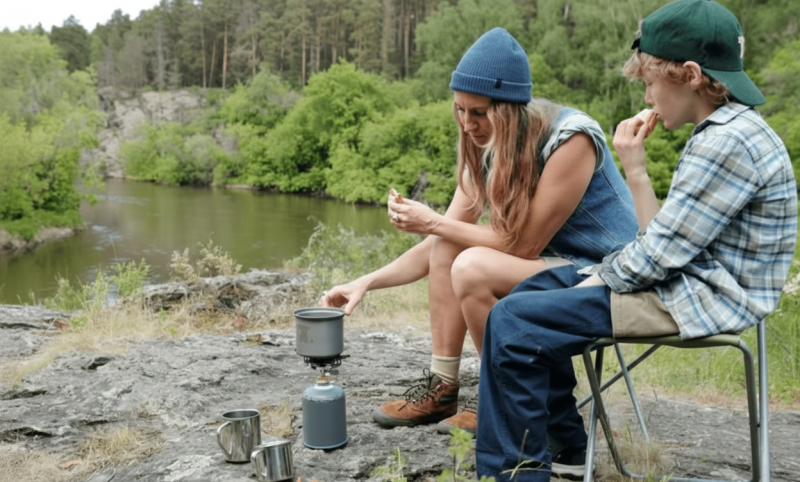
Why Travel is a Powerful Investment in Your Family's Future
The benefits of family travel go way beyond fun (though there's plenty of that, too). When kids encounter new places—unfamiliar foods, different languages, unexpected challenges—their brains light up. They're building problem-solving skills, flexibility, and creativity in ways no classroom can replicate.

The benefits of this enrichment are quantifiable and profoundly impactful:
Cognitive and Educational Development: Kids learn better by doing. Reading about the Roman Empire is one thing—standing inside the Colosseum is something else entirely. Research consistently shows that children who travel perform better academically, and it makes sense: real-world experience gives abstract concepts a meaning that sticks. Travel doesn't just teach facts. It sparks curiosity.
The Happiness Dividend and Psychological Well-being: This one's no surprise to anyone who's taken a good trip: travelers are happier. Studies consistently link regular travel with lower stress and higher life satisfaction. For families, the effect is even stronger—stepping out of your daily grind together creates a shared reset that lifts everyone's mood for weeks after you get home.
The Implicit Curriculum: Acquisition of Essential Life Skills: Travel teaches life skills in a way nothing else can. Figuring out a subway system in a foreign city? That's problem-solving. Ordering food when you don't speak the language? That's courage. These moments build resilience, empathy, and a quiet confidence your kids will carry long after the trip is over.
Strengthening of Familial Bonds and Cohesion: Let's be real: at home, most families run on parallel tracks—school, work, activities, screens. Everyone's in the same house but rarely in the same moment. Travel changes that. When you're exploring a new place together, you're actually together. Solving problems, sharing discoveries, laughing at things that go sideways. Those are the moments that turn a family from a group of people who live together into a team with a shared story.
What's Your Family's Travel Style? A Framework for Finding Your Perfect Trip
One of the most common missteps in vacation planning is selecting family travel ideas that are misaligned with the family's intrinsic preferences, needs, and travel confidence. A strategic approach requires an initial diagnostic phase to identify a family’s unique "travel DNA." This alignment is a primary determinant of a successful and restorative travel experience. This framework will help you filter through countless options to find your perfect trip.

The Relaxation-Oriented Traveler (All-Inclusive Profile): If your idea of paradise is having someone else handle every detail, this is your category. The ideal vacation involves a single destination where accommodations, dining, and activities are centralized and readily available. This model is particularly well-suited for families with very young children, whose needs for routine and predictability are high, as well as for multigenerational groups, where accommodating a wide range of physical abilities and interests matters most. Suitable options include all-inclusive resorts, self-contained resort communities such as Myrtle Beach, and family-oriented cruises.
The Cultural Explorer (Enrichment-Focused Profile): This profile is motivated by the pursuit of knowledge and cultural immersion. The travel experience is viewed as an educational opportunity, with a focus on historical sites, museums, and authentic local experiences. This style is highly effective for families with inquisitive school-aged children and adolescents who are capable of engaging with more complex historical and cultural narratives. Prime destinations include the historic centers of Washington D.C., the archaeological wonders of Rome, and the culturally rich urban landscapes of cities like London.
The Outdoor Adventurer (Activity-Focused Profile): This group finds rejuvenation and connection through engagement with the natural world. The emphasis is on physical activity, scenic beauty, and a departure from technologically saturated environments. Accommodations and amenities are secondary to the quality of the outdoor experience. This profile is ideal for active families with children aged seven and older who possess the requisite physical stamina and interest in activities such as hiking, kayaking, and wildlife observation. Premier destinations include the majestic national parks of the United States like Yellowstone and Zion, the biodiverse ecosystems of Costa Rica, and the dramatic alpine scenery of Switzerland.
The Short-Duration Traveler (Weekend Excursionist Profile): Characterized by a mastery of the short-term getaway, this profile excels at maximizing a limited timeframe. These trips, typically two to four days in length, are logistically simpler and serve as a powerful tool for regular rejuvenation without the extensive planning required for longer journeys. This highly flexible style is suitable for virtually any family, offering an accessible means to punctuate routines with novel experiences. Destinations typically include regional cities, state parks with cabin rentals, or themed hotels within a reasonable driving radius.
A World of Family Travel Ideas: The Definitive Directory for Every Traveler
Now let's get to the good stuff. Here are our top family travel ideas, organized by travel style—with honest, real-world recommendations from the TrekGuider creator community.
For First-Time Family Travelers and Relaxation Seekers
These destinations are excellent family travel ideas selected for their strong infrastructure, high level of safety, and abundance of amenities that minimize logistical friction.
The All-Inclusive Resort Escape
The all-inclusive model is the gold standard for families seeking to minimize decision-making and maximize relaxation. It’s a self-contained world where meals, activities, and entertainment are handled, leaving you free to focus on connection. This is particularly effective for families with toddlers or those coordinating multigenerational groups, as the contained environment provides safety and predictability. The secret to a successful trip lies in selecting a resort that genuinely caters to families, offering high-quality kids' clubs, varied dining options that please picky eaters, and pools designed for all ages. The best resorts become more than just a place to stay; they are the destination itself, a bubble of ease where the only question is "beach or pool?"
For a deeper dive into making the right choice, explore our guide: Choosing an All-Inclusive Family Resort? Read This First
The California Coastal Retreat
California’s coastline offers a uniquely American version of the beach holiday, blending laid-back surf culture with world-class attractions. A destination like San Diego provides an almost perfect equilibrium; you can spend the morning building sandcastles in the gentle surf of La Jolla and the afternoon exploring the incredible San Diego Zoo or the museums of Balboa Park. This variety is key, allowing families to pivot based on mood and energy levels. The accessibility of a domestic destination combined with the sheer diversity of experiences—from the iconic piers of Southern California to the dramatic cliffs of the north—makes it an ideal choice for a first major family trip. It’s familiar enough to be comfortable, yet diverse enough to feel like a true escape.
To plan your perfect Pacific getaway, see our expert analysis: CA Family Beach Vacations: A Pro's Planning Guide
The Hawaiian Archipelago Adventure
A trip to Hawaii feels like an international escape without needing a passport. Each island possesses a distinct personality, allowing families to tailor their experience. Maui offers a resort-focused, activity-rich environment perfect for first-timers, while Kauai provides a more rugged, nature-centric adventure. The true advantage of Hawaii is its ability to deliver both profound relaxation and genuine adventure. You can spend days in a state of blissful inertia by a resort pool or go on waterfall hikes, snorkel with sea turtles, and immerse yourselves in the rich Polynesian culture. This duality makes it an exceptional choice for families with a mix of ages and interests, ensuring that both the thrill-seekers and the relaxation-seekers find their version of paradise.
Navigate the islands like a seasoned pro with our detailed guide: How to Plan a Stress-Free Hawaii Family Trip
For Adventure Enthusiasts and Outdoor Lovers
These locations are chosen for their exceptional natural beauty and provide immersive, activity-based family travel ideas.

The Quintessential National Park Journey
A visit to one of the United States' national parks is more than a vacation; it's an immersion into a living classroom of geology, biology, and history. Parks like Yellowstone offer a dramatic, almost surreal landscape of geothermal wonders, where the predictability of Old Faithful provides a thrilling anchor to a day of searching for bison and bears. Zion, with its towering sandstone cliffs, offers accessible hikes like the Pa'rus Trail for little legs and more challenging treks for teens. The real advantage of a national park trip is its ability to disconnect the family from technology and reconnect them with each other and the natural world. The shared experience of witnessing a breathtaking vista or spotting a wild animal for the first time creates a powerful, lasting memory.
Discover the best parks for your crew with our curated list: 4 Unforgettable National Park Family Travel Ideas
For Curious Minds and History Buffs
These family travel ideas transform a vacation into an immersive educational journey.
An Educational Tour of Europe's Capitals
For families with school-aged children and teenagers, a trip to Europe can be a powerful educational catalyst. In cities like Rome, history is not confined to a museum; it is the very fabric of the city. Standing in the Colosseum or walking through the Roman Forum provides a tangible connection to the past that a textbook simply cannot replicate. London offers a journey through royal history and world-class museums, while Paris presents a living gallery of art and architecture. The key to a successful European family trip is to balance the monumental sites with experiences that appeal to younger travelers—think gelato breaks in Italy, a Seine River cruise in Paris, or enjoying the street performers in London's Covent Garden. Our Italy Travel Guide or United Kingdom Travel Guide are indispensable resources for this.
For a strategic overview of the continent's most family-friendly hubs, read: Top 7 Family Vacation Destinations in Europe (For All Ages)
For Road Trip Champions and Scenic Route Seekers
For these travelers, the journey itself is one of the most significant family travel ideas.

The Great American Road Trip: Midwest Edition
While coastal routes often get the spotlight, a road trip through the American heartland offers a journey of authentic discovery. The Great River Road, which follows the Mississippi through ten states, is less a single highway and more a narrative of America's growth and culture. You'll trade crowded tourist hubs for charming small towns, quirky roadside attractions, and a slower, more deliberate pace of travel. This type of trip excels at revealing the unexpected and teaching kids that adventure isn't always about the most famous landmarks. It’s about the journey itself, fostering patience, curiosity, and an appreciation for the diverse landscapes and stories that make up the country.
Find a route that will genuinely impress your children in our guide: A Midwest Family Road Trip That Actually Wows Kids
The Pacific Coast Highway, California
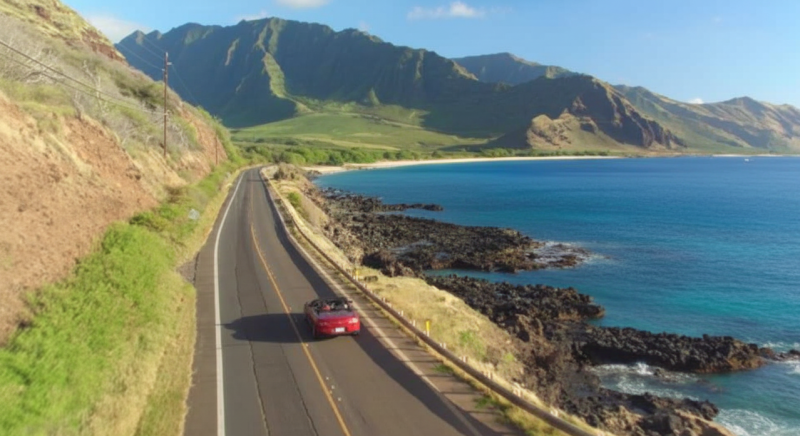
This iconic route is one of the world's most renowned scenic drives for a reason. The journey along Highway 1, particularly through the Big Sur region, offers consistently dramatic coastal landscapes that can captivate even the most screen-addicted teenager. The real advantage here is the sheer density of potential stops. You can break up the driving with hikes in redwood forests, visits to charming towns like Carmel-by-the-Sea, or stops at countless vista points to watch for whales or sea otters. The key to success is not to rush. Build in ample time for spontaneous exploration; the best memories are often made at an unplanned stop at a hidden beach or a local pie shop. To ensure you don't miss a thing, download our free Big Sur Map & Itinerary before you go.
Master the logistics of life on the road with our comprehensive system: The Sanity-Saving System for Your Next Family Road Trip.
For Families with Young Children
Toddler-Friendly Adventures
Traveling with toddlers is less about the destination and more about the pace and amenities. The most successful trips for this age group prioritize routine and minimize disruption. This could mean a beach rental with a full kitchen to maintain meal schedules, a resort with a zero-entry pool perfect for splashing, or a city destination with excellent parks and playgrounds. The goal is to create a "home base" that feels safe and comfortable, from which you can take short, low-stress excursions. Forget ambitious, multi-stop itineraries; success is measured in happy naps, easy meal times, and the simple joy of watching your little one experience something new, even if it's just the feeling of sand between their toes for the first time.
Discover destinations and strategies designed for the 0-3 crowd in our guide: Best Family Vacations 4 Ideas That Are Fun With a Toddler.
For Avoiding the Masses
Uncrowded, Unforgettable Destinations
With overtourism on the rise, the greatest luxury can be finding a slice of paradise to call your own. This requires looking beyond the obvious choices. Instead of the crowded beaches of the Caribbean, consider the quiet coastal towns of Portugal. Instead of a bustling national park in peak season, explore a state park with similar beauty and a fraction of the visitors. The reward for venturing off the beaten path is a more authentic and often more relaxing experience. These trips are for families who value serenity and discovery over ticking off a checklist of famous sights. It's an opportunity to connect with a place—and each other—on a deeper level, away from the queues and the crowds. Our Portugal Travel Guide can be a great starting point.
Explore hidden gems and alternative destinations here: Skip the Crowds 8 Amazing Family Vacation Destinations.
For Holiday Magic
Low-Stress Holiday Getaways
The holidays are meant to be a time of connection, but they often devolve into a whirlwind of stress and obligations. A holiday getaway can be a powerful way to reclaim that time for your family. The key is to choose a destination that simplifies, rather than complicates, the holiday experience. This could be a cozy cabin in the mountains where the focus is on fireside games and snowy walks, or a warm-weather escape where the festive season is celebrated with a different kind of cheer. The goal is to trade the pressure of hosting and gift-giving for the shared experience of being together somewhere special, creating new traditions that are about presence, not presents.
Find inspiration for a truly memorable holiday season in our guide: 9 Family Travel Ideas for a Magical, Low-Stress Holiday.
The Family Travel Playbook: A Step-by-Step Guide to Flawless Execution
Once you've settled on your core family travel ideas, a successful trip is the result of methodical preparation. The difference between a journey that feels effortless and one that feels like a series of logistical hurdles often comes down to the quality of the planning system. A truly great plan doesn’t just outline an itinerary; it anticipates challenges, streamlines processes, and creates a framework that allows for flexibility and spontaneity. It transforms the overwhelming task of coordinating flights, accommodations, activities, and budgets for multiple people into a manageable, even enjoyable, process. This kind of planning is what experienced family travelers know, allowing them to remain present and focused on making memories rather than managing crises.

For a comprehensive framework to guide you from initial idea to wheels-up, explore our deep dive into the mechanics of effective trip coordination: How to Make Family Travel Planning Actually Easy.
Strategic Budgeting for Your Family Vacation
An effective budget is not a limitation but a decision-making tool that liberates you from financial stress during your trip. Viewing your budget as a practical plan rather than a set of restrictions is a critical mindset shift. It allows you to prioritize what truly matters to your family—be it unique experiences, comfortable accommodations, or culinary adventures—and allocate resources accordingly. The process begins with a clear-eyed assessment of total costs, moving beyond the obvious ticket items of flights and hotels to carefully account for the often-overlooked extra fees like baggage fees, resort fees, daily parking, and foreign transaction fees. By adopting a structured model, such as the 50/30/20 framework (50% for fixed costs, 30% for experiences, 20% for ancillary/contingency), you create clarity and control. This proactive financial management, supported by tools like Google Flights for price tracking and expense-sharing apps like Splitwise for group travel, transforms the budget from a source of anxiety into an instrument of empowerment, ensuring your focus remains on the experience, not the expenditure.
For a deep dive into stretching your travel funds without sacrificing the quality of your experience, consult our specialized guide: The Best Family Vacations on a Budget.
Keeping Your Family Safe on the Road
Ensuring your family's safety on the road goes far beyond simply packing a first-aid kit. A truly professional approach to travel safety is about proactive risk mitigation and establishing protocols that become second nature. It begins before you even leave home, with digital security measures like using a VPN on public Wi-Fi to protect your data. Upon arrival at any high-traffic venue, the first step should be to establish a clear, static contingency meeting point. A brilliant and simple field tactic is the "Morning Photo" protocol: taking a quick, current photo of each child every morning. In the unlikely event of a separation, this gives authorities an exact, immediate visual reference, which is infinitely more reliable than a parent's panicked description. These are not about cultivating fear, but about building a quiet confidence that you have systems in place to handle the unexpected, allowing your family to explore freely and with peace of mind.
For a guide focused on safety for independent travelers that has principles applicable to everyone, see our: Solo Female Travel Safety Guide.
Packing Smart: How to Travel Light With Kids
A methodical packing strategy is one of the highest leverage activities you can undertake to reduce travel-day stress. The goal is to transform the chaotic process of outfitting a family into a streamlined, logical operation. The key element of this system is modular packing, using color-coded packing cubes to compartmentalize each family member's belongings. This turns a suitcase into a mobile dresser, eliminating the need to excavate the entire bag for one small item. Another critical tactic is the "First Night" accessibility bag—a single, easily reachable bag containing pajamas, toiletries, and medications for everyone. After a long day of travel, this simple preparation prevents the exhausting task of unpacking multiple suitcases just to get to bed. Your carry-on should be treated as a mobile command center, containing not just entertainment, but a full change of clothes for everyone and a surplus of snacks—a mission-critical toolkit for mitigating the inevitable delays and challenges of modern travel. When you’re ready to start organizing, our free Ultimate International Travel Checklist is the perfect tool.
For a masterclass on efficiency, download our free guide: How to Pack Light Guide.
And for the unique challenges of air travel, our Stress-Free Flying with Kids Guide provides a complete playbook.
Navigating the Unexpected: A Proactive Guide to Common Travel Challenges
Even carefully planned trips can encounter unforeseen difficulties. The key to successful travel is not the absence of problems, but the capacity to respond to them effectively.
Addressing Behavioral Issues in Public Settings: Public tantrums, particularly with toddlers, are a common source of parental stress. The most effective strategy is to de-escalate rather than engage in a public conflict. This involves calmly removing the child from the stimulating environment to a quieter location (a hallway, an empty room). Once in a neutral space, the focus should be on acknowledging the child's emotional state ("I understand you are feeling frustrated") before attempting to redirect their attention with a comforting object or snack.
Managing Disinterest During Educational Activities: School-aged children may exhibit boredom during activities perceived as passive, such as historical tours or scenic drives. Mitigate this by assigning the child an active role or responsibility. Designating them as the official "trip photographer," "navigator" (with a map), or "documentarian" can transform them from a passive observer into an active participant. Gamification, such as creating a scavenger hunt for specific items or architectural features, is also a highly effective engagement technique.
Mitigating the Effects of Jet Lag: Jet lag is real, especially with kids. The best weapons against it are simple: sunlight and water. Get outside as soon as you arrive, drink plenty of fluids, and keep that first day low-key. Don't try to cram in sightseeing right off the plane—give everyone's body clock a chance to catch up.
Travel Through the Ages: Tailoring Experiences for Each Developmental Stage
The optimal family travel ideas are highly dependent on the developmental stage of the children involved. A one-size-fits-all approach is often ineffective.
Lessons from the Road: Insights from Experienced Family Travelers
After talking to hundreds of families who travel regularly, a few patterns keep coming up:
Start small, then go bigger: The families who take amazing international trips didn't start there. They started with a weekend road trip. Then a week at the beach. Then maybe a flight to another state. Each trip builds your family's travel confidence and teaches you what works (and what doesn't). You don't need to book a two-week European tour for your first outing—build up to it.
Make a money plan and stick to it: Many families execute ambitious, long-term journeys on a pre-determined and comparatively modest budget. This is typically achieved through a multi-year period of disciplined saving, intensive research into cost-effective destinations, and rigorous expense tracking during the trip. This demonstrates that extensive travel is not exclusively the domain of the wealthy but is accessible through strategic financial planning and prioritization. A major travel objective can be deconstructed into a series of achievable financial goals. For a deeper look at this approach, explore The Best Family Vacations on a Budget guide.
The TrekGuider Philosophy: Connecting Travelers with Authentic Expertise
There's no shortage of travel advice online. The problem is finding advice you can actually trust. Generic lists and AI-generated itineraries miss the details that make a trip truly special—the restaurant only locals know about, the viewpoint that isn't on Google Maps, the trick to skipping the line.
TrekGuider was built on a simple idea: the best travel advice comes from people who've actually been there. Our platform is a curated marketplace designed to bridge the gap between passionate, on-the-ground travel creators and discerning travelers seeking genuine experiences.
For Travelers: We provide a single, reliable destination to discover and acquire high-quality digital travel products—from detailed itineraries like our Japan Travel Guide and interactive maps like our Best NYC Photo Spots Map to comprehensive guides—created by a vetted community of expert bloggers and content creators. When you purchase a product on TrekGuider, you are not just buying a file; you are accessing a creator's hard-won expertise and directly supporting their ability to continue their passion for exploration.
For Creators: We offer a seamless, powerful platform to monetize their expertise and connect directly with an engaged audience. By handling the complexities of e-commerce and marketing, we empower creators to focus on what they do best: creating exceptional, valuable content. We even provide resources like the Travel Creator's Toolkit to help them succeed.
That's the TrekGuider model in a nutshell: great creators make great guides, and great guides make great trips.
Frequently Asked Questions (FAQ)
Q: How do you handle different sleep schedules when everyone's sharing one hotel room?
A: This common logistical challenge can be addressed through several methods. The use of a white noise generator or a smartphone application can create an auditory buffer. A visual separation can be created by strategically arranging furniture or luggage. For families with infants, a suite with a separate living area is the ideal solution, but a large bathroom or walk-in closet can often serve as a temporary, dark, and quiet sleeping space for a travel crib.
Q: How do you balance learning activities with just having fun?
A: A successful strategy is to alternate activity types. For example, pair a morning museum visit with an afternoon at a park or swimming pool. Granting children agency in selecting the recreational activities often increases their cooperation and engagement during the more structured, educational portions of the itinerary.
Q: How do you get a reluctant teenager excited about a family trip?
A: The key psychological driver for this age group is autonomy. Granting the teenager significant control over a portion of the trip—such as the responsibility for planning one full day's itinerary, including activities and dining—can foster a sense of ownership and investment. In some circumstances, allowing them to invite a friend can also transform their perspective on the trip.
Your Next Adventure Awaits: Putting Your Plan into Action
We hope this guide gives you the confidence to stop overthinking and start planning. The perfect family trip doesn't exist—but a really great one does, and it's closer than you think. Things will go sideways (they always do). But a family that can laugh through a missed flight or a rainy beach day? That's a family that knows how to travel.
The best souvenir from any trip isn't something you buy in a gift shop—it's the story your family tells for years afterward. That's what TrekGuider is here for: helping you make those stories happen. Our creator-built guides turn the inspiration from this article into a detailed, step-by-step plan. Whether you're planning your first domestic trip using our guide on How to Plan a US Family Vacation That Actually Happens or a grand tour with tips from our Travel Guide, we are here to provide the tools. Your next adventure is waiting. Go make some memories.
Don't Miss Out! Subscribe for Exclusive Content
SubscribeComments 0
No comments yet
Be the first to share your experience!
Dont Miss Out! Subscribe for Exclusive Content

Ultimate USA Holidays Guide: Top Picks

FTC Affiliate Disclosure Essentials: Stay Compliant as a Travel Creator

Essential Affiliate Tools: From Tracking to Full Optimization

Booking.com Affiliate Program Review: Pros, Cons, and Earnings Potential

Decoding Affiliate Commission Rates: Benchmarks for Travel Creators

Top 11 High-Paying Affiliate Programs for Travel Bloggers
NYE Times Square: How to Survive Crowds
TrekGuider @trekguider
The image is seared into our collective consciousness: a million smiling faces turned upward, a cascade of confetti, and the glittering descent of the Waterford Crystal ball marking the start of a new year. Experiencing New York's Eve Times Square is a bucket-list dream for travelers worldwide. But behind that minute of pure magic lies a grueling, 12-hour urban endurance test. The reality is a battle against massive crowds, freezing temperatures, and a complete lack of basic amenities. Without a solid strategy, your once-in-a-lifetime dream can quickly devolve into a miserable, claustrophobic nightmare, leaving you with nothing but cold feet and regret.
You’ve seen the celebration on TV, but you haven’t seen the real story: the hours spent standing in a single spot, the desperate need for a bathroom that doesn’t exist, and the crushing disappointment of arriving too late only to have your view blocked by a skyscraper. This isn’t just a party; it’s a logistical gauntlet. But what if you could walk into that chaos armed with the knowledge of a seasoned local? What if you knew exactly when to arrive, what to bring, and how to navigate the human labyrinth to secure a prime spot?
Consider this your definitive survival guide. We’re cutting through the noise to give you the actionable, step-by-step playbook required to not just survive the chaos, but to conquer it and forge an unforgettable memory. This single event is the crown jewel of the city's festive calendar, a spectacle we put into context in our complete guide to New York Holidays: 10 Must-Do Events. Now, let's master the art of the ball drop.

The Gauntlet Defined: What to Really Expect on New Year's Eve Times Square
Before you even think about your outfit, you need a crystal-clear understanding of the environment you’re about to enter. The Times Square ball drop is one of the most heavily secured and controlled public events on the planet. Forget a casual, free-flowing party; this is a highly structured affair managed by the New York City Police Department (NYPD).
The entire area, from 42nd Street to 47th Street between Broadway and 7th Avenue, is sectioned off into a series of viewing pens. Think of them as metal-barricaded corrals. Once the NYPD deems a pen full, they close it for good. You cannot move between pens, and crucially, if you leave your pen for any reason—food, bathroom, a moment of fresh air—you will not be allowed back in. There is no re-entry.
Here’s a breakdown of the harsh realities:
The Timeline is Brutal: Streets in and around Times Square begin closing in the early afternoon. To get a decent viewing spot, the official recommendation is to arrive by 3:00 PM. That means you’ll be standing in your designated spot for at least nine hours until the ball drops at midnight.
Zero Public Bathrooms: This is the single most challenging aspect for most attendees. There are absolutely no public restrooms or portable toilets available within the viewing areas. Once you are in a pen, you have no options. This requires careful planning regarding your food and drink intake.
Security is Absolute: You will pass through a security screening to enter the viewing areas. Security is absolute, a high-tech fortress of surveillance that includes everything from drones overhead to NYPD scuba divers in the nearby waters. All bags will be checked, and there is a long list of prohibited items.
The Weather is Unforgiving: Late December in New York City is predictably cold. Temperatures often dip below freezing, and wind chill can make it feel even colder as it funnels between the skyscrapers. You will be exposed to the elements for the entire duration.
Knowing these truths isn't meant to discourage you, but to prepare you. Success on New Year's Eve Times Square is 90% preparation and 10% endurance.
The Strategic Arrival: Your Step-by-Step Game Plan
Your experience will be made or broken in the first few hours. A well-executed arrival strategy is the difference between a prime view of the ball drop and being stuck blocks away staring at the back of a building.
When to Arrive: The 3 PM Deadline is Non-Negotiable
The official guidance confirms what veterans know: arriving by 3:00 PM is essential. For the upcoming celebration on Wednesday, December 31, 2026, you should treat this as your final deadline. The pens closest to One Times Square (where the ball descends) fill up the fastest. The NYPD systematically fills the area, starting from the south at 42nd Street and moving north. If you arrive at 5:00 PM or 6:00 PM, you will likely end up miles away, with your only view of the event coming from a distant Jumbotron. Arriving early doesn't just get you a better view; it guarantees you get a view at all.
Where to Enter: Navigating the Frozen Zones
As streets close, navigating Midtown Manhattan becomes a confusing maze. Driving is impossible. Your only viable option is public transportation.
Take the Subway: The New York City subway system is your best friend. However, the Times Sq-42nd St station will be chaos, with many exits likely closed or designated for egress only.
Aim for Peripheral Stations: Instead of heading directly to Times Square, get off at a station a few blocks away and walk. Good options include:
Rockefeller Center (B, D, F, M lines): Walk south and west.
49th Street (N, Q, R, W lines): This is close, so be prepared for crowds.
50th Street (C, E lines): Walk east.
Follow NYPD Instructions: As you approach the secured zone, you will see barricades and police officers. They will direct you to official entry points, which are typically located on 6th Avenue and 8th Avenue. Be polite, listen to their instructions, and be prepared for a slow, shuffling walk to the screening areas.
The Art of the "Pen": Securing Your Viewing Spot
Once you’re through security, you’ll be herded into one of the viewing pens. You won't have much choice in the matter, as officers fill them sequentially. However, the goal is to get into a pen with a direct line of sight to the One Times Square building. This is where the ball is. A spot further north on Broadway or 7th Avenue is generally better than being shunted off to a side street. Once you’re in, stake out a small piece of territory with your group and prepare to settle in for the long haul.

The Ultimate Survival Kit: What to Pack (and What to Leave Behind)
Packing for this event is like preparing for a winter camping trip in the middle of a city. You need to be strategic, minimalist, and focused on warmth and sustenance.
Essential Gear for the Urban Tundra
Everything you bring must be carried on your person. Think pockets, not bags.
Extreme Winter Wear: This is not the time for fashion. Dress in warm, waterproof layers.
Base Layer: Thermal, moisture-wicking underwear (top and bottom).
Mid Layer: Fleece or a down vest.
Outer Layer: A heavy, insulated, and waterproof winter coat.
Accessories: A warm hat that covers your ears, a scarf or neck gaiter, insulated gloves, and thick wool socks are all non-negotiable.
Hand and Foot Warmers: These small, air-activated heat packs are a game-changer. Bring several pairs and activate a new set every few hours to keep your extremities from freezing.
Food and Water: Pack high-energy, easy-to-eat snacks like protein bars, nuts, and chocolate. Bring your own water in a plastic bottle. Avoid caffeine and other diuretics for obvious reasons.
Portable Phone Charger: Your phone battery will drain quickly in the cold. A fully charged power bank is essential for communication and capturing the midnight moment.
Simple Entertainment: A book, a deck of cards, or downloaded podcasts can help pass the time.

Pro-Tip: Pack a few large, empty plastic water bottles with secure caps. While it’s not glamorous, they can serve as a last-resort emergency "bathroom" for men and a more challenging but still possible option for women, a well-known but unspoken hack for veterans of the event.
The Forbidden List: Items That Will Get You Turned Away
The NYPD is extremely strict about what is allowed into the viewing areas. Bringing any of these items will result in them being confiscated, or you being denied entry.
Backpacks, Large Purses, or Any Large Bags: This is the most common mistake. You will be turned away. Use your pockets.
Alcohol: Absolutely forbidden.
Umbrellas: They block the view for others and are considered a security risk. Wear a waterproof coat with a hood instead.
Strollers: While not always explicitly banned, navigating the dense crowds with a stroller is practically impossible and unsafe.
Coolers, Chairs, or Blankets: There is simply no room for these items.
Mastering the Marathon: How to Endure the 9-Hour Wait
The wait is a mental and physical challenge. Success lies in conserving energy, staying warm, and keeping your spirits up.
Fueling Your Body: The Right Way to Eat and Drink
Your strategy for consumption should be carefully managed. Eat a large, hearty meal before you leave for Times Square. A meal rich in protein and complex carbs will provide sustained energy. Once you are in your pen, ration your snacks. The goal is to keep your energy levels stable without over-consuming liquids. Sip your water slowly and methodically throughout the evening. This isn't the time to chug a whole bottle.
Staying Sane: Entertainment and Mental Fortitude
The nine-hour wait can be tedious. Keeping morale high, especially in a group, is a skill unto itself. It requires patience and planning—the same principles that make any challenging journey a success. For a deeper dive into managing group dynamics and keeping everyone happy during long waits, our Stress-Free Flying with Kids Guide offers timeless strategies that work just as well on the ground in Times Square as they do at 30,000 feet.
Here’s how to manage the wait:
Befriend Your Neighbors: You’ll be standing shoulder-to-shoulder with the same people for hours. Strike up a conversation! Sharing stories with people from around the world is one of the most unique parts of the experience.
Enjoy the Show: The Times Square Alliance puts on a live show starting around 6:00 PM. There are musical performances, celebrity appearances, and hourly countdowns that help break up the monotony.
Stay Active (in Place): Do small exercises to keep your blood flowing. Wiggle your toes, shift your weight from foot to foot, and do small leg stretches. This will help prevent stiffness and keep you warmer.

The Grand Finale and The Great Escape
After hours of waiting, the final moments are a whirlwind of excitement. But your strategic planning doesn’t end when the ball drops.
The Ball Drop: Savoring the Moment
At 11:59 PM, the 12,000-pound geodesic sphere begins its 60-second descent. The energy of the crowd is electric. This is the moment you’ve been waiting for. Put your phone away for a few seconds and be fully present. Absorb the sounds, the sights, and the feeling of shared celebration with a million other people. The confetti drop, the cheering, the fireworks—it’s a truly magical experience that justifies the entire ordeal.

Post-Midnight Exodus: Navigating the Human River
Once the celebration peaks, the next challenge begins: the exit. A million people will be trying to leave a very small area at the exact same time.
Do Not Rush: The biggest mistake is trying to push your way out immediately. The initial surge is dangerous and stressful. Be patient. Wait 15-20 minutes in your spot for the thickest crowds to begin to disperse.
Have a Predetermined Exit Route: Before you even arrive, decide which direction you will walk. Do not just follow the herd. Plan to walk at least 10-15 blocks away from Times Square before even attempting to find a subway or hail a rideshare.
Avoid the Main Subway Hubs: The Times Sq-42nd St station will be dangerously overcrowded. Walk further to a less central station to begin your journey home.
Pro-Tip: Pre-book a table at a restaurant or bar a 15-20 minute walk away from Times Square for 12:45 AM. This gives you a warm place to decompress, use a real bathroom, and have a proper celebratory drink while the worst of the crowds clear out.
Your Unforgettable New Year's Eve Awaits
Attending the New Year's Eve Times Square ball drop is not for the faint of heart. It is an intense, demanding, and often uncomfortable experience. But by following this guide, you are no longer just a hopeful tourist; you are a prepared strategist. You have the expert-level knowledge to navigate the chaos, endure the wait, and place yourself in the perfect position to witness one of the world's most iconic celebrations. The cold, the crowds, and the long hours will fade into the background, replaced by the unforgettable memory of counting down to a new year in the heart of the world.
You've conquered the ultimate urban challenge. To discover what other incredible adventures await you in the city and beyond, our comprehensive Travel Guide is the only resource you'll need. It’s your all-access pass to mastering travel like a pro.
Meta Data Suggestions:
SEO Meta Title: NYE Times Square Survival Guide: Beat The Crowds & See The Ball
URL Slug: /nye-times-square-crowds-survival-guide
SEO Meta Description: A complete guide to surviving New Year's Eve in Times Square. Learn when to arrive, what to pack, and how to get the best view of the ball drop.
Don't Miss Out! Subscribe for Exclusive Content
SubscribeComments 0
No comments yet
Be the first to share your experience!
Dont Miss Out! Subscribe for Exclusive Content
San Francisco Cherry Blossoms: A Local's Guide to the Blooms
Halloween SF: Haunts Without Horrors
SF Festivals: 7 Must-See Lineups
Christmas SF: Lights & Wharf Wonders

SF Pride: 6 Route & Party Hacks
Chinese New Year SF: Parade Essentials
4 Unforgettable National Park Family Travel Ideas
TrekGuider @trekguider
Struggling to find a family vacation that pulls your kids away from screens and creates genuine memories, not just stress? You're not alone. The pressure to plan the perfect, budget-friendly trip often leads to analysis paralysis amid an overwhelming sea of options and the fear of getting it all wrong. This guide cuts through the noise.
This is where the timeless majesty of America’s national parks comes in. They are the ultimate solution—vast playgrounds of natural wonder that offer a powerful antidote to the digital saturation of modern life. Forget generic resort packages; this guide is a strategic playbook for crafting an unforgettable national park adventure. We’ll transform the daunting task of planning into an exciting journey.
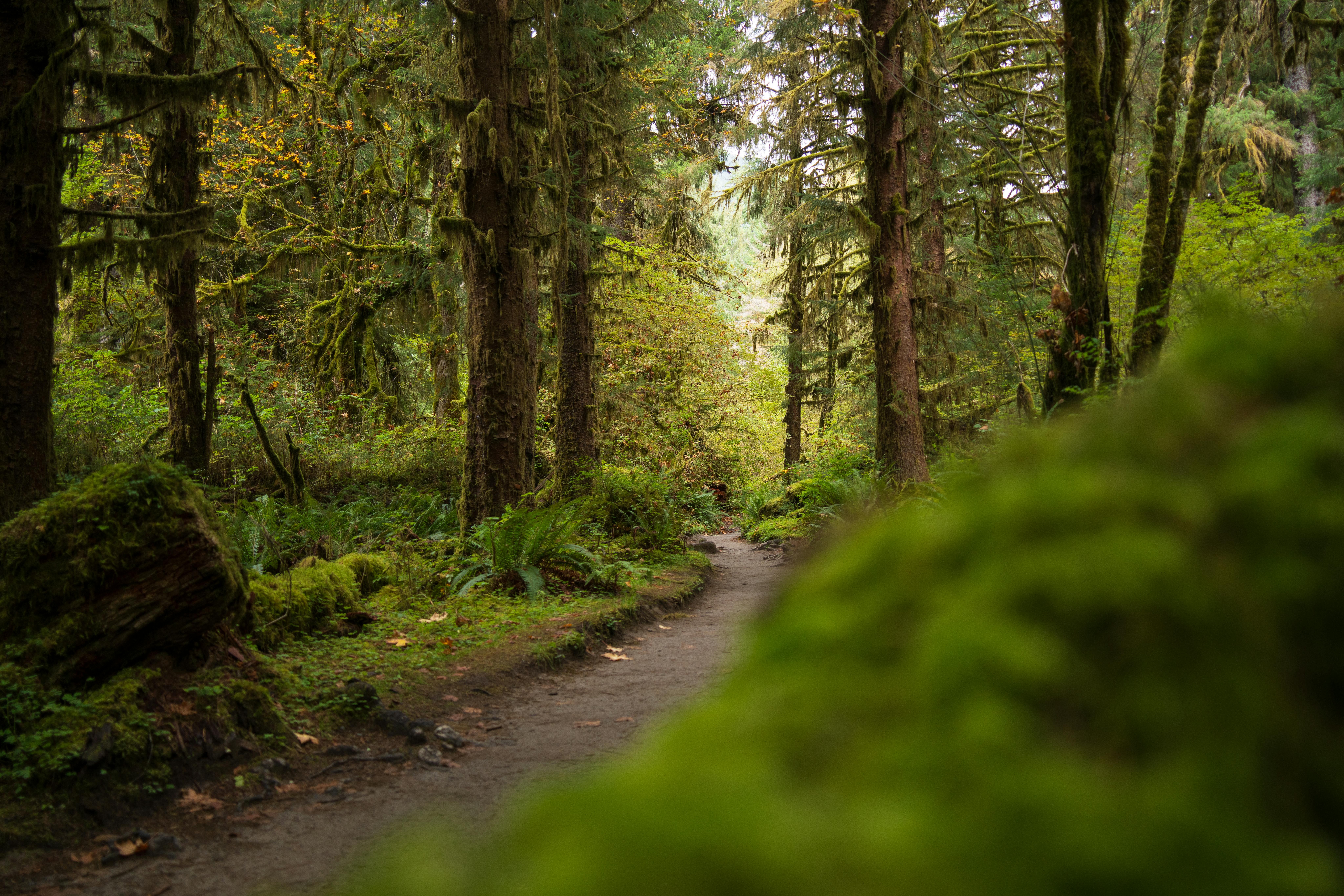
As we explore these specific parks, remember they represent just one path to an amazing trip. For a complete overview of destinations for every budget and travel style, our Family Travel Ideas: The 2026 Guide to Unforgettable Trips is your ultimate resource. This article is your specialized map to sun-drenched trails, awe-inspiring wildlife, and the kind of shared experiences that strengthen family bonds for years to come.
Why National Parks are the Ultimate Family Travel Ideas for Summer
In a world of manufactured entertainment, national parks offer something profoundly real. They are living classrooms, natural gymnasiums, and sanctuaries for the soul. For families, they present a unique opportunity to disconnect from daily routines and reconnect with each other in a meaningful way.
Unmatched Educational Value: Where else can your child see the geological forces that shaped our planet firsthand at the Grand Canyon, or watch a bison herd thunder across the plains of Yellowstone? These parks are immersive, multi-sensory learning environments that bring textbook concepts to vivid life.
Built-in Adventure: From gentle, toddler-friendly nature walks to more challenging hikes for teens, the parks are structured for adventure at every skill level. The thrill is in the discovery—spotting a bald eagle, identifying a new wildflower, or conquering a trail together.
Remarkable Affordability: Compared to theme parks or international travel, a national park vacation can be incredibly budget-friendly. An annual "America the Beautiful" pass grants access to all parks for just $80 per vehicle. With options for camping or lodging in nearby towns, you can tailor the trip to your exact financial comfort level.
A Cure for Nature Deficit Disorder: Experts increasingly recognize that time spent in nature is critical for a child's physical and mental development. It reduces stress, improves focus, and fosters creativity. A week in the woods can be the most effective reset button you’ll ever press for your family.
They are, quite simply, America's best idea, and they are waiting to be the backdrop for your family's next great story.
Your National Park Summer Adventure Playbook
Success in the wild begins with careful planning at home. The immense popularity of national parks during the summer means that spontaneity can lead to sold-out signs and disappointment. Following a proven framework is key to a smooth and memorable trip.
Step 1: The 6-12 Month Countdown - Booking Your Basecamp
Let’s start with a non-negotiable truth: if you only get one thing right in your planning, make it your lodging. In-park accommodations and popular campsites are often booked solid the day they become available, sometimes a full year in advance.
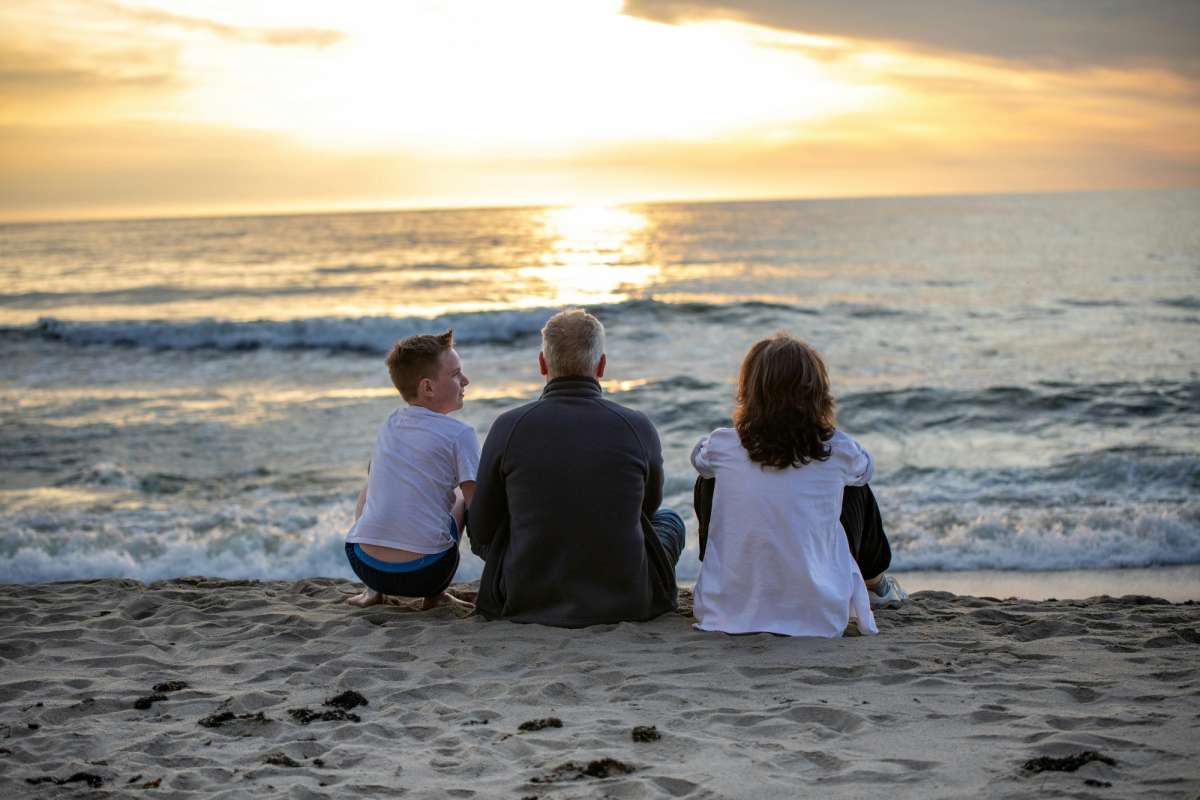
Define Your Lodging Style:
In-Park Lodges: Offer unparalleled convenience and historic charm (think the Old Faithful Inn). They are the most expensive option and require the earliest booking.
Campgrounds: Provide the most immersive nature experience. Services range from primitive sites to full RV hookups. Reservations are typically made through Recreation.gov.
Gateway Towns: Towns just outside park entrances (like West Yellowstone, MT, or Springdale, UT) offer a wide range of hotels, motels, and vacation rentals. They provide more flexibility and amenities but require daily travel into the park.
Set Your Alarms: Identify the exact date and time that reservations open for your target dates and lodging. Be online and ready to book the second they become available.
Have Backup Plans: Research and be ready to book your second and third choices immediately if your first is unavailable.
Pro-Tip: How to Actually Win the Campground Lottery
Booking a popular national park campsite on Recreation.gov is a competitive sport. Here’s how to win: a few days before your booking day, log into your account, find your desired campground, and add it to your cart to confirm the exact release time (usually 10 a.m. ET). On the day, log in 10 minutes early, sync your computer clock to the official U.S. time (time.gov), and have all your information ready. Refresh your screen precisely at the release time and complete the booking in seconds.
Step 2: The 2-3 Month Check-In - Crafting Your Itinerary
With your basecamp secured, you can now build your daily plan. The key is to balance iconic sights with downtime to avoid burnout. Our guide on How to Make Family Travel Planning Actually Easy dives even deeper into this process.
Cluster Your Activities: Parks are huge. Study the park map and group your desired activities by geographic area. Dedicate full days to specific regions, like the Yellowstone Lake area or the Tioga Road in Yosemite, to minimize driving time.
Prioritize the "Must-Sees": Identify the 2-3 iconic experiences your family absolutely cannot miss. Plan to visit these popular spots early in the morning (before 9 a.m.) or later in the afternoon (after 4 p.m.) to avoid the worst crowds and midday heat.
Involve the Kids: Give your children, especially older ones, a voice in the planning. Let them research and choose a specific trail they want to hike or a Ranger Program they want to attend. This ownership fosters excitement and cooperation.
Stay Organized from Start to Finish
A great road trip has a lot of moving parts. Our free checklist is designed to help you track everything from reservations to packing lists, ensuring nothing gets missed.
Download the free National Park Road Trip Checklist
Top National Parks for Summer Family Adventures (And What to Do There)
While every park is special, some are exceptionally well-suited for families during the summer months. Here are our top picks for incredible family travel ideas for summer in the national parks.
Yellowstone National Park: The Geothermal Wonderland
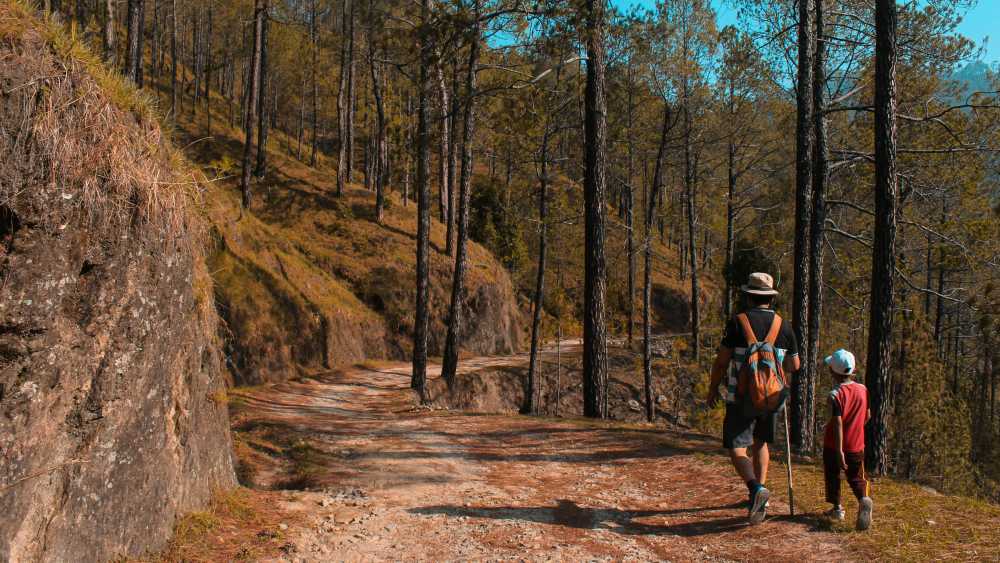
Best For: Ages 6+. The sheer scale and geothermal wonders are captivating for school-aged children and teens.
Can't-Miss Activities:
Watch Old Faithful Erupt: It’s iconic for a reason. Check the posted eruption times and find a spot on the boardwalk.
Explore the Grand Prismatic Spring: The vibrant colors of this massive hot spring are otherworldly. The best view is from the elevated overlook on the Fairy Falls Trail.
Wildlife Safari in Hayden Valley: Drive through this vast, open valley at dawn or dusk for the best chances of spotting bison, elk, grizzly bears, and even wolves.
Kid-Friendly Hike: The Storm Point Loop Trail is a relatively flat 2.3-mile loop that leads through forest to a scenic point on Yellowstone Lake.
Zion National Park: The Majestic Canyon Sanctuary
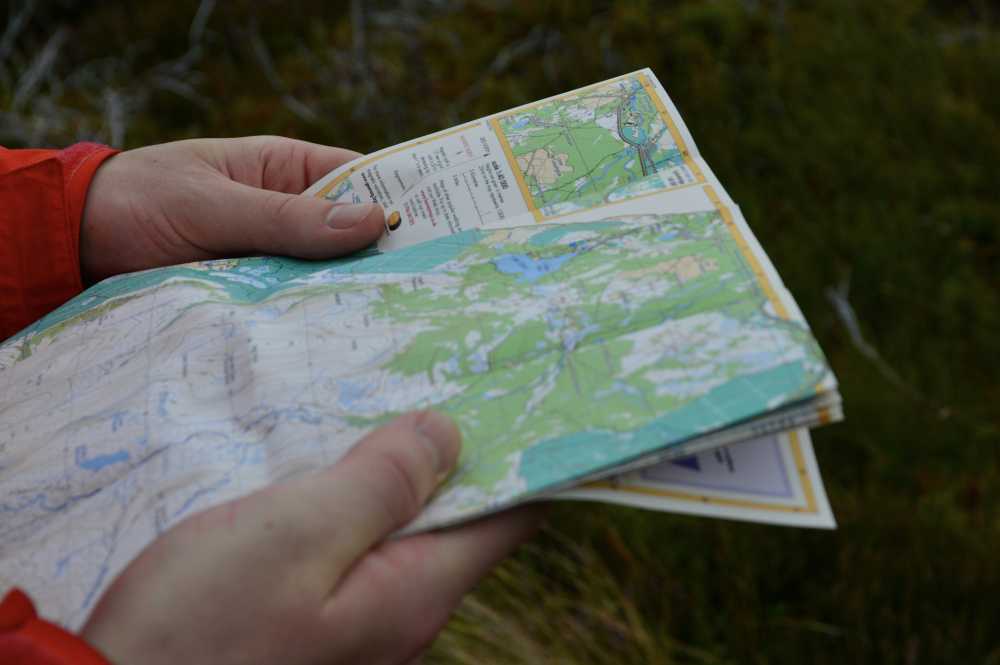
Best For: All ages, but especially families with active kids and teens.
Can't-Miss Activities:
Ride the Park Shuttle: During peak season, the mandatory shuttle is an experience in itself, offering narrated guidance and stunning views.
Walk The Narrows (Bottom-Up): Wading through the Virgin River in a 1,000-foot-deep canyon is the quintessential Zion experience. Rent proper water shoes from an outfitter in Springdale—it's a game-changer.
Hike to Emerald Pools: This series of trails leads to lush, spring-fed pools and waterfalls. The Lower Pool trail is paved and accessible for strollers.
Kid-Friendly Hike: The Pa'rus Trail is a 3.5-mile paved trail that follows the Virgin River. It's perfect for strollers, wheelchairs, and bikes.
Acadia National Park: The Coastal Gem of New England
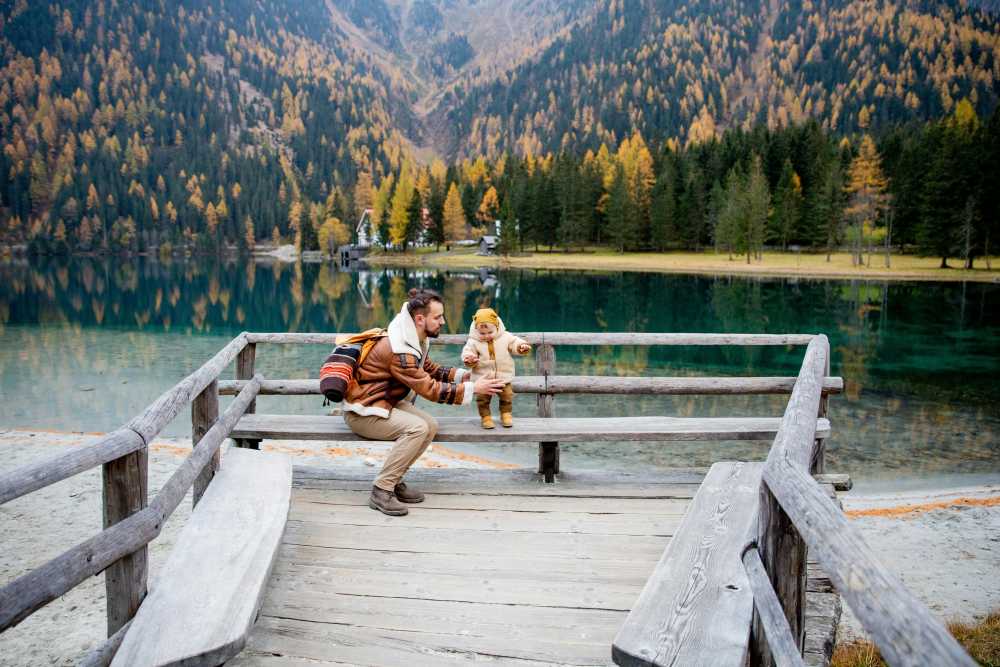
Best For: All ages. The diversity of landscapes makes it a perfect fit for multi-generational trips.
Can't-Miss Activities:
Drive the Park Loop Road: This 27-mile road hits many of the park's highlights, including Sand Beach, Thunder Hole, and Otter Cliff.
Watch the Sunrise from Cadillac Mountain: Be one of the first people in the United States to see the sunrise. Vehicle reservations are now required and must be booked in advance.
Explore the Tide Pools: At low tide, the rocky coastline near Wonderland Trail reveals a fascinating world of sea stars, crabs, and anemones.
Kid-Friendly Hike: The Jordan Pond Path is a 3.3-mile loop around a crystal-clear pond, best capped off with popovers at the Jordan Pond House.
Olympic National Park: A World of Ecosystems

Best For: Families who crave variety and have kids aged 7+. Olympic is like visiting three parks in one.
Can't-Miss Activities:
Explore the Hoh Rainforest: Walk the Hall of Mosses Trail (.8 miles), an easy loop that immerses you in a temperate rainforest dripping with green. It’s pure magic.
Discover Rialto Beach: This is the iconic Pacific Northwest coastline. Explore tide pools, admire giant driftwood, and hike to the Hole-in-the-Wall sea arch (check tide charts!).
Drive to Hurricane Ridge: Ascend nearly a mile in elevation for breathtaking panoramic views of the Olympic Mountains.
Kid-Friendly Hike: Sol Duc Falls Nature Trail is a 1.6-mile roundtrip hike through a stunning old-growth forest to a powerful, picturesque waterfall.
Common Pitfalls and How to Avoid Them
The "Too Much, Too Fast" Itinerary: Don't try to see an entire park in two days. You’ll end up with cranky kids and only see the park through a car window. Embrace a slower pace. For more on this, explore The Sanity-Saving System for Your Next Family Road Trip.
Ignoring the Junior Ranger Program: This is a mistake. The free activity booklets available at any visitor center are the single best way to engage kids aged 5-12. It transforms them from passive passengers into active explorers.
Underestimating Wildlife Safety: Seeing a bear or bison is a thrill, but these are powerful wild animals. Know and respect the rules: stay at least 100 yards from bears and wolves, and 25 yards from all other large animals. Never, ever feed wildlife.
Pro-Tip: Download the official NPS (National Park Service) app before your trip. You can save park maps and content for offline use, a lifesaver in areas with no cell service.
Packing and In-Trip Strategies
Your gear and daily approach can make or break the experience. Focus on comfort, preparedness, and flexibility.
The Essential Family Packing List:

Layered Clothing: Summer weather in the mountains is notoriously unpredictable. Pack lightweight layers—t-shirts, fleeces, and a waterproof rain jacket—for everyone.
Sturdy Footwear: Do not attempt hikes in flip-flops. Everyone needs comfortable, broken-in shoes with good traction.
Sun Protection: The sun is more intense at higher elevations. Bring wide-brimmed hats, sunglasses, and high-SPF sunscreen.
Reusable Water Bottles: Staying hydrated is critical. A large water bladder for each adult and a reusable bottle for each child is a must.
A "Go-Bag" for the Car: Keep a small backpack in the car with essentials: a first-aid kit, endless snacks, binoculars, a physical park map, and wet wipes.
Frequently Asked Questions
What is the best time of year for a national park family vacation?
While summer offers the most accessible weather and open facilities, it's also the most crowded. For fewer crowds and beautiful scenery, consider the "shoulder seasons" of late spring (May-June) and early fall (September-October). Always check specific park conditions, as weather varies greatly by region.
How far in advance should I book lodging for a national park trip?
For popular in-park lodges, you should book 12 months in advance—often the day reservations become available. For campsites, the booking window is typically 6 months in advance. Planning this far ahead is crucial for securing the best locations.
Are national parks a good vacation idea for families with toddlers?
Absolutely! Many parks feature paved, stroller-friendly trails like the Pa'rus Trail in Zion or accessible boardwalks around Yellowstone's geysers. The key is to choose the right activities, keep hikes short, and take advantage of the Junior Ranger programs, which have activities for younger children.
What's the most important thing to pack for a national park trip?
Beyond your camera, the most critical items are layered clothing and proper footwear. Mountain weather can change in an instant, so having layers ensures everyone stays comfortable. Sturdy, broken-in shoes are essential for preventing blisters and navigating uneven trails safely.
Conclusion
The beauty of a national park vacation lies in its simplicity and its power. By investing in careful planning, you are not just organizing a trip; you are building a framework for connection and creating a reservoir of shared memories that your family will draw upon for a lifetime. These family travel ideas for summer are more than just a vacation—they are an investment in your family's story.
So, use this guide to book with confidence, pack with purpose, and get ready to discover the incredible wonders waiting in your own backyard.

Read the full guide: Family Travel Ideas: The 2026 Guide to Unforgettable Trips
Don't Miss Out! Subscribe for Exclusive Content
SubscribeComments 0
No comments yet
Be the first to share your experience!
Dont Miss Out! Subscribe for Exclusive Content
San Francisco Cherry Blossoms: A Local's Guide to the Blooms
Halloween SF: Haunts Without Horrors
SF Festivals: 7 Must-See Lineups
Christmas SF: Lights & Wharf Wonders
SF Pride: 6 Route & Party Hacks