
SF Pride: 6 Route & Party Hacks

TrekGuider @trekguider
Picture it: a river of rainbow flags, glitter, and pure, unadulterated joy flowing down Market Street. The air thrums with music, cheers, and the collective heartbeat of hundreds of thousands celebrating love, identity, and resilience. This isn't just any parade; this is the legendary San Francisco Pride Parade. But for every person lost in the moment, there's another lost in the crowd, wrestling with a dead phone, a terrible view, and no idea where their friends have vanished. The sheer scale of SF Pride can be overwhelming, threatening to turn a day of pure celebration into a stressful logistical nightmare.
You’ve imagined yourself at the heart of the action, capturing the perfect photo, feeling that powerful sense of community. The reality, however, could be getting stuck behind a seven-foot-tall person, unable to see a single float, with your phone battery blinking at 3% and no cell service to find your crew. The difference between an unforgettable experience and a frustrating ordeal isn't luck—it's preparation. You deserve to experience every ounce of joy this iconic event has to offer, without the chaos and confusion that can so easily derail the day.
This is your definitive guide to conquering the celebration. We’re giving you six battle-tested route and party hacks to navigate the pride parade San Francisco like a seasoned pro. Forget the stress; this playbook ensures you soak in the history, master the logistics, and create memories that will last a lifetime, all while staying safe and comfortable.

Before You Go: Essential Prep for the Pride Parade San Francisco
Before you even think about your rainbow outfit, a little prep work will set the stage for a flawless day. The SF Pride Parade is more than a party; it’s a powerful legacy. Born from the first "gay-in" in 1970 and commemorating the key 1969 Stonewall Uprising, this event has evolved from a protest into a global platform for activism and celebration. In the 1980s, it became a crucial front line for raising AIDS awareness, and today it continues to champion the diverse spectrum of the LGBTQ+ community. Understanding this history enriches the entire experience, transforming it from a spectacle into a meaningful pilgrimage.
The 2026 SF Pride Parade is scheduled for Sunday, the last Sunday of Juneth, with the first contingents stepping off at 10:30 AM. To be ready, your day pack is your most critical asset. Here’s a non-negotiable checklist:
Hydration: Pack a reusable water bottle. There are water stations, but having your own is crucial for staying hydrated in the California sun.
Sun Protection: Sunscreen, a hat, and sunglasses are absolutely essential. There is very little shade along the parade route.
Layered Clothing: San Francisco weather is famously fickle. What starts as a chilly, foggy morning can quickly turn into a warm, sunny afternoon. A light jacket or hoodie you can tie around your waist is the smartest move you can make.
Comfortable Shoes: You will be on your feet for hours, walking and standing. Prioritize comfort over style; your feet will thank you by the end of the day.
Portable Power Bank: Your phone will be working overtime as your camera, map, and communication device. A fully charged power bank is an absolute must-have.
Snacks: While there are food vendors, lines can be long and prices high. Pack some energy bars or other easy-to-eat snacks to keep your energy levels up.
Finally, let's talk safety. SF Pride is known for its strong security measures, including advanced weapon detection technology at key entry points. While organizers work hard to create a secure environment, personal safety matters most in any large crowd. Familiarize yourself with basic protocols, like being aware of your surroundings and keeping your valuables secure. For a comprehensive look at staying safe while traveling, our Solo Female Travel Safety Guide offers invaluable tips that apply to everyone, regardless of gender, in any crowded event scenario.
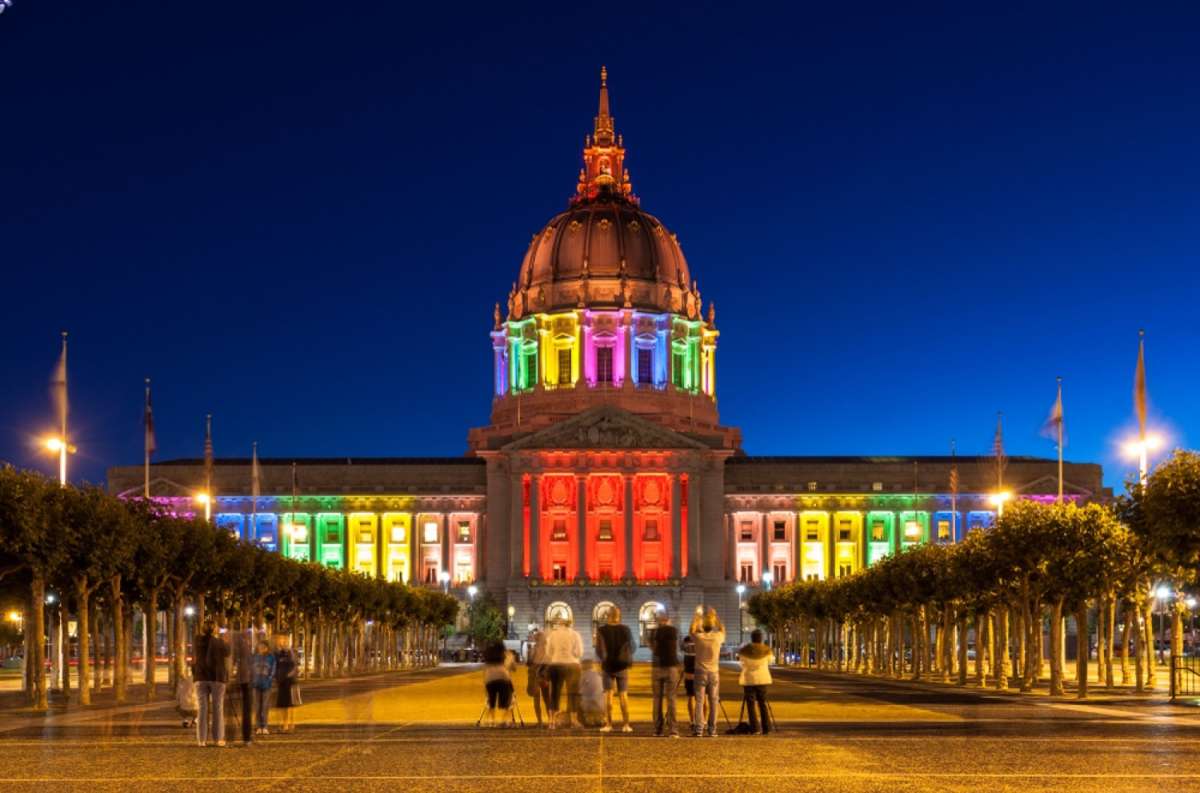
Hack #1: Master the Market Street Route for the Pride Parade San Francisco
The parade route is deceptively simple: it runs straight down Market Street, starting at Beale Street and culminating at 8th Street, right by the Civic Center Plaza. The challenge isn't knowing the route; it's knowing where on the route to be and when to be there.
The Hack: Arrive by 9 AM and choose your zone strategically. The parade officially starts at 10:30 AM, but the sidewalks begin filling up much earlier. Arriving an hour and a half beforehand allows you to claim a prime spot without having to battle the late-coming masses.
Here’s a breakdown of the route's key zones to help you decide on your ideal viewing experience:
The Starting Zone (Beale to Montgomery Street): This area is often less crowded, especially right at the beginning. You'll see all the contingents when they are fresh, energized, and at their most organized. It’s a fantastic spot for photographers who want clean shots of the floats and performers before the crowds swell. The energy here is one of joyful anticipation.
The Commercial Core (Montgomery to Powell Street): This is the heart of the parade and, consequently, the most packed section. The tall buildings create a canyon-like effect, amplifying the sound and energy. It’s an intense and exhilarating place to be, but not for the faint of heart. If you want to be in the thick of it, this is your spot, but be prepared for a tight squeeze.
The Climax Zone (Powell to 8th Street): As the parade approaches its end at the Civic Center, the energy reaches a fever pitch. This is where the performers give their all, knowing they’re approaching the main celebration. The crowd here is dense but incredibly vibrant. Positioning yourself near 8th Street gives you a head start on moving into the Civic Center Plaza for the post-parade festivities.
Pro-Tip: For a less obstructed view and better photos, try to secure a spot on the south side of Market Street. In the late morning and early afternoon, the sun will be mostly at your back, beautifully illuminating the parade without forcing you to squint. This side is often just slightly less congested than the north side.
Hack #2: The Transportation Game Plan - Ditch the Car, Embrace Public Transit
Let’s be perfectly clear: driving to the SF Pride Parade is a recipe for disaster. Street closures are extensive, parking is virtually non-existent and astronomically expensive, and navigating the gridlock will drain your celebratory spirit before you even arrive.
The Hack: Make BART (Bay Area Rapid Transit) and Muni your best friends for the day. San Francisco’s public transit system is designed to handle massive events like this, and it is by far the most efficient way to get to and from the parade.
Here’s your transit strategy:
BART: The underground trains are the fastest way to get downtown from the East Bay, the Peninsula, or other parts of the city. The key is choosing the right station to exit.
Embarcadero Station: Puts you right near the start of the parade. A great option if you plan to arrive early and watch from the beginning.
Montgomery Station: A perfect middle-ground, placing you in the energetic core of the route. It’s one of the busiest stations, so be prepared for crowds.
Powell Station: Another central option, close to the cable car turnaround and a major shopping area. Like Montgomery, expect it to be very busy.
Civic Center Station: This is your stop if you want to head directly to the post-parade celebration or watch the parade's final leg.
Muni: The city’s network of buses and light rail (Muni Metro) is another excellent choice. The F-Market & Wharves historic streetcar will be rerouted, but the Muni Metro lines run directly under Market Street, using the same stations as BART. Many bus lines will have detours, so be sure to check the SFMTA website or your favorite transit app for real-time updates on the day of the event.
Rideshare services like Uber and Lyft will be operating, but expect heavy surge pricing and designated drop-off/pick-up zones that may be several blocks away from Market Street to avoid the worst of the congestion. Public transit remains the most reliable and cost-effective option.

Hack #3: The Civic Center Celebration - Your Post-Parade HQ
The last float crossing 8th Street doesn't mark the end of the day—it marks the beginning of the next phase. The parade flows directly into the massive Pride Celebration at Civic Center Plaza, a sprawling festival with multiple stages of live music, DJs, inspiring speakers, hundreds of community booths, art installations, and food vendors.
The Hack: Have a concrete plan for navigating the festival, especially for meeting your group. Cell service in and around Civic Center Plaza can become extremely unreliable due to the sheer number of people. A "we'll find each other" approach will likely fail.
Follow these steps for a seamless transition from parade to party:
Establish a Hyper-Specific Meeting Point: Before you separate, agree on a meeting spot that is impossible to mistake. "By the main stage" is too vague. Instead, choose something like, "At the base of the statue of James Lick, on the side facing the library," or "Directly in front of the main entrance to the Asian Art Museum." Set specific times to meet there (e.g., 2 PM and 4 PM).
Pace Yourself and Hydrate: The celebration runs for hours after the parade. It's a marathon, not a sprint. Continue to drink water, find moments of shade, and don't forget to eat.
Explore with Purpose: Don't just wander aimlessly. The community booths are the soul of the celebration. You can connect with dozens of non-profits, activist groups, and local organizations. It’s an incredible opportunity to learn, connect, and find your community.
Know Your Exits: Take a moment upon arrival to orient yourself and identify the main exit points from the plaza. Knowing how to get out quickly in case of an emergency or if you simply feel overwhelmed is a smart move.

Hack #4: Beyond Market Street - Unofficial Parties & Neighborhood Vibes
The official parade and Civic Center festival are the main events, but the spirit of Pride permeates the entire city, becoming a vibrant key element of the city’s festive calendar—a calendar we explore in our broader guide to San Francisco Holidays: Bay Area Buzz.
The Hack: Dip out of the main event for a few hours to experience a different, more intimate side of Pride.
The Castro District: As the historic heart of San Francisco's LGBTQ+ community, the Castro is ground zero for Pride weekend. The streets become a massive, vibrant block party. While it will be just as crowded as the parade, the atmosphere is different—more neighborhood-focused and less structured. Grab a drink at a historic bar, watch the impromptu dance parties, and soak in the history.
Dolores Park: On Pride Sunday, the park's famous "Gay Beach" area expands to cover nearly the entire lawn. It transforms into a massive, sun-drenched picnic party. The vibe is more relaxed and bohemian than the official festival. Pack a blanket, bring some snacks, and enjoy people-watching in one of the city's most beautiful settings.
SoMa (South of Market): This neighborhood is home to many of the city's most famous clubs and venues. Throughout Pride weekend, these spaces host a huge variety of official and unofficial after-parties, from daytime DJ sets to late-night dance events. Check event listings in advance, as many of the most popular parties sell out.

Hack #5: Tech & Safety - Your Digital Toolkit for a Seamless Day
In a modern festival environment, your smartphone is your most powerful tool—if you use it wisely.
The Hack: Prep your phone and apps to be your digital command center for the day.
The Power Bank is Non-Negotiable: We mentioned it before, but it bears repeating. A dead phone means no photos, no map, and no way to contact your friends. A fully charged portable power bank is the single most important piece of tech you can bring.
Master Your Communication Apps: Standard text messages can be delayed when cell networks are overloaded. Use a data-based messaging app like WhatsApp or Signal for your group chat. Their delivery is often more reliable in dense crowds. Use the "Share Live Location" feature for a set period (e.g., 15 minutes) if you get separated and need to find your way back to your group.
Download Offline Maps: Before you leave home, download an offline map of the downtown San Francisco area in your map app of choice. Even if you lose all cell service, your phone's GPS will still work, allowing you to see your location on the map and navigate.
Embrace Official Resources: Check the official SF Pride website in the days leading up to the event. If they release an official app, download it. It will likely have the most accurate schedules, maps, and emergency alerts.
Pro-Tip: Take a screenshot of your planned meeting spots, the parade route map, and the contact info for everyone in your group. Create a dedicated photo album for these screenshots so you can access them instantly, even if your apps won't load due to poor connectivity.

Hack #6: The Exit Strategy - How to Leave Without the Headache
Just as important as your arrival plan is your exit strategy. When hundreds of thousands of people try to leave the same area at the same time, the public transit stations and rideshare zones become incredibly congested.
The Hack: Avoid leaving during the peak rush right as the festival winds down.
You have two primary strategies for a stress-free departure:
The Early Exit: If you've had your fill of the crowds and the main celebration, start making your way out before the final headliners take the stage at Civic Center. By leaving an hour before the official end time, you can beat the massive wave of people heading for the BART and Muni stations.
The Patient Wait: This is often the better option. Instead of rushing out with everyone else, wait it out. Find a restaurant or cafe a few blocks away from Civic Center, grab a bite to eat, and relax for an hour or so. Let the crowds on the transit platforms thin out. By the time you're done, your journey home will be far more pleasant.
If you're using a rideshare service, walk at least four or five blocks away from Market Street and Civic Center before you even attempt to request a ride. This will get you out of the most congested, no-pickup zones and will likely save you from the highest surge pricing.
Your Guide to an Unforgettable Pride
You are now armed with the knowledge to do more than just attend the pride parade San Francisco —you are ready to experience it with confidence, joy, and a sense of empowered preparedness. From mastering the Market Street route and navigating the Civic Center celebration to knowing the smartest ways to get there and back, you have the tools to craft a perfect day. This isn't just about avoiding stress; it's about creating space for the powerful moments of connection, celebration, and solidarity that define SF Pride. Go forth, celebrate loudly, and have an incredible time.
For a complete blueprint to planning your ultimate trip to the Bay Area, including deep dives into its other iconic holidays and hidden gems, be sure to explore our comprehensive Travel Guide.
Meta Data Suggestions:
SEO Meta Title: SF Pride: 6 Essential Hacks for the Parade Route & Parties
URL Slug: sf-pride-parade-route-party-hacks
SEO Meta Description: Master the SF Pride Parade! Get 6 expert hacks on navigating the Market Street route, finding the best parties, and staying safe in the crowds.
Don't Miss Out! Subscribe for Exclusive Content
Subscribe



Comments 0
No comments yet
Be the first to share your experience!
Dont Miss Out! Subscribe for Exclusive Content

San Francisco Cherry Blossoms: A Local's Guide to the Blooms


Halloween SF: Haunts Without Horrors

SF Festivals: 7 Must-See Lineups

Christmas SF: Lights & Wharf Wonders

Chinese New Year SF: Parade Essentials

San Francisco Holidays: Bay Area Buzz
How to Start Affiliate Marketing as a Travel Creator
TrekGuider @trekguider
You’ve built an audience that hangs on your every word. They trust your travel advice, save your destination guides, and flood your DMs asking for your gear recommendations. You have the passion and the platform, but there’s a frustrating disconnect: your content isn’t generating the income you need to make this a sustainable career. You see other creators seemingly living the dream, funding their travels through their content, and you’re left wondering, “What’s the missing piece?”

The missing piece isn’t a secret; it’s a business model. The global affiliate marketing industry is on a trajectory to surpass $93 billion, and the creator economy is right there with it. For travel creators, this intersection is the single greatest economic opportunity of our time. The average monthly income for affiliates in the travel niche is a reported $13,847—a figure that proves this isn't a side hustle; it's a serious enterprise. But from the outside, it can feel like a complex maze of networks, links, and legal jargon.
This is your way through the maze. This guide is your definitive, zero-to-launch roadmap to start affiliate marketing the right way. We’re cutting through the noise to give you a simple, actionable, step-by-step process for transforming your trusted recommendations into a powerful and predictable revenue stream. This is your blueprint for building a real business. For a complete command of the entire landscape, from program deep-dives to advanced conversion tactics, our comprehensive pillar guide to Travel Affiliate Programs: The 2026 Ultimate Guide is your essential next read.
Building Your Foundation (Before You Touch a Link)
Let’s address the single biggest mistake new creators make: they chase the links first. They see affiliate marketing as a task of finding products and sprinkling links across a page. This is backward. Elite affiliate marketing isn’t about selling; it’s the final, natural step in the process of serving an audience. Before you ever apply to a single program, you must build these three non-negotiable pillars.
Step 1: Define Your Niche (The Most Critical Decision You'll Make)
The travel market is a roaring ocean. Trying to be a general "travel creator" is like trying to boil that ocean. You’ll exhaust yourself and make no impact. Your first and most important task is to specialize. A well-defined niche allows you to become the undisputed expert for a specific group of people, building the kind of deep trust that makes monetization feel effortless.

A powerful niche exists at the intersection of three circles:
Your Authentic Passion: What part of travel makes you come alive? Is it the grit of adventure travel, the elegance of luxury hotels, the history of ancient sites, or the thrill of finding the best street food? Your genuine enthusiasm is an un-fakeable asset.
Proven Audience Demand: Are people actively searching for information on this topic? Use free tools like Google Trends or simply type phrases into the Pinterest and TikTok search bars to see what queries autocomplete. That’s your demand signal.
Clear Monetization Potential: Are there high-quality products, services, or experiences within this niche that you can confidently recommend?
Don't be a "travel blogger." Be the go-to resource for:
Budget Family Road Trips in the American Southwest
Luxury Eco-Tourism & Conservation in Costa Rica
Solo Female Backpacking in Southeast Asia
Digital Nomad Life & Co-working in Eastern Europe
A sharp niche makes every subsequent step—from content creation to product selection—infinitely easier and more effective.
Step 2: Build Your Owned Platform (Your Digital Command Center)
Instagram, TikTok, YouTube—these are phenomenal tools for reaching people and building community. But they are rented land. An algorithm change can vaporize your reach overnight. Your single most important business asset is a platform you own and control: your website.
An owned website is your digital home base. It’s where you:
Exercise Full Control: You dictate the content, the user experience, and the monetization strategy.
Build a Long-Term Asset: A well-optimized article can rank on Google for years, becoming an evergreen asset that drives traffic and affiliate sales while you sleep.
Establish Unshakable Credibility: A professional website signals to your audience, brands, and affiliate managers that you are a serious business owner.
This is where you need a digital command center. While a traditional blog is a fine starting point, modern creator platforms are built to accelerate this process. On the TrekGuider Seller Platform, for instance, your articles, bio, social links, and digital products all live in one central hub—instantly establishing you as a multi-faceted expert, not just a blogger.
Step 3: Create a Library of Foundational, High-Value Content
Before you ask for the sale, you must first provide immense value. Affiliate managers are looking to partner with creators who have a proven ability to engage an audience. Your job is to build a small library of 5-10 "pillar" content pieces that are purely focused on helping your audience solve a problem.
This content should not have a single affiliate link. Its sole purpose is to build trust and showcase your expertise. Examples include:
"The Perfect 7-Day Itinerary for First-Timers in Rome"
"The Ultimate Packing List for a Safari in Tanzania"
"10 Costly Mistakes to Avoid When Planning a Trip to Japan"
By creating this content first, you build a portfolio that makes your affiliate applications irresistible. You’re not just another hopeful creator; you’re a valuable partner with a demonstrated track record.

The Launch Sequence (From Application to First Commission)
With your foundation poured and cured, it’s time to start framing the house. This is the launch sequence—the phase where you strategically integrate monetization and work toward that first, exhilarating commission.
Step 4: How to Start Affiliate Marketing Program Selection
The goal here is precision, not volume. Joining dozens of programs leads to overwhelm and inaction. Start by identifying and joining 3-5 core programs that are a perfect fit for your niche. The most resilient strategy is a hybrid one:
Join a Major Network: An affiliate network acts as a marketplace, giving you access to hundreds of brands through a single dashboard. A travel-specific network like Travelpayouts or a broad one like CJ Affiliate is the perfect place to start.
Partner Directly with Core Brands: Identify the handful of brands your audience already knows, uses, and trusts. If you focus on outdoor adventure, a direct partnership with REI is non-negotiable.
Pro-Tip: When evaluating programs, look beyond the commission percentage. A 30-day "cookie duration" (the window in which you get credit for a sale after a click) is far more valuable than a high commission with a 24-hour window, especially for considered purchases like travel.
Step 5: Get Your Unique Links and Weave Them In
Once approved, you’ll gain access to your affiliate dashboard. This is where you’ll find your unique tracking links. Now, revisit your foundational content and look for natural, organic opportunities to place them. The key is to be a helpful guide, not a pushy salesperson.
Contextual In-Text Links: "For our day trips, we booked everything through Viator, which had the best cancellation policies."
Visually Distinct Buttons & Boxes: Use eye-catching design elements for your most important recommendations to make them stand out.
Specific Calls-to-Action (CTAs): Ditch "Click Here." Use compelling, specific language like, "Check Prices & Availability on Booking.com" or "See the Latest Reviews on Tripadvisor."
Pro-Tip: Transparency is the foundation of trust. The U.S. Federal Trade Commission (FTC) legally requires you to disclose your affiliate relationships. Place a clear, simple disclosure at the very top of any post containing affiliate links. A simple, "This post contains affiliate links, which means I may earn a commission if you make a purchase at no extra cost to you," is perfect.

Scaling Your Success (The Path to a Full-Time Income)
Earning your first commission is a monumental milestone. It’s proof of concept. Now, it’s time to build a system for sustainable growth that can transform this into a reliable, full-time income stream.
Step 6: How to Start Affiliate Marketing Traffic Generation
Great content with affiliate links is useless without eyeballs. Your affiliate business lives and dies by its ability to attract the right audience. Focus your energy on two primary channels:
Search Engine Optimization (SEO): This is your long-term wealth-building strategy. Focus your SEO efforts on keywords with commercial investigation intent. These are the phrases people use when they are actively researching a purchase. Think "best carry-on luggage for Europe," "Viator vs. GetYourGuide," or "SafetyWing insurance review." Ranking for these terms attracts an audience that is already primed to buy.
Social Media & Email Promotion: This is your short-term traffic-driving strategy. Every time you publish a new monetized article, promote it across your social channels and to your email list to get an immediate influx of engaged readers.
Step 7: Analyze, Optimize, and Scale
You cannot improve what you do not measure. Your affiliate dashboards are a goldmine of data. Every month, review your analytics and ask:
Which articles are driving the most clicks and commissions?
Which products are resonating most with my audience?
What questions are people asking that I can answer with a new piece of content?
Use this data to double down on what’s working. If your review of a specific hiking boot is generating consistent sales, create a comprehensive guide to "The Best Hiking Gear for the Pacific Crest Trail." This data-driven approach is what separates amateurs from professional affiliate marketers.

Frequently Asked Questions for New Creators
1. How much does it cost to start affiliate marketing? The startup costs are incredibly low. You can start a professional website with a domain name and hosting for less than $100 a year. The primary investment is your time in creating high-quality content.
2. How long does it take to start making money? This depends on your niche and your ability to create helpful content and drive traffic. It's realistic to expect to earn your first commission within 3-6 months if you are consistent. Think of the first six months as building the foundation of a business that will pay you for years to come.
3. Can I do affiliate marketing without a blog or website? While you can share links on social media or in a newsletter, it's highly discouraged as a primary strategy. A website is an asset you own. It builds credibility, allows for long-form content that ranks on Google, and insulates you from the risk of being de-platformed.
Ready to Build Your Travel Content Business?
Download our free resource bundle, The Travel Creator's Toolkit, is packed with the checklists, content templates, and guides you need to put these steps into action and start building your affiliate income today.
Your Business Blueprint is Set
To start affiliate marketing is to start a real business. By following this framework—building a solid foundation, launching with precision, and scaling with data—you have the exact blueprint for success. You are no longer just a creator sharing your passion; you are the CEO of a modern media company.
The path is clear. The opportunity is immense. Your journey from passionate traveler to profitable creator starts now.
Read the full guide: The Travel Blogger's Playbook to Affiliate Marketing Mastery
Don't Miss Out! Subscribe for Exclusive Content
SubscribeComments 0
No comments yet
Be the first to share your experience!
Dont Miss Out! Subscribe for Exclusive Content

FTC Affiliate Disclosure Essentials: Stay Compliant as a Travel Creator

Essential Affiliate Tools: From Tracking to Full Optimization

Avoid These 5 Affiliate Landing Page Mistakes for Better Conversions

Affiliate Keyword Research Mastery for Travel Blogs

Booking.com Affiliate Program Review: Pros, Cons, and Earnings Potential

Decoding Affiliate Commission Rates: Benchmarks for Travel Creators
Skip the Crowds: 8 Amazing Family Vacation Destinations
TrekGuider @trekguider
Tired of scrolling through the same lists of crowded, overpriced family vacation spots? You're not just looking for a random vacation; you're hunting for a genuine experience. You want a trip that sparks real curiosity in your kids and forges memories that last longer than the flight home, but the standard destinations can feel like a treadmill of long lines and manufactured fun.
The real frustration is the fear of choosing wrong. You know there are incredible, unique places across the USA that could offer your family a real adventure, but finding them feels like searching for a needle in a digital haystack. You worry about picking a spot that results in bored teenagers, overwhelmed toddlers, or a trip that feels more stressful than your daily routine.
This guide is your solution. It’s a curated map to America's hidden gems—the destinations that deliver authentic charm, thrilling adventures, and precious family connection, without the overwhelming crowds. For a broader look at how to choose the perfect trip style for your crew, be sure to check out our comprehensive Family Travel Ideas: The 2026 Guide to Unforgettable Trips before diving into these specific locales.
Why Skip the Crowds? Uncovering America's Best-Kept Secrets
Let's be clear: choosing a hidden gem isn't just about avoiding crowds. It's a strategic decision to trade manufactured fun for authentic discovery. It's the difference between waiting in line for a ride and watching wild ponies roam on a pristine beach.
Instead of an overpriced city tour, you're exploring ancient cliff dwellings with your kids. These are the family vacation destinations that offer more than just a getaway; they offer a story. We’ve handpicked locations that excel in three key areas: authenticity, value, and manageable logistics for families.

Ready to Get Organized?
Planning the perfect trip requires the right tools. Before you dive into these amazing destinations, grab our free Travel Itinerary Template. It's the easiest way to organize your days, keep track of bookings, and make your family travel planning actually easy.
Secret Shores & Lakeside Sanctuaries
For families who feel the call of the water, these destinations offer a refreshing alternative to the usual packed coasts.
1. Chincoteague Island, Virginia: Wild Ponies and Salty Air
Forget the high-rises and boardwalks. Chincoteague Island is a laid-back sanctuary on Virginia's Eastern Shore, famous for the wild ponies that roam the adjacent Assateague Island National Seashore. This is a place that runs on a slower, more natural clock.

The Vibe: A classic, unpretentious beach town where the main attractions are provided by nature. It's all about bike rides, bird watching, and beachcombing.
Best For: Families with elementary-aged children who love animals and nature.
Best Time to Visit: Late spring and early fall offer beautiful weather and fewer crowds. The annual Pony Swim in late July is a bucket-list event, but book accommodations a year in advance.
Can't-Miss Activities:
Take a wildlife boat tour: This is non-negotiable. It's the best way to see the wild ponies, dolphins, and stunning shorebirds up close.
Bike the refuge trails: The flat, paved paths of the Chincoteague National Wildlife Refuge are perfect for a leisurely family bike ride to the beach.
Go crabbing off a public dock: Rent a simple crab pot and line for an afternoon of old-fashioned fun. It's a rite of passage here.
Climb the Assateague Lighthouse: The view from the top gives you a fantastic perspective of the islands.
2. Traverse City, Michigan: The "Caribbean of the North"
Nestled on the shores of Lake Michigan's Grand Traverse Bay, Traverse City boasts stunning freshwater beaches with turquoise water and towering sand dunes. Its family-friendly atmosphere rivals any ocean destination.

The Vibe: Wholesome, active, and quintessentially Midwestern summer. It blends stunning natural beauty with charming small towns and a thriving food scene.
Best For: Multigenerational families looking for a mix of relaxation and accessible activities.
Best Time to Visit: July and August for the warmest swimming weather. The National Cherry Festival in early July is popular but extremely crowded; consider late August for a more relaxed trip.
Can't-Miss Activities:
Conquer Sleeping Bear Dunes: Climb the massive Dune Climb for an incredible view and then run, roll, or slide down to the shore of Glen Lake.
Hunt for Petoskey Stones: Spend an afternoon walking the shores of Lake Michigan, searching for these unique fossilized stones.
Kayak the Crystal River: This gentle, crystal-clear river is perfect for a family float, winding through lush forests.
Explore Fishtown in Leland: Walk through the historic, weathered fishing shanties, now home to quirky shops and galleries.
3. The San Juan Islands, Washington: An Archipelago Adventure
Just a scenic ferry ride from Seattle, this collection of islands feels like a world away. Life here revolves around the water, from whale watching to kayaking in serene coves. Each island has its own personality, from the bustling Friday Harbor on San Juan Island to the pastoral quiet of Lopez Island.

The Vibe: Pacific Northwest bliss. It’s relaxed, eco-conscious, and breathtakingly beautiful, with a focus on wildlife and quiet exploration.
Best For: Families with kids of all ages who appreciate nature and a slower pace.
Best Time to Visit: July and August offer the sunniest, warmest weather, which is also the peak season for whale watching.
Budget-Saving Tip: Pack a cooler with picnic supplies and snacks. Groceries and restaurants on the islands can be pricey, and a beach picnic is part of the classic San Juan experience.
Can't-Miss Activities:
Go on a Whale Watching Tour: The San Juans are one of the best places in the world to see orcas in the wild. It’s an unforgettable experience.
Visit Lime Kiln Point State Park: Known as "Whale Watch Park," you can often spot whales right from the shoreline.
Explore the sculpture park: The 20-acre San Juan Islands Sculpture Park near Roche Harbor is a fantastic place for kids to run around and interact with art.
Bike around Lopez Island: Known as the "Friendly Isle" for its gentle terrain and waving locals, Lopez is perfect for a family bike ride.
Pro-Tip: Ferry reservations are absolutely essential, especially during the summer. Book your vehicle spot on the Washington State Ferries website as soon as your travel dates are confirmed.
Mountain Escapes & Park Alternatives
For families craving fresh air and epic landscapes, these destinations provide all the majesty of the more famous national parks with a fraction of the traffic. For more ideas like these, don't miss our guide to 4 Unforgettable National Park Family Travel Ideas.
4. Custer State Park, South Dakota: The Crown Jewel of the Black Hills
Often treated as a side trip from Mount Rushmore, Custer State Park is a world-class destination in its own right. With 71,000 acres of breathtaking landscapes and wildlife that rivals the big-name parks, it's arguably one of the best state parks in the nation.
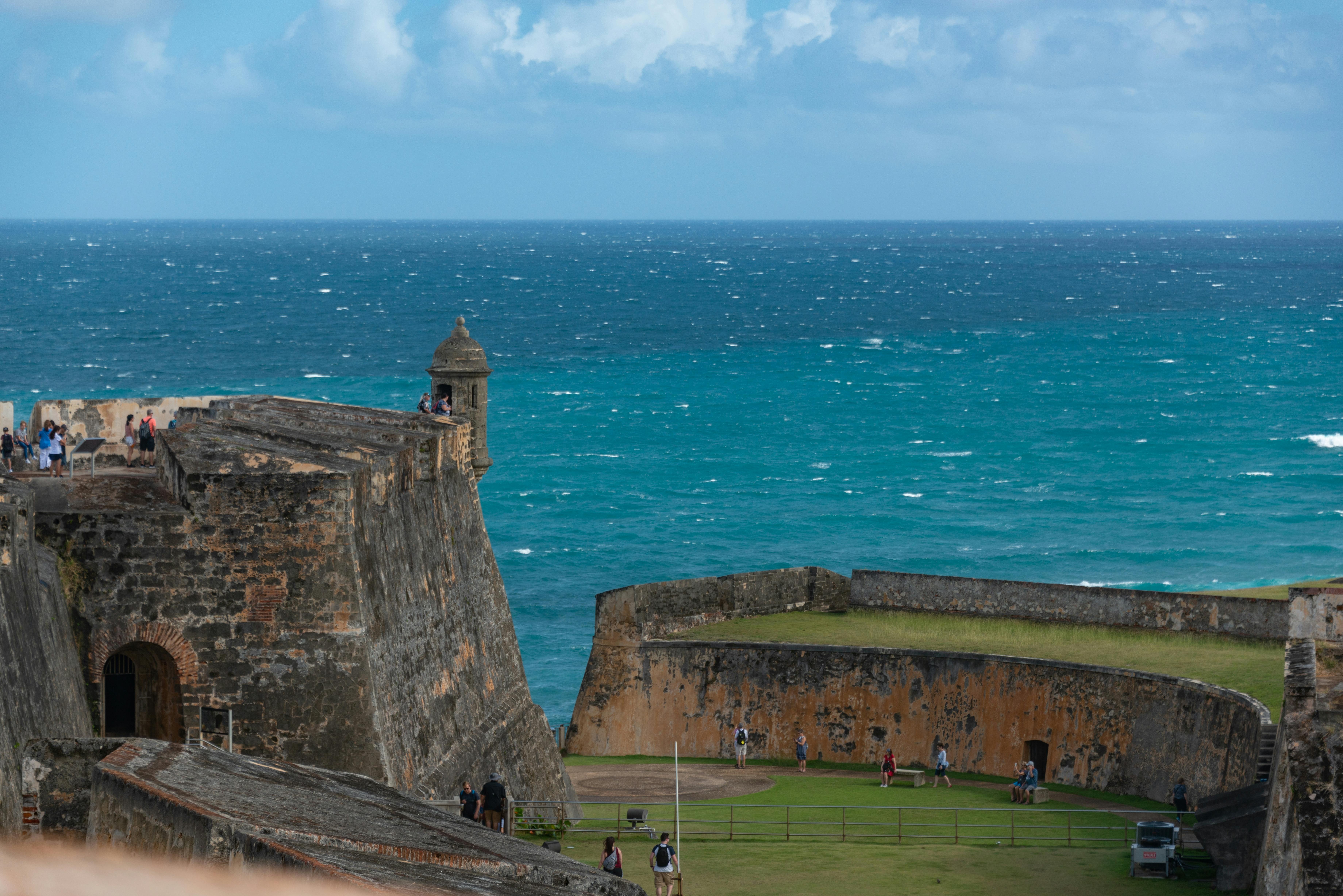
The Vibe: Wild West writ large. It's a world of granite spires, rolling prairies, and massive bison herds that feels both accessible and untamed.
Best For: Active families with kids aged 7+ who love hiking and wildlife spotting.
Best Time to Visit: Early June or September to avoid the massive crowds from the Sturgis Motorcycle Rally (early August).
Can't-Miss Activities:
Drive the Wildlife Loop Road at dusk: This is when the animals are most active. You're almost guaranteed to get stuck in a "bison jam."
Navigate the Needles Highway: This incredible 14-mile road twists and turns through towering granite spires and narrow tunnels carved from rock.
Swim or kayak on Sylvan Lake: This impossibly scenic lake, surrounded by rock formations, is the perfect spot for an afternoon on the water.
Hike to Black Elk Peak: For ambitious families, the hike to the highest point east of the Rockies offers unforgettable 360-degree views.
5. The Finger Lakes, New York: Gorges, Falls, and Lakeside Fun
This stunning region in upstate New York is known for its 11 long, narrow lakes and wineries. But its true hidden gem status for families comes from its spectacular state parks, filled with dramatic gorges and countless waterfalls.
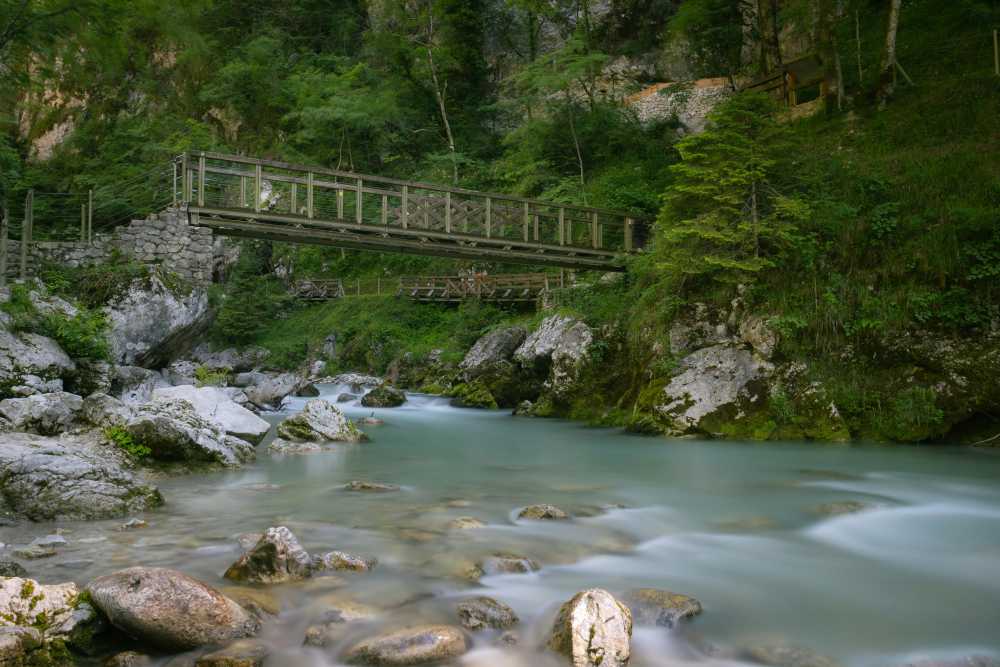
The Vibe: A natural waterpark carved by glaciers. It's a place for active exploration followed by relaxing evenings by the lake.
Best For: Families with energetic kids and teens who love to hike, swim, and explore.
Local Flavor: Don't leave without trying a "grape pie," a regional specialty that's a delicious nod to the area's Concord grape heritage.
Can't-Miss Activities:
Walk the Gorge Trail at Watkins Glen: The trail takes you over, under, and behind 19 incredible waterfalls in just two miles.
Swim at the base of a waterfall: Robert H. Treman State Park has a classic swimming hole right below a massive waterfall, complete with a diving board.
Get hands-on at the Corning Museum of Glass: The live glass-blowing demonstrations are mesmerizing, and you can even make your own glass creation.
Rent a pontoon boat: Spend a day on Cayuga or Seneca Lake, jumping in for a swim and enjoying the scenery from the water.
6. The Berkshires, Massachusetts: Culture in the Countryside
Nestled in the rolling hills of western Massachusetts, The Berkshires offer a unique blend of outdoor adventure and world-class culture. You can hike a mountain in the morning and listen to a symphony concert on the lawn at Tanglewood in the evening.

The Vibe: Rustic sophistication. It’s a haven for artists and nature lovers, with charming small towns and a palpable creative energy.
Best For: Families with a mix of interests, from art and music to hiking and swimming.
Best Time to Visit: Summer for the full slate of cultural festivals. Fall is breathtaking with its famous foliage.
Can't-Miss Activities:
Hike to the summit of Monument Mountain: A moderate hike rewards you with panoramic views that once inspired famous authors.
Explore the Norman Rockwell Museum: Even kids who aren't "museum people" will connect with Rockwell's relatable and iconic images of American life.
Go for a swim at Lake Pontoosuc: This public lake has a sandy beach and is a popular spot for families to cool off.
Wander through the town of Stockbridge: This is the quintessential New England town, so picturesque it was immortalized in a Rockwell painting.
Places That Tell a Story: History & Culture Off the Beaten Path
These unique destinations offer a chance to engage with American history and culture in a way that’s truly captivating for the whole family.
7. Mesa Verde National Park, Colorado: A City in the Cliffs
This UNESCO World Heritage Site protects nearly 5,000 archeological sites, including 600 incredibly preserved cliff dwellings of the Ancestral Pueblo people. This isn't just history behind glass; it's history you can touch and climb into.

The Vibe: Awe-inspiring and humbling. It connects you to a deep and ancient American story in a profoundly tangible way.
Best For: Families with school-aged children (age 7+) interested in history and adventure. Note that some tours involve climbing steep ladders.
Pro-Tip: Tour tickets for Cliff Palace and Balcony House are released 14 days in advance on recreation.gov and sell out almost instantly. Be online the moment they become available.
Can't-Miss Activities:
Tour a cliff dwelling: A ranger-led tour of Cliff Palace or Balcony House is the absolute highlight.
Drive the Mesa Top Loop Road: This 6-mile drive has easily accessible overlooks that tell the chronological story of the Ancestral Pueblo people.
See Spruce Tree House: The view of this massive dwelling from the overlook near the museum is spectacular.
Become a Junior Ranger: The park's program is excellent and is a fantastic way to engage kids in learning about the park's history.
8. St. Augustine, Florida: Where America's Story Begins
Founded in 1565, St. Augustine offers a slice of colonial Spanish history on the Florida coast. With its cobblestone streets, imposing fortress, and tales of pirates, it's a city that sparks the imagination.

The Vibe: A European city that washed up on a Florida beach. It's historic, walkable, and packed with unique attractions.
Best For: Families with a wide range of ages—from young kids who love pirates to teens who can appreciate the deep history.
Best Time to Visit: Spring and fall have the most pleasant weather for walking. The "Nights of Lights" festival from November to January is magical.
Can't-Miss Activities:
Explore the Castillo de San Marcos: Kids love running around the ramparts of the oldest masonry fort in the continental U.S. Don't miss the cannon firing demonstrations.
Hunt for treasure at the Pirate & Treasure Museum: This is a surprisingly well-done museum with authentic pirate artifacts.
Climb the St. Augustine Lighthouse: Brave the 219 steps for a stunning panoramic view of the city and the Atlantic Ocean.
Hit the beach: Just a short drive away, St. Augustine Beach offers miles of wide, white sand perfect for sandcastles and splashing.
Frequently Asked Questions
What are the main benefits of choosing a less-crowded family vacation destination?
The biggest benefits are a more relaxed pace, lower costs, and more authentic experiences. You'll spend less time waiting in lines and more time connecting with your family and the destination itself, often creating much richer memories.
Are "hidden gem" destinations good for families with toddlers or teens?
Absolutely. The key is matching the destination's activities to your kids' ages and interests. A place like Chincoteague is perfect for young, animal-loving kids, while the hiking and history of Mesa Verde or the gorges of the Finger Lakes are fantastic for engaging older kids and teens.
What's the best way to find unique vacation spots beyond this list?
Start by looking at state parks instead of only national parks, which are often just as beautiful but with fewer crowds. You can also explore regions just outside major tourist hubs or ask for recommendations in online travel communities focused on specific interests like hiking or history.
Create Your Own Adventure
Choosing one of these hidden gems is about more than just avoiding crowds; it’s an intentional decision to seek out a different kind of trip. It’s about finding the places that allow your family to connect—with nature, with history, and most importantly, with each other.
These unique family vacation destinations prove that the most memorable adventures are often found on the roads less traveled. So, break free from the conventional lists, pack your bags with a sense of curiosity, and get ready to create a family story that is uniquely yours.
Read the full guide: Family Travel Ideas: The 2026 Guide to Unforgettable Trips
Don't Miss Out! Subscribe for Exclusive Content
SubscribeComments 0
No comments yet
Be the first to share your experience!
Dont Miss Out! Subscribe for Exclusive Content

Ultimate USA Holidays Guide: Top Picks
FTC Affiliate Disclosure Essentials: Stay Compliant as a Travel Creator
Essential Affiliate Tools: From Tracking to Full Optimization
Booking.com Affiliate Program Review: Pros, Cons, and Earnings Potential
Decoding Affiliate Commission Rates: Benchmarks for Travel Creators

Amazon Associates for Travel: Strategies to Maximize Commissions
5 Critical Affiliate Marketing Mistakes to Dodge in 2026
TrekGuider @trekguider
Let’s be honest. You’re creating fantastic travel content, but your affiliate dashboard looks like a ghost town. You’re putting in the hours, but the income isn’t following. It’s the single most frustrating part of this business, and it’s a sign that something is fundamentally wrong with your strategy.
You see the industry reports—the affiliate marketing world soaring past 93 billion, with the average travel affiliate earning a reported $13,847 a month—and it feels like it’s happening in another universe. It’s not. The difference is strategy. The highest-earning creators aren't just better at creating content; they're better at avoiding the invisible but critical affiliate marketing mistakes that silently sabotage a business.

This is your definitive "what not to do" playbook. We’re exposing the five most destructive pitfalls that derail even the most talented travel creators. Dodging these errors is the key to plugging the leaks in your strategy, protecting your brand, and finally building the profitable, resilient business you deserve. For a complete command of the entire affiliate ecosystem, from program selection to advanced conversion tactics, our definitive pillar page, Travel Affiliate Programs: The 2026 Ultimate Guide, is your essential command center.
Mistake #1: Ignoring the Law (The FTC Disclosure Fail)
Of all the affiliate marketing mistakes a creator can make, this one is the most dangerous. In the rush to monetize, many either forget to disclose their affiliate relationships or, more commonly, do it incorrectly. They bury a vague statement in the footer, hide it on a separate page, or tuck it into a block of hashtags. They treat it as a legal chore to be minimized.
Why It's Critical: This isn't just bad practice; it's illegal. In the U.S., the Federal Trade Commission (FTC) legally requires a "clear and conspicuous" disclosure of any "material connection" between you and a brand. Failing to comply can get you kicked out of affiliate programs and attract unwanted legal attention. More importantly, it shatters the single most valuable asset you own: your audience's trust. In the creator economy, transparency isn't just a virtue; it's a non-negotiable business strategy.
The Fix: Embrace Radical Transparency.
Your disclosure must be impossible to miss and easy to understand. It’s not a footnote; it’s a badge of honor that signals your professionalism. A compliant disclosure meets four simple criteria:
Placement: It must appear before any affiliate links. For a blog post, this means at the very top of the article.
Prominence: It must be easy to see, in a readable font and color.
Presentation: It must be in plain, simple language that anyone can understand.
Proximity: It must be on the same page as the links themselves.

Pro-Tip: A simple, friendly disclosure at the top of your post is perfect. Something like: (Heads up! This post contains affiliate links. If you book or buy something through one of my links, I may earn a small commission at no extra cost to you. This helps me keep the adventures coming. Thanks for your support!)
Mistake #2: Building Your Business on Rented Land (The "Social-Only" Trap)
You've built a thriving community on Instagram or TikTok. Your engagement is high, and your audience trusts you. So, you decide to run your entire affiliate business from that platform, relying on a "link in bio" tool as your sole monetization engine. This strategy is incredibly common, and it's one of the most fragile business models a creator can adopt.
Why It's Critical: When your business lives exclusively on a social media platform, you are building on rented land. You don't own your audience, you don't control the algorithm, and you don't set the rules. A single algorithm change can vaporize your reach overnight. In the worst-case scenario, your account can be suspended, and your entire business vanishes in an instant.

The Fix: Build Your Empire on an Owned Platform.
Your social media channels are phenomenal for audience engagement, but your website or blog is your single most important strategic asset. An owned platform is your digital home base.
It's an Asset You Control: You dictate the content, user experience, and monetization strategy, insulating your business from volatile algorithms.
It's a Long-Term Traffic Engine: A well-optimized blog post can rank on Google for years, becoming an evergreen asset that drives affiliate sales while you sleep.
It's Your Hub for Deeper Monetization: An owned platform is the perfect place to evolve beyond affiliate links and start selling your own digital products. Modern creator platforms like the TrekGuider Platform are designed specifically for this, giving you a central hub to publish your articles right alongside the premium guides, maps, and itineraries you sell—establishing you as a multi-faceted expert.
Mistake #3: Putting All Your Eggs in One Basket (The Over-Reliance Risk)
For many creators, "affiliate marketing" is synonymous with one program: Amazon Associates. It's easy to join and has an unmatched variety of products, so it's tempting to make it the beginning and end of your affiliate strategy. This hyper-focus on a single program is a ticking time bomb.
Why It's Critical: Relying on one affiliate program for the majority of your income is a high-risk gamble. That program holds all the power. They can—and do—change their terms with little warning. Amazon itself has famously slashed commission rates in key categories overnight, decimating the incomes of creators who were not diversified. If that program shuts down or terminates your account, your business is crippled.
The Fix: Build a Diversified and Resilient Affiliate Portfolio.
A professional affiliate marketer is like a smart investor: they diversify. Aim to build a strong portfolio of 3-5 core affiliate programs that align with your niche. A healthy mix for a travel creator should cover all aspects of a trip:
Accommodations: Expedia Group or Agoda
Tours & Activities: Viator or GetYourGuide
Travel Insurance: SafetyWing or World Nomads
Gear & Apparel: Amazon Associates plus a specialty retailer like REI
This diversification creates multiple, independent income streams. A negative change in one program will be a minor setback, not an existential threat to your business.

Mistake #4: Chasing Commissions, Not Solving Problems
You're researching programs and see two options for a travel backpack. Program A offers a 3% commission, while Program B offers a flashy 10%. You immediately sign up for Program B and start promoting that backpack, even though you know the one from Program A is a slightly better product for your audience. This is the siren song of high commissions, and it leads directly onto the rocks of broken trust.
Why It's Critical: This is the fastest way to destroy your brand. Your audience follows you for your authentic expertise. The moment they sense you are prioritizing your own paycheck over their best interests, that trust evaporates. They can smell a hard sell a mile away. Once trust is gone, your influence is gone, and your ability to earn any income—from any source—is gone with it.

The Fix: Adopt an "Audience-First" Mentality.
Your long-term success is directly proportional to the amount of trust you build. Make it your mission to recommend only the best possible solution for your audience, regardless of the commission.
Promote What You Use and Love: The most powerful reviews come from genuine, personal experience.
Be Radically Honest: If a product has flaws, mention them. This balanced perspective makes your praise exponentially more believable.
Solve the Problem, Don't Push the Product: Frame your content around solving your audience's problems. The product is simply the tool that helps them achieve their goal.
Pro-Tip: Often, the product with the lower commission rate can actually be more profitable if it has a higher conversion rate or a longer cookie duration. Always prioritize the best product for your audience; the trust you build will lead to far more sales in the long run.
Mistake #5: Not Reading the Fine Print (Violating Program Terms)
You've been approved for a new affiliate program and you're excited to get started. You skim the welcome email, grab your links, and start promoting. You don't bother to read the full Terms of Service because it's long, boring, and filled with legalese. This is a simple oversight that gets countless creators kicked out of programs, often with all of their pending commissions forfeited.
Why It's Critical: Every affiliate program has a strict set of rules, and ignorance is not an excuse. Violating these terms—even accidentally—can result in immediate and permanent termination. All the hard work you put into driving sales becomes worthless in an instant.

The Fix: Treat It Like a Business Contract (Because It Is).
Take 15 minutes to carefully read the Terms of Service for every program you join. Pay special attention to the most common violations:
PPC Bidding Restrictions: Most programs forbid you from bidding on their branded keywords (e.g., "G Adventures promo code") in Google Ads.
Self-Referrals: You are almost never allowed to use your own affiliate links to make personal purchases.
Link Cloaking Rules: Some programs have specific rules about how you can present or "cloak" their links.
Referral Program Terms: This applies equally to referral programs. You must understand the specific conditions for a successful conversion. For example, a platform might have bonus terms that require a referred user to make a purchase within a 7-day window for you to earn a commission. Ignoring these details means you do all the work of referring a new user without getting the reward.
Frequently Asked Questions (FAQ)
1. What's the single biggest mistake new affiliates make? The most common error is Mistake #4: chasing high commissions instead of solving their audience's problems. This erodes trust, which is the foundation of any successful creator business. Always recommend the best product, not just the one that pays the most.
2. How quickly can I fix these mistakes? You can start fixing them today. These aren't technical challenges; they are strategic shifts. You can add a proper disclosure to your top posts in minutes, decide to build out your own website this week, and diversify your program portfolio over the next month. It's about changing your approach.
3. Is it better to have a blog or just use social media for affiliate marketing? While you can earn money on social media, it's a high-risk strategy. As we covered in Mistake #2, a blog or website is an asset you own and control. The smartest strategy is to use social media to drive traffic to your owned platform, where you have full control over monetization and your audience relationship.
Build a Bulletproof Business Avoiding these critical affiliate marketing mistakes isn't about being restrictive; it's about being a professional. To build your business the right way from the ground up, with professional systems and a clear strategy, you need the right resources. Our ultimate resource bundle, The Travel Creator's Toolkit, is packed with the checklists, templates, and guides you need to start building a profitable and resilient content empire today. Download it for free and turn your passion into a profession.
Read the full guide: The Travel Blogger's Playbook to Affiliate Marketing Mastery
Don't Miss Out! Subscribe for Exclusive Content
SubscribeComments 0
No comments yet
Be the first to share your experience!
Dont Miss Out! Subscribe for Exclusive Content
Ultimate USA Holidays Guide: Top Picks
FTC Affiliate Disclosure Essentials: Stay Compliant as a Travel Creator
Essential Affiliate Tools: From Tracking to Full Optimization
Avoid These 5 Affiliate Landing Page Mistakes for Better Conversions
Affiliate Keyword Research Mastery for Travel Blogs