
SF Pride: 6 Route & Party Hacks

TrekGuider @trekguider
Picture it: a river of rainbow flags, glitter, and pure, unadulterated joy flowing down Market Street. The air thrums with music, cheers, and the collective heartbeat of hundreds of thousands celebrating love, identity, and resilience. This isn't just any parade; this is the legendary San Francisco Pride Parade. But for every person lost in the moment, there's another lost in the crowd, wrestling with a dead phone, a terrible view, and no idea where their friends have vanished. The sheer scale of SF Pride can be overwhelming, threatening to turn a day of pure celebration into a stressful logistical nightmare.
You’ve imagined yourself at the heart of the action, capturing the perfect photo, feeling that powerful sense of community. The reality, however, could be getting stuck behind a seven-foot-tall person, unable to see a single float, with your phone battery blinking at 3% and no cell service to find your crew. The difference between an unforgettable experience and a frustrating ordeal isn't luck—it's preparation. You deserve to experience every ounce of joy this iconic event has to offer, without the chaos and confusion that can so easily derail the day.
This is your definitive guide to conquering the celebration. We’re giving you six battle-tested route and party hacks to navigate the pride parade San Francisco like a seasoned pro. Forget the stress; this playbook ensures you soak in the history, master the logistics, and create memories that will last a lifetime, all while staying safe and comfortable.

Before You Go: Essential Prep for the Pride Parade San Francisco
Before you even think about your rainbow outfit, a little prep work will set the stage for a flawless day. The SF Pride Parade is more than a party; it’s a powerful legacy. Born from the first "gay-in" in 1970 and commemorating the key 1969 Stonewall Uprising, this event has evolved from a protest into a global platform for activism and celebration. In the 1980s, it became a crucial front line for raising AIDS awareness, and today it continues to champion the diverse spectrum of the LGBTQ+ community. Understanding this history enriches the entire experience, transforming it from a spectacle into a meaningful pilgrimage.
The 2026 SF Pride Parade is scheduled for Sunday, the last Sunday of Juneth, with the first contingents stepping off at 10:30 AM. To be ready, your day pack is your most critical asset. Here’s a non-negotiable checklist:
Hydration: Pack a reusable water bottle. There are water stations, but having your own is crucial for staying hydrated in the California sun.
Sun Protection: Sunscreen, a hat, and sunglasses are absolutely essential. There is very little shade along the parade route.
Layered Clothing: San Francisco weather is famously fickle. What starts as a chilly, foggy morning can quickly turn into a warm, sunny afternoon. A light jacket or hoodie you can tie around your waist is the smartest move you can make.
Comfortable Shoes: You will be on your feet for hours, walking and standing. Prioritize comfort over style; your feet will thank you by the end of the day.
Portable Power Bank: Your phone will be working overtime as your camera, map, and communication device. A fully charged power bank is an absolute must-have.
Snacks: While there are food vendors, lines can be long and prices high. Pack some energy bars or other easy-to-eat snacks to keep your energy levels up.
Finally, let's talk safety. SF Pride is known for its strong security measures, including advanced weapon detection technology at key entry points. While organizers work hard to create a secure environment, personal safety matters most in any large crowd. Familiarize yourself with basic protocols, like being aware of your surroundings and keeping your valuables secure. For a comprehensive look at staying safe while traveling, our Solo Female Travel Safety Guide offers invaluable tips that apply to everyone, regardless of gender, in any crowded event scenario.
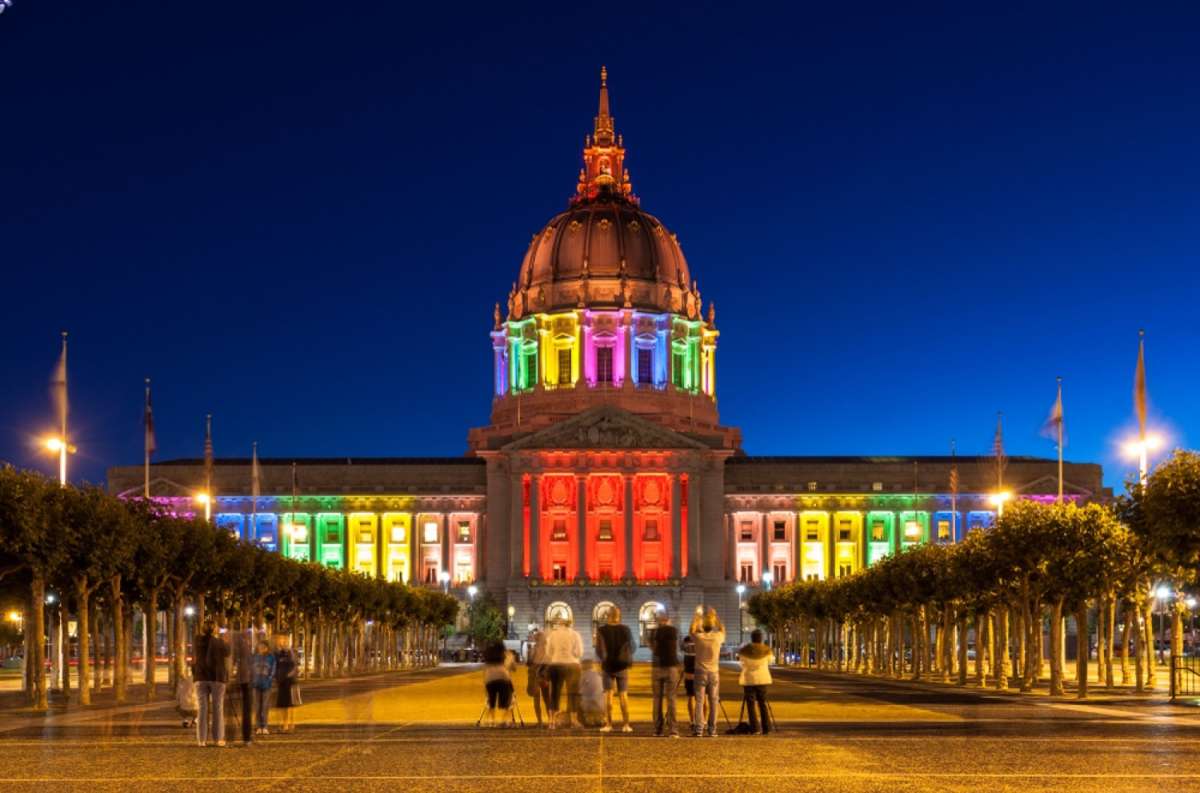
Hack #1: Master the Market Street Route for the Pride Parade San Francisco
The parade route is deceptively simple: it runs straight down Market Street, starting at Beale Street and culminating at 8th Street, right by the Civic Center Plaza. The challenge isn't knowing the route; it's knowing where on the route to be and when to be there.
The Hack: Arrive by 9 AM and choose your zone strategically. The parade officially starts at 10:30 AM, but the sidewalks begin filling up much earlier. Arriving an hour and a half beforehand allows you to claim a prime spot without having to battle the late-coming masses.
Here’s a breakdown of the route's key zones to help you decide on your ideal viewing experience:
The Starting Zone (Beale to Montgomery Street): This area is often less crowded, especially right at the beginning. You'll see all the contingents when they are fresh, energized, and at their most organized. It’s a fantastic spot for photographers who want clean shots of the floats and performers before the crowds swell. The energy here is one of joyful anticipation.
The Commercial Core (Montgomery to Powell Street): This is the heart of the parade and, consequently, the most packed section. The tall buildings create a canyon-like effect, amplifying the sound and energy. It’s an intense and exhilarating place to be, but not for the faint of heart. If you want to be in the thick of it, this is your spot, but be prepared for a tight squeeze.
The Climax Zone (Powell to 8th Street): As the parade approaches its end at the Civic Center, the energy reaches a fever pitch. This is where the performers give their all, knowing they’re approaching the main celebration. The crowd here is dense but incredibly vibrant. Positioning yourself near 8th Street gives you a head start on moving into the Civic Center Plaza for the post-parade festivities.
Pro-Tip: For a less obstructed view and better photos, try to secure a spot on the south side of Market Street. In the late morning and early afternoon, the sun will be mostly at your back, beautifully illuminating the parade without forcing you to squint. This side is often just slightly less congested than the north side.
Hack #2: The Transportation Game Plan - Ditch the Car, Embrace Public Transit
Let’s be perfectly clear: driving to the SF Pride Parade is a recipe for disaster. Street closures are extensive, parking is virtually non-existent and astronomically expensive, and navigating the gridlock will drain your celebratory spirit before you even arrive.
The Hack: Make BART (Bay Area Rapid Transit) and Muni your best friends for the day. San Francisco’s public transit system is designed to handle massive events like this, and it is by far the most efficient way to get to and from the parade.
Here’s your transit strategy:
BART: The underground trains are the fastest way to get downtown from the East Bay, the Peninsula, or other parts of the city. The key is choosing the right station to exit.
Embarcadero Station: Puts you right near the start of the parade. A great option if you plan to arrive early and watch from the beginning.
Montgomery Station: A perfect middle-ground, placing you in the energetic core of the route. It’s one of the busiest stations, so be prepared for crowds.
Powell Station: Another central option, close to the cable car turnaround and a major shopping area. Like Montgomery, expect it to be very busy.
Civic Center Station: This is your stop if you want to head directly to the post-parade celebration or watch the parade's final leg.
Muni: The city’s network of buses and light rail (Muni Metro) is another excellent choice. The F-Market & Wharves historic streetcar will be rerouted, but the Muni Metro lines run directly under Market Street, using the same stations as BART. Many bus lines will have detours, so be sure to check the SFMTA website or your favorite transit app for real-time updates on the day of the event.
Rideshare services like Uber and Lyft will be operating, but expect heavy surge pricing and designated drop-off/pick-up zones that may be several blocks away from Market Street to avoid the worst of the congestion. Public transit remains the most reliable and cost-effective option.

Hack #3: The Civic Center Celebration - Your Post-Parade HQ
The last float crossing 8th Street doesn't mark the end of the day—it marks the beginning of the next phase. The parade flows directly into the massive Pride Celebration at Civic Center Plaza, a sprawling festival with multiple stages of live music, DJs, inspiring speakers, hundreds of community booths, art installations, and food vendors.
The Hack: Have a concrete plan for navigating the festival, especially for meeting your group. Cell service in and around Civic Center Plaza can become extremely unreliable due to the sheer number of people. A "we'll find each other" approach will likely fail.
Follow these steps for a seamless transition from parade to party:
Establish a Hyper-Specific Meeting Point: Before you separate, agree on a meeting spot that is impossible to mistake. "By the main stage" is too vague. Instead, choose something like, "At the base of the statue of James Lick, on the side facing the library," or "Directly in front of the main entrance to the Asian Art Museum." Set specific times to meet there (e.g., 2 PM and 4 PM).
Pace Yourself and Hydrate: The celebration runs for hours after the parade. It's a marathon, not a sprint. Continue to drink water, find moments of shade, and don't forget to eat.
Explore with Purpose: Don't just wander aimlessly. The community booths are the soul of the celebration. You can connect with dozens of non-profits, activist groups, and local organizations. It’s an incredible opportunity to learn, connect, and find your community.
Know Your Exits: Take a moment upon arrival to orient yourself and identify the main exit points from the plaza. Knowing how to get out quickly in case of an emergency or if you simply feel overwhelmed is a smart move.
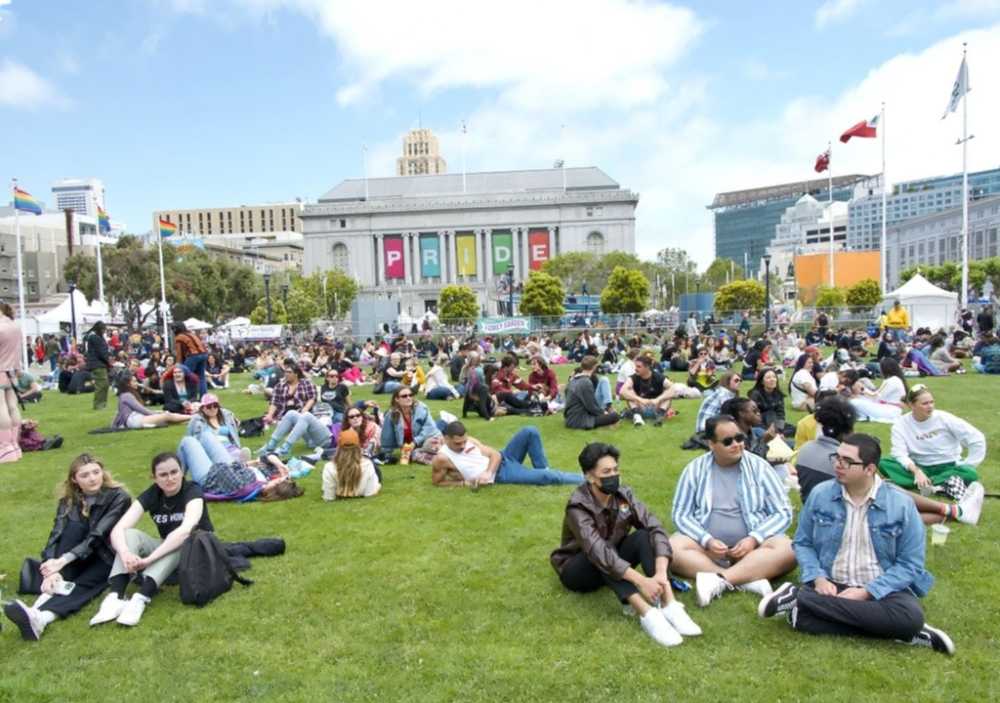
Hack #4: Beyond Market Street - Unofficial Parties & Neighborhood Vibes
The official parade and Civic Center festival are the main events, but the spirit of Pride permeates the entire city, becoming a vibrant key element of the city’s festive calendar—a calendar we explore in our broader guide to San Francisco Holidays: Bay Area Buzz.
The Hack: Dip out of the main event for a few hours to experience a different, more intimate side of Pride.
The Castro District: As the historic heart of San Francisco's LGBTQ+ community, the Castro is ground zero for Pride weekend. The streets become a massive, vibrant block party. While it will be just as crowded as the parade, the atmosphere is different—more neighborhood-focused and less structured. Grab a drink at a historic bar, watch the impromptu dance parties, and soak in the history.
Dolores Park: On Pride Sunday, the park's famous "Gay Beach" area expands to cover nearly the entire lawn. It transforms into a massive, sun-drenched picnic party. The vibe is more relaxed and bohemian than the official festival. Pack a blanket, bring some snacks, and enjoy people-watching in one of the city's most beautiful settings.
SoMa (South of Market): This neighborhood is home to many of the city's most famous clubs and venues. Throughout Pride weekend, these spaces host a huge variety of official and unofficial after-parties, from daytime DJ sets to late-night dance events. Check event listings in advance, as many of the most popular parties sell out.

Hack #5: Tech & Safety - Your Digital Toolkit for a Seamless Day
In a modern festival environment, your smartphone is your most powerful tool—if you use it wisely.
The Hack: Prep your phone and apps to be your digital command center for the day.
The Power Bank is Non-Negotiable: We mentioned it before, but it bears repeating. A dead phone means no photos, no map, and no way to contact your friends. A fully charged portable power bank is the single most important piece of tech you can bring.
Master Your Communication Apps: Standard text messages can be delayed when cell networks are overloaded. Use a data-based messaging app like WhatsApp or Signal for your group chat. Their delivery is often more reliable in dense crowds. Use the "Share Live Location" feature for a set period (e.g., 15 minutes) if you get separated and need to find your way back to your group.
Download Offline Maps: Before you leave home, download an offline map of the downtown San Francisco area in your map app of choice. Even if you lose all cell service, your phone's GPS will still work, allowing you to see your location on the map and navigate.
Embrace Official Resources: Check the official SF Pride website in the days leading up to the event. If they release an official app, download it. It will likely have the most accurate schedules, maps, and emergency alerts.
Pro-Tip: Take a screenshot of your planned meeting spots, the parade route map, and the contact info for everyone in your group. Create a dedicated photo album for these screenshots so you can access them instantly, even if your apps won't load due to poor connectivity.

Hack #6: The Exit Strategy - How to Leave Without the Headache
Just as important as your arrival plan is your exit strategy. When hundreds of thousands of people try to leave the same area at the same time, the public transit stations and rideshare zones become incredibly congested.
The Hack: Avoid leaving during the peak rush right as the festival winds down.
You have two primary strategies for a stress-free departure:
The Early Exit: If you've had your fill of the crowds and the main celebration, start making your way out before the final headliners take the stage at Civic Center. By leaving an hour before the official end time, you can beat the massive wave of people heading for the BART and Muni stations.
The Patient Wait: This is often the better option. Instead of rushing out with everyone else, wait it out. Find a restaurant or cafe a few blocks away from Civic Center, grab a bite to eat, and relax for an hour or so. Let the crowds on the transit platforms thin out. By the time you're done, your journey home will be far more pleasant.
If you're using a rideshare service, walk at least four or five blocks away from Market Street and Civic Center before you even attempt to request a ride. This will get you out of the most congested, no-pickup zones and will likely save you from the highest surge pricing.
Your Guide to an Unforgettable Pride
You are now armed with the knowledge to do more than just attend the pride parade San Francisco —you are ready to experience it with confidence, joy, and a sense of empowered preparedness. From mastering the Market Street route and navigating the Civic Center celebration to knowing the smartest ways to get there and back, you have the tools to craft a perfect day. This isn't just about avoiding stress; it's about creating space for the powerful moments of connection, celebration, and solidarity that define SF Pride. Go forth, celebrate loudly, and have an incredible time.
For a complete blueprint to planning your ultimate trip to the Bay Area, including deep dives into its other iconic holidays and hidden gems, be sure to explore our comprehensive Travel Guide.
Meta Data Suggestions:
SEO Meta Title: SF Pride: 6 Essential Hacks for the Parade Route & Parties
URL Slug: sf-pride-parade-route-party-hacks
SEO Meta Description: Master the SF Pride Parade! Get 6 expert hacks on navigating the Market Street route, finding the best parties, and staying safe in the crowds.
Don't Miss Out! Subscribe for Exclusive Content
Subscribe



Comments 0
No comments yet
Be the first to share your experience!
Dont Miss Out! Subscribe for Exclusive Content

San Francisco Cherry Blossoms: A Local's Guide to the Blooms


Halloween SF: Haunts Without Horrors

SF Festivals: 7 Must-See Lineups

Christmas SF: Lights & Wharf Wonders

Chinese New Year SF: Parade Essentials

San Francisco Holidays: Bay Area Buzz
NYE Times Square: How to Survive Crowds
TrekGuider @trekguider
The image is seared into our collective consciousness: a million smiling faces turned upward, a cascade of confetti, and the glittering descent of the Waterford Crystal ball marking the start of a new year. Experiencing New York's Eve Times Square is a bucket-list dream for travelers worldwide. But behind that minute of pure magic lies a grueling, 12-hour urban endurance test. The reality is a battle against massive crowds, freezing temperatures, and a complete lack of basic amenities. Without a solid strategy, your once-in-a-lifetime dream can quickly devolve into a miserable, claustrophobic nightmare, leaving you with nothing but cold feet and regret.
You’ve seen the celebration on TV, but you haven’t seen the real story: the hours spent standing in a single spot, the desperate need for a bathroom that doesn’t exist, and the crushing disappointment of arriving too late only to have your view blocked by a skyscraper. This isn’t just a party; it’s a logistical gauntlet. But what if you could walk into that chaos armed with the knowledge of a seasoned local? What if you knew exactly when to arrive, what to bring, and how to navigate the human labyrinth to secure a prime spot?
Consider this your definitive survival guide. We’re cutting through the noise to give you the actionable, step-by-step playbook required to not just survive the chaos, but to conquer it and forge an unforgettable memory. This single event is the crown jewel of the city's festive calendar, a spectacle we put into context in our complete guide to New York Holidays: 10 Must-Do Events. Now, let's master the art of the ball drop.

The Gauntlet Defined: What to Really Expect on New Year's Eve Times Square
Before you even think about your outfit, you need a crystal-clear understanding of the environment you’re about to enter. The Times Square ball drop is one of the most heavily secured and controlled public events on the planet. Forget a casual, free-flowing party; this is a highly structured affair managed by the New York City Police Department (NYPD).
The entire area, from 42nd Street to 47th Street between Broadway and 7th Avenue, is sectioned off into a series of viewing pens. Think of them as metal-barricaded corrals. Once the NYPD deems a pen full, they close it for good. You cannot move between pens, and crucially, if you leave your pen for any reason—food, bathroom, a moment of fresh air—you will not be allowed back in. There is no re-entry.
Here’s a breakdown of the harsh realities:
The Timeline is Brutal: Streets in and around Times Square begin closing in the early afternoon. To get a decent viewing spot, the official recommendation is to arrive by 3:00 PM. That means you’ll be standing in your designated spot for at least nine hours until the ball drops at midnight.
Zero Public Bathrooms: This is the single most challenging aspect for most attendees. There are absolutely no public restrooms or portable toilets available within the viewing areas. Once you are in a pen, you have no options. This requires careful planning regarding your food and drink intake.
Security is Absolute: You will pass through a security screening to enter the viewing areas. Security is absolute, a high-tech fortress of surveillance that includes everything from drones overhead to NYPD scuba divers in the nearby waters. All bags will be checked, and there is a long list of prohibited items.
The Weather is Unforgiving: Late December in New York City is predictably cold. Temperatures often dip below freezing, and wind chill can make it feel even colder as it funnels between the skyscrapers. You will be exposed to the elements for the entire duration.
Knowing these truths isn't meant to discourage you, but to prepare you. Success on New Year's Eve Times Square is 90% preparation and 10% endurance.
The Strategic Arrival: Your Step-by-Step Game Plan
Your experience will be made or broken in the first few hours. A well-executed arrival strategy is the difference between a prime view of the ball drop and being stuck blocks away staring at the back of a building.
When to Arrive: The 3 PM Deadline is Non-Negotiable
The official guidance confirms what veterans know: arriving by 3:00 PM is essential. For the upcoming celebration on Wednesday, December 31, 2026, you should treat this as your final deadline. The pens closest to One Times Square (where the ball descends) fill up the fastest. The NYPD systematically fills the area, starting from the south at 42nd Street and moving north. If you arrive at 5:00 PM or 6:00 PM, you will likely end up miles away, with your only view of the event coming from a distant Jumbotron. Arriving early doesn't just get you a better view; it guarantees you get a view at all.
Where to Enter: Navigating the Frozen Zones
As streets close, navigating Midtown Manhattan becomes a confusing maze. Driving is impossible. Your only viable option is public transportation.
Take the Subway: The New York City subway system is your best friend. However, the Times Sq-42nd St station will be chaos, with many exits likely closed or designated for egress only.
Aim for Peripheral Stations: Instead of heading directly to Times Square, get off at a station a few blocks away and walk. Good options include:
Rockefeller Center (B, D, F, M lines): Walk south and west.
49th Street (N, Q, R, W lines): This is close, so be prepared for crowds.
50th Street (C, E lines): Walk east.
Follow NYPD Instructions: As you approach the secured zone, you will see barricades and police officers. They will direct you to official entry points, which are typically located on 6th Avenue and 8th Avenue. Be polite, listen to their instructions, and be prepared for a slow, shuffling walk to the screening areas.
The Art of the "Pen": Securing Your Viewing Spot
Once you’re through security, you’ll be herded into one of the viewing pens. You won't have much choice in the matter, as officers fill them sequentially. However, the goal is to get into a pen with a direct line of sight to the One Times Square building. This is where the ball is. A spot further north on Broadway or 7th Avenue is generally better than being shunted off to a side street. Once you’re in, stake out a small piece of territory with your group and prepare to settle in for the long haul.

The Ultimate Survival Kit: What to Pack (and What to Leave Behind)
Packing for this event is like preparing for a winter camping trip in the middle of a city. You need to be strategic, minimalist, and focused on warmth and sustenance.
Essential Gear for the Urban Tundra
Everything you bring must be carried on your person. Think pockets, not bags.
Extreme Winter Wear: This is not the time for fashion. Dress in warm, waterproof layers.
Base Layer: Thermal, moisture-wicking underwear (top and bottom).
Mid Layer: Fleece or a down vest.
Outer Layer: A heavy, insulated, and waterproof winter coat.
Accessories: A warm hat that covers your ears, a scarf or neck gaiter, insulated gloves, and thick wool socks are all non-negotiable.
Hand and Foot Warmers: These small, air-activated heat packs are a game-changer. Bring several pairs and activate a new set every few hours to keep your extremities from freezing.
Food and Water: Pack high-energy, easy-to-eat snacks like protein bars, nuts, and chocolate. Bring your own water in a plastic bottle. Avoid caffeine and other diuretics for obvious reasons.
Portable Phone Charger: Your phone battery will drain quickly in the cold. A fully charged power bank is essential for communication and capturing the midnight moment.
Simple Entertainment: A book, a deck of cards, or downloaded podcasts can help pass the time.

Pro-Tip: Pack a few large, empty plastic water bottles with secure caps. While it’s not glamorous, they can serve as a last-resort emergency "bathroom" for men and a more challenging but still possible option for women, a well-known but unspoken hack for veterans of the event.
The Forbidden List: Items That Will Get You Turned Away
The NYPD is extremely strict about what is allowed into the viewing areas. Bringing any of these items will result in them being confiscated, or you being denied entry.
Backpacks, Large Purses, or Any Large Bags: This is the most common mistake. You will be turned away. Use your pockets.
Alcohol: Absolutely forbidden.
Umbrellas: They block the view for others and are considered a security risk. Wear a waterproof coat with a hood instead.
Strollers: While not always explicitly banned, navigating the dense crowds with a stroller is practically impossible and unsafe.
Coolers, Chairs, or Blankets: There is simply no room for these items.
Mastering the Marathon: How to Endure the 9-Hour Wait
The wait is a mental and physical challenge. Success lies in conserving energy, staying warm, and keeping your spirits up.
Fueling Your Body: The Right Way to Eat and Drink
Your strategy for consumption should be carefully managed. Eat a large, hearty meal before you leave for Times Square. A meal rich in protein and complex carbs will provide sustained energy. Once you are in your pen, ration your snacks. The goal is to keep your energy levels stable without over-consuming liquids. Sip your water slowly and methodically throughout the evening. This isn't the time to chug a whole bottle.
Staying Sane: Entertainment and Mental Fortitude
The nine-hour wait can be tedious. Keeping morale high, especially in a group, is a skill unto itself. It requires patience and planning—the same principles that make any challenging journey a success. For a deeper dive into managing group dynamics and keeping everyone happy during long waits, our Stress-Free Flying with Kids Guide offers timeless strategies that work just as well on the ground in Times Square as they do at 30,000 feet.
Here’s how to manage the wait:
Befriend Your Neighbors: You’ll be standing shoulder-to-shoulder with the same people for hours. Strike up a conversation! Sharing stories with people from around the world is one of the most unique parts of the experience.
Enjoy the Show: The Times Square Alliance puts on a live show starting around 6:00 PM. There are musical performances, celebrity appearances, and hourly countdowns that help break up the monotony.
Stay Active (in Place): Do small exercises to keep your blood flowing. Wiggle your toes, shift your weight from foot to foot, and do small leg stretches. This will help prevent stiffness and keep you warmer.
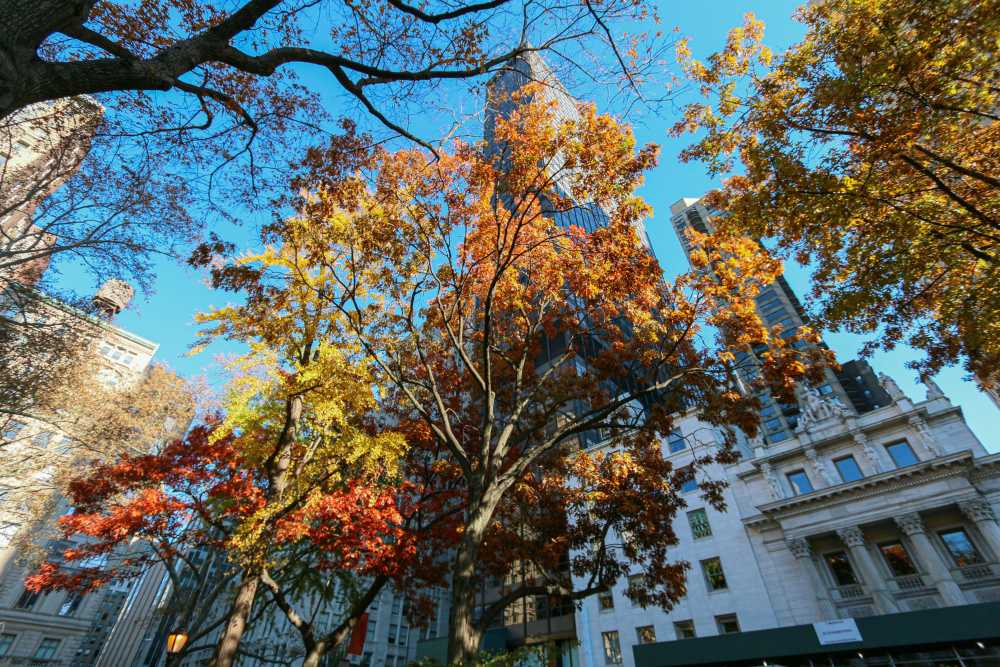
The Grand Finale and The Great Escape
After hours of waiting, the final moments are a whirlwind of excitement. But your strategic planning doesn’t end when the ball drops.
The Ball Drop: Savoring the Moment
At 11:59 PM, the 12,000-pound geodesic sphere begins its 60-second descent. The energy of the crowd is electric. This is the moment you’ve been waiting for. Put your phone away for a few seconds and be fully present. Absorb the sounds, the sights, and the feeling of shared celebration with a million other people. The confetti drop, the cheering, the fireworks—it’s a truly magical experience that justifies the entire ordeal.

Post-Midnight Exodus: Navigating the Human River
Once the celebration peaks, the next challenge begins: the exit. A million people will be trying to leave a very small area at the exact same time.
Do Not Rush: The biggest mistake is trying to push your way out immediately. The initial surge is dangerous and stressful. Be patient. Wait 15-20 minutes in your spot for the thickest crowds to begin to disperse.
Have a Predetermined Exit Route: Before you even arrive, decide which direction you will walk. Do not just follow the herd. Plan to walk at least 10-15 blocks away from Times Square before even attempting to find a subway or hail a rideshare.
Avoid the Main Subway Hubs: The Times Sq-42nd St station will be dangerously overcrowded. Walk further to a less central station to begin your journey home.
Pro-Tip: Pre-book a table at a restaurant or bar a 15-20 minute walk away from Times Square for 12:45 AM. This gives you a warm place to decompress, use a real bathroom, and have a proper celebratory drink while the worst of the crowds clear out.
Your Unforgettable New Year's Eve Awaits
Attending the New Year's Eve Times Square ball drop is not for the faint of heart. It is an intense, demanding, and often uncomfortable experience. But by following this guide, you are no longer just a hopeful tourist; you are a prepared strategist. You have the expert-level knowledge to navigate the chaos, endure the wait, and place yourself in the perfect position to witness one of the world's most iconic celebrations. The cold, the crowds, and the long hours will fade into the background, replaced by the unforgettable memory of counting down to a new year in the heart of the world.
You've conquered the ultimate urban challenge. To discover what other incredible adventures await you in the city and beyond, our comprehensive Travel Guide is the only resource you'll need. It’s your all-access pass to mastering travel like a pro.
Meta Data Suggestions:
SEO Meta Title: NYE Times Square Survival Guide: Beat The Crowds & See The Ball
URL Slug: /nye-times-square-crowds-survival-guide
SEO Meta Description: A complete guide to surviving New Year's Eve in Times Square. Learn when to arrive, what to pack, and how to get the best view of the ball drop.
Don't Miss Out! Subscribe for Exclusive Content
SubscribeComments 0
No comments yet
Be the first to share your experience!
Dont Miss Out! Subscribe for Exclusive Content
San Francisco Cherry Blossoms: A Local's Guide to the Blooms
Halloween SF: Haunts Without Horrors
SF Festivals: 7 Must-See Lineups
Christmas SF: Lights & Wharf Wonders

SF Pride: 6 Route & Party Hacks
Chinese New Year SF: Parade Essentials
7-Day Solo Travel Itinerary: A Perfect First-Trip Template
TrekGuider @trekguider
You're ready for an adventure that's entirely your own. No more compromising on destinations, no more syncing schedules. Just you, the open road, and the profound freedom of solo travel.

But a blank page can be intimidating. The excitement of the idea is quickly replaced by the paralysis of planning. Where do I start? How do I build a solo travel itinerary that's exciting but not overwhelming? How do I stay safe?
The good news is that you don't need to reinvent the wheel. You need a proven framework, a reliable playbook to guide you. This article provides the ultimate solution: a flexible 7-day solo travel itinerary that acts as the perfect template for your first independent adventure. It’s designed to eliminate guesswork, build confidence, and ensure an unforgettable experience.
While planning a trip for one has a very different set of challenges than coordinating group travel, as detailed in our guide to Family Travel Ideas: The 2026 Guide to Unforgettable Trips, the need for a solid plan remains universal. This guide is your key to unlocking that journey, transforming apprehension into pure excitement.
Your Pre-Flight Checklist: Engineering a Stress-Free Start
A smooth trip begins long before you pack your bags. Solid preparation is the antidote to travel anxiety, transforming "what ifs" into "I've got this."

1. Choose a Beginner-Friendly Destination
For your first solo trip, set yourself up for success by picking a location known for its strong tourist infrastructure and safety. You're looking for a "soft landing."
Top Contenders: Think cities like Lisbon (Portugal Travel Guide), Dublin, Kyoto (Japan Travel Guide), or Vancouver. These spots are celebrated for being affordable, walkable, friendly, and supremely safe.
The Litmus Test: Can you get around easily on public transport? Is it known for being safe, particularly for solo travelers? Is Wi-Fi widely available?
2. Select Your Home Base Wisely
Your accommodation is more than a place to sleep; it's your sanctuary and command center.
Boutique Hostels (with Private Rooms): The gold standard for many first-timers. You get the social energy of a common room and organized tours, plus the quiet retreat of your own space. It's the perfect balance of community and privacy.
Boutique Hotels or Guesthouses: A step up in privacy and comfort. Small, locally-owned spots often provide a warmer, more personal touch than soulless chains, and the staff can be a goldmine of local tips.
Centrally Located Airbnbs: Ideal if you crave a "live like a local" vibe and a kitchen. Stick exclusively to hosts with a "Superhost" designation and dozens of positive reviews that specifically mention safety, cleanliness, and an excellent location.
3. A Quick Word on Budgeting for Your First Solo Trip
A clear budget isn't a restriction; it's freedom. It frees you from money-related stress on the road. For a 7-day city trip, a simple framework is:
Fixed Costs: Pre-booked flights and accommodation.
Daily Average: Set a realistic daily budget for food, activities, and transport. Research costs in your chosen city (e.g., a meal in Lisbon is far cheaper than in Zurich). A good starting point for many European or North American cities is $75-$125 per day.
Contingency Fund: Always have an extra 20% of your total budget tucked away in a separate account for unexpected opportunities or emergencies.
4. A Pro's Approach to Solo Safety
Your confidence is directly linked to how safe you feel. Build a fortress of preparation. For a deeper dive, especially for female travelers, our Solo Female Travel Safety Guide is an essential resource.
Digital Security: Download offline maps of your city on Google Maps. Use a VPN on public Wi-Fi. Scan your passport and important documents and save them to a secure cloud service like Dropbox.
Situational Awareness: The "Morning Photo" protocol is a great habit for solo travelers. Snap a quick selfie each morning. In an emergency, it provides an exact, current visual reference.
Contingency Plan: Before you leave, share your detailed itinerary with someone at home. Establish a simple check-in cadence (e.g., a quick "all good" text each night).
Financial Safety: Carry a "decoy" wallet with a small amount of cash and an expired credit card. Keep your primary cards and the bulk of your cash in a secure money belt or a hidden internal pocket. Never keep all your money in one place.
Pro-Tip: Download the Noonlight app. It's a discreet safety button on your phone. If you're feeling uneasy, you can hold your thumb on the button. Release it and don't enter your PIN, and it will automatically alert local authorities with your exact location.
Your Ultimate Pre-Trip Tool
Feeling organized is feeling confident. Before you book a single flight, download our free International Travel Checklist. It’s a comprehensive resource that covers everything from passports and visas to packing and travel insurance, ensuring you don't miss a single crucial step.
The Perfect 7-Day Solo Travel Itinerary Blueprint
This is your playbook. The specific sights will change, but the strategic rhythm of this week is designed to maximize discovery while preventing burnout.

Day 1: Land Softly, Start Slow
Your only goal on day one is to land softly. Forget the pressure to do anything "touristy." The mission is simple: arrive, check-in, and breathe.
Afternoon (Arrival & Settle): Navigate from the airport to your lodging using a pre-vetted option—an official taxi stand, Uber/Lyft, or the city's express train. Avoid unsolicited ride offers. Once you drop your bags, take 30 minutes to actually unpack. This small act of nesting transforms a sterile room into your personal space.
Late Afternoon (The Reconnaissance Walk): Take a short, aimless walk with a purpose: to locate your vitals. Find the nearest ATM, pharmacy, small grocery store, and metro/bus stop. This simple recon mission builds a mental map and makes you feel instantly more capable.
Evening (The Easiest Dinner Ever): Your first meal should be low-stress. Find a casual, well-lit café or bistro within a few blocks of your accommodation. Ask for a table with a view of the street. This isn't just dinner; it's your first immersion.
Day 2: Find Your Anchor, Catch the Vibe
Today is about orientation. You'll anchor yourself with a major landmark and then plug into the city's authentic energy.
Morning (The Iconic Anchor): Head to the city's most famous landmark—the one on all the postcards. Book your ticket online, weeks in advance, to bypass the soul-crushing queues. Seeing this "anchor point" early gives your mental map a center of gravity.
Lunch (A Feast for the Senses): Skip the tourist-trap restaurants and head for a bustling local food market. It's a vibrant, low-pressure way to sample authentic cuisine. Graze from different stalls, trying whatever looks and smells incredible.
Afternoon (The Ultimate Solo Travel Hack): Join a "free" walking tour (they run on tips, so bring cash). A passionate local guide will give you a brilliant crash course in the city's history, secrets, and layout. It's also an effortless way to be around fellow travelers.
Evening (Culture or Comfort): If you're energized, catch a local performance—traditional music, a play, anything that gives you a taste of the culture. If you're tired, there is zero shame in a simple dinner and an early night. Listen to your body.
Day 3: Pursue Your Passion
This is your trip. Today is dedicated entirely to whatever makes you tick.
Morning (The Deep Dive):
Art Lover? Lose yourself in a world-class museum or hunt for street art in a bohemian neighborhood.
History Buff? Explore that niche museum or archaeological site that fascinates you.
Foodie? Take a local cooking class. It's one of the best ways to meet people, learn a skill, and eat an amazing meal.
Nature Enthusiast? Escape to the city's largest park or botanical garden for a few hours of green therapy.
Afternoon (The Art of Getting Lost): Pick a neighborhood that intrigued you and put your phone on airplane mode. Allow yourself to wander without a destination. Follow a charming alleyway, pop into a random shop, sit on a bench. This is where the magic happens.
Evening (A Table for One, with a View): Treat yourself. Find a restaurant or rooftop bar with a spectacular view. Order a great meal, and toast to your adventure. Worried about dining alone? Bring a journal and write about your day—it makes you look like a mysterious travel writer, not a lonely tourist.
Day 4: Gain Perspective with a Day Trip
Escaping the city for a day provides a vital change of scenery and proves your growing travel competence.
Full Day: Choose a destination one or two hours away by train or bus. Think a coastal village, a historic castle, or a national park. The journey itself is part of the adventure.
The Mission: This trip breaks the routine and shows you a completely different facet of the country. It also flexes your navigation skills and builds immense confidence. Successfully planning and executing a day trip on your own is a huge milestone.
Logistics: Research train/bus schedules the night before. Pack a small daypack with a water bottle, snacks, a portable charger, and a light jacket.
Day 5: Live Like You Belong Here
Today, your goal is to blend in. Shed the tourist skin and adopt the rhythms of a local.

Morning (The Café Ritual): Find a small, neighborhood café far from the tourist trail. Order a coffee, grab a pastry, and settle in with a book or journal for an hour. Watch the morning commute, listen to the chatter—just be.
Mid-Day (A Mundane Mission): Do a normal-person errand. Browse a local bookstore, buy fruit at a grocer, or find a post office to mail cards home. These simple tasks ground you in the reality of the place.
Afternoon (Scheduled Downtime): Hit the pause button. You are not a travel machine. Go back to your room for a nap. Read a book on a park bench. Do absolutely nothing. This is a vital part of sustainable travel.
Evening (The Local's Recommendation): Ask a local you've had a pleasant interaction with—your barista, a friendly shopkeeper—"Where's your favorite place to eat around here?" Their recommendation will almost always be more authentic and delicious than anything on a top-ten list.
Day 6: The Open Road and a Fond Farewell
Leave this day largely unplanned. It's a blank page for you to fill with whatever your heart desires.
Morning (Encore or Exploration): Is there a neighborhood you fell in love with? Go back. Did a fellow traveler tell you about a hidden gem you can't stop thinking about? Go find it. This is your flex day to chase your curiosity.
Afternoon (Meaningful Mementos): If you're buying souvenirs, seek out items that tell a story. Skip the generic trinkets and look for local crafts, specialty foods, a vintage poster, or a book from a local author.
Evening (The Last Supper): Make your final dinner a celebration of your journey. Return to a favorite spot or try that one special place you've been saving. As you eat, reflect on the week. Think about what you've learned, the challenges you've overcome, and the person you've become.
Day 7: Depart with Your Head Held High
The last day is for a smooth, grateful exit. No frantic rushing.
Morning: Enjoy one last coffee and pastry at your favorite café. Take a final, mindful walk down a beloved street, soaking in the sights and sounds.
Pack & Go: Head back to your room for a final pack-up. Leave ample time for your journey to the airport. Strolling calmly to your gate is a far better feeling than sprinting.
At the Airport: Once you're through security, pause. Take a deep breath. You did it. You took the dream of solo travel and forged it into reality. Acknowledge the magnitude of that achievement.
Frequently Asked Questions
What is the best way to handle feeling lonely on a solo trip?
It's completely normal to feel a pang of loneliness. The best strategy is to be proactive. Stay in social accommodations like a boutique hostel, join a walking tour or a cooking class on days you crave interaction, and find a cozy café to simply be around the comforting buzz of other people.
Is it awkward to eat at restaurants alone?
Not at all! It's a skill that gets easier with practice. Start with casual cafes, bring a book or journal to feel more comfortable, and try sitting at the bar where you can often chat with the bartender. Soon you'll find it's a peaceful and empowering experience.
How can I stay safe when going out at night by myself?
A: Prioritize well-lit, busy areas and research neighborhoods beforehand. Tell someone where you're going, use ride-sharing apps like Uber instead of walking in unfamiliar areas late at night, and always be mindful of your drink. Trust your intuition—if a place feels off, leave immediately.
What's the most common mistake first-time solo travelers make?
The most common mistake is over-scheduling. New solo travelers often try to fill every single minute to avoid being alone with their thoughts. The real magic happens in the unplanned moments, so be sure to build plenty of downtime and flexibility into your itinerary.
Welcome Home, Traveler: This Is Just the Beginning
Walk through that arrival gate on your way home, and you won't be the same person who left. A solo trip is a declaration—proof that you are more capable, resilient, and fiercely independent than you might have ever allowed yourself to believe.

This solo travel itinerary was never just about seeing a new place; it was about discovering a new version of yourself. Use this template, adapt it, and carry the confidence you've earned into planning your next adventure. When you're ready to go from template to a fully-realized plan, our comprehensive Travel Guide is the perfect next step to turning your dream trip into a reality. Because this isn't the end of one journey; it's the beginning of a lifetime of them.
Read the full guide: Family Travel Ideas: The 2026 Guide to Unforgettable Trips
Don't Miss Out! Subscribe for Exclusive Content
SubscribeComments 0
No comments yet
Be the first to share your experience!
Dont Miss Out! Subscribe for Exclusive Content

Ultimate USA Holidays Guide: Top Picks

FTC Affiliate Disclosure Essentials: Stay Compliant as a Travel Creator

Essential Affiliate Tools: From Tracking to Full Optimization

Booking.com Affiliate Program Review: Pros, Cons, and Earnings Potential

Decoding Affiliate Commission Rates: Benchmarks for Travel Creators

Amazon Associates for Travel: Strategies to Maximize Commissions
Anxious to Adventurous: The Ultimate Guide to Solo Travel Confidence
TrekGuider @trekguider
The thought of solo travel often brings two images to mind: the breathtaking vista from a mountaintop, enjoyed in peaceful solitude, and the quiet dinner table for one, feeling conspicuously alone. For years, the advice has been to simply "embrace the loneliness." We believe that's outdated and, frankly, unhelpful advice. In today's hyper-connected world, the modern solo traveler is never truly alone—they're empowered. This guide is the official TrekGuider playbook of actionable solo travel tips that use the best digital tools, safety apps, and planning technology to transform anxiety into confidence and navigate the world with unprecedented freedom and security. Let's begin.
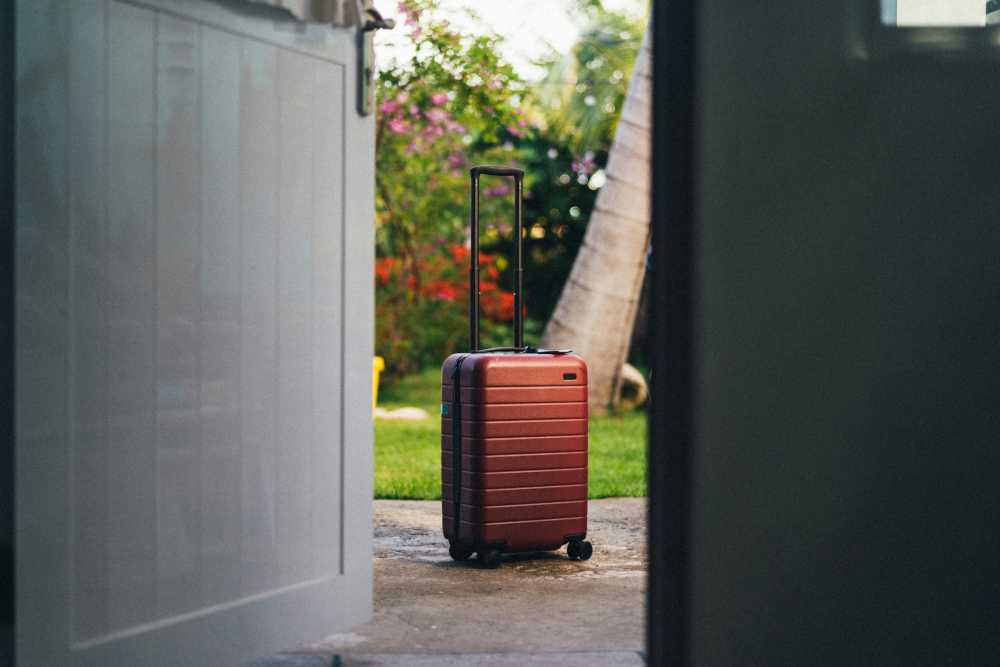
The Solo Mindset: How to Conquer Fear and Travel with Confidence
Before you ever book a flight, choose an anti-theft bag, or pack a single sock, the most significant journey begins in your mind. Overcoming the initial psychological hurdles isn't just the first step; it's the foundation upon which every great solo trip is built. This is where you shift your perspective from a hesitant "Can I do this?" to a determined "How will I do this?"
Is It Weird to Travel Alone? (The Answer is No, and Here’s Why)
Let's dismantle this fear immediately: traveling alone is not weird. It is a powerful, intentional, and increasingly popular way to experience the world. The old, tired stigma of the "loner" is being rapidly replaced by a cultural admiration for independence, courage, and self-reliance.
If you feel like an outlier, the data says otherwise. Pinterest has seen an explosion in searches for "solo travel" over the past few years—it's one of the fastest-growing travel categories on the platform. You are not an anomaly; you are on the leading edge of a global movement. Choosing to travel solo doesn't broadcast that you lack friends; it broadcasts that you possess the curiosity and confidence to forge your own path—a trait universally recognized as a strength. It's a declaration that your desire to grow and explore is more powerful than your fear of judgment.

A Practical Guide to Telling Friends and Family About Your Trip
One of the most surprising sources of pre-trip anxiety can be the well-intentioned concerns of friends and family. Their worries, born from love, can inadvertently plant seeds of doubt. The key to navigating these conversations is to approach them not as a petitioner seeking approval, but as a competent leader presenting a well-researched plan.
Present a Confident Decision: Language matters. Instead of tentatively asking, "I was thinking about maybe going to Italy alone...," state your plan with calm assurance: "I'm so excited to share that I'm planning a solo trip to Italy this spring." This immediately reframes the conversation from a debate into an announcement of a positive life event.
Lead with Competence: Immediately follow your announcement with two or three key details that demonstrate your thoroughness. "I've already found a fantastic hotel in a very safe neighborhood in Rome, my travel insurance is booked, and I have an app that will let me share my location with you so you can see where I am." This proactively answers their biggest questions and showcases you as a responsible planner.
Establish a Communication Rhythm: The fear of the unknown is what fuels their worry. Eliminate it by defining a clear communication plan. "Just so you don't worry, my plan is to send a quick WhatsApp message every evening to check in." This simple commitment provides immense reassurance and prevents them from imagining the worst if they don't hear from you for a day.
For First-Timers: Start Small to Build Momentum
You do not need to book a six-month, one-way ticket to Southeast Asia to claim the title of "solo traveler." The goal is to build confidence, and confidence is a muscle built through repetition. We call this "confidence stacking"—the process of accumulating small, successful experiences that prove your capability to yourself.
Begin with a solo weekend trip to a city a few hours from home. The mission is simple: navigate a new public transit system, confidently ask for a table for one at a busy restaurant, and be solely responsible for your own entertainment and itinerary for 48 hours. The skills you build and the comfort you gain are precisely the same ones you'll use in a foreign country, just in a lower-stakes environment. After that, perhaps a four-day domestic trip by plane. By the time you're ready for that grand international journey, it will feel like a natural, exciting next step, not a terrifying leap into the abyss.
With that foundational confidence in place, it’s time to channel it into the single greatest antidote to anxiety: a bulletproof plan.
Your Pre-Flight Digital Checklist
Great solo trips don't happen by accident; they are born from careful, thoughtful planning. For the "Cautious Planner," this is where your natural tendencies become your superpower. A methodical approach is one of the most important solo travel tips we can offer, as it systematically dismantles pre-trip anxiety. Every detail you confirm is another piece of evidence that you are ready, capable, and in control.
Key Takeaways:
Prioritize Safe Destinations: Set yourself up for success by choosing a first destination known for its safety, strong tourist infrastructure, and ease of navigation. Use official, data-driven resources. are your first stop for any official warnings.
Build a Bulletproof Budget: Use a structured framework to manage your finances, which prevents stress and empowers smart decision-making on the road.
Master Your Tech: Load your smartphone with essential apps for navigation, safety, and communication, and learn their features before you depart.
Secure Your Digital Life: Arrange for an eSIM for instant connectivity upon arrival and have a VPN ready to protect your data on all public Wi-Fi networks.
The TrekGuider Take: The single biggest mistake we see first-time solo travelers make is underestimating the power of pre-planning. A well-researched itinerary isn't a restriction; it's a foundation for freedom. It allows you to be spontaneous because you've already handled the essentials.
How to Choose Your First Solo Destination (Safety & Ease)
Your choice of destination is the most critical decision you'll make. For a first-time trip, the goal is to set yourself up for success. Prioritize locations celebrated for their safety, strong tourist infrastructure, and overall ease of navigation. Use this three-point filter to guide your research:
Prioritize Objective Safety: Don't rely on anecdotes. Use official, data-driven resources. The U.S. Department of State's travel advisories are your first stop for any official warnings. Go deeper by consulting the Global Peace Index, an annual report that ranks countries on metrics of safety and security. Destinations that consistently top this list—like Iceland, New Zealand, Portugal, Japan, and Costa Rica—are popular for solo travelers for very good reason.
Filter for "Low-Friction" Travel: Make it easy on yourself. Does the destination have a simple, reliable public transportation system? Is English widely spoken, at least in tourist areas? Is the culture generally open and welcoming to visitors? A city like Lisbon, with its superb walkability and friendly atmosphere, is often a much better first choice than a more chaotic, off-the-beaten-path destination where you'll face more logistical and cultural hurdles.
Let Genuine Passion Be Your Guide: This is the magic ingredient. The ultimate advantage of solo travel is that the entire itinerary is 100% yours. Don't choose a destination because it's popular on Instagram; choose it because it genuinely ignites your curiosity. Whether you're obsessed with the art museums of Florence, the hiking trails of Patagonia, or the food markets of Tokyo, letting your passion lead the way is the ultimate guarantee that you'll stay engaged and motivated. For those with remote work flexibility, exploring options from our guide to the 10 Best International Destinations for Digital Nomads can also be a fantastic starting point.

A Framework and Recommended Apps for Budgeting
When you're the sole traveler, you're also the sole CFO. Mastering your budget is a core competency that prevents stress and empowers you to make smart decisions on the road.
The 5-Category Solo Budget Framework:
Pre-Trip Fixed Costs (10%): Flights, comprehensive travel insurance, necessary visas, and any specific gear you must purchase before you go.
Accommodation (30%): Typically your largest daily expense. Research average hostel, guesthouse, or budget hotel prices in your destination to set a realistic per-night cost.
Food & Drink (25%): This is a huge part of the experience! A smart budget allows for a mix of everything: iconic restaurant meals, casual street food, and visits to local grocery stores for snacks and simple breakfasts.
Activities & In-Country Transport (20%): Museum entries, day tours, cooking classes, subway passes, and inter-city train tickets all fall into this category.
The "Oh Sh*t" Fund (15%): This is your contingency fund for anything from a missed flight or a minor medical issue to a spontaneous, can't-miss opportunity like a last-minute ticket to a concert.

Download an app like Trail Wallet or YNAB (You Need A Budget) before you go. Diligently tracking your spending in real-time is the key to staying in control and avoiding that dreaded post-trip credit card bill. One of the best ways to stick to your budget is by avoiding costly baggage fees. Master the art of carry-on-only with our free How to Pack Light Guide.
Finding Safe Accommodations and Flexible Flights
Where you sleep is your sanctuary. For a solo traveler, safety and location matter most, far outweighing luxury or price.
For Hostels: Read the reviews like a detective, specifically searching for mentions of "solo female traveler" or "solo traveler." Prioritize properties with 24-hour reception, individual secure lockers in the dorms (always bring your own high-quality padlock), and, if it makes you more comfortable, female-only dorm options.
For Hotels & Airbnbs: Use the map view relentlessly. Ensure you're in a central, well-lit neighborhood with good access to public transport. Read recent reviews that comment specifically on the safety of the area at night. Paying a little extra for a room in a prime location is the best investment you can make in your peace of mind.
When booking flights, become a power user of tools like Google Flights and Skyscanner. Their "flexible date" and "entire month" views are your best friends, allowing you to see the cheapest days to fly at a glance. Shifting your departure by just one or two days can often save hundreds of dollars.
From the TrekGuider Toolkit: Feeling overwhelmed by the planning process? Streamline your entire pre-trip organization with our free Ultimate Travel Itinerary Template. It's a tool we've designed to help travelers build checklists, track budgets, and design perfect itineraries.
Tech & App Solo Travel Tips: 15 Essential Tools
Your smartphone is the most powerful tool ever created for an independent traveler. It's your navigator, translator, research assistant, and safety device all in one. Loading it with the right apps and tech transforms it from a simple phone into a digital Swiss Army knife for navigating the globe.

Navigation & Logistics: Google Maps, Rome2rio, and Citymapper
This trio forms a holy trinity of travel navigation that makes getting lost virtually impossible.
Google Maps: It’s the undisputed champion for a reason, but the single most important pro-move is this: before you ever leave home, download offline maps for your entire destination. Treat it like packing your passport. This turns your phone into a fully functional GPS, no data or Wi-Fi required, which is an absolute lifesaver. Go a step further by "starring" your hotel, key sights, and restaurants in advance to create a fully customized, interactive travel map.
Rome2rio: This is your master planner for country-wide travel. Wondering how to get from Naples to Florence? Rome2rio will instantly show you every possible combination—plane, train, bus, or car—complete with estimated costs and travel times. It demystifies long-distance logistics.
Citymapper: In major metropolitan hubs like London, Paris, or New York, Citymapper often outperforms Google Maps for urban public transit. It offers hyper-accurate, real-time departure info, disruption alerts, and the fastest routes, even suggesting "rain-safe" options.
Safety & Peace of Mind: GeoSure, MayDay, and Location Sharing
This suite of apps creates a digital safety net, providing invaluable peace of mind for both you and your loved ones back home.
GeoSure: Think of this as a credit score for neighborhood safety. GeoSure provides granular, localized safety ratings for cities across the globe, broken down by critical categories like Women's Safety, Theft, and Physical Harm. Use it to vet a neighborhood before you book your Airbnb or decide where to go for a late-night dinner.
MayDay: A brilliantly simple but powerful safety tool. You pre-load emergency contacts, and with a single tap, the app sends them an alert and your precise GPS location.
Native Location Sharing: This is the easiest win of all. Both Google Maps ("Location Sharing") and Apple's "Find My" app allow you to share your real-time location with a trusted friend or family member. Set it for the duration of your trip so they can have the passive reassurance of knowing where you are without you needing to constantly check in.
Digital Security 101: Why You Need a VPN on Public Wi-Fi
You'll be logging into countless public Wi-Fi networks in cafes, airports, and hotels. These networks are notoriously insecure, making them a playground for data thieves who can potentially intercept your passwords, banking details, and other private information.
A VPN (Virtual Private Network) is your personal bodyguard for the digital world. It creates a secure, encrypted tunnel between your device and the internet, making your data completely unreadable to anyone trying to snoop on the network. Using a reputable VPN service like NordVPN or ExpressVPN every single time you connect to public Wi-Fi is a non-negotiable step for protecting your digital life.
The TrekGuider Take: We consider a VPN non-negotiable for modern travel. Connecting to public Wi-Fi without one is like leaving your hotel room door wide open with your valuables on the bed. It’s a small, inexpensive investment in protecting your entire digital life.
Communication: Google Translate and Getting a Local eSIM
Language barriers are no longer the insurmountable walls they once were.
Google Translate: Master its advanced features. The real-time conversation mode is a miracle for basic interactions. The camera function, which can instantly translate a restaurant menu or a street sign, feels like magic. Before you go, download the language pack for your destination for full offline functionality.
Get an eSIM: The days of hunting for a physical SIM card shop upon arrival are over. An eSIM (embedded SIM) is a digital SIM you can purchase online and install on your phone before you even leave home. Companies like Airalo and Holafly offer affordable data packages for virtually any country on earth. This means you are connected the second your plane touches down—a massive advantage for safety and convenience.
Packing Smart: The Art of Carry-On Only
For the solo traveler, mobility is the ultimate currency. Being burdened by heavy, cumbersome luggage is a rookie mistake. It makes you a more conspicuous target for theft, exhausts you physically, and turns simple tasks like navigating a flight of stairs into a monumental struggle. The solution? Master the art of carry-on-only travel.
The "Roll, Don't Fold" Philosophy
This is the central doctrine of efficient packing. Tightly rolling your clothes not only minimizes wrinkles far more effectively than folding but also compresses them, saving a remarkable amount of space.
Packing cubes are the tools that elevate this philosophy into a system. These zippered organizers allow you to compartmentalize everything. Use one large cube for pants and sweaters, a medium one for tops, and a small one for underwear and socks. This system not only keeps your bag impeccably organized (no more digging for a clean pair of socks) but also compresses your clothing even further, creating pockets of free space you never thought possible.
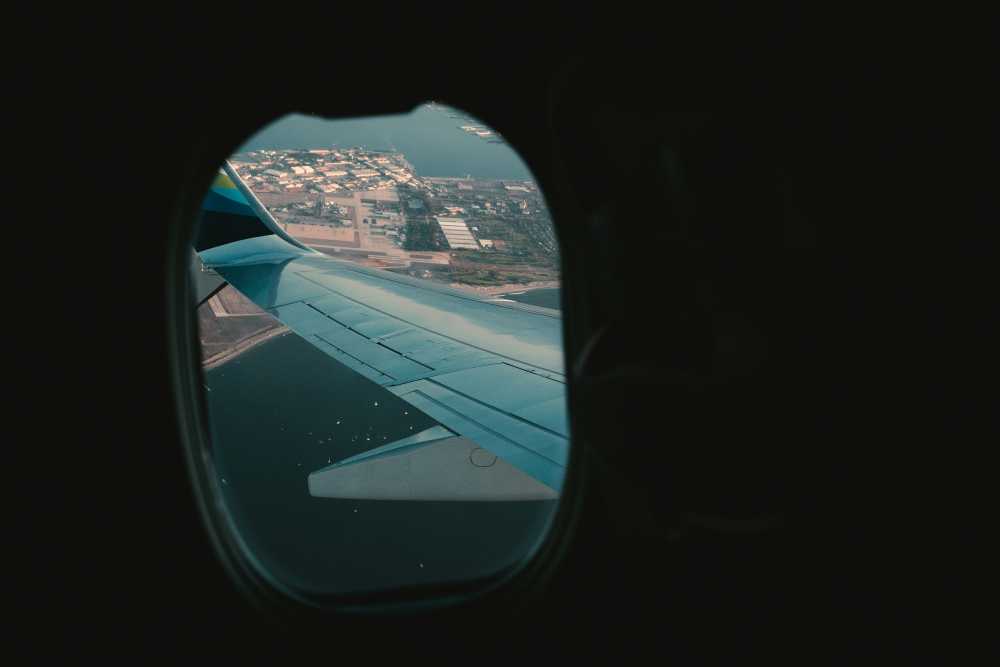
A Minimalist's Tech Gear List
Your technology is your lifeline. Pack smart to stay powered and connected.
Portable Power Bank: This is not optional; it's essential. Choose a model with at least 10,000mAh capacity, which will provide 2-3 full charges for your smartphone. Keep it charged, and keep it in your daypack.
Universal Travel Adapter: Ditch the bag of miscellaneous adapters. Invest in a single, high-quality universal adapter that includes multiple USB ports. This allows you to charge your phone, power bank, and camera simultaneously from one wall outlet—a godsend in hostels where outlets are a precious commodity.
Noise-Canceling Headphones: Your personal "do not disturb" sign for the world. They are invaluable on loud flights, rumbling trains, and in bustling hostel dorms, creating a private bubble of calm wherever you are.
Kindle or E-reader: Carrying even one book is a waste of space and weight. An e-reader gives you access to an entire library in a device that weighs less than a paperback.
The Reddit-Approved Solo Traveler's Packing Checklist
We've synthesized wisdom from expert communities like r/onebag and r/solotravel to create a definitive checklist—a collection of the best packing-related solo travel tips you'll find. The guiding principle is versatility. Every item should serve multiple purposes.
Clothing (The 5-4-3-2-1 Rule):
5 sets of socks and underwear.
4 versatile tops (merino wool is the holy grail for its odor resistance).
3 bottoms (e.g., one pair of travel pants, one pair of jeans, one skirt or pair of shorts).
2 pairs of shoes (one comfortable all-day walking shoe, one slightly dressier flat or loafer).
1 jacket (a waterproof shell) and 1 mid-layer (a fleece or sweater).
Toiletries (Go Solid):
Solid shampoo, conditioner, and soap bars eliminate the hassle of liquid restrictions.
Toothbrush, toothpaste tablets, and solid deodorant.
A basic first-aid kit: band-aids, pain relievers, antiseptic wipes, and blister treatment.
Documents & Money:
Passport/Visa (with digital copies in your email and physical copies stored separately from the original).
2 different credit cards and 1 debit card (never store them all in the same place).
A small stash of emergency US dollars and some local currency.
Essentials:
Quick-dry microfiber travel towel.
Collapsible water bottle.
High-quality padlock.
Sleep mask and earplugs.
The TrekGuider Take: We've analyzed countless packing strategies, and the data is clear: embracing a minimalist, two-shoe rule is a game-changer. One pair of ultra-comfortable, all-day walkers and one versatile pair of flats or loafers will cover 99% of travel scenarios without weighing you down.
To make sure you don't forget a single thing, download our free and printable Ultimate International Travel Checklist. It's the perfect final review before you zip up your bag.
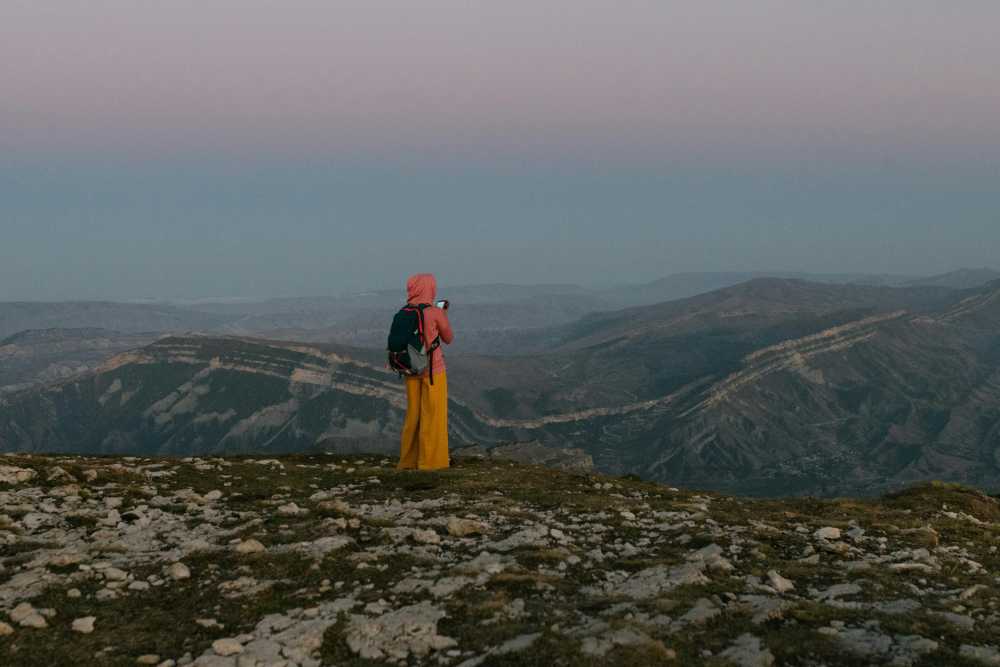
A Masterclass in Solo Travel Safety Tips
Safety is the essential concern for most solo travelers, but it should be approached as a skill to be mastered, not a fear to be managed. Being safe isn't about being paranoid; it's about being prepared, aware, and intentional. These solo travel tips will help you move through the world with a quiet confidence that makes you a less appealing target.
Key Takeaways:
Become a Hard Target: Project confidence through your body language and maintain situational awareness to deter opportunistic criminals.
Layer Your Security: Actively use anti-theft gear for your daypack, a high-quality lock for your hostel locker, and extra security measures for your room.
Plan for the Night: Always know how you're getting home after dark. Be mindful of your surroundings and moderate alcohol consumption.
Trust Your Intuition: Your gut feeling is your most reliable safety tool. If a person, place, or situation feels off, leave immediately. No exceptions.

Situational Awareness: Becoming a Hard Target
Your most effective safety tool is your own mind. Predatory individuals are opportunistic; they scan for "soft targets"—people who look lost, distracted, vulnerable, or unaware. Your job is to project the opposite impression: that of a "hard target."
Master "Purposeful Walking": Even if you're just exploring, walk with direction. Keep your head up, your shoulders back, and your pace steady. If you need to consult your map, don't stop abruptly in the middle of the sidewalk. Instead, duck into a shop or cafe to get your bearings.
Control Your Body Language: Avoid looking at the ground. Make brief, deliberate eye contact with people as you walk. This non-verbally communicates, "I see you. I am aware of my surroundings."
The "Scan & Assess" Habit: When you enter any new space—a cafe, a train car, a public square—take 3-5 seconds to consciously scan your environment. Note the exits. Get a feel for the general vibe. This simple habit pulls you out of your phone and into a state of active presence.
Securing Your Belongings
Protecting your valuables requires more than just a lock.
The Hostel Locker is Sacred: Use it without fail. Your passport, laptop, and extra cash should live in your locked locker unless they are on your person. Use your own sturdy padlock.
Employ an Anti-Theft Daypack: For ultimate peace of mind, invest in a daypack from a brand like Pacsafe or Travelon. Features like slash-proof straps, locking zippers, and RFID-blocking pockets are specifically designed to foil common theft tactics.
Hotel Room Security: The room safe is good, but a portable door jam or door stop alarm provides an extra layer of security and peace of mind against unauthorized entry while you're sleeping. Never leave valuables out in the open, even in a locked room.
Rules for Staying Safe After Dark
Exploring a city after dark is one of travel's great pleasures, but it demands heightened awareness.
Know Your Exit Strategy: Before you even leave for the evening, know exactly how you will get back to your accommodation. Have you checked the time of the last train? Do you have a reputable ride-sharing app like Uber or Bolt installed and working?
Nurse Your Drink: Be mindful of your alcohol consumption. Your judgment is your primary defense. Always buy your own drinks and never leave your drink unattended, even for a second.
Trust Your Gut Instinct: This is your oldest and most reliable security system. If a person, a place, or a situation feels wrong, it is wrong. Do not hesitate. Do not worry about being rude. Remove yourself from the situation immediately.
The TrekGuider Take: Veteran travelers unanimously agree on one thing: your intuition is your most reliable safety tool. If a situation feels wrong, it is. There is no need to be polite or justify your feeling—your only priority is to remove yourself from the situation immediately.
Setting Boundaries and Handling Unwanted Attention
As a solo traveler, you will likely encounter unwanted attention at some point. Having a pre-planned script for how to handle it is incredibly empowering.
The "Firm & Cold" Response: For persistent touts or unwanted suitors, a simple, sharp "No" delivered with direct eye contact and a complete lack of a smile is incredibly effective. Do not engage in further conversation. Turn and walk away.
The Power of the White Lie: You are under no obligation to be truthful with strangers who make you uncomfortable. "I'm on my way to meet my husband" is a universally understood and effective deterrent.
Create a Public Scene: In a worst-case scenario where you feel physically threatened, do not be afraid to draw attention. A loud, sharp "Leave me alone!" or "Get away from me!" in the local language (learn this phrase) will attract the help of others.
For a deep dive into managing these risks, a comprehensive travel insurance policy is the ultimate safety net. Explore our Travel Insurance Guide: Avoid Mistakes & Travel Worry-Free to ensure you're fully covered.
Social Solo Travel Tips: How to Meet People and Thrive
The social dynamic of solo travel is a beautiful paradox. It is at once a journey into profound self-reliance and an opportunity for incredible human connection. The key is to recognize that you are always in control. You can dial your social life up or down as you see fit, and mastering this balance is one of the most rewarding skills you'll learn.
The Introvert's Guide to Making Friends
If the thought of "putting yourself out there" is intimidating, relax. The secret is to let shared activities do the heavy lifting for you.
Leverage Hostel Common Areas: Even if you book a private room, the hostel's common area is a social superpower. Simply sitting and reading a book can lead to organic conversations. The unspoken rule is that everyone there is open to connection.
Join a Free Walking Tour: This is the #1 hack for meeting people on your first day in a new city. You have a built-in group of fellow travelers for several hours. At the end, be the one to say, "That was great! I'm grabbing lunch at that place the guide recommended, does anyone want to join?"
Sign Up for a Class: A local cooking class, a surf lesson, a pottery workshop—these are social goldmines. The shared activity provides an instant icebreaker and a natural foundation for friendship.
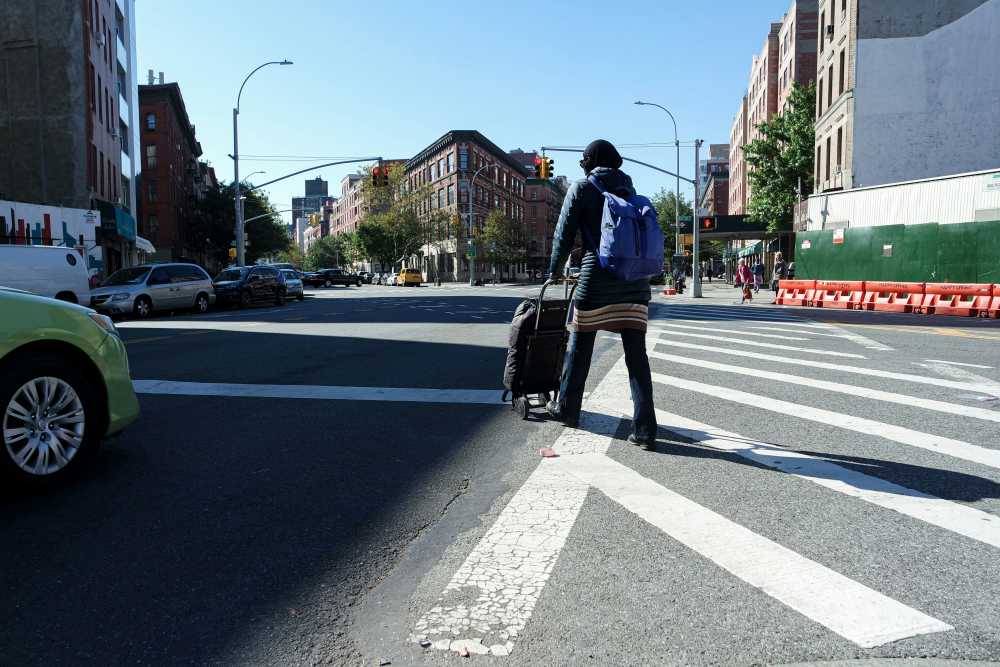
How to Confidently Dine Alone (and Actually Enjoy It)
The "table for one" is a classic source of anxiety. It's time to reframe it. Dining alone is not a social failure; it is an act of luxurious self-care. It's a chance to people-watch, to savor your food without distraction, and to be alone with your thoughts.
Own the Bar: The bar or chef's counter is your best friend. It's a more casual, socially acceptable place to sit alone, and it puts you in easy conversation range of the bartender or your neighbors.
Bring a Purposeful Prop: A book or headphones can signal "do not disturb." But a journal or a local map can signal "I'm an interesting traveler open to conversation." Choose your prop based on your mood.
Become a Food Critic: Engage fully with the experience. Take notes on the flavors in your journal. Take a beautiful photo of the dish. When you treat the meal as an activity in itself, you'll forget to feel self-conscious.
The TrekGuider Take: To instantly feel more comfortable dining alone, head for the bar or a chef's counter. It's a socially designated space for individuals, offers a great view, and often leads to the best conversations with staff and other diners. It's the ultimate solo dining power move.

The Art of Taking Your Own Photos
You will want proof that you were on this incredible adventure.
Get a Mini-Tripod: A small, flexible tripod like a GorillaPod combined with your phone's self-timer is your new best friend. You can prop it on ledges, wrap it around railings, and compose beautiful shots that go way beyond the selfie.
Ask a Fellow Photographer: If you need someone to take your photo, don't ask a random person. Look for another tourist holding a DSLR camera. They will understand composition and will likely be happy to help a fellow traveler. Offer to take one for them in return.
The Video Screenshot Hack: This is a pro-level trick. Prop your phone up, hit record, and then walk through the scene, look at the view, or interact with your environment. Later, you can scrub through the video and pull perfectly candid, natural-looking still photos from it.

Loneliness: What It Feels Like and How to Move Through It
Let's be real: at some point, you will likely feel a pang of loneliness. It might be during a beautiful sunset or a delicious meal that you wish you could share. It's a normal, valid human emotion. The trick is to acknowledge it, honor it, and then have a plan to move through it.
When it hits, don't stew in it. Take action. Call a friend from home. Go to the hostel common room. Write down how you're feeling in your journal. Often, the simple act of acknowledging the emotion and taking one small, positive step is enough to dissolve it. It's just a passing cloud, not a permanent weather system.
Frequently Asked Questions (FAQ Section)
How much does a solo trip typically cost?
This varies wildly by destination and travel style. A good baseline for a mid-range solo traveler in destinations like Southern Europe or Southeast Asia is $75-$150 USD per day. This covers a private room in a quality hostel or budget hotel, a mix of restaurant meals and street food, daily activities, and local transport. A strict budget backpacker can survive on under $50, while a luxury traveler could spend thousands.
What are the best countries for a first-time solo female traveler?
For a first trip, prioritize countries known for world-class safety, excellent tourist infrastructure, and a high degree of gender equality. Top-tier destinations include Iceland, New Zealand, Finland, Japan, Portugal, Costa Rica, Singapore, and Canada. Others like Austria, Denmark, and the Netherlands are also fantastic choices. Choosing any of these will let you focus on the joy of travel, not stress.
Is it better to stay in a hotel or a hostel when traveling alone?
This is a personal choice based on your priorities. Choose a hostel if your primary goals are to meet other people and save money; they are designed to be social incubators. Choose a hotel if you deeply value privacy, quiet, and comfort; sometimes the ability to close your own door and recharge in silence is priceless.
How do you handle medical emergencies when you are by yourself?
Preparation is everything. First, you must have comprehensive travel insurance; keep digital and physical copies of your policy. Second, before you arrive, research the local emergency number (it's not always 911) and save it in your phone's contacts. Finally, carry a small "In Case of Emergency" card with your emergency contact's info, blood type, and any critical allergies, ideally translated into the local language.
Your Journey from Anxious to Adventurous Starts Now
You have the knowledge, now it's time to unlock the confidence to match. The profound freedom, deep self-reliance, and unforgettable moments of discovery that await you are more than worth navigating the initial waves of uncertainty. By embracing modern technology and adopting a mindset of prepared confidence, you systematically minimize the risks and amplify the incredible rewards.
We've compiled our most critical safety protocols into one essential resource to help you take that final step: our free Solo Female Travel Safety Guide. Download it to equip yourself with the expert strategies you need to navigate the world safely and confidently. This guide is your playbook, but the adventure itself is yours—and yours alone—to write. The world is ready for you.
Don't Miss Out! Subscribe for Exclusive Content
SubscribeComments 0
No comments yet
Be the first to share your experience!
Dont Miss Out! Subscribe for Exclusive Content
Ultimate USA Holidays Guide: Top Picks
FTC Affiliate Disclosure Essentials: Stay Compliant as a Travel Creator
Essential Affiliate Tools: From Tracking to Full Optimization
Booking.com Affiliate Program Review: Pros, Cons, and Earnings Potential
Decoding Affiliate Commission Rates: Benchmarks for Travel Creators