

TrekGuider @trekguider
SF Festivals: 7 Must-See Lineups

San Francisco’s cultural calendar is a dizzying, year-round whirlwind of activity, making it almost impossible to know where to begin. You want to dive into the authentic heart of the city, but you’re faced with an overwhelming number of options. How do you choose the events that are truly iconic, the ones that define the Bay Area’s unique spirit, without wasting your precious time on something that doesn’t live up to the hype?
The fear of missing out is real. You could easily find yourself stuck in a generic tourist trap, completely missing the vibrant, community-driven celebrations happening just a few blocks away. You risk leaving the city without ever experiencing the dazzling traditions of the Chinese New Year Parade or the electrifying energy of the Pride Parade on Market Street. Don’t let your trip be defined by indecision; let it be defined by unforgettable moments.
This guide is your definitive solution. We’ve hand-picked the 7 must-see lineups that represent the very best festivals in San Francisco. Think of this as your insider’s ticket to the city's biggest moments, but it's just one piece of the puzzle. For a complete, year-round look at the city's seasonal rhythm, be sure to explore our comprehensive guide to San Francisco Holidays: Bay Area Buzz.
1. Chinese New Year Parade: One of the Oldest Festivals in San Francisco
Forget what you think you know about parades. San Francisco’s Chinese New Year Parade isn’t just an event; it’s a full-blown sensory spectacle and a powerful link to the city’s soul. As one of the most cherished festivals in San Francisco, this celebration transforms the streets into a living river of light, sound, and ancient tradition.
The Cultural Significance: A Tradition Since 1851
San Francisco is home to the oldest and largest Chinese New Year celebration outside of Asia, a tradition that has been a key part of the city's cultural identity since 1851. The festival marks the beginning of the new year on the traditional lunisolar Chinese calendar and is a time for families to honor ancestors, share symbolic foods like noodles for longevity, and welcome a year of good fortune. While the celebration includes a vibrant Flower Fair and a bustling Street Fair, the main event is the spectacular night parade.
Key Dates and Times for 2026
Mark your calendars for the Year of the Snake. The main parade is scheduled for Saturday, around mid-February (dates shift each year), starting at 5:15 PM. As one of the few night-illuminated parades in North America, it offers a uniquely magical experience. Expect to see:
Elaborate Floats: Beautifully designed floats glowing under the city lights.
Traditional Lion Dancers: Energetic performers in stunning costumes, believed to bring good luck.
The Golden Dragon: The parade’s grand finale features the famous 268-foot Golden Dragon, a breathtaking sight that requires a team of over 100 people to carry through the streets.
Modern Drone Light Show: A stunning high-tech addition that blends ancient tradition with Bay Area innovation.
Pro-Tips for the Best Viewing Experience
To make the most of this incredible event, a little planning goes a long way.
Arrive Early: The parade route gets crowded hours before the start time. Secure a spot along the route by mid-afternoon for the best views.
Use Public Transit: Street closures make driving and parking nearly impossible. Use BART or Muni to get downtown and walk to the parade route.
Dress in Layers: San Francisco weather is famously unpredictable. Even if the day is warm, the evening will get chilly, so bring a jacket, hat, and gloves.
Consider Bleacher Seats: If you want to guarantee a comfortable spot with a clear view, you can purchase tickets for the bleacher seating located along the route.
Pro-Tip: Don't leave before the grand finale! The parade now incorporates a modern drone light show, a stunning high-tech contrast to the traditional 268-foot Golden Dragon that you won't want to miss.

2. SF Pride Parade: One of the Most Iconic Festivals in San Francisco
The San Francisco Pride Parade is more than just a festival; it’s a powerful, vibrant, and deeply meaningful declaration of love, equality, and resilience. Every June, hundreds of thousands of people from all over the world gather to celebrate the LGBTQ+ community in one of the largest and most famous Pride events globally.
From Protest to Celebration: The History of SF Pride
The roots of SF Pride run deep. The event commemorates the 1969 Stonewall Uprising in New York City, a key moment that ignited the modern fight for LGBTQ+ rights. San Francisco’s first "gay-in" was held in 1970, evolving from a political protest into the massive celebration of identity and activism it is today. Through the 1980s, the parade became a crucial platform for raising AIDS awareness, and it continues to be a powerful stage for advocating for the rights and visibility of the entire LGBTQ+ spectrum.
2026 Parade Route and Schedule
The 2026 SF Pride Parade is scheduled for Sunday, the last Sunday of June, starting at 10:30 AM. The route runs along Market Street, beginning at Beale Street and concluding at 8th Street, leading into the heart of the Civic Center Plaza celebration. The parade is a joyous spectacle featuring colorful floats, dynamic marching contingents from community organizations and corporate allies, and an infectious energy of pure celebration.
Navigating the Crowds and Staying Safe
With massive crowds, it’s essential to plan ahead for a smooth and safe experience.
Find a Good Spot: The sidewalks along Market Street fill up quickly. For a slightly less crowded experience, try finding a spot closer to the beginning of the route near the Embarcadero.
Stay Hydrated and Protected: The June sun can be strong. Bring water, sunscreen, and a hat.
Use Technology: The event is known for its strong security measures, which have included advanced weapon detection technology, allowing attendees to focus on the celebration. Look for official festival apps that provide maps, schedules, and emergency alerts.
Pro-Tip: Major events like SF Pride are leveraging technology for safety. Look for official festival apps or partnerships with services like SaferWatch for real-time, anonymous safety reporting and emergency alerts, ensuring you can focus on the celebration.
If you're inspired to document the incredible energy of events like Pride, our The Travel Creator's Toolkit provides essential tips and resources for capturing stunning photos and videos on the go.

3. St. Patrick's Day Parade: A Sea of Green on Market Street
San Francisco’s St. Patrick's Day Parade is a cherished tradition that brings a touch of Irish luck and culture to the West Coast. Held annually since 1852, it’s one of the city’s longest-running events, drawing families, locals, and visitors alike for a day of festive fun.
Honoring Irish Heritage in the Bay Area
While the holiday observes the anniversary of the death of Saint Patrick, the parade in San Francisco has evolved into a broad celebration of Irish and Irish-American culture. It’s a day to honor the significant contributions of the Irish community to the city’s history and development. The event is a vibrant display of heritage, filled with the sounds of bagpipes, the sight of traditional Irish dancers, and a sea of green attire.
Parade Details and What to Expect
The parade typically takes place on the Saturday closest to St. Patrick's Day (March 17). It proceeds down Market Street, culminating in a festival at Civic Center Plaza. You can expect to see a lively procession featuring:
Local Irish community groups and families.
Traditional Irish musicians and dance troupes.
Colorful floats and marching bands.
Local dignitaries and community leaders.
The post-parade festival continues the celebration with live music, Irish food and drink, and cultural exhibits, making it a full day of family-friendly entertainment.

4. Cinco de Mayo Festival: A Vibrant Celebration of Mexican-American Culture
While often mistaken for Mexican Independence Day, Cinco de Mayo commemorates the Mexican Army's unlikely victory over the French at the Battle of Puebla in 1862. In San Francisco, this day has a particularly deep historical significance, with parades held since 1863, evolving into a proud celebration of Mexican-American heritage and resistance.
The True Meaning of Cinco de Mayo
For Mexican-Americans in the 19th century, the victory at Puebla was a powerful symbol of resistance against European imperialism. Over the decades, particularly during the Chicano Movement, the holiday was embraced as a day to celebrate cultural pride. Today, the San Francisco festival continues this legacy, often featuring speakers and music that connect the historical victory to contemporary issues of democracy and social justice.
Where to Find the Festivities
The celebration is typically centered in the Mission District, the historic heart of the city’s Latino community. The festival transforms the neighborhood with a low-rider car show, live music stages featuring everything from mariachi to salsa, and booths offering delicious, authentic Mexican cuisine. It’s a family-friendly event that offers a rich, immersive cultural experience far beyond the commercialized versions of the holiday.
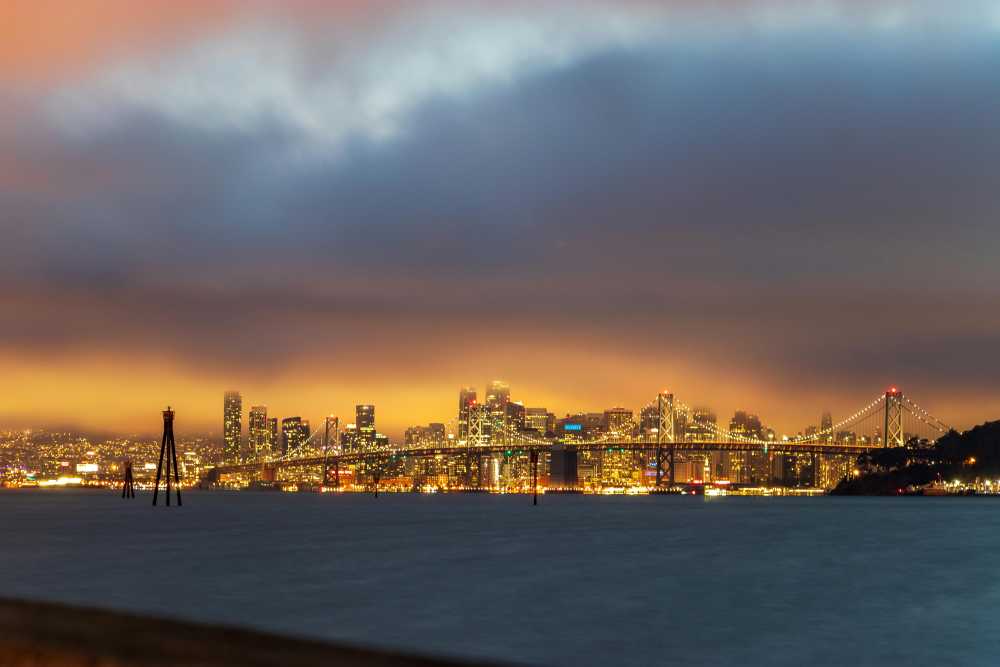
5. Fourth of July Fireworks: A Patriotic Explosion Over the Bay
There are few better places to celebrate American Independence Day than along the stunning San Francisco waterfront. The city’s annual Fourth of July celebration is a massive event, drawing huge crowds for a day of festivities capped off by a spectacular fireworks display over the bay.
The Best Viewing Spots for the Fireworks Display
The main event is the fireworks show, which is typically launched from barges located near Pier 39 and Aquatic Park. To get a prime viewing spot, you have several options:
Fisherman's Wharf & Pier 39: This is the epicenter of the celebration, offering close-up views but also the largest crowds. Arrive early in the afternoon to claim your space.
Aquatic Park and Ghirardelli Square: These spots offer fantastic, direct views of the fireworks.
Angel Island or Alcatraz: For a truly unique perspective, consider a ticketed boat tour that takes you out onto the bay for an unobstructed view away from the waterfront crowds.
Coit Tower: The hills around Coit Tower provide an elevated vantage point, though it’s a popular spot that also fills up quickly.
Planning Your Day: What to Bring and When to Arrive
This is one of the busiest days of the year on the waterfront. Plan to arrive by early afternoon at the latest. Bring blankets or low-backed chairs, snacks, and plenty of water. Most importantly, pack warm layers. As soon as the sun goes down, the famous San Francisco fog can roll in, bringing a significant temperature drop. Public transportation is strongly recommended, as parking will be extremely limited and expensive.
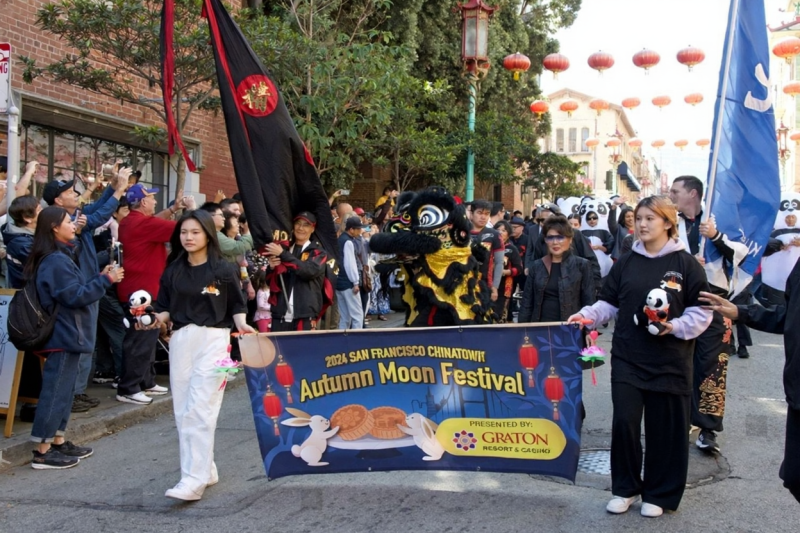
6. Halloween in the Castro: A Uniquely San Francisco Haunt
While many cities celebrate Halloween, San Francisco puts its own unique and fabulous spin on the holiday, with the Castro District historically serving as the vibrant, beating heart of the festivities. Although the massive official street party of years past has been discontinued, the spirit of Halloween is alive and well.
The Castro's Legendary Halloween Spirit
The Castro’s legacy as a Halloween destination is legendary. The neighborhood comes alive with incredible, elaborate costumes, and the atmosphere is one of pure, unadulterated fun. While there is no longer a formal, city-sponsored event, the evening still draws crowds who come to see and be seen in their Halloween best. The celebration now takes the form of numerous pub crawls, costume contests, and private parties hosted by the area's many bars and clubs.
Safety and Transportation Tips for a Spooky Night
If you plan to celebrate in the Castro, safety and logistics are key.
Use Rideshares or Public Transit: Parking is virtually nonexistent, and you’ll want a safe ride home. The Castro Muni station is centrally located.
Stay with Your Group: The streets can get crowded. Use a buddy system and keep your phone charged.
Be Respectful: Remember that the Castro is a residential neighborhood. Be respectful of residents and local businesses while you celebrate.
For those seeking a more traditional haunted experience, the famous Winchester Mystery House in nearby San Jose offers special candlelit tours during the Halloween season.

7. Christmas in Union Square: The Heart of SF's Holiday Magic
When the holiday season arrives, Union Square transforms into a magical winter wonderland, serving as the festive centerpiece for the entire city. If you’re looking for classic Christmas cheer, this is the place to be.
The Iconic Tree and Ice Rink
The two main attractions in Union Square are the massive, beautifully decorated Christmas tree and the seasonal outdoor ice rink. Skating under the twinkling lights with the iconic square as your backdrop is a quintessential San Francisco holiday experience. The entire area is decked out in festive lights and decorations, creating a joyful and picturesque atmosphere that’s perfect for families, couples, and anyone looking to get into the holiday spirit.
Finding the Best Views and Photo Ops
For a stunning bird’s-eye view of the tree, the ice rink, and all the festive chaos, head to the upper floors of the Macy's department store that borders the square. The windows of the Cheesecake Factory at the top offer one of the most sought-after views in the city during the holidays. The square itself offers countless photo opportunities, from the giant ornaments to the festive storefronts of the surrounding luxury retailers. This is the perfect place to capture that classic holiday memory.
Your Guide to the Best of the Bay
You are now equipped with the insider knowledge to experience the very best festivals in San Francisco. From the ancient traditions of the Lunar New Year to the modern celebrations of Pride and the festive magic of Christmas in Union Square, you have a clear path to immersing yourself in the events that truly define this incredible city. You no longer have to guess which events are worthwhile; you can now plan your trip with confidence, ready to create memories that will last a lifetime.
To take your planning to the next level and build a complete itinerary around these incredible events, explore our comprehensive Travel Guide. It’s packed with expert advice on everything from lodging and dining to transportation, ensuring your entire San Francisco adventure is as seamless as it is unforgettable.
Travel News


Comments 0
No comments yet
Be the first to share your experience!
You May Also Like

San Francisco Cherry Blossoms: A Local's Guide to the Blooms


Halloween SF: Haunts Without Horrors

Christmas SF: Lights & Wharf Wonders

SF Pride: 6 Route & Party Hacks

Chinese New Year SF: Parade Essentials

San Francisco Holidays: Bay Area Buzz
TrekGuider @trekguider
The Ultimate Guide to Solo Female Travel (15 Essential Tips)
The world of travel is being redrawn by its most powerful new explorers: women journeying on their own. This isn't just a trend; it's a seismic cultural shift. With the global solo travel market projected to surge past $1.5 trillion by 2033, and women making up a staggering 84% of that market, one thing is clear: the solo female traveler is here to stay. This movement is powered by a desire for something more than a vacation. According to recent reports, it's about pursuing profound personal growth (68%) and the unparalleled freedom that only comes from navigating the world on your own terms.
If you're reading this, you likely feel that same pull. And while the ambition is thrilling, it's often shadowed by valid questions about safety, logistics, and loneliness. This guide is here to replace that apprehension with confident, decisive action. These are the essential solo female travel tips—a comprehensive roadmap designed to take you from daydream to departure with clarity and courage.
The Foundation - Safety & Mindset
Before you book a flight or pack a bag, the most important part of your journey begins. It's the internal work of building a resilient mindset, understanding the emotional landscape of solo travel, and grounding yourself in smart, practical safety strategies.
Tip 1: Master Situational Awareness to Travel Confidently
The single biggest concern for women traveling solo is safety. A recent study found that 66% of solo female travelers worry about their personal safety, and it's a valid, intelligent concern. But here is the empowering reality: the same study revealed that while 25% have felt they were in a dangerous situation, a mere 1% were ultimately the victim of a crime. This tells us that women are overwhelmingly capable and successful at navigating the world safely.
The key is trading abstract fear for concrete skills, and situational awareness is your most powerful tool. It’s not about paranoia; it’s about presence. It means understanding how to recognize and avoid common tourist scams, from the "friendship bracelet" ploy near the Sacré-Cœur to the broken taxi meter at a foreign airport. It’s knowing how to carry yourself with purpose and confidence, even when you’re lost, and making conscious, clear-headed decisions about where you go, especially after dark.
Most powerfully, the data reveals a direct correlation between experience and anxiety. While a significant 77% of women who have taken fewer than six solo trips worry about safety, that number drops to just 55% for those with over ten trips under their belt. The act of traveling solo is, in itself, the most potent antidote to the fear of it. Each challenge overcome recalibrates your personal risk assessment, replacing media-fueled fear with managed awareness built on real-world evidence of your own competence.

For a complete tactical breakdown, get your free Solo Female Travel Safety Guide and read our in-depth article, The 7 Solo Female Travel Safety Rules You Can't Ignore.
Tip 2: Embrace the Journey of Personal Growth
Why do you really want to travel alone? For the vast majority of women, the answer goes far beyond seeing new sights. It’s an investment in the self. Solo travel is a real-world masterclass in capability, forcing you to become your own navigator, problem-solver, and chief decision-maker. Every challenge overcome—from successfully navigating a foreign subway system to ordering a meal in a new language—builds a powerful and tangible sense of radical self-reliance.
This journey strips away the familiar roles you play at home—employee, partner, daughter, friend—and allows you to connect with your authentic self, free from the expectations of others. You'll develop a profound resilience, learning to view setbacks not as crises but as puzzles to be solved. As Alice Teacake of Teacake Travels puts it, "it's through leaving our comfort zone and facing challenges that we become far more adaptable, quick-thinking, stronger and wiser." This isn’t just about feeling good; it's about fundamental personal development. The confidence you build on the road doesn’t stay in your suitcase; it comes home with you, permanently altering how you see yourself and your capabilities in the world.
To explore the transformative "why" behind the journey, read our inspirational guide: The 5 Unexpected Benefits of Traveling by Yourself.
Tip 3: Learn the Art of Confidently Dining Alone
For many aspiring solo travelers, one of the most daunting thoughts isn't about navigating a new city, but about a simple, seemingly trivial act: eating a meal alone in a restaurant. This social anxiety is incredibly common, but it's an obstacle that can be transformed from a dreaded necessity into one of the most pleasant and empowering rituals of your trip. The key is to be strategic.
Start by choosing your venue wisely. Actively avoid establishments that are overtly formal or marketed towards romantic couples. Instead, opt for casual bistros, lively cafes with outdoor seating perfect for people-watching, or restaurants known for their counter seating. Sitting at the bar is the universally accepted and most comfortable spot for a solo diner. It eliminates the feeling of occupying an empty table and often places you in a more dynamic, social environment where you can chat with the bartender or simply observe the action in comfortable anonymity.

Bringing a "prop"—a travel journal to record your day's adventures, a good book, or a map to plan the next day—gives you a purposeful focus during any lulls. It signals to yourself and others that you are content and engaged in your own company. Dining during off-peak hours can also significantly reduce anxiety, as the restaurant will be less chaotic. With a little practice, you'll find that a table for one is a front-row seat to the world.
For a full menu of confidence-building tactics, see our guide: 5 Ways to Confidently Eat Alone While Traveling.
Tip 4: Build Your Tribe on the Road (Safely)
Traveling solo doesn’t have to mean traveling lonely. One of the most enriching parts of the experience is connecting with other people, both locals and fellow travelers, on your own terms. The secret is to create opportunities for interaction in safe, structured, and natural ways.
Your choice of accommodation is the easiest place to start. Modern hostels are designed as social hubs, with common areas, kitchens, and organized events like group dinners or walking tours. Even if you book a private room for security and comfort, simply spending time in the common lounge is a low-pressure way to strike up a conversation. Joining group activities is another guaranteed method. A free walking tour on your first day in a new city is a classic and highly effective strategy to get your bearings while chatting with other travelers. Consider a local cooking class, a surf lesson, or a day trip to a nearby attraction; the shared experience makes conversation feel natural and easy.
Technology can also be a powerful tool for safe connection. Vetted, women-focused Facebook groups like "Solo Female Travelers" or apps like BumbleBFF can help you meet up for a coffee or a meal. The goal isn't to fill every moment with social interaction, but to know how to find it when you want it, enriching your journey with shared experiences and new perspectives.
Learn how to create meaningful connections without compromising your safety in our guide: How to Meet People While Traveling Solo (Without Being Awkward).
Tip 5: Find Inspiration from Those Who've Gone Before
The path to your first solo trip is paved with the stories and advice of the millions of women who have gone before you. Tapping into this vast well of experience is one of the best ways to build confidence and gather practical, real-world advice. Solo female travel blogs are an invaluable resource, offering everything from packing lists for specific climates to warnings about local scams. Following a few trusted voices can make you feel like you have a savvy friend in your pocket.
For the Safety-Conscious Traveler: Kate McCulley of Adventurous Kate has built her platform on the mission to "teach women how to travel the world safely!" After being shipwrecked in Indonesia, she became a leading advocate for preparedness and risk management. Her blog is a go-to resource for practical, no-nonsense safety advice that empowers rather than scares.
For the Aspiring Digital Nomad: Kristin Addis of Be My Travel Muse specializes in off-the-beaten-path and adventure travel. She focuses on authentic experiences that foster personal growth and encourages women to find a travel style that is uniquely meaningful to them, making her a fantastic resource for anyone dreaming of a long-term travel lifestyle.
For the Part-Time Traveler: Amanda Williams of A Dangerous Business champions the idea that you don't have to quit your job to see the world. Her blog is perfect for those who want to integrate more travel into their existing life, offering realistic itineraries and practical tips for maximizing vacation time and traveling smarter, not just longer.
Discover your next favorite travel mentor in our curated list: Top 11 Solo Female Travel Blogs to Follow in 2026.
The Logistics - Planning Your Perfect Trip

With a confident mindset established, it’s time to dive into the exciting logistics of where you'll go and how you'll get there. This is where your dream trip starts to take tangible shape.
Tip 6: Choose Your First Destination Wisely
The choice of where to take that first solo trip is a monumental one; it sets the tone for every adventure to come. The ideal country for a first-timer combines a high of safety, a well-developed tourist infrastructure, and a culture that is welcoming to independent travelers. Using data from sources like the Global Peace Index (GPI) provides a solid, fact-based starting point for your research.
Iceland: Consistently ranked the most peaceful country in the world by the GPI, Iceland is an outstanding choice. It boasts an exceptionally low crime rate, a high degree of gender equality, and English is widely spoken. Its strong tourism infrastructure, with countless tours and easy-to-navigate routes like the Ring Road, makes it highly accessible for independent travelers seeking otherworldly landscapes.

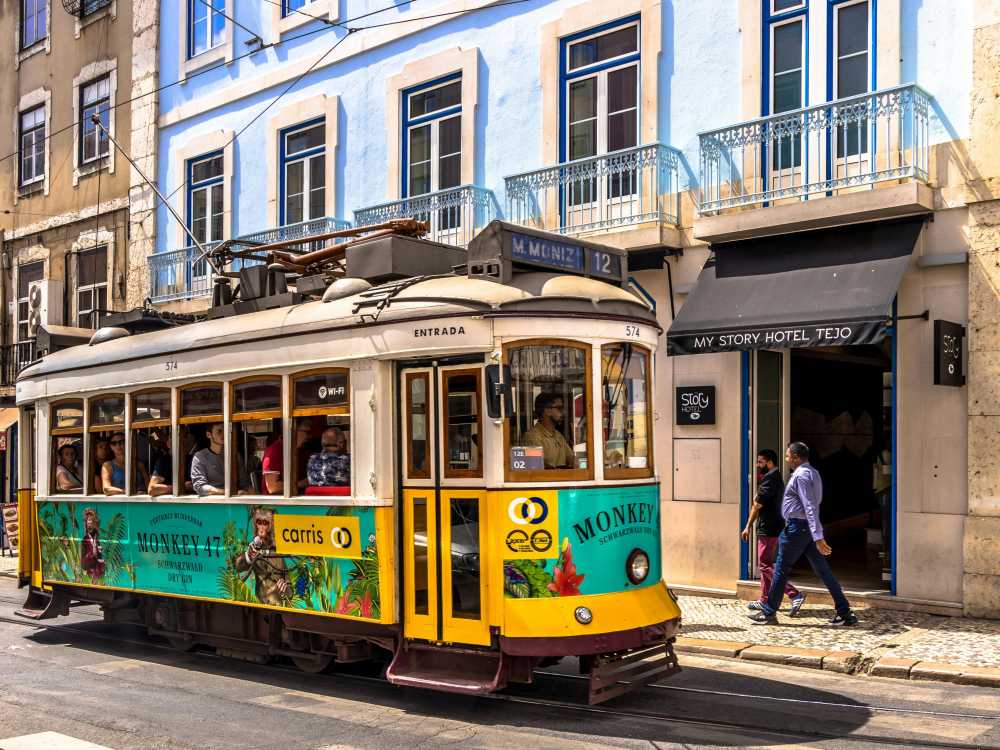
Portugal: A consistent top-ten performer on the GPI, Portugal offers the safety and charm of Western Europe at a more affordable price point. Its cities are considered very safe, the locals are welcoming, and it has become a major hub for solo travelers and digital nomads, ensuring a vibrant community of like-minded people. Ready to explore its charming cities and stunning coastlines? Our Portugal Guide has everything you need to get started.

Japan: Renowned for its astonishingly low crime rates and a culture of deep respect for public order, Japan is one of the safest-feeling countries on earth. The efficiency of its public transport is legendary, and features like women-only subway cars during rush hour provide an added layer of comfort for solo female travelers seeking a unique and profound cultural immersion. Check out our detailed guide to Japan.
For a full list of beginner-friendly and secure destinations, check out our guide: The 10 Best Countries for a First Solo Trip in 2026.
Tip 7: Craft a Realistic Budget You'll Actually Stick To
Financial planning is the bedrock of a stress-free solo journey. As the sole bearer of all costs, a strategic approach to budgeting isn't just advisable—it's essential. The process transforms a vague dream into an achievable financial goal. Start by researching the three largest costs: pre-trip essentials (visas, gear), long-haul transportation (flights), and a realistic average daily on-the-ground cost for your chosen destination. A daily budget in Prague, for example, can be less than half of what you'd spend in Paris, primarily due to lodging and food costs.
Create a detailed spreadsheet breaking down all expenses into specific categories: Pre-Trip Costs, International Transport, Daily Lodging, Daily Food, Daily Activities, and Local Transport. This gives you a clear picture of where your money is going and identifies areas where you can save. Once you have a total, work backward to set a monthly savings target and automate the transfer to a dedicated, high-yield savings account.
The most critical step? Incorporate a contingency fund. No budget is perfect, and travel is full of unexpected opportunities and challenges. Add a buffer of 15-20% to your total estimated cost. This fund is your safety net for emergencies, unexpected fees, or the freedom to say "yes" to a spontaneous, can't-miss experience without financial guilt.
For a step-by-step walkthrough and downloadable templates, see our complete guide: How to Make a Solo Travel Budget (That You'll Actually Keep).
Tip 8: Pack Light, Travel Free
For a solo traveler, mastering the art of minimalist packing is a superpower. Traveling with only a carry-on-sized bag enhances mobility, saves you money on baggage fees, and increases security by keeping your belongings with you at all times. It’s the ultimate form of travel freedom, allowing you to navigate crowded train stations and cobblestone streets with ease. The philosophy is simple: pack for one week and plan to do laundry once.
The key to a minimalist wardrobe is versatility. A merino wool t-shirt is a traveler's miracle fabric; it regulates temperature, wicks moisture, and is naturally antimicrobial, meaning you can wear it multiple times between washes. A large, high-quality scarf or sarong is the ultimate multi-tool, functioning as an accessory, a wrap for a chilly plane, a head covering for religious sites, or a picnic blanket. Solid toiletries—like shampoo bars and conditioner bars—are a game-changer, eliminating the worry of liquid spills and airport security rules. By choosing every item with intention and focusing on multi-use pieces, you can easily fit everything you need for a 10-day trip into a single, liberating bag.

Get the complete checklist and strategy in our ultimate guide: The Minimalist Solo Travel Packing List: A Complete Guide.
Tip 9: Explore Europe Like a Pro
Europe is a classic and incredibly rewarding destination for solo female travelers, thanks to its breathtaking diversity, high levels of safety, and excellent transportation networks. Choosing how to get from country to country is a key part of planning your adventure, with each option offering a different balance of cost, speed, and experience.
By Train: The quintessential European experience. Traveling by rail pass offers scenic views and the unparalleled convenience of arriving directly in the city center. It’s best for travelers who value flexibility and spontaneity, though high-speed routes in countries like Spain and Italy often require advance seat reservations, which come with an extra fee. Our Spain Guide can help you navigate the system.
By Budget Airline: Unbeatable for covering long distances quickly and cheaply. A flight from Lisbon to Berlin is far more time-efficient than any land-based option. However, the low headline price often hides hefty fees for luggage, and airports are typically located far outside the city, adding significant time and transit costs to your journey. It's efficient, but often a stressful means to an end.
By Coach Bus: Almost always the cheapest way to travel between cities, especially in Central and Eastern Europe where the bus network is extensive. Modern coaches are often comfortable, with Wi-Fi and power outlets, but journeys are significantly longer than by train or plane and are susceptible to traffic delays. This is the best option for the budget-conscious traveler for whom time is not the primary concern.
For a detailed comparison and continent-specific advice, see our first-timer's manual: How to Travel Europe Alone: A 2026 First-Timer's Guide.
Tip 10: Discover the Best of the USA on a Solo Road Trip
The United States offers a lifetime of solo travel possibilities, and the great American road trip is an iconic journey of freedom and discovery. The key to a successful solo trip is to focus on a specific region or theme rather than trying to cover too much ground. These itineraries offer a perfect blend of adventure, culture, and stunning scenery.
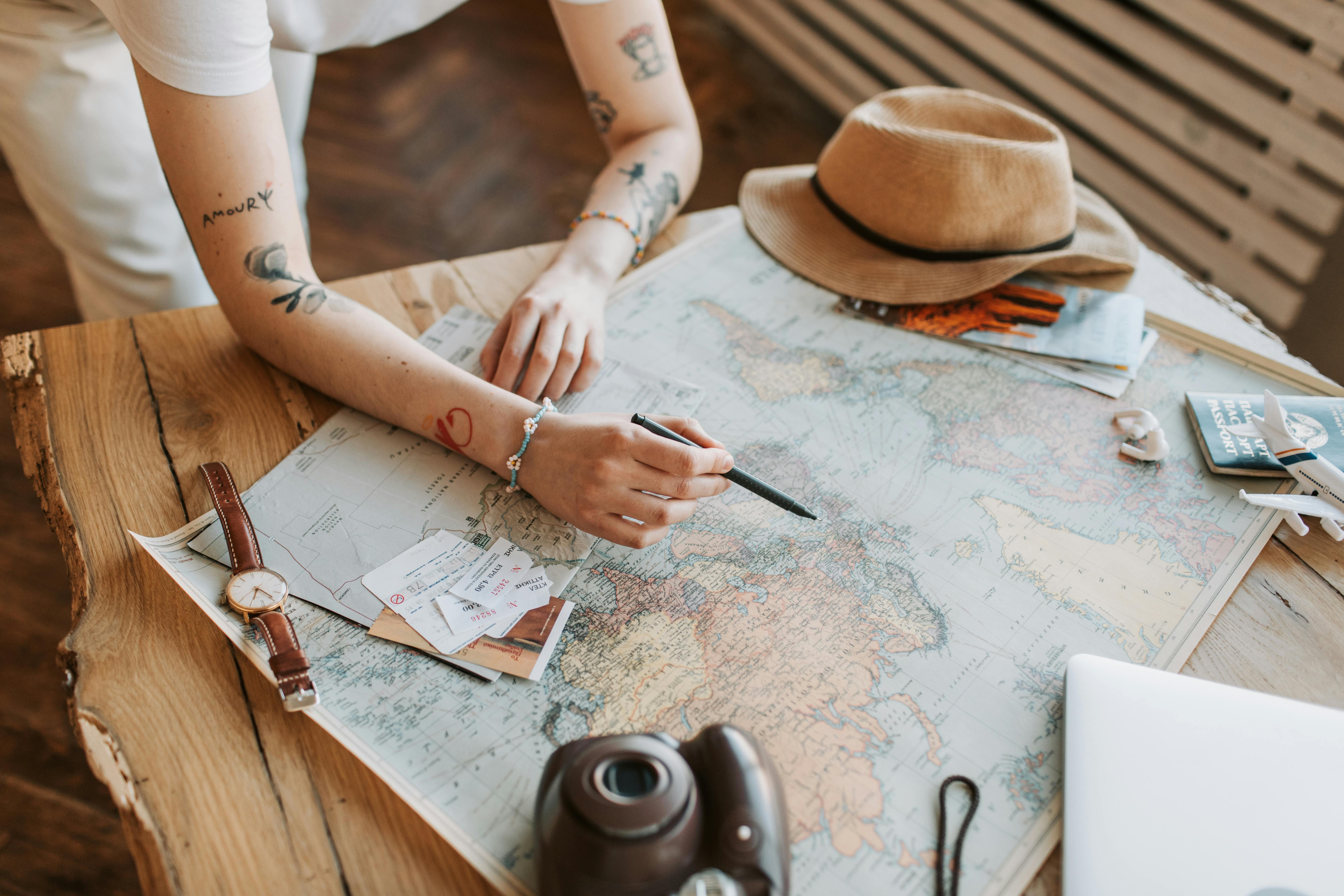
Pacific Coast Highway (California): A quintessential American drive. This 5-7 day itinerary from San Francisco to Los Angeles is all about the dramatic coastal scenery of Highway 1, with essential stops in the charming arts town of Carmel-by-the-Sea and the iconic, redwood-lined cliffs of Big Sur.
Southwest National Parks Loop (Utah/Arizona): An epic 7-10 day road trip for the avid hiker. Fly into Las Vegas and create a loop to visit the majestic canyons of Zion National Park, the otherworldly hoodoos of Bryce Canyon National Park, and the awe-inspiring Grand Canyon. The proximity of these parks makes for a manageable and visually stunning journey.
Southern Culinary & Music Trail (TN/LA): A journey through the heart of American music. Start in Nashville for country music and hot chicken, drive to Memphis to experience the blues on Beale Street and visit Graceland, and end in New Orleans for the vibrant sounds of jazz in the French Quarter. This trip is a feast for the ears and the taste buds.
Find your perfect American adventure in our list of itineraries: Solo Travel in the USA: 10 Incredible Itinerary Ideas.
Advanced Tactics - The Savvy Traveler's Toolkit
You’ve got the mindset and the plan. Now, let’s sharpen your skills with advanced, practical solo female travel tips that separate the novice from the savvy, seasoned traveler.
Tip 11: Choose Your Accommodation Like a Security Pro
Your accommodation is your sanctuary, a private space to rest and recharge. Ensuring its security is a non-negotiable first step upon arrival. Executing a consistent, methodical check immediately upon entering a hotel room or Airbnb can provide critical peace of mind. This protocol should become an automatic habit. First, prop the door open with your luggage before fully entering the room; this prevents the door from locking behind you and ensures an immediate escape route should you discover the room is not empty.
Next, conduct a quick but thorough physical search of the entire space: under the bed, behind all curtains, inside closets, and in the bathroom. Once you've confirmed the room is empty, close the door and immediately test all locking mechanisms, including the deadbolt and any chain locks. Go to every window and balcony door to ensure they are secure. Your personal security devices provide a layer of protection that is entirely within your control. Immediately place a rubber wedge doorstop alarm under the main door or install a portable door lock. Finally, locate the fire exit map, identify the two nearest exits, and physically walk the route to each. This mental map is invaluable for navigating in darkness or smoke.

Tip 12: Master Ground Transportation Safety
Ground transportation in an unfamiliar country can be a point of vulnerability. Adhering to a strict set of safety protocols for every ride is essential. When using a ride-share app, always follow the "Match, Name, Share" protocol. First, carefully Match the vehicle's make, model, and license plate number with the information provided in the app. Second, from a safe position on the curb, ask the driver, "Who are you here for?" to make them say your Name. Never ask, "Are you here for Jane?" A legitimate driver will know your name without prompting.
Finally, before your ride begins, use the app's built-in feature to Share your trip status with a trusted friend or family member, allowing them to track your journey in real-time. As a solo traveler, always sit in the back seat on the side opposite the driver. This creates physical distance and gives you access to two separate exits. Keep your own mapping application open on your phone throughout the journey to follow the route. If the driver takes a significant and unexplained detour, you are empowered to question it and, if necessary, end the ride in a safe, well-lit public area.
Tip 13: Never Leave Home Without Travel Insurance
For a solo traveler, travel insurance is not an optional luxury; it is an absolute necessity. It functions as a financial and logistical safety net in the event of a medical emergency, trip disruption, or theft far from home. When evaluating policies, a solo traveler should ensure the plan includes strong coverage in several key areas.
The most critical component is Emergency Medical Coverage; medical care abroad can be extraordinarily expensive, so a policy should offer a minimum of $250,000 in benefits. Emergency Medical Evacuation is also essential, as it covers the potentially astronomical cost of transporting you to a hospital with adequate facilities or back to your home country.
Critically for solo travelers, look for a policy that includes Emergency Medical Reunion (Companion Coverage). If you are hospitalized for an extended period, this coverage will pay for a family member's transportation and accommodation to be at your bedside. This logistical and emotional support is invaluable when you are alone and ill in a foreign country. Finally, ensure the policy covers Trip Interruption and has adequate reimbursement for lost or stolen baggage.
Tip 14: Assemble a Digital and Physical "Lifeline" Packet
Before departing on any international trip, a solo traveler should establish a "mission control" back home by providing a designated emergency contact with a comprehensive packet of information. This ensures that if you are unreachable, someone you trust has all the necessary details to assist you. This packet should include both physical and digital copies of your passport photo page, any necessary visas, your driver's license, your travel insurance policy (with the 24/7 assistance number), and the front and back of every credit and debit card you're carrying.
Also include a complete day-by-day itinerary with flight numbers, train schedules, and the names, addresses, and phone numbers of all booked accommodations. The final, crucial step is to enroll your trip with the U.S. Department of State’s free Smart Traveler Enrollment Program (STEP). Enrolling your trip online provides the nearest U.S. Embassy or Consulate with your itinerary and contact information. It creates a three-way digital bridge connecting you, your emergency contact, and the State Department, ensuring a coordinated response in a worst-case scenario.
Tip 15: Use the Right Financial Tools to Avoid Hidden Fees
Using the right financial tools abroad is crucial for avoiding costly and unnecessary fees that can silently drain your travel budget. The two most important products for a solo traveler are a credit card with no foreign transaction fees and a debit card that reimburses ATM fees worldwide.
Many credit cards charge a foreign transaction fee, typically 3% of every purchase made abroad. This fee can quickly add up and negate any rewards you might be earning. It is essential to travel with a credit card that explicitly has no such fees; leading options include the Chase Sapphire Preferred® Card and the Capital One Venture Rewards Credit Card.
Similarly, withdrawing local currency from an ATM almost always involves two fees: one from your home bank and one from the local ATM operator. To circumvent this, open an account with a bank that offers worldwide ATM fee reimbursements. A premier example in the United States is the Charles Schwab Bank High Yield Investor Checking Account, which refunds all ATM fees incurred anywhere in the world at the end of each month. Using these two products in tandem can save you hundreds of dollars over the course of a long trip.
Your Journey Awaits
The rise of the solo female traveler is proof of a collective desire for growth, freedom, and self-discovery. The journey requires preparation, awareness, and courage, but it is more accessible and safer today than ever before. These solo female travel tips are designed to be your foundation, a toolkit to dismantle fear and build competence. By embracing smart strategies, you can confidently navigate the challenges and unlock the profound rewards of exploring the world on your own terms. It's one of the most powerful investments you can ever make in yourself.
The world is waiting. Start planning with our comprehensive Travel Guide and ensure your safety with our free Solo Female Travel Safety Guide.
Your Story is the Next Chapter
As you start your own solo adventures, you’ll collect stories, insights, and expertise that are uniquely yours. You’ll discover the best gelateria in Rome, the quietest hiking trail in Zion, the most efficient way to navigate the Tokyo metro. That knowledge is valuable. At TrekGuider, we’ve built a platform for travelers like you to become creators—to share your wisdom, publish your own guides, and inspire the next wave of explorers. When you're ready, your journey can become the guide.
Travel News
Comments 0
No comments yet
Be the first to share your experience!
You May Also Like

Ultimate USA Holidays Guide: Top Picks

FTC Affiliate Disclosure: Stay Compliant as a Travel Creator

Essential Affiliate Tools: From Tracking to Full Optimization

Booking.com Affiliate Review: Pros, Cons & Earnings

Decoding Affiliate Commission Rates: Benchmarks for Travel Creators

Amazon Associates for Travel: Strategies to Maximize Commissions
TrekGuider @trekguider
Thanksgiving Parade: 6 Prime Spots
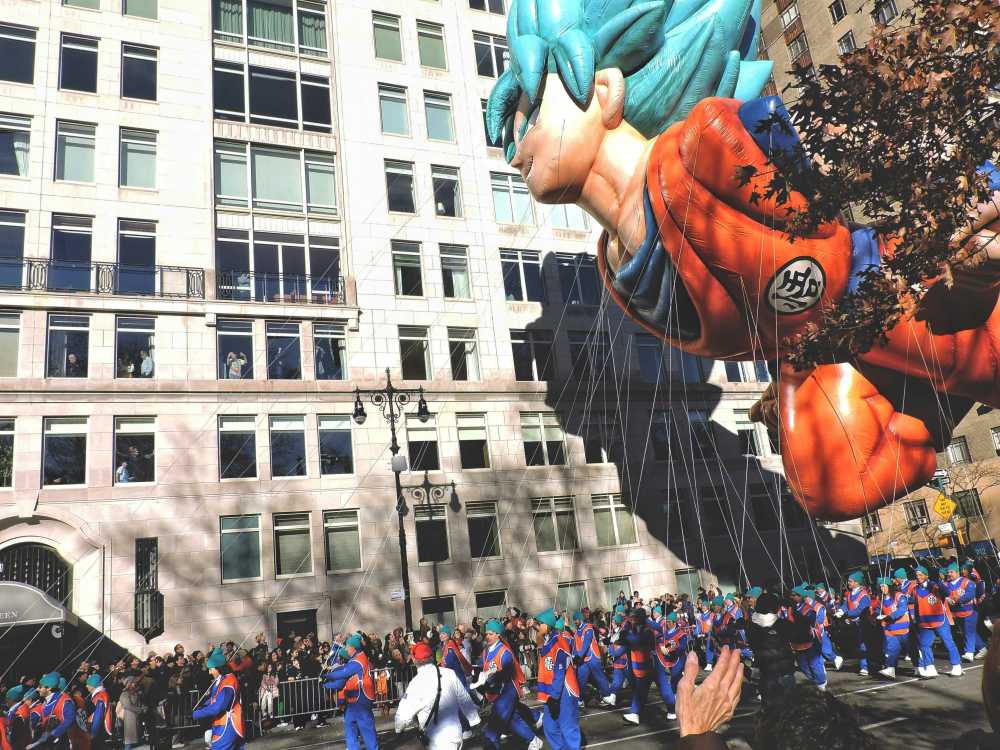
You’ve seen it on television your whole life: colossal cartoon characters floating between skyscrapers, world-class marching bands sending echoes through the avenues, and the final, festive arrival of Santa Claus himself. The Macy's Thanksgiving Day Parade is an American institution, the magical kick-off to the holiday season. But the dream of seeing it in person is often haunted by a logistical nightmare. You’re worried about battling millions for a tiny patch of sidewalk, only to have your view blocked, your kids get restless, and the entire enchanting experience devolve into a cold, stressful ordeal.
That anxiety is completely valid. Every year, over 3.5 million people descend on the route, and without a rock-solid plan, you’ll see more of the back of someone’s head than you will of the giant Snoopy balloon. You risk waking up before dawn only to find every good spot claimed, leaving your family disappointed and shivering. The magic you traveled for feels impossibly out of reach, lost in a sea of chaos. You deserve to experience the wonder, not the worry.
Forget the frustration. This is your strategic blueprint for success. We’re going to bypass the chaos and transform you into a parade-viewing expert. We’ll unveil the six prime spots to watch the spectacle, complete with insider strategies on timing, what to pack, and how to navigate the city like a local. This is your definitive plan for conquering the Thanksgiving parade in New York and creating memories that will last a lifetime. It’s one of the most iconic events in the city, a true highlight that we cover in our broader guide to New York Holidays: 10 Must-Do Events.
Understanding the Parade Route: Your Strategic Map
Before you can pick your spot, you need to understand the battlefield. The Macy's Thanksgiving Day Parade is a massive operation, and its route is the key to everything. Knowing the path, the timing, and—most importantly—the restricted zones will give you a powerful advantage.
The parade officially kicks off at 8:30 AM sharp on Thanksgiving morning, Thursday, the fourth Thursday of November. It begins on the Upper West Side and marches for 2.5 miles, concluding around noon.
Here’s the official step-by-step route:
Starts: 77th Street & Central Park West at 8:30 AM.
Travels South: Proceeds down Central Park West to Columbus Circle.
Turns: At Columbus Circle, it turns onto Broadway.
Continues South: It follows Broadway through the heart of Midtown.
Ends: The parade concludes around noon at the iconic Macy's Herald Square on 34th Street.
Our internal research confirms two critical areas to avoid at all costs: the start zone around 77th Street and the finish zone near Herald Square (from 34th to 38th Street). These areas have heavily restricted public viewing and are reserved for television broadcasting. Trying to watch from here is a rookie mistake that guarantees disappointment. Your strategy must focus on the long stretches in between.
The 6 Prime Viewing Spots for the Thanksgiving Parade in New York
Now for the main event. Choosing your location is the single most important decision you’ll make. Each of these six spots offers a unique advantage, whether it’s fewer crowds, better photo opportunities, or more family-friendly conditions.
1. The Upper West Side: The Classic Family Choice
Location: Along Central Park West, from 77th Street down to Columbus Circle (specifically the west side of the street).
Why It’s Prime: As the parade’s very first leg, this 16-block stretch is where the magic is freshest. The performers are electric with energy, the marching bands are at their most thunderous, and the balloon handlers are still wrangling their colossal characters into perfect formation. Because it's more residential, the crowds feel slightly more manageable and family-oriented than in the commercial chaos of Midtown. The backdrop of Central Park on one side and historic apartment buildings on the other makes for stunning photos.
Your Strategy:
Timing is Everything: You must arrive by 6:00 AM. The front-row spots are often claimed by locals before the sun is up. By 6:30 AM, the area will be packed several rows deep.
Positioning: Plant yourself on the west side of Central Park West. This gives you a direct, unobstructed view as the parade marches south.
What to Expect: It will be cold and dark when you arrive. This spot requires a commitment to waiting, but the payoff is a fantastic, high-energy viewing experience.
2. The Shops at Columbus Circle: The VIP Indoor View
Location: The second and third floors of The Shops at Columbus Circle, overlooking the parade’s turn from Central Park West onto Broadway.
Why It’s Prime: This is the ultimate parade hack for those who want to avoid the cold and the crowds. You get a warm, elevated, bird’s-eye view of the entire spectacle. Plus, you have immediate access to restrooms, coffee, and food—luxuries that are unthinkable for those on the street.
Your Strategy:
This Isn't Free: This is not a public viewing area. Access is typically granted to customers of the shops and restaurants within the mall.
Plan Months Ahead: Check with stores like Williams-Sonoma or restaurants with windows facing the circle. Many host private, ticketed viewing events that sell out far in advance.
Be Prepared to Spend: You will need to make a purchase or pay for a breakfast event to gain entry. Consider it the price of unparalleled comfort and convenience.

3. The Sixth Avenue Stretch: The Urban Canyon Experience
Location: Along Sixth Avenue (Avenue of the Americas) from 59th Street down to 38th Street.
Why It’s Prime: This is the longest and straightest portion of the route, offering dozens of blocks for potential viewing. Watching the giant balloons squeeze between the towering skyscrapers of Midtown is a uniquely New York experience. The sheer scale of the buildings creates a dramatic "urban canyon" effect that makes the parade feel even more grand.
Your Strategy:
Arrive Early: The secret is out on this spot. To get a decent view, be in position by 6:30 AM at the latest. The blocks closest to Central Park (59th to 50th) fill up the fastest.
Avoid Corners: Set up in the middle of a block. Corners are notoriously crowded and chaotic, with people constantly moving and blocking views.
Look for Scaffolding: Sometimes, construction scaffolding can be a blessing in disguise, creating a covered area that offers some protection from the elements and can deter massive crowds from forming in that exact spot.
Pro-Tip: The area between 70th and 75th streets on Central Park West offers a slightly wider sidewalk, giving you a little more breathing room. Pack a thermos of hot chocolate to stay warm while you wait—it’s a game-changer.
4. The "Quiet Zone" Near Radio City Music Hall
Location: The stretch of Sixth Avenue between 49th and 51st Streets.
Why It’s Prime: While no part of the route is truly "quiet," this section is designated as a no-marching-band-performance zone to accommodate the national television broadcast headquartered at Radio City. This means you get a brief respite from the loudest musical numbers—a great option for families with young children or those with sensory sensitivities.
Your Strategy:
Know the Trade-Off: You will see all the floats and balloons perfectly, but you will miss the live performances from the marching bands as they pass this specific area.
Use the Location: This spot is fantastic for its iconic backdrop. You can capture incredible photos of the balloons with the famous Radio City Music Hall marquee in the background.
Post-Parade Plans: You are perfectly positioned to see the Rockettes' Christmas Spectacular later in the day or head over to Rockefeller Center.

5. The South Side of 38th Street: The Late-Arrival Lifeline
Location: The blocks along Sixth Avenue from 40th Street down to 38th Street.
Why It’s Prime: Let's be realistic: not everyone can wake up at 4 AM. If you’re running late, this is your last best chance. As the parade nears its end at 34th Street, the area becomes a restricted broadcast zone. Therefore, the blocks just before this cutoff are the final public viewing areas.
Your Strategy:
Manage Expectations: You will not get a front-row view here. This is a spot for seeing the tops of the balloons and catching the general energy of the event.
Look Up: Your view will be mostly vertical. It’s less about seeing the performers on the street and more about witnessing the spectacle of the giant balloons against the sky.
Quick Exit: The advantage of being near the end of the route is that you can make a quick exit once the final float passes, beating some of the mass exodus heading for the subway.
6. The Virtual View: Your Hotel Room Perch
Location: Any hotel with rooms directly overlooking the parade route on Central Park West or Sixth Avenue.
Why It’s Prime: This is the most comfortable, stress-free, and luxurious way to experience the Thanksgiving parade in New York. You can watch the entire event from the warmth of your room, in your pajamas, with a cup of coffee in hand. You have your own bathroom, your own food, and an unbeatable, unobstructed view.
Your Strategy:
Book a Year in Advance: Rooms with parade views are often booked a year or more ahead and come at a significant premium.
Confirm the View: When booking, you must call the hotel directly to confirm that your specific room has a "parade view." An "avenue view" is not always sufficient.
Notable Hotels: Some hotels famous for their parade views include the JW Marriott Essex House, the Mandarin Oriental, New York, the Warwick New York, and the New York Hilton Midtown.
Pro-Level Survival Guide for Parade Day
Securing a great spot is only half the battle. You need a solid plan for the hours you’ll spend waiting. Follow these tips to ensure your experience is comfortable and memorable for all the right reasons.
The Ultimate Timing Strategy
The golden rule, confirmed by years of experience, is to arrive by 6:00 AM. This is non-negotiable for a front-row or second-row spot along Central Park West or the prime stretches of Sixth Avenue. By 6:30 AM, these areas are typically full. By 7:00 AM, you’ll be lucky to find a spot where you can see anything at all. Set your alarm, bundle up, and get there early. The early bird gets the best view of the parade.
What to Wear and Pack: The Family Checklist
New York in late November is cold. Standing still for hours makes it feel even colder.
Dress in Layers: Start with a thermal base layer, add a fleece or sweater, and top it off with a warm, wind-resistant winter coat. Don't forget a hat, gloves, and a scarf.
Comfortable Footwear: Wear warm, waterproof boots. Your feet will thank you.
The Essentials Bag: Pack a backpack with:
Snacks and Drinks: A thermos of hot chocolate or coffee is a must. Bring water and easy-to-eat snacks like granola bars and fruit.
Entertainment: A book, a deck of cards, or a fully charged phone with headphones can help pass the time.
Portable Phone Charger: Your battery will drain faster in the cold.
Small Folding Stools: If you have space, these can be a lifesaver for your back and legs.
For a comprehensive list of what to bring on any family adventure, our National Park Road Trip Checklist has you covered, with tips that apply just as well to an urban expedition.

Navigating the Crowds with Kids
The parade is a magical experience for children, but the crowds and waiting can be tough.
Avoid Strollers: In the most crowded areas, strollers are more of a liability than a help. They are difficult to maneuver and take up valuable space. A carrier is a much better option for very young children.
Establish a Meeting Point: As soon as you claim your spot, pick a clear, fixed landmark (e.g., a specific lamppost, a store entrance) as your family's meeting point in case you get separated.
Use a Buddy System: Ensure everyone has a partner.
Ladders: You will see people with small ladders for their kids to see over the crowd. If you bring one, be sure to place it a safe distance from the street and be courteous to those around you.
Pro-Tip: Skip the car. Public transportation is your best friend. The subway will be running on a holiday schedule, but expect crowded stations near the route. Plan your subway route in advance and buy your MetroCard the day before to avoid long lines at the machines on Thanksgiving morning.
Beyond the Parade: Making it a Full Thanksgiving Experience
Remember, the parade ends around noon, leaving you with a full day to enjoy the city. Many people head straight to a Thanksgiving dinner. If you plan to eat out, you must make reservations weeks, if not months, in advance. New York City is one of the world's culinary capitals, and a festive meal is the perfect way to cap off a magical morning.
Planning the perfect holiday trip, from the parade to the feast, requires expert knowledge. Our comprehensive Travel Guide provides detailed itineraries and booking advice for major US cities, ensuring your entire vacation is seamless and spectacular.

Your Mission, Should You Choose to Accept It
Watching the Macy's Thanksgiving Day Parade in person is a bucket-list dream, and with this guide, it’s a dream you can turn into a flawless reality. You now have the route, the prime locations, and the pro-level strategies to outsmart the crowds and secure a fantastic viewing experience. You’re no longer a tourist hoping for a glimpse; you’re a prepared strategist ready to claim your prime spot and soak in every moment of the magic. The Thanksgiving parade in New York is waiting for you.
Now go make those once-in-a-lifetime memories!
Meta Data Suggestions:
SEO Meta Title: 6 Prime Spots for the NYC Thanksgiving Day Parade (2026)
URL Slug: thanksgiving-parade-new-york-viewing-spots
SEO Meta Description: Don't just watch the Thanksgiving parade in New York, conquer it. Our guide reveals 6 prime viewing spots and insider tips for a stress-free family experience.
Travel News
Comments 0
No comments yet
Be the first to share your experience!
You May Also Like
San Francisco Cherry Blossoms: A Local's Guide to the Blooms
Halloween SF: Haunts Without Horrors
Christmas SF: Lights & Wharf Wonders
SF Pride: 6 Route & Party Hacks
Chinese New Year SF: Parade Essentials
San Francisco Holidays: Bay Area Buzz
TrekGuider @trekguider
How to Make Family Travel Planning Actually Easy

Staring down the logistics of a family vacation can feel less like an adventure and more like a high-stakes, unpaid second job. The dream of relaxing on a sun-drenched beach is often buried under an avalanche of budgets, schedules, and the wildly different demands of a toddler and a teen. If you’re feeling the pressure to create a perfect, frictionless experience, you’re not alone—the mental load is immense.
This constant juggling act leaves you feeling stressed before you’ve even packed a bag. But what if the planning process itself could be a seamless and satisfying part of the journey? You don't need a business degree to succeed—you just need the right playbook. This is that playbook. We’ve created a comprehensive guide that transforms a daunting task into a manageable process, clearing the path to the best Family Travel Ideas: The 2026 Guide to Unforgettable Trips.
The Strategic Blueprint (6+ Months Before Your Trip)
A truly relaxing vacation is built long before you ever pack a bag. The decisions you make in this early stage form a rock-solid foundation that prevents costly mistakes and eliminates last-minute panic. This is where you align expectations, define your financial reality, and get the core logistics in order.
Define Your Family's Travel Style
The most common mistake is choosing a trip that’s fundamentally mismatched with your family’s personality. A rustic camping trip will be a disaster for a family that craves resort amenities. Before you do anything else, take a moment for an honest assessment.
Ask yourselves:
Are we Relaxation-Oriented or Adventure-Seekers? Do we want to spend our days lounging by a pool, or are we happiest when hiking, biking, or exploring?
Do we prefer Structure or Spontaneity? Does a detailed itinerary make us feel secure, or does it feel restrictive?
Are we City Explorers or Nature Lovers? Do we draw energy from bustling streets and museums, or from quiet trails and scenic vistas?
What is our "Pace-Maturity"? Can our kids handle long days of sightseeing, or do we need to build in significant downtime and nap schedules?
Answering these questions creates a filter that immediately narrows down your options. It stops you from planning a trip you think you should want, and helps you focus on the one your family will actually enjoy. For more help with this crucial first step, see our guide on Best Family Vacations: How to Finally Pick the Right One.
Host a "Family Dream Session" to Get Everyone on Board
Getting buy-in from the entire crew early on is the secret to a harmonious trip. This turns "your" trip into "our" trip and builds collective excitement.
For younger kids: Frame choices in simple terms. "Would you rather build sandcastles at the beach or see really big animals at a national park?"
For older kids and teens: Give them genuine responsibility. Task them with researching and pitching two or three activity options for the trip.
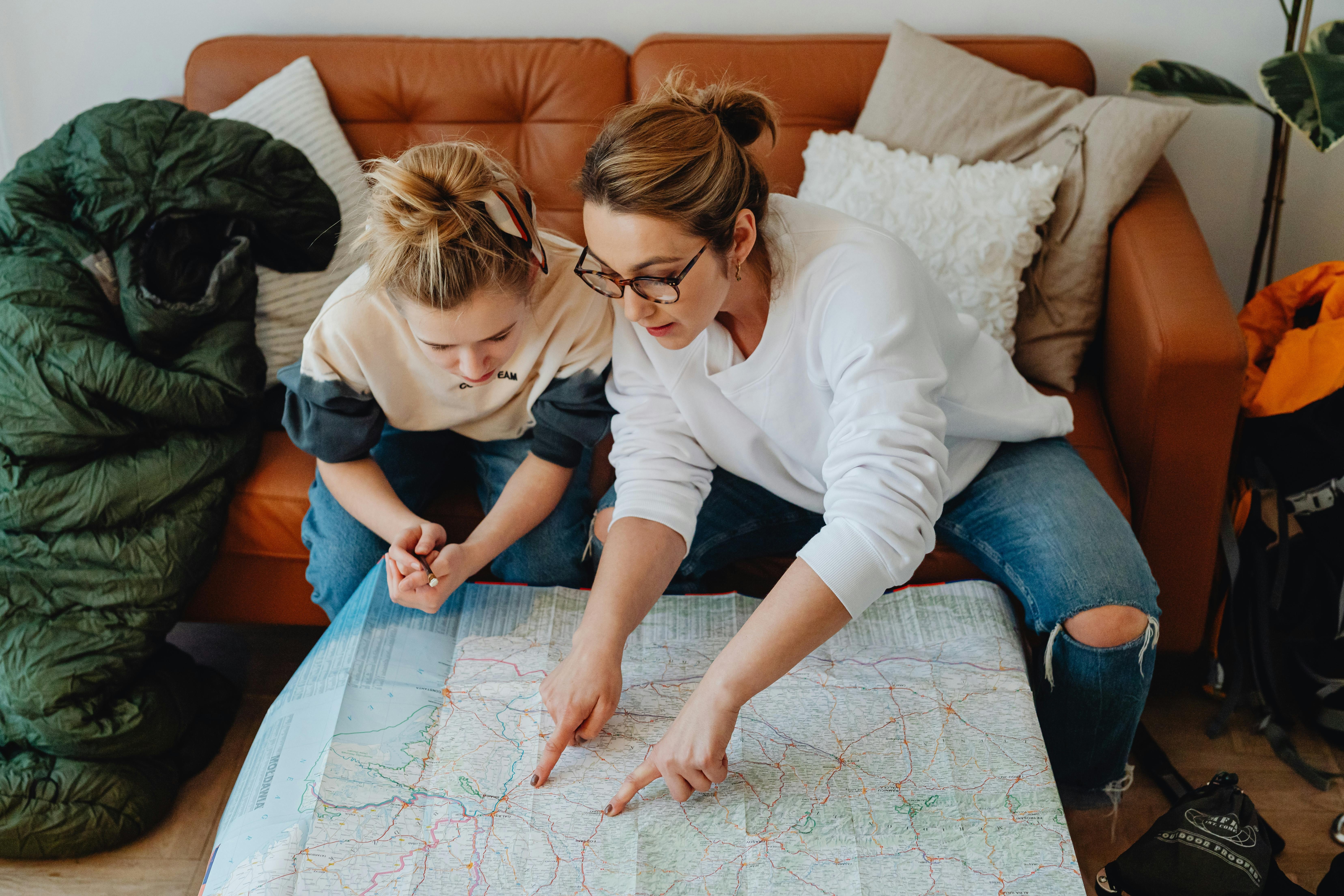
Make it fun: Host a "dream session" over pizza with a map spread out on the table. Create a shared vision board on Pinterest where everyone can add images of what they'd like to see, do, and eat.
Craft a Realistic Vacation Budget That Works
Nothing kills the vacation buzz faster than money stress. A clear budget isn’t a restriction; it’s a powerful tool that makes decisions easier and eliminates worry.
Determine a Total Trip Number: Decide on a realistic, all-in amount you are comfortable spending. Work backward from this number.
Use the 50/30/20 Rule: Allocate your funds to provide structure.
50% for Core Costs: This covers the non-negotiables: flights/fuel and accommodations.
30% for Experiences: This is your budget for activities, tours, park tickets, and dining out.
20% for Contingency & Extras: This covers souvenirs and, crucially, a 10-15% buffer for the unexpected. This emergency fund is your key to a stress-free mindset.
Account for Hidden Costs: Don't forget easily overlooked expenses like airport parking, baggage fees, hotel resort fees, and travel insurance.
Automate Your Savings: Create a dedicated high-yield savings account for your trip (e.g., "Hawaii 2026") and set up automatic transfers. This makes the goal feel tangible and motivating.
Track Everything: Use a simple spreadsheet or a budgeting app to monitor your spending and ensure you stay on track.

Conduct a Critical Document Audit
This is the most time-sensitive task in this entire phase. Do not procrastinate.
Passports: Physically locate every passport and check the expiration date. Many countries require your passport to be valid for at least six months after your planned return date. If anyone’s is expiring within a year, start the renewal process now.
Visas: Do a quick search for visa requirements for your top destination choices.
Digital Backups: Take a photo of each passport's information page and save it to a secure cloud service like Google Drive or Dropbox. This can be a lifesaver.
For a comprehensive list of everything you might need for a trip abroad, our International Travel Checklist is an essential resource.
Locking in the Logistics (3-5 Months Before Your Trip)
With your destination direction clear and documents verified, it’s time to commit. This phase is about securing the key elements of your trip at the best possible prices. This is a key part of successful family travel planning.
Choose the Perfect Destination & Accommodations
Where you stay is more than just a place to sleep; it’s your command center.
Hotels vs. Vacation Rentals: Hotels offer amenities like pools and housekeeping. Vacation rentals (like Airbnb or Vrbo) provide invaluable assets like a full kitchen (critical for picky eaters), separate bedrooms (a lifesaver for different bedtimes), and a washing machine.
The Amenity Checklist: When booking, look for game-changing features like a kitchen, on-site laundry, and a pool or nearby playground for easy entertainment.
Pro-Tip: When traveling with infants, call the hotel directly to confirm the availability and condition of amenities like cribs. Don't rely solely on an online icon.
Secure Your Flights, Lodging, and Rental Car
The best family-friendly options get snatched up quickly, especially during school breaks.
Become a Flight Hawk: Use tools like Google Flights to set price alerts for your route. For international travel, the 2-3 month window is often the sweet spot.
Book Your Home Base: Lock in your preferred hotel or vacation rental now for the best selection.
Reserve Your Wheels: If you need a rental car—especially a larger SUV or van—book it early. Waiting is a recipe for sky-high prices or no availability at all.
Invest in Peace of Mind with Travel Insurance
Think of travel insurance not as an expense, but as an essential piece of safety equipment. It’s the safety net that protects your financial investment and ensures your family’s health is covered. A good policy must include strong coverage for trip cancellation, emergency medical expenses, and emergency medical evacuation. Use a comparison site like Squaremouth or InsureMyTrip to easily compare policies.
Fleshing Out the Details (1-2 Months Before Your Trip)
The skeleton of your trip is built. Now it’s time to add the muscle and personality by planning your daily adventures and handling key logistics back home.
Build a Flexible Itinerary (and Avoid the Over-scheduling Trap)
A great itinerary is a guide, not a straitjacket. The goal is to minimize on-the-ground stress, not to schedule every second.
The "One Big Thing" Rule: Anchor each day with only one primary activity (e.g., a museum visit, a specific hike). Everything else is a bonus.
Schedule Downtime: This is the golden rule of family travel. Intentionally block out "do nothing" time. Alternate busy days with relaxed ones to prevent meltdowns.
Delegate and Empower: Assign each child or teen a "planning day." Let them choose the main activity or where the family eats dinner from a pre-approved list.
Transform Your Itinerary from a To-Do List to a Done Deal
A well-structured plan is the secret to a low-stress vacation. Stop trying to organize everything in a messy document or a string of emails. Download our free Travel Itinerary Template to build a clear, flexible, and easy-to-follow plan that the whole family can use.
Pre-Book "Must-Do" Tickets and Reservations
For bucket-list attractions that are known to sell out or have long lines (like the Colosseum or a popular luau), booking your tickets online a month in advance is a game-changer. This simple step can save you hours of waiting.
Arrange Home, Pet, and Plant Care
Pet Sitter/Kennel: Confirm dates and details with your pet care provider.
House Sitter: Finalize plans and do a walkthrough of your home’s quirks.
Inform a Neighbor: Give a trusted neighbor your itinerary and contact info, and ask them to keep an eye on your place.
The Final Countdown (The Week Before Departure)
The excitement is building! This week is all about tying up loose ends, starting the physical packing process, and prepping your home for departure.
Pack Smart, Not Heavy: A Strategy for Families
Overpacking is a travel sin. It creates heavy luggage and decision fatigue. For a deeper dive into minimalism, grab our popular How to Pack Light Guide.

Create a "Staging Area": Designate a guest bed or a corner as your packing zone. As you think of items throughout the week, put them there to prevent last-minute scrambling.
Use Packing Cubes: These are non-negotiable. Assign each family member a color to keep clothes organized and make finding items a 10-second job.
Pack by Outfit: Lay out complete outfits for each day, including socks and accessories. This prevents overpacking "just in case" items.
Pro-Tip: Snap a picture of each child's daily outfit on your phone. This visual checklist makes it easy for them to get dressed and ensures you don't forget anything.
The 1-Week Rule: For trips longer than seven days, pack for one week and plan to do laundry.
Prepare Your Carry-On Command Center: Your carry-on is your lifeline. It must contain a complete change of clothes for everyone, all essential medications, a "boredom-busting" kit, and portable power banks with charging cables.
Handle Last-Minute Finances and Confirmations
Triple-Check Reservations: Quickly reconfirm flight times, hotel bookings, and car rental details.
Notify Your Banks: Call your credit card companies to set a travel notice to prevent your cards from being frozen for suspected fraud.
Get Local Currency: If traveling internationally, get a small amount of local currency to cover immediate expenses like a taxi or snacks upon arrival.
Prep Your Tech for Travel
The Great Charge-Up: Charge every single electronic device to 100%—phones, tablets, and power banks.
The Great Download: Download everything you might need: movies, playlists, podcasts, and offline Google Maps for your destination. Never rely on spotty airport Wi-Fi.
An Age-by-Age Guide to a Smoother Journey
Tailoring your strategy to your kids' developmental stages is the secret to travel harmony. Generic advice falls flat. Here’s how to adapt your approach.

Traveling with Infants & Toddlers (Ages 0-4)
Packing: Create a "Blowout Bag" for your carry-on with two full changes of clothes, extra diapers, and wipes. Consider using a gear rental service like BabyQuip at your destination for bulky items.
Transit: Gate-check your stroller to have it immediately upon deplaning. Pack a small bag of new, quiet toys (stickers, gel window clings) to reveal during the flight. For more pro tips, check out our Stress-Free Flying with Kids Guide.
On-the-Ground: Try to maintain your child's nap and sleep schedule as much as possible. A well-rested child is a happy traveler.
Traveling with Young Children (Ages 5-10)
On-the-Ground: Balance "adult" activities with kid-focused fun. For every museum, plan a trip to a playground. Give them a simple camera and assign them the role of "Official Trip Documentarian."
Pro-Tip: Before visiting a historical site, find a short, engaging, kid-friendly YouTube video about it. Five minutes of prep provides context and can prevent an hour of whining.
Souvenir Hack: Give them their own vacation spending money. This empowers them, teaches budgeting, and instantly ends the "Can I have this?" negotiations.
Traveling with Tweens & Teens (Ages 11-17)
Transit: Respect their need for space. A long travel day is a great time for them to listen to music or watch their own movies. Don't force family games.
On-the-Ground: The key is autonomy.
Grant them planning power: Make them responsible for planning one full day of the trip.
Schedule solo time: Allow for supervised periods of independence, like exploring a shopping district while you visit a nearby coffee shop.
Wi-Fi is a utility: Acknowledge that connecting with friends is important to them. Ensure your accommodation has reliable Wi-Fi and treat it like you would hot water.
The Ultimate Departure Day Checklist
The day is here! The goal is a calm, orderly exit. Run through this final checklist before you head out the door.
Last-Minute Grab List
Toiletries used this morning (toothbrushes, hairbrush)
Phone chargers that were used overnight
Daily medications
Each child's essential comfort item ("lovey")
Final Home Security Check
Adjust thermostat (up in summer, down in winter)
Empty all trash cans and run the dishwasher
Unplug non-essential small appliances
Check that all windows and doors are locked
The Final Sweep
Do one last walkthrough, grab your cooler of snacks, take a deep breath, and lock the door. You did it. Let the adventure begin.
Frequently Asked Questions
What is the biggest mistake in family travel planning?
The most common mistake is choosing a vacation that doesn't match your family's true travel style. Planning an intense, adventure-packed trip for a family that prefers to relax by the pool is a recipe for stress. An honest assessment of your family's preferences is the most important first step.
How much should I budget for a family vacation?
A great starting point is the 50/30/20 rule. Allocate 50% of your total budget to core costs like flights and lodging, 30% to experiences like activities and dining, and reserve 20% for extras and a crucial contingency fund for unexpected costs.
What is the "One Big Thing" rule for family itineraries?
Recommended: Stress-Free Flying with Kids: Airport, TSA, and In-Flight Guide
Recommended: Travel Guide: Trip Planning, Flights, and Avoiding Tourist Traps
The "One Big Thing" rule is a simple way to avoid over-scheduling. Instead of packing your day with activities, anchor each day with just one primary event, like a museum visit or a specific hike. This creates a flexible structure and leaves room for spontaneous fun and much-needed downtime.
Your Plan is Your Passport to Presence
The goal of careful family travel planning is not to eliminate every possible hiccup, but to build a resilient, flexible framework that allows your family to navigate challenges together. By following this guide, you’ve transformed a daunting task into a manageable process. You are the architect of your family's most precious memories.
The shared discovery and laughter are the ultimate return on your investment. Now, go and enjoy the incredible experience you've worked so hard to create by exploring all the Family Travel Ideas: The 2026 Guide to Unforgettable Trips that await.
Read the full guide: Family Travel Ideas: The 2026 Guide to Unforgettable Trips
Travel News
Comments 0
No comments yet
Be the first to share your experience!
You May Also Like
Ultimate USA Holidays Guide: Top Picks
FTC Affiliate Disclosure: Stay Compliant as a Travel Creator
Essential Affiliate Tools: From Tracking to Full Optimization
Booking.com Affiliate Review: Pros, Cons & Earnings
Decoding Affiliate Commission Rates: Benchmarks for Travel Creators
