
SF Festivals: 7 Must-See Lineups

TrekGuider @trekguider
San Francisco’s cultural calendar is a dizzying, year-round whirlwind of activity, making it almost impossible to know where to begin. You want to dive into the authentic heart of the city, but you’re faced with an overwhelming number of options. How do you choose the events that are truly iconic, the ones that define the Bay Area’s unique spirit, without wasting your precious time on something that doesn’t live up to the hype?
The fear of missing out is real. You could easily find yourself stuck in a generic tourist trap, completely missing the vibrant, community-driven celebrations happening just a few blocks away. You risk leaving the city without ever experiencing the dazzling traditions of the Chinese New Year Parade or the electrifying energy of the Pride Parade on Market Street. Don’t let your trip be defined by indecision; let it be defined by unforgettable moments.
This guide is your definitive solution. We’ve hand-picked the 7 must-see lineups that represent the very best festivals in San Francisco. Think of this as your insider’s ticket to the city's biggest moments, but it's just one piece of the puzzle. For a complete, year-round look at the city's seasonal rhythm, be sure to explore our comprehensive guide to San Francisco Holidays: Bay Area Buzz.

1. Chinese New Year Parade: One of the Oldest Festivals in San Francisco
Forget what you think you know about parades. San Francisco’s Chinese New Year Parade isn’t just an event; it’s a full-blown sensory spectacle and a powerful link to the city’s soul. As one of the most cherished festivals in San Francisco, this celebration transforms the streets into a living river of light, sound, and ancient tradition.
The Cultural Significance: A Tradition Since 1851
San Francisco is home to the oldest and largest Chinese New Year celebration outside of Asia, a tradition that has been a key part of the city's cultural identity since 1851. The festival marks the beginning of the new year on the traditional lunisolar Chinese calendar and is a time for families to honor ancestors, share symbolic foods like noodles for longevity, and welcome a year of good fortune. While the celebration includes a vibrant Flower Fair and a bustling Street Fair, the main event is the spectacular night parade.
Key Dates and Times for 2026
Mark your calendars for the Year of the Snake. The main parade is scheduled for Saturday, around mid-February (dates shift each year), starting at 5:15 PM. As one of the few night-illuminated parades in North America, it offers a uniquely magical experience. Expect to see:
Elaborate Floats: Beautifully designed floats glowing under the city lights.
Traditional Lion Dancers: Energetic performers in stunning costumes, believed to bring good luck.
The Golden Dragon: The parade’s grand finale features the famous 268-foot Golden Dragon, a breathtaking sight that requires a team of over 100 people to carry through the streets.
Modern Drone Light Show: A stunning high-tech addition that blends ancient tradition with Bay Area innovation.
Pro-Tips for the Best Viewing Experience
To make the most of this incredible event, a little planning goes a long way.
Arrive Early: The parade route gets crowded hours before the start time. Secure a spot along the route by mid-afternoon for the best views.
Use Public Transit: Street closures make driving and parking nearly impossible. Use BART or Muni to get downtown and walk to the parade route.
Dress in Layers: San Francisco weather is famously unpredictable. Even if the day is warm, the evening will get chilly, so bring a jacket, hat, and gloves.
Consider Bleacher Seats: If you want to guarantee a comfortable spot with a clear view, you can purchase tickets for the bleacher seating located along the route.
Pro-Tip: Don't leave before the grand finale! The parade now incorporates a modern drone light show, a stunning high-tech contrast to the traditional 268-foot Golden Dragon that you won't want to miss.

2. SF Pride Parade: One of the Most Iconic Festivals in San Francisco
The San Francisco Pride Parade is more than just a festival; it’s a powerful, vibrant, and deeply meaningful declaration of love, equality, and resilience. Every June, hundreds of thousands of people from all over the world gather to celebrate the LGBTQ+ community in one of the largest and most famous Pride events globally.
From Protest to Celebration: The History of SF Pride
The roots of SF Pride run deep. The event commemorates the 1969 Stonewall Uprising in New York City, a key moment that ignited the modern fight for LGBTQ+ rights. San Francisco’s first "gay-in" was held in 1970, evolving from a political protest into the massive celebration of identity and activism it is today. Through the 1980s, the parade became a crucial platform for raising AIDS awareness, and it continues to be a powerful stage for advocating for the rights and visibility of the entire LGBTQ+ spectrum.
2026 Parade Route and Schedule
The 2026 SF Pride Parade is scheduled for Sunday, the last Sunday of June, starting at 10:30 AM. The route runs along Market Street, beginning at Beale Street and concluding at 8th Street, leading into the heart of the Civic Center Plaza celebration. The parade is a joyous spectacle featuring colorful floats, dynamic marching contingents from community organizations and corporate allies, and an infectious energy of pure celebration.
Navigating the Crowds and Staying Safe
With massive crowds, it’s essential to plan ahead for a smooth and safe experience.
Find a Good Spot: The sidewalks along Market Street fill up quickly. For a slightly less crowded experience, try finding a spot closer to the beginning of the route near the Embarcadero.
Stay Hydrated and Protected: The June sun can be strong. Bring water, sunscreen, and a hat.
Use Technology: The event is known for its strong security measures, which have included advanced weapon detection technology, allowing attendees to focus on the celebration. Look for official festival apps that provide maps, schedules, and emergency alerts.
Pro-Tip: Major events like SF Pride are leveraging technology for safety. Look for official festival apps or partnerships with services like SaferWatch for real-time, anonymous safety reporting and emergency alerts, ensuring you can focus on the celebration.
If you're inspired to document the incredible energy of events like Pride, our The Travel Creator's Toolkit provides essential tips and resources for capturing stunning photos and videos on the go.

3. St. Patrick's Day Parade: A Sea of Green on Market Street
San Francisco’s St. Patrick's Day Parade is a cherished tradition that brings a touch of Irish luck and culture to the West Coast. Held annually since 1852, it’s one of the city’s longest-running events, drawing families, locals, and visitors alike for a day of festive fun.
Honoring Irish Heritage in the Bay Area
While the holiday observes the anniversary of the death of Saint Patrick, the parade in San Francisco has evolved into a broad celebration of Irish and Irish-American culture. It’s a day to honor the significant contributions of the Irish community to the city’s history and development. The event is a vibrant display of heritage, filled with the sounds of bagpipes, the sight of traditional Irish dancers, and a sea of green attire.
Parade Details and What to Expect
The parade typically takes place on the Saturday closest to St. Patrick's Day (March 17). It proceeds down Market Street, culminating in a festival at Civic Center Plaza. You can expect to see a lively procession featuring:
Local Irish community groups and families.
Traditional Irish musicians and dance troupes.
Colorful floats and marching bands.
Local dignitaries and community leaders.
The post-parade festival continues the celebration with live music, Irish food and drink, and cultural exhibits, making it a full day of family-friendly entertainment.

4. Cinco de Mayo Festival: A Vibrant Celebration of Mexican-American Culture
While often mistaken for Mexican Independence Day, Cinco de Mayo commemorates the Mexican Army's unlikely victory over the French at the Battle of Puebla in 1862. In San Francisco, this day has a particularly deep historical significance, with parades held since 1863, evolving into a proud celebration of Mexican-American heritage and resistance.
The True Meaning of Cinco de Mayo
For Mexican-Americans in the 19th century, the victory at Puebla was a powerful symbol of resistance against European imperialism. Over the decades, particularly during the Chicano Movement, the holiday was embraced as a day to celebrate cultural pride. Today, the San Francisco festival continues this legacy, often featuring speakers and music that connect the historical victory to contemporary issues of democracy and social justice.
Where to Find the Festivities
The celebration is typically centered in the Mission District, the historic heart of the city’s Latino community. The festival transforms the neighborhood with a low-rider car show, live music stages featuring everything from mariachi to salsa, and booths offering delicious, authentic Mexican cuisine. It’s a family-friendly event that offers a rich, immersive cultural experience far beyond the commercialized versions of the holiday.

5. Fourth of July Fireworks: A Patriotic Explosion Over the Bay
There are few better places to celebrate American Independence Day than along the stunning San Francisco waterfront. The city’s annual Fourth of July celebration is a massive event, drawing huge crowds for a day of festivities capped off by a spectacular fireworks display over the bay.
The Best Viewing Spots for the Fireworks Display
The main event is the fireworks show, which is typically launched from barges located near Pier 39 and Aquatic Park. To get a prime viewing spot, you have several options:
Fisherman's Wharf & Pier 39: This is the epicenter of the celebration, offering close-up views but also the largest crowds. Arrive early in the afternoon to claim your space.
Aquatic Park and Ghirardelli Square: These spots offer fantastic, direct views of the fireworks.
Angel Island or Alcatraz: For a truly unique perspective, consider a ticketed boat tour that takes you out onto the bay for an unobstructed view away from the waterfront crowds.
Coit Tower: The hills around Coit Tower provide an elevated vantage point, though it’s a popular spot that also fills up quickly.
Planning Your Day: What to Bring and When to Arrive
This is one of the busiest days of the year on the waterfront. Plan to arrive by early afternoon at the latest. Bring blankets or low-backed chairs, snacks, and plenty of water. Most importantly, pack warm layers. As soon as the sun goes down, the famous San Francisco fog can roll in, bringing a significant temperature drop. Public transportation is strongly recommended, as parking will be extremely limited and expensive.

6. Halloween in the Castro: A Uniquely San Francisco Haunt
While many cities celebrate Halloween, San Francisco puts its own unique and fabulous spin on the holiday, with the Castro District historically serving as the vibrant, beating heart of the festivities. Although the massive official street party of years past has been discontinued, the spirit of Halloween is alive and well.
The Castro's Legendary Halloween Spirit
The Castro’s legacy as a Halloween destination is legendary. The neighborhood comes alive with incredible, elaborate costumes, and the atmosphere is one of pure, unadulterated fun. While there is no longer a formal, city-sponsored event, the evening still draws crowds who come to see and be seen in their Halloween best. The celebration now takes the form of numerous pub crawls, costume contests, and private parties hosted by the area's many bars and clubs.
Safety and Transportation Tips for a Spooky Night
If you plan to celebrate in the Castro, safety and logistics are key.
Use Rideshares or Public Transit: Parking is virtually nonexistent, and you’ll want a safe ride home. The Castro Muni station is centrally located.
Stay with Your Group: The streets can get crowded. Use a buddy system and keep your phone charged.
Be Respectful: Remember that the Castro is a residential neighborhood. Be respectful of residents and local businesses while you celebrate.
For those seeking a more traditional haunted experience, the famous Winchester Mystery House in nearby San Jose offers special candlelit tours during the Halloween season.

7. Christmas in Union Square: The Heart of SF's Holiday Magic
When the holiday season arrives, Union Square transforms into a magical winter wonderland, serving as the festive centerpiece for the entire city. If you’re looking for classic Christmas cheer, this is the place to be.
The Iconic Tree and Ice Rink
The two main attractions in Union Square are the massive, beautifully decorated Christmas tree and the seasonal outdoor ice rink. Skating under the twinkling lights with the iconic square as your backdrop is a quintessential San Francisco holiday experience. The entire area is decked out in festive lights and decorations, creating a joyful and picturesque atmosphere that’s perfect for families, couples, and anyone looking to get into the holiday spirit.
Finding the Best Views and Photo Ops
For a stunning bird’s-eye view of the tree, the ice rink, and all the festive chaos, head to the upper floors of the Macy's department store that borders the square. The windows of the Cheesecake Factory at the top offer one of the most sought-after views in the city during the holidays. The square itself offers countless photo opportunities, from the giant ornaments to the festive storefronts of the surrounding luxury retailers. This is the perfect place to capture that classic holiday memory.
Your Guide to the Best of the Bay
You are now equipped with the insider knowledge to experience the very best festivals in San Francisco. From the ancient traditions of the Lunar New Year to the modern celebrations of Pride and the festive magic of Christmas in Union Square, you have a clear path to immersing yourself in the events that truly define this incredible city. You no longer have to guess which events are worthwhile; you can now plan your trip with confidence, ready to create memories that will last a lifetime.
To take your planning to the next level and build a complete itinerary around these incredible events, explore our comprehensive Travel Guide. It’s packed with expert advice on everything from lodging and dining to transportation, ensuring your entire San Francisco adventure is as seamless as it is unforgettable.
Don't Miss Out! Subscribe for Exclusive Content
Subscribe


Comments 0
No comments yet
Be the first to share your experience!
Dont Miss Out! Subscribe for Exclusive Content

San Francisco Cherry Blossoms: A Local's Guide to the Blooms


Halloween SF: Haunts Without Horrors

Christmas SF: Lights & Wharf Wonders

SF Pride: 6 Route & Party Hacks

Chinese New Year SF: Parade Essentials

San Francisco Holidays: Bay Area Buzz
Affiliate Keyword Research Mastery for Travel Blogs
TrekGuider @trekguider
You’re doing everything right. Your destination guides are insightful, your photos are stunning, and your packing lists are careful. You’ve joined the affiliate programs, placed the links, and then... crickets. It’s the silent frustration that burns out thousands of talented travel creators.
You see the industry reports, like the one stating the average monthly income for travel affiliates is a staggering $13,847, and it feels like it’s happening in another universe. The chasm between the effort you pour into your work and the revenue trickling into your bank account isn't a reflection of your talent—it's a reflection of your strategy.
The solution is to stop writing into the void and start targeting your content with the precision of a sniper. The secret, the absolute bedrock of every successful affiliate business, is mastering affiliate keyword research. This isn't about SEO wizardry or gaming the system; it's about deeply understanding the language of your audience at the exact moment they are ready to buy. This guide is your definitive, step-by-step masterclass in finding the profitable keywords that will transform your travel blog from a passion project into a revenue-generating powerhouse. For a complete command of the entire affiliate landscape, our definitive pillar page, Travel Affiliate Programs: The 2026 Ultimate Guide, is your essential command center.

The Mindset Shift: From "What to Write" to "What to Target"
The most common mistake in content creation is brainstorming ideas in a vacuum. A creator thinks, "I'll write a post about my amazing trip to Rome." They produce a beautiful, engaging travelogue, sprinkle in a few links to hotels and tours, and then wonder why it doesn't make a dime.
But the highest-earning creators? They flip this model on its head. Their entire content strategy starts not with an idea, but with a question: "What are people who are ready to spend money on a trip to Rome searching for on Google?"
This is the critical difference between informational intent and commercial investigation intent.
Informational Intent: The user is in learning mode. They're searching for things like "what to do in Rome," "history of the Colosseum," or "how to pack a carry-on." This content is fantastic for building an audience, but it rarely leads directly to a sale.
Commercial Investigation Intent: The user has their wallet out. They are actively researching a purchase, comparing options, and looking for an expert to validate their final decision. This is where the money is.
Mastering affiliate keyword research is the disciplined process of finding these "commercial investigation" keywords and building your content around them. When you do this, you stop hoping for random sales and start attracting a steady stream of visitors who arrive on your blog primed to convert.

The Anatomy of a Money-Making Keyword
To find these golden-nugget keywords, you first need to know what they look like. Commercial investigation keywords typically fall into three high-value categories. If you build your content calendar around these formats, you are building a business designed for profit.
1. "Best Of" Keywords
This is the quintessential affiliate keyword. The user is overwhelmed with options and is looking for a trusted expert (you) to curate a list of the top choices.
Travel Examples:
"best carry-on luggage for international travel"
"best travel insurance for digital nomads"
"best hiking boots for rocky trails"
"best all-inclusive resorts in Mexico for families"
2. Comparison & "Vs" Keywords
These keywords are pure gold. The user has already done their initial research and has narrowed their options down to two or three contenders. They are at the final stage of their decision-making process.
Travel Examples:
"Viator vs GetYourGuide"
"SafetyWing vs World Nomads"
"Osprey Farpoint vs Porter"
"Booking.com vs Expedia"
3. Review Keywords
Here, the user is looking for a detailed, real-world verdict on a single product, tour, or service. They are one step away from clicking "buy" and are seeking that final piece of social proof and expert validation.
Travel Examples:
"G Adventures Peru tour review"
"Away Bigger Carry-On review"
"Nomatic travel pack review"
"SafetyWing insurance review"

The Affiliate Keyword Research Workflow: A Step-by-Step Tutorial
Theory is great, but execution is everything. Here is a simple, repeatable process for finding high-value affiliate keywords using a standard SEO tool like Ahrefs or Semrush.
Step 1: Brainstorm Your "Seed" Keywords
Begin by listing the broad topics, products, and services that are central to your niche. Don't filter yourself. If your niche is "luxury eco-tourism in Costa Rica," your seed keywords might include:
eco-lodge
Costa Rica tours
sustainable travel
adventure travel
bird watching gear
waterproof backpack
These terms are too broad to target on their own, but they are the seeds from which your entire profitable content strategy will grow.
Step 2: Use Commercial Modifiers to Find Gold
Now, take your seed keywords and plug them into your SEO tool's "Keywords Explorer." This is where you transform broad topics into specific, monetizable content ideas. Use the tool's filters to find phrases that contain your seed keyword plus a commercial modifier.
Commercial modifiers are the words that signal buying intent. Your core list should include:
best
review
vs
alternative
top
cheap
affordable
comparison
For example, using the seed keyword "eco-lodge," your research might uncover:
"best eco-lodges in Costa Rica"
"Pacuare Lodge Costa Rica review"
"Lapa Rios Lodge vs Pacuare Lodge"
"alternatives to luxury resorts in Costa Rica"
This single step will generate a treasure map of content ideas, each one pointing directly to a user with commercial intent.
Step 3: Analyze the SERP (Search Engine Results Page)
A keyword can look perfect in your SEO tool, but the real test is analyzing the live competition on Google. Before you commit to writing a single word, search for your target keyword and scrutinize the top 10 results.
Confirm the Intent: Are the top-ranking pages other blog posts, reviews, and listicles? That's a green light. If the page is dominated by the homepages of major brands or e-commerce category pages, it's a signal that Google doesn't think a blog post is the right answer, and it will be much harder to rank.
Scope Out the Competition: Are the top spots held by media behemoths like Forbes or Condé Nast Traveler? Or do you see other independent travel blogs like yours? If other creators are ranking, it's definitive proof that you can, too.
Find the "10x Content" Opportunity: Look for weaknesses in the current top-ranking articles. Are they outdated? Thin on detail? Lacking personal experience or high-quality photos? Your mission is to create a piece of content that is so much more thorough, helpful, and engaging that it's undeniably the best result for that search.
Step 4: Balance Keyword Difficulty (KD) and Search Volume
Your SEO tool will give you two final, crucial metrics:
Search Volume: An estimate of how many times a month people search for this term.
Keyword Difficulty (KD): A score (usually from 0-100) that estimates how hard it will be to rank on the first page of Google.
For a newer blog, the sweet spot is a keyword with a KD score under 30. Don't be put off by lower search volumes (e.g., 50-250 searches/month). These keywords are often far less competitive, and the traffic they bring is hyper-targeted and converts at a much higher rate.
Pro-Tip: Don't ignore long-tail keywords. These are longer, highly specific phrases like "best waterproof travel backpack for Southeast Asia monsoon season." They have low search volume, but the user searching for this knows exactly what they need. Ranking for these terms can be incredibly profitable.

Beyond Products: Keyword Research for Next-Level Opportunities
A truly sophisticated affiliate strategy evolves. Once you've mastered promoting products, you can apply the same affiliate keyword research principles to higher-margin opportunities like referral programs. This means shifting your focus from targeting consumers to targeting your peers: other creators.
The goal is to find what other creators are searching for when they're trying to grow their own businesses.
For example, the TrekGuider Seller Platform is built for travel creators to sell their own digital products—itineraries, guides, presets, and more. To attract other creators to the platform using your unique referral link, you would target keywords they are searching for:
"how to sell travel itineraries online"
"best platform for travel creators"
"make money as a travel blogger 2026"
"digital product ideas for travel creators"
"alternatives to Gumroad for travel guides"
By creating genuinely helpful content that solves these business-level problems, you can introduce your peers to a valuable tool and, through a referral program, earn a recurring revenue share from their success. This adds a powerful, diversified income stream that isn't dependent on one-off product sales.
Pro-Tip: The rise of video means your keyword research shouldn't be confined to your blog. According to industry projections, video will account for 55% of all affiliate traffic by 2026. The same keywords you find for your blog posts—"Away Bigger Carry-On review," "Best Hostels in Bangkok"—are the exact titles you should be using for your YouTube videos and TikToks to capture high-intent search traffic on those platforms as well.
The Travel Creator's Toolkit
Feeling ready to build your keyword strategy? Mastering affiliate keyword research is the first step. To help you organize your findings and build a complete, professional affiliate marketing system, we've created the ultimate resource bundle. It includes checklists, content templates, and keyword tracking sheets designed to accelerate your journey from beginner to pro.
Download Your Free Bundle: The Travel Creator's Toolkit

Frequently Asked Questions (FAQ)
1. What if two of my articles start ranking for the same keyword? Is that bad? This is called "keyword cannibalization," and yes, it can be a problem. It confuses Google about which page is the most important, potentially hurting the rankings of both. The best way to avoid this is to assign one primary target keyword to each article and ensure your content is distinct.
2. Should I ignore keywords with very low search volume (e.g., under 50 searches/month)? Absolutely not! These low-volume, long-tail keywords are often a goldmine. The competition is usually non-existent, and the user searching for such a specific phrase is often highly motivated and ready to buy. A page that gets only 20 visits a month but converts at 25% is a huge asset.
3. How long does it take to rank for a new keyword? For a newer blog, it can take 6-12 months for Google to fully trust your site and grant you authoritative rankings for competitive keywords. This is why consistency is key. The work you do on affiliate keyword research today is building a business asset that will pay you dividends for years to come.
Your Blueprint for a Profitable Content Strategy
You now possess the single most valuable skill for building a profitable travel blog. Affiliate keyword research is the foundation upon which every successful affiliate business is built. It elevates your content strategy from a game of chance into a predictable system for generating revenue.
By shifting your focus from simply "creating content" to "targeting commercial intent," you align your hard work directly with an audience that is actively looking for your expert guidance. You are no longer just a travel writer; you are a strategic business owner. You have the knowledge and the step-by-step process to find the keywords that will attract high-value traffic and drive consistent affiliate sales.
The path is clear. Stop writing into the void. Start targeting with precision. Your journey to becoming a top-earning travel creator begins with the very next keyword you choose.
Meta Data Suggestions:
SEO Meta Title (59 characters): Affiliate Keyword Research: A Masterclass for Travel Blogs
URL Slug: /affiliate-keyword-research-travel-blogs
SEO Meta Description (154 characters): Learn how to find profitable keywords with our step-by-step affiliate keyword research tutorial. Drive more sales and grow your travel blog's income today.
Read the full guide: The Travel Blogger's Playbook to Affiliate Marketing Mastery
Don't Miss Out! Subscribe for Exclusive Content
SubscribeComments 0
No comments yet
Be the first to share your experience!
Dont Miss Out! Subscribe for Exclusive Content

FTC Affiliate Disclosure Essentials: Stay Compliant as a Travel Creator

Essential Affiliate Tools: From Tracking to Full Optimization

Avoid These 5 Affiliate Landing Page Mistakes for Better Conversions

Booking.com Affiliate Program Review: Pros, Cons, and Earnings Potential

Decoding Affiliate Commission Rates: Benchmarks for Travel Creators

7 Proven Affiliate Marketing Tips to Skyrocket Travel Income
Best Family Vacations: How to Finally Pick the Right One
TrekGuider @trekguider
Staring at a map, overwhelmed by options? You're not alone. The pressure to choose the perfect family vacation—one that delights a toddler, engages a teen, and actually feels like a break for you—is immense. It’s a high-stakes puzzle where the fear of getting it wrong can be paralyzing. This guide is your solution.
It's engineered to cut through that noise. This isn't just another list; it's a practical plan designed to help you confidently identify the absolute best family vacations for your unique crew.
Building on the core principles of our Family Travel Ideas: The 2026 Guide to Unforgettable Trips, we apply our "travel style" analysis to 15 premier destinations. Each has been rigorously vetted for its appeal and, just as importantly, for its operational excellence in making family travel seamless. This is your definitive resource for turning the anxiety of planning into the pure excitement of a perfectly chosen adventure.
At a Glance: The Best Family Vacation for Your Crew

For the Relaxation-Oriented: Minimal Logistics, Maximum Restoration
These destinations are architected to reduce decision fatigue and eliminate logistical friction, making them ideal for first-time family travelers, those with very young children, or anyone whose primary objective is genuine rest.
1. Beaches Turks & Caicos: The Gold Standard of All-Inclusive
This resort functions as a self-contained vacation ecosystem, setting the industry standard for the luxury all-inclusive family model.
Strategic Advantage: The resort's primary asset is its comprehensive infrastructure for children of all ages, from certified nannies for infants to a sophisticated Xbox lounge for teens and a 45,000-square-foot waterpark. This allows for a rare vacation dynamic where parents can achieve genuine relaxation while children are safely and happily engaged. If this is your goal, be sure to read our guide on The Secret to Stress-Free All Inclusive Family Vacations.
Logistical Considerations: As a premium offering, this is one of the more expensive options. Booking at least six to nine months in advance is critical, especially for travel during school holidays. The flight to Providenciales (PLS) is direct from many major U.S. hubs.
2. Aulani, A Disney Resort & Spa, Hawaii: Sophisticated Island Magic
This resort masterfully blends the immersive storytelling of Disney with the rich cultural fabric of Hawaii, offering a sophisticated alternative to a theme park vacation.
Strategic Advantage: Aulani excels at creating parallel experiences for adults and children. While kids engage in the supervised activities at Aunty's Beach House (a best-in-class kids' club), adults can enjoy the adult-only pools, the Laniwai spa, or fine dining. The protected, calm lagoon is a significant safety feature for families with toddlers.
Logistical Considerations: The resort is located in Ko Olina, about 30-45 minutes from the Honolulu airport (HNL) and Waikiki. A rental car offers flexibility, but it's possible to remain on-resort. Book character dining and other popular experiences the moment your booking window opens.
3. A Family-Focused Cruise: The Multigenerational Solution
Modern cruise ships from lines like Royal Caribbean or Disney are floating resorts designed to cater to a wide array of interests and energy levels.
Strategic Advantage: A cruise is arguably the most efficient model for a multigenerational vacation. The vessel itself is the destination, offering a controlled environment with a vast spectrum of dining, entertainment, and relaxation options consolidated in one place. It solves the complex problem of coordinating activities and meals for a large, diverse group.
Logistical Considerations: Scrutinize the ship's itinerary and "at sea" days. Pay close attention to the specific amenities on your chosen ship, as they vary significantly. Shore excursions should be booked well in advance. While the base price can be appealing, budget carefully for additional costs like drink packages and gratuities.

For the Outdoor Adventurer: Immersive Natural Encounters
These destinations prioritize engagement with the natural world, offering a powerful antidote to a technologically saturated daily life. They are best suited for active families with school-aged children and teens.
4. Zion & Bryce Canyon National Parks, Utah: A Journey into the Sublime
This pairing offers a journey through two of the most geologically distinct and jaw-dropping landscapes in North America.
Strategic Advantage: The parks provide a "choose your own adventure" model of graduated physical challenges. Families can opt for accessible, paved paths like the Pa'rus Trail in Zion or undertake more strenuous, iconic hikes. This adaptability makes it suitable for families with varying fitness levels.
Logistical Considerations: These parks have seen a massive surge in popularity. Stay in Springdale for Zion and use the mandatory park shuttle. Lodging must be booked a year in advance. The best times to visit are spring and fall to avoid extreme summer heat. Grab our National Park Road Trip Checklist to stay organized.
5. Costa Rica: The Ultimate Eco-Adventure
A global pioneer in ecotourism, Costa Rica offers a safe, accessible, and exhilarating introduction to tropical biodiversity.
Strategic Advantage: The country's well-established tourism infrastructure is specifically geared toward family adventure. Reputable tour operators offer a seamless experience for activities like zip-lining, volcano hikes, and guided rainforest tours, managing all equipment and safety protocols. This allows families to experience high-adventure activities with a professional safety net.
Logistical Considerations: Don't attempt to see the entire country in one trip. A highly effective itinerary focuses on two regions: the Arenal area and the Manuel Antonio region. A 4x4 rental is advisable. Remember to download your International Travel Checklist before you go!
6. The Black Hills, South Dakota: An Iconic American Road Trip
This region offers a classic American road trip experience, combining national monuments with extensive outdoor recreation and a rich history of the American West. This is one of our favorite ideas for A Midwest Family Road Trip That Actually Wows Kids.
Strategic Advantage: The density and variety of attractions within a relatively compact geographical area minimize drive times and maximize engagement. In a single day, a family can visit Mount Rushmore, hike in Custer State Park, and drive the Needles Highway.
Logistical Considerations: Base your stay in a central location like Keystone or Custer. The best time to visit is late summer or early fall. Be prepared for crowds at major monuments; visiting early in the morning is a sound strategy.
Turn Your Plan Into Reality
Choosing the perfect trip is one thing—organizing it is another. To help you structure your days, track bookings, and keep all your plans in one place, download our free Travel Itinerary Template. It's the simple, powerful tool that turns your dream trip into a stress-free reality.

For the Curious Mind: Education through Exploration
These destinations are living classrooms, transforming history, culture, and science from abstract concepts into tangible, multi-sensory experiences.
7. Washington, D.C.: A Museum with a City Built Around It
The nation's capital offers an unparalleled density of world-class, and largely free, cultural and historical institutions.
Strategic Advantage: The Smithsonian Institution is a national treasure. The sheer quality and interactivity of the exhibits at the National Museum of Natural History and the National Air and Space Museum can ignite a child's curiosity in a way no textbook can.
Logistical Considerations: Don't attempt to conquer the entire National Mall in one day. A superior strategy is to select one or two museums per day. The city's Metro system is the most efficient mode of transport.
8. London, England: The Perfect First Trip "Across the Pond"
For many American families, London serves as the perfect gateway to international travel, offering a rich historical mix with the convenience of a shared language.
Strategic Advantage: History is palpable and accessible here. Standing in the Tower of London or touring the Churchill War Rooms provides a powerful, contextual understanding of world events. The city's blend of ceremony and modern attractions caters to a wide range of interests.
Logistical Considerations: The "Tube" (Underground) is exceptionally efficient. Purchase Oyster cards upon arrival. Book major attractions online in advance to secure timed entry slots.
9. Colonial Williamsburg, Virginia: America's Origin Story, Brought to Life
This destination offers a uniquely immersive and interactive journey into the origins of American democracy, operating as a carefully recreated 18th-century city.
Strategic Advantage: Williamsburg's strength lies in its "living history" model. Children don't just see artifacts behind glass; they interact with costumed historical interpreters—blacksmiths, printers, and political figures—who engage them in conversation and demonstrations.
Logistical Considerations: A multi-day pass is essential. The site is large and requires significant walking. Combine a visit with trips to nearby Jamestown and Yorktown for a complete "Historic Triangle" itinerary.
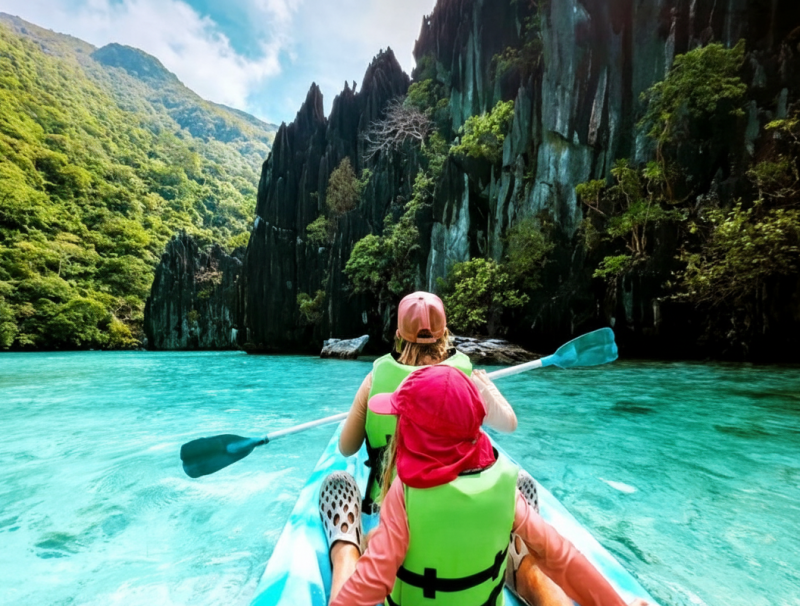
For the Budget-Conscious: High Value, Not High Cost
An impactful family vacation is determined by the quality of shared experience, not the size of the expenditure. These destinations offer an exceptional return on investment.
10. The Great Smoky Mountains National Park: America's Backyard
This is the most visited national park in the United States, in large part because it charges no entrance fee, offering an incredibly accessible natural landscape.
Strategic Advantage: The financial barrier to entry is virtually non-existent. Families can enjoy scenic drives, hiking trails, and abundant wildlife viewing for free. The nearby towns of Gatlinburg and Pigeon Forge offer a wide spectrum of affordable lodging and entertainment.
Logistical Considerations: The park's popularity, especially in October, means significant traffic congestion. Plan to enter the park very early in the day. A cabin rental can often be more cost-effective for a family than multiple hotel rooms.
11. The "Riviera Maya," Mexico: Sun, Cenotes, and Savings
This region boasts a strong infrastructure for budget-conscious travel, including affordable all-inclusive resorts and vacation rentals.
Strategic Advantage: The favorable exchange rate and competitive tourism market provide exceptional value. Families can experience beautiful beaches, unique cenotes (natural swimming holes), and world-class archaeological sites at a fraction of the cost of a comparable Caribbean vacation.
Logistical Considerations: Fly into Cancún (CUN). The summer and fall shoulder seasons offer the best pricing but coincide with hurricane season, making travel insurance a non-negotiable requirement. Consider our Mexico guide for more tips.
12. Wisconsin Dells, Wisconsin: The Waterpark Capital of the World
This Midwest destination offers a high concentration of family-friendly attractions at a family-friendly price point.
Strategic Advantage: Competition among the numerous resorts and waterparks keeps prices competitive. Many resorts offer packages that bundle lodging and park passes, providing significant value. It's a driveable destination for a large portion of the U.S. population.
Logistical Considerations: Summer is the peak season. Consider a visit in the shoulder seasons (late spring, early fall) for lower prices and fewer crowds, as many of the larger parks have extensive indoor facilities.

For Multigenerational Groups: Designing for a Diverse Team
These vacations are selected for their ability to comfortably accommodate a wide range of ages, mobility levels, and interests, facilitating connection across generations.
13. Orlando, Florida (Beyond the Parks): Your Private Command Center
Orlando's greatest asset for multigenerational travel is its vast inventory of large-scale vacation rental homes.
Strategic Advantage: Renting a 5- or 6-bedroom house with a private pool provides a central base for the entire family. It offers common spaces for gathering and private rooms for retreat, a dynamic that is impossible to replicate in a hotel.
Logistical Considerations: A rental home requires rental cars. Choose a location that offers a good balance between proximity to attractions and a quiet residential setting.
14. Hilton Head Island, South Carolina: Lowcountry Relaxation
This destination offers a more tranquil, nature-oriented coastal experience with a sophisticated infrastructure for large family groups.
Strategic Advantage: The island's design emphasizes outdoor activity for all ability levels. Grandparents can enjoy a leisurely bike ride on the 60+ miles of paved paths, parents can play golf, and kids can enjoy the calm waters of the Atlantic.
Logistical Considerations: The vacation rental market is robust. Reservations for popular summer weeks should be made up to a year in advance.
15. An Alaskan Cruise: Majesty for All Ages
An Alaskan cruise offers spectacular, large-scale scenery that can be appreciated by every generation, regardless of physical ability.
Strategic Advantage: The primary attraction—the dramatic landscape of glaciers, fjords, and mountains—is viewed directly from the ship. This makes it an ideal trip for family members with limited mobility.
Logistical Considerations: The cost can be high, but the value is strong. Book a ship with a naturalist onboard. Balcony rooms are worth the extra expense on this itinerary. The season is short (May-September), so book well in advance.
Frequently Asked Questions
What is the best age to take a child on their first major family vacation?
While travel is beneficial at any age, the "sweet spot" for memory and participation is often between 6 and 12 years old. At this stage, kids have the stamina for active days, are curious about new places, and are still happy with a family-focused agenda.
How can we find the best family vacation deals?
The most effective strategies are flexibility and advance planning. Traveling during "shoulder seasons" (just before or after peak season) can reduce costs significantly. Setting up price alerts and booking accommodations at least six months out are also key.
Are vacation rentals better than hotels for families?
It depends on your travel style. A vacation rental offers more space and a kitchen, ideal for longer stays and saving money on food. A hotel or resort provides more amenities, daily housekeeping, and on-site dining for a true break from domestic duties.
How do you manage screen time on a family vacation?
Set clear expectations beforehand. A great strategy is the "bookend rule": allow screens in the morning while getting ready and in the evening to wind down, but make the core of the day a screen-free zone for shared activities.
It's Time to Start Your Story
The perfect family vacation isn’t about finding a spot on a map; it's about finding the place that matches your family’s unique travel style. By choosing a destination architected for relaxation, adventure, or discovery, you stop just 'going on a trip' and start building a chapter in your family's story.
Now that you have the framework to make the right choice, the next step is bringing it to life. For detailed, expert-crafted plans for these destinations and beyond, explore our collection of in-depth guides, starting with our comprehensive Travel Guide.
Read the full guide: Family Travel Ideas: The 2026 Guide to Unforgettable Trips
Don't Miss Out! Subscribe for Exclusive Content
SubscribeComments 0
No comments yet
Be the first to share your experience!
Dont Miss Out! Subscribe for Exclusive Content

Ultimate USA Holidays Guide: Top Picks
FTC Affiliate Disclosure Essentials: Stay Compliant as a Travel Creator
Essential Affiliate Tools: From Tracking to Full Optimization
Booking.com Affiliate Program Review: Pros, Cons, and Earnings Potential
Decoding Affiliate Commission Rates: Benchmarks for Travel Creators

Top 11 High-Paying Affiliate Programs for Travel Bloggers
Solo Travel Blog Monetization: Turning Stories into Income
TrekGuider @trekguider
You've seen the Instagram posts tagged '#digitalnomad' and wondered if it's actually real. Can a solo travel blog—your solo travel blog—truly become a source of income, or is it just a path to burnout? The truth is, most new bloggers fail because they follow a random list of 'monetization ideas.' They're missing the most critical element: a strategic, time-based plan. This is not a list of ideas. This is your 24-month roadmap, grounded in real data from six-figure bloggers, showing you exactly what to do, when to do it, and the income you can realistically expect at each stage. This is your guide to successful solo travel blog monetization.

Moving from Hobbyist to Business Owner
The first and most critical shift you must make is mental. Your blog is no longer just a personal travel diary; it is the central asset of a new business. Every decision, from the topics you cover to the way you structure your articles, must be made with a clear purpose: to provide immense value to a specific audience. Before you can monetize effectively, you must provide that value, which starts with mastering the fundamentals. For a complete playbook on creating world-class content and navigating your journey, review our comprehensive .
This business-oriented mindset means prioritizing the single most important driver of revenue: Search Engine Optimization (SEO). While social media can provide fleeting traffic spikes, SEO delivers a consistent, sustainable stream of readers who are actively searching for the solutions you provide. These are the people who will click your links, book tours, and buy your products. From this day forward, think of yourself not as a blogger, but as the CEO of a media company whose primary asset is high-ranking, helpful content.
What to Expect and When
Forget the overnight success stories. Building a profitable blog is a marathon, not a sprint. Having a realistic timeline prevents discouragement and keeps you focused on the right tasks at the right time.

Year 1 Expectations: Building Traffic and Earning Your First ~$2,000
The first year is all about laying the foundation. Your primary goal is not to make a full-time income, but to publish a critical mass of high-quality, SEO-optimized content and establish topical authority in your niche. You'll spend the first few months writing and publishing consistently without seeing much traffic, and that's completely normal.
Data from established bloggers shows that you can expect to make your first affiliate sale around month four or five. By the end of the first year, a dedicated blogger can realistically earn between $1,000 and $5,000. This income will come almost exclusively from strategic affiliate marketing.
Year 2 Expectations: Scaling to a Viable Income ($20,000 - $40,000)
Year two is the scaling phase. The content you published in your first year begins to mature and rank higher in Google search results, leading to a significant increase in traffic. This is the year you'll likely cross the critical threshold needed to qualify for premium ad networks. This combination of escalating affiliate commissions and new, high-earning display ad revenue is what transforms your blog from a side hustle into a viable business. It's not uncommon for bloggers who were earning $200/month at the end of year one to be earning $2,000-$4,000/month by the end of year two.
(Months 1-6): Laying the Foundation for Your Solo Travel Blog Monetization
Welcome to the grind. In this foundational phase, you are building the powerful engine of your business long before you see significant fuel (i.e., traffic). Success here isn't measured in dollars; it's measured in discipline and consistent output.
Your Primary Focus: Publishing High-Quality, SEO-Optimized Content
Think of high-quality content as the real estate upon which you'll build your entire business. It's the non-negotiable asset that makes all future income possible. In these first six months, your goal should be to publish 25-40 thoroughly researched, long-form articles that target specific keywords your audience is searching for. Every article should aim to be the single best resource on the internet for its given topic. This early library of content is what Google will eventually reward with traffic.
Method 1: Strategic Affiliate Marketing (The Best First Step)
Affiliate marketing is the practice of earning a commission by promoting another company's products or services. It is the perfect first monetization method because most programs have no minimum traffic requirements. You can, and should, include affiliate links from day one.
The key is to recommend products you genuinely use and trust. Your recommendations must be woven naturally into helpful content. Don't just list products; explain why a certain backpack is perfect for a carry-on-only trip or how a specific travel insurance policy saved you during an emergency. A crucial element of this is transparency. Always include a clear affiliate disclosure at the top of your posts. This isn't just an FTC requirement; it's a critical component of building long-term trust with your audience.
Choosing the Right Affiliate Platforms: A Data-Driven Comparison
Start with a mix of affiliate aggregators and direct programs to maximize your opportunities.
Travelpayouts: An excellent starting point. It's an aggregator that gives you access to dozens of travel brands like Booking.com, GetYourGuide, and Hostelworld through a single platform, making it easy to manage your links and payments.
Stay22: A powerful, map-based tool specifically for accommodations. It often has a higher conversion rate than other hotel affiliate links because it shows users a variety of options on a map, which is incredibly helpful in the travel planning process.
Direct Programs: Many essential travel brands have their own programs. Be sure to sign up for:
Amazon Associates: For all the physical gear you recommend, from packing cubes to portable chargers.
Booking.com / Agoda: The top platforms for hotel bookings worldwide.
GetYourGuide / Viator: The leaders in tours, activities, and attraction tickets.
Pro-Tip: Don't go back and add affiliate links later. Research and include relevant links in every article as you write it. This saves an immense amount of time and ensures your monetization efforts start from the moment you hit "publish."
(Months 7-18): Scaling Traffic and Unlocking Serious Income
With a solid foundation of content beginning to rank, you now shift your focus from pure production to growing the one metric that unlocks the next level of income: monthly sessions.
Your Primary Focus: Reaching 50,000+ Monthly Sessions
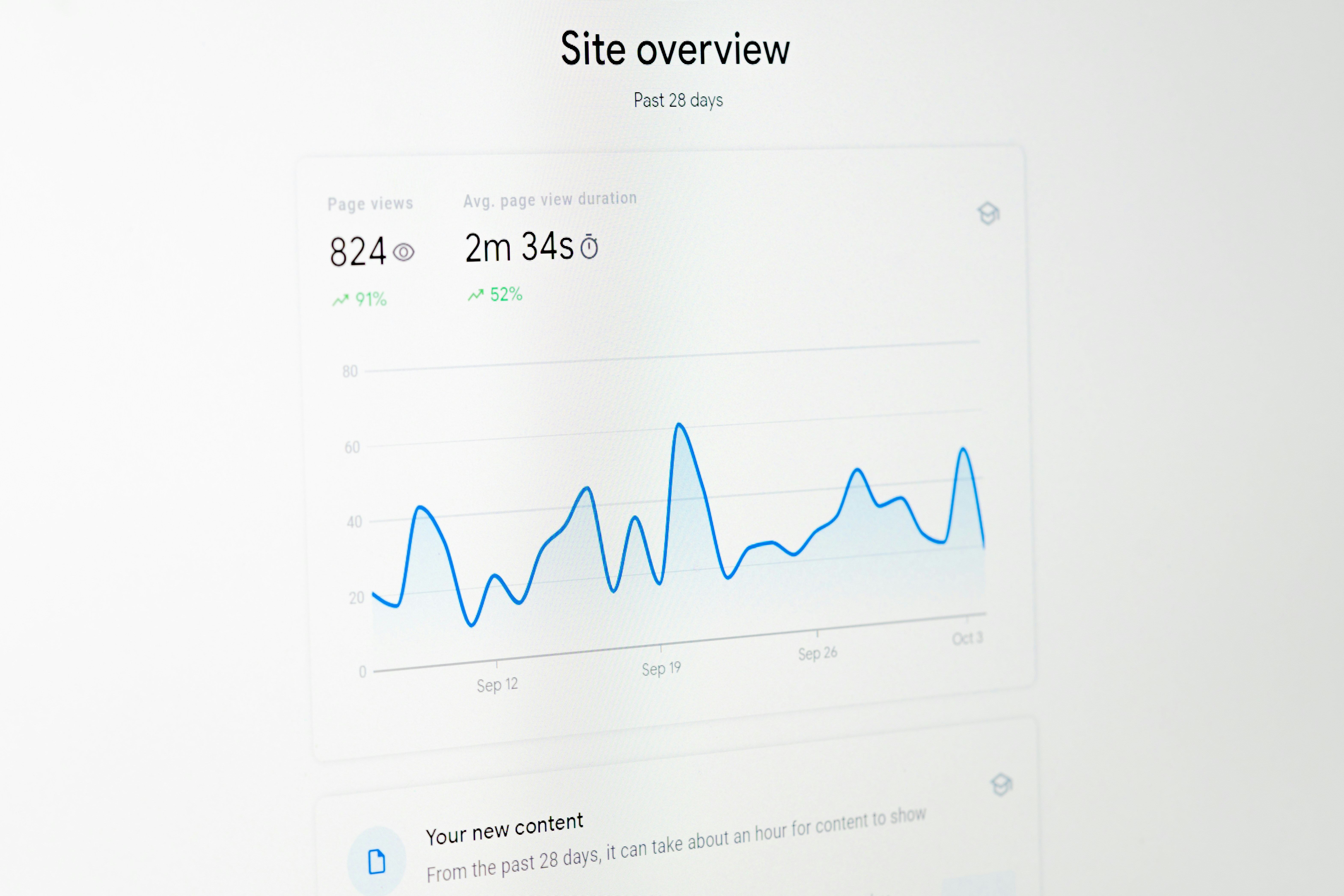
This is the magic number. Crossing the threshold of 50,000 monthly sessions (the number of visits to your site, as measured by Google Analytics) is the key inflection point where your income potential grows exponentially. It signals to premium ad networks that you have a substantial and engaged audience, making you a valuable partner. Reaching this level requires continued content production and a focus on building high-quality backlinks to your articles.

Method 2: Display Advertising (Unlocking Passive Income)
Display ads are the advertisements you see placed within the content of a website. When you have significant traffic, this becomes a powerful and almost entirely passive income stream. The key is to work with the right network.
The Ad Network Ladder: From Beginner to Premium
Not all ad networks are created equal. Your goal is to climb the ladder to a premium network as quickly as possible.
Avoid Google AdSense: Many new bloggers start here, which is a major mistake. AdSense pays extremely low rates, often resulting in an RPM (Revenue Per Mille, or earnings per 1,000 pageviews) of just $1-$3. It clutters your site for pennies.
Starter Networks (The Stepping Stone): Networks like Journey by Mediavine (requires 10,000 monthly sessions) or Ezoic offer a significant step up from AdSense. They are a great intermediate goal.
Premium Networks (The Goal): This is where serious income begins.
Mediavine: The gold standard for many bloggers. They require a minimum of 50,000 monthly sessions. Mediavine is known for its incredible support and high RPMs, often in the $20 - $40+ range. They command higher rates from advertisers because of their high-quality publisher network and direct sales teams.
Raptive (formerly AdThrive): The top tier. Raptive requires 100,000 monthly sessions and is known for having some of the highest RPMs in the industry for the same reasons.
Getting accepted into Mediavine is a major milestone. For a blog with 50,000 sessions, a $25 RPM translates to $1,250 in passive income per month. This is in addition to your growing affiliate revenue.
(Months 19+): The CEO Phase—Building a Diversified Travel Brand
Once you have stable traffic and income from ads and affiliates, you can move into the final phase: maximizing profitability by leveraging your most valuable asset—your audience's trust.
Building Brand Authority and Audience Trust
At this stage, your readers see you as a trusted expert. They've followed your advice, booked hotels you recommended, and bought gear you reviewed. This trust is the asset you will now monetize directly, leading to the highest profit margins possible.
Method 3: Selling Your Own Digital Products (The Highest Profit Margin)
Creating and selling your own products is the holy grail of solo travel blog monetization. You control the price, the product, and you keep nearly 100% of the revenue. This requires a loyal audience that trusts your expertise, which is why it's an advanced strategy.

Examples of high-value digital products for a solo travel audience include:
Comprehensive E-books: A deep dive into a specific topic, like "The Ultimate Guide to Solo Female Travel in Southeast Asia."
Printable Destination Itineraries: Detailed day-by-day plans for cities like Rome, Tokyo, or Lisbon that your readers can purchase and download.
Trip Planning Templates: Customizable spreadsheets or Notion templates that help your readers organize their own trips.
Digital Packing Lists: Niche-specific checklists for different types of travel (e.g., carry-on only, winter travel, hiking).
Pro-Tip: Validate your product idea before you build it. Send a survey to your email list or poll your audience on social media, asking what they struggle with most. If dozens of people say "planning my Italy itinerary is overwhelming," you have a winning product idea.
Method 4: Sponsored Content and Brand Partnerships
Sponsored content, where a brand pays you for a dedicated article or mention, represents a shift from passive to active income. While it can be lucrative, with sponsored posts often fetching $1,000 or more, you shouldn't just wait for opportunities to land in your inbox. As your brand authority grows, you can proactively pitch partnerships. Create a professional media kit—a one-page PDF outlining your website traffic, audience demographics, and core values—and reach out to brands you already use and love with a specific collaboration idea.
Frequently Asked Questions (FAQ Section)
How much money can you make from a travel blog?
In your first year, aim for $1,000-$5,000. By the end of year two, $20,000-$40,000 is a realistic target for dedicated bloggers. Established, six-figure travel bloggers who have diversified into ads, affiliates, and digital products can earn well over $100,000 per year.
How long does it take to make $1000 a month blogging?
For most travel bloggers who consistently publish high-quality, SEO-optimized content, it takes between 12 and 18 months to consistently earn $1,000 per month. This milestone typically occurs after being accepted into a premium ad network like Mediavine.
Do I need a large social media following to make money?
No. This is a common and damaging myth. The most profitable travel blogs focus on SEO. You can make a full-time income from a travel blog with fewer than 1,000 Instagram followers if your website traffic from Google is high and consistent.
What are the initial costs of starting a profitable travel blog?
The essential startup costs are minimal. You'll need a domain name (around $15/year) and web hosting (around $5-$15/month). Investing in a premium WordPress theme ($60 one-time) and an SEO tool like Keysearch ($17/month) are highly recommended but not strictly necessary on day one.
Turning your passion for solo travel into a profitable business is not a dream; it's a project. It requires a strategic plan, immense dedication, and an unwavering focus on providing real value. This roadmap has shown you the what and the when. By following this phased approach to solo travel blog monetization, you move beyond wishful thinking and begin the methodical work of building a business that can fund your travels and your life. The journey is long, but the destination—a life of freedom and financial independence—is worth every step.
Read the full guide: Anxious to Adventurous: The Ultimate Guide to Solo Travel Confidence
Don't Miss Out! Subscribe for Exclusive Content
SubscribeComments 0
No comments yet
Be the first to share your experience!
Dont Miss Out! Subscribe for Exclusive Content
FTC Affiliate Disclosure Essentials: Stay Compliant as a Travel Creator
Essential Affiliate Tools: From Tracking to Full Optimization
Avoid These 5 Affiliate Landing Page Mistakes for Better Conversions

Affiliate Keyword Research Mastery for Travel Blogs
Booking.com Affiliate Program Review: Pros, Cons, and Earnings Potential