
SF Festivals: 7 Must-See Lineups

TrekGuider @trekguider
San Francisco’s cultural calendar is a dizzying, year-round whirlwind of activity, making it almost impossible to know where to begin. You want to dive into the authentic heart of the city, but you’re faced with an overwhelming number of options. How do you choose the events that are truly iconic, the ones that define the Bay Area’s unique spirit, without wasting your precious time on something that doesn’t live up to the hype?
The fear of missing out is real. You could easily find yourself stuck in a generic tourist trap, completely missing the vibrant, community-driven celebrations happening just a few blocks away. You risk leaving the city without ever experiencing the dazzling traditions of the Chinese New Year Parade or the electrifying energy of the Pride Parade on Market Street. Don’t let your trip be defined by indecision; let it be defined by unforgettable moments.
This guide is your definitive solution. We’ve hand-picked the 7 must-see lineups that represent the very best festivals in San Francisco. Think of this as your insider’s ticket to the city's biggest moments, but it's just one piece of the puzzle. For a complete, year-round look at the city's seasonal rhythm, be sure to explore our comprehensive guide to San Francisco Holidays: Bay Area Buzz.

1. Chinese New Year Parade: One of the Oldest Festivals in San Francisco
Forget what you think you know about parades. San Francisco’s Chinese New Year Parade isn’t just an event; it’s a full-blown sensory spectacle and a powerful link to the city’s soul. As one of the most cherished festivals in San Francisco, this celebration transforms the streets into a living river of light, sound, and ancient tradition.
The Cultural Significance: A Tradition Since 1851
San Francisco is home to the oldest and largest Chinese New Year celebration outside of Asia, a tradition that has been a key part of the city's cultural identity since 1851. The festival marks the beginning of the new year on the traditional lunisolar Chinese calendar and is a time for families to honor ancestors, share symbolic foods like noodles for longevity, and welcome a year of good fortune. While the celebration includes a vibrant Flower Fair and a bustling Street Fair, the main event is the spectacular night parade.
Key Dates and Times for 2026
Mark your calendars for the Year of the Snake. The main parade is scheduled for Saturday, around mid-February (dates shift each year), starting at 5:15 PM. As one of the few night-illuminated parades in North America, it offers a uniquely magical experience. Expect to see:
Elaborate Floats: Beautifully designed floats glowing under the city lights.
Traditional Lion Dancers: Energetic performers in stunning costumes, believed to bring good luck.
The Golden Dragon: The parade’s grand finale features the famous 268-foot Golden Dragon, a breathtaking sight that requires a team of over 100 people to carry through the streets.
Modern Drone Light Show: A stunning high-tech addition that blends ancient tradition with Bay Area innovation.
Pro-Tips for the Best Viewing Experience
To make the most of this incredible event, a little planning goes a long way.
Arrive Early: The parade route gets crowded hours before the start time. Secure a spot along the route by mid-afternoon for the best views.
Use Public Transit: Street closures make driving and parking nearly impossible. Use BART or Muni to get downtown and walk to the parade route.
Dress in Layers: San Francisco weather is famously unpredictable. Even if the day is warm, the evening will get chilly, so bring a jacket, hat, and gloves.
Consider Bleacher Seats: If you want to guarantee a comfortable spot with a clear view, you can purchase tickets for the bleacher seating located along the route.
Pro-Tip: Don't leave before the grand finale! The parade now incorporates a modern drone light show, a stunning high-tech contrast to the traditional 268-foot Golden Dragon that you won't want to miss.

2. SF Pride Parade: One of the Most Iconic Festivals in San Francisco
The San Francisco Pride Parade is more than just a festival; it’s a powerful, vibrant, and deeply meaningful declaration of love, equality, and resilience. Every June, hundreds of thousands of people from all over the world gather to celebrate the LGBTQ+ community in one of the largest and most famous Pride events globally.
From Protest to Celebration: The History of SF Pride
The roots of SF Pride run deep. The event commemorates the 1969 Stonewall Uprising in New York City, a key moment that ignited the modern fight for LGBTQ+ rights. San Francisco’s first "gay-in" was held in 1970, evolving from a political protest into the massive celebration of identity and activism it is today. Through the 1980s, the parade became a crucial platform for raising AIDS awareness, and it continues to be a powerful stage for advocating for the rights and visibility of the entire LGBTQ+ spectrum.
2026 Parade Route and Schedule
The 2026 SF Pride Parade is scheduled for Sunday, the last Sunday of June, starting at 10:30 AM. The route runs along Market Street, beginning at Beale Street and concluding at 8th Street, leading into the heart of the Civic Center Plaza celebration. The parade is a joyous spectacle featuring colorful floats, dynamic marching contingents from community organizations and corporate allies, and an infectious energy of pure celebration.
Navigating the Crowds and Staying Safe
With massive crowds, it’s essential to plan ahead for a smooth and safe experience.
Find a Good Spot: The sidewalks along Market Street fill up quickly. For a slightly less crowded experience, try finding a spot closer to the beginning of the route near the Embarcadero.
Stay Hydrated and Protected: The June sun can be strong. Bring water, sunscreen, and a hat.
Use Technology: The event is known for its strong security measures, which have included advanced weapon detection technology, allowing attendees to focus on the celebration. Look for official festival apps that provide maps, schedules, and emergency alerts.
Pro-Tip: Major events like SF Pride are leveraging technology for safety. Look for official festival apps or partnerships with services like SaferWatch for real-time, anonymous safety reporting and emergency alerts, ensuring you can focus on the celebration.
If you're inspired to document the incredible energy of events like Pride, our The Travel Creator's Toolkit provides essential tips and resources for capturing stunning photos and videos on the go.
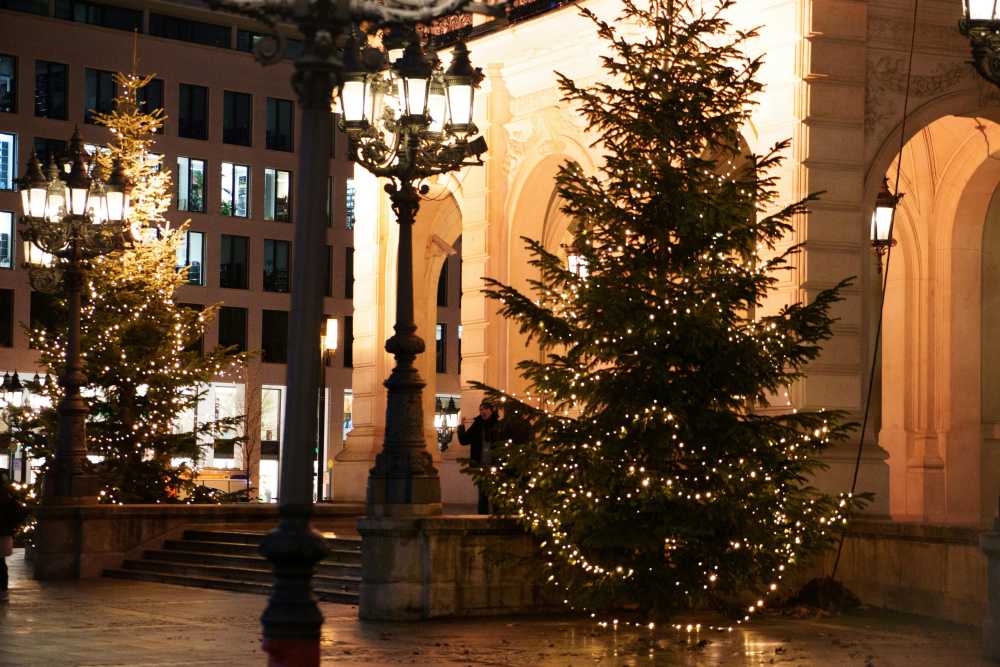
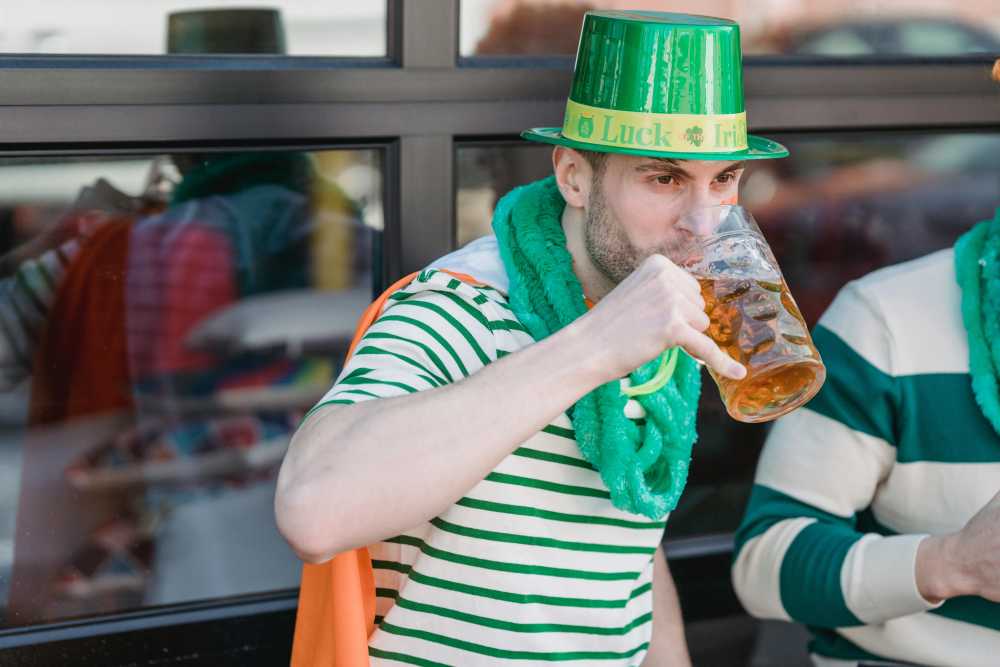
3. St. Patrick's Day Parade: A Sea of Green on Market Street
San Francisco’s St. Patrick's Day Parade is a cherished tradition that brings a touch of Irish luck and culture to the West Coast. Held annually since 1852, it’s one of the city’s longest-running events, drawing families, locals, and visitors alike for a day of festive fun.
Honoring Irish Heritage in the Bay Area
While the holiday observes the anniversary of the death of Saint Patrick, the parade in San Francisco has evolved into a broad celebration of Irish and Irish-American culture. It’s a day to honor the significant contributions of the Irish community to the city’s history and development. The event is a vibrant display of heritage, filled with the sounds of bagpipes, the sight of traditional Irish dancers, and a sea of green attire.
Parade Details and What to Expect
The parade typically takes place on the Saturday closest to St. Patrick's Day (March 17). It proceeds down Market Street, culminating in a festival at Civic Center Plaza. You can expect to see a lively procession featuring:
Local Irish community groups and families.
Traditional Irish musicians and dance troupes.
Colorful floats and marching bands.
Local dignitaries and community leaders.
The post-parade festival continues the celebration with live music, Irish food and drink, and cultural exhibits, making it a full day of family-friendly entertainment.

4. Cinco de Mayo Festival: A Vibrant Celebration of Mexican-American Culture
While often mistaken for Mexican Independence Day, Cinco de Mayo commemorates the Mexican Army's unlikely victory over the French at the Battle of Puebla in 1862. In San Francisco, this day has a particularly deep historical significance, with parades held since 1863, evolving into a proud celebration of Mexican-American heritage and resistance.
The True Meaning of Cinco de Mayo
For Mexican-Americans in the 19th century, the victory at Puebla was a powerful symbol of resistance against European imperialism. Over the decades, particularly during the Chicano Movement, the holiday was embraced as a day to celebrate cultural pride. Today, the San Francisco festival continues this legacy, often featuring speakers and music that connect the historical victory to contemporary issues of democracy and social justice.
Where to Find the Festivities
The celebration is typically centered in the Mission District, the historic heart of the city’s Latino community. The festival transforms the neighborhood with a low-rider car show, live music stages featuring everything from mariachi to salsa, and booths offering delicious, authentic Mexican cuisine. It’s a family-friendly event that offers a rich, immersive cultural experience far beyond the commercialized versions of the holiday.
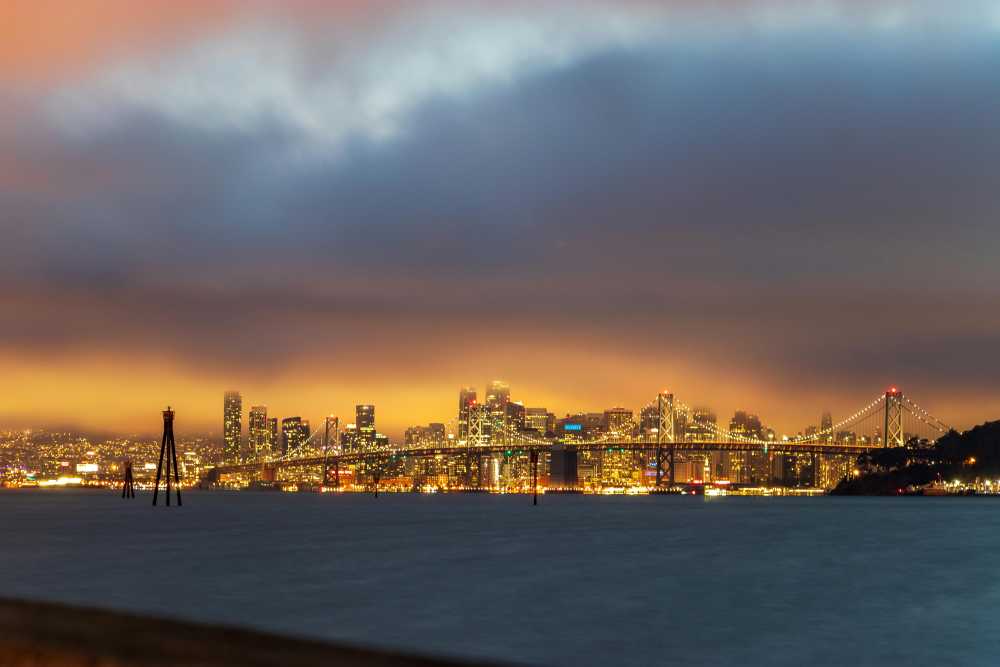
5. Fourth of July Fireworks: A Patriotic Explosion Over the Bay
There are few better places to celebrate American Independence Day than along the stunning San Francisco waterfront. The city’s annual Fourth of July celebration is a massive event, drawing huge crowds for a day of festivities capped off by a spectacular fireworks display over the bay.
The Best Viewing Spots for the Fireworks Display
The main event is the fireworks show, which is typically launched from barges located near Pier 39 and Aquatic Park. To get a prime viewing spot, you have several options:
Fisherman's Wharf & Pier 39: This is the epicenter of the celebration, offering close-up views but also the largest crowds. Arrive early in the afternoon to claim your space.
Aquatic Park and Ghirardelli Square: These spots offer fantastic, direct views of the fireworks.
Angel Island or Alcatraz: For a truly unique perspective, consider a ticketed boat tour that takes you out onto the bay for an unobstructed view away from the waterfront crowds.
Coit Tower: The hills around Coit Tower provide an elevated vantage point, though it’s a popular spot that also fills up quickly.
Planning Your Day: What to Bring and When to Arrive
This is one of the busiest days of the year on the waterfront. Plan to arrive by early afternoon at the latest. Bring blankets or low-backed chairs, snacks, and plenty of water. Most importantly, pack warm layers. As soon as the sun goes down, the famous San Francisco fog can roll in, bringing a significant temperature drop. Public transportation is strongly recommended, as parking will be extremely limited and expensive.
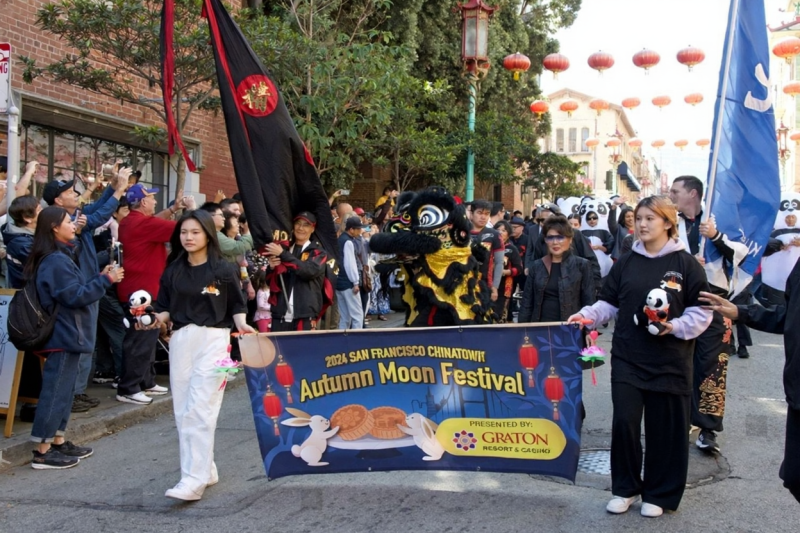
6. Halloween in the Castro: A Uniquely San Francisco Haunt
While many cities celebrate Halloween, San Francisco puts its own unique and fabulous spin on the holiday, with the Castro District historically serving as the vibrant, beating heart of the festivities. Although the massive official street party of years past has been discontinued, the spirit of Halloween is alive and well.
The Castro's Legendary Halloween Spirit
The Castro’s legacy as a Halloween destination is legendary. The neighborhood comes alive with incredible, elaborate costumes, and the atmosphere is one of pure, unadulterated fun. While there is no longer a formal, city-sponsored event, the evening still draws crowds who come to see and be seen in their Halloween best. The celebration now takes the form of numerous pub crawls, costume contests, and private parties hosted by the area's many bars and clubs.
Safety and Transportation Tips for a Spooky Night
If you plan to celebrate in the Castro, safety and logistics are key.
Use Rideshares or Public Transit: Parking is virtually nonexistent, and you’ll want a safe ride home. The Castro Muni station is centrally located.
Stay with Your Group: The streets can get crowded. Use a buddy system and keep your phone charged.
Be Respectful: Remember that the Castro is a residential neighborhood. Be respectful of residents and local businesses while you celebrate.
For those seeking a more traditional haunted experience, the famous Winchester Mystery House in nearby San Jose offers special candlelit tours during the Halloween season.

7. Christmas in Union Square: The Heart of SF's Holiday Magic
When the holiday season arrives, Union Square transforms into a magical winter wonderland, serving as the festive centerpiece for the entire city. If you’re looking for classic Christmas cheer, this is the place to be.
The Iconic Tree and Ice Rink
The two main attractions in Union Square are the massive, beautifully decorated Christmas tree and the seasonal outdoor ice rink. Skating under the twinkling lights with the iconic square as your backdrop is a quintessential San Francisco holiday experience. The entire area is decked out in festive lights and decorations, creating a joyful and picturesque atmosphere that’s perfect for families, couples, and anyone looking to get into the holiday spirit.
Finding the Best Views and Photo Ops
For a stunning bird’s-eye view of the tree, the ice rink, and all the festive chaos, head to the upper floors of the Macy's department store that borders the square. The windows of the Cheesecake Factory at the top offer one of the most sought-after views in the city during the holidays. The square itself offers countless photo opportunities, from the giant ornaments to the festive storefronts of the surrounding luxury retailers. This is the perfect place to capture that classic holiday memory.
Your Guide to the Best of the Bay
You are now equipped with the insider knowledge to experience the very best festivals in San Francisco. From the ancient traditions of the Lunar New Year to the modern celebrations of Pride and the festive magic of Christmas in Union Square, you have a clear path to immersing yourself in the events that truly define this incredible city. You no longer have to guess which events are worthwhile; you can now plan your trip with confidence, ready to create memories that will last a lifetime.
To take your planning to the next level and build a complete itinerary around these incredible events, explore our comprehensive Travel Guide. It’s packed with expert advice on everything from lodging and dining to transportation, ensuring your entire San Francisco adventure is as seamless as it is unforgettable.
Don't Miss Out! Subscribe for Exclusive Content
Subscribe


Comments 0
No comments yet
Be the first to share your experience!
Dont Miss Out! Subscribe for Exclusive Content

San Francisco Cherry Blossoms: A Local's Guide to the Blooms


Halloween SF: Haunts Without Horrors

Christmas SF: Lights & Wharf Wonders

SF Pride: 6 Route & Party Hacks

Chinese New Year SF: Parade Essentials

San Francisco Holidays: Bay Area Buzz
St. Patrick's NOLA: Irish Parade Hacks
TrekGuider @trekguider
You’ve heard the stories. St. Patrick’s Day in New Orleans isn’t just another parade awash in green beer and flimsy shamrocks; it’s a legendary, full-contact cultural spectacle. But the idea of diving into that joyous chaos unprepared feels… daunting. You’re worried you’ll miss the real experience, get swallowed by the crowds, and fail to grasp the wonderfully weird traditions that make this celebration one of the most unique in the country. You have a vision of what a parade should be, but you’re quickly realizing New Orleans wrote its own rulebook.
Now, picture it: you’re standing on the curb, shoulder-to-shoulder with thousands, feeling completely overwhelmed. You’re stuck behind a wall of people, unable to see the floats. Suddenly, a cabbage soars over your head, followed by a potato, and you’re left utterly baffled while seasoned locals expertly snag the flying produce. The day feels more like a bizarre grocery giveaway than the festive celebration you imagined. You’re not just a spectator; you’re an outsider, missing the inside jokes and the best throws, completely disconnected from the vibrant energy pulsing through the vibrant energy pulsing through the Irish Channel.
This is your insider’s playbook for unlocking that magic. We’re not just giving you tips; we’re turning you into a parade pro. Together, we’ll deconstruct every wonderfully weird tradition, from the real story behind the flying cabbages to the strategic sweet spots along the route that locals covet. This is your definitive guide to mastering the best St Patrick's day USA celebration, NOLA-style—a key part of the city's festive calendar, which is just one of the incredible events we detail in our master guide to New Orleans Holidays: Cultural Feasts.

The Emerald Isle Meets the Big Easy: Why NOLA's Parade is an Unforgettable Experience
While cities across America celebrate St. Patrick’s Day, New Orleans infuses the holiday with its own unmistakable Creole and Cajun soul. The tradition here is deep-rooted, with parades marching through the city’s streets since 1809, a historical institution honoring the significant Irish heritage that began with waves of immigrants who arrived in the 1800s to dig the city's vital canals.
What truly sets the New Orleans experience apart is how it blends reverence with the city’s signature laissez les bons temps rouler (let the good times roll) philosophy. It’s less about solemnity and more about a joyous, community-wide block party that sprawls across multiple days.
But the single most defining feature—the one that transforms spectators into active participants—is the throws. While Mardi Gras is famous for beads and doubloons, St. Patrick’s Day parades are legendary for their produce. Float riders don’t just toss trinkets; they hurl the ingredients for a traditional Irish stew. Cabbages, carrots, potatoes, onions, and even lemons fly through the air, turning the parade route into the world’s most chaotic and exciting open-air market. This tradition elevates the event from a simple procession to an interactive, and slightly absurd, cultural ritual you won’t find anywhere else.
A Tale of Two Cities: NOLA Throws vs. Chicago's Green River
To truly appreciate the uniqueness of New Orleans, it helps to compare it to another iconic St Patrick's day USA celebration: Chicago. Chicago is world-famous for dyeing its river a brilliant emerald green, a tradition since 1962 where plumbers unions dump 40-60 pounds of a secret vegetable-based powder into the water. It’s a stunning visual spectacle, a passive and beautiful city-wide display.
New Orleans, by contrast, is all about active participation. There’s no passive viewing here. You are part of the show, tasked with catching your dinner. It’s a grassroots, tangible, and slightly wild experience that reflects the city’s hands-on approach to celebration. One is a beautiful painting; the other is an interactive sport.

The Main Event: Hacking the Irish Channel St. Patrick's Day Parade
The crown jewel of the city's celebrations is the Irish Channel St. Patrick's Day Parade. This is the big one, a sprawling, vibrant procession that winds through the historic neighborhood settled by Irish immigrants. To conquer it, you need a game plan.
Mark Your Calendar: Date and Time Essentials
First things first: the parade rarely falls on the actual holiday. To maximize attendance and party potential, organizers schedule it for the Saturday before St. Patrick's Day.
2026 Parade Date: Saturday, the Saturday before St. Patrick's Day
Start Time: 1:00 PM
While the parade officially kicks off at 1 PM, the neighborhood festivities begin much earlier. The Irish Channel transforms into a massive block party by mid-morning, with residents setting up elaborate camps, cooking, and celebrating on the streets. Arriving early isn't just a recommendation; it's essential to soaking in the full, authentic atmosphere.
The Route Decoded: Where to Plant Your Feet for Prime Loot
The parade traditionally begins at the corner of Felicity and Magazine Street, weaving its way through the heart of the Irish Channel. Choosing your viewing spot is the most critical decision you'll make. Your choice will dictate your experience, from crowd density to your chances of catching a prized cabbage.
The Starting Blocks (Near Magazine and Jackson):
Pros: The energy here is absolutely electric. The floats are fully stocked, and the riders are fresh and eager to throw. You'll get the first crack at the best loot.
Cons: This is the domain of the hardcore parade-goer and often the most crowded section. You'll need to arrive exceptionally early (think 9:00 AM) to claim a prime spot. It can be intense and less suitable for families with small children.
The Middle Ground (Along Magazine Street, between Washington and Louisiana):
Pros: The crowds tend to thin out slightly as you move down the route. It offers a fantastic balance of high energy and slightly more breathing room. This is the strategic sweet spot for actively trying to catch throws without the extreme competition of the starting line.
Cons: By this point, some of the most unique throws may have already been tossed. You'll still need to be assertive to get the attention of the float riders.
The Final Stretch (Approaching Jackson Avenue on the return):
Pros: This area is typically the most family-friendly and least congested. It's a more relaxed atmosphere, perfect for those who want to enjoy the spectacle without being in the thick of it. Float riders often unload the last of their throws here, leading to a final, glorious frenzy of produce.
Cons: The parade has been going for a while, and the energy might be slightly lower. The selection of throws will be whatever is left over.
The Art of the Catch: Mastering the Vegetable Throws
Catching a cabbage is a New Orleans rite of passage. It requires more than just luck; it demands technique, awareness, and a bit of shameless enthusiasm.
Gear Up: Forget flimsy plastic bags. Bring a sturdy, reusable tote bag or even a small backpack. A flying cabbage has some heft, and you don't want your bag to break mid-parade.
Make Eye Contact: Float riders are scanning the crowd for enthusiastic targets. Don't just stand there passively. Wave your hands, shout, and make direct eye contact with a rider. Point to yourself or your bag. The more engaged you are, the more likely you are to be rewarded.
Create a Target: Hold your bag open and high. Make it an easy and inviting target. Some locals even create small, decorated nets on poles to extend their reach and stand out from the crowd.
Mind Your Surroundings: This is a full-contact sport. Be aware of the people around you. A cabbage flying into a dense crowd can cause a pile-up. Give your neighbors space and be prepared to move. Never, ever dive onto the ground for a rolling potato—it's not worth the risk.
The "Thank You" Rule: If a rider tosses something directly to you, give them a thumbs-up or a wave of thanks. It’s part of the friendly spirit of the day.

Your St. Patrick's Day USA Survival Kit: Pro-Level Parade Hacks
Showing up is one thing; showing up prepared is another. A little planning transforms a potentially stressful day into a seamless and memorable adventure. Treat it like a mission, and pack accordingly.
Arrive Early, Win the Day
We can't stress this enough. For a 1:00 PM parade, you should aim to be in the Irish Channel and finding your spot no later than 10:00 AM. The streets close to traffic early, and the neighborhood fills up fast. Arriving early allows you to claim a good piece of curb, set up your "base camp" with chairs and a cooler, and enjoy the building atmosphere of the block party before the main event even begins.
The Parking Predicament: Getting There and Back
Driving directly to the parade route is a rookie mistake that will lead to nothing but frustration. Parking is virtually non-existent, and street closures create a labyrinth of dead ends.
Rideshare Smartly: Use a rideshare service like Uber or Lyft, but set your drop-off point several blocks away from Magazine Street. This will help you avoid surge pricing and getting stuck in gridlock.
Take the Streetcar: The St. Charles Streetcar is a scenic and practical option. It runs parallel to the parade route, just a few blocks away. Get off around Jackson Avenue or Washington Avenue and walk toward the river.
Park and Walk: If you must drive, park in the Central Business District (CBD) or the Lower Garden District and enjoy a 15-20 minute walk into the Irish Channel. Reserving a spot in a garage ahead of time using a parking app is a wise investment.
Dress the Part (and for Comfort)
Your attire is both festive and functional. While wearing green is practically mandatory, your comfort should be the top priority.
Footwear is Everything: You will be on your feet for hours, standing, walking, and dodging flying vegetables. Wear your most comfortable, broken-in sneakers or boots. This is not the day for new shoes or anything with a heel.
Layer Up: New Orleans weather in March can be unpredictable. It might be cool and breezy in the morning but warm and sunny by the afternoon. Wear layers—a t-shirt, a long-sleeved shirt, and maybe a light jacket—that you can easily shed as the day warms up.
Sun Protection: Even on a cloudy day, the sun can be strong. Bring sunscreen, a hat, and sunglasses to avoid a post-parade sunburn.
Essential Gear for Your Parade Pack
A well-stocked bag is the mark of a parade veteran. Here’s a checklist of must-have items:
Sturdy Reusable Bag: For all the throws you’re going to catch.
Water and Snacks: Stay hydrated and energized. While vendors are around, having your own supply saves time and money.
Sunscreen & Sunglasses: Protect yourself from the elements.
Portable Phone Charger: Your phone battery will drain quickly from taking photos and trying to find friends in spotty service areas.
Hand Sanitizer and Wipes: Essential for quick clean-ups before you eat.
Cash: Many local food and drink vendors may be cash-only.
A Festive Attitude: The most important item. Embrace the chaos and have fun!

Pro-Tip: Establish a clear, non-movable meeting point with your group before you arrive. Cell service can be spotty in large crowds. Pick a specific storefront or street corner a block or two away from the main route, like "the corner of Constance and First Street," as your emergency regroup spot.
Beyond the Parade: Extending the Celebration
The parade is the main course, but the celebration is an all-day feast. Don't just leave when the last float passes. The block party in the Irish Channel rages on for hours afterward, with music, food, and dancing in the streets.
Many of the neighborhood's iconic pubs, like Tracey's or Parasol's, become ground zero for the festivities, serving up green beer and classic New Orleans fare. Be prepared for long lines, but the vibrant atmosphere is worth the wait. Exploring the side streets off Magazine can also lead you to smaller, less-crowded neighborhood bars where you can catch your breath and celebrate with locals.
Planning a family trip for the parade can be a lot to juggle. If you're flying in with little ones, the logistics can feel overwhelming. Our Stress-Free Flying with Kids Guide provides a complete checklist to make your journey as smooth as the parade is fun.
Pro-Tip: The "throws" aren't just for show. Locals actually use the cabbages, potatoes, and onions to cook their St. Patrick's Day meal of corned beef and cabbage. Catching your ingredients is the ultimate NOLA experience!

Safety First: Navigating the Crowds Like a Pro
With any large-scale event, safety matters most. The St. Patrick's Day parade is overwhelmingly safe and friendly, but it's wise to be prepared.
Use the Buddy System: Never wander off alone. Stick with your group and keep track of each other, especially in the densest parts of the crowd.
Stay Hydrated: It's easy to get dehydrated, even on a cooler day. Alternate alcoholic beverages with plenty of water throughout the day.
Respect the Floats: The most important rule of any New Orleans parade is to never run into the street or chase after a float. The floats are massive, and their operators have limited visibility. Let the throws come to you.
Supervise Children: If you have children with you, keep a close eye on them at all times. Using a ladder can provide a safer, elevated viewing spot, but ensure it's placed a safe distance back from the curb.
Mastering a single event is one thing, but truly understanding the soul of American celebrations requires a deeper dive. For comprehensive strategies on navigating everything from Mardi Gras to the Macy's Thanksgiving Day Parade, our master Travel Guide is the ultimate resource for any serious traveler.
Your Green Light to an Unforgettable Day
You are now armed with the knowledge to do more than just attend the St. Patrick's Day parade in New Orleans—you are ready to conquer it. You know that the real prize isn't just a plastic cup or a string of beads, but a cabbage caught mid-air. You understand that arriving early, choosing your spot wisely, and packing smart are the keys to a perfect day. You are no longer a tourist destined to be confused on the sidelines; you are an informed participant, ready to dive headfirst into one of the most unique and exhilarating St Patrick's day USA celebrations.
Now you have the hacks. Go out there, wear your green with pride, make eye contact with a float rider, and prepare to catch your dinner. The Big Easy is waiting to show you how it’s done.
Don't Miss Out! Subscribe for Exclusive Content
SubscribeComments 0
No comments yet
Be the first to share your experience!
Dont Miss Out! Subscribe for Exclusive Content
San Francisco Cherry Blossoms: A Local's Guide to the Blooms
Halloween SF: Haunts Without Horrors

SF Festivals: 7 Must-See Lineups
Christmas SF: Lights & Wharf Wonders
SF Pride: 6 Route & Party Hacks
Chinese New Year SF: Parade Essentials
Solo Travel Europe Without Going Broke: A Realist's Guide
TrekGuider @trekguider
Does the dream of a solo trip through Europe—wandering Rome’s ancient streets, finding the perfect café in Lisbon, or watching the sunset over the Danube in Budapest—feel just out of reach because of one major hurdle? The cost. For years, the myth has persisted that a European adventure requires a massive savings account. You've seen the glamorous photos, but you’re agitated by the nagging fear that traveling alone means paying double for everything and draining your bank account.
Let's put that fear to rest. The fantastic news is that this financial barrier is crumbling. The travel industry is finally waking up to the power of the solo traveler, and a smarter, more affordable way to explore the continent has emerged. This guide is your complete playbook for an incredible solo travel Europe adventure on a budget. We'll show you how to leverage Europe’s incredible network of hostels and trains, not as a sacrifice, but as a real advantage for a richer journey. These are the essential that transform financial anxiety into confident exploration.
The First, Most Important Decision: Mastering Europe's Budget Map
The single most powerful decision you will make for your budget happens before you book a single hostel or train ticket: choosing where to go. The secret to affordable solo travel Europe is understanding that the continent has two distinct economic personalities. Your first strategic move is to divide your map into two zones: the pricier West and North, and the wonderfully affordable East and South.
This isn’t about sacrificing iconic experiences; it’s about being smart. A daily backpacker budget in Western Europe (think France, the UK, Switzerland) can easily run you $75-$125. That same travel style in Eastern Europe (Hungary, Poland, Czech Republic) will cost closer to $40-$70. To put it bluntly: a single dinner in Zurich can cost more than your entire day’s budget in Krakow.
Your Budget-Friendly Hubs (East & South): These regions are your financial superpower. They offer world-class history and vibrant culture at a fraction of the cost. Prioritize cities like:
Budapest, Hungary: Famous for its stunning architecture and thermal baths.
Krakow, Poland: A historical gem with a lively, youthful energy.
Prague, Czech Republic: A fairytale city of spires and bridges.
Lisbon, Portugal: Coastal charm, fantastic food, and a laid-back vibe.
Seville, Spain: The heart of Andalusia, with passionate culture and sunny plazas.
Athens, Greece: The cradle of Western civilization, with ancient wonders at every turn.
The Splurge-Worthy Destinations (West & North): This doesn't mean you have to skip London, Paris, or Amsterdam. It just means you visit them strategically.
Pro-Tip: Embrace the "Hybrid Trip" Strategy. Don't think in terms of "either/or." Plan to spend the bulk of your trip—say, two weeks—exploring the more affordable regions. This allows you to "bank" significant savings, which you can then deploy for a shorter, more focused four or five-day splurge in a bucket-list city like Paris without breaking the bank.
Forging Your Financial Compass
A budget isn’t a restriction; it’s a tool of empowerment. It’s what allows you to travel without financial stress. Instead of a single magic number, let's break down the costs so you can build a personalized plan.
Deconstructing the Daily Costs: Where Does the Money Go?
Forget generic advice. Your daily budget is a deeply personal number that hinges on your travel style. To give you a real-world compass, we’ve broken down the three most common approaches we see on the road:
The Bare-Bones Backpacker: $45-$65 per day. This is for the traveler who stays exclusively in hostel dorms, cooks most meals in the hostel kitchen, and focuses on free activities like walking tours and exploring neighborhoods on foot.
The Savvy Mid-Ranger: $75-$130 per day. This is the sweet spot for most. It allows for a mix of hostel dorms with the occasional private room, eating one meal out per day at a casual spot, visiting paid attractions, and enjoying the local nightlife.
The Comfort-Conscious Budgeter: $135+ per day. This budget allows for private rooms in hostels or budget hotels, dining out more frequently, and participating in unique paid experiences or guided tours.
Pre-Trip Savings vs. On-the-Ground Spending
Remember that a significant chunk of your budget will be spent before you even leave home. Factor in these major upfront costs:
International Flights: Use tools like Google Flights and Skyscanner with flexible date searches to find the best deals.
Travel Insurance: This is non-negotiable. It’s your ultimate safety net for medical emergencies or trip cancellations.
Essential Gear: A quality, comfortable backpack and two pairs of versatile shoes are your most important investments.
For your money on the ground, be a financial ninja. Get a credit or debit card with no foreign transaction fees (like the Chase Sapphire Preferred or Capital One Venture). These 2-3% charges on every purchase add up shockingly fast. Crucially, always avoid the bright blue and yellow Euronet ATMs. They are predatory, charging outrageous conversion rates and hidden fees. Stick to official bank ATMs—look for the logos of major national banks like Deutsche Bank, BNP Paribas, or Santander. Your wallet will thank you.
Sleep Smart, Save Big
For solo travelers, where you sleep is more than just a bed—it’s your social hub, your sanctuary, and your savings engine.
Hostels: Your Social Hub and Savings Engine
Hostels are the undisputed key element of budget travel in Europe. A dorm bed will typically cost between $25 and $45, a massive saving compared to a hotel. But their true value lies beyond the price tag.
Built-in Community: Hostels are designed for social interaction. The common areas, shared kitchens, and organized events (like free walking tours or pub crawls) make it incredibly easy to meet other travelers if you choose to.
Safety & Security: Modern hostels are safer than ever. Look for properties with 24-hour reception, secure individual lockers for your valuables (always bring your own padlock), and female-only dorms if that makes you more comfortable.
Amenities that Save: The communal kitchen is a budget game-changer. Cooking just a few meals a week can save you hundreds over a long trip.
When booking on sites like Hostelworld, read recent reviews like a detective. Pay close attention to comments on cleanliness, location, security, and the overall "vibe" to find the perfect fit for you.
Beyond the Dorm: Other Budget-Friendly Options
While hostels are king, they aren't your only choice. The rise of "lifestyle" hotel brands like Moxy offers smaller, stylish single rooms that can be a great value. Renting a private room on Airbnb is another option, though often pricier than a hostel. A key piece of good news: the dreaded "single supplement" fee is slowly dying. The industry has recognized the solo travel boom, and more companies are offering true single-person pricing. Once you've locked in your home base, the next piece of the puzzle is mastering the art of getting from A to B without draining your travel fund.
Mastering the Rails & Roads
Europe’s transport network is a marvel, but choosing the cheapest option requires a strategic trade-off between cost, time, and convenience. This is a critical component of your plan for solo travel Europe on a budget.
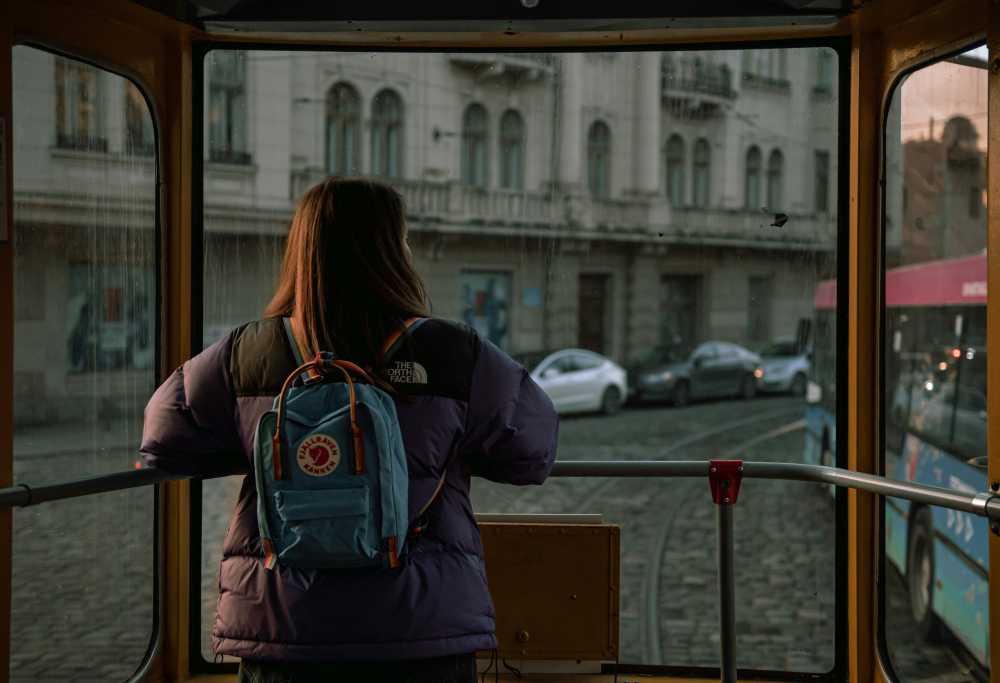
Eurail Pass vs. Point-to-Point Tickets
Is a Eurail Pass worth it for a solo traveler? The answer is: it depends.
Get a Eurail Pass if: You crave ultimate flexibility and plan to travel extensively through expensive countries like Germany, Switzerland, and Austria, where last-minute train tickets are costly.
Buy Point-to-Point Tickets if: You have a relatively fixed itinerary and are focusing on Southern or Eastern Europe. Booking individual bus or train tickets in advance on platforms like Omio or Trainline is almost always cheaper.
Pro-Tip: Before you buy a pass, map out your ideal route and price out each individual leg of the journey. Compare that total to the cost of the pass. This simple exercise can save you hundreds of dollars.
Eating Like Royalty on a Pauper's Budget
Forget surviving on instant noodles. Eating affordably in Europe can be one of the most delicious and authentic parts of your journey.
The Holy Trinity of Budget Eating
Supermarkets & Picnics: This is your #1 money-saving tactic. Visit a local grocery store or an outdoor market. Buy a fresh baguette, some regional cheese, local cured meats, fruit, and a bottle of wine for a few euros. Enjoying this feast in a Parisian park or along a Venetian canal is a 5-star experience at a 1-star price.
Hostel Kitchens: Cooking dinner with new friends in the hostel kitchen is a quintessential backpacking experience. It’s social, fun, and incredibly cheap.
Street Food & Local Markets: From gyros in Greece to pierogi in Poland, covered food halls and street food stalls are where you’ll find authentic, delicious local food for just a few dollars.

Smart Restaurant Hacks
When you do dine out, eat smart. Embrace the lunch special. Across Europe, especially the menu del día in Spain (which typically includes a starter, main, dessert, and a drink for a set price), restaurants offer multi-course lunch menus for a fraction of their dinner prices. And always use the Five Block Rule: walk at least five blocks away from any major tourist attraction before choosing a restaurant. You’ll almost always find better food at a lower price.
Two Field-Tested Budget Itineraries
Let's make this real. Here are two sample itineraries showing these principles in action.
The 3-Week Eastern Europe Classic (€50/day)
Route: Prague → Krakow → Budapest → Belgrade
The Vibe: This is the ultimate budget-friendly route through the heart of Central and Eastern Europe. You’ll experience stunning history, incredible nightlife, and delicious food and beer, all while your daily costs stay incredibly low. Transportation between these cities is fast, cheap, and easy via bus or train.
The 3-Week "Best of Both" Hybrid (€85/day)
Route: Lisbon → Seville → (Fly to) Rome → Florence → (Overnight bus to) Ljubljana
The Vibe: This itinerary demonstrates the Hybrid Strategy. You start in affordable and beautiful Portugal and Spain, then take a strategic budget flight to tackle your Italian bucket list. You finish in charming, budget-friendly Slovenia, using an overnight bus from Italy to save on both transport and a night's accommodation.
Your Top Budget Questions, Answered
How much money do I need for 1 month of solo travel in Europe?
A solo traveler can expect to spend between $1,500 (frugal backpacker in the East) and $4,500 (mid-range traveler including the West) for a one-month trip. Your destination choices and travel style are the biggest factors.
Is Europe safe for a first-time solo female traveler?
Absolutely. Europe is generally very safe for solo female travelers. Countries like Iceland, Portugal, and Slovenia are consistently ranked among the safest in the world. Standard precautions—being aware of your surroundings, securing your belongings, and trusting your gut—are key.
What is the absolute cheapest way to travel between countries in Europe?
The bus is almost always the cheapest option. Companies like Flixbus have an extensive network with fares as low as $5, making them a backpacker's best friend.
Should I travel in the summer or the off-season?
For budget travel, the shoulder seasons (April-May, September-October) are perfect. You’ll get pleasant weather with far fewer crowds and significantly lower prices for flights and accommodation compared to the peak summer months.
You now have the framework for an affordable and unforgettable European adventure. The key to a successful solo travel Europe journey on a budget isn't about restriction; it's about smart, strategic planning. By choosing your destinations wisely, embracing the social and economic power of hostels, and mastering the continent's incredible public transport, you transform a dream into an achievable, actionable plan. The freedom of the open road—and the railway—is yours for the taking.
Read the full guide: Anxious to Adventurous: The Ultimate Guide to Solo Travel Confidence
Don't Miss Out! Subscribe for Exclusive Content
SubscribeComments 0
No comments yet
Be the first to share your experience!
Dont Miss Out! Subscribe for Exclusive Content

Top 11 High-Paying Affiliate Programs for Travel Bloggers

High-Paying Affiliate Opportunities for Individual Travel Affiliates

Amazon Associates for Travel: Strategies to Maximize Commissions

How to Avoid Travel Scams: A Global Guide

A Woman's Guide to Safe Travel: 10 Critical Tips

7 Hotel Safety & Security Tips for Peace of Mind
Top 7 Family Vacation Destinations in Europe (For All Ages)
TrekGuider @trekguider
Feeling like your dream European family vacation is getting lost in a logistical nightmare? You're juggling a tight budget, the conflicting desires of a history-averse kid and a "too-cool" teen, and a map of endless, overwhelming options. The fear of investing thousands into a trip that ends in stress instead of lifelong memories is real. This guide is your solution.
We’re here to swap that overwhelming feeling for a clear, stress-free roadmap. Finding the right destination is about more than just listing famous landmarks; it’s about matching a city's rhythm to your family's unique energy. Drawing from our comprehensive guide to Family Travel Ideas: The 2026 Guide to Unforgettable Trips, this deep dive provides a practical plan to help you choose the perfect European spot with confidence.
Forget generic lists. Here, you’ll find a clear path to planning a trip that creates joy, not just another set of logistical headaches.

Your Pre-Flight Checklist: Planning a Flawless European Family Trip
Before you book a single flight, laying a solid foundation is the key to a successful trip. Rushing this stage is the number one mistake families make. A little strategic foresight will save you countless headaches and dollars down the road. For an even deeper dive, see our guide on How to Make Family Travel Planning Actually Easy.

1. Define Your Family's Travel Persona
Are you Cultural Explorers who thrive in museums and historical sites? Outdoor Adventurers who need mountains and green space? Or Relaxation Seekers who just want sun, good food, and minimal stress? Be honest about your family’s collective style. Trying to force an action-packed city tour on a family that prefers a slow-paced beach vacation is a recipe for disaster.
2. Set a Realistic European Family Budget
Europe can be surprisingly affordable or astronomically expensive. Your budget is the single biggest factor in determining your destination and trip length.
High-Cost: Countries like Switzerland, Iceland, and the Scandinavian nations will stretch your budget the furthest. Expect to pay a premium for everything from lodging to a simple lunch.
Mid-Range: France, Germany, the UK, Italy, and Austria offer a moderate price point. Here, you'll find a wide range of accommodation and dining options to fit most budgets.
Budget-Friendly: Destinations like Portugal, Spain, and Greece offer incredible value, especially outside of the peak July-August season. Your money goes significantly further here.
3. Choose the Right Time to Go
The "when" is just as important as the "where." Summer offers the best weather but also brings the biggest crowds and highest prices. Consider the shoulder seasons (April-May and September-October) for a perfect balance of pleasant weather, fewer tourists, and lower costs.
4. Master Your Transportation Plan
Getting around is a core part of the European experience.
Trains: The European rail network is efficient, scenic, and often the best way to travel between major cities. It eliminates the stress of driving and parking. Pro-Tip: Book high-speed rail tickets 60-90 days in advance directly from national carriers (like Trenitalia in Italy or Renfe in Spain) for discounts of up to 70%.
Driving: Renting a car offers ultimate flexibility, especially for exploring rural areas. However, be prepared for narrow roads, complex parking, and high fuel costs. Most city centers are best explored on foot.
Flying: Budget airlines like Ryanair and EasyJet can be great for covering long distances, but be mindful of strict baggage allowances and secondary airport locations. A smooth flight is key, so be sure to check out our Stress-Free Flying with Kids Guide.
5. Embrace the "Less is More" Pacing Rule
This is the golden rule of European family travel. The biggest mistake is trying to cram too much in. Moving cities can easily consume an entire day. For a truly enjoyable experience, plan to spend at least three nights in each location. This allows for one full day of exploration without the stress of arrival or departure logistics.
Feeling Organized? Let's Make It Official.
Planning an international trip involves a million tiny details. Don't let anything slip through the cracks. Our International Travel Checklist is the ultimate tool for a smooth, stress-free planning process, covering everything from passports to packing.
The TrekGuider Shortlist: Europe's Most Unforgettable Family Cities
Europe is a continent of incredible diversity. To simplify your choice, we’ve broken down the top family vacation destinations in Europe by region, highlighting what makes each one special for families with kids of all ages.
Southern Europe & The Mediterranean: Sun, Culture, and Unforgettable Food
This region is a classic choice for a reason. It offers a fantastic mix of history you can touch, beautiful coastlines, and a relaxed, family-centric culture where kids are welcomed everywhere.

Italy: A Living History Book for All Ages
Forget history lessons behind museum glass; Italy is the lesson, a multi-sensory experience that captivates everyone from toddlers to teens. It's one of those rare places where ancient history feels like a giant, interactive playground.
Best For: School-aged kids and teenagers (ages 7-18).
Top City: Rome. The sheer scale of the Colosseum, the whispers of history in the Roman Forum, and the chance to make a wish at the Trevi Fountain are core memories in the making.
Kid-Friendly Activities: Gladiator School, Pizza & Gelato Making Class, renting pedal cars in Borghese Gardens, or visiting the Explora Museum.
Logistics Lowdown: Book tickets for major attractions like the Colosseum and Vatican Museums months in advance online. This allows you to bypass the notoriously long ticket queues.
Spain: The Perfect Blend of Beaches, Art, and Fun
Spain is arguably one of the most well-rounded family destinations in Europe. The culture is vibrant, the food is accessible (tapas are perfect for picky eaters), and the more relaxed daily schedule is a godsend for families.
Best For: All ages, from toddlers to teens.
Top Cities: Barcelona & Madrid. Barcelona offers the unique combination of a world-class city with excellent beaches. Madrid is wonderfully stroller-friendly with magnificent parks like El Retiro.
Kid-Friendly Activities: Tibidabo Amusement Park (Barcelona), CosmoCaixa Science Museum (Barcelona), and the Teleférico Cable Car (Madrid).
Portugal: Affordable Charm and Stunning Coastlines
Portugal often flies under the radar but is a true gem for families seeking a more laid-back and affordable European vacation. It's welcoming, beautiful, and refreshingly unpretentious.
Best For: Toddlers and young children, thanks to its compact cities and friendly atmosphere.
Top City: Lisbon. The vintage yellow Tram 28 is a ride and a sightseeing tour in one, and the city is filled with picturesque squares perfect for a pastel de nata break.
Kid-Friendly Activities: Oceanário de Lisboa (one of the world's best aquariums), exploring St. George's Castle, and taking a day trip to the fairytale palaces of Sintra.
Western & Central Europe: Iconic Cities and Alpine Wonders
This region is home to some of the world's most famous landmarks, offering a mix of urban excitement and breathtaking natural beauty.
France: Beyond the Glitter of Paris
Paris will always have its magic, but the real magic for families often lies beyond the capital's glittering lights. For a less frantic but equally enchanting experience, consider other regions.
Best For: School-aged children and teens.
Top City: Paris. For older kids who can appreciate it, Paris is unforgettable. For a more relaxed pace, consider cities like Nice on the French Riviera or Lyon for its food scene.
Kid-Friendly Activities (Paris): Sailing vintage boats in Jardin du Luxembourg, visiting the Cité des Sciences, and taking a magical evening cruise on the Seine River.
Switzerland: The Ultimate Outdoor Playground
For active families who love the great outdoors, Switzerland is unparalleled. It's clean, safe, and the public transportation system is a marvel of efficiency that feels like part of the attraction.
Best For: Ages 5 and up who can handle hiking and outdoor activities.
Top Region: The Interlaken/Jungfrau Region. This area is a postcard-perfect vision of alpine meadows, snow-capped peaks, and turquoise lakes.
Kid-Friendly Activities: Taking a cogwheel train up a mountain, hiking an easy scenic trail like the one from Männlichen to Kleine Scheidegg, or riding a thrilling mountain coaster.
Pro-Tip: The Swiss Travel Pass, while expensive upfront, can be a fantastic value. Children under 16 travel free with a paying parent.
Northern Europe & The UK: History, Fairytales, and Cool Vibes
This region offers a different flavor of Europe—one defined by rich history, stunning design, and a safe, efficient, and incredibly family-forward approach to life.

United Kingdom: London's Icons and Endless Museums
London is an endlessly fascinating city that caters brilliantly to families. Many of its world-class museums are free, making it a great value proposition despite its reputation for being expensive.
Best For: All ages.
Top City: London. The city is a playground of recognizable icons, from the Tower of London to the double-decker buses.
Kid-Friendly Activities: The Natural History & Science Museums (free!), the Diana Memorial Playground, the Warner Bros. Studio Tour for Harry Potter fans, and a Thames River Cruise.
Denmark: Fairytale Charm and Effortless Cool
Copenhagen is a city that seems designed for happiness. It's compact, easily walkable (or bikeable), and has a playful spirit that makes it a dream destination for families with younger kids.
Best For: Ages 0-10.
Top City: Copenhagen. The home of Hans Christian Andersen feels like a storybook come to life.
Kid-Friendly Activities: Tivoli Gardens is a magical institution, take a classic canal tour from Nyhavn Harbor, and explore the interactive National Museum's Children's Museum.
Logistics Lowdown: Rent bikes. This is the most authentic and enjoyable way to explore, and you can get "cargo bikes" with a front bucket for the kids.
Frequently Asked Questions
What is the most budget-friendly region in Europe for a family vacation?
Southern European countries like Portugal, Spain, and Greece generally offer the best value for families. Your money for accommodation, food, and activities will go much further here, especially if you travel during the "shoulder seasons" of spring and autumn.
What is the best time of year to travel to Europe with kids?
The shoulder seasons (April-May and September-October) are often ideal for family travel in Europe. You'll enjoy pleasant weather, significantly smaller crowds at major attractions, and lower prices for flights and hotels compared to the peak summer months.
Is it better to travel by train or car with a family in Europe?
For travel between major cities, the train is usually the superior option. It's fast, efficient, and relaxing. Renting a car offers more flexibility for exploring rural areas and smaller towns but can be challenging in big cities due to traffic and parking.
How many days should you spend in each European city on a family trip?
The golden rule is to plan for at least three nights in each location. This pacing prevents burnout and gives you two full days to explore without feeling rushed by arrival or departure logistics, making the trip more enjoyable for everyone.
Choosing from the vast array of family vacation destinations in Europe is the first step in an incredible journey. By aligning your destination with your family's budget, style, and pace, you're not just planning a vacation; you're engineering a priceless experience. You are building a treasure chest of shared memories—the taste of a perfect gelato in Rome, the awe of seeing the Eiffel Tower sparkle, the shared laughter on a Swiss mountain trail—that will enrich your family’s story for years to come.

Read the full guide: Family Travel Ideas: The 2026 Guide to Unforgettable Trips
Don't Miss Out! Subscribe for Exclusive Content
SubscribeComments 0
No comments yet
Be the first to share your experience!
Dont Miss Out! Subscribe for Exclusive Content

Ultimate USA Holidays Guide: Top Picks

FTC Affiliate Disclosure Essentials: Stay Compliant as a Travel Creator

Essential Affiliate Tools: From Tracking to Full Optimization

Booking.com Affiliate Program Review: Pros, Cons, and Earnings Potential

Decoding Affiliate Commission Rates: Benchmarks for Travel Creators