

TrekGuider @trekguider
San Francisco Holidays: Bay Area Buzz

San Francisco has never been a city to do things by the book, and its holidays are no exception. Here, tradition isn’t just observed—it’s remixed. Celebrations are infused with the same spirit of innovation, cultural fusion, and defiant creativity that defines the city itself. Planning a trip around the holidays in San Francisco means setting aside expectations of a conventional getaway and preparing for something far more dynamic.
This is a city where the nation's oldest Lunar New Year parade is illuminated by both ancient lanterns and modern drone light shows; where Christmas lights twinkle through a classic Karl the Fog cameo; and where a celebration of love and equality transforms Market Street into the world’s most vibrant runway. From the historic cable cars decked out in tinsel to the neighborhood festivals that pulse with local character, the Bay Area offers a calendar of festivities that is as diverse as its population.
Whether you're drawn by the spectacle of a world-famous parade or the quiet charm of a fog-kissed holiday market, this guide will serve as your compass. We’ll navigate the iconic events, uncover the seasonal secrets, and give you the insider track on making your trip unforgettable.
For a coast-to-coast look at the country's most iconic celebrations, from New York's ball drop to New Orleans' Mardi Gras, see our Ultimate USA Holidays Guide: Top Picks.
The Main Events: SF's Unmissable Street Spectacles
In San Francisco, parades are more than just processions; they are powerful, moving expressions of the city's identity, where entire communities claim the streets to celebrate their heritage and values with the world.

Chinese New Year: A Dazzling Display of Light and Legend
San Francisco is home to the oldest and largest Chinese New Year celebration outside of Asia, a deeply rooted tradition that has captivated the city since 1851. This is no single-day event; it's a vibrant, multi-week festival that leads to one of the few night-illuminated parades in North America. On the evening of around mid-February (dates shift each year), find a spot and prepare for a sensory feast as complex floats, acrobatic lion dancers, and martial arts troupes command the streets. The parade’s breathtaking finale is the 268-foot Golden Dragon, a shimmering marvel that requires a team of over 100 people to guide it through the city. In a perfect marriage of old and new, the spectacle now features a stunning drone light show, painting the sky with symbols of luck for the Year of the Snake.

For a complete playbook on navigating the crowds, securing the best viewing spots, and understanding the rich cultural traditions, see our detailed guide on Chinese New Year SF: Parade Essentials.
SF Pride: A Radiant March for Equality
Born from the city's legacy as a sanctuary for the LGBTQ+ community, the SF Pride Parade is one of the most iconic and joyous pride celebrations on the planet. Commemorating the first "gay-in" held in Golden Gate Park in 1970, the event has evolved from a protest into a massive, powerful platform for activism, visibility, and pure, unadulterated joy. On Sunday, the last Sunday of June, the parade kicks off at 10:30 AM, transforming Market Street into a sea of rainbow flags, elaborate floats, and ecstatic crowds as it proceeds from Beale to 8th Street. It’s a profound proof of love and resilience, and in a nod to modern realities, the event is known for strong security, including weapon detection technology, to ensure a safe space for all.

To get the inside scoop on the parade route, can't-miss parties, and tips for celebrating with intention, check out our essential guide to SF Pride: 6 Route & Party Hacks.
Seasonal Magic: Autumn & Winter in the City
As the seasons shift, San Francisco’s festive spirit comes alive in a uniquely coastal way. From the spooky energy of autumn to the crisp air of winter, the city offers unforgettable ways to celebrate.
Christmas by the Bay: Lights, Ice, and Wharf Wonders
Christmas in San Francisco is a masterclass in atmosphere, blending classic holiday traditions with a distinct maritime charm. The celebration's epicenter is Union Square, where a colossal, brilliantly lit Christmas tree presides over an outdoor ice rink. Skaters glide below the towering skyscrapers as the cheerful sounds of the season fill the air. For a pro-level view that floats above the crowds, head inside the adjacent Macy's and find a window on one of the upper floors—it’s the best-kept secret for capturing that perfect, glittering photo of the square. Beyond downtown, the entire city gets in on the act, with festive lights adorning everything from the historic streetcars to the bustling piers of Fisherman's Wharf.

Discover the most dazzling light displays, coziest holiday markets, and can't-miss festive events with our complete guide to Christmas SF: Lights & Wharf Wonders.
Halloween: Creative Haunts and Neighborhood Parties
San Francisco’s approach to Halloween favors creative expression and high-energy community gatherings over traditional horror. The Castro District becomes the unofficial heart of the celebration, famous for its spirited pub crawls and an informal street party where costume design is treated as a competitive sport. For those craving a more classic haunted experience, the legendary Winchester Mystery House, with its baffling architecture and ghostly lore, is a short drive away and a Bay Area institution. Whether you're looking for a family-friendly pumpkin patch in Half Moon Bay or a costumed night out on the town, the city offers a diverse menu of spooky fun. A quick tip: rely on rideshares for safe and easy transport between events.
For a curated list of the best family-friendly activities and neighborhood haunts that skip the gore, explore our guide to Halloween SF: Haunts Without Horrors.
A Festival for Every Season
Beyond the marquee holidays, San Francisco’s calendar is a year-round whirlwind of festivals celebrating the city's rich cultural fabric.
The Ultimate SF Festival Guide
There is always something happening in San Francisco. The city’s deep Irish heritage is on full display during its St. Patrick's Day Parade, an event held since 1852 that fills Market Street with the sounds of pipes and traditional dance. A few months later, the Cinco de Mayo celebration, a tradition dating back to 1863, honors Mexican-American culture with vibrant parades and powerful speeches. But that’s just scratching the surface. The Bay Area hosts an incredible variety of events, from massive music festivals in Golden Gate Park to hyper-local street fairs celebrating everything from truffles to jazz. This constant cultural buzz is what makes the city a premier destination for travelers seeking authentic experiences.
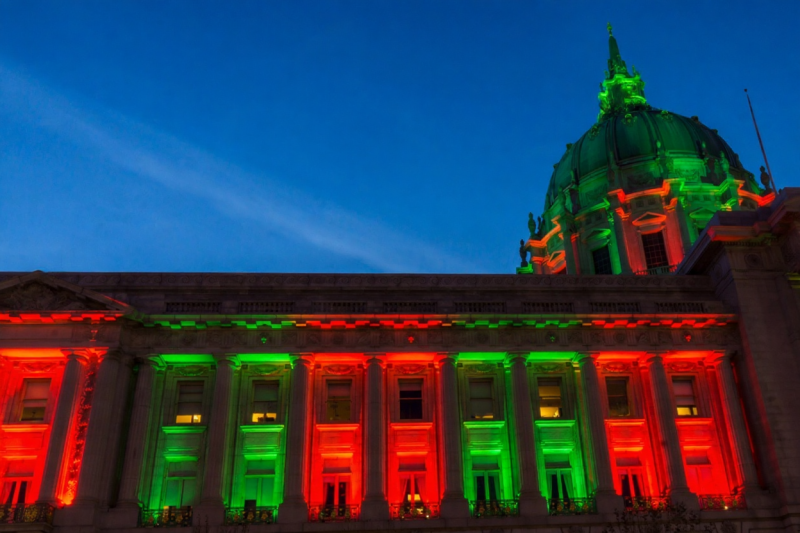
To discover the best music, food, and cultural events happening throughout the year, don't miss our essential roundup of SF Festivals: 7 Must-See Lineups.
Japantown in Bloom: A Signature San Francisco Spring
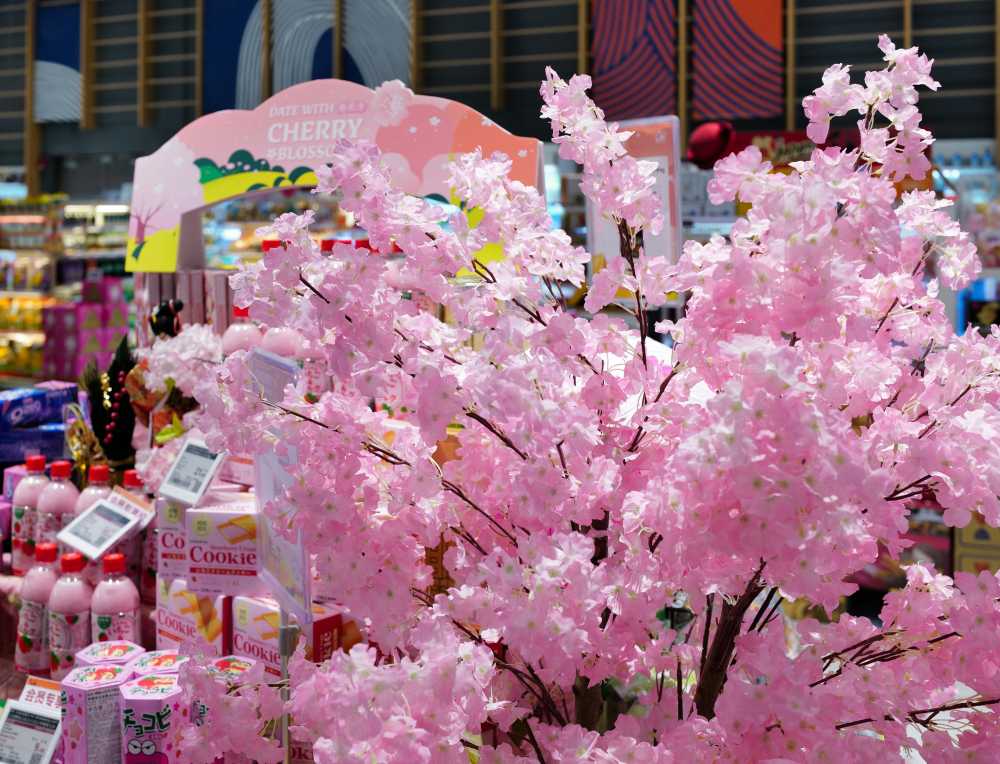
As winter fog gives way to crisp spring air, one of the city's most beautiful and meaningful traditions unfolds. The Northern California Cherry Blossom Festival is one of the oldest and largest of its kind in the country, transforming historic Japantown into a vibrant hub of culture and color. More than just a floral display, it’s a profound tribute to the resilience and heritage of San Francisco's Japanese and Japanese-American community.
For two weekends in April, the neighborhood comes alive with traditional music, martial arts demonstrations, incredible food from street-side yatai, and the spectacular Grand Parade. It’s an immersive cultural experience that stands as a key part of the city's spring calendar. Planning a visit requires a bit of strategy, from timing the unpredictable "peak bloom" to navigating the festival crowds.

For a complete playbook on how to experience this iconic event like a local, including the best viewing spots and transportation hacks, see our detailed guide: San Francisco Cherry Blossoms: A Local's Guide to the Blooms.
Mastering Your Budget for Holidays in San Francisco
A trip to celebrate the holidays in San Francisco is an investment in incredible memories, but it’s no secret that the city can be expensive. With smart planning, however, you can experience the best of the Bay Area without your wallet taking a hit.
First, book flights and accommodations early. This is non-negotiable for major events like Pride or Chinese New Year, when prices can surge. Look at neighborhoods slightly outside the tourist core, like the Inner Sunset or Cole Valley; they offer charming local vibes and are easily accessible via the Muni transit system.
Second, embrace public transport. A multi-day Muni Passport is your golden ticket, offering unlimited rides on buses, historic streetcars, and cable cars. It’s far more economical than relying on rideshares, which are subject to steep surge pricing during peak festival times. Remember, many of the city's best holiday experiences—from the Pride Parade to the Christmas lights at the Palace of Fine Arts—are completely free to enjoy.
This is where the TrekGuider marketplace truly shines. Instead of a generic city guide, you can discover hyper-specific resources—like a "Mission District Mural Walk" or a "Guide to Sausalito's Best Views"—created by local experts who live and breathe the Bay Area. For a comprehensive foundation, our flagship Travel Guide is packed with insider tips and detailed itineraries to help you navigate the city like a pro.
Packing for SF: The Art of the Layer
Packing for San Francisco requires mastering one essential skill: layering. The city’s infamous microclimates are very real. You can start your day in the sunny Mission District and end it in the chilly, fog-drenched Richmond, with a 20-degree temperature drop in between.
A lightweight, waterproof or wind-resistant jacket is your most crucial piece of gear, regardless of the season. The fog doesn’t just cool things down; it brings a damp chill that can cut through a simple sweater. Underneath, think in modules: t-shirts, long-sleeved shirts, and a fleece or cashmere sweater. This allows you to adapt on the fly as you move through the city.
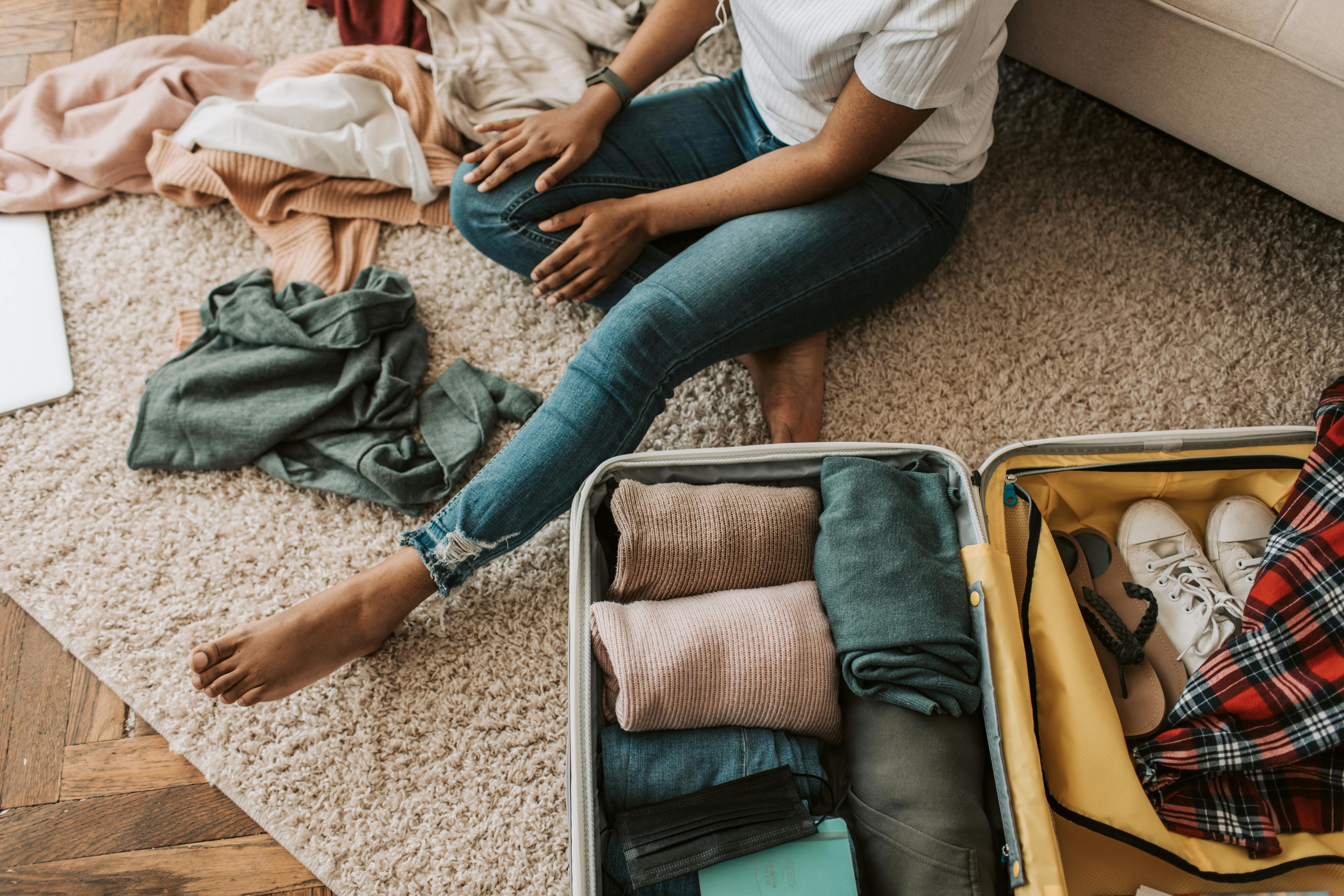
Comfortable walking shoes are absolutely mandatory. San Francisco’s hills are no joke, and you’ll be logging serious mileage. Finally, pack a reusable water bottle and a sturdy tote bag or small backpack. You’ll need it to stash the layers you shed when the sun finally breaks through the clouds.
And if the city’s coastal beauty inspires you to see more of California, you’ll be perfectly equipped for the state’s most iconic drive. For the ultimate road trip plan, be sure to download our free Big Sur Map & Itinerary—the perfect companion for your coastal adventure.
Are You a Bay Area Expert?
Do you know the best place to get a Mission-style burrito at 2 AM? The secret history behind the murals in the Clarion Alley? The perfect vantage point for watching the Blue Angels during Fleet Week? If you have deep, authentic knowledge of San Francisco, you’re exactly the kind of creator we love at TrekGuider.
Our platform was built to empower local experts like you to share and monetize your passion. You can publish articles to build your authority, create your own personal creator page to showcase your work, and sell your own digital products—from detailed neighborhood guides to curated food tours—directly to a global audience of curious travelers. TrekGuider provides the tools; you provide the expertise.

Your San Francisco Story Awaits
From the ancient traditions of the Lunar New Year to the modern, joyful expressions of Pride, the holidays in San Francisco offer a rich mix of experiences found nowhere else on earth. This is a city that doesn’t just host events; it invites you to become part of the story. With its singular blend of cultural depth, natural splendor, and innovative fire, every visit promises a new discovery. Let this guide be your starting point, and get ready to feel the unforgettable buzz of the Bay Area.
Travel News


Comments 0
No comments yet
Be the first to share your experience!
You May Also Like

San Francisco Cherry Blossoms: A Local's Guide to the Blooms


Halloween SF: Haunts Without Horrors

SF Festivals: 7 Must-See Lineups

Christmas SF: Lights & Wharf Wonders

SF Pride: 6 Route & Party Hacks

Chinese New Year SF: Parade Essentials
TrekGuider @trekguider
7 Proven Affiliate Marketing Tips to Skyrocket Travel Income

You know the feeling. You pour your heart into creating stunning, genuinely helpful travel content. You’ve built an audience that trusts you, joined the right programs, and carefully placed your affiliate links. Yet, when you check your income reports, the numbers are stubbornly, frustratingly flat. There’s a chasm between the immense effort you’re putting in and the revenue trickling out, leaving you wondering how other creators are funding their global adventures while you’re struggling to cover your hosting costs.
That gap isn’t about luck or a bigger audience—it’s about strategy. The affiliate marketing industry is a $93 billion juggernaut, and with the travel vertical accounting for a hefty 16% of that pie, the opportunity is monumental. The creators hitting the reported average of $13,847 a month aren’t just content publishers; they are strategic business operators. They understand that a few critical optimizations are the difference between earning pennies and earning a living.
This guide delivers those optimizations. We’re moving beyond the basics and diving deep into the proven, actionable affiliate marketing tips that will fundamentally transform your results. These are the tactical shifts that turn passive link-placers into high-earning entrepreneurs. Put these strategies into play, and you'll build a more resilient and profitable business. For a complete command of the entire ecosystem, our definitive pillar page, Travel Affiliate Programs: The 2026 Ultimate Guide, is your essential command center.
1. Target “Commercial Investigation” Keywords First
Let’s start by correcting the single biggest mistake in the affiliate playbook. Most creators produce content first, then try to shoehorn links in later. The elite strategy? Reverse-engineer the entire process. Start by targeting keywords that signal a user is already in a buying mindset. SEO professionals call this "commercial investigation intent."
Attracting a reader searching for "what to do in Rome" is fine. Attracting a reader searching for "Viator vs GetYourGuide Rome tours" is pure gold. The second user has their wallet out; your job is simply to guide their final decision.

Build your content calendar around these high-conversion keyword patterns:
"Best Of" Keywords: "best carry-on luggage for international travel," "best travel insurance for digital nomads."
Comparison Keywords: "SafetyWing vs World Nomads," "Booking.com vs Expedia."
Review Keywords: "G Adventures Peru tour review," "Osprey Farpoint 40 review."
Alternative Keywords: "GetYourGuide alternatives," "Marriott Bonvoy alternatives."
When you build content around these phrases, you’re meeting an audience that doesn’t need to be convinced to buy—they just need an expert to help them decide what to buy.
2. Obsess Over Cookie Duration, Not Just Commission Rates
A high commission rate is seductive, but it’s often a vanity metric. The real powerhouse behind the scenes is the cookie duration—the window of time after a click where you still get credit for the sale. Travel is a high-consideration purchase, often involving days or even weeks of research. A short cookie window is a guaranteed way to lose income you rightfully earned.
Consider this all-too-common scenario:
Program A (e.g., Booking.com): Touts a high commission but uses a "session-based" cookie. If your reader clicks, browses, and closes the tab to think it over, your cookie evaporates. When they return the next day to book, you earn nothing.
Program B (e.g., Expedia Group): Offers a solid commission with a 7-day cookie. Your reader can click today, do more research, and book five days later—and you still get paid for the referral.

For high-ticket items like adventure tours, this is even more critical. G Adventures offers a 90-day cookie because they know a $3,000 trip isn't an impulse buy. Always prioritize the longer cookie duration; it respects the customer's journey and ensures you are properly compensated for your influence.
3. Engineer Trust Through Radical Transparency
In the creator economy, trust is your most valuable currency. Without it, no amount of traffic or clever tactics will ever lead to meaningful conversions. The fastest way to build and fortify that trust is through radical transparency.
This begins with your FTC disclosure. Don't bury it in your footer. Place a clear, simple disclosure at the very top of every article containing affiliate links. But don't stop at the legal minimum. Weave transparency into the very fabric of your content:
Share the "Why": Don't just link to a product. Explain why you’re recommending it from personal experience. "I've carried this Peak Design travel backpack across three continents; here's how it held up in the chaos of Tokyo's subways and the jungles of Costa Rica."
Acknowledge the Flaws: No product is perfect. Mentioning a minor drawback or clarifying who a product is not for makes your recommendation exponentially more believable and useful.
Leverage Social Proof: Include screenshots of positive reviews, user-generated content, or testimonials to validate your recommendation and show that others have had a great experience.
When your audience knows you prioritize their best interests above all else, they will trust your recommendations implicitly and convert without hesitation.
4. Become a Conversion Rate Scientist: One of the Most Crucial Affiliate Marketing Tips
Getting the click is only half the battle. Converting that click into a commission is where the science of optimization comes in. Your mission is to make the path from your content to the merchant's checkout as seamless and compelling as possible.
Fight Analysis Paralysis: Presenting 20 options for the "best hotel in Paris" will overwhelm your reader into inaction. Curate your list to a top 3-5 and declare a clear "Top Pick" for a specific type of traveler (e.g., "Best for Budget," "Best for Luxury"). This expert guidance simplifies their decision and boosts their confidence to click.
Optimize Your Calls-to-Action (CTAs): Banish "Click Here" from your vocabulary. Your CTAs must be specific, benefit-driven, and visually distinct. Use eye-catching buttons with contrasting colors and compelling text like:
"Check Prices & Availability on Viator"
"See the Latest Reviews on Tripadvisor"
"Get a Free Quote from SafetyWing"
Crush Your Page Load Speed: Every second counts. Industry data shows that a mere one-second delay in page load speed can slash conversions by a staggering 7%. Compress your images, use a lightweight theme, and invest in quality hosting. A fast website is a profitable website.

Pro-Tip: Use comparison tables to visually organize information for head-to-head reviews. Tables make it incredibly easy for readers to scan key features, pros, and cons, which is a highly effective method for driving clicks on high-intent pages.
5. Diversify Your Portfolio to Build a Resilient Business
Relying on a single affiliate program—especially a giant like Amazon Associates—is one of the most common and dangerous affiliate marketing mistakes. Terms can change overnight, commissions can be slashed, and programs can shut down with little warning.
A resilient affiliate business is built on a diversified portfolio. Aim to partner with 3-5 core programs that are a perfect fit for your niche. A healthy, strong mix for a travel creator might include:
Accommodations: Expedia Group or Agoda
Tours & Activities: Viator or GetYourGuide
Insurance: SafetyWing or World Nomads
Gear: Amazon Associates and a specialty retailer like REI
This diversification insulates you from risk and creates multiple, independent income streams, ensuring that a negative change in one program doesn't cripple your entire business.
6. Go Beyond Links: Diversify with a Referral Model
One of the most powerful affiliate marketing tips for creators ready to level up is to look beyond traditional commission-per-sale models. A referral program creates a win-win scenario that can be even more lucrative while building deeper community ties.
Unlike a standard affiliate link, a referral link often gives a direct benefit to the person who clicks it, like a discount on their first purchase. This instantly reframes your recommendation from a sales pitch to a valuable insider deal.

This is precisely the model we’ve built into the TrekGuider Seller Platform. It’s designed to be a high-margin addition to your monetization strategy. When you refer fellow creators to sell their digital products on our marketplace, you unlock a powerful new income stream:
Your Audience Wins: New users who sign up with your link get a 15% discount on their first purchase, giving them an immediate, tangible benefit.
You Win: You earn an ongoing revenue share from the platform's earnings when you bring new sellers aboard. This creates a long-term, passive income stream that grows as your network succeeds.
Integrating a referral model like this adds a powerful layer of diversification and transforms you from a simple affiliate into a true platform partner.
7. Create Your Own High-Margin Product
The final, and most profitable, tip is to realize that the highest commission you can ever earn is 100%. The world’s top-earning creators all understand this: the most valuable product you can ever promote is your own.
Affiliate marketing is the perfect training ground. You learn what your audience needs, what they are willing to pay for, and how to sell it to them. The next logical step is to package your own expertise into a premium digital product.
A detailed, 7-day downloadable itinerary for a city you know inside and out.
A comprehensive guide to "Van Life for Beginners."
A set of your signature Lightroom presets for travel photography.

Selling your own products gives you complete control over your income, brand, and customer relationships. It is the ultimate strategy for diversifying your revenue and building a true content empire.
Ready to Build Your First Digital Product?
The most successful creators know that affiliate income is just one piece of the puzzle. Creating and selling your own digital products offers unparalleled profit margins and authority. But where do you start?
Our free Digital Product Ideas Guide is packed with dozens of proven, profitable ideas specifically for travel creators. Download it today to find the perfect product for your audience and start building your own content empire.
Frequently Asked Questions (FAQ)
1. How many affiliate programs should I join when starting out? Start with a focused portfolio of 3-5 core programs that are a perfect fit for your niche. It's far more effective to deeply integrate a few high-performing programs than to sprinkle links from dozens of them. You can always expand as your business grows.
2. Do I really need a link management plugin? Yes, it's essential for any serious affiliate marketer. Tools like ThirstyAffiliates or Pretty Links "cloak" long, ugly affiliate links into clean, branded URLs. More importantly, they allow you to manage all your links from a central dashboard, which is a massive time-saver and helps ensure compliance with Google's rel="sponsored" tag requirement.
3. How do I properly disclose affiliate links to stay FTC compliant? The FTC requires a "clear and conspicuous" disclosure. This means it must be placed at the top of your blog post, before any affiliate links appear. It should be in plain, easy-to-understand language. Hiding it in the footer or on a separate page is not compliant.
Your Blueprint for Exponential Growth
Becoming a top-earning affiliate marketer isn't about finding a single secret hack. It is about the consistent application of proven strategies. By implementing these seven affiliate marketing tips, you will evolve from a content creator into a strategic business owner.
You will attract higher-quality traffic, build deeper trust with your audience, convert more clicks into commissions, and build a diversified, resilient business that can fund your travels for years to come. The roadmap is clear. The opportunity is waiting. It’s time to start optimizing.
Read the full guide: The Travel Blogger's Playbook to Affiliate Marketing Mastery
Travel News
Comments 0
No comments yet
Be the first to share your experience!
You May Also Like

FTC Affiliate Disclosure: Stay Compliant as a Travel Creator

Essential Affiliate Tools: From Tracking to Full Optimization

Avoid These 5 Affiliate Landing Page Mistakes for Better Conversions

Affiliate Keyword Research Mastery for Travel Blogs

Booking.com Affiliate Review: Pros, Cons & Earnings

Decoding Affiliate Commission Rates: Benchmarks for Travel Creators
TrekGuider @trekguider
Food & Water Safety Abroad: How to Avoid Getting Sick

There’s a moment on every trip where the true magic happens: the first bite of a dish you can’t pronounce from a street cart buzzing with locals, the refreshing sip of a regional drink, the discovery of a flavor that will forever define a place in your memory. Food is culture, connection, and the fastest way to the heart of a destination. And that’s the traveler’s paradox, isn’t it? The very experiences that promise the most profound connection also carry a potent, gut-wrenching risk.
One bad meal or a single sip of contaminated water can derail your entire adventure, swapping days of discovery for days spent locked in a hotel room. This fear is agitated by horror stories from fellow travelers and the sheer unpredictability of an unfamiliar environment. It's a valid concern—traveler's diarrhea is unequivocally the most common travel-related illness, affecting up to 80% of international travelers depending on the destination. The fear of getting sick can make you timid, causing you to stick to bland, "safe" foods and miss out on the rich mix of flavors your destination has to offer. It can rob you of the very experiences you traveled so far to find.
But it doesn't have to be this way. This guide is your solution, a definitive and practical playbook for mastering food and water safety abroad. We’ve synthesized actionable advice from the world’s leading health organizations, including the Centers for Disease Control and Prevention (CDC) and the World Health Organization (WHO), to empower you to eat boldly and drink safely. This isn’t a list of things to fear; it’s a set of simple, memorable rules for prevention, identification, and, if necessary, management. This is a critical deep-dive into a core pillar of preparedness we cover in The Ultimate Guide to Travel Safety: A 2026 Playbook, designed to give you the confidence to dive fork-first into the heart of a culture.
The Golden Rule of Food and Water Safety: "Boil It, Cook It, Peel It, or Forget It"
If you remember only one thing from this guide, make it this simple, five-word mantra. Promoted by the CDC and other global health bodies, this single rule is a powerful and easy-to-use filter for nearly every culinary decision you'll make on the road. It’s the foundation of your entire food and water safety strategy.
Boil It: Your Safest Bet for Liquids
Pathogens like bacteria, viruses, and parasites are killed by heat. This makes boiling the most effective method for purifying liquids.
Examples: Drinking water that has been brought to a vigorous, rolling boil for at least one full minute. Hot beverages like tea or coffee that are served steaming hot are also generally safe. Any milk products you consume should be confirmed to be pasteurized or have been boiled.
Cook It: The Power of Heat
Thoroughly cooking food kills the harmful microorganisms that cause illness. The key is to ensure it is cooked all the way through and served hot.
Examples: Meat, poultry, or seafood that is well-cooked (not rare or raw) and served steaming hot to the touch. This is especially crucial for street food; dishes that are cooked fresh to order in front of you are a much safer bet than those that have been sitting out.
Peel It: Nature’s Own Packaging
For raw fruits and vegetables, the contamination is almost always on the outside surface. By peeling it yourself with clean hands, you remove the risk.
Examples: Fruits with a thick, peelable skin like bananas, oranges, mangoes, and avocados are your safest and best friends for a healthy snack. Similarly, vegetables you can peel, such as cucumbers, are also a great option.
Forget It: When in Doubt, Go Without
This is the most critical and sometimes most difficult part of the rule to follow. It requires discipline, but it’s your ultimate defense. If an item of food or drink doesn't meet one of the three criteria above, you must skip it.
Examples: Tap water and ice cubes made from tap water are the biggest culprits. Salads and raw leafy greens like lettuce are high-risk because they are difficult to clean thoroughly and may have been washed in contaminated water. You should also avoid fruits that cannot be peeled, such as grapes and berries, and any unpasteurized dairy products like milk or cheese. Finally, be very wary of any food served at room temperature, such as from a buffet.
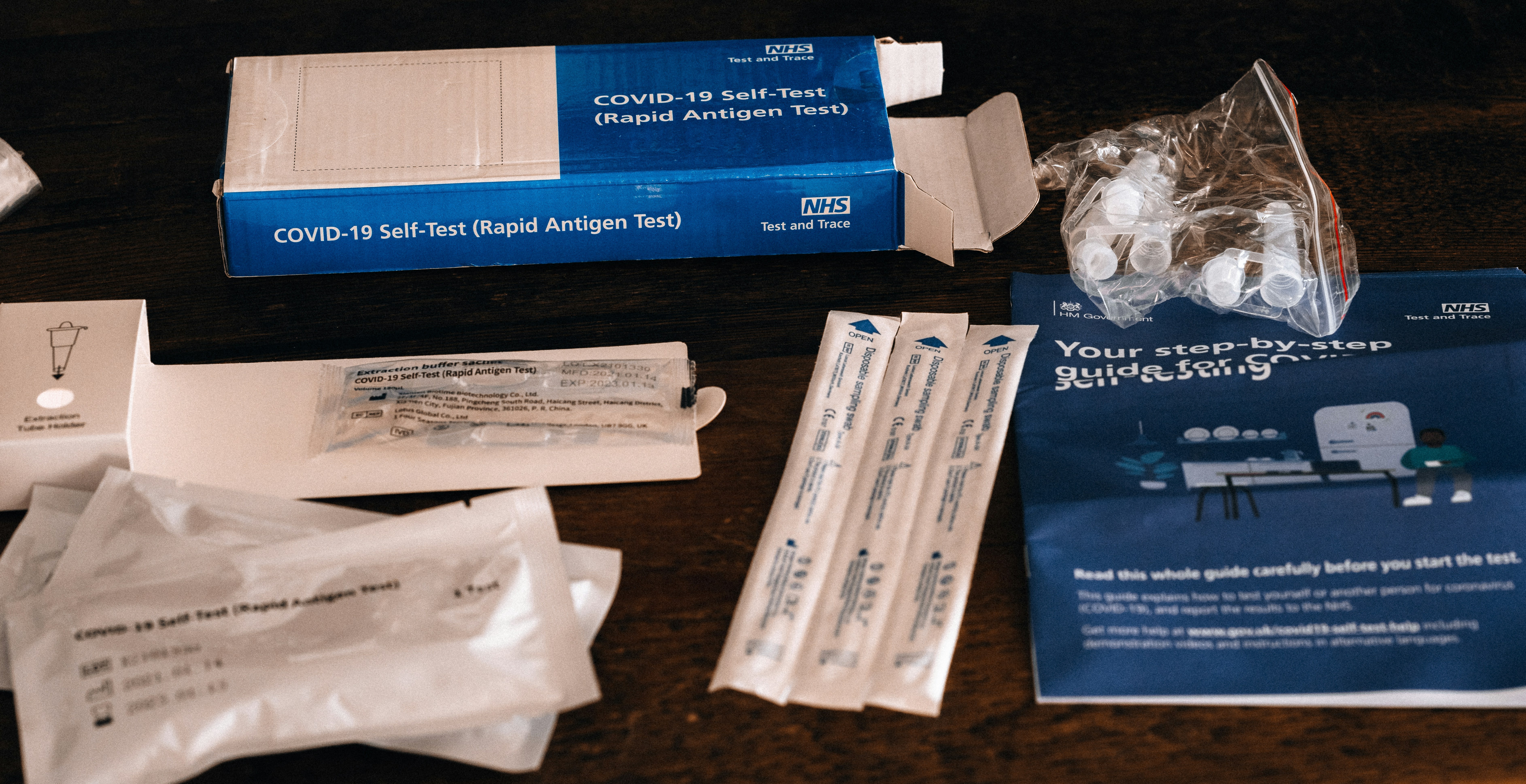
Navigating the Streets: A Visual Guide to Spotting Unsafe Food
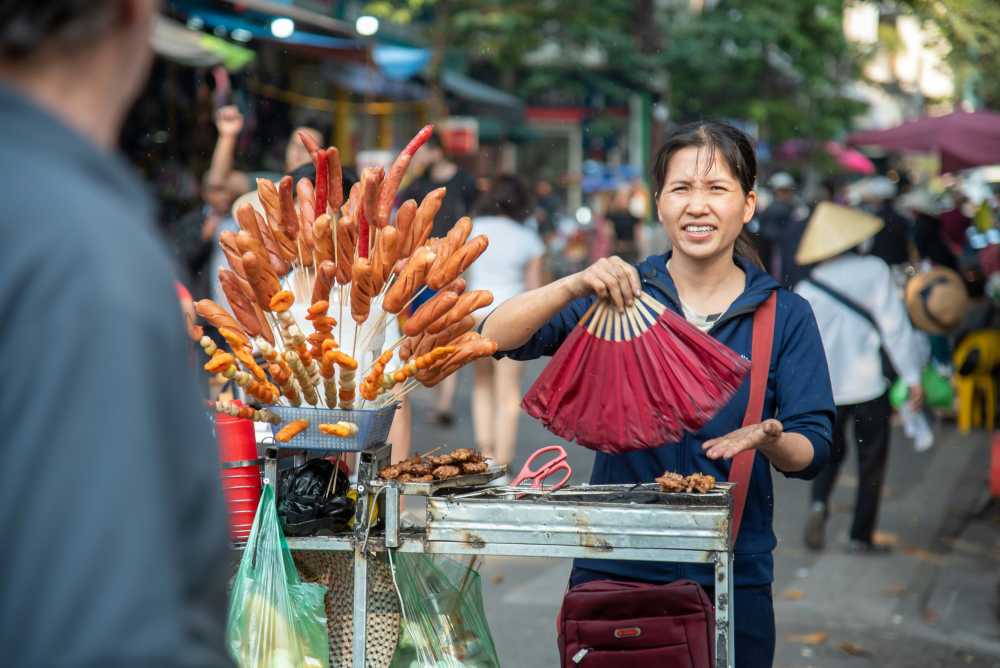
Street food is often the soul of a city's cuisine, but not all vendors are created equal. Your eyes are your best tool for vetting a stall. Before you order, take thirty seconds to perform a quick visual inspection. Look for these five clear signs of a safe or unsafe operation.
Poor General Cleanliness: This is the most obvious indicator. Red flags include dirty workstations with unwiped spills, visible food waste, rubbish on the ground, and the presence of pests like flies or wasps. The vendor themselves should also appear clean, with tidy clothes and hands.
Improper Food Temperatures: Food left in the "danger zone" (room temperature) is a breeding ground for bacteria. Avoid stalls where cooked food, especially meat, is sitting out in large trays. The safest option is always food that is cooked fresh to order, right in front of you. Hot food should be visibly steaming.
Obvious Cross-Contamination: Watch how the vendor handles ingredients. A major red flag is using the same cutting board, knife, or unwashed hands to handle raw meat and then touch ready-to-eat items like bread, salad, or cooked food.
Use of Contaminated Water: Look at the vendor’s water source. Rinsing dishes, utensils, or vegetables in a single bucket of murky, stagnant water is a sign of a high-risk operation. Likewise, avoid ice in your drinks unless you can confirm it was made from purified water (commercially bagged ice is usually a safe sign).
Lack of a Crowd (Especially Locals): A busy stall with a long line, particularly of local residents, is one of the best indicators of a trusted and safe food source. High customer turnover means the food is fresh and hasn't been sitting out for long. An empty stall is often empty for a reason.
Pro-Tip: Make "follow the locals" your street food mantra. A long line of residents is a walking, talking five-star review of a vendor's quality and safety. It's the most reliable seal of approval you can find.
Securing Your Water Supply: A Deep Dive into Hydration and Purification
Staying hydrated is non-negotiable for your health and energy while traveling, but assuming tap water is safe is one of the most common and dangerous mistakes a traveler can make. Here’s how to ensure every sip you take is safe.
Identifying Safe and Unsafe Drinking Water Sources
The CDC and WHO have clear guidelines. Unless you are in a country with a known, highly-developed sanitation system, you should assume all tap water is unsafe.
Safest Sources: Commercially bottled water in a factory-sealed, tamper-proof container is your most reliable option. Carbonated water is even safer, as a broken seal is immediately obvious. The second safest source is water that you have personally brought to a rolling boil for at least one minute.
Unsafe Sources to Avoid: Tap water, well water, ice made from tap water, fountain drinks mixed with tap water, and even water from clear mountain streams (which can contain germs) should all be avoided unless they have been purified.
Your Purification Playbook: The Top 3 Methods
When bottled or boiled water isn't available, you need a backup plan. Here are the top three recommended purification methods.
Boiling (The Gold Standard): This is consistently ranked by the CDC and WHO as the single most effective method. It kills all known disease-causing microorganisms, including viruses, bacteria, and parasites. Simply bring clear water to a rolling boil for 1 minute (or 3 minutes at elevations above 6,500 feet / 2,000 meters).
Filtration: A high-quality portable water filter is highly effective at removing bacteria and protozoan parasites like Giardia and Cryptosporidium. Look for a filter with an absolute pore size of 1 micron or smaller. The main limitation is that most portable filters do not remove viruses, so in high-risk areas, the CDC recommends following filtration with chemical disinfection.
Chemical Disinfection: Chlorine, iodine, or chlorine dioxide tablets/drops are a lightweight and easy way to kill viruses and bacteria. However, they are not consistently effective against the parasite Cryptosporidium and require a contact time of at least 30 minutes.
For in-depth planning on what gear to pack for every type of trip, from water filters to first-aid supplies, our all-encompassing Travel Guide is the only resource you'll ever need.
Damage Control: How to Manage Traveler's Diarrhea
But let’s be realistic: even the most diligent traveler can have a bad day. When that happens, knowing exactly what to do—and what not to do—can be the difference between a 24-hour nuisance and a trip-ruining ordeal. This is the damage control phase of your food and water safety plan.
The First and Most Critical Step: Oral Rehydration
According to travel medicine doctors, dehydration is the single most likely and dangerous complication of traveler's diarrhea. Replacing lost fluids and electrolytes is your absolute first priority.
Method: The best way to rehydrate is with a dedicated Oral Rehydration Solution (ORS), which comes in packets of salts and sugars that you mix with boiled or bottled water. In a pinch, sports drinks or clear soups can also be used.
Symptomatic Treatment for Mild to Moderate Cases
If the diarrhea is tolerable and not accompanied by a high fever or blood, over-the-counter medications can provide relief and help you get through a travel day.
Medications: An antimotility agent like Loperamide (the active ingredient in Imodium, a top pharmacist-recommended brand) can reduce the frequency of bowel movements. Bismuth Subsalicylate (found in Pepto-Bismol, another pharmacist favorite) can also help decrease the frequency and shorten the duration of the illness.
When to Use Standby Antibiotics (For Severe Cases)
If diarrhea is distressing, incapacitating, or contains blood or mucus, a prescribed antibiotic may be necessary.
Method: Before you travel, speak with your doctor or a travel medicine clinic. For travelers heading to high-risk destinations, they may provide a prescription for a standby antibiotic, such as Azithromycin, to carry with you. A single dose is often highly effective at treating severe cases.
Pro-Tip: Within your main travel first-aid kit, create a dedicated "Digestive Distress" module. Keep it in a separate, clearly-labeled zip-top bag containing a few packets of Oral Rehydration Salts, a strip of Loperamide, and a few antacids. This way, when you need it, you won't have to rummage through your entire kit.

Ready to Pack Like a Pro?
A smart food and water safety strategy is just one piece of your pre-trip preparation. To ensure you don't overlook a single essential item—from documents and finances to clothing and medical supplies—a master checklist is your most powerful tool. Our comprehensive, free checklist has you covered for every stage of your journey.
Download Your Free International Travel Checklist Now!
Food and Water Safety FAQs
A prepared mind is a safe mind. Here are expert answers to common questions that take your preparedness to the next level.
1. Besides traveler's diarrhea, what are the most common travel illnesses?
While traveler's diarrhea is number one, the CDC reports that other common issues include acute respiratory infections (like influenza or COVID-19, often acquired in transit), vector-borne fevers like Dengue and Malaria in tropical regions, and other food-borne illnesses like Hepatitis A and Typhoid Fever. Skin conditions from insect bites are also extremely common.
2. Is it safe to eat at a restaurant if I'm worried about street food?
Generally, restaurants can be safer, but the same principles apply. A busy restaurant full of locals is a great sign. Be cautious with the same high-risk items: salads, unpeeled fruits, and tap water or ice. If you want to find trusted, local-approved gems, explore the TrekGuider platform, where travel creators often share their own curated guides to safe and authentic eats.
3. Should I carry a standby antibiotic in my first-aid kit?
This is a question for your doctor or a travel medicine clinic. For travelers heading to high-risk destinations where severe traveler's diarrhea is common, many doctors will provide a prescription for a standby antibiotic like Azithromycin. It’s not for mild cases but can significantly shorten the duration of a severe bout of illness. Discuss your itinerary with your doctor to see if this is right for you.
Eat Boldly, Travel Well
The world of food is a world of incredible diversity and connection, and it deserves to be explored with an open mind and a curious palate. The goal of mastering food and water safety is not to build a wall of fear that separates you from authentic experiences. It is about building a foundation of knowledge that gives you the freedom to be adventurous. By internalizing the golden rule of "Boil it, cook it, peel it, or forget it," learning to trust your own visual assessment of a food stall, and knowing exactly what to do if you get sick, you replace anxiety with empowerment. You are now equipped with the skills to navigate the world's most exciting cuisines with confidence, ensuring your focus remains on the flavor, connection, and joy that every journey promises. Go explore, eat boldly, and travel well.

Meta Data Suggestions:
SEO Meta Title (Under 60 characters): Food & Water Safety Abroad: How to Avoid Getting Sick
URL Slug: food-water-safety-abroad
SEO Meta Description (Under 155 characters): Avoid traveler's diarrhea with our expert guide to food and water safety abroad. Learn the golden rules for eating street food, purifying water, and staying healthy.
Travel News
Comments 0
No comments yet
Be the first to share your experience!
You May Also Like

Chicago Beer Fests: Top 6 Tastings

Ultimate USA Holidays Guide: Top Picks
FTC Affiliate Disclosure: Stay Compliant as a Travel Creator
Essential Affiliate Tools: From Tracking to Full Optimization
Booking.com Affiliate Review: Pros, Cons & Earnings
Decoding Affiliate Commission Rates: Benchmarks for Travel Creators
TrekGuider @trekguider
The 10 Best Countries for a First Solo Trip in 2026
You feel the pull—that deep, undeniable urge to explore the world entirely on your own terms. But as you stand before a world map, the dream of a first solo trip is often shadowed by a paralyzing question: "Where?" The sheer number of choices, the worries about safety, the fear of making the "wrong" decision for your inaugural journey—it's an anchor of anxiety that can keep your dream moored in the harbor of "someday."
This guide is your anchor chain cutter. It is the definitive, data-driven answer to the most critical question every aspiring solo traveler asks. We’ve moved beyond vague suggestions to give you a clear, actionable list of the ten best countries for a first solo trip in 2026. This isn't just about finding great first solo trip ideas; it's about giving you the confidence to turn your dream into a booked ticket. This curated list is based on metrics that matter most to a first-timer: rock-solid safety, excellent tourist infrastructure, and ease of navigation, ensuring your inaugural journey is as empowering as you’ve imagined. For a complete roadmap of your entire journey, start with our comprehensive pillar guide, The Ultimate Guide to Solo Female Travel (15 Essential Tips).
Why These Countries Made the List
Choosing a destination for your first solo adventure is a monumental decision that sets the tone for all your future travels. The countries on this list have been selected not just for their beauty, but for their consistent performance in key areas that reduce stress and build confidence for new independent travelers. Our selection synthesizes data from the Global Peace Index (GPI), which ranks nations by their peacefulness and low rates of conflict, with qualitative reports on crime rates, tourist-friendliness, and cultural accessibility. These are the destinations where you can focus less on navigating difficulties and more on soaking in the magic of the experience.
1. Iceland
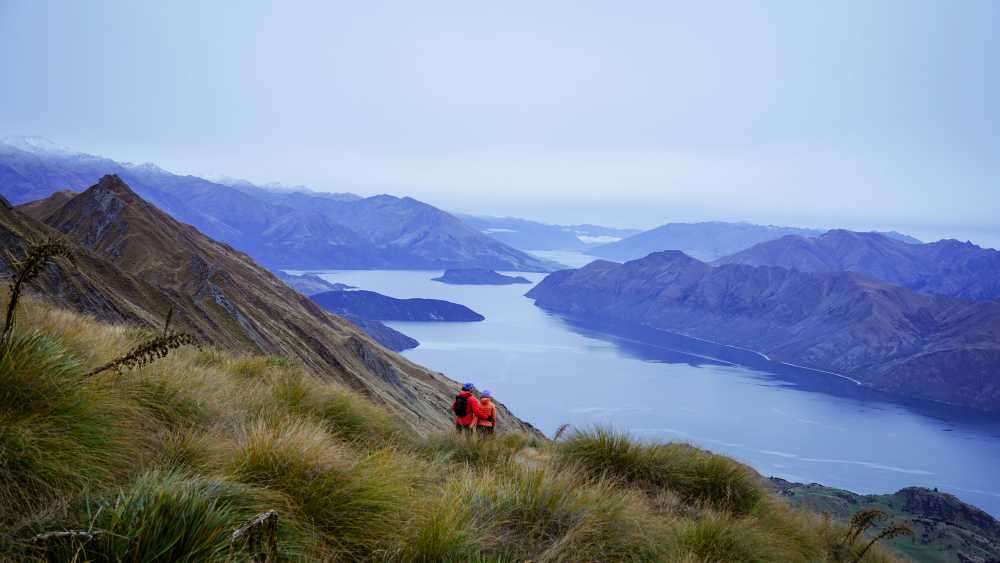
Consistently ranked as the most peaceful country in the world by the Global Peace Index, Iceland is an extraordinary choice for a first-time solo trip. It’s a land of staggering natural beauty, where glaciers grind against volcanoes and the Northern Lights dance across the winter sky. For a solo traveler, its appeal lies in its unparalleled safety and accessibility.
Why It's Perfect for a First-Timer:
Exceptional Safety: With an exceptionally low crime rate and a high degree of gender equality, you can explore with a profound sense of security.
Easy Communication: The majority of Icelanders are fluent in English, which removes the stress of language barriers when navigating, booking tours, or asking for directions.
Strong Tourist Infrastructure: Iceland is built for tourism. The famous Ring Road is easy to navigate, and there are countless reputable tour companies offering everything from glacier hikes to whale watching. This makes it simple to join group activities and meet fellow travelers.
Pro-Tip: While driving the Ring Road solo is an epic adventure, don't underestimate the power of day tours based out of Reykjavik. Joining a small-group tour to see the Golden Circle or the South Coast is a fantastic, low-stress way to see the country's main highlights and connect with other travelers on your very first days.
2. Portugal
A consistent top-ten performer on the Global Peace Index, Portugal offers the quintessential charm and beauty of Western Europe but with a more affordable price tag and a laid-back, welcoming vibe. From the historic, tram-lined hills of Lisbon to the sun-drenched beaches of the Algarve, it’s a country that feels tailor-made for independent exploration.

Why It's Perfect for a First-Timer:
High Safety, Low Cost: Portugal is considered one of the safest countries in Europe, allowing you to enjoy its cities and coastlines without the high price tag of its neighbors.
Vibrant Solo Traveler Scene: It has become a major international hub for solo travelers and digital nomads, particularly in Lisbon and Porto. This means you’ll find a vibrant community of like-minded people and plenty of hostels and events geared toward independent adventurers.
Excellent Infrastructure: The country is well-connected by an efficient and affordable train system, and its cities are compact and highly walkable. For a perfect example of this, look no further than the highly-rated "Picturesque Solo Portugal Tour" offered by operators like Indus Travels, which is notable for its policy of providing a private room with no single supplement fee.
Ready to explore its charming cities and stunning coastlines? Our comprehensive Portugal Guide contains detailed itineraries and local secrets that will make your trip unforgettable.
3. New Zealand
For the nature-loving first-timer, it’s hard to imagine a more perfect destination than New Zealand. Consistently ranked among the top five most peaceful nations on the GPI, it’s a country that combines jaw-dropping landscapes with a world-class reputation for safety and friendliness.

Why It's Perfect for a First-Timer:
Welcoming Culture: New Zealanders, or "Kiwis," are known for their incredibly welcoming and helpful nature, which can be a huge comfort when you're navigating a new country alone.
Established Backpacker Trail: The country has a well-established and safe backpacker bus network and a series of high-quality hostels, making it incredibly easy to meet other travelers and move between destinations.
Adventure at Every Level: Whether you're for gentle hikes through fjordlands or the adrenaline rush of bungee jumping, New Zealand offers accessible adventures for every comfort level.
4. Ireland
Ranking in the top three on the Global Peace Index, the Emerald Isle is celebrated for two things that make it a perfect starting point: its safety and the legendary friendliness of its people. The warm, welcoming atmosphere of a local pub is the perfect antidote to any fears of loneliness.

Why It's Perfect for a First-Timer:
Effortless Navigation: As an English-speaking country with compact, walkable cities like Dublin and Galway, and efficient public transport between them, Ireland is exceptionally easy to navigate.
Social Culture: The culture is inherently social and communal. Striking up a conversation with a local or another traveler over a pint of Guinness is not just possible; it’s practically expected.
Accessible Beauty: You don't need to venture into the remote wilderness to be stunned by Ireland's beauty. Day trips from major cities can take you to the majestic Cliffs of Moher or the ancient hills of Glendalough with ease.
Feeling confident in your destination choice is the first step. The next is ensuring you have the knowledge to navigate it safely. Our free, comprehensive Solo Female Travel Safety Guide is the perfect companion for your first adventure. It's a downloadable checklist and resource guide covering everything from what to pack to what to do in an emergency, giving you total peace of mind.
5. Japan
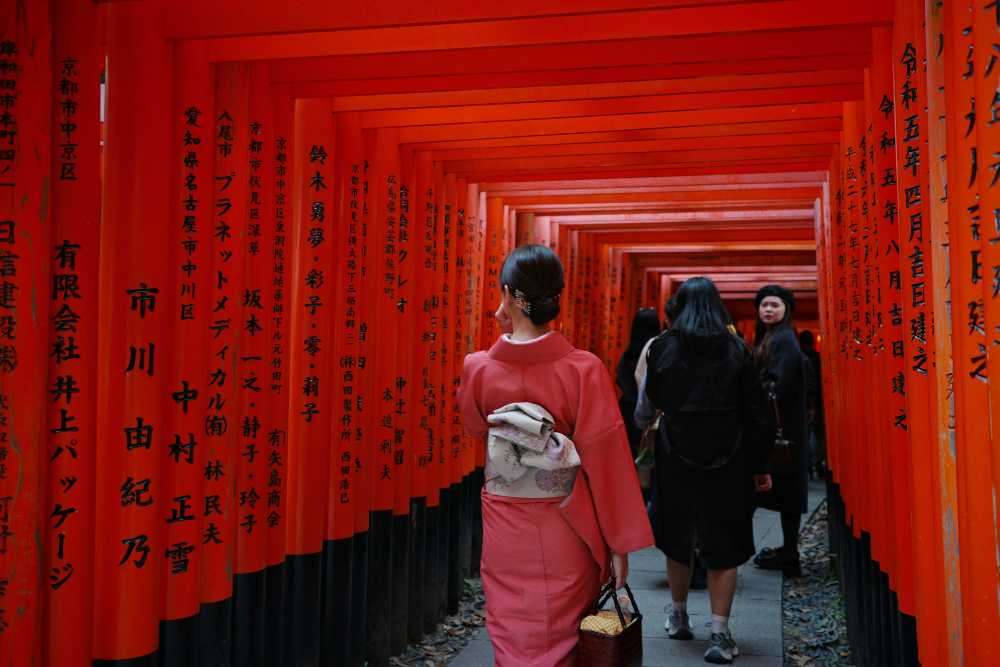
While it doesn't always crack the GPI's top ten due to military metrics, Japan is consistently ranked by travelers as one of the safest countries on earth. It boasts an astonishingly low crime rate and a culture built on deep respect for public order and personal space, making it a place where you can feel secure exploring day or night.

Why It's Perfect for a First-Timer:
Unparalleled Public Safety: The sense of safety in Japan is palpable. It's common to see locals leaving their laptops on a cafe table to reserve a spot or children taking the subway alone.
Legendary Transportation: The public transport system is a marvel of efficiency, punctuality, and cleanliness. It is so reliable that it removes a huge amount of potential travel stress.
Solo-Friendly Culture: From solo dining at ramen counters to the comfort of women-only subway cars during rush hour, the culture is uniquely accommodating to individuals.
Pro-Tip: Don't be intimidated by the language barrier. Download the Google Translate app and use its camera function to instantly translate menus and signs. Most importantly, learn a few key phrases like "Arigato gozaimasu" (thank you very much) and "Sumimasen" (excuse me/sorry). A little effort goes a very long way. For a deeper understanding of the country, check out our guide to Japan.
6. Switzerland
For the traveler who values efficiency, cleanliness, and security above all else, Switzerland is a dream destination. Ranking in the top five on the GPI, it’s a country that runs like a perfectly crafted watch, set against a backdrop of some of the most breathtaking alpine scenery on the planet.

Why It's Perfect for a First-Timer:
World-Class Public Transport: The Swiss Travel System is arguably the best in the world. A single pass can give you access to trains, buses, and boats across the entire country, making travel between majestic mountains, pristine lakes, and charming cities seamless and secure.
Safety and Order: The country is a paragon of safety and cleanliness. This sense of order and reliability can be incredibly reassuring for a nervous first-time traveler.
Nature Made Accessible: You don't have to be a hardcore mountaineer to experience the Alps. A vast network of cable cars, funiculars, and well-marked hiking trails makes the country's stunning natural beauty accessible to everyone.
7. Slovenia
This small Central European nation is a hidden gem that regularly places in the GPI's top ten for peacefulness. It offers the stunning alpine scenery of its more famous neighbors, Austria and Switzerland, but with fewer crowds, a lower price point, and a uniquely charming character.
Why It's Perfect for a First-Timer:
Compact and Manageable: Because of its small size, you can experience a huge amount of diversity—from the alpine beauty of Lake Bled to the vibrant capital of Ljubljana and the charming Adriatic coast—without long or stressful travel days.
A Paradise for Outdoor Lovers: It is extremely safe, clean, and an ideal destination for solo travelers interested in accessible outdoor activities like hiking, kayaking, and exploring the stunning Triglav National Park.
Hidden Gem Status: While growing in popularity, Slovenia still feels less crowded and more "off-the-beaten-path" than many other European destinations, offering a more authentic sense of discovery.
8. Denmark
As a consistent top-ten GPI country, Denmark is a model of social trust, safety, and gender equality. It's a place where the concept of hygge (a feeling of cozy contentment) permeates daily life, creating a comfortable and welcoming atmosphere for visitors.

Why It's Perfect for a First-Timer:
Progressive and Accessible Culture: The country's progressive, English-speaking culture makes it very comfortable for solo women to navigate.
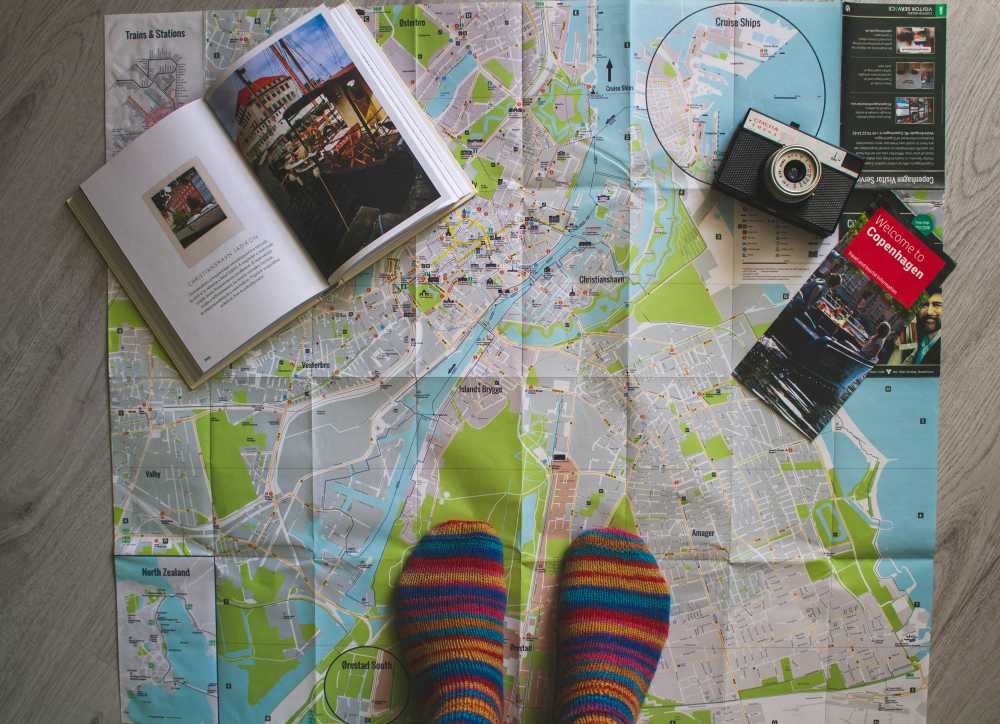
Walkable and Bike-Friendly Cities: The capital, Copenhagen, is famously walkable and is one of the most bike-friendly cities in the world. Renting a bike is a safe, easy, and local way to explore.
High Social Trust: The high level of social trust translates into a very safe-feeling environment, where locals are generally helpful and respectful.
9. Canada
Ranking in the top 15 of the GPI, Canada is an excellent choice for a first international solo trip, especially for Americans, due to its cultural similarity and shared language. It offers vast, breathtaking landscapes and clean, safe cities.

Why It's Perfect for a First-Timer:
Familiarity and Comfort: For North American travelers, Canada offers the thrill of international travel without the culture shock, making it an easy entry point.
Friendly and Polite Populace: The stereotype of friendly Canadians holds true. The general politeness and helpfulness of the populace make for a very pleasant travel experience.
Urban Safety and Natural Wonders: Canadian cities like Vancouver, Montreal, and Toronto are known for being safe and easy to navigate, while also serving as gateways to some of the most spectacular natural scenery in the world, from the Rocky Mountains to the maritime coasts.
10. Costa Rica
While its GPI ranking is lower than its European and Asian counterparts, Costa Rica is consistently regarded as one of the safest and most stable nations in Central America. Its national motto, "Pura Vida" (the pure life), is reflected in its welcoming culture and deep respect for nature.
Why It's Perfect for a First-Timer:
Well-Established Eco-Tourism: The country has a massive and well-developed eco-tourism infrastructure, with countless reputable tour companies, eco-lodges, and shuttle services that make it exceptionally friendly and safe for international visitors.
A Hub for Solo Adventurers: Costa Rica attracts a large number of solo travelers drawn to its lush rainforests, towering volcanoes, and incredible wildlife, so you'll find it easy to connect with others on guided tours or in hostels.
A Focus on Wellness: The "Pura Vida" lifestyle, combined with a focus on yoga, surfing, and connecting with nature, makes it an ideal destination for a trip focused on rejuvenation and self-discovery.
Frequently Asked Questions About Your First Solo Trip
Even with the perfect destination, a few questions are bound to pop up. Here are answers to the most common anxieties.
Is it weird to do activities or eat alone?
Not at all. In most of these destinations, it's completely normal. To feel more comfortable, start with a structured activity. Research shows that 75% of women who have never traveled alone would be more likely to do so on a group tour. Joining a food tour or a day trip on your first day is a great way to ease in and meet people.
How do I handle potential loneliness?
While solitude is a part of solo travel, loneliness doesn't have to be. Stay in a modern hostel (even in a private room) to access social common areas. Pre-book a group activity for your first day to break the ice. Remember, learning to enjoy your own company is one of the most profound rewards of traveling solo.
How much should I budget for one of these trips?
This varies dramatically. A day in Switzerland can cost three times as much as a day in Portugal. The best approach is to find real-world examples. On the TrekGuider marketplace, you can explore detailed itineraries and guides published by seasoned solo travelers, many of whom include specific budget breakdowns from their own trips.
Your Journey Awaits
Choosing a destination is the first, most powerful step in transforming a dream into reality. The fear of the unknown is real, but it can be conquered with knowledge. You are now armed with a curated list of destinations where you can build your confidence, test your wings, and discover the profound joy of navigating the world on your own terms. This list of first solo trip ideas is more than just a collection of places; it's a series of open doors.

The personal growth, resilience, and radical self-reliance you will discover on this journey will become a permanent part of who you are. The only thing left to do is to walk through one of those doors.
Meta Data Suggestions:
SEO Meta Title (59 characters): 10 Best Countries for a First Solo Trip (2026 Safety Guide)
URL Slug: best-countries-first-solo-trip
SEO Meta Description (154 characters): Nervous about your first solo trip? Discover the 10 safest and easiest countries for solo female travelers in 2026, based on data and expert travel advice.
Travel News
Comments 0
No comments yet
Be the first to share your experience!
You May Also Like
Ultimate USA Holidays Guide: Top Picks
FTC Affiliate Disclosure: Stay Compliant as a Travel Creator
Essential Affiliate Tools: From Tracking to Full Optimization
Booking.com Affiliate Review: Pros, Cons & Earnings
Decoding Affiliate Commission Rates: Benchmarks for Travel Creators
