
How to Plan Your First Solo Trip (and Conquer the Fear)

TrekGuider @trekguider
You’ve seen the photos, heard the stories, and a powerful idea has taken root: traveling the world on your own terms. But right behind that excitement, a wave of doubt probably follows. What if I get lonely? What if it’s not safe? What if I’m just not the kind of person who can do this?
Let’s take a breath. Feeling a mix of excitement and sheer terror is the unofficial rite of passage for every person who has ever considered traveling alone. It’s not a sign you should stop; it’s a sign you’re about to do something brave. This guide is your starting point. We’re not going to overwhelm you with packing lists or complex itineraries. Instead, we're going to focus on the most important first step: turning that anxiety into a quiet confidence and creating a simple, actionable plan to get you started. This is how to plan your first solo trip by conquering the fear first.
For the bigger picture on planning your first independent journey, explore

The Most Important Step: Your Mindset Shift
Before you book a single flight, the real journey begins in your mind. The psychological hurdles are the biggest barriers for most aspiring solo travelers. Let’s dismantle them together.
It's Normal to Feel Anxious. Here's How to Use It.
Feeling nervous before a big adventure is completely normal—it means you’re taking this exciting challenge seriously. The trick is to treat your fears not as stop signs, but as a pre-flight checklist.
Fear thrives on vague, undefined worries. Clarity is its kryptonite. So, grab a notebook and write down your top three concerns. Is it safety? Loneliness? Getting lost? By giving your anxieties a name, you take back control. For every worry, there is a practical solution, and you’ll find that a little preparation makes you feel capable, not scared.
The Antidote to "What If I'm Lonely?"
Let's reframe the biggest myth in solo travel. There is a world of difference between being alone and being lonely. Being alone is a superpower. For the first time, your schedule is 100% your own. You can spend three hours in a museum, change your entire plan on a whim, or eat gelato for dinner without a single committee meeting. This isn’t loneliness; it’s absolute freedom.
Remember, traveling solo doesn’t mean you’re isolated. It means you have complete control over your social thermostat. You can turn it up by joining a food tour or staying in a social guesthouse, or turn it down when you just need to recharge. This journey is an incredible chance to get comfortable in your own company—a skill that will empower you for the rest of your life.

How to Handle Naysayers (Even When They Mean Well)
Often, the most discouraging feedback comes from those who love us most. Their own fears, disguised as concern for you, can chip away at your resolve. Navigating these conversations requires a calm, confident strategy.
Present a Plan, Not a Plea: Instead of saying, “I’m thinking of going to Portugal alone,” try this: “I’m so excited—I've started planning a solo trip to Portugal for next year. I've found some amazing, highly-rated places to stay in a really safe neighborhood.” You are not asking for permission; you are sharing your exciting news.
Demonstrate Your Competence: Proactively show them you’re taking this seriously. Talk about the research you’re doing on safe destinations or the simple communication plan you'll have, like a daily WhatsApp check-in. When they see you’ve thought it through, their anxiety will decrease because yours already has.
Your 'First Three Steps' Action Plan
With your mindset fortified, it's time for action. We're going to keep it simple. Here are three manageable, non-intimidating first steps to turn your dream into a reality.

Step 1: Choose a Beginner-Friendly Destination
For your first trip, set yourself up for an overwhelming win. Choosing a destination that is known for being easy to navigate will boost your confidence for all future adventures. Look for places with:
A Welcoming Tourist Infrastructure: Places with reliable public transport, lots of accommodation choices, and readily available information (like Portugal, Japan, or Costa Rica) make logistics a breeze.
A High Safety Ranking: Use resources like the Global Peace Index to find countries known for safety and stability.
Ease of Communication: While you don't need to go somewhere that only speaks English, choosing a destination where it's widely spoken in tourist areas (like the Netherlands or Scandinavia) can reduce a layer of stress.
Ready to explore your options? For a deep dive into the pros and cons of different regions and a list of the top 10 safest countries for solo travelers, check out the ».
Step 2: Book Your First Night's Accommodation
Don't worry about planning the entire trip right now. The single most effective way to make your trip feel real is to commit to Day One. Research and book your accommodation for the first one or two nights. This simple action creates a secure "landing pad," transforming a vague idea into a concrete event with a date and an address. It’s your anchor, giving you a safe, secure base from which to start your adventure.
Step 3: Do a "Low-Stakes" Solo Practice Run
Build your solo muscle at home. Before you fly across the world, take yourself on a solo "date" for a full day in a nearby town or even a different neighborhood in your own city. Go to a museum alone. Navigate to a park you’ve never visited. Eat a meal at a restaurant by yourself. The point is to experience the feeling of navigating, making decisions, and enjoying your own company. This small taste of self-reliance will prove to you that you absolutely can do this.

Your Adventure Is Closer Than You Think
You've already taken the hardest step: deciding to explore this possibility. The fear you feel is not a weakness; it's a gateway to discovering just how capable you are. By shifting your mindset and taking a few small, deliberate planning actions, you are building the foundation for an incredible adventure.
You don't need to have all the answers right now. You just need to be willing to take the next step.
Read the full guide: Anxious to Adventurous: The Ultimate Guide to Solo Travel Confidence
Don't Miss Out! Subscribe for Exclusive Content
Subscribe



Comments 0
No comments yet
Be the first to share your experience!
Dont Miss Out! Subscribe for Exclusive Content

Ultimate USA Holidays Guide: Top Picks


FTC Affiliate Disclosure Essentials: Stay Compliant as a Travel Creator

Essential Affiliate Tools: From Tracking to Full Optimization

Booking.com Affiliate Program Review: Pros, Cons, and Earnings Potential

Decoding Affiliate Commission Rates: Benchmarks for Travel Creators

Amazon Associates for Travel: Strategies to Maximize Commissions
Solo Travel Blog Monetization: Turning Stories into Income
TrekGuider @trekguider
You've seen the Instagram posts tagged '#digitalnomad' and wondered if it's actually real. Can a solo travel blog—your solo travel blog—truly become a source of income, or is it just a path to burnout? The truth is, most new bloggers fail because they follow a random list of 'monetization ideas.' They're missing the most critical element: a strategic, time-based plan. This is not a list of ideas. This is your 24-month roadmap, grounded in real data from six-figure bloggers, showing you exactly what to do, when to do it, and the income you can realistically expect at each stage. This is your guide to successful solo travel blog monetization.

Moving from Hobbyist to Business Owner
The first and most critical shift you must make is mental. Your blog is no longer just a personal travel diary; it is the central asset of a new business. Every decision, from the topics you cover to the way you structure your articles, must be made with a clear purpose: to provide immense value to a specific audience. Before you can monetize effectively, you must provide that value, which starts with mastering the fundamentals. For a complete playbook on creating world-class content and navigating your journey, review our comprehensive .
This business-oriented mindset means prioritizing the single most important driver of revenue: Search Engine Optimization (SEO). While social media can provide fleeting traffic spikes, SEO delivers a consistent, sustainable stream of readers who are actively searching for the solutions you provide. These are the people who will click your links, book tours, and buy your products. From this day forward, think of yourself not as a blogger, but as the CEO of a media company whose primary asset is high-ranking, helpful content.
What to Expect and When
Forget the overnight success stories. Building a profitable blog is a marathon, not a sprint. Having a realistic timeline prevents discouragement and keeps you focused on the right tasks at the right time.

Year 1 Expectations: Building Traffic and Earning Your First ~$2,000
The first year is all about laying the foundation. Your primary goal is not to make a full-time income, but to publish a critical mass of high-quality, SEO-optimized content and establish topical authority in your niche. You'll spend the first few months writing and publishing consistently without seeing much traffic, and that's completely normal.
Data from established bloggers shows that you can expect to make your first affiliate sale around month four or five. By the end of the first year, a dedicated blogger can realistically earn between $1,000 and $5,000. This income will come almost exclusively from strategic affiliate marketing.
Year 2 Expectations: Scaling to a Viable Income ($20,000 - $40,000)
Year two is the scaling phase. The content you published in your first year begins to mature and rank higher in Google search results, leading to a significant increase in traffic. This is the year you'll likely cross the critical threshold needed to qualify for premium ad networks. This combination of escalating affiliate commissions and new, high-earning display ad revenue is what transforms your blog from a side hustle into a viable business. It's not uncommon for bloggers who were earning $200/month at the end of year one to be earning $2,000-$4,000/month by the end of year two.
(Months 1-6): Laying the Foundation for Your Solo Travel Blog Monetization
Welcome to the grind. In this foundational phase, you are building the powerful engine of your business long before you see significant fuel (i.e., traffic). Success here isn't measured in dollars; it's measured in discipline and consistent output.
Your Primary Focus: Publishing High-Quality, SEO-Optimized Content
Think of high-quality content as the real estate upon which you'll build your entire business. It's the non-negotiable asset that makes all future income possible. In these first six months, your goal should be to publish 25-40 thoroughly researched, long-form articles that target specific keywords your audience is searching for. Every article should aim to be the single best resource on the internet for its given topic. This early library of content is what Google will eventually reward with traffic.
Method 1: Strategic Affiliate Marketing (The Best First Step)
Affiliate marketing is the practice of earning a commission by promoting another company's products or services. It is the perfect first monetization method because most programs have no minimum traffic requirements. You can, and should, include affiliate links from day one.
The key is to recommend products you genuinely use and trust. Your recommendations must be woven naturally into helpful content. Don't just list products; explain why a certain backpack is perfect for a carry-on-only trip or how a specific travel insurance policy saved you during an emergency. A crucial element of this is transparency. Always include a clear affiliate disclosure at the top of your posts. This isn't just an FTC requirement; it's a critical component of building long-term trust with your audience.
Choosing the Right Affiliate Platforms: A Data-Driven Comparison
Start with a mix of affiliate aggregators and direct programs to maximize your opportunities.
Travelpayouts: An excellent starting point. It's an aggregator that gives you access to dozens of travel brands like Booking.com, GetYourGuide, and Hostelworld through a single platform, making it easy to manage your links and payments.
Stay22: A powerful, map-based tool specifically for accommodations. It often has a higher conversion rate than other hotel affiliate links because it shows users a variety of options on a map, which is incredibly helpful in the travel planning process.
Direct Programs: Many essential travel brands have their own programs. Be sure to sign up for:
Amazon Associates: For all the physical gear you recommend, from packing cubes to portable chargers.
Booking.com / Agoda: The top platforms for hotel bookings worldwide.
GetYourGuide / Viator: The leaders in tours, activities, and attraction tickets.
Pro-Tip: Don't go back and add affiliate links later. Research and include relevant links in every article as you write it. This saves an immense amount of time and ensures your monetization efforts start from the moment you hit "publish."
(Months 7-18): Scaling Traffic and Unlocking Serious Income
With a solid foundation of content beginning to rank, you now shift your focus from pure production to growing the one metric that unlocks the next level of income: monthly sessions.
Your Primary Focus: Reaching 50,000+ Monthly Sessions
This is the magic number. Crossing the threshold of 50,000 monthly sessions (the number of visits to your site, as measured by Google Analytics) is the key inflection point where your income potential grows exponentially. It signals to premium ad networks that you have a substantial and engaged audience, making you a valuable partner. Reaching this level requires continued content production and a focus on building high-quality backlinks to your articles.

Method 2: Display Advertising (Unlocking Passive Income)
Display ads are the advertisements you see placed within the content of a website. When you have significant traffic, this becomes a powerful and almost entirely passive income stream. The key is to work with the right network.
The Ad Network Ladder: From Beginner to Premium
Not all ad networks are created equal. Your goal is to climb the ladder to a premium network as quickly as possible.
Avoid Google AdSense: Many new bloggers start here, which is a major mistake. AdSense pays extremely low rates, often resulting in an RPM (Revenue Per Mille, or earnings per 1,000 pageviews) of just $1-$3. It clutters your site for pennies.
Starter Networks (The Stepping Stone): Networks like Journey by Mediavine (requires 10,000 monthly sessions) or Ezoic offer a significant step up from AdSense. They are a great intermediate goal.
Premium Networks (The Goal): This is where serious income begins.
Mediavine: The gold standard for many bloggers. They require a minimum of 50,000 monthly sessions. Mediavine is known for its incredible support and high RPMs, often in the $20 - $40+ range. They command higher rates from advertisers because of their high-quality publisher network and direct sales teams.
Raptive (formerly AdThrive): The top tier. Raptive requires 100,000 monthly sessions and is known for having some of the highest RPMs in the industry for the same reasons.
Getting accepted into Mediavine is a major milestone. For a blog with 50,000 sessions, a $25 RPM translates to $1,250 in passive income per month. This is in addition to your growing affiliate revenue.
(Months 19+): The CEO Phase—Building a Diversified Travel Brand
Once you have stable traffic and income from ads and affiliates, you can move into the final phase: maximizing profitability by leveraging your most valuable asset—your audience's trust.
Building Brand Authority and Audience Trust
At this stage, your readers see you as a trusted expert. They've followed your advice, booked hotels you recommended, and bought gear you reviewed. This trust is the asset you will now monetize directly, leading to the highest profit margins possible.
Method 3: Selling Your Own Digital Products (The Highest Profit Margin)
Creating and selling your own products is the holy grail of solo travel blog monetization. You control the price, the product, and you keep nearly 100% of the revenue. This requires a loyal audience that trusts your expertise, which is why it's an advanced strategy.

Examples of high-value digital products for a solo travel audience include:
Comprehensive E-books: A deep dive into a specific topic, like "The Ultimate Guide to Solo Female Travel in Southeast Asia."
Printable Destination Itineraries: Detailed day-by-day plans for cities like Rome, Tokyo, or Lisbon that your readers can purchase and download.
Trip Planning Templates: Customizable spreadsheets or Notion templates that help your readers organize their own trips.
Digital Packing Lists: Niche-specific checklists for different types of travel (e.g., carry-on only, winter travel, hiking).
Pro-Tip: Validate your product idea before you build it. Send a survey to your email list or poll your audience on social media, asking what they struggle with most. If dozens of people say "planning my Italy itinerary is overwhelming," you have a winning product idea.
Method 4: Sponsored Content and Brand Partnerships
Sponsored content, where a brand pays you for a dedicated article or mention, represents a shift from passive to active income. While it can be lucrative, with sponsored posts often fetching $1,000 or more, you shouldn't just wait for opportunities to land in your inbox. As your brand authority grows, you can proactively pitch partnerships. Create a professional media kit—a one-page PDF outlining your website traffic, audience demographics, and core values—and reach out to brands you already use and love with a specific collaboration idea.
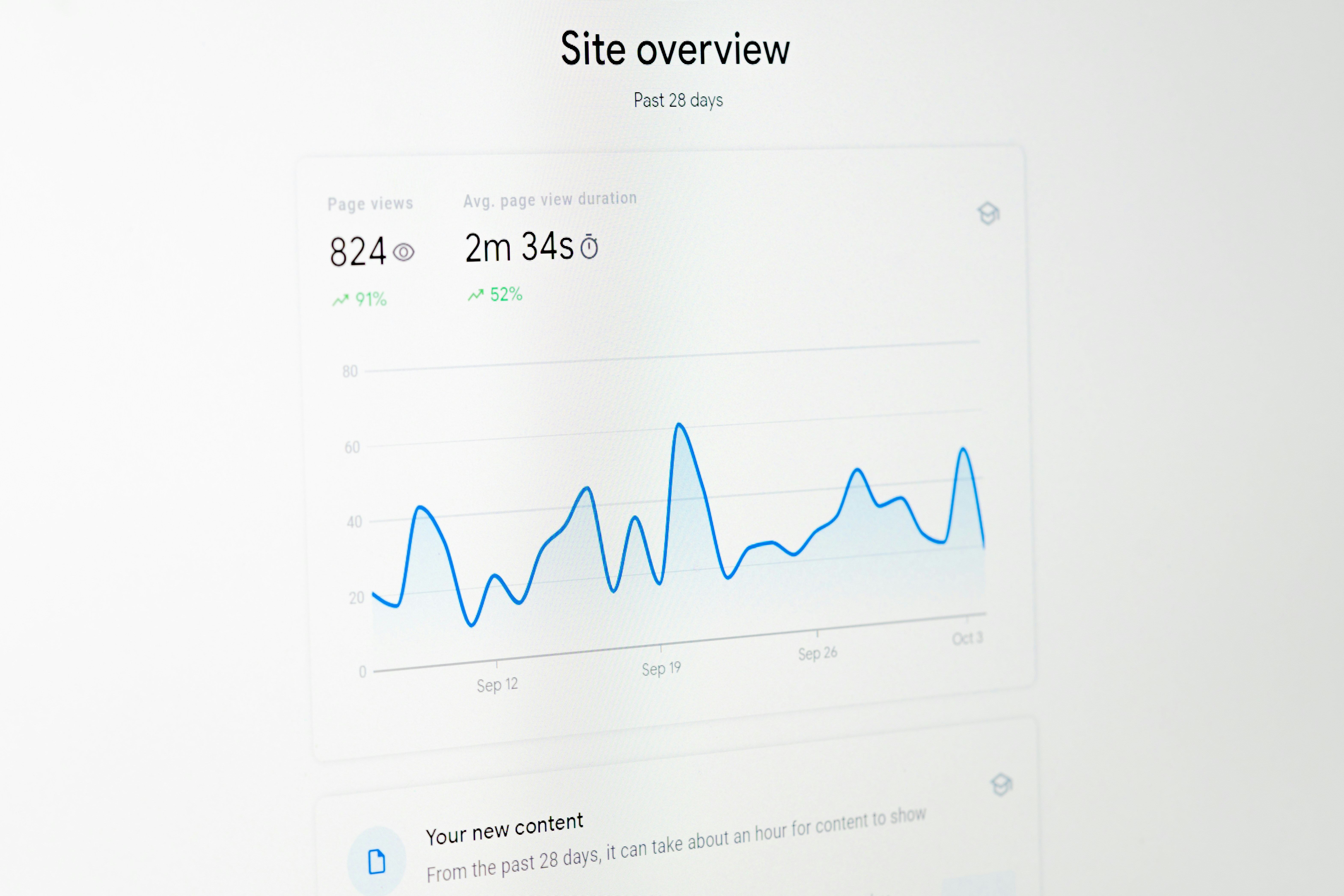
Frequently Asked Questions (FAQ Section)
How much money can you make from a travel blog?
In your first year, aim for $1,000-$5,000. By the end of year two, $20,000-$40,000 is a realistic target for dedicated bloggers. Established, six-figure travel bloggers who have diversified into ads, affiliates, and digital products can earn well over $100,000 per year.
How long does it take to make $1000 a month blogging?
For most travel bloggers who consistently publish high-quality, SEO-optimized content, it takes between 12 and 18 months to consistently earn $1,000 per month. This milestone typically occurs after being accepted into a premium ad network like Mediavine.
Do I need a large social media following to make money?
No. This is a common and damaging myth. The most profitable travel blogs focus on SEO. You can make a full-time income from a travel blog with fewer than 1,000 Instagram followers if your website traffic from Google is high and consistent.
What are the initial costs of starting a profitable travel blog?
The essential startup costs are minimal. You'll need a domain name (around $15/year) and web hosting (around $5-$15/month). Investing in a premium WordPress theme ($60 one-time) and an SEO tool like Keysearch ($17/month) are highly recommended but not strictly necessary on day one.
Turning your passion for solo travel into a profitable business is not a dream; it's a project. It requires a strategic plan, immense dedication, and an unwavering focus on providing real value. This roadmap has shown you the what and the when. By following this phased approach to solo travel blog monetization, you move beyond wishful thinking and begin the methodical work of building a business that can fund your travels and your life. The journey is long, but the destination—a life of freedom and financial independence—is worth every step.
Read the full guide: Anxious to Adventurous: The Ultimate Guide to Solo Travel Confidence
Don't Miss Out! Subscribe for Exclusive Content
SubscribeComments 0
No comments yet
Be the first to share your experience!
Dont Miss Out! Subscribe for Exclusive Content
FTC Affiliate Disclosure Essentials: Stay Compliant as a Travel Creator
Essential Affiliate Tools: From Tracking to Full Optimization

Avoid These 5 Affiliate Landing Page Mistakes for Better Conversions

Affiliate Keyword Research Mastery for Travel Blogs
Booking.com Affiliate Program Review: Pros, Cons, and Earnings Potential
Decoding Affiliate Commission Rates: Benchmarks for Travel Creators
How to Make Money Blogging (From $0 to $10k/mo)
TrekGuider @trekguider
You’ve poured your heart into creating a travel blog. You’ve published articles, shared your photos, and built something you’re proud of. But there’s a nagging problem: it isn’t making any money. The dream of funding your travels or even earning a full-time living from your passion feels impossibly distant, a goal reserved for a select few.
You see other creators hitting five-figure months and wonder what secret they know that you don’t. The path forward is a confusing fog of conflicting advice. Should you focus on ads? Affiliate marketing? Digital products? It's overwhelming, and the immense effort you're putting in isn't translating into income, leaving you stuck and frustrated.
Forget the confusion. This is your chronological playbook. We are going to demystify the entire process of how to make money blogging by breaking it down into a proven, four-phase financial roadmap. This isn't a list of vague tips; it's a step-by-step guide that outlines the exact strategies, milestones, and mindset shifts required to take your blog from $0 to a sustainable $10,000 per month and beyond. Think of this as one chapter in your new business plan; for the complete blueprint on building a modern creator business, be sure to read our ultimate guide to How to Make Money Online: A Creator's Guide for 2026. Welcome to your journey from blogger to business owner.

The First $100 (Months 1-6): Proving the Concept
In the first six months, your primary goal is not significant income; it's validation. This is the foundational phase where you lay the groundwork for your entire business. The financial target is simply to prove that earning money from your blog is possible. Forget about optimizing for revenue and focus relentlessly on creating a high-quality home base.
Your mission is to build a library of 20-30 exceptional, in-depth articles. This foundational content is what will eventually attract search engine traffic and establish your authority. During this time, your second priority is to learn the absolute basics of Search Engine Optimization (SEO). You don’t need to be an expert, but you must understand how to research keywords and optimize your posts to give them a fighting chance of being discovered by Google.
The first income you earn will likely be small and sporadic. This might be a single affiliate sale from a piece of travel gear you recommended, earning you a commission that’s as real as it is small—maybe just $7.30. Or, you might leverage a professional skill to complete a single freelance writing gig for another brand.
This first $100 is psychologically monumental. It’s the tangible proof that your words have value and that the creator economy—projected to nearly double from $250 billion to almost $500 billion by 2027—is a real and accessible arena. This small win provides the critical motivation to push through to the next, more significant phase of growth.

The Path to $1,000/Month (Months 6-18): Mastering Traffic
With the concept proven, your focus now shifts entirely to the first pillar of a successful blog: traffic. This phase is characterized by a relentless dedication to audience growth, primarily through SEO. Your goal is to achieve the traffic thresholds required by premium ad networks, which represents the first major income leap for most bloggers.
The SEO Engine: Your Key to Passive Traffic
Sustainable blog income is built on the back of consistent, organic traffic from search engines. This is where your foundational knowledge of SEO evolves into a core business activity. Your strategy should be built around two key components:
Long-Tail Keywords: Instead of trying to rank for hyper-competitive terms like "travel blog," you’ll target longer, more specific phrases like "best family-friendly resorts in southern Spain." These keywords have less competition and attract a highly motivated audience that is closer to making a decision.
On-Page SEO: This involves optimizing every article you publish. It means placing your target keyword in your title, in the first paragraph, and in a few subheadings. It also means writing compelling meta descriptions to encourage clicks from search results and optimizing your images to ensure your site loads quickly.

Unlocking Your First Major Paycheck: Premium Ad Networks
The single most significant milestone in this phase is qualifying for a premium ad network. This is a transformative event that can take a blog’s income from less than $100 to over $1,000 per month, almost overnight. These networks fill your site with high-quality display ads, paying you for every person who sees them.
The two main players in the travel blogging space are:
Mediavine: Requires a minimum of 50,000 sessions (visits) in the previous 30 days.
Raptive (formerly Adthrive): Requires a minimum of 100,000 pageviews in the previous 30 days.
Hitting these traffic numbers becomes your primary objective. Once you are accepted, you unlock your first truly passive and reliable income stream. This ad revenue provides the financial cushion and confidence to move on to the next level of monetization.
Pro-Tip: Don't apply to Google AdSense at the beginning. The payout is extremely low for new sites and can slow your site down. It's far more strategic to wait until you can qualify for a premium network like Mediavine, as the revenue difference is monumental.
Scaling to $5,000/Month (Months 18-36): Diversification is How to Make Money Blogging Long-Term
At this stage, your blog has consistent traffic and a stable income from advertising and affiliate marketing. However, relying solely on these two streams will eventually lead to an income plateau. Significant growth from here requires diversification and, most importantly, taking ownership of your revenue by creating and selling your own products. This is where you transition from a blogger to a true entrepreneur.
The Power of Ownership: Launching Your First Digital Product
Launching your first digital product is the key milestone of this phase. While it requires a significant upfront investment of time, it is the shortest path to higher income levels. Consider this powerful data point: to make $10,000 in a month, you would need millions of pageviews to generate that from ads alone. However, you would only need to sell 100 copies of a $100 digital product to reach the same goal. For a blog with an established, trusting audience, the latter is far more attainable.
Your first product should solve a specific, painful problem for your audience. For travel bloggers, this could be:
An in-depth eBook guide to a specific destination.
A set of customizable trip planning templates.
A bundle of Lightroom presets for editing photos.

Free Resource: The Ultimate Travel Itinerary Template
Feeling overwhelmed by trip planning? We’ve created a comprehensive, plug-and-play itinerary template that takes the stress out of organizing your next adventure. This isn't just a checklist; it's a complete system for managing your budget, tracking bookings, and planning your daily activities.
Download Your Free Travel Itinerary Template Now
This lead magnet is a perfect example of a small digital product that provides immense value. Once you've validated an idea with a freebie, you can develop a more comprehensive paid product, like a complete Travel Guide. You can then sell directly to your audience or on a specialized marketplace. A platform like TrekGuider becomes an invaluable partner here, giving every creator a professional, customizable storefront to connect with travelers who are actively searching for expert resources.
Building Your Most Valuable Asset: The Email List
You cannot have a successful product launch without an email list. An email list is the only audience you truly own, independent of Google's algorithms or social media platform changes. Throughout this phase, building your list becomes a top priority. By offering a valuable free resource (a "lead magnet") like the itinerary template above, you can convert casual readers into loyal subscribers who know, like, and trust you—and who will be ready to buy when you launch your first product.
Reaching $10,000/Month and Beyond (Year 3+): The Creator as CEO
Achieving and sustaining a five-figure monthly income signifies the final transition from a blog to a mature digital business. This level of success is almost never achieved through a single income stream. Instead, it’s the result of operating as a "Creator CEO," strategically managing a diversified portfolio of revenue sources and focusing on high-level growth.

Building a Diversified Monetization Portfolio
Your business now operates as a well-oiled machine with multiple, combined income streams working together. This diversified portfolio will likely include:
Stable Ad Revenue: Your traffic is now high enough that display ads provide a significant and reliable monthly income floor.
A Strong Affiliate Strategy: You have moved beyond simple links to build strategic partnerships with multiple affiliate programs that align perfectly with your audience.
A Suite of Digital Products: You no longer have just one product. You have an ecosystem of offerings, perhaps a beginner-friendly eBook and a more advanced video course, that cater to different segments of your audience.
High-Value Brand Sponsorships: With a large and engaged audience, brands will now pay premium rates to partner with you on sponsored content.
This isn’t just theory; it’s the proven playbook of the industry’s top earners. One blogger’s public income reports, for instance, tell the story perfectly: their income grew from $0 in year one to over $11,000 in year two, $27,000 in year three, and an incredible $53,000 in year four, primarily driven by a smart mix of affiliate marketing and their own eBooks.
Pro-Tip: At this level, data is everything. Use analytics to understand which content drives the most affiliate revenue and which email sequences lead to the most product sales. Double down on what's working and eliminate what isn't.
Scaling Your Operations, Not Just Your Income
You can’t do everything yourself anymore. To continue growing, you must start thinking like a CEO and focus your time on the highest-leverage activities. This means outsourcing and building systems. You might hire a virtual assistant to manage your social media, a writer to help update old content, or an editor to polish your posts. By delegating lower-value tasks, you free up your time to focus on creating new products, building strategic partnerships, and steering the overall direction of your business.
Frequently Asked Questions About How to Make Money Blogging
1. How long does it really take to make significant money from a blog?
While a small first income can happen within six months, reaching a significant, life-changing income (e.g., $1,000+/month) typically takes 12-18 months of consistent, strategic effort. The key drivers are building a content library and gaining traction with SEO, which is a long-term game.
2. Do I need a lot of money to start a travel blog?
No. One of the biggest advantages of blogging is its low startup cost. Your primary expenses are a domain name (around $15/year, often free for the first year) and web hosting (which can be as low as $3-$5/month). You can start a professional blog for under $100 for the entire first year.
3. Is it too late to start a travel blog in 2026?
Absolutely not. While the space is more competitive, the opportunity is also larger than ever. The key to success today is niching down. Instead of a general travel blog, start a blog focused on a specific niche like "accessible travel in Europe" or "culinary travel in Southeast Asia." A specific focus allows you to build authority and an audience much faster.

Your Roadmap to a Profitable Future
The journey from a hobby blog to a six-figure business is a marathon, not a sprint. It is a deliberate, phased process that requires patience, strategy, and a relentless focus on providing value to your audience. You now have the complete roadmap: start by proving the concept and earning your first dollar, then master SEO to build traffic for ad revenue, diversify with your own products, and finally, scale your operations as a true CEO. This playbook provides the definitive answer to the question of how to make money blogging. The path is clear. Your journey starts now.
Meta Data Suggestions:
SEO Meta Title (58 characters): How to Make Money Blogging: A 4-Step Plan to $10k/Month
URL Slug: how-to-make-money-blogging
SEO Meta Description (154 characters): A proven, step-by-step playbook for making money blogging. Learn the 4-phase journey to take your blog from $0 to a sustainable $10,000/month business.
Read the full guide: The Travel Blog Business Plan: How to Make Real Money in 2026
Don't Miss Out! Subscribe for Exclusive Content
SubscribeComments 0
No comments yet
Be the first to share your experience!
Dont Miss Out! Subscribe for Exclusive Content
FTC Affiliate Disclosure Essentials: Stay Compliant as a Travel Creator
Essential Affiliate Tools: From Tracking to Full Optimization
Avoid These 5 Affiliate Landing Page Mistakes for Better Conversions
Affiliate Keyword Research Mastery for Travel Blogs
Booking.com Affiliate Program Review: Pros, Cons, and Earnings Potential