
15 Travel Blog Niche Ideas with Low Competition

TrekGuider @trekguider
You have a burning passion for travel and a library of stories to tell. The idea of starting a travel blog feels like a natural calling—a potential path to a life with more freedom, adventure, and purpose. But a single, paralyzing question stops you cold: What could I possibly write about that hasn't already been said a thousand times?
Let’s be clear: this fear of competition is not just justified; it's rational. In a creator economy projected to swell from $250 billion to nearly $500 billion by 2027, the digital world is a deafening roar of content. Simply launching a generic "travel blog" today is a recipe for failure, a surefire way to get lost in the noise and join the ranks of abandoned passion projects. You're stuck in a state of "pre-beginner paralysis," putting your dream on hold because you don't have a unique angle.
This guide is your map out of that paralysis. We are going to solve this problem by providing a curated list of 15 low-competition travel blog niche ideas designed to help you stand out and build a dedicated audience from day one. This isn't just a brainstorming list; it's a strategic blueprint for choosing a profitable corner of the travel world you can definitively own. This is the critical first step in building a real business, a foundational move on the path we map out in our ultimate guide to How to Make Money Online: A Creator's Guide for 2026.

Why a Niche Isn't Optional—It's Your Only Strategy
The hard truth of the modern creator economy is that the rewards are not evenly distributed. Our research reveals a stark power-law curve where a tiny fraction of creators captures the vast majority of the revenue. Only about 4% of global creators earn an income exceeding $100,000 per year. These top earners aren't just lucky; they are strategic. They operate as "Creator CEOs," and they understand that the only way to succeed in a crowded market is to be a big fish in a small pond.
Specificity is your single greatest real advantage. By choosing a well-defined niche, you:
Face Less Competition: Instead of competing with giants on broad terms like "Italy travel," you can become the go-to authority for a specific topic, like "accessible travel in the Italian countryside."
Build Authority Faster: It's exponentially easier to be seen as an expert on a narrow subject. This focus allows you to create truly in-depth, valuable content that establishes unshakable trust and credibility.
Attract a Dedicated Audience: A niche blog speaks directly to the needs and passions of a specific group of people, creating a loyal community that is far more engaged—and valuable—than any general audience.
Monetize More Effectively: A targeted audience is a goldmine for advertisers and affiliate partners. Brands will pay a premium to reach a highly engaged, niche demographic that they know is interested in their products.
In 2026, "niching down" isn't a suggestion; it's the foundational business decision that separates thriving creator enterprises from struggling hobbies.

15 Low-Competition Travel Blog Niche Ideas for 2026
This list is designed to spark your imagination and highlight underserved corners of the travel market. As you read, think not just about the topic, but about the specific person you would be serving and the clear monetization paths available.
1. Eco-Friendly & Sustainable Travel
Focus on low-impact tourism, conservation-focused experiences, eco-certified resorts, and ethical travel practices.
Target Audience: Environmentally conscious travelers, from millennials to families, who want their tourism dollars to make a positive impact.
Monetization: Affiliate partnerships with sustainable travel companies, eco-lodges, green-certified gear brands (like Patagonia), and carbon offsetting programs.
2. Remote Work & "Workation" Travel
Become the ultimate resource for the growing army of digital nomads and remote workers. Create guides on finding accommodations with reliable WiFi, the best co-working spaces, and navigating complex visa requirements.
Target Audience: Remote workers, digital nomads, and companies with flexible work policies.
Monetization: Affiliate links for long-term stay platforms (like Agoda or Vrbo), travel insurance for nomads (like SafetyWing), and essential productivity gear.
3. Wellness & Mindfulness Retreats
Center your content around yoga retreats, meditation centers, silent retreats, and health-focused travel experiences.
Target Audience: Individuals seeking rejuvenation, stress relief, and personal growth through travel.
Monetization: High-commission affiliate programs for retreat centers and wellness brands, or selling your own digital products like guided meditation audio tracks.
4. Culinary Tourism (Hyper-Niche)
Don't just be a "food travel" blog. Go deeper. Focus on a specific cuisine (e.g., "Exploring the Regional Cuisines of Southern Italy"), a specific dish (e.g., "The Global Search for the Perfect Ramen"), or a dietary need (e.g., "Gluten-Free Travel in Southeast Asia").
Target Audience: Foodies with specific interests or dietary restrictions who plan their trips around eating.
Monetization: Affiliate links for cooking classes and food tours (like Take Walks or GetYourGuide), and selling your own niche digital cookbooks.
5. Film & TV Location Tourism
Create detailed guides to visiting the real-life filming locations of popular movies and TV shows. Think "A Game of Thrones Fan's Guide to Croatia" or "A Harry Potter Fan's Guide to the UK."
Target Audience: Passionate fans of specific franchises who want to step into the world of their favorite stories.
Monetization: Affiliate links for themed tours, local hotels in filming locations, and official merchandise.

6. Traveling with Pets
Provide practical, in-depth advice on pet-friendly accommodations, airline policies, required documentation, and activities for traveling with dogs or other animals.
Target Audience: Dedicated pet owners who refuse to leave their furry family members behind.
Monetization: Affiliate programs for pet-friendly hotel chains (like Kimpton), pet travel gear, and specialized pet insurance.
7. Off-the-Beaten-Path Destinations
Focus exclusively on underrated cities, remote regions, and hidden gems that are not yet mainstream tourist attractions. Become the expert on places most other bloggers ignore.
Target Audience: Adventurous, independent travelers looking to escape the crowds and discover unique, authentic places.
Monetization: Affiliate links for boutique hotels and local tour operators in these lesser-known areas, who often offer higher commission rates.
8. Multi-Generational Family Travel
Tailor your content to the unique challenges and joys of planning trips for large family groups that include children, parents, and grandparents.
Target Audience: The family "planners" (often moms or grandmas) organizing large group vacations.
Monetization: Affiliate partnerships with villa rentals, all-inclusive resorts, cruise lines, and tour companies that offer family-friendly packages.
9. Accessible Travel
Create invaluable guides and resources for travelers with disabilities, focusing on wheelchair-accessible hotels, attractions, transportation, and tours.
Target Audience: A critically underserved market of travelers with mobility challenges and their families.
Monetization: Building direct affiliate partnerships with specialized travel agencies, accessible accommodation providers, and mobility equipment rental companies.
10. Seasonal & Event-Driven Travel
Center your blog around traveling for specific annual events. This could be major cultural festivals (Oktoberfest, Dia de los Muertos), sporting events (Olympics, World Cup), or natural phenomena (cherry blossoms in Japan, Northern Lights).
Target Audience: Enthusiasts and fans traveling for a specific, time-sensitive purpose.
Monetization: Affiliate income from event tickets, flights, and hotels, which are often booked far in advance at premium prices.

11. Expat & Moving Abroad Guides
Focus on the complex logistical aspects of moving to another country, including navigating visas, setting up bank accounts, finding housing, and integrating into a new culture.
Target Audience: Individuals and families planning to relocate for work, study, or retirement.
Monetization: Affiliate programs for international moving companies, language learning software (like Babbel), and specialized visa services.
12. Adventure Travel for Beginners
Demystify adventure activities for newcomers. Create content that breaks down how to get started in hiking, scuba diving, rock climbing, or kayaking in a way that is accessible and not intimidating.
Target Audience: Individuals who are curious about adventure travel but don't know where to start and feel overwhelmed.
Monetization: Affiliate links for beginner-friendly tours, introductory courses, and entry-level gear from trusted brands like REI.
13. Historical & Archaeological Travel
Create deep dives into historical sites, ancient ruins, and archaeological tours. Go beyond the surface-level facts and explore the compelling stories behind the world's most significant historical locations.
Target Audience: History buffs, lifelong learners, and travelers who crave intellectual depth in their journeys.
Monetization: Affiliate partnerships with expert-led tour companies and selling your own in-depth historical Travel Guide—a perfect product to list on a specialized marketplace like TrekGuider where travelers are actively searching for expert knowledge.
14. Volunteer & "Travel for a Cause" Tourism
Focus on the world of ethical volunteering opportunities, social impact tours, and ways to support local communities while traveling.
Target Audience: Socially conscious travelers, students, and gap-year participants looking for meaningful, purpose-driven experiences.
Monetization: Partnering directly with vetted non-profit organizations and ethical tour operators.
15. The Micro-Destination Blog
Instead of covering the world, become the single greatest expert on one specific city, region, or small country. Aim to be the undisputed authority on "Everything You Need to Know About Visiting Malta" or "The Ultimate Guide to Portland, Oregon."
Target Audience: Anyone and everyone planning a trip to that one specific destination.
Monetization: Dominate the local market by building direct affiliate partnerships with every relevant hotel, restaurant, and tour operator in that one area.
Brainstorming Your Next Move: From Niche to Product
Feeling inspired? The logical next step after choosing a powerful niche is to brainstorm a digital product that perfectly serves that specific audience. Creating your own asset is the fastest path to profitability. Our free Digital Product Ideas Guide is the perfect tool to help you move from idea to income.
From Inspiration to Viability: The 5-Step Validation Gauntlet for your travel blog niche ideas
Having a great idea is only the first step. Before you invest hundreds of hours into a new blog, you must run your chosen niche through a rigorous validation process. A validated niche has proven audience demand and proven income potential. Use this five-step checklist.
Map the Keyword Landscape: This is your data-driven reality check. Use an SEO tool to analyze search volume. You're not looking for massive, competitive terms. Instead, you're hunting for a healthy ecosystem of "long-tail" keywords (phrases of 3+ words) with lower competition. A high volume of specific questions indicates a hungry and engaged audience.
Reverse-Engineer the Revenue: Competition is validation. Find 3-5 established creators in your potential niche and become a student of their business. Your goal isn’t to analyze their content, but their monetization. Are they running premium ads? Do they have a strong affiliate strategy? Crucially, are they selling their own digital products? If you can clearly see multiple paths to profitability, it validates the niche’s commercial viability.
Listen in on the Community: Go where your target audience gathers online. Search for relevant subreddits (like r/digitalnomad or r/solotravel), dive into niche Facebook Groups, and explore online forums. Pay close attention to the questions people are asking, the problems they are facing, and the recommendations they are seeking. A constant stream of discussion is a powerful sign of a passionate audience.
Confirm Affiliate Availability: This is a straightforward way to test income potential. Search major affiliate networks like CJ Affiliate and ShareASale for brands and products related to your niche. The existence of multiple, high-quality affiliate programs proves that companies are actively spending money to reach customers in that market.
Check the Trend Lines: Use Google Trends to analyze the long-term interest in your niche topic. Is interest stable or growing over time, or is it a declining fad? A niche with sustained or increasing interest over the past five years is a much safer business to build than a topic that saw a brief, fleeting spike in popularity.
Pro-Tip: True validation comes from the intersection of these methods. A niche is a "go" when you find clear evidence of both Audience Interest (from keyword research and social listening) and Commercial Intent (from competitor analysis and affiliate program availability). Don't proceed until you have both.

Frequently Asked Questions (FAQ)
1. Is it okay if other blogs already exist in my chosen niche?
Yes, it's more than okay—it's a good sign! A complete lack of competitors could be a red flag that there is no audience or market for the topic. The presence of a few successful blogs proves that a market exists and that there are viable ways to make money. Your goal isn't to be the first, but to be better, more specific, or to offer a unique perspective.
2. How narrow is too narrow for a travel blog niche?
A niche is too narrow only if there isn't a passionate audience or a clear path to monetization. A blog exclusively about "left-handed rock climbing in northern Chile" might be too specific. A blog about "adventure travel for beginners," however, is a fantastic niche. Use the validation steps above; if you can't find search volume, online communities, or relevant products to promote, you may need to broaden your focus slightly.
3. Do I have to be a world-class expert to start a niche blog?
You don't need to be the world's foremost authority, but you do need to be more knowledgeable than your target reader and intensely curious to learn more. The best niche blogs are often written by "expert learners" who document their journey of mastering a topic, bringing their audience along for the ride. Authenticity and a commitment to providing genuine value are more important than having all the answers from day one.
Your Journey Starts with a Single, Smart Choice
The dream of a successful travel blog is more attainable today than ever before, but only for those who approach it as a business from the very beginning. The days of the generic travelogue are over. Your path to a profitable and sustainable creator business begins with a single, crucial decision: your niche.
You now have a list of promising, low-competition travel blog niche ideas and a proven framework for validating your own. Don't let indecision be the roadblock that keeps you from starting. Use this guide to analyze your passions, research the market, and choose a corner of the travel world you can enthusiastically own. This focused approach is the key to getting noticed, building a loyal audience, and turning your passion for travel into a thriving enterprise.

Meta Data Suggestions
SEO Meta Title (58 characters):
15 Low-Competition Travel Blog Niche Ideas for 2026
URL Slug:
/travel-blog-niche-ideas
SEO Meta Description (154 characters):
Stuck on what to blog about? Discover 15 low-competition travel blog niche ideas to help you stand out, attract a loyal audience, and build a profitable blog.
Read the full guide: The Travel Blog Business Plan: How to Make Real Money in 2026
Don't Miss Out! Subscribe for Exclusive Content
Subscribe



Comments 0
No comments yet
Be the first to share your experience!
Dont Miss Out! Subscribe for Exclusive Content

Ultimate USA Holidays Guide: Top Picks


FTC Affiliate Disclosure Essentials: Stay Compliant as a Travel Creator

Essential Affiliate Tools: From Tracking to Full Optimization

Avoid These 5 Affiliate Landing Page Mistakes for Better Conversions

Affiliate Keyword Research Mastery for Travel Blogs

Booking.com Affiliate Program Review: Pros, Cons, and Earnings Potential
Is Solo Travel Safe? A Data-Driven Look at the Real Risks & How to Mitigate Them
TrekGuider @trekguider
You've pictured it a thousand times: a journey planned entirely for you, by you. The pure, unadulterated freedom of the open road. But then the doubt creeps in, fueled by worried questions and sensational headlines. Is it actually safe to venture out alone? That single question can be paralyzing, trapping you between a deep desire for adventure and a genuine concern for your well-being.
This constant drumbeat of fear can be deafening, causing you to second-guess your ambitions and question whether your dream of independent exploration is just a reckless fantasy.
This guide is your way through that noise. We believe that safe solo travel is not only possible but is one of the most profoundly empowering experiences a person can have. While we offer deep resources on all kinds of journeys, from group adventures detailed in our Family Travel Ideas: The 2026 Guide to Unforgettable Trips to individual quests, this article is dedicated to you, the solo explorer. It’s about replacing vague fears with a clear, data-driven assessment of the real risks and arming yourself with practical, proven strategies to manage them.

The Statistical Truth: Is Solo Travel Safe from a Data Perspective?
First, let's ground ourselves in reality, not headlines. The perception of danger, often amplified by a 24-hour news cycle, is frequently magnified far beyond the statistical truth. While any travel carries inherent risks, data shows that the world is not the uniformly dangerous place it's often made out to be.
Violent crime rates, for instance, have been on a global decline for decades. According to the United Nations Office on Drugs and Crime (UNODC), the global homicide rate has been steadily decreasing. Furthermore, areas popular with tourists are often more heavily policed and protected, simply because tourism is a vital economic engine for many countries.
The most common crimes affecting travelers are not violent assaults, but rather crimes of opportunity—preventable incidents that prey on distraction. These fall into three main categories:
Petty Theft: This is the undisputed champion of tourist troubles. It includes pickpocketing in crowded squares, snatching a phone left on a cafe table, and swiping an unattended bag. Data from cities like Barcelona and Rome consistently shows that this is, by a huge margin, the most reported crime against visitors.
Scams: From the aggressive "friendship bracelet" weavers in Paris to the notoriously creative taxi drivers in Bangkok, scams are designed to trick you out of your money through clever, non-violent deception.
Credit Card Fraud: Sophisticated skimming devices at ATMs or dishonest vendors can capture your card information, leading to fraudulent charges days or weeks later.

Understanding this allows for a critical mindset shift. The goal is not to build a fortress around yourself. It’s to develop smart, consistent habits that make you a "hard target" for these common, low-level threats. The answer to "is solo travel safe?" is overwhelmingly yes, provided you are prepared, aware, and informed.
Building Your Safety Foundation Before You Go
True travel safety isn't something you find; it's something you build. The foundation for a secure and confident solo trip is laid long before you ever start packing a bag. This pre-trip protocol is your blueprint for mitigating risk from the comfort of your own home.
1. Master Your Destination Before You Arrive

Every location has its own unique rhythm and set of unwritten rules. Conducting a deep analysis of your destination with safety as the primary lens is the first and most crucial step.
Consult Official Channels: Start with the U.S. Department of State's travel advisories. They provide detailed, country-specific information on everything from political unrest and health concerns to targeted advice for female or LGBTQ+ travelers. Pay attention to the overall country level, but also look for specific regional warnings.
Dig for Local Nuances: Go beyond official reports. Use travel blogs and forums to understand neighborhood dynamics. Instead of a generic search, use specific, targeted queries like "(City Name) solo female safety" or "scams to watch for in (Country)" on Reddit (r/solotravel) or Facebook groups. This uncovers the subtle, on-the-ground intelligence that guidebooks often miss.
Understand the Cultural Context: Research local customs, dress codes, and social norms. In some countries, what's considered a friendly gesture at home might be interpreted differently. Understanding and respecting the local culture not only enriches your experience but is also a powerful tool for blending in and avoiding unwanted attention.
2. Fortify Your Finances and Documents
The goal here is redundancy. You want to ensure that the loss of a single item—like your wallet or phone—is merely an inconvenience, not a trip-ending catastrophe.
Build a Digital Vault: Scan your passport, driver's license, visa, and the front and back of your credit cards. Save these as encrypted files in a secure cloud service (like Google Drive or Dropbox) and email a copy to yourself and a trusted contact. To ensure you don't miss any critical documents, our International Travel Checklist is an indispensable tool.
Distribute Your Itinerary: Leave a detailed copy of your itinerary—including flight numbers, accommodation names and addresses, and a general daily plan—with a family member or friend back home.
Diversify Your Money: Never depend on a single source of funds. Travel with at least two different credit cards and one debit card, and store them in separate locations. Keep one card in your wallet, one in a hidden pocket of your daypack, and perhaps a third in the safe back at your hotel.
Alert Your Banks: A simple but critical step. Inform your bank and credit card companies of your travel dates and destinations. This prevents their fraud detection systems from freezing your accounts when they see a transaction from a foreign country.
3. Travel Insurance
Think of travel insurance as your ultimate safety net. For a solo traveler, it's not a luxury; it's an absolute necessity. A comprehensive policy is your financial backstop for the unexpected. Look for coverage that includes:
Emergency medical and dental expenses
Emergency medical evacuation (this is critical and can cost tens of thousands of dollars without insurance)
Trip cancellation, delay, or interruption
Lost or stolen luggage and personal effects
A 24/7 emergency assistance hotline
Your On-the-Ground Toolkit for Staying Safe Solo
Once you arrive, your most powerful safety tool is situational awareness. This isn't about being paranoid; it's about being present, perceptive, and engaged with your surroundings.
Mastering the Art of Situational Awareness

This is the skill of observing your environment and making smart, proactive decisions based on what you see.
Walk with Purpose and Confidence: Even when you’re utterly lost, walk like you know exactly where you're going. Keep your head up, your shoulders back, and your pace steady. A confident posture is a natural deterrent.
Minimize Distractions, Maximize Perception: Avoid walking while staring down at your phone or wearing headphones in both ears. These actions scream "distracted tourist" and make you a prime target for pickpockets. Keep your phone in your pocket and one earbud out so you can hear your surroundings.
Blend In, Don't Stand Out: The goal is to look like a savvy local, not a bewildered tourist. Dress in a way that aligns with local styles—if locals don't wear shorts, maybe you shouldn't either. Avoid flashing expensive jewelry, wads of cash, or a high-end camera slung around your neck.
Trust Your Gut Instinct: Your intuition is a highly advanced, subconscious pattern-recognition machine. If a person, a dark alley, or a situation feels "off," it probably is. Don't hesitate or worry about being polite—remove yourself from the situation immediately.
Pro-Tip: Carry a "decoy" wallet. Get a cheap, old wallet and stock it with a small amount of local currency and some expired credit cards or old loyalty cards. Keep this in your pocket or an easily accessible part of your bag. In the unlikely event of a robbery, you can hand this over without losing your primary financial resources.
How to Guarantee Your Accommodation Is Safe for Solo Travel
Your hotel, hostel, or rental is your sanctuary. A few simple checks can ensure it stays that way.
Vet the Location: Before booking, use Google Street View to take a virtual walk around the block. Is it a deserted industrial area or a lively street with open cafes? Read recent reviews, specifically searching for keywords like "safe," "location," and "solo."
Secure Your Room: The moment you check in, test the locks on the door and windows. Always use the deadbolt and security chain when you're inside. For an incredibly effective and cheap extra layer of security, pack a simple rubber doorstop and wedge it under your door at night.
Use the Safe (That's What It's For): Don't leave your passport, extra cash, or spare credit cards lying around. Use the in-room safe. If you're in a hostel, choose one that offers secure individual lockers and bring your own padlock.
Digital Defense: Ensuring Your Solo Travel is Safe Online
In the 21st century, physical safety is only half the battle. Public Wi-Fi networks are notoriously insecure, making them prime hunting grounds for data thieves.
A VPN is Non-Negotiable: A Virtual Private Network (VPN) is an essential tool for any traveler. It encrypts your internet connection, creating a secure, private tunnel for your data that is unreadable to anyone snooping on the network.
Embrace Two-Factor Authentication (2FA): Activate 2FA on all your important accounts (email, banking, social media). This means that even if a thief manages to get your password, they can't access your accounts without a second, time-sensitive code sent to your device.
Be Wary of Public Computers: Avoid logging into sensitive accounts on public computers, like those in an internet cafe or hotel business center. If you absolutely must, use a private/incognito browsing window and be certain to log out of all accounts and clear the browser history before you leave.
Pro-Tip: Adapt the "Morning Photo" protocol for solo use. Each morning, send a quick photo of yourself (showing your outfit) and a brief text outlining your general plans for the day to a trusted contact back home. This creates a simple, timestamped visual record of your appearance and intended whereabouts.
A Crucial Guide for Solo Female Travelers
While the vast majority of safety advice is universal, it's a reality that women traveling alone can face a unique set of concerns and scrutiny. Adhering to the core principles of solo travel safety is therefore doubly important.
Confidence is Your Cloak: Your body language is your first line of defense. Walk tall, be assertive in your interactions, and don't be afraid to be firm or even loud if someone is making you uncomfortable. A simple, sharp "No" is a complete sentence in every language.
Be Mindful of Local Gender Dynamics: Research how men and women typically interact in your destination. In some conservative cultures, direct eye contact or an unsolicited smile from a woman can be misinterpreted as an invitation. Adapting your behavior isn't about submission; it's a sign of cultural respect and a smart safety tactic.
Strategically Handle Unwanted Attention: If you feel you are being followed or persistently harassed, walk directly into a busy shop, restaurant, or hotel lobby. Approach a staff member (especially another woman) and calmly explain the situation. A simple "that person is bothering me" is universally understood.
Use the "Ring" Trick: Many experienced solo female travelers wear a simple, plain band on their left ring finger, regardless of their actual marital status. It can be a simple, non-confrontational way to deter unwanted advances or questions about why you're alone.
Your Essential Toolkit for Confident Exploration
The advice in this section is just the beginning. For a deeper dive into female-specific safety strategies, real-world scenarios, and expert-level preparation, download our free Solo Female Travel Safety Guide. It's the definitive resource for every woman who's ready to see the world on her own terms.
Frequently Asked Questions
What is the most common crime against solo travelers?
The most common risks are crimes of opportunity, not violence. Petty theft, like pickpocketing and bag snatching in crowded tourist areas, is by far the most frequent issue. Being aware and keeping your valuables secure are your best defenses.
Is it safe for a woman to travel alone for the first time?
Absolutely. Thousands of women travel solo safely every day. The key is thorough preparation: choose a destination with a good safety record for solo women, research local customs, and follow the universal safety protocols outlined in this guide.
Should I carry my passport with me while I'm out exploring?
In most cases, it's safer to leave your passport secured in your hotel safe. Carry a photocopy or a digital image on your phone for identification purposes. Some countries legally require you to carry the original, so always verify the local law for your destination.
What is the single most important safety tip for a solo traveler?
Trust your intuition. More than any single gadget or tactic, your gut feeling is your best defense. If a situation or person feels wrong, remove yourself from it immediately without hesitation or apology.
Safety Is the Freedom to Explore
So, after all this, is solo travel safe? The answer is a resounding, confident yes. True safety on the road is not a matter of luck; it is the direct and empowering result of thoughtful preparation, heightened awareness, and a proactive mindset.

By shifting your perspective from a fear of the unknown to a healthy respect for the variables, you transform yourself from a potential target into a capable, worldly explorer. The strategies outlined here are not meant to make you fearful, but to make you free—free from the anxiety that holds you back, and free to embrace the incredible growth, perspective, and pure joy that only solo travel can provide. Armed with this knowledge and a commitment to smart travel practices, you can ensure your journey is not just memorable, but also profoundly safe.
Read the full guide: Family Travel Ideas: The 2026 Guide to Unforgettable Trips
Don't Miss Out! Subscribe for Exclusive Content
SubscribeComments 0
No comments yet
Be the first to share your experience!
Dont Miss Out! Subscribe for Exclusive Content
Ultimate USA Holidays Guide: Top Picks
FTC Affiliate Disclosure Essentials: Stay Compliant as a Travel Creator
Essential Affiliate Tools: From Tracking to Full Optimization
Booking.com Affiliate Program Review: Pros, Cons, and Earnings Potential

Decoding Affiliate Commission Rates: Benchmarks for Travel Creators

Amazon Associates for Travel: Strategies to Maximize Commissions
Best Solo Destinations for Foodies: Culinary Solo Adventures
TrekGuider @trekguider
There's a delicious, unparalleled freedom that comes with traveling for food by yourself. It’s the liberty to chase a craving for the perfect taco across three neighborhoods, to build an entire day around a single reservation, or to linger over a coffee without compromise. But for many, this thrilling prospect is shadowed by a single, persistent question: "Will it be weird eating by myself?" This worry can stop a culinary adventure in its tracks, agitating the traveler's mind until a dream trip becomes a hesitant daydream.
The truth is, some of the world's greatest travel moments happen at a table for one. But the anxiety is real, and it stems from a critical lack of information. Most travel guides list great food cities but completely ignore the person who matters most: you, the solo traveler. They don't tell you where dining alone is not just accepted, but celebrated. They don't point you to the vibrant food halls, the welcoming chef's counters, or the social cooking classes that solve this problem by making a solo trip a feast for the senses and the soul. We've explored the foundational principles in , and now we're diving deeper into the delicious specifics.
This isn't just another list of cities with good restaurants. This is your definitive guide to the best solo destinations for foodies in the United States. Each city has been carefully selected and ranked based on two critical factors: its world-class, undeniable culinary prowess and, just as importantly, its exceptional environment for the individual adventurer. Get ready to pack your bags and your appetite.
A Food Lover's Hit List: The Top 8 US Cities for a Solo Culinary Trip
1. New Orleans, Louisiana

New Orleans isn't a city that simply has good food; it is a city where food is the culture. It's the vibrant, soulful expression of its unique Creole and Cajun heritage, a story told through flavor that you simply cannot find anywhere else on earth. To visit New Orleans is to participate in a city-wide, centuries-old celebration of eating.
Why Your Taste Buds Will Thank You
A Roster of Icons: This is the hallowed ground of Gumbo, Jambalaya, Étouffée, Po' boys, and Beignets. These aren't just dishes; they are cultural institutions you must experience at their source.
A Spectrum of Dining: From historic, white-tablecloth Creole establishments to raucous neighborhood seafood boils, the city offers a dining experience for every mood and budget.
Birthplace of the Cocktail: The city's bar scene is as serious and storied as its restaurant scene, giving us legendary cocktails like the Sazerac and the Vieux Carré.
The Solo Traveler Advantage
The energy of New Orleans is communal and infectious, making it surprisingly easy to navigate as an individual. The city’s dining infrastructure is built for solo exploration. Countless classic restaurants feature long, inviting bars where ordering a three-course meal is as common as ordering a drink. Casual po' boy shops and oyster bars are designed for quick, delicious, and solo-friendly meals. The constant hum of music and street life means you're never truly alone; you're part of the city's living, breathing festival. Joining a walking food tour of the French Quarter is one of the best ways to get your bearings, sample the classics, and connect with fellow travelers.
The Solo Foodie Scorecard
Your "Must-Eat" List
Charbroiled Oysters: Find a classic oyster bar with a seat at the counter and watch the magic happen.
A Fried Shrimp Po' boy "Dressed": Grab one from a casual, no-frills neighborhood joint for an authentic taste.
Gumbo: Sample it everywhere, from an upscale Creole restaurant to a laid-back Cajun cafe, to appreciate its rich diversity.
Insider Solo Tip: Many of the most famous restaurants, like Commander's Palace, offer fantastic weekday lunch specials that provide a taste of their legendary cuisine for a fraction of the dinner price.
2. New York City, New York

New York isn't just a city; it's a global culinary encyclopedia. It's a place where you can eat your way across continents without ever leaving a single borough. The city's food scene is a direct reflection of its identity: a dynamic, endlessly diverse melting pot of cultures, flavors, and experiences.
Why Your Taste Buds Will Thank You
Unmatched Diversity: From Michelin-starred tasting menus in Manhattan to authentic soup dumplings in Queens, NYC offers a world of culinary options.
An Iconic Menu: It’s the definitive home of the classic pizza slice, the overstuffed deli sandwich, and the perfect bagel with lox.
The Trendsetter: NYC is a culinary incubator where new food trends are born, making it a thrilling destination for anyone who wants to taste the future.
The Solo Traveler Advantage
Let’s state this plainly: New York City isn't just one of the best solo destinations for foodies; it's arguably the template. Why? Because dining alone here isn't an exception or a novelty—it’s a fundamental part of the city’s rhythm. The infrastructure is built for one. The sheer number of diners, ramen shops with counter seating, gourmet food halls (like Chelsea Market and Dekalb Market), and slice shops makes solo dining effortless. You will never feel out of place grabbing a seat at a bar for dinner or a stool at a coffee counter. The world-class public transportation system means you can affordably explore the culinary landscapes of all five boroughs with just the swipe of a MetroCard.
The Solo Foodie Scorecard
Your "Must-Eat" List
A Classic Slice: Grab a foldable, perfect slice from a legendary, no-frills joint like Joe's Pizza.
A Pastrami on Rye: Experience a true New York deli sandwich from an institution like Katz's Delicatessen.
Soup Dumplings (Xiao Long Bao): Head to a specialty spot in Chinatown or Flushing for these delicate, broth-filled wonders.
Insider Solo Tip: To experience some of the city's best food without the hassle of reservations, focus on the incredible food halls where you can sample from multiple high-end vendors in a casual, communal setting.
3. Portland, Oregon

Portland's food scene is a delicious reflection of its independent, creative, and slightly quirky spirit. It's a city that champions the local, the artisanal, and the unconventional, from its world-class coffee roasters to its pioneering food truck culture. This is a place for the foodie who values craft and community.
Why Your Taste Buds Will Thank You
Food Cart Culture: Portland is the undisputed king of food trucks (called "food carts" here). Clusters of these carts, known as "pods," offer a staggering variety of high-quality, affordable global cuisine.
Farm-to-Table Ethos: The city is surrounded by the fertile Willamette Valley, giving chefs direct access to incredible local produce, which is at the heart of the dining scene.
Coffee and Doughnuts: Portland takes its coffee and doughnuts very seriously, with legendary spots like Voodoo Doughnut and the more artisanal Blue Star, plus a world-class coffee scene.
The Solo Traveler Advantage
Portland is a paradise for the solo diner, primarily because of its food cart culture. The pods are designed for individual ordering and casual outdoor seating, completely removing the formality of a traditional restaurant. You can create your own progressive meal, grabbing an appetizer from one cart, a main from another, and dessert from a third. It's a low-pressure, high-reward dining experience that feels custom-made for one. The city is also incredibly walkable and bike-friendly, with excellent public transit, making it easy to explore.
The Solo Foodie Scorecard
Your "Must-Eat" List
Anything from a Food Cart: Explore a large pod and pick whatever tempts you most.
An Artisanal Doughnut: Try a unique flavor from a spot like Blue Star Donuts to taste Portland's creative side.
A Specialty Coffee: Visit one of the city's renowned roasters, like Stumptown Coffee, for a perfectly crafted pour-over.
Insider Solo Tip: Build your own food tour by using the city's bike-share program, Biketown, to pedal between different food cart pods in various neighborhoods.
4. San Francisco, California

San Francisco is a culinary heavyweight with a rich history, from Gold Rush-era sourdough starters to the birth of the modern farm-to-table movement. Its food scene is a vibrant mix of historic neighborhoods, fresh California ingredients, and a deep connection to the Pacific.
Why Your Taste Buds Will Thank You
Neighborhood Specialties: This is a city of distinct culinary zones: authentic Italian in North Beach, incredible dim sum in the country's oldest Chinatown, and world-class Mexican food in the Mission District.
Ingredient Mecca: Situated between the Pacific Ocean and California's agricultural heartland, chefs here have access to some of the best seafood, produce, and wine in the world.
The Ferry Building Marketplace: This iconic food hall is a one-stop shop for the best of Northern California's artisanal products, from local cheeses to fresh oysters.
The Solo Traveler Advantage
San Francisco's neighborhood-centric nature makes it a fantastic city for solo exploration on foot. A solo traveler can easily spend a day walking from the taquerias of the Mission to the cafes of North Beach, tasting the city's history along the way. The Ferry Building Marketplace is a must-visit, offering a bustling, low-pressure environment perfect for grabbing a gourmet lunch, sampling local products, and enjoying stunning views of the bay.
The Solo Foodie Scorecard
Your "Must-Eat" List
A Mission Burrito: Get an authentic, foil-wrapped masterpiece from a beloved taqueria in the Mission District.
Dim Sum in Chinatown: Wander the streets of the nation's oldest Chinatown and find a bustling spot for a dim sum brunch.
Sourdough Bread Bowl with Clam Chowder: A quintessential San Francisco experience, best enjoyed with a view of the water.
Insider Solo Tip: For an amazing and affordable solo lunch, head to a market in Chinatown, grab some roast duck or pork to go, and enjoy it at a park with a view.
5. Chicago, Illinois

Chicago is a city of bold flavors and hearty appetites. While famous for its deep-dish pizza, its culinary scene is also incredibly sophisticated, boasting a high concentration of Michelin-starred restaurants. It's a city that perfects both high-end and low-brow cuisine with equal passion.
Why Your Taste Buds Will Thank You
A Trio of Icons: Chicago is the undisputed home of deep-dish pizza, the Chicago-style hot dog (dragged through the garden), and the Italian beef sandwich.
Fine Dining Powerhouse: The city is a destination for serious gourmands, with a thriving fine-dining scene that consistently earns international acclaim.
Diverse Culinary Neighborhoods: From the foodie hub of the West Loop to the Mexican flavors of Pilsen, Chicago's neighborhoods offer a world of exploration.
The Solo Traveler Advantage
Chicago's Midwestern friendliness extends to its dining scene. The city is full of classic taverns and restaurants with welcoming bars where a solo diner can comfortably enjoy a full meal. The rise of food halls, like Time Out Market in the West Loop, has added even more excellent solo-friendly options. The city's grid system and strong 'L' train network make it straightforward to navigate and explore different culinary neighborhoods on your own.
The Solo Foodie Scorecard
Your "Must-Eat" List
Deep-Dish Pizza: You have to try it. Find a classic pizzeria and settle in for a gloriously cheesy experience.
A Chicago-Style Hot Dog: Get one from a classic hot dog stand with all seven traditional toppings.
An Italian Beef Sandwich: Order it "dipped" for the full, messy, and delicious experience.
Insider Solo Tip: To tackle a deep-dish pizza without taking up a large table, aim for a weekday lunch special or find a classic pizzeria with bar seating where you can often order by the slice.
6. San Diego, California
San Diego offers a sun-drenched culinary scene defined by its proximity to the ocean and the border. The vibe is casual and fresh, with a focus on high-quality local ingredients and a vibrant fusion of American and Mexican flavors that created the city's signature dish: the fish taco.
Why Your Taste Buds Will Thank You
Cali-Baja Cuisine: San Diego is the birthplace of this exciting culinary movement, blending the fresh, local ingredients of California with the bold flavors and techniques of Baja California, Mexico.
The Fish Taco Capital: The city is the undisputed fish taco capital, offering everything from simple fried fish stands to gourmet grilled mahi-mahi versions.
A Premier Craft Beer Scene: San Diego is one of America's best craft beer cities, with dozens of innovative breweries perfect for a solo afternoon of tasting.
The Solo Traveler Advantage
The casual, outdoor-oriented culture of San Diego makes it an incredibly welcoming place for a solo traveler. The dining scene is dominated by taco shops, breweries with food trucks, and open-air cafes where dining alone is completely normal. You can grab a few fish tacos from a casual stand in La Jolla and eat them on the beach, or settle in at a brewery tasting room and chat with the locals.
The Solo Foodie Scorecard
Your "Must-Eat" List
Fish Tacos: Eat them from a casual, open-air stand in a beach neighborhood like Pacific Beach.
Carne Asada Fries: A decadent and delicious local specialty you'll find at taco shops across the city.
A Local Craft Beer: Visit a brewery in the North Park neighborhood, the heart of the city's craft beer scene.
Insider Solo Tip: Many of San Diego's best taco shops are cash-only, so be sure to have some on hand to avoid missing out on the most authentic spots.
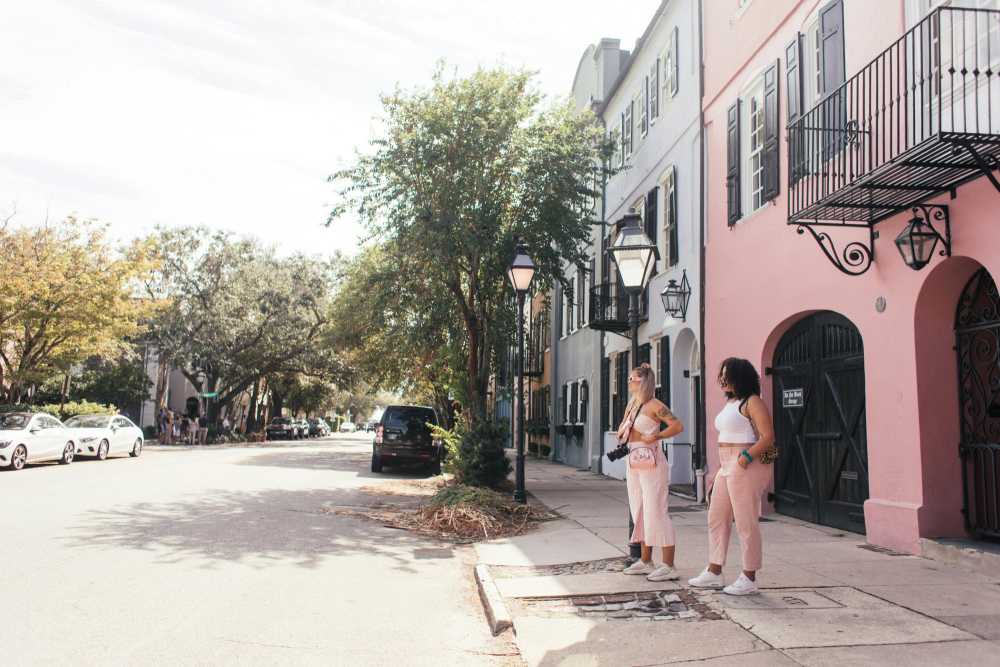
7. Charleston, South Carolina

Charleston is a city where history and culinary innovation gracefully intertwine. It’s a jewel box of a city, with a sophisticated food scene that honors its Lowcountry roots while constantly pushing the boundaries of Southern cuisine.
Why Your Taste Buds Will Thank You
The Heart of Lowcountry Cuisine: Charleston is the epicenter of Lowcountry cooking, featuring regional staples like shrimp and grits, she-crab soup, and fresh oysters.
James Beard Acclaim: The city has an incredibly high concentration of James Beard Award-winning chefs and restaurants, making it a destination for high-end dining.
Historic Ambiance: Dining in Charleston often means eating in beautifully preserved historic buildings, adding a unique sense of place to every meal.
The Solo Traveler Advantage
The solo traveler's skeleton key to Charleston's exclusive dining scene? The bar seat. At celebrated spots like Husk or FIG, where reservations are booked months out, the bar is often held for walk-ins. Arrive 15 minutes before they open for dinner, be the first in line, and you can often snag a front-row seat to a world-class meal without a reservation. The city's compact, historic downtown is exceptionally walkable and safe, making it a joy to explore on foot.
The Solo Foodie Scorecard
Your "Must-Eat" List
Shrimp and Grits: Try a classic version at a respected Lowcountry restaurant.
She-Crab Soup: A rich, creamy Charleston specialty you won't find anywhere else.
Fresh Oysters: Enjoy them raw on the half shell from the nearby waters.
Insider Solo Tip: Beyond the bar trick, look for the city's many "hidden gem" casual lunch counters tucked away on side streets, which serve incredible Lowcountry food without the pomp or price.
8. Austin, Texas

Austin runs on a fuel of barbecue smoke, breakfast tacos, and live music. It's a city with a rebellious, fun-loving spirit, and its food scene is just as bold and creative. It's a place where tradition (Texas barbecue) and innovation (gourmet food trucks) exist side-by-side.
Why Your Taste Buds Will Thank You
A Barbecue Pilgrimage: Austin is a global destination for barbecue lovers, home to legendary smokehouses where people wait in line for hours for perfectly smoked brisket.
The Breakfast Taco: The breakfast taco is a local obsession and the city's quintessential morning meal.
Innovative Food Trucks: Like Portland, Austin has a thriving food truck scene, offering everything from gourmet donuts to fusion tacos in parks across the city.
The Solo Traveler Advantage
Austin’s casual, social culture makes it one of the best US cities for solo food travel. The barbecue experience, where waiting in line is a communal ritual, is inherently social and a great way to meet people. The food truck parks are designed for casual, individual dining, and grabbing a breakfast taco from a walk-up window is a perfect solo start to the day. The live music scene provides endless evening entertainment that's easy to enjoy alone.
The Solo Foodie Scorecard
Your "Must-Eat" List
Brisket from a Legendary Smokehouse: It's worth the wait. Go early and make an experience out of it.
Breakfast Tacos: Try a few different kinds from a beloved local taco stand.
Queso: Sample this molten cheese dip, a Tex-Mex staple, at a lively restaurant with a patio.
Insider Solo Tip: To skip the legendary lines at places like Franklin Barbecue, consider their pre-order service for pickup or aim for a weekday visit right when they open.
Your Field Guide to Dining Solo—And Loving It

Having a list of destinations is the first step—now it's time to master the craft. Because knowing where to go is only half the battle; knowing how to approach it with confidence is what turns a good trip into an unforgettable one.
Four Ways to Conquer the Table for One
Embrace the Bar: The bar is the best seat in the house for a solo diner. It's socially designated for individuals, eliminates the "empty chair" feeling, and often provides a chance to chat with the bartender or other patrons.
Come with a Prop: A book, a journal, or a city map can be a great prop. It gives you something to engage with during lulls and signals that you're a traveler contentedly soaking in the experience.
Start Casual: Your first few solo meals don't need to be at a fancy restaurant. Start with more casual environments. Cafés, bustling food halls, and counter-service restaurants are excellent, low-pressure venues.
Dine Early: Dining during off-peak hours (e.g., an early dinner at 5:30 PM) can feel less intimidating than walking into a packed restaurant at the height of the dinner rush.
Pro-Tip: Download the Resy or OpenTable app and look for restaurants that have a "Bar Seating" option when you book. This guarantees you a designated solo spot and takes the guesswork out of your arrival.
Think Beyond the Restaurant: How to Find Your Food Tribe
Take a Food Tour: These are the ultimate solo traveler hack. They offer a curated tasting menu of a city's best bites, eliminate decision fatigue, and provide an instant group of like-minded dining companions for an afternoon.
Sign Up for a Cooking Class: This is a hands-on, immersive way to learn about local ingredients and culinary techniques. The small-group setting naturally fosters conversation and connection over a shared task.
Explore a Farmers' Market: Places like San Francisco's Ferry Building are vibrant, low-pressure environments perfect for observing local life, sampling artisanal products, and assembling a gourmet picnic to enjoy in a nearby park.
The Table is Set for Your Solo Adventure
The best solo destinations for foodies offer a perfect marriage of exceptional cuisine and a welcoming, accessible environment for the individual traveler. From the Creole kitchens of New Orleans to the food trucks of Austin, these cities prove that you don't need a companion to have a rich and delicious travel experience. Armed with this knowledge, you can confidently navigate the country's best food scenes. The world is your oyster (or taco, or slice of pizza). Go taste it.
Your Questions, Answered: The Solo Foodie FAQ
What is the best US city for a first-time solo foodie trip?
New York City is often the top choice for first-timers. The sheer variety of food, the prevalence of solo-friendly dining spots like food halls and diners, and the fact that eating alone is completely normal make it a very comfortable and exciting experience.
How can I find good restaurants for dining alone?
Look for places with bar or counter seating, as this is a natural spot for solo diners. Food halls and markets are also fantastic options for variety and a casual atmosphere. Reading online reviews and searching for terms like "counter seating" or "good for solo dining" can also help you find the perfect spot.
Are food tours a good idea for solo travelers?
Absolutely! Food tours are one of the best ways to experience a city's culinary scene when traveling alone. They provide a structured itinerary, allow you to sample many different things without ordering full meals, and offer a great opportunity to meet other travelers in a relaxed, social setting.
Is it safe to explore food scenes alone at night?
Safety varies by city and neighborhood, so it is crucial to research your specific destination. Always stick to well-lit, busy areas, be aware of your surroundings, and let someone know your plans. Using a taxi or rideshare service for late-night travel back to your accommodation is a wise precaution.
Read the full guide: Anxious to Adventurous: The Ultimate Guide to Solo Travel Confidence
Don't Miss Out! Subscribe for Exclusive Content
SubscribeComments 0
No comments yet
Be the first to share your experience!
Dont Miss Out! Subscribe for Exclusive Content

Chicago Beer Fests: Top 6 Tastings

A Woman's Guide to Safe Travel: 10 Critical Tips

7 Hotel Safety & Security Tips for Peace of Mind

9 Beach Safety Tips That Could Save Your Life

How to Stay Safe While Hiking: A Hiker's Safety Guide
