
Anxious to Adventurous: The Ultimate Guide to Solo Travel Confidence

TrekGuider @trekguider
The thought of solo travel often brings two images to mind: the breathtaking vista from a mountaintop, enjoyed in peaceful solitude, and the quiet dinner table for one, feeling conspicuously alone. For years, the advice has been to simply "embrace the loneliness." We believe that's outdated and, frankly, unhelpful advice. In today's hyper-connected world, the modern solo traveler is never truly alone—they're empowered. This guide is the official TrekGuider playbook of actionable solo travel tips that use the best digital tools, safety apps, and planning technology to transform anxiety into confidence and navigate the world with unprecedented freedom and security. Let's begin.
The Solo Mindset: How to Conquer Fear and Travel with Confidence
Before you ever book a flight, choose an anti-theft bag, or pack a single sock, the most significant journey begins in your mind. Overcoming the initial psychological hurdles isn't just the first step; it's the foundation upon which every great solo trip is built. This is where you shift your perspective from a hesitant "Can I do this?" to a determined "How will I do this?"
Is It Weird to Travel Alone? (The Answer is No, and Here’s Why)
Let's dismantle this fear immediately: traveling alone is not weird. It is a powerful, intentional, and increasingly popular way to experience the world. The old, tired stigma of the "loner" is being rapidly replaced by a cultural admiration for independence, courage, and self-reliance.
If you feel like an outlier, the data says otherwise. Pinterest has seen an explosion in searches for "solo travel" over the past few years—it's one of the fastest-growing travel categories on the platform. You are not an anomaly; you are on the leading edge of a global movement. Choosing to travel solo doesn't broadcast that you lack friends; it broadcasts that you possess the curiosity and confidence to forge your own path—a trait universally recognized as a strength. It's a declaration that your desire to grow and explore is more powerful than your fear of judgment.

A Practical Guide to Telling Friends and Family About Your Trip
One of the most surprising sources of pre-trip anxiety can be the well-intentioned concerns of friends and family. Their worries, born from love, can inadvertently plant seeds of doubt. The key to navigating these conversations is to approach them not as a petitioner seeking approval, but as a competent leader presenting a well-researched plan.
Present a Confident Decision: Language matters. Instead of tentatively asking, "I was thinking about maybe going to Italy alone...," state your plan with calm assurance: "I'm so excited to share that I'm planning a solo trip to Italy this spring." This immediately reframes the conversation from a debate into an announcement of a positive life event.
Lead with Competence: Immediately follow your announcement with two or three key details that demonstrate your thoroughness. "I've already found a fantastic hotel in a very safe neighborhood in Rome, my travel insurance is booked, and I have an app that will let me share my location with you so you can see where I am." This proactively answers their biggest questions and showcases you as a responsible planner.
Establish a Communication Rhythm: The fear of the unknown is what fuels their worry. Eliminate it by defining a clear communication plan. "Just so you don't worry, my plan is to send a quick WhatsApp message every evening to check in." This simple commitment provides immense reassurance and prevents them from imagining the worst if they don't hear from you for a day.
For First-Timers: Start Small to Build Momentum
You do not need to book a six-month, one-way ticket to Southeast Asia to claim the title of "solo traveler." The goal is to build confidence, and confidence is a muscle built through repetition. We call this "confidence stacking"—the process of accumulating small, successful experiences that prove your capability to yourself.
Begin with a solo weekend trip to a city a few hours from home. The mission is simple: navigate a new public transit system, confidently ask for a table for one at a busy restaurant, and be solely responsible for your own entertainment and itinerary for 48 hours. The skills you build and the comfort you gain are precisely the same ones you'll use in a foreign country, just in a lower-stakes environment. After that, perhaps a four-day domestic trip by plane. By the time you're ready for that grand international journey, it will feel like a natural, exciting next step, not a terrifying leap into the abyss.
With that foundational confidence in place, it’s time to channel it into the single greatest antidote to anxiety: a bulletproof plan.
Your Pre-Flight Digital Checklist
Great solo trips don't happen by accident; they are born from careful, thoughtful planning. For the "Cautious Planner," this is where your natural tendencies become your superpower. A methodical approach is one of the most important solo travel tips we can offer, as it systematically dismantles pre-trip anxiety. Every detail you confirm is another piece of evidence that you are ready, capable, and in control.
Key Takeaways:
Prioritize Safe Destinations: Set yourself up for success by choosing a first destination known for its safety, strong tourist infrastructure, and ease of navigation. Use official, data-driven resources. are your first stop for any official warnings.
Build a Bulletproof Budget: Use a structured framework to manage your finances, which prevents stress and empowers smart decision-making on the road.
Master Your Tech: Load your smartphone with essential apps for navigation, safety, and communication, and learn their features before you depart.
Secure Your Digital Life: Arrange for an eSIM for instant connectivity upon arrival and have a VPN ready to protect your data on all public Wi-Fi networks.
The TrekGuider Take: The single biggest mistake we see first-time solo travelers make is underestimating the power of pre-planning. A well-researched itinerary isn't a restriction; it's a foundation for freedom. It allows you to be spontaneous because you've already handled the essentials.
How to Choose Your First Solo Destination (Safety & Ease)
Your choice of destination is the most critical decision you'll make. For a first-time trip, the goal is to set yourself up for success. Prioritize locations celebrated for their safety, strong tourist infrastructure, and overall ease of navigation. Use this three-point filter to guide your research:
Prioritize Objective Safety: Don't rely on anecdotes. Use official, data-driven resources. The U.S. Department of State's travel advisories are your first stop for any official warnings. Go deeper by consulting the Global Peace Index, an annual report that ranks countries on metrics of safety and security. Destinations that consistently top this list—like Iceland, New Zealand, Portugal, Japan, and Costa Rica—are popular for solo travelers for very good reason.
Filter for "Low-Friction" Travel: Make it easy on yourself. Does the destination have a simple, reliable public transportation system? Is English widely spoken, at least in tourist areas? Is the culture generally open and welcoming to visitors? A city like Lisbon, with its superb walkability and friendly atmosphere, is often a much better first choice than a more chaotic, off-the-beaten-path destination where you'll face more logistical and cultural hurdles.
Let Genuine Passion Be Your Guide: This is the magic ingredient. The ultimate advantage of solo travel is that the entire itinerary is 100% yours. Don't choose a destination because it's popular on Instagram; choose it because it genuinely ignites your curiosity. Whether you're obsessed with the art museums of Florence, the hiking trails of Patagonia, or the food markets of Tokyo, letting your passion lead the way is the ultimate guarantee that you'll stay engaged and motivated. For those with remote work flexibility, exploring options from our guide to the 10 Best International Destinations for Digital Nomads can also be a fantastic starting point.

A Framework and Recommended Apps for Budgeting
When you're the sole traveler, you're also the sole CFO. Mastering your budget is a core competency that prevents stress and empowers you to make smart decisions on the road.
The 5-Category Solo Budget Framework:
Pre-Trip Fixed Costs (10%): Flights, comprehensive travel insurance, necessary visas, and any specific gear you must purchase before you go.
Accommodation (30%): Typically your largest daily expense. Research average hostel, guesthouse, or budget hotel prices in your destination to set a realistic per-night cost.
Food & Drink (25%): This is a huge part of the experience! A smart budget allows for a mix of everything: iconic restaurant meals, casual street food, and visits to local grocery stores for snacks and simple breakfasts.
Activities & In-Country Transport (20%): Museum entries, day tours, cooking classes, subway passes, and inter-city train tickets all fall into this category.
The "Oh Sh*t" Fund (15%): This is your contingency fund for anything from a missed flight or a minor medical issue to a spontaneous, can't-miss opportunity like a last-minute ticket to a concert.

Download an app like Trail Wallet or YNAB (You Need A Budget) before you go. Diligently tracking your spending in real-time is the key to staying in control and avoiding that dreaded post-trip credit card bill. One of the best ways to stick to your budget is by avoiding costly baggage fees. Master the art of carry-on-only with our free How to Pack Light Guide.
Finding Safe Accommodations and Flexible Flights
Where you sleep is your sanctuary. For a solo traveler, safety and location matter most, far outweighing luxury or price.
For Hostels: Read the reviews like a detective, specifically searching for mentions of "solo female traveler" or "solo traveler." Prioritize properties with 24-hour reception, individual secure lockers in the dorms (always bring your own high-quality padlock), and, if it makes you more comfortable, female-only dorm options.
For Hotels & Airbnbs: Use the map view relentlessly. Ensure you're in a central, well-lit neighborhood with good access to public transport. Read recent reviews that comment specifically on the safety of the area at night. Paying a little extra for a room in a prime location is the best investment you can make in your peace of mind.
When booking flights, become a power user of tools like Google Flights and Skyscanner. Their "flexible date" and "entire month" views are your best friends, allowing you to see the cheapest days to fly at a glance. Shifting your departure by just one or two days can often save hundreds of dollars.
From the TrekGuider Toolkit: Feeling overwhelmed by the planning process? Streamline your entire pre-trip organization with our free Ultimate Travel Itinerary Template. It's a tool we've designed to help travelers build checklists, track budgets, and design perfect itineraries.
Tech & App Solo Travel Tips: 15 Essential Tools
Your smartphone is the most powerful tool ever created for an independent traveler. It's your navigator, translator, research assistant, and safety device all in one. Loading it with the right apps and tech transforms it from a simple phone into a digital Swiss Army knife for navigating the globe.

Navigation & Logistics: Google Maps, Rome2rio, and Citymapper
This trio forms a holy trinity of travel navigation that makes getting lost virtually impossible.
Google Maps: It’s the undisputed champion for a reason, but the single most important pro-move is this: before you ever leave home, download offline maps for your entire destination. Treat it like packing your passport. This turns your phone into a fully functional GPS, no data or Wi-Fi required, which is an absolute lifesaver. Go a step further by "starring" your hotel, key sights, and restaurants in advance to create a fully customized, interactive travel map.
Rome2rio: This is your master planner for country-wide travel. Wondering how to get from Naples to Florence? Rome2rio will instantly show you every possible combination—plane, train, bus, or car—complete with estimated costs and travel times. It demystifies long-distance logistics.
Citymapper: In major metropolitan hubs like London, Paris, or New York, Citymapper often outperforms Google Maps for urban public transit. It offers hyper-accurate, real-time departure info, disruption alerts, and the fastest routes, even suggesting "rain-safe" options.
Safety & Peace of Mind: GeoSure, MayDay, and Location Sharing
This suite of apps creates a digital safety net, providing invaluable peace of mind for both you and your loved ones back home.
GeoSure: Think of this as a credit score for neighborhood safety. GeoSure provides granular, localized safety ratings for cities across the globe, broken down by critical categories like Women's Safety, Theft, and Physical Harm. Use it to vet a neighborhood before you book your Airbnb or decide where to go for a late-night dinner.
MayDay: A brilliantly simple but powerful safety tool. You pre-load emergency contacts, and with a single tap, the app sends them an alert and your precise GPS location.
Native Location Sharing: This is the easiest win of all. Both Google Maps ("Location Sharing") and Apple's "Find My" app allow you to share your real-time location with a trusted friend or family member. Set it for the duration of your trip so they can have the passive reassurance of knowing where you are without you needing to constantly check in.
Digital Security 101: Why You Need a VPN on Public Wi-Fi
You'll be logging into countless public Wi-Fi networks in cafes, airports, and hotels. These networks are notoriously insecure, making them a playground for data thieves who can potentially intercept your passwords, banking details, and other private information.
A VPN (Virtual Private Network) is your personal bodyguard for the digital world. It creates a secure, encrypted tunnel between your device and the internet, making your data completely unreadable to anyone trying to snoop on the network. Using a reputable VPN service like NordVPN or ExpressVPN every single time you connect to public Wi-Fi is a non-negotiable step for protecting your digital life.
The TrekGuider Take: We consider a VPN non-negotiable for modern travel. Connecting to public Wi-Fi without one is like leaving your hotel room door wide open with your valuables on the bed. It’s a small, inexpensive investment in protecting your entire digital life.
Communication: Google Translate and Getting a Local eSIM
Language barriers are no longer the insurmountable walls they once were.
Google Translate: Master its advanced features. The real-time conversation mode is a miracle for basic interactions. The camera function, which can instantly translate a restaurant menu or a street sign, feels like magic. Before you go, download the language pack for your destination for full offline functionality.
Get an eSIM: The days of hunting for a physical SIM card shop upon arrival are over. An eSIM (embedded SIM) is a digital SIM you can purchase online and install on your phone before you even leave home. Companies like Airalo and Holafly offer affordable data packages for virtually any country on earth. This means you are connected the second your plane touches down—a massive advantage for safety and convenience.
Packing Smart: The Art of Carry-On Only
For the solo traveler, mobility is the ultimate currency. Being burdened by heavy, cumbersome luggage is a rookie mistake. It makes you a more conspicuous target for theft, exhausts you physically, and turns simple tasks like navigating a flight of stairs into a monumental struggle. The solution? Master the art of carry-on-only travel.
The "Roll, Don't Fold" Philosophy
This is the central doctrine of efficient packing. Tightly rolling your clothes not only minimizes wrinkles far more effectively than folding but also compresses them, saving a remarkable amount of space.
Packing cubes are the tools that elevate this philosophy into a system. These zippered organizers allow you to compartmentalize everything. Use one large cube for pants and sweaters, a medium one for tops, and a small one for underwear and socks. This system not only keeps your bag impeccably organized (no more digging for a clean pair of socks) but also compresses your clothing even further, creating pockets of free space you never thought possible.

A Minimalist's Tech Gear List
Your technology is your lifeline. Pack smart to stay powered and connected.
Portable Power Bank: This is not optional; it's essential. Choose a model with at least 10,000mAh capacity, which will provide 2-3 full charges for your smartphone. Keep it charged, and keep it in your daypack.
Universal Travel Adapter: Ditch the bag of miscellaneous adapters. Invest in a single, high-quality universal adapter that includes multiple USB ports. This allows you to charge your phone, power bank, and camera simultaneously from one wall outlet—a godsend in hostels where outlets are a precious commodity.
Noise-Canceling Headphones: Your personal "do not disturb" sign for the world. They are invaluable on loud flights, rumbling trains, and in bustling hostel dorms, creating a private bubble of calm wherever you are.
Kindle or E-reader: Carrying even one book is a waste of space and weight. An e-reader gives you access to an entire library in a device that weighs less than a paperback.
The Reddit-Approved Solo Traveler's Packing Checklist
We've synthesized wisdom from expert communities like r/onebag and r/solotravel to create a definitive checklist—a collection of the best packing-related solo travel tips you'll find. The guiding principle is versatility. Every item should serve multiple purposes.
Clothing (The 5-4-3-2-1 Rule):
5 sets of socks and underwear.
4 versatile tops (merino wool is the holy grail for its odor resistance).
3 bottoms (e.g., one pair of travel pants, one pair of jeans, one skirt or pair of shorts).
2 pairs of shoes (one comfortable all-day walking shoe, one slightly dressier flat or loafer).
1 jacket (a waterproof shell) and 1 mid-layer (a fleece or sweater).
Toiletries (Go Solid):
Solid shampoo, conditioner, and soap bars eliminate the hassle of liquid restrictions.
Toothbrush, toothpaste tablets, and solid deodorant.
A basic first-aid kit: band-aids, pain relievers, antiseptic wipes, and blister treatment.
Documents & Money:
Passport/Visa (with digital copies in your email and physical copies stored separately from the original).
2 different credit cards and 1 debit card (never store them all in the same place).
A small stash of emergency US dollars and some local currency.
Essentials:
Quick-dry microfiber travel towel.
Collapsible water bottle.
High-quality padlock.
Sleep mask and earplugs.
The TrekGuider Take: We've analyzed countless packing strategies, and the data is clear: embracing a minimalist, two-shoe rule is a game-changer. One pair of ultra-comfortable, all-day walkers and one versatile pair of flats or loafers will cover 99% of travel scenarios without weighing you down.
To make sure you don't forget a single thing, download our free and printable Ultimate International Travel Checklist. It's the perfect final review before you zip up your bag.
A Masterclass in Solo Travel Safety Tips
Safety is the essential concern for most solo travelers, but it should be approached as a skill to be mastered, not a fear to be managed. Being safe isn't about being paranoid; it's about being prepared, aware, and intentional. These solo travel tips will help you move through the world with a quiet confidence that makes you a less appealing target.
Key Takeaways:
Become a Hard Target: Project confidence through your body language and maintain situational awareness to deter opportunistic criminals.
Layer Your Security: Actively use anti-theft gear for your daypack, a high-quality lock for your hostel locker, and extra security measures for your room.
Plan for the Night: Always know how you're getting home after dark. Be mindful of your surroundings and moderate alcohol consumption.
Trust Your Intuition: Your gut feeling is your most reliable safety tool. If a person, place, or situation feels off, leave immediately. No exceptions.

Situational Awareness: Becoming a Hard Target
Your most effective safety tool is your own mind. Predatory individuals are opportunistic; they scan for "soft targets"—people who look lost, distracted, vulnerable, or unaware. Your job is to project the opposite impression: that of a "hard target."
Master "Purposeful Walking": Even if you're just exploring, walk with direction. Keep your head up, your shoulders back, and your pace steady. If you need to consult your map, don't stop abruptly in the middle of the sidewalk. Instead, duck into a shop or cafe to get your bearings.
Control Your Body Language: Avoid looking at the ground. Make brief, deliberate eye contact with people as you walk. This non-verbally communicates, "I see you. I am aware of my surroundings."
The "Scan & Assess" Habit: When you enter any new space—a cafe, a train car, a public square—take 3-5 seconds to consciously scan your environment. Note the exits. Get a feel for the general vibe. This simple habit pulls you out of your phone and into a state of active presence.
Securing Your Belongings
Protecting your valuables requires more than just a lock.
The Hostel Locker is Sacred: Use it without fail. Your passport, laptop, and extra cash should live in your locked locker unless they are on your person. Use your own sturdy padlock.
Employ an Anti-Theft Daypack: For ultimate peace of mind, invest in a daypack from a brand like Pacsafe or Travelon. Features like slash-proof straps, locking zippers, and RFID-blocking pockets are specifically designed to foil common theft tactics.
Hotel Room Security: The room safe is good, but a portable door jam or door stop alarm provides an extra layer of security and peace of mind against unauthorized entry while you're sleeping. Never leave valuables out in the open, even in a locked room.
Rules for Staying Safe After Dark
Exploring a city after dark is one of travel's great pleasures, but it demands heightened awareness.
Know Your Exit Strategy: Before you even leave for the evening, know exactly how you will get back to your accommodation. Have you checked the time of the last train? Do you have a reputable ride-sharing app like Uber or Bolt installed and working?
Nurse Your Drink: Be mindful of your alcohol consumption. Your judgment is your primary defense. Always buy your own drinks and never leave your drink unattended, even for a second.
Trust Your Gut Instinct: This is your oldest and most reliable security system. If a person, a place, or a situation feels wrong, it is wrong. Do not hesitate. Do not worry about being rude. Remove yourself from the situation immediately.
The TrekGuider Take: Veteran travelers unanimously agree on one thing: your intuition is your most reliable safety tool. If a situation feels wrong, it is. There is no need to be polite or justify your feeling—your only priority is to remove yourself from the situation immediately.
Setting Boundaries and Handling Unwanted Attention
As a solo traveler, you will likely encounter unwanted attention at some point. Having a pre-planned script for how to handle it is incredibly empowering.
The "Firm & Cold" Response: For persistent touts or unwanted suitors, a simple, sharp "No" delivered with direct eye contact and a complete lack of a smile is incredibly effective. Do not engage in further conversation. Turn and walk away.
The Power of the White Lie: You are under no obligation to be truthful with strangers who make you uncomfortable. "I'm on my way to meet my husband" is a universally understood and effective deterrent.
Create a Public Scene: In a worst-case scenario where you feel physically threatened, do not be afraid to draw attention. A loud, sharp "Leave me alone!" or "Get away from me!" in the local language (learn this phrase) will attract the help of others.
For a deep dive into managing these risks, a comprehensive travel insurance policy is the ultimate safety net. Explore our Travel Insurance Guide: Avoid Mistakes & Travel Worry-Free to ensure you're fully covered.
Social Solo Travel Tips: How to Meet People and Thrive
The social dynamic of solo travel is a beautiful paradox. It is at once a journey into profound self-reliance and an opportunity for incredible human connection. The key is to recognize that you are always in control. You can dial your social life up or down as you see fit, and mastering this balance is one of the most rewarding skills you'll learn.
The Introvert's Guide to Making Friends
If the thought of "putting yourself out there" is intimidating, relax. The secret is to let shared activities do the heavy lifting for you.
Leverage Hostel Common Areas: Even if you book a private room, the hostel's common area is a social superpower. Simply sitting and reading a book can lead to organic conversations. The unspoken rule is that everyone there is open to connection.
Join a Free Walking Tour: This is the #1 hack for meeting people on your first day in a new city. You have a built-in group of fellow travelers for several hours. At the end, be the one to say, "That was great! I'm grabbing lunch at that place the guide recommended, does anyone want to join?"
Sign Up for a Class: A local cooking class, a surf lesson, a pottery workshop—these are social goldmines. The shared activity provides an instant icebreaker and a natural foundation for friendship.
How to Confidently Dine Alone (and Actually Enjoy It)
The "table for one" is a classic source of anxiety. It's time to reframe it. Dining alone is not a social failure; it is an act of luxurious self-care. It's a chance to people-watch, to savor your food without distraction, and to be alone with your thoughts.
Own the Bar: The bar or chef's counter is your best friend. It's a more casual, socially acceptable place to sit alone, and it puts you in easy conversation range of the bartender or your neighbors.
Bring a Purposeful Prop: A book or headphones can signal "do not disturb." But a journal or a local map can signal "I'm an interesting traveler open to conversation." Choose your prop based on your mood.
Become a Food Critic: Engage fully with the experience. Take notes on the flavors in your journal. Take a beautiful photo of the dish. When you treat the meal as an activity in itself, you'll forget to feel self-conscious.
The TrekGuider Take: To instantly feel more comfortable dining alone, head for the bar or a chef's counter. It's a socially designated space for individuals, offers a great view, and often leads to the best conversations with staff and other diners. It's the ultimate solo dining power move.

The Art of Taking Your Own Photos
You will want proof that you were on this incredible adventure.
Get a Mini-Tripod: A small, flexible tripod like a GorillaPod combined with your phone's self-timer is your new best friend. You can prop it on ledges, wrap it around railings, and compose beautiful shots that go way beyond the selfie.
Ask a Fellow Photographer: If you need someone to take your photo, don't ask a random person. Look for another tourist holding a DSLR camera. They will understand composition and will likely be happy to help a fellow traveler. Offer to take one for them in return.
The Video Screenshot Hack: This is a pro-level trick. Prop your phone up, hit record, and then walk through the scene, look at the view, or interact with your environment. Later, you can scrub through the video and pull perfectly candid, natural-looking still photos from it.

Loneliness: What It Feels Like and How to Move Through It
Let's be real: at some point, you will likely feel a pang of loneliness. It might be during a beautiful sunset or a delicious meal that you wish you could share. It's a normal, valid human emotion. The trick is to acknowledge it, honor it, and then have a plan to move through it.
When it hits, don't stew in it. Take action. Call a friend from home. Go to the hostel common room. Write down how you're feeling in your journal. Often, the simple act of acknowledging the emotion and taking one small, positive step is enough to dissolve it. It's just a passing cloud, not a permanent weather system.
Frequently Asked Questions (FAQ Section)
How much does a solo trip typically cost?
This varies wildly by destination and travel style. A good baseline for a mid-range solo traveler in destinations like Southern Europe or Southeast Asia is $75-$150 USD per day. This covers a private room in a quality hostel or budget hotel, a mix of restaurant meals and street food, daily activities, and local transport. A strict budget backpacker can survive on under $50, while a luxury traveler could spend thousands.
What are the best countries for a first-time solo female traveler?
For a first trip, prioritize countries known for world-class safety, excellent tourist infrastructure, and a high degree of gender equality. Top-tier destinations include Iceland, New Zealand, Finland, Japan, Portugal, Costa Rica, Singapore, and Canada. Others like Austria, Denmark, and the Netherlands are also fantastic choices. Choosing any of these will let you focus on the joy of travel, not stress.
Is it better to stay in a hotel or a hostel when traveling alone?
This is a personal choice based on your priorities. Choose a hostel if your primary goals are to meet other people and save money; they are designed to be social incubators. Choose a hotel if you deeply value privacy, quiet, and comfort; sometimes the ability to close your own door and recharge in silence is priceless.
How do you handle medical emergencies when you are by yourself?
Preparation is everything. First, you must have comprehensive travel insurance; keep digital and physical copies of your policy. Second, before you arrive, research the local emergency number (it's not always 911) and save it in your phone's contacts. Finally, carry a small "In Case of Emergency" card with your emergency contact's info, blood type, and any critical allergies, ideally translated into the local language.
Your Journey from Anxious to Adventurous Starts Now
You have the knowledge, now it's time to unlock the confidence to match. The profound freedom, deep self-reliance, and unforgettable moments of discovery that await you are more than worth navigating the initial waves of uncertainty. By embracing modern technology and adopting a mindset of prepared confidence, you systematically minimize the risks and amplify the incredible rewards.
We've compiled our most critical safety protocols into one essential resource to help you take that final step: our free Solo Female Travel Safety Guide. Download it to equip yourself with the expert strategies you need to navigate the world safely and confidently. This guide is your playbook, but the adventure itself is yours—and yours alone—to write. The world is ready for you.
Don't Miss Out! Subscribe for Exclusive Content
Subscribe



Comments 0
No comments yet
Be the first to share your experience!
Dont Miss Out! Subscribe for Exclusive Content

Ultimate USA Holidays Guide: Top Picks


FTC Affiliate Disclosure Essentials: Stay Compliant as a Travel Creator

Essential Affiliate Tools: From Tracking to Full Optimization

Booking.com Affiliate Program Review: Pros, Cons, and Earnings Potential

Decoding Affiliate Commission Rates: Benchmarks for Travel Creators

Amazon Associates for Travel: Strategies to Maximize Commissions
How to Make Family Travel Planning Actually Easy
TrekGuider @trekguider
Staring down the logistics of a family vacation can feel less like an adventure and more like a high-stakes, unpaid second job. The dream of relaxing on a sun-drenched beach is often buried under an avalanche of budgets, schedules, and the wildly different demands of a toddler and a teen. If you’re feeling the pressure to create a perfect, frictionless experience, you’re not alone—the mental load is immense.

This constant juggling act leaves you feeling stressed before you’ve even packed a bag. But what if the planning process itself could be a seamless and satisfying part of the journey? You don't need a business degree to succeed—you just need the right playbook. This is that playbook. We’ve created a comprehensive guide that transforms a daunting task into a manageable process, clearing the path to the best Family Travel Ideas: The 2026 Guide to Unforgettable Trips.
The Strategic Blueprint (6+ Months Before Your Trip)
A truly relaxing vacation is built long before you ever pack a bag. The decisions you make in this early stage form a rock-solid foundation that prevents costly mistakes and eliminates last-minute panic. This is where you align expectations, define your financial reality, and get the core logistics in order.
Define Your Family's Travel Style
The most common mistake is choosing a trip that’s fundamentally mismatched with your family’s personality. A rustic camping trip will be a disaster for a family that craves resort amenities. Before you do anything else, take a moment for an honest assessment.
Ask yourselves:
Are we Relaxation-Oriented or Adventure-Seekers? Do we want to spend our days lounging by a pool, or are we happiest when hiking, biking, or exploring?
Do we prefer Structure or Spontaneity? Does a detailed itinerary make us feel secure, or does it feel restrictive?
Are we City Explorers or Nature Lovers? Do we draw energy from bustling streets and museums, or from quiet trails and scenic vistas?
What is our "Pace-Maturity"? Can our kids handle long days of sightseeing, or do we need to build in significant downtime and nap schedules?
Answering these questions creates a filter that immediately narrows down your options. It stops you from planning a trip you think you should want, and helps you focus on the one your family will actually enjoy. For more help with this crucial first step, see our guide on Best Family Vacations: How to Finally Pick the Right One.
Host a "Family Dream Session" to Get Everyone on Board
Getting buy-in from the entire crew early on is the secret to a harmonious trip. This turns "your" trip into "our" trip and builds collective excitement.
For younger kids: Frame choices in simple terms. "Would you rather build sandcastles at the beach or see really big animals at a national park?"
For older kids and teens: Give them genuine responsibility. Task them with researching and pitching two or three activity options for the trip.
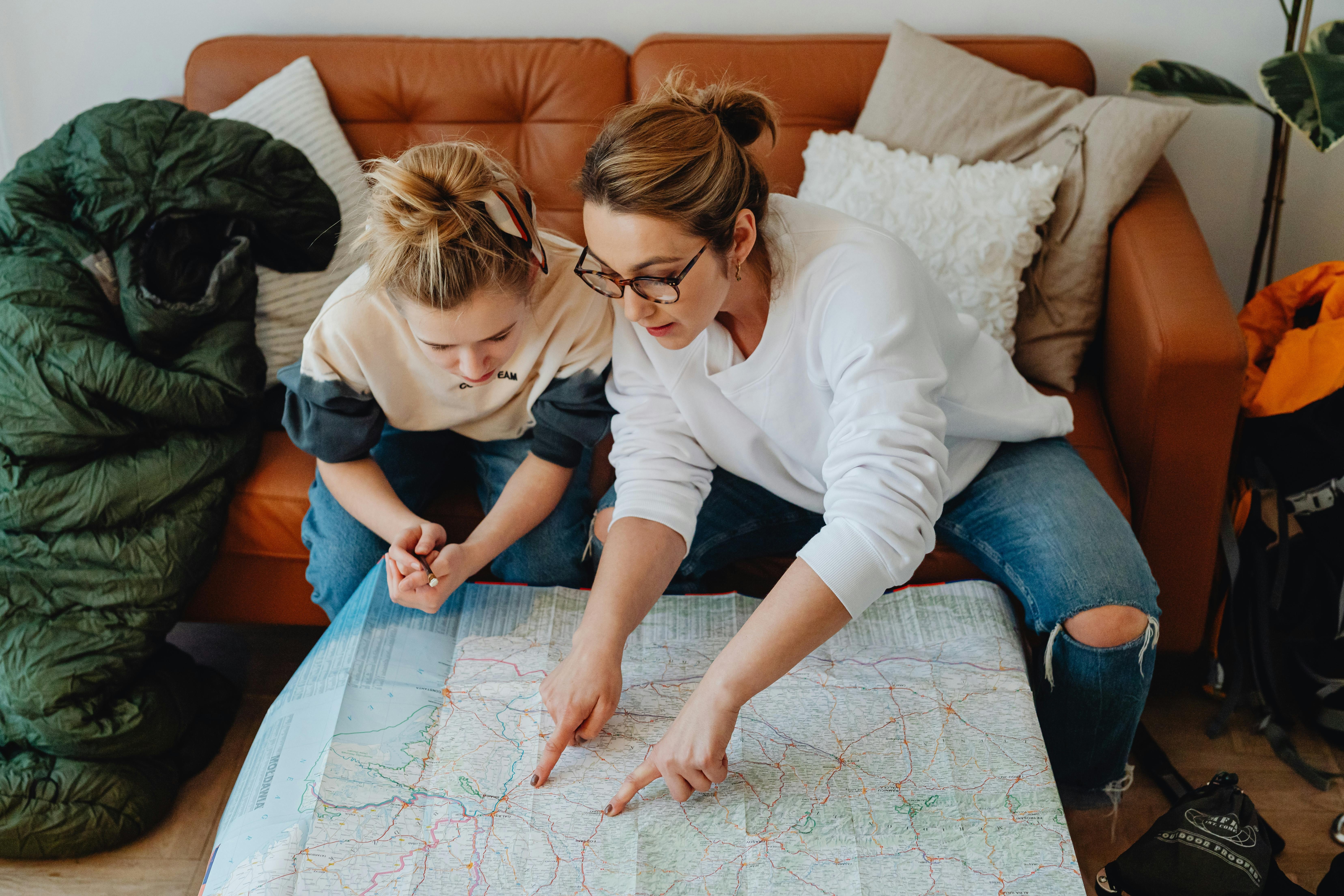
Make it fun: Host a "dream session" over pizza with a map spread out on the table. Create a shared vision board on Pinterest where everyone can add images of what they'd like to see, do, and eat.
Craft a Realistic Vacation Budget That Works
Nothing kills the vacation buzz faster than money stress. A clear budget isn’t a restriction; it’s a powerful tool that makes decisions easier and eliminates worry.
Determine a Total Trip Number: Decide on a realistic, all-in amount you are comfortable spending. Work backward from this number.
Use the 50/30/20 Rule: Allocate your funds to provide structure.
50% for Core Costs: This covers the non-negotiables: flights/fuel and accommodations.
30% for Experiences: This is your budget for activities, tours, park tickets, and dining out.
20% for Contingency & Extras: This covers souvenirs and, crucially, a 10-15% buffer for the unexpected. This emergency fund is your key to a stress-free mindset.
Account for Hidden Costs: Don't forget easily overlooked expenses like airport parking, baggage fees, hotel resort fees, and travel insurance.
Automate Your Savings: Create a dedicated high-yield savings account for your trip (e.g., "Hawaii 2026") and set up automatic transfers. This makes the goal feel tangible and motivating.
Track Everything: Use a simple spreadsheet or a budgeting app to monitor your spending and ensure you stay on track.

Conduct a Critical Document Audit
This is the most time-sensitive task in this entire phase. Do not procrastinate.
Passports: Physically locate every passport and check the expiration date. Many countries require your passport to be valid for at least six months after your planned return date. If anyone’s is expiring within a year, start the renewal process now.
Visas: Do a quick search for visa requirements for your top destination choices.
Digital Backups: Take a photo of each passport's information page and save it to a secure cloud service like Google Drive or Dropbox. This can be a lifesaver.
For a comprehensive list of everything you might need for a trip abroad, our International Travel Checklist is an essential resource.
Locking in the Logistics (3-5 Months Before Your Trip)
With your destination direction clear and documents verified, it’s time to commit. This phase is about securing the key elements of your trip at the best possible prices. This is a key part of successful family travel planning.
Choose the Perfect Destination & Accommodations
Where you stay is more than just a place to sleep; it’s your command center.
Hotels vs. Vacation Rentals: Hotels offer amenities like pools and housekeeping. Vacation rentals (like Airbnb or Vrbo) provide invaluable assets like a full kitchen (critical for picky eaters), separate bedrooms (a lifesaver for different bedtimes), and a washing machine.
The Amenity Checklist: When booking, look for game-changing features like a kitchen, on-site laundry, and a pool or nearby playground for easy entertainment.
Pro-Tip: When traveling with infants, call the hotel directly to confirm the availability and condition of amenities like cribs. Don't rely solely on an online icon.
Secure Your Flights, Lodging, and Rental Car
The best family-friendly options get snatched up quickly, especially during school breaks.
Become a Flight Hawk: Use tools like Google Flights to set price alerts for your route. For international travel, the 2-3 month window is often the sweet spot.
Book Your Home Base: Lock in your preferred hotel or vacation rental now for the best selection.
Reserve Your Wheels: If you need a rental car—especially a larger SUV or van—book it early. Waiting is a recipe for sky-high prices or no availability at all.
Invest in Peace of Mind with Travel Insurance
Think of travel insurance not as an expense, but as an essential piece of safety equipment. It’s the safety net that protects your financial investment and ensures your family’s health is covered. A good policy must include strong coverage for trip cancellation, emergency medical expenses, and emergency medical evacuation. Use a comparison site like Squaremouth or InsureMyTrip to easily compare policies.
Fleshing Out the Details (1-2 Months Before Your Trip)
The skeleton of your trip is built. Now it’s time to add the muscle and personality by planning your daily adventures and handling key logistics back home.
Build a Flexible Itinerary (and Avoid the Over-scheduling Trap)
A great itinerary is a guide, not a straitjacket. The goal is to minimize on-the-ground stress, not to schedule every second.
The "One Big Thing" Rule: Anchor each day with only one primary activity (e.g., a museum visit, a specific hike). Everything else is a bonus.
Schedule Downtime: This is the golden rule of family travel. Intentionally block out "do nothing" time. Alternate busy days with relaxed ones to prevent meltdowns.
Delegate and Empower: Assign each child or teen a "planning day." Let them choose the main activity or where the family eats dinner from a pre-approved list.
Transform Your Itinerary from a To-Do List to a Done Deal
A well-structured plan is the secret to a low-stress vacation. Stop trying to organize everything in a messy document or a string of emails. Download our free Travel Itinerary Template to build a clear, flexible, and easy-to-follow plan that the whole family can use.
Pre-Book "Must-Do" Tickets and Reservations
For bucket-list attractions that are known to sell out or have long lines (like the Colosseum or a popular luau), booking your tickets online a month in advance is a game-changer. This simple step can save you hours of waiting.
Arrange Home, Pet, and Plant Care
Pet Sitter/Kennel: Confirm dates and details with your pet care provider.
House Sitter: Finalize plans and do a walkthrough of your home’s quirks.
Inform a Neighbor: Give a trusted neighbor your itinerary and contact info, and ask them to keep an eye on your place.
The Final Countdown (The Week Before Departure)
The excitement is building! This week is all about tying up loose ends, starting the physical packing process, and prepping your home for departure.
Pack Smart, Not Heavy: A Strategy for Families
Overpacking is a travel sin. It creates heavy luggage and decision fatigue. For a deeper dive into minimalism, grab our popular How to Pack Light Guide.

Create a "Staging Area": Designate a guest bed or a corner as your packing zone. As you think of items throughout the week, put them there to prevent last-minute scrambling.
Use Packing Cubes: These are non-negotiable. Assign each family member a color to keep clothes organized and make finding items a 10-second job.
Pack by Outfit: Lay out complete outfits for each day, including socks and accessories. This prevents overpacking "just in case" items.
Pro-Tip: Snap a picture of each child's daily outfit on your phone. This visual checklist makes it easy for them to get dressed and ensures you don't forget anything.
The 1-Week Rule: For trips longer than seven days, pack for one week and plan to do laundry.
Prepare Your Carry-On Command Center: Your carry-on is your lifeline. It must contain a complete change of clothes for everyone, all essential medications, a "boredom-busting" kit, and portable power banks with charging cables.
Handle Last-Minute Finances and Confirmations
Triple-Check Reservations: Quickly reconfirm flight times, hotel bookings, and car rental details.
Notify Your Banks: Call your credit card companies to set a travel notice to prevent your cards from being frozen for suspected fraud.
Get Local Currency: If traveling internationally, get a small amount of local currency to cover immediate expenses like a taxi or snacks upon arrival.
Prep Your Tech for Travel
The Great Charge-Up: Charge every single electronic device to 100%—phones, tablets, and power banks.
The Great Download: Download everything you might need: movies, playlists, podcasts, and offline Google Maps for your destination. Never rely on spotty airport Wi-Fi.
An Age-by-Age Guide to a Smoother Journey
Tailoring your strategy to your kids' developmental stages is the secret to travel harmony. Generic advice falls flat. Here’s how to adapt your approach.

Traveling with Infants & Toddlers (Ages 0-4)
Packing: Create a "Blowout Bag" for your carry-on with two full changes of clothes, extra diapers, and wipes. Consider using a gear rental service like BabyQuip at your destination for bulky items.
Transit: Gate-check your stroller to have it immediately upon deplaning. Pack a small bag of new, quiet toys (stickers, gel window clings) to reveal during the flight. For more pro tips, check out our Stress-Free Flying with Kids Guide.
On-the-Ground: Try to maintain your child's nap and sleep schedule as much as possible. A well-rested child is a happy traveler.
Traveling with Young Children (Ages 5-10)
On-the-Ground: Balance "adult" activities with kid-focused fun. For every museum, plan a trip to a playground. Give them a simple camera and assign them the role of "Official Trip Documentarian."
Pro-Tip: Before visiting a historical site, find a short, engaging, kid-friendly YouTube video about it. Five minutes of prep provides context and can prevent an hour of whining.
Souvenir Hack: Give them their own vacation spending money. This empowers them, teaches budgeting, and instantly ends the "Can I have this?" negotiations.
Traveling with Tweens & Teens (Ages 11-17)
Transit: Respect their need for space. A long travel day is a great time for them to listen to music or watch their own movies. Don't force family games.
On-the-Ground: The key is autonomy.
Grant them planning power: Make them responsible for planning one full day of the trip.
Schedule solo time: Allow for supervised periods of independence, like exploring a shopping district while you visit a nearby coffee shop.
Wi-Fi is a utility: Acknowledge that connecting with friends is important to them. Ensure your accommodation has reliable Wi-Fi and treat it like you would hot water.
The Ultimate Departure Day Checklist
The day is here! The goal is a calm, orderly exit. Run through this final checklist before you head out the door.
Last-Minute Grab List
Toiletries used this morning (toothbrushes, hairbrush)
Phone chargers that were used overnight
Daily medications
Each child's essential comfort item ("lovey")
Final Home Security Check
Adjust thermostat (up in summer, down in winter)
Empty all trash cans and run the dishwasher
Unplug non-essential small appliances
Check that all windows and doors are locked
The Final Sweep
Do one last walkthrough, grab your cooler of snacks, take a deep breath, and lock the door. You did it. Let the adventure begin.
Frequently Asked Questions
What is the biggest mistake in family travel planning?
The most common mistake is choosing a vacation that doesn't match your family's true travel style. Planning an intense, adventure-packed trip for a family that prefers to relax by the pool is a recipe for stress. An honest assessment of your family's preferences is the most important first step.
How much should I budget for a family vacation?
A great starting point is the 50/30/20 rule. Allocate 50% of your total budget to core costs like flights and lodging, 30% to experiences like activities and dining, and reserve 20% for extras and a crucial contingency fund for unexpected costs.
What is the "One Big Thing" rule for family itineraries?
The "One Big Thing" rule is a simple way to avoid over-scheduling. Instead of packing your day with activities, anchor each day with just one primary event, like a museum visit or a specific hike. This creates a flexible structure and leaves room for spontaneous fun and much-needed downtime.
Your Plan is Your Passport to Presence
The goal of careful family travel planning is not to eliminate every possible hiccup, but to build a resilient, flexible framework that allows your family to navigate challenges together. By following this guide, you’ve transformed a daunting task into a manageable process. You are the architect of your family's most precious memories.
The shared discovery and laughter are the ultimate return on your investment. Now, go and enjoy the incredible experience you've worked so hard to create by exploring all the Family Travel Ideas: The 2026 Guide to Unforgettable Trips that await.
Don't Miss Out! Subscribe for Exclusive Content
SubscribeComments 0
No comments yet
Be the first to share your experience!
Dont Miss Out! Subscribe for Exclusive Content
Ultimate USA Holidays Guide: Top Picks
FTC Affiliate Disclosure Essentials: Stay Compliant as a Travel Creator
Essential Affiliate Tools: From Tracking to Full Optimization
Booking.com Affiliate Program Review: Pros, Cons, and Earnings Potential
Decoding Affiliate Commission Rates: Benchmarks for Travel Creators

Top 11 High-Paying Affiliate Programs for Travel Bloggers
3 Types of Solo Travel Holidays: Which Is Right For You?
TrekGuider @trekguider
Are you dreaming of a solo trip but find yourself stuck between two conflicting images? On one hand, the exhilarating freedom of a backpack and a map with no agenda. On the other, the comfort and camaraderie of sharing a laugh with new friends on a guided tour. You're not alone in this dilemma. The term solo travel holidays is one of the most misunderstood in travel, causing a frustrating mix of excitement and decision paralysis that stalls too many great adventures before they even begin. This guide is designed to be your compass. For a complete playbook on the fundamental skills and mindset needed for any solo journey, be sure to read . Here, we'll demystify the options, help you discover your unique solo travel style, and give you the confidence to book the adventure that's truly right for you—whether that means forging your own path or joining a pack of like-minded explorers.

Why 2026 is the Year of Going It Alone
If you're feeling the pull to travel by yourself, you're not just following a whim; you're part of a massive global movement. Once considered a niche way to see the world, solo travel has exploded into the mainstream. This isn't a fleeting trend—it's a fundamental shift in how people approach life and exploration.
At its heart, this global movement is fueled by a collective hunger for something beautifully simple: unrestricted freedom and flexibility. In a world of shared schedules and compromises, the ability to create a trip that is 100% yours—your pace, your interests, your budget—is the ultimate form of luxury. A post-pandemic "carpe diem" mindset has only amplified this, with millions re-evaluating their priorities and refusing to wait for a travel partner whose schedule and interests align perfectly with their own.

The rise of remote work has also untethered millions from the traditional office, making longer, more immersive solo journeys more feasible than ever. Technology has transformed the landscape, turning what was once a daunting logistical challenge into a manageable and secure endeavor. Solo travel is no longer about being alone; it's about being empowered, independent, and in complete control of your own adventure.
What Exactly Are Solo Travel Holidays?
The core of the confusion for many aspiring travelers lies in the ambiguity of the term itself. A "solo holiday" isn't a single, rigid concept. It exists on a dynamic spectrum, ranging from absolute, self-reliant independence to fully supported group experiences. Understanding where you feel most comfortable on this spectrum is the essential first step to planning the perfect trip.
At one end, you have Purely Independent Travel. This is the classic vision: you book your own flights, find your own accommodation, craft your own itinerary, and navigate every challenge and triumph of the journey yourself. It offers the greatest freedom but also demands the most planning and self-reliance.
At the other end is the Fully-Escorted Group Tour. Here, you are traveling as an individual, but every detail—from hotels and transport to daily activities and most meals—is expertly arranged by a tour company. You benefit from a professional guide, a built-in safety net, and the instant camaraderie of a shared experience.
In between, a rich variety of options exist, from solo wellness retreats and specialized adventure trips to semi-independent tours that offer a blend of structured activities and ample free time. The beauty of the modern travel landscape is that there are solo travel holidays designed for every personality and comfort level.
Are You an Independent Adventurer or a Social Explorer?
To find your perfect trip, you need to honestly assess your own personality, priorities, and travel goals. Are you energized by the challenge of navigating a new city on your own, or do you thrive on the shared energy of a group discovering a new place together? Neither approach is better—they simply serve different needs.
This framework is your diagnostic tool. Use this table to compare the core trade-offs and identify the travel style that resonates most deeply with you.
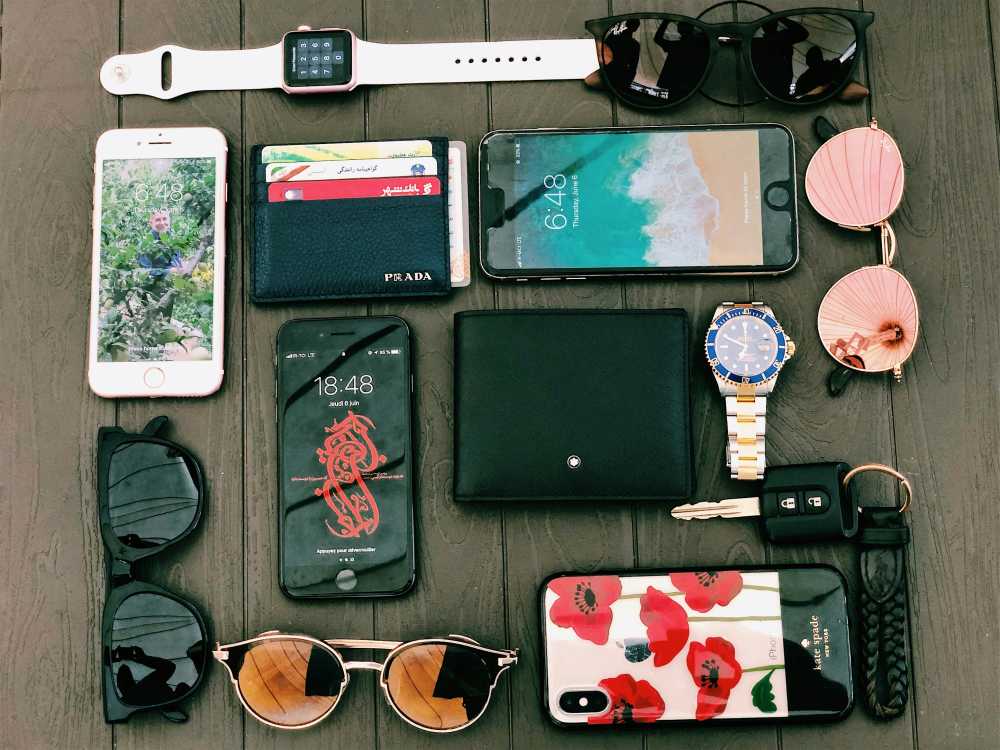
For those who see themselves as an Independent Adventurer, the thrill is in the planning and execution. Our digital travel planners and itinerary templates are perfect for the self-reliant traveler who wants expert-level organization without the constraints of a group tour.
For the Social Explorer who thrives on connection, choosing the right tour company matters most. A great small group tour can lead to lifelong friendships and unforgettable shared memories.
Top Solo Travel Holidays for Every Style
Once you’ve identified your travel style, you can choose a destination that plays to its strengths. The perfect location for a rugged independent trip may be a poor choice for a relaxing wellness retreat. Here are our top picks for 2026, categorized by the type of solo traveler you are.

For the Independent Adventurer
These destinations are celebrated for their world-class safety, excellent tourist infrastructure, and sheer joy of discovery, making them a paradise for those forging their own path.
Copenhagen, Denmark: Discover the meaning of hygge in this incredibly safe and bike-friendly capital. Effortless public transport, a friendly English-speaking populace, and a cozy cafe culture make it a dream for first-time solo travelers looking to explore with confidence.
Tokyo, Japan: A mesmerizing city that perfectly blends hyper-modern efficiency with ancient tradition. Japan's legendary safety record, unparalleled public transit, and the cultural acceptance of dining alone make it a uniquely stress-free environment for solo exploration.
Portland, Oregon, USA: With its vibrant food cart scene, quirky independent neighborhoods, and easily accessible nature, Portland offers a welcoming and low-key solo experience. It's a city built for wandering and spontaneous discovery.
For the Social Explorer
These destinations are global hubs for the world's best small group tour companies, offering epic landscapes and cultural experiences that are often richer when shared.
Costa Rica: The ultimate adventure playground. Join a group to zip-line through cloud forests, spot sloths and toucans, and learn to surf on volcanic sand beaches. The country's well-established eco-tourism circuit is perfectly suited for adventure holidays for singles and solo travelers.
Vietnam: A country of breathtaking beauty and profound history. A small group tour expertly handles the logistics of navigating between cities, leaving you free to immerse yourself in the culture, whether you're cycling through rice paddies or taking a cooking class in Hoi An.
Morocco: From the bustling souks of Marrakech to the vast silence of the Sahara Desert, Morocco offers an incredible diversity of experiences. A guided tour provides crucial cultural insight and logistical ease for a truly unforgettable journey.
For the Wellness Seeker
If your goal is to recharge, recenter, and return home renewed, these destinations are global epicenters for solo wellness retreats and profound self-care.
Sedona, Arizona, USA: Known for its stunning red rock landscapes and palpable spiritual energy, Sedona is packed with world-class spas, yoga studios, and wellness centers perfect for a restorative solo escape from the daily grind.
Bali, Indonesia: The undisputed global capital of yoga and wellness. Whether you're in Ubud for a dedicated yoga retreat or in a coastal town for surfing and meditation, Bali is an island designed for nourishing the mind, body, and soul.
Thailand: The "Land of Smiles" combines legendary hospitality with an affordable and accessible wellness scene. From luxury spa resorts to traditional Thai massage schools, it's an ideal place to focus entirely on your own well-being.
Your Action Plan for Solo Travel's Biggest Hurdles
Mastering the practical challenges is the final step to a successful trip. By addressing the biggest pain points head-on—cost, safety, and loneliness—you can move from planning to packing with total confidence.
How to Find Deals and Ditch the Single Supplement
The dreaded "single supplement" can make solo travel feel unfairly expensive. But the industry is adapting, and a savvy traveler can almost always find a way around it.
Hunt for Waivers: Many small group adventure travel companies (like Intrepid Travel and G Adventures) will waive the single supplement if you're willing to share a room with another solo traveler of the same gender—potentially cutting your accommodation costs in half and providing an instant travel companion.
Travel in the Shoulder Season: Traveling just outside of the peak months (e.g., September in Europe instead of July) can lead to massive savings on flights and accommodation while still offering great weather and fewer crowds.
Search Specifically: Use search terms like "no single supplement holidays" or "solo travel deals" to find companies and travel agents who specialize in this market.
Pro-Tip: Sign up for the email newsletters of solo-friendly tour companies. They often announce flash sales and last-minute deals on trips where they need to fill a final spot, offering incredible value for the flexible traveler.
Smart Strategies for Confident Exploration
Your personal safety matters most, and a few smart, proactive strategies can make all the difference, especially when determining the safest place for a woman to travel alone.
Share Your Itinerary: Before you leave, share a cloud document (like Google Docs) with your flight details, hotel reservations, and general itinerary with a trusted friend or family member back home. They'll appreciate the peace of mind.
Vet Your Neighborhoods: Before booking accommodation, use Google Street View to take a virtual walk around the block. Get a feel for the lighting, businesses, and overall vibe. Then, read recent reviews that specifically mention the area's safety at night.
Use Technology as a Safety Net: Apps like GeoSure provide neighborhood-level safety scores, while sharing your live location via Google Maps or WhatsApp with a contact at home provides an extra layer of security.
How to Meet People on the Road (If You Want To)
One of the great benefits of traveling alone is the freedom to be as social or as solitary as you wish. If and when you're in the mood to connect, it's easier than you think.
Join a Day Tour: A free walking tour or a local food tour is the number one hack for meeting people on your first day in a new city. It provides a natural, low-pressure group setting and an easy excuse to suggest grabbing lunch afterward.
Stay in Social Accommodations: Even if you prefer a private room, choosing a high-end hostel or a guesthouse with a welcoming common area, bar, or organized activities is a fantastic way to meet fellow travelers organically.
Leverage Pre-Trip Chats: Many tour companies now create private WhatsApp or Facebook groups for travelers before the trip begins. This allows you to "meet" your future travel companions and break the ice before you even leave home.
Pro-Tip: The easiest and most reliable conversation starter in any travel setting is simply, "Where are you from?" or "What's been your favorite thing you've seen here so far?" Every traveler loves to share their story.

Your Solo Travel Questions, Answered
Is it weird to go on holiday by yourself?
Absolutely not. It is a fulfilling, empowering, and increasingly celebrated experience that allows for total control over your trip. In today's world, choosing to travel solo is rightly seen as a sign of confidence and independence.
What is the best age for solo travel?
There is no "best age." Solo travel is embraced by all demographics, from younger generations who value experiences over possessions to a growing number of travelers on solo travel holidays for over 50s who are finally exploring their bucket-list destinations.
Are solo holidays more expensive?
They can be, but they don't have to be. While single occupancy rates can increase costs for independent travelers, the industry is rapidly adapting with more single rooms, waived supplements on tours, and deals specifically for individuals. With smart planning, solo travel is very affordable.
You now have a complete framework for making an informed and confident decision. You understand the rich spectrum of solo travel holidays, you have a tool to identify your personal travel style, and you have actionable strategies to plan a safe, affordable, and deeply rewarding adventure. The world isn't just for couples or families; it's for the curious, the brave, and the independent. It's for you.
Don't Miss Out! Subscribe for Exclusive Content
SubscribeComments 0
No comments yet
Be the first to share your experience!
Dont Miss Out! Subscribe for Exclusive Content
Ultimate USA Holidays Guide: Top Picks
FTC Affiliate Disclosure Essentials: Stay Compliant as a Travel Creator
Essential Affiliate Tools: From Tracking to Full Optimization
Booking.com Affiliate Program Review: Pros, Cons, and Earnings Potential
Decoding Affiliate Commission Rates: Benchmarks for Travel Creators