
7 Travel Insurance Red Flags to Spot Before You Buy

TrekGuider @trekguider
You’ve done it. You’ve booked the flights, reserved the hotel with the incredible view, and started daydreaming about the adventures that await. But amidst the excitement, a nagging thought creeps in: What if something goes wrong? A sudden illness, a cancelled flight, a lost bag—these are the travel gremlins that can turn a dream trip into a logistical and financial nightmare. You know you need travel insurance, but as you stare at policies, your eyes glaze over. It’s a dense jungle of jargon, fine print, and confusing clauses, and you’re terrified of making a costly mistake.
The truth is, not all travel insurance is created equal. A cheap policy can be worse than no policy at all, luring you in with a low price only to deny your claim with a hidden exclusion you never saw coming. This is more than just an inconvenience; a denied medical claim abroad can lead to financially crippling bills. But it doesn’t have to be this way. Consider this guide your consumer advocate, your secret decoder ring for the complex world of travel insurance. We’re here to provide the critical travel insurance tips you need to buy with confidence, ensuring your policy is a true safety net, not a tangled mess of loopholes. This is a vital piece of the puzzle we cover in our comprehensive guide to The Ultimate Guide to Travel Safety: A 2026 Playbook. Let’s pull back the curtain and expose the seven most critical red flags you must spot before you buy.

Red Flag #1: The Vague "Pre-Existing Medical Conditions" Clause
This is, without a doubt, the single most common landmine in any policy and the reason countless claims are denied. A "pre-existing condition" is generally any injury or illness for which you've had symptoms or received treatment before your policy's start date. The problem is that the definition and the "look-back" period can vary wildly.
A major red flag is an overly broad or unclear definition. Many basic policies will flat-out refuse to cover any claim that arises, directly or indirectly, from a pre-existing condition. This could be something as common as asthma, a managed heart condition, or even a recent knee injury. Furthermore, many travelers are shocked to discover that mental health conditions like anxiety or depression are frequently excluded under this clause.
What to look for:
A Clear "Look-Back Period": A good policy will specify the exact time frame it examines for pre-existing conditions (e.g., 60, 90, or 180 days before you bought the policy).
Waiver of Exclusion: Many comprehensive policies offer a "waiver for pre-existing medical conditions" if you purchase the plan within a short window (typically 14-21 days) of your initial trip deposit. This is an incredibly valuable benefit.
Coverage for "Stable" Conditions: Some policies will cover conditions that have been stable (no change in medication, no new symptoms) for the duration of the look-back period.
Pro-Tip: Honesty is the only policy. When getting a quote, you must declare all medical conditions. Failure to disclose a condition can give the insurer grounds to void your entire policy and deny any claim, even one completely unrelated to your non-disclosure.
Red Flag #2: The "Adventure & High-Risk Activities" Exclusion
That thrilling scuba dive in the Red Sea, the exhilarating ski trip down a black diamond run, or even a "tame" activity like hot-air ballooning might not be covered by a standard policy. Insurers create a list of activities they deem "high-risk," and if you get injured while participating, you're on your own. For any traveler whose itinerary is more ambitious than a stroll from the hotel to the pool, this is a five-alarm fire.
The list of excluded activities can be surprisingly long and sometimes illogical. It can include everything from bungee jumping and skydiving to motorcycle riding and even certain types of high-altitude trekking. If you're booking an excursion, the first thing you should do is check if that specific activity is covered. Never assume it is.
What to look for:
A Clearly Defined List: Scrutinize the policy document for a specific section on "Excluded Activities." If you can't find a clear list, that's a red flag in itself.
Optional "Adventure Sports" Rider: Reputable insurance providers will offer an optional add-on or a specific, higher-tiered plan that provides coverage for a wide range of adventure sports. It will cost more, but it’s non-negotiable if you plan to partake.
Check Specifics: Don't just see "scuba diving" is covered. Check the details. Does it cover you to a certain depth? Does it require a specific certification? The details are everything.
Red Flag #3: The "Government Travel Advisory" Loophole
In an unstable world, government travel advisories are a key tool for assessing risk. They can also become a loophole for insurers to deny claims. Most policies contain a clause that voids your coverage if you travel to a country or region for which your home government has issued a "Do Not Travel" or equivalent high-level warning before your departure.
Where this gets tricky is when an advisory is issued after you've booked your trip. While some policies will cover trip cancellation in this scenario, many will not provide any medical or evacuation coverage if you choose to go against the official advice. This red flag effectively shifts the entire financial risk of traveling to a potentially volatile destination onto your shoulders.
What to look for:
Specific Wording on Advisories: Look for the exact language the policy uses. Does it only exclude travel to destinations with a warning in place at the time of purchase, or does it also apply if a warning is issued later?
"Cancel for Any Reason" Upgrade: This is one of the best ways to protect yourself against last-minute travel advisory changes. More on this below.

Red Flag #4: The Blanket "Pandemic & Epidemic" Exclusion
In the wake of the COVID-19 pandemic, nearly every provider updated its policies to address communicable diseases. A major red flag is a policy with a broad, all-encompassing exclusion for any losses "due to, arising from, or in connection with any pandemic or epidemic."
This sweeping language could mean you have no coverage for a wide range of scenarios. It could mean you can't cancel if a new lockdown is imposed, if you're afraid to travel due to an outbreak, or even if you contract the illness yourself just before or during your trip.
What to look for:
Named Perils Coverage: Look for policies that, at a minimum, treat a specific disease (e.g., COVID-19) like any other illness. This means if you are medically diagnosed and can't travel, your trip cancellation should be covered. Likewise, your emergency medical expenses should be covered if you get sick on your trip.
Clarity on Quarantine Costs: The best policies today will explicitly state whether they cover the costs of a mandatory quarantine (e.g., extra hotel nights, food) if you test positive while abroad.
Red Flag #5: The "Named Perils Only" Cancellation Clause
Many travelers believe "trip cancellation coverage" means they can cancel for any reason and get their money back. This is a dangerous and costly misconception. Standard policies operate on a "named perils" basis, meaning they will only reimburse you for non-refundable costs if you cancel for one of the very specific, listed reasons in the policy document.
A red flag is a policy with a short and restrictive list. Common covered reasons include the unforeseen illness or death of the traveler or a close family member, a house fire, or being called for jury duty. Common reasons that are often not covered include changing your mind, a relationship breakup, or work conflicts. This means if you have to cancel because your pet-sitter backs out or your boss denies your vacation time at the last minute, you get nothing.
Red Flag #6: The Restrictive "Pregnancy & Childbirth" Limitation
Traveling while pregnant requires an extra layer of precaution, and your insurance policy needs to reflect that. A significant red flag is a policy that either completely excludes pregnancy or has highly restrictive limitations.
Many standard policies will not cover costs related to a normal, routine pregnancy. This means if you go into labor while on your trip, the costs of a routine childbirth and care for a healthy newborn will likely not be covered. Coverage for unforeseen complications is often only provided up to a certain stage of the pregnancy (e.g., 23 to 32 weeks), and many policies will not cover pregnancies that resulted from IVF.
What to look for:
A Clear Definition of "Complication": The policy should specify what it considers an unforeseen complication of pregnancy.
Stated Gestational Week Limit: Look for the exact week up to which coverage for complications is provided.
Coverage for Newborn Care: Check if the policy provides any coverage for the care of a newborn if they are born prematurely on the trip.

Your Pre-Trip Master Plan
Navigating insurance is just one piece of the pre-travel puzzle. To ensure you've covered every base—from passports and visas to packing and finances—a master checklist is your most powerful tool. Download our free, comprehensive checklist to make your preparation seamless.
Download Your Free International Travel Checklist Now!
Red Flag #7: The "Mental Health Conditions" Blind Spot
This is a frequently overlooked but critically important exclusion. Many travel insurance policies contain a specific clause that excludes any claims arising from "mental or nervous health disorders." This can include conditions like anxiety disorders, depression, dementia, and other psychiatric conditions.
This means if you have a panic attack and need to be hospitalized, or if you need to cancel your trip due to a severe depressive episode, your policy may offer no coverage. For the millions of people who manage mental health conditions, this is a glaring and dangerous gap in coverage.
What to look for:
Review the Exclusions List: Carefully read the general exclusions section for any mention of "mental," "nervous," or "psychological" disorders.
Specialized Policies: Some providers are beginning to offer more inclusive plans. You may need to seek out a specialty provider or a higher-end comprehensive plan that explicitly states it provides coverage for acute episodes of a pre-existing mental health condition.
Pro-Tip: Cancel For Any Reason (CFAR) is an optional upgrade that acts as your ultimate safety net against uncovered cancellation reasons. It typically reimburses 50-80% of your non-refundable costs. But be aware: you must purchase a CFAR add-on within a short window, usually 14-21 days, of your initial trip payment. Don't wait!
Travel Insurance FAQs
Spotting red flags is easier when you speak the language. Here are answers to common questions, providing some essential travel insurance tips for understanding policy jargon.
1. What's the real difference between primary and secondary medical coverage?
This determines the order of payment and how much work you have to do. A primary policy pays first. You file your claim directly with the travel insurer, which means less paperwork and faster reimbursement. Secondary coverage only pays after your other insurance (like your regular health plan) has paid its share. It requires you to file twice and is generally less convenient. For international travel, primary coverage is strongly recommended.
2. Is travel insurance worth it for a domestic trip?
Often, yes. While your regular health insurance will likely work in another state, it won't cover trip cancellation, interruption, or lost baggage. If you've prepaid for expensive flights and non-refundable hotels for a trip to a national park, for instance, trip insurance can protect that investment if you have to cancel for a covered reason.
3. When is the best time to buy travel insurance?
You should buy your policy as soon as you make your first non-refundable trip payment (like booking flights or a tour). This ensures you are covered for the longest possible period. More importantly, it's the only way to be eligible for time-sensitive benefits like the "pre-existing condition waiver" and the "Cancel for Any Reason" upgrade, which often must be purchased within 14-21 days of your initial deposit.

Travel with True Peace of Mind
Buying travel insurance isn’t just about ticking a box on your pre-trip to-do list. It’s about making an informed decision to purchase a strong financial safety net. By using these travel insurance tips to read a policy like a pro, you can confidently spot the red flags, avoid the worthless plans, and choose a policy that delivers on its promise. An investment in the right coverage—and in a comprehensive resource like our all-encompassing Travel Guide—is an investment in your own peace of mind. Now you can focus on the adventure ahead, knowing you’re protected no matter what the journey throws your way.
Meta Data Suggestions:
SEO Meta Title (59 characters): 7 Travel Insurance Red Flags to Spot Before You Buy
URL Slug: travel-insurance-red-flags
SEO Meta Description (154 characters): Don't get burned by bad travel insurance. Learn the 7 critical red flags to spot in any policy with these essential travel insurance tips before you buy.
Don't Miss Out! Subscribe for Exclusive Content
Subscribe



Comments 0
No comments yet
Be the first to share your experience!
Dont Miss Out! Subscribe for Exclusive Content

Ultimate USA Holidays Guide: Top Picks


FTC Affiliate Disclosure Essentials: Stay Compliant as a Travel Creator

Essential Affiliate Tools: From Tracking to Full Optimization

Booking.com Affiliate Program Review: Pros, Cons, and Earnings Potential

Decoding Affiliate Commission Rates: Benchmarks for Travel Creators

Top 11 High-Paying Affiliate Programs for Travel Bloggers
The 7 Solo Female Travel Safety Rules You Can't Ignore
TrekGuider @trekguider
You feel the magnetic pull of the world, a deep-seated desire to explore ancient cities, wander through breathtaking landscapes, and discover it all on your own terms. The dream of solo travel is vibrant and powerful. But for so many women, that dream is shadowed by a persistent and paralyzing question: "But will I be safe?"
This isn't just a fleeting thought; it's a formidable barrier. It’s a shared, valid concern that echoes across the travel community. A staggering 66% of women who travel solo report worrying about their personal safety, and for the 59% of women who have yet to start their first independent journey, these concerns are the second-largest obstacle holding them back. The fear is real, and it is robbing you of what could be the most transformative experience of your life. But what if you could systematically dismantle that fear, replacing it with an unshakable foundation of competence?

This guide is your tactical blueprint to do exactly that. We are moving beyond vague reassurances and diving into the essential, non-negotiable rules of solo female travel safety. This isn't about seeing the world through a lens of paranoia; it's about equipping yourself with the knowledge to navigate it intelligently. For a complete overview of the journey, start with our comprehensive pillar guide, The Ultimate Guide to Solo Female Travel (15 Essential Tips). These seven rules, however, are the bedrock—the field-tested strategies that will transform you from a worrier into a prepared and confident global explorer.
Rule 1: Build a "Lifeline Home" Before You Leave
The single most important phase of your safety strategy happens before you ever pack a bag. Creating a strong communication and information bridge between you and a trusted emergency contact back home is non-negotiable. This "mission control" is your ultimate safety net, ensuring that if you are ever unreachable, someone you trust has every critical detail needed to help.
Your "lifeline" packet should be a comprehensive dossier containing both physical and digital copies of the following, based on recommendations from the U.S. Department of State:
A Complete Itinerary: Detail your trip on a day-by-day basis, including flight numbers, train schedules, and the names, addresses, and phone numbers of all booked accommodations.
Copies of All Important Documents: Include the photo page of your passport, any necessary visas, your driver's license, and a full copy of your travel insurance policy, complete with the policy number and the 24/7 emergency assistance phone number.
Financial Information: Provide photocopies of the front and back of every credit and debit card you are carrying. The international toll-free numbers on the back are essential for canceling them if they are lost or stolen.
A Pre-Arranged Communication Plan: Establish a clear plan for when you will check in (e.g., a quick text upon arrival in a new city). Crucially, agree on a protocol for what your contact should do if you miss a check-in (e.g., wait 12 hours, then contact your hotel, then contact the nearest embassy).

Pro-Tip: The single most effective safety action you can take in under five minutes is to enroll your trip with the U.S. Department of State’s free Smart Traveler Enrollment Program (STEP). This provides the nearest U.S. Embassy or Consulate with your itinerary, creating a three-way digital bridge connecting you, your emergency contact, and the State Department for a coordinated response in a worst-case scenario.
Rule 2: Master Your Sanctuary with an Unbreakable Arrival Protocol
Think of your accommodation as more than just a place to sleep. It’s your secure base of operations, your private sanctuary to rest and recharge. Ensuring its integrity from the moment you arrive is a critical habit that provides profound peace of mind. Adopt this methodical security check and perform it automatically every single time you enter a new room.
Prop the Door Open. Before you fully enter, use your main piece of luggage to prop the door open. This simple action prevents the door from closing and locking behind you, guaranteeing an immediate escape route should the room not be empty.
Conduct a Full Room Sweep. With the door still open, perform a quick but thorough physical search. Check under the bed, behind all curtains, inside closets, and in the bathroom, including behind the shower curtain.
Verify All Locks. Once the room is confirmed to be empty, close the door and immediately test all locking mechanisms. Engage the deadbolt, chain lock, or security latch. Go to every window and any balcony doors to ensure they lock securely.
Deploy Your Personal Security. Your own devices provide a layer of protection entirely within your control. Immediately place a rubber wedge doorstop alarm under the main door or install a portable door lock like an Addalock. These inexpensive, lightweight devices are highly effective at preventing unauthorized entry, even from someone with a key card.
Locate and Map Emergency Exits. Find the fire exit map on the back of the door. Identify the two nearest exits, then physically walk the route to each one, counting the doors you pass. This mental map is invaluable for navigating in darkness or smoke.
Perform a Hidden Camera Scan. In an age of miniaturized electronics, a quick scan for hidden cameras is a prudent measure. Use your phone's flashlight to look for the tell-tale glint of a tiny lens in unexpected places like smoke detectors, alarm clocks, and USB wall chargers. In the dark, use your phone's front-facing camera (which is more sensitive to infrared light) to scan the space. Look for the small, often blinking, IR lights used by night-vision cameras that are invisible to the naked eye.
Adopt a "Verify, Then Open" Door Policy. Make it your strict policy to never open your door to an unsolicited knock. If someone claims to be from housekeeping, call the front desk using the room phone to verify they sent a staff member to your room.

YOUR ULTIMATE SAFETY TOOLKIT
Mastering your environment is the first step to confident travel. True preparedness means having the right tools for every situation. Our free, downloadable Solo Female Travel Safety Guide is the perfect companion to these rules. It's a comprehensive checklist and resource guide covering everything from what to pack to what to do in an emergency.
Rule 3: Take Absolute Control of Your Ground Transportation
Moving through an unfamiliar city can be a point of high vulnerability. Whether you’re using a ride-sharing app or a local taxi, you must shift from being a passive passenger to an active participant in your own safety. Adhere to this strict set of protocols for every single ride.
The "Match, Name, Share" Protocol for Ride-Shares
Match: Before you get in, carefully match the vehicle's make, model, and license plate number with the information in the app. Check that the driver's appearance matches their profile photo. If anything is off, do not get in the car.
Name: This is a critical verification step. Do not approach a vehicle and ask, "Are you here for Jane?" This gives a potential imposter the information they need. Instead, from a safe position on the curb, ask the driver, "Who are you here for?" A legitimate driver will be able to state your name correctly.
Share: Before your ride begins, use the app's built-in "Share Trip Status" feature. This sends a live map of your journey to a trusted contact, allowing them to track your progress in real-time.
Universal Rules for Every Ride
The Backseat Protocol: As a solo traveler, always sit in the back seat on the side opposite the driver. This creates crucial physical distance and gives you access to two separate exits.
The Route Protocol: Keep your own mapping application, like Google Maps, open on your phone throughout the journey. If the driver takes a significant, unexplained detour, you are empowered to question it. If the response makes you uncomfortable, end the ride in a safe, well-lit public area.

Rule 4: Create Layers of Personal and Digital Security
Your solo female travel safety strategy should be built on layers and redundancy. This means pairing smart practices with an effective toolkit of personal security devices and ensuring your digital lifelines are always active.
Your Personal Security Toolkit
Personal Safety Alarm: This is arguably the most valuable device for a solo traveler. An alarm like the She's Birdie emits an extremely loud siren (130+ decibels) and a flashing strobe light to startle an attacker and attract immediate attention. They are small, legal everywhere, and attach to a keychain for instant access.
Anti-Theft Bag: Invest in a bag with features like RFID-blocking pockets (to protect from electronic skimming), slash-proof fabric, and lockable zippers. A crossbody style worn in front of your body offers the most security.
Portable Door Lock / Alarm: As mentioned in Rule 2, carrying your own lock gives you absolute control over the security of your room, ensuring your sanctuary remains impenetrable.

Your Digital Security Layer
Your phone is your map, translator, and lifeline. A solar-powered power bank adds a critical layer of resilience to a standard one, ensuring you can maintain a charge even during power outages or on multi-day treks.
Rule 5: Project Confidence and Practice Proactive Situational Awareness
How you carry yourself has a profound impact on how you are perceived. Projecting confidence—even when you're feeling uncertain—is a powerful deterrent. Walk with purpose, keep your head up, and make brief eye contact. This signals that you are aware of your surroundings, not an easy target.
This confidence is fueled by situational awareness. It's not about being paranoid; it's about being present.
Understand the Local Landscape: Before arriving, research common tourist scams. A 2024 report noted that 29% of solo female travelers had experienced a theft or attempted scam. Knowing the playbook for ploys like the "friendship bracelet" or "spilled drink" allows you to disengage before you become a victim.
Trust Your Intuition: Your intuition is your most finely tuned security equipment. If a person, place, or situation feels "off," it probably is. You do not need a logical reason. Honor it. Cross the street, leave the bar, get in a different train car. Acting on your intuition is not rude; it is intelligent.
Manage Your Inputs: Be mindful of your alcohol consumption. Your awareness is your primary defense, and anything that dulls it increases your vulnerability.

Rule 6: Embrace That Safety Anxiety Decreases with Experience
It's crucial to understand the psychology of solo travel fear. The data reveals a powerful truth: the act of traveling solo is the most effective antidote to the fear of it.
Among women who have taken fewer than six solo trips, 77% report worrying about safety. That number drops dramatically to just 55% for those who have traveled solo more than ten times. This establishes a direct, negative correlation between experience and anxiety.
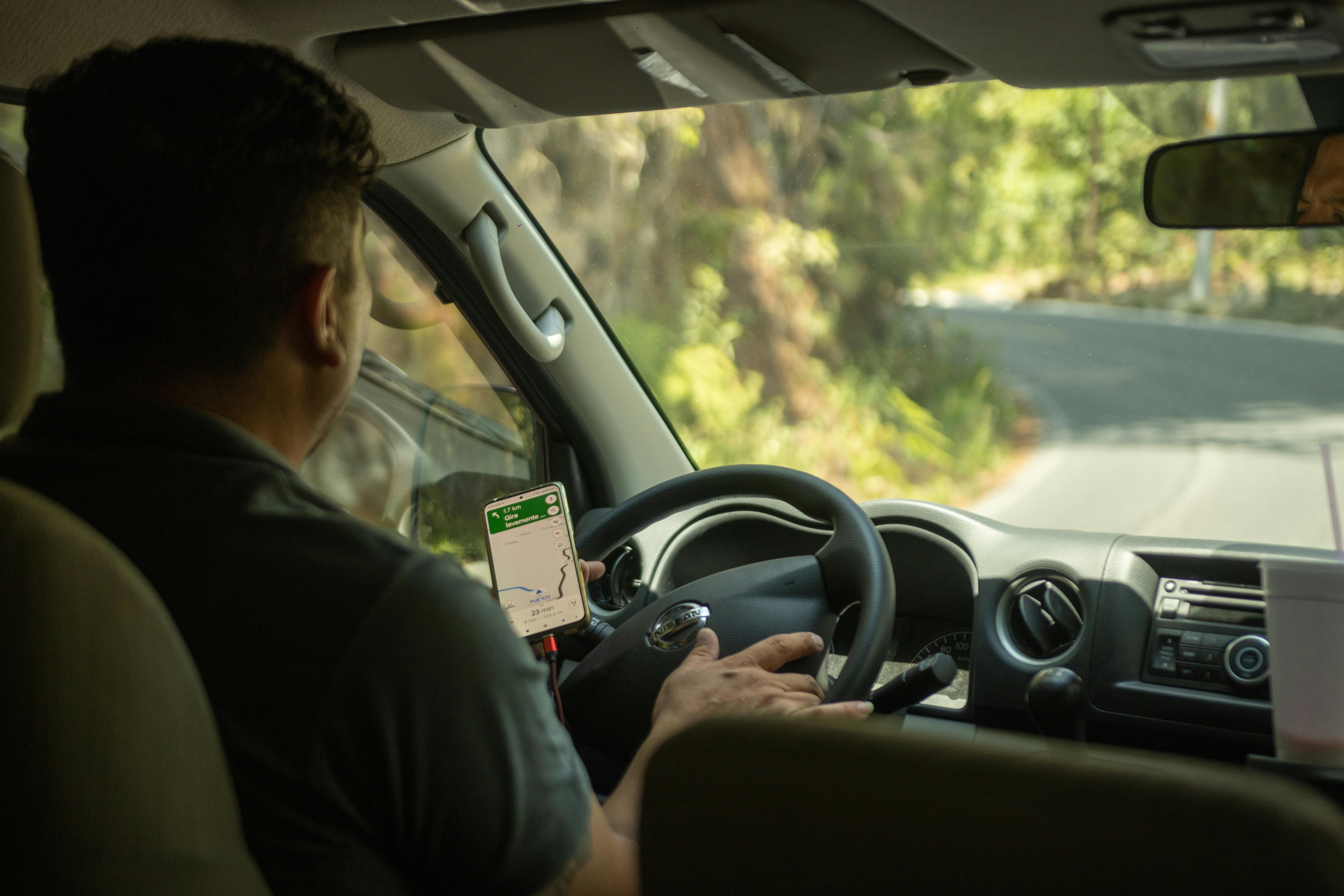
Every time you successfully navigate a new city and overcome a challenge, you are collecting real-world evidence of your own competence. This direct experience systematically replaces abstract, media-fueled fear with managed, situational awareness. You learn that while vigilance is essential, you are far more capable than you imagined. The goal of your first trip is to break this cycle of fear and begin the empowering loop of experience.
Rule 7: Never Outsource Your Safety to Chance—The Travel Insurance Mandate
For a solo traveler, travel insurance isn't an optional add-on; it is a foundational pillar of your financial security. A cheap policy is not a good deal if it doesn't have the right coverage. When evaluating policies, ensure the plan includes strong coverage in these key areas:
Emergency Medical Coverage: A policy should offer a minimum of $250,000 in benefits.
Emergency Medical Evacuation: This covers the potentially astronomical cost of transporting you to a hospital with adequate facilities or back home.
Emergency Medical Reunion (Companion Coverage): This is vital for solo travelers. If you are hospitalized, this coverage pays for a family member's transportation and accommodation to be at your bedside, providing invaluable logistical and emotional support.
Trip Interruption and Cancellation: This reimburses your non-refundable trip costs if you have to cancel or cut your trip short for a covered reason.
Frequently Asked Questions About Solo Female Travel Safety
What's the single most important safety device I should buy?
A personal safety alarm. While a doorstop and anti-theft bag are excellent, a loud, attention-grabbing alarm is the most versatile tool for deterring a potential threat in any public situation, day or night.
I'm nervous about nightlife. Should I just avoid going out after dark?
Not at all! The key is to be strategic. Have your transportation planned in advance—know exactly how you're getting home. Nurse your drink and never leave it unattended. Stick to well-lit, reputable areas and consider starting with a structured activity, like a group tour or a show, rather than just wandering.
How do I handle street harassment without escalating the situation?
The most effective strategy is confident disengagement. Do not respond or make prolonged eye contact. Project purpose and keep walking. In many cases, a reaction is what the harasser is seeking. If you feel you are being followed, walk into a busy, open shop or restaurant immediately.
Are group tours a good option for a safety-conscious first-timer?
Absolutely. An estimated 75% of women who have never traveled alone would be more likely to do so on a group tour. They provide a "scaffolded" entry into the world of solo travel. You can find tours vetted and reviewed by other solo female travelers on platforms like TrekGuider, which is a great way to build foundational confidence.

Your Journey to Confident Exploration Starts Now
The narrative around solo female travel safety is too often dominated by fear. But the data tells a different, more empowering story of capability and resilience. These seven rules are your framework—a practical system for managing risk and moving through the world with intelligent confidence. By internalizing these strategies, you build a foundation of competence from which you can freely and bravely explore.
Now that you have the safety blueprint, the truly exciting part can begin. Explore our collection of expert-written Travel Guide resources to find your perfect destination, and remember to download the essential Solo Female Travel Safety Guide. The world is waiting for you to discover it—and yourself.
Meta Data Suggestions:
SEO Meta Title (59 characters): The 7 Essential Solo Female Travel Safety Rules for 2026
URL Slug: solo-female-travel-safety-rules
SEO Meta Description (154 characters): From accommodation security to transport protocols, these 7 non-negotiable solo female travel safety rules will empower you to explore the world with confidence.
Don't Miss Out! Subscribe for Exclusive Content
SubscribeComments 0
No comments yet
Be the first to share your experience!
Dont Miss Out! Subscribe for Exclusive Content

How to Avoid Travel Scams: A Global Guide

Is Public WiFi Safe? How to Protect Your Data Abroad

A Woman's Guide to Safe Travel: 10 Critical Tips

7 Hotel Safety & Security Tips for Peace of Mind

9 Beach Safety Tips That Could Save Your Life

How to Stay Safe While Hiking: A Hiker's Safety Guide
Travel Insurance Guide: Avoid Mistakes & Travel Worry-Free
TrekGuider @trekguider
You’ve spent weeks, maybe even months, planning the perfect getaway. You’ve booked the flights, reserved the hotel, and your itinerary is a masterpiece of exploration and relaxation. But there’s one final task that feels more like a chore than an exciting step: buying travel insurance. The whole process is a minefield of confusing jargon, endless fine print, and the nagging fear that you’re either overpaying for coverage you don’t need or, worse, buying a worthless policy that will abandon you when you need it most. This is where our guide to choosing travel insurance comes in.

This isn't just a minor administrative headache; it's a high-stakes decision. A sudden illness in a foreign country can lead to six-figure medical bills that your domestic health plan won't cover. A last-minute trip cancellation could mean losing thousands of dollars in non-refundable deposits. Relying on the "free" insurance from your credit card often leaves critical gaps in coverage, especially for medical emergencies. The anxiety is real because the horror stories of denied claims are everywhere, leaving travelers financially and emotionally stranded. For any traveler, this financial safety net is non-negotiable, forming a core part of the playbook we lay out in our ultimate .
It’s time to trade that anxiety for absolute confidence. This guide will demystify the entire process. We will translate the arcane language of insurance into simple, actionable advice. We’ll provide you with a powerful, step-by-step framework to help you analyze your needs, compare policies like a pro, and identify the red flags that most people miss. By the end of this article, you won't just buy a travel insurance policy; you will strategically select the perfect coverage that empowers you to travel with true, unshakeable peace of mind.
Why Travel Insurance is Your Trip's Most Important Investment
Let's reframe the conversation. Travel insurance isn't an annoying expense; it is the foundational investment that protects the value of every other dollar you've spent on your trip. This isn't a niche product anymore; American travelers spent a staggering $5.56 billion on travel protection in 2024, a 46% increase from pre-pandemic levels, signaling a major shift in how we prepare for travel.
The cost of a strong policy typically falls between 5% and 10% of your total non-refundable trip costs. So, for a $4,000 vacation, you might pay between $200 and $400 for a policy.
Now, weigh that against the potential for catastrophic financial loss:
Medical Emergencies Abroad: An unexpected hospital stay in many countries can easily exceed $50,000. One uninsured traveler faced a $130,000 bill for a coronary bypass in the U.S.
Medical Evacuation: If you're injured in a remote location and need to be transported to a modern hospital or flown back home, the bill for an air ambulance can soar past $100,000.

Here's a hard truth every American traveler must understand: your domestic health insurance, including Medicare, becomes virtually useless the moment you cross the border. This makes dedicated travel medical insurance an absolute necessity for international journeys. Viewing your premium as the "price of certainty" is the first step. The next is understanding exactly what that certainty buys you.
The 6 Core Types of Coverage You Need to Understand
A comprehensive policy is a bundle of different coverages. Understanding what each piece does is the first step in choosing the right plan. Here’s a breakdown of the essential components.
1. Trip Cancellation
This is your primary defense against losing your prepaid, non-refundable deposits. It reimburses you if you have to cancel your trip before you leave for a covered reason, like a sudden illness, a family emergency, or severe weather making your destination inaccessible.
Recommended Minimum: 100% of all your prepaid, non-refundable trip costs.
Who Needs It Most: Any traveler with significant upfront financial commitments, such as those who have booked organized tours, cruises, or non-refundable flights and accommodations.
2. Trip Interruption
This coverage kicks in after your trip has already started. If you have to cut your trip short and return home early due to a covered reason, it reimburses you for the unused portion of your trip and can cover the often-exorbitant cost of a last-minute flight home.
Recommended Minimum: 125% to 150% of your trip cost. The extra percentage is crucial for covering those expensive last-minute travel arrangements.
Who Needs It Most: Individuals on long, multi-stop, or particularly expensive journeys where ending the trip early would mean a massive financial loss.
3. Emergency Medical Expense
This is the most critical component for international travel. It covers your bills for medical treatment, hospital stays, and doctor’s services for an illness or injury that occurs during your trip.
Recommended Minimum: At least $50,000 for general international travel. Increase this to $100,000 for cruises or travel to remote destinations.
Who Needs It Most: All international travelers. This is non-negotiable.
4. Emergency Medical Evacuation & Repatriation
This covers the immense cost of transporting you to the nearest adequate medical facility or, if deemed medically necessary, all the way back to your home country. This is a separate benefit from your Emergency Medical coverage and is absolutely vital.
Recommended Minimum: At least $250,000. An air ambulance is incredibly expensive, and being underinsured here could be financially devastating.
Who Needs It Most: Travelers visiting remote or undeveloped areas, participating in adventure sports, or going on cruises where they may be far from high-quality medical facilities.
5. Baggage & Personal Effects / Baggage Delay
This provides two distinct benefits. Baggage & Personal Effects coverage reimburses you if your luggage is lost, stolen, or damaged. Baggage Delay coverage gives you a stipend to buy essential items like clothes and toiletries if your checked bags are delayed by the airline for a certain period (e.g., 6-12 hours).
Recommended Minimum: Check the per-item sub-limits. Coverage for expensive electronics or jewelry is often capped at a low amount like $250-$500.
Who Needs It Most: Travelers with multiple flight connections or those carrying essential or expensive equipment.
6. "Cancel For Any Reason" (CFAR) Upgrade
CFAR is the ultimate flexibility upgrade. It’s an optional add-on that lets you cancel your trip for any reason whatsoever—even reasons not covered by a standard policy, like a work conflict or simply changing your mind—and get a significant portion of your non-refundable costs back, typically 50% to 75%.
Who Needs It Most: Travelers with very expensive or complex trips, those with unpredictable personal situations, or anyone who desires the maximum possible protection against losing their travel investment.

Pro-Tip: "Cancel For Any Reason" coverage is extremely time-sensitive. You must purchase this add-on within a short window, usually 7 to 21 days, of making your very first trip payment or deposit. If you miss this window, the option is gone.
Your 5-Step Playbook for Choosing the Perfect Policy

Don't just pick the cheapest plan. Follow this strategic process to ensure the policy you buy is perfectly aligned with your trip and your needs.
Calculate Your Total Financial Risk.
Before you do anything else, open a spreadsheet and tally up every single prepaid, non-refundable expense for your trip. This includes flights, cruise payments, tour deposits, non-refundable hotel stays, and event tickets. The final number is your total trip cost, and it dictates the minimum amount of Trip Cancellation coverage you need.
Assess Your Personal Risk Profile.
Next, look beyond the numbers and evaluate your unique circumstances.
Health: Do you, a traveling companion, or a close family member at home have a pre-existing health condition that could flare up?
Destination: Are you traveling to a remote area with limited medical infrastructure where an evacuation might be necessary?
Activities: Will you be skiing, scuba diving, or mountain climbing? These often require special coverage.
Use Comparison Sites to Shortlist, Not to Buy.
Online aggregator sites like Squaremouth and InsureMyTrip are fantastic tools for the initial research phase. You can enter your trip details and get dozens of quotes from different providers in a side-by-side format. Use these sites to identify a shortlist of two or three well-priced plans from reputable companies that appear to meet your top-level needs (e.g., $100,000 in medical coverage).
Scrutinize the Actual Policy Document.
This is the most important step. For each policy on your shortlist, download the full "Certificate of Insurance" or "Policy Wording." This is the legal contract. Ignore the marketing brochures and summary pages. You are on a mission to find the definitions, limitations, and, most importantly, the exclusions. This is where you’ll discover if that "adventure activity" you've planned is actually covered.
Call the Provider Before You Buy.
The final step is to get on the phone with a licensed agent from the insurance company. Your goal is to get verbal confirmation on your most critical questions.
"My itinerary includes skiing in the Alps. Can you confirm that this policy provides full medical and evacuation coverage for injuries sustained while skiing?"
"Can you explain the 'look-back period' for pre-existing conditions and the exact requirements to get the waiver?"
"If I have a medical emergency, what is the exact procedure? Do I need to call you for pre-authorization before I go to a hospital?"
Red Flags and Fine Print: A Savvy Traveler's Guide to Choosing Travel Insurance

A policy is defined as much by what it excludes as what it covers. Be on the lookout for these common traps that lead to denied claims.
Pre-Existing Medical Conditions
This is a leading cause of claim denials. A pre-existing condition is any ailment you received treatment or medical advice for during a "look-back period" (usually 60-180 days) before buying your policy. To cover these conditions, you need a "pre-existing medical condition exclusion waiver." As mentioned, this is time-sensitive and typically requires you to buy your policy within a week or two of your initial trip deposit.
Adventure Sports & High-Risk Activities
Standard policies often exclude activities they deem "hazardous." This can include everything from bungee jumping to scuba diving. If you plan on doing anything more adventurous than swimming, you must either find a policy that specifically covers it or purchase an adventure sports add-on.
U.S. State Department Advisories
This is a critical, often-overlooked exclusion. Insurance companies monitor official government travel advisories.
WARNING: Most policies will provide ZERO coverage if you travel to a country that is under a "Level 4: Do Not Travel" advisory from the U.S. State Department. Your entire policy could be voided. Always check the official State Department website before booking and before departing.
Mental Health, Pandemics, and "Fear of Travel"
Standard trip cancellation does not cover changing your mind. Canceling a trip due to anxiety, fear of a pandemic, or other mental health concerns is generally not a covered reason. This is a scenario where only a "Cancel For Any Reason" (CFAR) policy would provide reimbursement.
Pro-Tip: When dealing with a claim, especially for a delay, get everything in writing. If a flight is canceled, don't just accept a verbal reason. Go to the airline desk and get a printed statement detailing the official cause of the cancellation. This piece of paper can be the difference between a paid claim and a denial.
Is Your Credit Card's "Free" Travel Insurance Good Enough?
Many premium travel credit cards, like the Chase Sapphire Reserve or The Platinum Card from American Express, advertise travel insurance as a key benefit. But this "free" coverage has significant gaps and should be seen as a supplement, not a substitute for a real policy.
The Pros: Credit card coverage is often decent for things like trip delays, baggage delays, and rental car damage waivers.
The Critical Gaps:
Emergency Medical Coverage: This is the biggest weakness. Most cards offer little to no emergency medical coverage.
Emergency Evacuation: This is almost never included, leaving you exposed to a massive financial risk.
Low Cancellation Limits: The trip cancellation benefit is often capped at a level (e.g., $10,000 per trip) that may be insufficient for more expensive journeys.
Secondary vs. Primary Coverage: Much of the coverage is "secondary," meaning you have to file with any other insurance you have first, creating a complicated and lengthy claims process. A standalone policy provides "primary" coverage that pays first.
The Verdict: For any international trip, or any domestic trip with significant non-refundable costs, a dedicated, comprehensive policy with high primary medical and evacuation limits is the only prudent choice.
Choosing travel insurance is not a gamble; it is a strategic act of preparation that transforms hope into confidence. In today's world, a proactive approach to risk management is the key to true peace of mind. You are now armed with the knowledge to decode policy language, identify critical exclusions, and follow a proven framework for selecting the right coverage. By using this guide to choosing travel insurance, you can move forward with your planning, fully empowered and secure in the knowledge that you have a strong financial safety net in place. Your investment, your health, and your adventure are protected.
Read the full guide: Anxious to Adventurous: The Ultimate Guide to Solo Travel Confidence
Don't Miss Out! Subscribe for Exclusive Content
SubscribeComments 0
No comments yet
Be the first to share your experience!
Dont Miss Out! Subscribe for Exclusive Content
Ultimate USA Holidays Guide: Top Picks
FTC Affiliate Disclosure Essentials: Stay Compliant as a Travel Creator
Essential Affiliate Tools: From Tracking to Full Optimization
Booking.com Affiliate Program Review: Pros, Cons, and Earnings Potential
Decoding Affiliate Commission Rates: Benchmarks for Travel Creators
