
Cinco de Mayo NOLA: Festive Twists

TrekGuider @trekguider
You’ve seen the flyers and the two-for-one drink specials. When May 5th appears on the calendar, it seems every bar in the country suddenly becomes a Mexican cantina, slinging salty margaritas and generic tacos. You’re searching for a way to celebrate Cinco de Mayo in America, but you’re tired of the commercialized cliché. You want an experience with soul—a celebration that feels authentic, vibrant, and deeply connected to a sense of place.
The endless sea of plastic sombreros and pre-made margarita mix leaves you feeling hollow, completely disconnected from the holiday's true spirit. You know there’s a richer story to be told, a more meaningful way to engage with Mexican-American culture, but the typical party scene always falls flat. You want to trade the crowded, noisy bar for a genuine cultural fiesta, one that blends history with a modern, electric energy. You’re missing out on a celebration as complex and flavorful as the city that hosts it, a unique event that stands apart from all others.
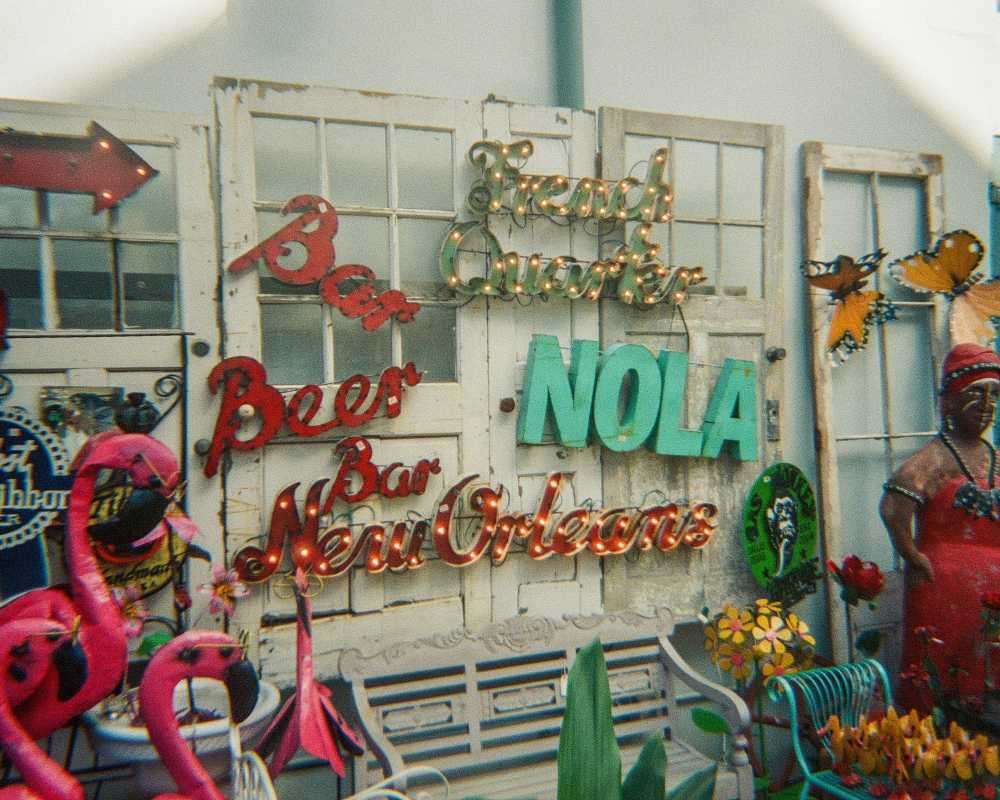
The solution lies in a city that has mastered the art of cultural fusion: New Orleans. Here, Cinco de Mayo sheds its one-dimensional party persona and transforms into a dynamic, multi-layered celebration with a distinctly Creole accent. It’s a holiday that reflects the city’s own history of blending traditions to create something entirely new and unforgettable. This guide is your key to unlocking the festive twists of a New Orleans Cinco de Mayo, an essential stop on the city’s vibrant calendar that we explore in our definitive guide to New Orleans Holidays: Cultural Feasts. Get ready to discover a celebration where mariachi rhythms dance with jazz notes and traditional Pueblan flavors are served with a side of Southern hospitality.
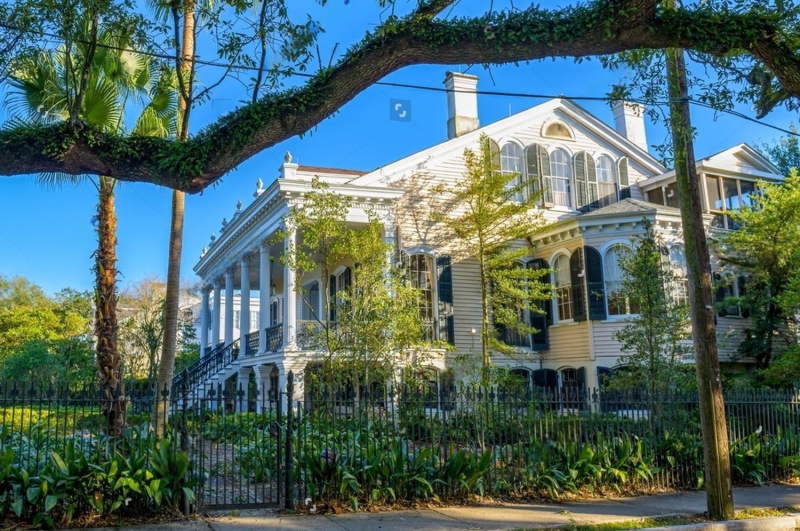
Understanding the Real Cinco de Mayo: Beyond the Bar Specials
Before you can appreciate the NOLA spin, you need to grasp what Cinco de Mayo truly represents. It is not, as is commonly mistaken, Mexico's Independence Day (that's September 16th). The holiday has a specific and powerful origin story. It commemorates the Mexican Army's improbable victory over the far better-equipped French forces at the Battle of Puebla on May 5, 1862. While a significant morale boost, it wasn't a war-winning event.
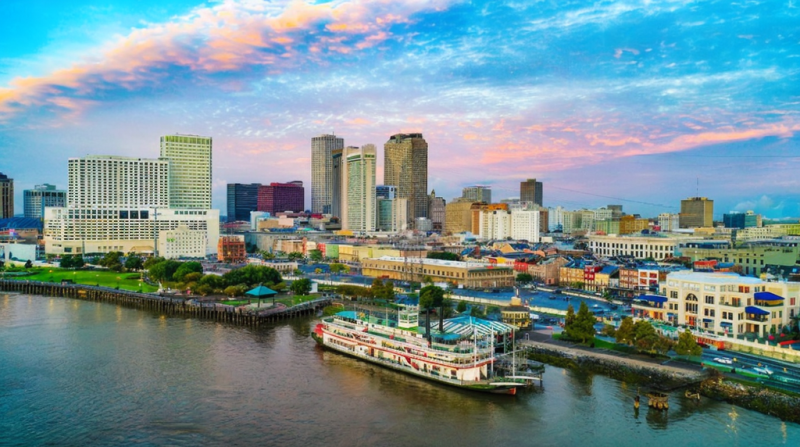
Its adoption as a major holiday happened largely in the United States, where Mexican-Americans in the 1860s used it as a symbol of resistance, a tradition later amplified by the Chicano Movement. That history is precisely why Cinco de Mayo in America evolved not as a military anniversary, but as a powerful and vibrant affirmation of cultural identity. For travelers inspired to trace this incredible history back to its source and explore the rich mix of the country, our comprehensive Mexico travel guide is the ultimate resource for planning an authentic journey. Understanding this background transforms the experience, allowing you to see past the party and appreciate the deep cultural significance behind the festivities.
The NOLA Twist: How Creole Culture Meets Mexican Heritage
New Orleans doesn’t just host events; it absorbs them, infuses them with its own unique cultural DNA, and presents them with a theatrical flair you won't find anywhere else. The city is a rich gumbo of French, Spanish, African, and Caribbean influences, creating a Creole culture that is inherently skilled at adaptation and fusion. This is the secret ingredient that makes Cinco de Mayo in New Orleans so extraordinary.
The celebration here is not a simple transplant of Mexican traditions but a creative dialogue between two passionate cultures. Here’s how the NOLA twist comes to life:
Culinary Alchemy: New Orleans chefs are masters of remixing flavors. On Cinco de Mayo, you’ll find menus boasting crawfish enchiladas with a spicy étouffée sauce, alligator tacos drizzled with Creole remoulade, and bread pudding with a decadent dulce de leche swirl. It’s a culinary conversation where Mexican staples are reimagined with iconic Louisiana ingredients.
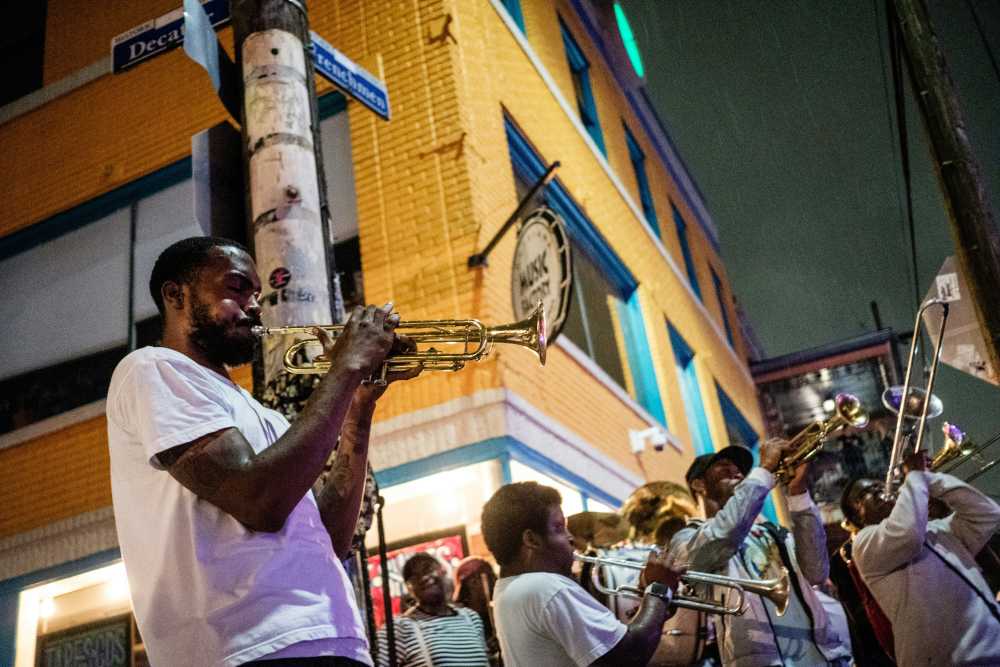
Musical Mashups: Don’t be surprised to hear a brass band break into a funky rendition of "La Bamba" or a local jazz trio improvising over a mariachi standard. Music is the city's lifeblood, and on May 5th, the sounds of Mexico blend seamlessly with the rhythms of the Crescent City, creating spontaneous and joyous street performances that feel both familiar and thrillingly new.
Community-Centric Celebrations: While other cities focus on massive, impersonal festivals, New Orleans excels at the neighborhood level. The celebrations here are often intimate block parties, courtyard gatherings, and food-focused festivals that feel more like a family reunion than a commercial event. This aligns with the city’s deep-seated emphasis on community and shared experience.
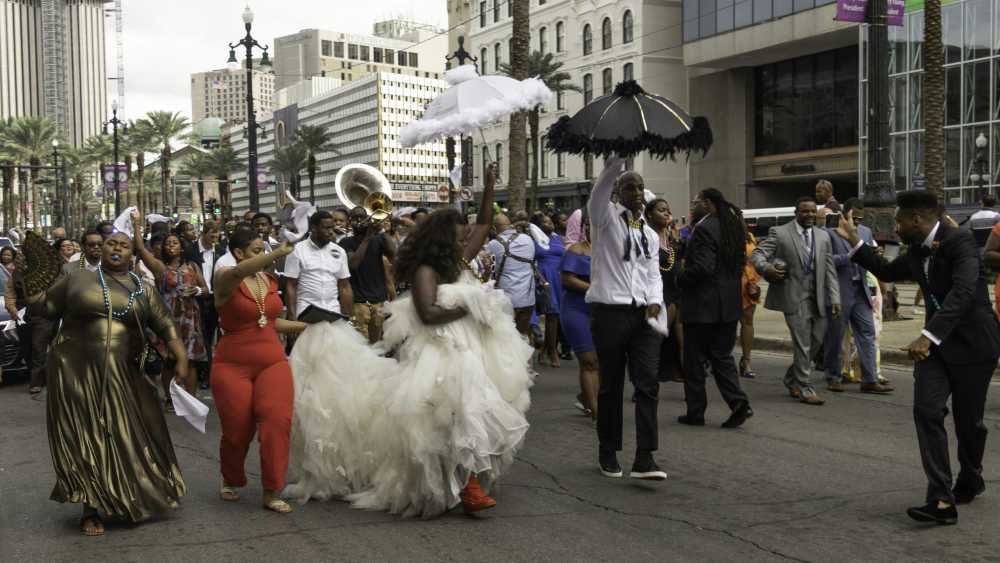
This effortless blending of heritage is what makes the city’s take on Cinco de Mayo in America a truly singular experience, turning a national holiday into a distinctly local affair.
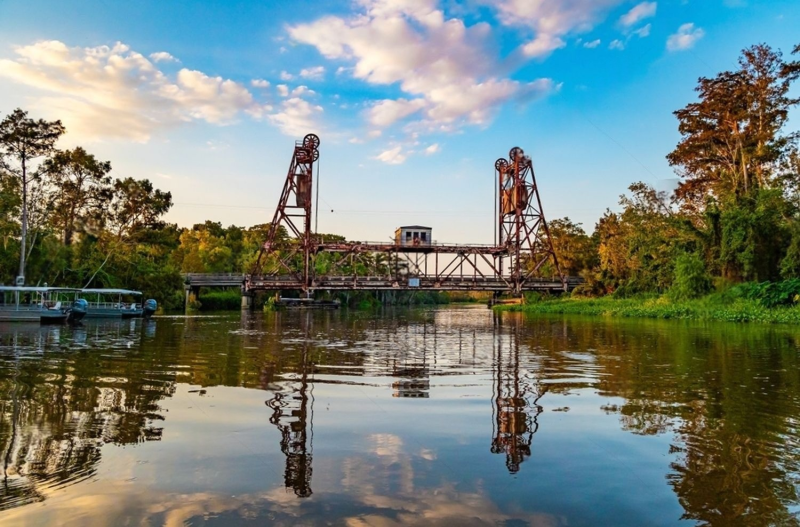
Where to Find the Fiesta: A Neighborhood-by-Neighborhood Guide
To truly experience the festive twists of a New Orleans Cinco de Mayo, you need to know where to look. The city’s celebrations are spread across its diverse neighborhoods, each offering a different vibe and flavor.
The Warehouse District: Upscale Fiestas and Craft Cocktails
Known for its sophisticated art galleries, world-class museums, and upscale restaurants, the Warehouse District offers a more polished Cinco de Mayo. Here, renowned chefs craft special prix-fixe menus that elevate traditional Mexican dishes with gourmet ingredients and artistic presentation. The bars in this area focus on high-end agave spirits, offering curated tequila and mezcal flights guided by expert mixologists.
What to Expect: Elegant restaurant parties, inventive craft cocktail specials, and a chic, professional crowd.
Don’t Miss: Look for events at restaurants helmed by James Beard Award-winning chefs, who often use the holiday as an opportunity to showcase their boundary-pushing culinary creativity.
The French Quarter: Historic Charm with a Spicy Kick
While the French Quarter can be tourist-heavy, its historic courtyards and hidden bars provide an enchanting backdrop for Cinco de Mayo. Many of the neighborhood's iconic establishments host lively parties with live music that spills out onto the cobblestone streets. It’s a place where you can sip a handcrafted margarita in a centuries-old courtyard while a Latin band plays just a few feet away, the air thick with history and hibiscus.
What to Expect: Courtyard parties, live Latin music, and a bustling, infectious energy.
Pro-Tip: Seek out restaurants advertising 'Pueblan' specials to honor the holiday's origins, not just generic 'Mexican' deals. This is often a sign of a more thoughtful and authentic celebration.
The Marigny & Bywater: Artsy Block Parties and Local Vibes
For a more bohemian and authentically local experience, head downriver to the Marigny and Bywater. These artsy neighborhoods are famous for their colorful shotgun houses, quirky bars, and fiercely independent spirit. On Cinco de Mayo, this translates into laid-back block parties, pop-up taco stands run by local chefs, and impromptu musical performances on street corners. The vibe is less about spectacle and more about genuine community connection.
What to Expect: Casual block parties, innovative food trucks, local art, and a diverse, eclectic crowd.
Don’t Miss: Keep an eye on social media for announcements of unofficial parties and pop-ups; these are often the most memorable and authentic events of the day.
Mid-City & Uptown: Family-Friendly Festivals and Food Galore
These residential neighborhoods are where you’ll find larger, more family-oriented celebrations. Parks and community centers often host food festivals that blend Mexican heritage with local culture, featuring everything from traditional folk dancers to local school bands. It’s a relaxed and welcoming atmosphere perfect for families or anyone looking to enjoy the culinary side of the holiday without the late-night party scene.
What to Expect: Outdoor food festivals, family activities, and a strong, welcoming community feel.
Don’t Miss: The annual food festivals that bring together dozens of local vendors, offering a chance to sample a wide array of NOLA-Mexican fusion dishes in one place.
The Ultimate NOLA Cinco de Mayo Itinerary: A Step-by-Step Plan
Ready to dive in? Here’s a sample itinerary to help you make the most of your Cinco de Mayo in New Orleans. Just as our Big Sur Map & Itinerary helps you navigate the stunning twists and turns of the California coast, this plan will guide you through the festive twists of a Crescent City celebration.
Morning (10:00 AM): A Boozy Brunch with a Twist
Start your day in the Lower Garden District or Uptown at a restaurant known for its creative brunch. Look for spots offering specials like huevos rancheros over a bed of Creole-spiced grits or breakfast tacos filled with smoky andouille sausage. Pair it with a spicy Bloody Maria (made with tequila) to kick off the festivities right.
Afternoon (2:00 PM): Neighborhood Food Festival
Head to Mid-City to explore a local food festival. Spend the afternoon sampling unique creations from various food stalls. This is your chance to try those crawfish enchiladas or boudin-stuffed jalapeños. Enjoy the live music and soak in the relaxed, family-friendly atmosphere.
Evening (6:00 PM): Courtyard Cocktails and Live Music
As the sun begins to set, make your way to the French Quarter. Find a secluded courtyard bar and order a top-shelf margarita or a smoky mezcal old fashioned. Enjoy the sounds of a live Latin guitarist as the historic architecture glows in the warm evening light.
Dinner (8:00 PM): An Elevated Culinary Experience
For dinner, book a table at a renowned Warehouse District restaurant. Indulge in a multi-course tasting menu that reinterprets Mexican classics through a modern, Louisiana lens. This is where the city’s culinary artistry truly shines.
Late Night (10:30 PM): Dance the Night Away
Finish your night on Frenchmen Street in the Marigny. While famous for jazz, many clubs feature Latin bands and DJs for Cinco de Mayo. Join the locals on the dance floor for a high-energy, sweat-soaked end to a perfect day of celebration.
Pro-Level Tips for Celebrating in the Big Easy
To navigate the day like a seasoned local, keep these insider tips in your back pocket.
Navigating the Crowds and Transportation
While not as intense as Mardi Gras, certain areas can get crowded. Rideshares are a great option, but prices may surge during peak hours.
Pro-Tip: The city's streetcar lines are a scenic and practical way to hop between neighborhoods. The iconic St. Charles line is perfect for getting between Uptown and the edge of the French Quarter. Consider buying a Jazzy Pass for unlimited rides.
What to Wear: Festive but Practical
New Orleans in early May is typically warm and humid. Dress in lightweight, breathable fabrics like cotton or linen. While festive attire is encouraged, prioritize comfort, especially your footwear—you’ll be doing a lot of walking. A light rain jacket or poncho is also a wise addition, as brief afternoon showers are common.
Beyond the Margarita: Exploring Agave Spirits
This is your chance to expand your palate beyond the standard lime-and-sugar concoction. Many New Orleans bars have excellent selections of tequila and mezcal. Don’t be afraid to ask the bartender for a recommendation. Try sipping a high-quality añejo tequila neat to appreciate its complex, barrel-aged notes, or explore the earthy, smoky flavors of a small-batch mezcal from Oaxaca.
Safety and Etiquette
As with any large celebration, be mindful of your surroundings and stay aware. Hydrate constantly—alternate alcoholic drinks with water, especially in the Louisiana heat. The spirit of the celebration is one of cultural appreciation, so be respectful. Engage with the history, savor the food, and enjoy the music, but please avoid stereotypical or cartoonish costumes that mock the culture you're there to celebrate.
Your Invitation to a Uniquely American Fiesta
New Orleans has a rare gift for taking a celebration you think you know and showing you a version of it that is deeper, richer, and infinitely more soulful. The city’s take on Cinco de Mayo in America is a perfect example of this magic. It’s a day that honors Mexican heritage not by simple imitation, but by engaging with it in a creative and collaborative cultural dance. It’s a celebration of resilience, flavor, and the joyous, life-affirming spirit that both Mexico and New Orleans share in their very bones.

You now have the insider’s guide to experiencing this one-of-a-kind fiesta. You know the real history behind the holiday, the neighborhoods where the magic happens, and the pro-level tips to navigate the day with ease. You are empowered to step beyond the clichés and discover a celebration that is as unique and unforgettable as the city itself. Go forth, explore the festive twists, and savor every moment of a truly New Orleans Cinco de Mayo.
Don't Miss Out! Subscribe for Exclusive Content
Subscribe



Comments 0
No comments yet
Be the first to share your experience!
Dont Miss Out! Subscribe for Exclusive Content

San Francisco Cherry Blossoms: A Local's Guide to the Blooms


Halloween SF: Haunts Without Horrors

SF Festivals: 7 Must-See Lineups

Christmas SF: Lights & Wharf Wonders

SF Pride: 6 Route & Party Hacks

Chinese New Year SF: Parade Essentials
July 4th Chicago: Fireworks Hotspots
TrekGuider @trekguider
The first explosive boom echoes across Lake Michigan, a flash of crimson and gold illuminating an entire wall of skyscrapers. From below, a collective gasp of pure wonder rises from a crowd of thousands. This is the postcard moment, the magic of July 4th in Chicago. But let’s be honest—the path to that perfect moment is often paved with stress. You’re grappling with the classic problem: finding a spot with a clear view that isn’t shoulder-to-shoulder with a million other people, a location you can reach without getting trapped in a traffic apocalypse, and a vantage point that truly does justice to the nation’s birthday.

The agitation is a familiar feeling. You can already picture yourself craning your neck around a forest of selfie sticks, only to catch a sliver of the show. You envision the gridlocked streets, the jaw-dropping parking fees, and that sinking feeling that you’ve missed the best part of the celebration while hunting for a decent patch of grass. The pressure is real, especially when you’re trying to fit this iconic celebration into a larger itinerary of Chicago Holidays: Windy City Thrills, where every moment is precious.
But that's not how your Fourth of July is going to play out. This guide is your strategic blueprint for outsmarting the crowds and securing a front-row seat to one of the country's most spectacular fireworks displays. We’re going to dismantle the chaos by breaking down every option, from the epicenter of the action at Navy Pier to exclusive rooftop lounges and serene lakeside parks. This is your definitive plan for a seamless, memorable, and breathtaking Independence Day Chicago.
The Epicenter: Conquering Navy Pier for Independence Day Chicago
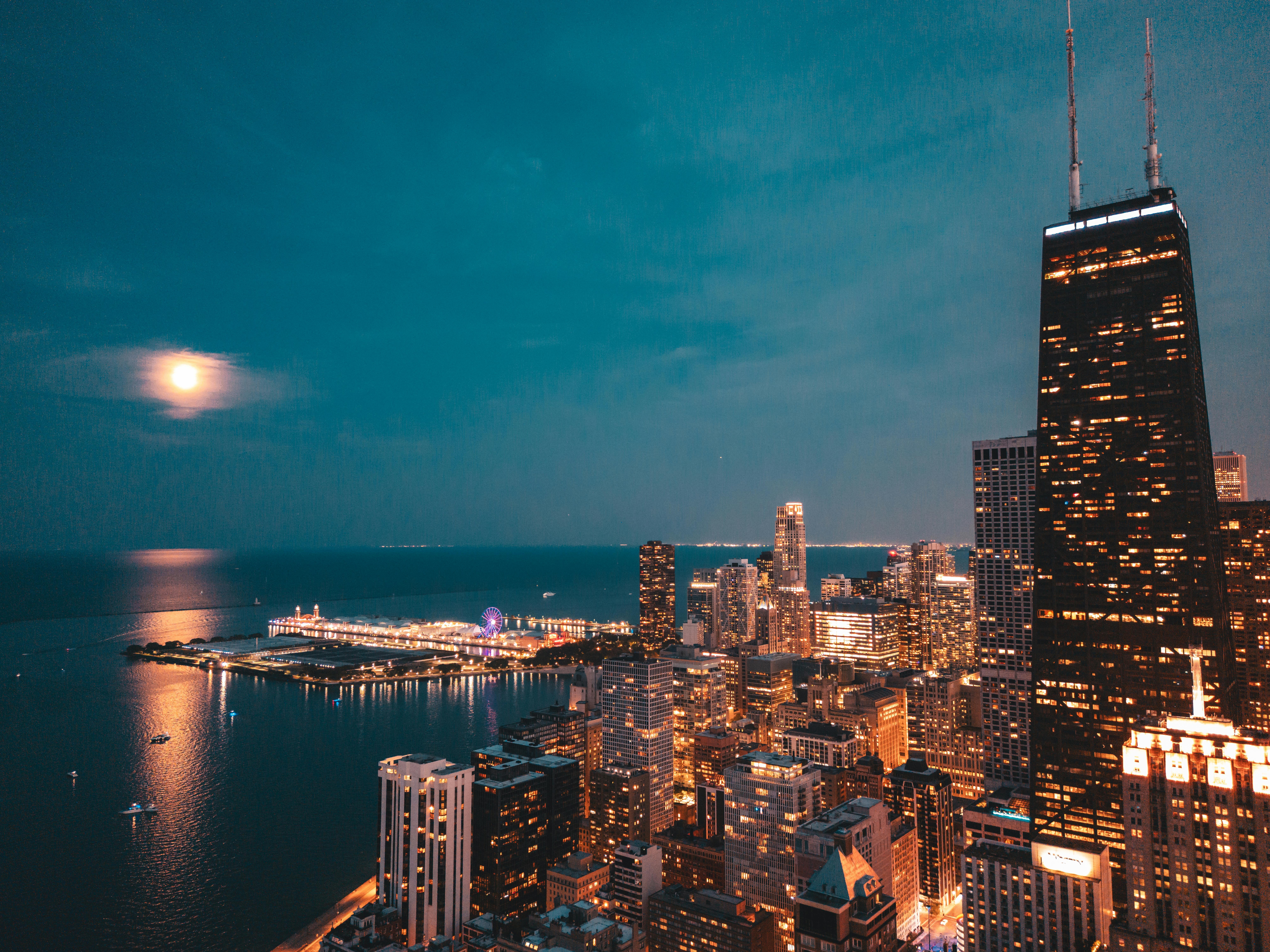
When it comes to July 4th fireworks in Chicago, Navy Pier isn't just an option; it's the option. As the official host of the city’s largest and most dazzling display, the pier offers an unparalleled, up-close-and-personal experience. The fireworks are launched from a barge on Lake Michigan directly in front of the pier, meaning you are at ground zero for the spectacle. The energy of the massive, joyful crowd is electric. However, this prime real estate comes with a significant challenge: everyone wants it. Success here isn’t about luck; it’s about strategy.
The Ultimate Navy Pier Game Plan: A Step-by-Step Timeline
Treating your trip to Navy Pier like a casual evening stroll is the fastest way to disappointment. A successful visit requires a military-like precision that begins hours before the first firework is launched.
1. Early Afternoon (2:00 PM - 4:00 PM): The Arrival & Reconnaissance Phase Do not wait until dusk. Arriving in the early afternoon is your secret weapon against the worst of the traffic and security lines. Use this time to your advantage. Grab a Chicago-style hot dog or a slice of deep-dish from a food vendor before the lines snake around the building. Take a ride on the 200-foot Centennial Wheel for a staggering daytime panorama of the city and lakefront. This is your chance to relax and absorb the festive atmosphere before the masses descend.
2. Late Afternoon (4:00 PM - 7:00 PM): The Encampment Phase This is when the pier transforms from a tourist attraction into a high-stakes real estate market. The official advice is to arrive by 7:00 PM, but by then, you’re looking at leftover spots with obstructed views. Your mission is to claim a prime piece of turf along the South Dock. The farther east you venture down the pier, the more central your view will be. Lay down your blankets, set up your chairs, and establish your base camp. This is the time to settle in for the long, rewarding wait.
3. Evening (7:00 PM - 9:00 PM): The Anticipation Phase As the sun dips below the skyline, the energy on the pier builds to a palpable buzz. This is the perfect time for people-watching, playing a deck of cards, or just enjoying the cool lake breeze. Keep your group together; a simple trip to the restroom can become a challenging expedition through a sea of people. Be patient and soak in the shared sense of excitement.
4. The Main Event (9:00 PM): The Spectacle Just before 9:00 PM, the lights dim, a hush falls over the crowd, and the first firework shrieks into the night sky. For the next 15-20 minutes, you are immersed in a world-class pyrotechnic display. Because you planned ahead, you have a comfortable, direct view, making the entire day’s effort completely worth it.
5. Post-Show (9:30 PM onwards): The Strategic Retreat The moment the grand finale fades, resist the primal urge to bolt. Tens of thousands of people will be flooding the exits at once. Instead, execute a strategic delay. Let the initial human tidal wave recede. Pack up your belongings at a leisurely pace, enjoy the glittering skyline, and plan to start your journey home 30-45 minutes after the show. Your future self will thank you.
The Sensory Experience: More Than Just a Light Show
This isn’t just a visual show; it’s a full sensory assault. The fireworks are perfectly synchronized to a soaring patriotic soundtrack broadcast across the pier, with each concussive boom vibrating through the wooden planks beneath your feet. You can smell the faint, celebratory scent of gunpowder and lake water on the breeze. It’s an immersive experience that a distant view simply cannot replicate.
Your Navy Pier Survival Kit
An hours-long stakeout for fireworks demands a little comfort. Packing smart is non-negotiable.
Seating: A thick blanket or low-profile foldable chairs are essential.
Sustenance: Pack sealed water bottles and plenty of snacks. While food is available, having your own stash saves you from long lines and high prices.
Sun & Wind Protection: The afternoon sun reflecting off the lake is brutal. Bring sunscreen, sunglasses, and a hat. After dark, the breeze off the lake can be surprisingly chilly, so a light jacket is a wise addition.
Power Bank: Between taking photos, coordinating with friends, and passing the time, your phone battery will drain. A portable charger is a lifesaver.
Entertainment: A deck of cards, a book, or downloaded podcasts can make the waiting hours fly by.
To avoid feeling like a pack mule, mastering the art of minimalism is crucial. For pro-level tips on carrying only what you need, our How to Pack Light Guide is an essential read.
Beyond the Pier: Chicago's Best Alternative Fireworks Views
If the thought of the Navy Pier crowds gives you hives, don't worry. Chicago is brimming with fantastic alternative spots that offer breathtaking views without the same level of intensity.
Rooftop Revelry: An Elevated Experience
For a more civilized and comfortable viewing experience, nothing beats a rooftop bar. You trade the massive crowds for a reserved seat, craft cocktails, and an unbeatable panoramic perspective.
Offshore Rooftop & Bar: Perched at the very end of Navy Pier, this is officially the world's largest rooftop bar. It offers the most direct, spectacular view imaginable, but tickets for their July 4th party are a hot commodity, selling out months in advance at a premium price.
Cindy's Rooftop: Sitting atop the historic Chicago Athletic Association hotel, Cindy's provides a stunning, albeit more distant, view across Millennium Park toward the lake. The reflection of the fireworks on the polished surface of "The Bean" is a uniquely Chicago sight.
Terrace 16: Located in the Trump International Hotel & Tower, this elegant terrace offers a direct, sweeping vista of the lakefront and Navy Pier. It’s a high-end option for those looking to celebrate in true luxury.

Pro-Tip: Book any rooftop bar reservation or fireworks cruise ticket the moment they become available. These premium experiences are in high demand and often sell out by early spring. Set a calendar reminder for February or March to start your search.
Lakeside Serenity: Parks and Beaches with a View
For a classic, family-friendly picnic vibe, Chicago’s sprawling lakefront parks and sandy beaches are ideal.
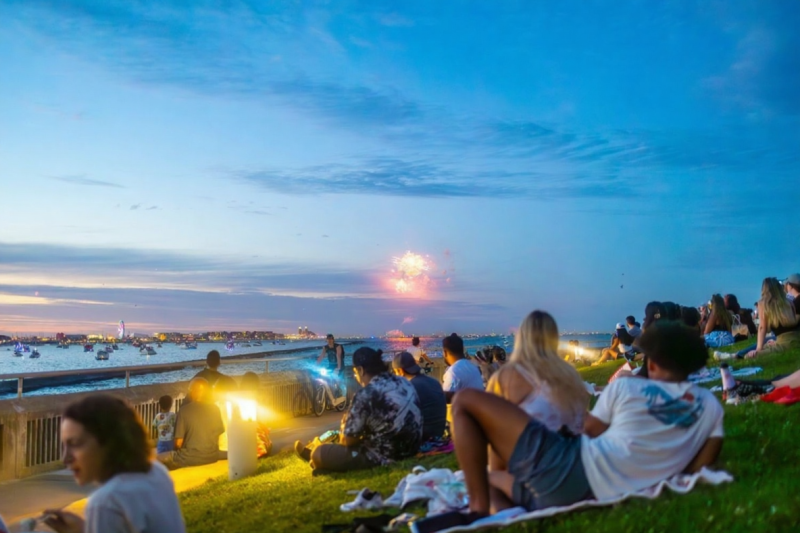
Millennium Park & Grant Park: These iconic parks offer vast lawns perfect for spreading out a blanket. While some views might be partially obstructed by buildings, the atmosphere is wonderfully festive. The key is to find a spot east of DuSable Lake Shore Drive for the clearest line of sight to Navy Pier.
Ohio Street Beach & North Avenue Beach: Just north of the pier, these beaches offer a fantastic, slightly angled view of the fireworks exploding over the water. You get the added bonus of feeling the sand between your toes as you watch. These are beloved local spots, so arrive early to claim your space.
Museum Campus: The grassy areas surrounding the Field Museum, Shedd Aquarium, and Adler Planetarium offer arguably the most iconic skyline view in the city. Watching the fireworks burst behind Chicago’s architectural titans is a photographer’s dream come true.
Set Sail for the Spectacle: Fireworks Cruises on Lake Michigan
To completely escape the land-based crowds and get a truly unique perspective, watch the show from the water. Numerous companies offer special July 4th cruises.
Dinner & Cocktail Cruises: Companies like Odyssey Lake Michigan and Spirit of Chicago offer elegant evenings with dining, dancing, and guaranteed front-row seats on the water for the main event.
Architectural Tours: Many of the city’s famed architectural boat tours offer special holiday cruises that conclude by positioning themselves perfectly on the lake for the fireworks display.
Tall Ship Cruises: For a truly memorable experience, watch the show from the deck of a majestic tall ship like the Windy, adding a touch of nautical history to your patriotic celebration.
A Pro's Guide to July 4th Logistics
A flawless holiday is built on smart planning. Beyond choosing your spot, mastering transportation and safety will ensure your day is stress-free.

Getting Around the City: Transportation Hacks
On Independence Day Chicago, public transit is not just an option; it's a necessity.
CTA 'L' Trains: The elevated and subway trains are the most efficient way to get downtown. The State/Lake (Brown, Green, Orange, Pink, Purple Lines) and Washington/Wabash stops are your best bets for accessing Grant Park and the southern approach to Navy Pier.
CTA Buses: Several bus routes drop off directly at or near Navy Pier, including the #29 State, #65 Grand, #66 Chicago, and the #124 Navy Pier express route. Be prepared for holiday schedules and potential reroutes due to street closures.
Rideshare & Taxis: Avoid them if you can. Surge pricing will be in full effect before and especially after the fireworks. If you must use a rideshare, walk several blocks west of Michigan Avenue to request your ride in a less congested zone.
Safety First: Navigating Crowds Like a Pro
Large crowds require situational awareness. Keep these tips in mind:
Use the Buddy System: Stick with your group. It’s easy to get separated in the post-fireworks shuffle.
Establish a Meeting Point: Before your phone batteries die, pick a clear, specific meeting spot away from the main exit paths in case you get separated. "The front of the Ferris wheel" is a bad idea; "the corner of the W Chicago - Lakeshore hotel" is much better.
Supervise Children Closely: The crowds can be overwhelming for kids. Keep them close, and consider writing your phone number on their arm or a wristband.
Expect Strong Security: At Navy Pier and other major gathering points, expect bag checks and a heavy police presence. Prohibited items typically include alcohol, coolers, grills, and drones. Check the official Navy Pier website for the most up-to-date list.
Your Blueprint for a Flawless Fourth
You are now armed with the ultimate insider’s guide to experiencing the magic of July 4th in Chicago. The anxiety of the unknown has been replaced with a clear, actionable strategy. Whether you brave the vibrant energy of Navy Pier, opt for the chic ambiance of a rooftop bar, or choose the laid-back vibe of a lakeside park, you have a plan to make it happen. You are ready to navigate the crowds, secure the perfect view, and create unforgettable memories against the backdrop of one of America’s greatest cities. This is how you master Independence Day Chicago.
Now that you've conquered the city's biggest patriotic celebration, why stop there? Unlock all the secrets of the Windy City's year-round festivities and hidden gems. For the most comprehensive insights into making the most of your trip, from iconic landmarks to local favorites, our Travel Guide is your ultimate resource for exploring Chicago and beyond.
Meta Data Suggestions:
SEO Meta Title: July 4th Chicago Fireworks: 5 Best Viewing Hotspots
URL Slug: july-4th-chicago-fireworks-hotspots
SEO Meta Description: Planning your Independence Day in Chicago? Discover the best spots to watch the Navy Pier fireworks, from the pier itself to secret rooftops and cruises.
Don't Miss Out! Subscribe for Exclusive Content
SubscribeComments 0
No comments yet
Be the first to share your experience!
Dont Miss Out! Subscribe for Exclusive Content
San Francisco Cherry Blossoms: A Local's Guide to the Blooms
Halloween SF: Haunts Without Horrors
SF Festivals: 7 Must-See Lineups
Christmas SF: Lights & Wharf Wonders
SF Pride: 6 Route & Party Hacks
Chinese New Year SF: Parade Essentials
Decoding Affiliate Commission Rates: Benchmarks for Travel Creators
TrekGuider @trekguider
You’re a travel creator, and you’ve entered the world of affiliate marketing to turn your passion into a profession. But you’ve quickly run into a frustrating black box: the commission structure. You see a dizzying array of percentages, acronyms like CPA and EPC, and vague promises of earnings. You’re left wondering what good affiliate commission rates even look like. Are you earning your worth, or are you leaving a significant amount of money on the table?
This confusion isn't just academic; it's a direct threat to your bottom line. The reported average monthly income for affiliates in the travel niche is an impressive $13,847, a figure that proves this is a serious enterprise. But you can't build a sustainable business on guesswork. Partnering with a program offering a flashy 40% commission—only to discover it’s 40% of their tiny margin—is a rookie mistake that costs real money. This lack of clarity makes it impossible to forecast your income, negotiate better terms, or build a truly predictable business. You feel like you’re flying blind.
This guide is your decoder ring. We are pulling back the curtain to give you a comprehensive breakdown of how affiliate commissions actually work. We will deconstruct every major commission model, provide clear, data-backed industry benchmarks, and teach you how to analyze these rates like a seasoned professional. By the end of this deep dive, you will be able to spot high-value opportunities and architect a monetization strategy that truly rewards your influence. For a complete overview of the affiliate landscape, our definitive pillar page, Travel Affiliate Programs: The 2026 Ultimate Guide, is your essential command center.

The Anatomy of a Commission: Deconstructing the Core Models
Let's cut through the jargon. An affiliate commission is simply a reward for a job well done. A company—the merchant—pays you for successfully driving a specific, valuable action, which in the travel world almost always means a completed booking or sale.
But the way that reward is calculated can vary dramatically. Understanding the underlying structure of different affiliate commission rates is the first step toward becoming a high-earning creator.
1. Cost Per Sale (CPS) or Pay Per Sale (PPS): The Industry Workhorse
You'll encounter this model most often—it's the industry's workhorse for a reason. It’s simple and transparent: when a reader clicks your affiliate link and completes a purchase, you earn a percentage of the total sale value. If you recommend a $500 hotel stay and the program offers a 6% CPS commission, you earn $30. This model directly ties your earnings to the revenue you generate, making it the gold standard for most travel bookings and gear sales.
2. Cost Per Action (CPA): Rewarding a Specific Step
CPA is a broader model where you’re compensated for a specific action a user takes. While that action is often a sale (making it identical to CPS), it can also be something else. For example, a travel credit card company might pay you a CPA commission for every user who completes an application, regardless of whether they are approved.
3. Cost Per Lead (CPL): Paying for High-Value Inquiries
With a CPL model, you earn a fixed fee for each qualified lead you generate. This is common in high-ticket travel sectors where the sales cycle is long. A luxury tour operator, for instance, might pay you $50 for every user who fills out a detailed inquiry form for a bespoke African safari. You get paid for delivering a potential customer; their sales team takes it from there.
4. Tiered & Multi-Tier Structures: Incentivizing Growth
This is where commission models get more sophisticated and rewarding.
Tiered Structures: Rewarding Your Growth These are designed to reward high-performing affiliates. Your commission rate increases as you drive more sales. A program might offer a base rate of 6%, which jumps to 8% after you generate $5,000 in sales in a month, and 10% after $10,000.
Multi-Tier Structures: Building a Network These allow you to earn commissions not only on your own sales but also on the sales generated by other affiliates you recruit into the program. This effectively turns you into a partner who helps grow the program itself, creating a secondary, more passive income stream.
5. Cost Per Click (CPC): The Rare Exception
In this model, you are paid a small fee for every click your affiliate link receives, regardless of a sale. Due to its high vulnerability to fraud, the CPC model is now extremely rare in modern affiliate marketing and almost never seen in the travel space.

Industry Benchmarks: What Good Affiliate Commission Rates Look Like
So, what should you actually expect to earn? While rates vary, the travel industry has established clear benchmarks across its major categories. Here’s your cheat sheet.
Hotels & Accommodations: 2% - 7% of Booking Value This is the bread and butter for many creators, but the details are everything. A program like Expedia Group offers up to 6% of the total booking value with a 7-day cookie. In contrast, Booking.com advertises a much higher "25-40%", but this is a percentage of their commission, not the customer's total payment. This opaque structure often results in a much lower effective rate, closer to 2-4% of the final booking value.
Tours, Activities & Experiences: 6% - 8%+ This is a high-margin category with strong potential. Market leaders like Viator and GetYourGuide set the standard with base commissions of 7-8%. Adventure-focused operators like G Adventures offer 6%, which is incredibly powerful when applied to their high-ticket tours that can cost thousands of dollars.
Travel Insurance: 10% or More Insurance is a consistently high-paying vertical. Top programs like SafetyWing and World Nomads both offer a standard 10% commission. SafetyWing takes this a step further with a recurring model, meaning you continue to earn 10% every time your referred customer renews their policy.
Gear & Apparel: 3% - 8% For physical products, rates depend heavily on the retailer. Amazon Associates is the baseline, offering 3-4% for most travel categories. However, partnering with specialty retailers is far more lucrative. A brand like REI, for example, offers a 5-8% commission on high-quality (and often high-priced) outdoor gear.
Pro-Tip: Don't be blinded by the highest percentage. A 6% commission on a $3,000 G Adventures tour is $180. An 8% commission on a $50 city walking tour is $4. Always consider the average order value of the products you are promoting when evaluating affiliate commission rates.

The Metrics That Matter More Than the Rate Itself
An experienced affiliate marketer knows the commission rate is just a starting point. To truly understand a program's profitability, you need to analyze the metrics that measure real-world performance.
Earnings Per Click (EPC): Your True North This is arguably the single most important metric. It’s calculated by dividing your total commission earnings by the total number of clicks you sent. If you sent 100 clicks and earned $50, your EPC is $0.50. This number tells you the average value of every single click. A program with a lower commission but a higher EPC is often the more profitable partner for your specific audience.
Conversion Rate (CR): The Sign of a Healthy Partner This is the percentage of users who take the desired action after clicking your link. A high conversion rate is a sign of a trusted brand with a well-optimized checkout process. A program with a 10% commission that converts at 1% is less profitable than a program with a 5% commission that converts at 5%.
Cookie Duration: The Travel Creator's Safety Net This is critical in the travel space. A longer cookie duration (30, 60, or 90 days) gives your audience the time they need to research a high-consideration purchase while ensuring you still get credit. A short cookie window is a major red flag and a sign that the program may not be structured in your favor.
Pro-Tip: Dive into your affiliate dashboards. Most networks like CJ Affiliate and Travelpayouts provide detailed reports on your EPC and conversion rates for each program. Use this data to identify your true top performers—the results will often surprise you.

The Travel Creator's Toolkit
Feeling overwhelmed by the data? You don't have to be. To help you organize your strategy and implement everything you've learned, we've created the ultimate resource bundle. It includes checklists, templates, and tools designed to accelerate your journey from beginner to pro.
Download Your Free Bundle: The Travel Creator's Toolkit
The High-Margin Alternative: Referral & Revenue Share Models
While traditional commission models are powerful, the most forward-thinking creators are diversifying into referral and revenue-sharing programs. Instead of a one-time payment for a single sale, these models allow you to build long-term, passive income streams by becoming a true platform partner.
This is the philosophy behind the TrekGuider Seller Platform. We believe in empowering creators to build complex businesses. Our platform is designed for you to sell your own digital products—like itineraries and guides—but our referral program adds another powerful layer to your income strategy.
Instead of a simple CPS commission, our model functions like a sophisticated multi-tier system. When you refer other creators to become sellers on TrekGuider, you earn an ongoing share of the revenue they generate, with tiered commissions that start at 4% for referred sellers. You’re not just earning from a single transaction; you’re building a network and earning from its collective success. It's a strategic way to move beyond chasing individual sales and start building a more resilient, high-margin business.
Frequently Asked Questions (FAQ)
1. Is a higher commission rate always better? Not at all. A high commission rate can be misleading if the program has a low conversion rate, a short cookie duration, or a low average order value. Always look at your Earnings Per Click (EPC) to determine the true profitability of a program for your audience.
2. How can I find the EPC for an affiliate program? Most reputable affiliate networks (like CJ Affiliate, ShareASale, or Travelpayouts) provide EPC data. It's often listed as a network-wide average for each merchant, which gives you a good baseline. Once you start sending traffic, you can track your own personal EPC in your performance reports.
3. Can I negotiate my affiliate commission rates? Yes, absolutely. Once you become a proven partner and consistently drive a significant volume of high-quality sales, you have leverage. Many brands are willing to negotiate a higher, private commission rate for their top-performing affiliates. Always track your performance and don't be afraid to ask.

From Confusion to Command
You are no longer in the dark. The world of affiliate commission rates is no longer a confusing black box. You now have the knowledge to deconstruct any program's payment structure, the industry benchmarks to know your worth, and the key metrics to identify what truly drives profit.
This knowledge is power. It empowers you to audit your existing partnerships, confidently seek out new ones, and even negotiate better terms. By focusing on programs with fair commissions, long cookie durations, and high conversion rates, you can ensure your hard work is properly rewarded. Building a profitable travel content business requires a strategic approach, and a deep understanding of affiliate commission rates is a non-negotiable part of that strategy.
Read the full guide: The Travel Blogger's Playbook to Affiliate Marketing Mastery
Don't Miss Out! Subscribe for Exclusive Content
SubscribeComments 0
No comments yet
Be the first to share your experience!
Dont Miss Out! Subscribe for Exclusive Content

Ultimate USA Holidays Guide: Top Picks

FTC Affiliate Disclosure Essentials: Stay Compliant as a Travel Creator

Essential Affiliate Tools: From Tracking to Full Optimization

Avoid These 5 Affiliate Landing Page Mistakes for Better Conversions

Affiliate Keyword Research Mastery for Travel Blogs
