
Solo Travel for Men: An Honest Guide to the Road Less Traveled

TrekGuider @trekguider
You feel that pull, don't you? It's the spark you get from a photo of a rugged coastline or a bustling foreign market—the call to adventure, to test your limits, and see the world on your own terms. But then the "what ifs" rush in. Are the logistics too complicated? Will it be lonely? Is it weird to travel by yourself? This guide is here to tell you those fears are normal, but they shouldn't be the reason you stay home. This is your definitive playbook for planning and executing your first incredible solo trip.
This hesitation is the silent thief of profound, life-altering experiences. It keeps you anchored in the familiar while a world of opportunity for growth, resilience, and radical self-discovery passes you by. Every year you put it off is a year you don't learn what you're truly made of when no one else is around to rely on. The comfort zone, once a safe harbor, slowly becomes a cage.
While the ultimate goal for many is creating unforgettable memories with loved ones, a journey of self-discovery through solo travel can be the most profound preparation. It builds the confidence and worldview that enriches every future trip, including those you'll find in Family Travel Ideas: The 2026 Guide to Unforgettable Trips.
Let's cut through the noise. This isn't another blog post filled with vague platitudes. This is an operational playbook, a mission briefing for one of the most rewarding journeys you'll ever undertake. We will dismantle every one of your concerns and equip you with the tools, tactics, and confidence to take that first monumental step. By the end of this guide, the idea of traveling alone won't be an intimidating fantasy; it will be your next actionable, exciting mission.

Why Going It Alone is a Modern Rite of Passage
In our day-to-day lives, men are often slotted into specific roles: the provider, the leader, the planner, the rock. These roles, while important, can also be limiting. Solo travel is a powerful antidote, a hard reset that strips away these external expectations and forces you to confront a more fundamental question: Who are you when no one is watching? The benefits aren't just about cool stories; they are tangible upgrades to your character.
Radical Self-Reliance: When you're alone in a new country and you miss the last train, there's no one to turn to for a solution. You have to figure it out. This isn't a hypothetical exercise; it's a real-time test of your problem-solving skills. You learn to trust your own judgment, navigate ambiguity, and find solutions under pressure. This builds a deep, unshakable confidence that permeates every other area of your life.
The Power of Decisive Action: At home, decisions can be made by committee. On the road, you are the committee. Where to eat, what to see, when to splurge, when to save—every choice is yours. This constant cycle of decision and consequence sharpens your instincts and teaches you to be decisive, cutting through the paralysis of overthinking.
A Hard Reset for the Mind: Routine is the enemy of growth. Solo travel is the ultimate pattern interrupt. It forces you out of your physical, mental, and social comfort zones, exposing you to new perspectives, cultures, and ways of thinking. This novelty stimulates your brain, fostering a level of creativity and open-mindedness that's difficult to achieve when you're stuck in a rut.
Forging Genuine Human Connection: Traveling with a partner or group can create a social bubble. When you travel alone, you are more approachable and more motivated to connect with others. These interactions—with fellow travelers in a hostel common room, a local shopkeeper, or a guide—are often more authentic and memorable. You learn to listen more and connect with people from vastly different backgrounds, building empathy and social skills.

A Step-by-Step Playbook for Launching Your Solo Journey
The biggest hurdle isn't the cost or the time off; it's inertia. Faced with a world of options, it's easy to get stuck in the planning phase forever. This playbook is designed to break that inertia and propel you from your couch to the boarding gate.
Step 1: Define Your Mission. What Kind of Solo Trip Are You After?
Before you look at a map, look in the mirror. Why are you doing this? Your motivation should define your destination.
The Recharge: Is the goal to decompress and escape the daily grind? You're looking for low-stress, high-comfort environments. Think a quiet coastal town in Portugal, a laid-back island in Thailand, or a cabin in a national park. The mission is relaxation, not a logistical marathon.
The Skill Acquisition: Do you want to learn something new? Pick a place that's a hub for that skill. Head to Costa Rica to learn to surf, to Chiang Mai for a Thai cooking course, or to the Alps for an introductory mountaineering class. This gives your trip a clear purpose and a built-in social structure.
The Frontier Test: Is this about pushing your limits and seeing what you're made of? This calls for a more adventurous destination. Consider trekking in Patagonia, motorbiking through Vietnam, or exploring the cultural depths of Colombia. These trips build maximum resilience.
Step 2: Choose Your Destination
Your first solo trip should be a win. It's about building confidence, not testing your absolute limits. Here are three archetypes for a successful first mission:
The Easy-Win (English-Speaking & High-Infrastructure): These are destinations where the learning curve is gentle. Think Ireland, Scotland, Australia, or New Zealand. The lack of a language barrier removes a major layer of stress, and the well-trodden tourist paths mean logistics are straightforward. You can focus on the experience of being alone without battling constant communication challenges.
The Adventure Hub (Activity-Focused): If your goal is to be active, choose a place known for it. The national parks of the Western USA for hiking, the mountains of British Columbia for biking, or Queenstown, New Zealand for adrenaline sports. These places are full of other active, often solo, travelers, making it easy to meet like-minded people.
The Backpacker's Trail (Social & Budget-Friendly): Southeast Asia (Thailand, Vietnam) or parts of South America (Peru, Colombia) are legendary for a reason. They offer an incredible value for money and a built-in social infrastructure of hostels, tours, and transportation that caters specifically to independent travelers. It's almost impossible not to meet people.
Step 3: The Budget
Your budget dictates your trip's style and duration. Be realistic and thorough. A well-structured plan, perhaps organized with a Travel Itinerary Template, is your best friend here.
Big Ticket Items: Start with the non-negotiables: flights and accommodation. Use tools like Google Flights and Skyscanner to track prices. For lodging, hostels are the most budget-friendly and social option, while private rooms on Airbnb or budget hotels offer more solitude.
Daily Expenses: Research the average daily cost in your chosen destination using sites like Numbeo. This includes food, local transport, and activities. A good rule of thumb is to estimate this and then add a 20% buffer.
Contingency Fund: This is non-negotiable. Have access to an extra $500-$1000 for emergencies—a missed flight, a medical issue, or a lost phone. This isn't for souvenirs; it's your get-out-of-jail-free card.
Pro-Tip: Always carry a portable power bank. A dead phone in an unfamiliar city isn't just an inconvenience; it's a safety risk. It’s your map, translator, and lifeline. Charge it religiously every night.
Step 4: Packing
Overpacking is a rookie mistake. Every item you bring is something you have to carry. The goal is to be prepared, not to bring your entire apartment.

The Right Bag: A travel backpack (40-50L) is far more versatile than a rolling suitcase. It forces you to be disciplined and can handle cobblestone streets, crowded trains, and hostel staircases with ease.
The Clothing Trinity: Pack items that are versatile, quick-drying, and layerable. Merino wool is the gold standard for travel clothing; it's temperature-regulating, odor-resistant, and comfortable. Aim for a week's worth of clothes and plan to do laundry.
3-4 merino wool t-shirts/henleys
1-2 pairs of versatile travel pants (not jeans)
1 pair of shorts (if climate appropriate)
1 packable rain jacket
1 mid-layer fleece or hoodie
4-5 pairs of wool socks and underwear
Essential Gear:
Packing cubes to organize everything.
A quick-dry travel towel.
A universal power adapter.
A basic first-aid kit with pain relievers, blister care, and any personal medications.
A padlock for hostel lockers.
Your Free Toolkit for Smarter Packing
Packing light is a skill. Our free How to Pack Light Guide is a masterclass in efficiency, showing you exactly how to fit everything you need into a single carry-on. Download it now and transform the way you prepare for any trip.
Tactics for Mastering the Solo Experience
Planning is only half the battle. Thriving on the road requires a specific mindset and a set of practical skills. This is where the real growth happens.
Neutralizing the "Big Three" Anxieties of Solo Travel for Men
Let’s address the elephants in the room head-on. These are the primary concerns that hold men back, and each one has a practical solution.
The Fear of Loneliness: This is the most common fear, but it's often misplaced. Being alone is not the same as being lonely.
Stay in Social Environments: Choose hostels with good common areas and organized events (like pub crawls or walking tours). This is the single easiest way to meet other travelers.
Embrace Day Tours: Joining a food tour, a hiking group, or a historical walking tour provides structured, low-pressure social interaction.
Learn a Few Key Phrases: Simply learning "Hello," "Please," and "Thank you" in the local language can break down barriers and make you seem more approachable.
Concerns About Safety: The world is generally safer than the news suggests, but being smart is non-negotiable.
Master Situational Awareness: This is your primary weapon. Constantly run a mental checklist: Where are the exits? Who seems out of place? Walk with purpose and confidence. Avoid flashing expensive electronics or large amounts of cash.
Secure Your Valuables: Keep your passport, extra cash, and credit cards locked in your accommodation. Carry only what you need for the day in a front pocket or a secure bag. Never put your wallet in your back pocket.
Inform Someone: Share your itinerary with a friend or family member back home and check in regularly.
Trust Your Gut: If a situation or a person feels off, it probably is. Remove yourself from the situation immediately. Don't worry about being polite; your safety is your only priority.
The Social Stigma (Is it "Weird"?): Let's be blunt: No one cares. The idea that it's strange for a man to travel alone is a self-imposed mental barrier. In the travel world, it's completely normal. You will see hundreds of other people doing the exact same thing.
How to Meet People Without Being Awkward
The Common Room is Your Stage: In a hostel, the common area is designed for interaction. Don't just sit in a corner on your phone. Sit at a communal table. A simple "Hey, where are you from?" is the universal icebreaker.
Ask for Advice: People love to be helpful. Asking another traveler for a restaurant recommendation is a low-stakes way to start a conversation that can easily lead to "Hey, I was about to head there now, want to join?"
Mastering the Art of Dining Alone: For many, this is surprisingly intimidating.
Sit at the Bar: It's more social and less formal than a table for one. You can chat with the bartender or the people next to you.
Bring a Prop: A book or a journal can make you feel less self-conscious, but try not to hide behind it. Make eye contact and be open to conversation.
Choose Casual Spots: Street food stalls, food halls, and casual eateries are much more comfortable for solo diners than formal restaurants.

Pro-Tip: The "Leading Question" technique is your best conversational tool. Instead of asking a closed question like "Are you having a good trip?" ask an open-ended one like, "What's been the most unexpected thing you've done in this city?" This invites a story, not a one-word answer.
Frequently Asked Questions
What's the best type of accommodation for a first-time solo male traveler?
For maximizing social opportunities and minimizing cost, hostels are unbeatable. Look for ones with highly-rated common areas and organized social events. If you need more privacy and have a larger budget, a private room in an Airbnb or a centrally-located hotel are also great options.
How do I handle eating alone in restaurants without feeling awkward?
Confidence is key. Sit at the bar whenever possible, as it's a more social and casual setting. Choosing less formal spots like food halls or bustling cafes can also feel more comfortable than a quiet, formal restaurant.
Is solo travel for men expensive?
It doesn't have to be. Your biggest expenses will be flights and accommodation. By choosing budget-friendly destinations (like Southeast Asia or Eastern Europe), staying in hostels, and eating like a local, you can travel for a fraction of what a typical resort vacation would cost.
What are some of the safest destinations for a first solo trip?
Countries with a strong tourism infrastructure and low crime rates are excellent starting points. Consider places like Portugal, Ireland, New Zealand, Japan, and South Korea. These destinations offer a great balance of adventure and security.
The Only Thing Left Is to Go
The journey of solo travel for men is far more than a simple vacation. It's a deliberate act of self-investment. It's an opportunity to strip away the noise of daily life, challenge your own preconceived limits, and build a more resilient, resourceful, and worldly version of yourself. The skills you learn are not just travel skills; they are life skills. You will return home not just with photos, but with a quiet confidence that can only be forged in the fires of experience.
The path is laid out. The excuses have been dismantled. The only thing left is to take the first step. Start the research, check the flights, and request the time off. Your adventure is waiting, but it demands that you go out and claim it.

Read the full guide: Family Travel Ideas: The 2026 Guide to Unforgettable Trips
Don't Miss Out! Subscribe for Exclusive Content
Subscribe



Comments 0
No comments yet
Be the first to share your experience!
Dont Miss Out! Subscribe for Exclusive Content

Ultimate USA Holidays Guide: Top Picks


FTC Affiliate Disclosure Essentials: Stay Compliant as a Travel Creator

Essential Affiliate Tools: From Tracking to Full Optimization

Booking.com Affiliate Program Review: Pros, Cons, and Earnings Potential

Decoding Affiliate Commission Rates: Benchmarks for Travel Creators

Amazon Associates for Travel: Strategies to Maximize Commissions
How to Create a Digital Travel Guide People Will Buy
TrekGuider @trekguider
You’re a travel expert. Your notes are filled with hidden gems, your camera roll is a treasure trove of untold stories, and your advice could save fellow travelers hundreds of dollars and hours of stress. You know your expertise has value, but packaging it into a real, scalable income stream feels like a monumental task. Relying on the slow trickle of ad revenue or the unpredictability of affiliate sales is a frustrating grind, keeping your dream of a truly independent business just out of reach.
This uncertainty keeps you on the content treadmill, trading your valuable time for pennies. You see other creators launching their own products and achieving a level of financial freedom that feels like a distant fantasy. The path forward is a confusing fog of questions about design, content, pricing, and technology, leaving you stuck in analysis paralysis while the immense opportunity of the creator economy—a market projected to nearly double from $250 billion to almost $500 billion by 2027—passes you by.
It’s time to stop trading hours for dollars and start building assets. This is your chronological, step-by-step playbook. We will demystify the entire process and show you exactly how to create a digital travel guide that people will not only buy but will also love and recommend. This is your complete workflow for transforming your hard-won expertise into a polished, professional product that generates passive income for years to come. Think of this as a critical chapter in your business plan; for the complete blueprint on building a modern creator enterprise, be sure to read our ultimate guide to How to Make Money Online: A Creator's Guide for 2026.

Why a Digital Guide is Your Ultimate Scalable Asset
Before diving into the "how," it's critical to understand the "why." Transitioning from promoting others' products to creating and selling your own is the single most powerful step you can take toward building a profitable, independent business. While ads and affiliate links have their place, digital products offer a level of control and scalability that other models simply can't match.
The advantages are transformative:
Infinite Scalability: Digital products operate on a "create once, sell forever" model. Whether you sell 10 copies or 10,000, your workload remains the same. There is no inventory to manage and no shipping to worry about.
Exceptionally High Profit Margins: With no manufacturing or distribution costs, the profit margins are extraordinary. Once you recoup your initial time investment, nearly every sale is pure profit.
Full Ownership and Control: When you sell your own guide, you own the entire process. You control the product, the pricing, the marketing, and the customer relationship. You are no longer dependent on an affiliate partner’s commission rates or an ad network's traffic requirements.
Solidifies Your Authority: Creating and selling a high-quality product instantly positions you as an expert. It builds deep trust with your audience, as you are no longer just recommending other people's stuff—you are standing behind your own valuable creation.
The market reflects this opportunity. The e-learning sector alone, a huge component of the digital product world, is projected to surge to an incredible $848 billion by 2030. This isn't a fleeting trend; it's a fundamental shift in how creators build resilient businesses.
The Blueprint – Research and Validation
The costliest mistake a creator can make is to spend months building a product nobody asked for. Thorough research and validation aren't optional; they are the foundation upon which a profitable product is built.
Identify Audience Needs and Define a Specific Niche
Your first job isn't to be a brilliant inventor; it's to be a sharp detective, uncovering the real, recurring problems your audience is desperate to solve.
Listen to Your Audience: The best ideas are hidden in plain sight. Dive into your blog comments, email replies, and social media DMs. What destinations are people constantly asking about? What part of the travel planning process do they find most challenging or stressful? Their recurring questions are your product ideas.
Define a Hyper-Specific Niche: Avoid creating a generic guide. A broad guide to "Mexico" will get lost in a sea of competition. A highly specific product like "A First-Timer's Foodie Guide to Mexico City's Roma Norte Neighborhood" is more valuable, easier to market, and instantly positions you as a niche expert.
Conduct Keyword and Market Research to Validate Demand
Once you have an idea, you must validate it with data.
Analyze Search Volume: Use an SEO tool to check the search volume for terms related to your guide idea. High search volume for long-tail keywords like "7-day Japan itinerary for foodies" or "what to do in Lisbon with kids" is a strong data signal that a ready market exists for a guide on that topic.
Conduct Competitor Analysis: Find 3-5 comparable digital travel guides in your niche. Your goal isn’t to copy them, but to identify a gap in the market. Analyze their price points, what they include, and, most importantly, read their reviews. What are customers praising? What are they complaining about? This will show you exactly how to create a superior product.
Pro-Tip: True validation comes from the intersection of qualitative and quantitative data. A great product idea is one that your audience is asking for (qualitative) and that a significant number of people are searching for online (quantitative).
The Core – Outlining and Content Creation
With a validated idea, it’s time to build the heart of your product: the content. This is where your unique expertise, voice, and experience shine.
Develop a Logical Structure
A good guide flows intuitively and is easy to navigate. Before you write a single word, create a detailed table of contents. This will be your roadmap and ensure you don't miss any crucial information. A typical structure includes:
Introduction: A brief overview of the destination, essential facts (currency, language), and why your guide is the ultimate resource.
Logistics: The practical nuts and bolts—getting there, getting around, visa requirements, and curated recommendations on where to stay for different budgets.
Experiences: The core of your guide. This includes top attractions, detailed daily itineraries, and deep dives into your niche (e.g., food and drink recommendations, hiking trails, photo spots).
Practicalities: The crucial final details like safety tips, packing lists, a budget breakdown, and useful local phrases.
Write Compelling and Useful Content
This is where you go beyond the generic advice found on a thousand other blogs.
Gather Your Assets: Compile all of your personal notes, journal entries, and high-quality photographs from your travels to the destination. Your first-hand experience and unique visuals are your primary competitive advantage.
Be Both Inspirational and Intensely Practical: Write in an engaging, personal tone. Share anecdotes and insider tips that bring the destination to life. Go beyond simply listing facts; tell your readers why a place is special. Share the hard-won wisdom that can't be found elsewhere, like "skip the line at the Colosseum by booking this specific tour" or "the best gelato is actually found two blocks away from the main square at this tiny shop."
With your raw content compiled, the next step is to give it a professional polish that signals its immense value.

The Polish – Professional Design for Non-Designers
Your guide's content may be brilliant, but in the digital world, packaging matters. A professional, user-friendly design signals quality and dramatically improves the customer experience.
Select a User-Friendly Design Tool
You don't need to be a graphic designer to create a stunning product. For a travel blogger whose primary goal is to efficiently create a static PDF travel guide, a template-based tool like Canva is the strategically superior choice. While powerful professional software like Figma or Adobe Illustrator has a steep learning curve that can delay your launch by weeks, Canva is built specifically for this type of project. Its intuitive, drag-and-drop interface is designed to help non-designers produce high-quality visuals quickly.
Feeling inspired to build your own assets but not sure where to begin? Creating high-value products is the core of a modern creator business. To accelerate your journey, we've bundled together some of our most powerful resources. The Travel Creator's Toolkit is a free collection of checklists, templates, and guides designed to help you streamline your workflow and build your business faster.
5 Essential Mobile-First Design Principles for a User-Friendly Guide
Your guide will almost certainly be used on a mobile phone while your customer is in-destination. Designing with a mobile-first user experience (UX) is not an option; it is essential for your product to be functional and valuable.
Prioritize Legibility and High Contrast: The content must be effortlessly readable on a small screen, often in bright sunlight. Use a clean, simple font of at least 11 points so users don't need to pinch-and-zoom. Crucially, ensure a high contrast ratio between the text and background—at least 4.5:1 as recommended by Web Content Accessibility Guidelines (WCAG)—to maintain readability.
Implement Simplified Navigation: The single most important navigation element is a hyperlinked Table of Contents at the beginning of the document. This allows users to jump directly to the section they need with a single tap, which is crucial when they're trying to find information quickly on a busy street.
Design for Touch with Finger-Friendly Targets: Any included hyperlinks (e.g., a link to a restaurant's website or a Google Maps location) must have a clickable area large enough to be easily tapped with a finger—the industry standard is a minimum touch target size of 44x44 points (approximately 7-10mm).
Minimize Cognitive Load by Eliminating Clutter: Mobile users are often distracted. Their interaction with a guide is typically in short bursts or "micro-tasks". To accommodate this, use short paragraphs, bulleted lists, bolded text for key information, and generous white space. A clean, uncluttered interface helps users find what they need with minimum effort.
Optimize for Performance and Portrait Orientation: The vast majority (94%) of mobile users hold their phones vertically. Your guide must be designed with a portrait layout (e.g., A4 or US Letter size). Crucially, keep the final PDF file size as small as possible by compressing all images before inserting them into your document. A large file will download slowly on a weak cellular connection, creating a poor user experience.

The Launchpad – How to Create a Digital Travel Guide for Sale
You've created a valuable, beautifully designed resource. The final phase is to package it, price it for profit, and get it into the hands of your customers.
How to Price Your First Digital Product
Pricing is one of the most challenging decisions. The most effective strategy for a knowledge-based product is value-based pricing. Instead of focusing on your production costs, price your product based on the transformation it provides to the customer. If your guide saves a user 20 hours of stressful research and helps them discover priceless experiences they would have otherwise missed, its value is immense.
A practical process for setting your price:
Step 1: Research the Market: Identify 3-5 comparable digital travel guides in your niche to establish a realistic market range.
Step 2: Articulate the Value: Make a specific list of the tangible outcomes your guide provides (e.g., "Saves over 15 hours of planning," "Includes a pre-planned 7-day itinerary worth over $100 in planning fees").
Step 3: Set an Initial Price and Test: For a high-quality, first-time travel guide, a price point between $19 and $49 is a strong starting position. It communicates significant value without creating sticker shock for the buyer.
Choose a Sales Platform That Works for You
You need a platform to handle the sale and secure digital delivery of your product. While you can use e-commerce plugins on your own blog, the smartest strategy is to leverage a platform that puts you in front of a built-in audience of motivated buyers.
Pro-Tip: Don't just build a product; build your business inside an ecosystem. A specialized marketplace like TrekGuider is the ideal place to sell your high-quality Travel Guide. It provides a professional, ready-made storefront and connects you with a global audience of passionate travelers who are actively searching for expert resources. You can publish articles to attract new customers directly on the platform, creating a powerful marketing funnel that leads right back to your product page.
Frequently Asked Questions (FAQ)
1. How long should my digital travel guide be?
Value is not measured in page count. A concise, 50-page guide packed with unique, actionable advice is far more valuable than a rambling 200-page guide filled with generic information. Focus on comprehensively solving the specific problem your niche audience has.
2. Do I need to have visited the destination very recently?
While recent, first-hand experience is ideal, an "evergreen" guide focused on core attractions, culture, and logistics can have a long shelf life. The key is transparency. Be clear about when you last visited and focus on information that doesn't change rapidly. You can always update your guide with new editions.
3. What if I'm not a professional writer or photographer?
You don't need to be. Your audience values authenticity and expertise over perfect prose. Write in your natural, conversational voice, as if you were giving advice to a friend. For photos, a modern smartphone can capture high-quality images. The goal is to be clear, helpful, and genuine.
Your Journey from Expert to Entrepreneur Starts Now
You now have the complete, A-to-Z workflow. You've moved from the vague idea of a product to a concrete, actionable blueprint that covers research, content creation, professional design, and a smart launch strategy. The path from being a passionate travel expert to a successful digital entrepreneur is no longer a fog of confusion.
You have the definitive answer to the question of how to create a digital travel guide that provides immense value and generates a sustainable income. The only thing left to do is take the first step. Start the research, outline your expertise, and begin building the asset that will power your business and fund your adventures for years to come.
SEO Meta Data Suggestions:
SEO Meta Title (58 characters): How to Create a Digital Travel Guide People Will Actually Buy
URL Slug: how-to-create-digital-travel-guide
SEO Meta Description (154 characters): A step-by-step playbook for travel creators on how to create a digital travel guide, from research and writing to design, pricing, and selling your product.
Read the full guide: The Travel Blog Business Plan: How to Make Real Money in 2026
Don't Miss Out! Subscribe for Exclusive Content
SubscribeComments 0
No comments yet
Be the first to share your experience!
Dont Miss Out! Subscribe for Exclusive Content
FTC Affiliate Disclosure Essentials: Stay Compliant as a Travel Creator
Essential Affiliate Tools: From Tracking to Full Optimization

Avoid These 5 Affiliate Landing Page Mistakes for Better Conversions

Affiliate Keyword Research Mastery for Travel Blogs
Booking.com Affiliate Program Review: Pros, Cons, and Earnings Potential
Decoding Affiliate Commission Rates: Benchmarks for Travel Creators
Top 7 Luxury Travel Blogs Redefining Style
TrekGuider @trekguider
Does the phrase “luxury travel” conjure images of gold-plated hotel suites and sterile, all-inclusive resorts? For years, opulence was measured in thread counts and champagne brands—a spectacle of wealth that often felt disconnected from the destination itself. You’re searching for inspiration, but the typical lists of luxury travel blogs feel stuck in the past, showcasing a kind of travel that’s more about extravagance for its own sake than genuine, enriching experiences. You know there has to be something more, a deeper, more meaningful way to explore the world in style, but finding the right guides for this new era of travel feels impossible.
You’re in the right place. The definition of luxury is undergoing a seismic shift. It's no longer just about what you spend, but about what you experience, learn, and feel. The new luxury is personal, conscious, and transformative. To help you navigate this exciting new landscape, we’ve curated a list of the creators at the forefront of this movement. These aren't just blogs; they are blueprints for a more intentional way of seeing the world. For a complete look at the best voices across all travel styles, be sure to explore our definitive guide to The Best Travel Blogs to Follow in 2026.

The New Definition: What is "Luxury Travel" in 2026?
Analysis of 2026 industry reports from leading authorities like Skift and Virtuoso reveals a clear evolution in high-end travel. The market is pivoting away from conspicuous consumption and toward more meaningful, personalized, and conscious journeys. This isn't just a trend; it's a response to a global re-evaluation of personal values. The most influential luxury travel blogs are no longer just catalogs of expensive hotels; they are chronicles of profound experiences.
Modern luxury is now defined by five core pillars:
Experiential & Transformational Travel: The focus has shifted from material opulence to access to unique, meaningful experiences. High-net-worth travelers are now prioritizing authenticity and activities that foster personal growth over traditional five-star amenities.
Wellness & Longevity: Going far "beyond the spa," this pillar encompasses digital detoxes, silent meditation retreats, and journeys designed for mental and physical rejuvenation in the world’s most serene locations.
"Coolcations" & Conscious Travel: Climate change is now a direct driver of destination choice, with a documented surge in travel to cooler climates like Antarctica and Iceland. This is intrinsically linked to a demand for sustainable and regenerative tourism, where travelers actively seek to leave a destination better than they found it.
Hyper-Personalization: Bespoke itineraries are no longer a perk but an expectation. Accelerated by AI, trip planning is becoming more tailored than ever, creating once-in-a-lifetime journeys based on in-credibly specific individual preferences.
Solo Luxury Travel: There is a significant and growing movement of solo travelers within the luxury segment, largely led by women. These "Wander Women," as a 2026 Virtuoso report calls them, are seeking independence and security; many are now opting for expedition, ocean, and river cruises, which provide a unique combination of independence, security, and social opportunities.

So, what does this philosophy look like in practice? The seven blogs below are the standard-bearers for this new movement, each championing a unique facet of modern luxury. They are the creators setting the agenda for the future of high-end travel.
The 7 Best Luxury Travel Blogs Leading the Charge
1. The Blonde Abroad: The Champion of Eco-Conscious Luxury
Kiersten Rich of The Blonde Abroad has masterfully evolved her brand from a solo female travel blog into a powerhouse that sits at the intersection of style, adventure, and sustainability. She proves, compellingly, that you don’t have to sacrifice comfort to travel responsibly.
Kiersten doesn't just list "green" hotels; she provides a blueprint for a conscious travel lifestyle. Her features on properties deeply woven into the fabric of their local environments are a masterclass in responsible luxury. Her guide to "," for instance, showcases resorts that are leaders in conservation and community empowerment. This aligns perfectly with the growing trend of conscious travel, where affluent travelers actively seek opportunities to contribute positively to the destinations they visit. For the traveler who wants their journey to have a positive impact, The Blonde Abroad is indispensable.
2. Black Tomato: The Architects of Transformational Experiences
While technically a luxury travel company, Black Tomato's online content operates as one of the most forward-thinking luxury travel blogs on the web. They are the undisputed masters of experiential travel, building their entire philosophy on the belief that a journey should be a powerful force for personal growth.
They excel at creating narratives around rare and inaccessible experiences—from tracking snow leopards in the Himalayas to undertaking a private archaeological dig in Egypt. Their content, as seen in "," is proof of the idea that modern luxury is about what you do, not just where you stay. This directly caters to the high-net-worth traveler who, according to industry data, is increasingly prioritizing personal connection over passive opulence. Black Tomato’s blog is pure, high-octane inspiration for those who believe the greatest luxury is a life-changing story.
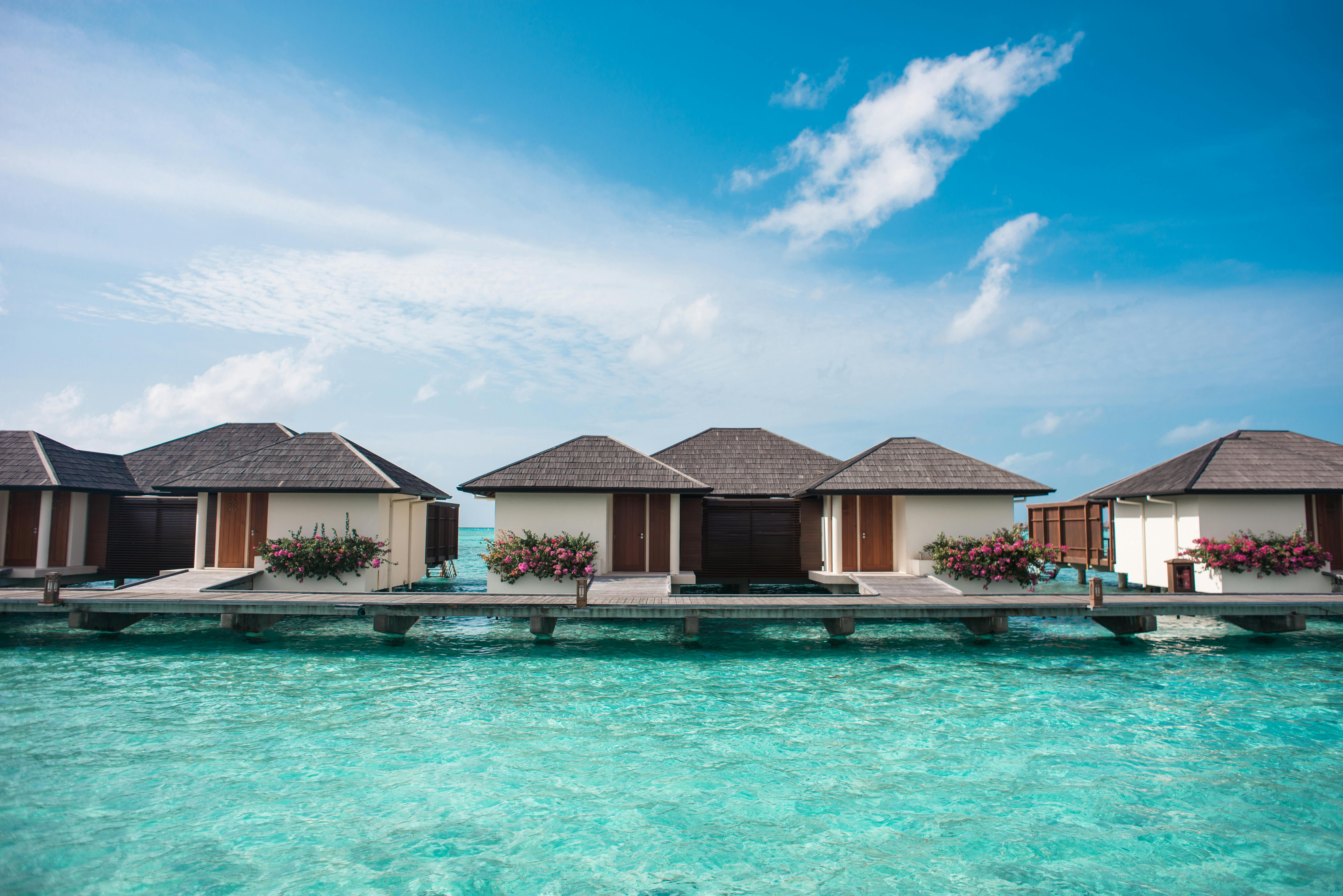
3. The Luxury Travel Expert: The Oracle of Five-Star Excellence
For the traveler who still appreciates the timeless allure of a world-class hotel or an impeccable first-class flight, The Luxury Travel Expert is the definitive authority. The anonymous blogger behind the site provides some of the most detailed, discerning, and trusted reviews in the industry. What sets this blog apart is its unwavering commitment to quality and its almost scientific approach to vetting luxury experiences.
The content is a masterclass in detail, from video tours of hotel suites to in-depth comparisons of airline seats. A post like " " doesn’t just show you pretty pictures; it breaks down every element of the experience, giving readers the confidence to make informed, high-value decisions. While rooted in classic luxury, the blog has evolved to embrace the modern, often featuring properties that excel in both service and sustainability.
Pro-Tip: When vetting luxury reviews, look for the level of detail. The best luxury travel bloggers go beyond surface-level descriptions and provide specific, subtle feedback on everything from the service and dining to the architecture and ambiance. This depth is a key indicator of true expertise.
4. World of Wanderlust: The Voice of Aspirational Solo Style
Brooke Saward of World of Wanderlust was one of the original pioneers of the solo female travel movement, and she has since carved out a unique niche in the luxury space. Her content is the epitome of aspirational travel, blending high fashion, beautiful photography, and five-star experiences into a dreamy, yet surprisingly accessible, narrative.
World of Wanderlust excels at showcasing how to experience iconic luxury destinations from a solo perspective. Posts like " " cater directly to the traveler who wants that perfect, Instagram-able moment but also desires a trip that feels personal and curated. Her work taps into the trends of hyper-personalization and solo luxury travel, demonstrating that you don't need a partner to indulge in the world's finest experiences. She empowers her readers to design their own dream trips, making her a key voice for the independent, style-conscious traveler.
5. A Luxury Travel Blog: The Encyclopedia of Global High Society
With a legacy spanning over a decade, A Luxury Travel Blog is one of the most established and respected voices in the digital space. Run by Dr. Paul Johnson, the blog operates more like a high-end travel magazine, featuring contributions from a global network of luxury experts. Its sheer breadth and depth of content are unparalleled.
This blog’s unique strength lies in its comprehensive coverage of the entire luxury ecosystem. One day you might find a "," and the next, a guide to the latest Michelin-starred restaurant in Tokyo. It defines luxury in the broadest sense, covering not just hotels and flights but also food, fashion, and unique experiences. It serves as a trusted filter for the affluent traveler, consistently answering the question: "What is the best of the best?"

An Editor's Tip for Flawless Travel
Feeling inspired? The key to a truly luxurious trip lies in careful, stress-free planning. Knowing what to pack, what documents to prepare, and what to expect can transform your travel experience from chaotic to serene.
Download our free International Travel Checklist now! This is the same comprehensive guide our own editors use to cover everything you need before you go, ensuring you can focus on what truly matters: the experience.
6. Adventurous Kate: The Pioneer of Safe and Smart Solo Luxury
Adventurous Kate, run by Kate McCulley, is proof of the power of niche expertise. She built her platform by championing the cause of solo female travel, and as her audience has grown, so has her focus to include the more luxurious side of independent journeys. She is the embodiment of the "Wander Woman" trend, proving that solo travel can be safe, empowering, and incredibly stylish.
What makes her an essential read is her practical, no-nonsense approach to luxury. She seeks out high-end experiences but always with an undercurrent of value and safety. A post like " " provides both aspirational hotel recommendations and crucial, on-the-ground safety tips. She understands that for a solo traveler, the ultimate luxury is peace of mind. By blending premium experiences with actionable advice, she serves a vital and growing segment of the market that other luxury travel blogs often overlook.
7. The Solo Travel in Style Blog: The Curated Guide to Chic Exploration
Rounding out our list, The Solo Travel in Style Blog, created by Jennifer O'Brien, perfectly captures the intersection of fashion, culture, and high-end solo travel. This blog is for the traveler whose aesthetic is just as important as their itinerary. It operates as a curated guide to the world's most stylish destinations, with a distinctly sophisticated and independent perspective.
The blog’s strength lies in its tight, curated focus. Content like the "" offers a complete playbook for a chic city break, combining boutique hotel reviews with recommendations for art galleries, bespoke shopping, and exclusive dining experiences. It speaks directly to the traveler who sees their journey as an extension of their personal style. This blog doesn't just show you where to go; it shows you how to experience it with elegance and confidence.
Pro-Tip: Use these blogs to build a "mood board" for your trip on a platform like Pinterest. Saving images and ideas will help you identify the specific elements of "new luxury" that resonate most, allowing you to craft a more fulfilling itinerary. Many of the high-value digital products these creators sell—from hyper-detailed itineraries to custom city maps—are exactly the kind of expert-level resources you can find on the TrekGuider Platform.
Frequently Asked Questions About Modern Luxury Travel
What is the biggest difference between traditional and modern luxury travel?
The primary difference is a shift in focus from expense to experience. Traditional luxury often emphasized material opulence—the most expensive suite, the fanciest champagne. Modern luxury prioritizes unique, transformational experiences, personal growth, and authentic connection with a destination, which may or not come with a high price tag.
How can I find truly sustainable or eco-friendly luxury hotels?
Look beyond marketing claims. The best eco-luxury properties, often featured on blogs like The Blonde Abroad, are transparent about their practices. Look for official certifications (like B Corp or LEED), detailed information on their conservation and community projects, and a focus on locally sourced food and materials.
Is luxury travel only for the super-rich?
Not anymore. While high-end travel can be expensive, the modern definition focuses on value and maximizing the quality of your experience. It's about strategic splurging—saving on a flight to afford a once-in-a-lifetime meal or a unique guided tour. Many luxury travel blogs are excellent at showing how to get the most value from your travel budget.
Why are so many top luxury blogs focused on solo travel?
This reflects a major market trend. As detailed in industry reports, there's been a significant increase in solo travel, particularly among women, in the luxury segment. These travelers are independent, confident, and seeking secure yet enriching experiences. Creators like Adventurous Kate have become authorities by expertly catering to this large and influential demographic.

Your Journey into the New Era of Luxury Awaits
The world of high-end travel is more exciting and meaningful than ever. As we've seen, the most inspiring luxury travel blogs are no longer just showcasing expense; they are celebrating experience, consciousness, and personal transformation. These seven creators are your guides to this new world, offering the inspiration and practical advice you need to design a journey that is truly your own. They prove that the ultimate luxury isn't about escaping your life, but about enriching it.
When you're ready to turn that inspiration into a reality, consider a destination that has perfected the art of living beautifully. For a journey that combines iconic history, world-class cuisine, and unparalleled style, explore our France Travel Guide. It’s the perfect first step on your path to redefining what luxury means to you.
Meta Data Suggestions:
SEO Meta Title (59 chars): 7 Top Luxury Travel Blogs Redefining Style for 2026
URL Slug: /luxury-travel-blogs-redefining-style
SEO Meta Description (154 chars): Forget old-school opulence. Discover 7 top luxury travel blogs that showcase the new era of travel: experiential, sustainable, and deeply personal. Get inspired.
Don't Miss Out! Subscribe for Exclusive Content
SubscribeComments 0
No comments yet
Be the first to share your experience!
Dont Miss Out! Subscribe for Exclusive Content
Ultimate USA Holidays Guide: Top Picks
FTC Affiliate Disclosure Essentials: Stay Compliant as a Travel Creator
Essential Affiliate Tools: From Tracking to Full Optimization
Avoid These 5 Affiliate Landing Page Mistakes for Better Conversions
Affiliate Keyword Research Mastery for Travel Blogs