
How to Avoid Travel Scams: A Global Guide

TrekGuider @trekguider
There’s a unique sickness that can ruin a perfect trip, and it has nothing to do with food poisoning. It’s the bitter sting of being scammed—the feeling of being played for a fool that can sour the memory of an entire vacation. You plan for months, dreaming of ancient ruins and bustling markets, only to have that excitement hijacked by a single moment of deception. The financial loss is frustrating, but the emotional toll is worse. It can leave you feeling cynical, embarrassed, and distrustful, robbing you of the open-hearted curiosity that makes travel so transformative.
This is the universal problem every traveler faces, an invisible tax on our sense of adventure. In a world of unfamiliar customs and currencies, we are at an inherent disadvantage—and scammers don't just know this; they bank on it. They are masters of psychological manipulation, running sophisticated plays that exploit your politeness, your confusion, and your inherent trust in others. They don’t just target the naive; they target the kind. But you don’t have to be a victim. This guide is your shield. By understanding their tactics, you can spot the con from a mile away and disengage with unshakeable confidence. This is your "know your enemy" playbook for the world's most common travel scams, a critical component of the holistic preparedness we cover in our definitive The Ultimate Guide to Travel Safety: A 2026 Playbook. Let's dismantle their script, so you can stick to writing your own.

The Psychology of the Scam: Why Their Tricks Work
To truly become scam-proof, you don't just need to know what they do; you need to understand why it works. Scammers aren't just lucky; they are leveraging predictable patterns of human behavior that can trip up even the most seasoned traveler.
The Reciprocity Principle: Many scams begin with a "gift"—a friendship bracelet, a sprig of rosemary, or unsolicited "help." This is a tactic designed to create a subconscious social obligation in you, the victim. Because they have given you something of perceived value, it becomes psychologically much harder for you to refuse their subsequent, and often aggressive, demand for payment.
Exploiting Greed: Some scams, like the infamous "found ring" ploy, don't rely on your kindness but on your own potential greed. By offering you something that appears incredibly valuable for a low price, the scammer tempts you into thinking you're the one getting the better end of the deal. The reality is, if an offer seems too good to be true, it is, and your desire for a windfall is the bait.
Manufactured Urgency and Confusion: Scammers thrive in chaos. They will often create a high-pressure situation—a supposed "spill" on your jacket, a crowded petition board, or a complex currency exchange—to distract and confuse you. In that moment of disorientation, your brain's threat-assessment capabilities are overloaded, your guard is down, and their accomplice strikes.
By recognizing these underlying tactics, you can spot the setup long before the punchline.
The Top 10 Travel Scams and How to Disengage
Your best defense is knowing their playbook. Here is a breakdown of the ten most common travel scams you'll encounter globally, complete with a description of the con and a direct, scripted response you can use to shut it down instantly.
1. The Transportation Scam ('Broken Meter' / 'Hotel is Closed')
This is often the first scam you'll encounter, right outside the airport. The taxi or tuk-tuk driver will claim their meter is broken to negotiate a wildly inflated flat fee. A more insidious version involves the driver insisting your chosen hotel or attraction is "closed for a holiday" to divert you to a friend's guesthouse or shop where they get a hefty commission.
How to Disengage: Your defense starts before you even get in the vehicle.
Your Script: Point directly to the meter and say clearly, "Meter, please?" If the driver refuses or claims it's broken, simply say, "No, thank you," and find another taxi. If they insist your destination is closed, be a broken record: "Please take me to the address. I have a reservation." Do not engage in a debate.
2. The Distraction Theft ('The Spiller' / 'The Petitioner')
This classic scam relies on teamwork and manufactured chaos. One person will create a diversion to occupy your attention while an accomplice pickpockets you or snags your bag. Common tactics include someone "accidentally" spilling a drink or condiment on you and offering to help clean it up, or a group of people swarming you with a clipboard asking you to sign a petition. While you're flustered or focused on the petition, your valuables disappear.
How to Disengage: The moment the diversion happens, your only priority is to secure your belongings.
Your Script: Immediately clutch your bag, moving it to the front of your body, and put a hand on your wallet and phone. Create physical distance from the person and say loudly and clearly, "No, thank you. I'm fine." Do not accept their "help." Keep moving and walk away.
3. The 'Free' Gift Scam ('Friendship Bracelet' / 'Rosemary Sprig')
This scam preys on the reciprocity principle. A friendly person will approach you and place an item on your person—tying a "friendship" bracelet on your wrist or putting a sprig of rosemary in your hand for "good luck." They'll call it a gift. The moment it's on you, their demeanor changes, and they begin to aggressively demand payment, often causing a public scene to embarrass you into paying.
How to Disengage: The key is to prevent physical contact from the start.
Your Script: As they approach, hold up a hand in a clear "stop" gesture and say a firm, "No, thank you," while walking away without breaking your stride. If they manage to place an item on you, immediately take it off, place it on the ground, and walk away without looking back. Do not hand it back to them, as this re-engages the interaction.
4. The 'Found Ring' Scam
This play targets your potential greed. A scammer will pretend to find a valuable-looking gold ring on the ground near you and ask if you dropped it. When you say no, they will inspect it, claim it must be real gold, and offer to sell it to you for a "good price" because they need the cash. The ring is, of course, a worthless brass fake.
How to Disengage: Your reaction should be one of complete disinterest.
Your Script: Without stopping or even slowing down, simply say, "It's not mine," and continue walking. Any hesitation, curiosity, or engagement signals that you are a potential mark.

5. The Overpriced Service Invitation ('Tea Ceremony' / 'Local Bar')
A friendly and often attractive local strikes up a conversation, building rapport before inviting you to a "special" cultural experience, like a traditional tea ceremony or a local bar that tourists don't know about. After you've accepted the service, you are presented with a massively inflated bill, and intimidating staff may block the exit until you pay up.
How to Disengage: The rule is simple: never follow a stranger to a second, private location.
Your Script: Decline the invitation politely but firmly: "Thank you for the kind invitation, but I have other plans." Repeat it as necessary and do not offer any further explanation.
Pro-Tip: Your smartphone is a powerful anti-scam tool. If a taxi driver is taking you on a suspicious route, open a mapping app with the volume up. The audible turn-by-turn directions signal that you are tracking the route and know where you are going.
6. The Damaged Rental Scam
This scam is most common with motorbike or jet ski rentals in tourist hotspots. You are often required to leave your passport as collateral. When you return the vehicle, the owner points out pre-existing damage—scratches and dents you didn't cause—and accuses you of causing it. They then demand an exorbitant fee for repairs, holding your passport hostage until you pay.
How to Disengage: This scam is defeated with preventative action.
Your Script (Preventative): Before taking the vehicle, pull out your phone in front of the owner and say, "I'm just going to take a quick video of the vehicle's condition." Slowly and clearly film every part of the vehicle, zooming in on any existing scratches and dents while narrating what you see. This creates undeniable proof. If they demand your passport, respond, "I cannot leave my passport, but I can provide a cash deposit or a credit card authorization."
7. The Wrong Change / Note Switch Scam
This simple but effective scam relies on your unfamiliarity with the local currency. A cashier, vendor, or taxi driver will give you the incorrect change, hoping you won't notice. A common variation is the "note switch." You pay with a large bill, and the cashier deftly swaps it for a smaller one while you're not looking, then insists you didn't pay enough.
How to Disengage: Be present and deliberate during every cash transaction.
Your Script: As you hand over a large bill, state its value clearly out loud: "Paying with a 50." Count your change slowly and carefully at the counter before you walk away. If it is incorrect, state calmly, "Excuse me, I believe there's a mistake with the change."
8. The Fake Police Scam
Scammers impersonating plainclothes police officers will approach you and accuse you of a minor, often fabricated, offense (like dropping a cigarette butt or not having a specific permit). They will then demand you pay an immediate "fine" in cash to avoid being taken to the station. They may also ask to inspect your wallet for "counterfeit money," stealing some of it during the inspection.
How to Disengage: Real police do not demand on-the-spot cash fines. Call their bluff.
Your Script: Remain calm and polite, but firm. Never hand over your wallet or passport. Say, "I understand. I am happy to go with you to the official police station to handle this." This will almost always cause them to vanish.

Your Ultimate Solo Travel Playbook
Navigating the world alone requires an extra layer of awareness. Scammers often target solo travelers, but with the right strategies, you can project unshakable confidence. Our specialized guide is the ultimate resource for any woman dreaming of exploring the world on her own terms.
Download your free Solo Female Travel Safety Guide now!
9. The ATM / Card Skimming Scam
This is a high-tech scam with two common variations. Criminals may install a "skimming" device over the card slot of an ATM to copy your card's magnetic stripe data, while a tiny hidden camera records you entering your PIN. Alternatively, a "helpful" local might approach you at an ATM, offering to help you avoid foreign transaction fees, but is actually using a handheld skimmer to steal your card information.
How to Disengage: Be protective of your physical card and your PIN.
Your Script: If a stranger approaches you at an ATM offering help, immediately cover the keypad with your other hand, take your card, and say, "No, thank you, I'm fine." Cancel the transaction and leave. It is always safer to use ATMs located inside a bank during business hours. Before inserting your card, physically jiggle the card reader and keypad. If anything feels loose, it may have been tampered with.
10. The Fake Ticket / Accommodation Scam
Scammers set up professional-looking but fake websites or post fraudulent ads on legitimate booking sites offering heavily discounted airline tickets, event passes, or holiday rentals. You pay in advance, often via a non-refundable bank transfer, only to discover upon arrival that your ticket is fake or the beautiful apartment you booked doesn't exist.
How to Disengage: This scam is prevented by diligent booking practices.
Your Script (Preventative): If an offer seems too good to be true, it is. A safe response when dealing with any third-party seller is, "I only book through official websites or with a credit card." Credit card payments offer a layer of fraud protection that bank transfers do not. One of the best ways to check out independent guides is to use a reliable platform. For example, on TrekGuider Marketplace, you can find products from verified travel creators, which will add an extra level of security and accountability to your plans.
Travel Scams FAQ: Your Questions Answered
A prepared mind anticipates the next question. Here are expert answers to common concerns about navigating travel scams.
1. What should I do if I realize I've been scammed?
First, don't blame yourself. These are professionals. Your immediate priorities are to mitigate the damage and ensure your safety. If credit cards were stolen or compromised, call your bank immediately to cancel them. If your passport was taken, contact your country's nearest embassy or consulate. File a report with the local tourist police; while recovery is unlikely, the report can be essential for travel insurance claims. Most importantly, try not to let it ruin your trip. View it as a hard-earned lesson in travel wisdom.
2. Are some destinations worse for scams than others?
While scams can happen anywhere, they are more prevalent in major global tourist hubs where large crowds, language barriers, and a general sense of disorientation create the perfect hunting ground. Cities like Paris, Rome, Barcelona, and Bangkok are famous for their attractions, but also for specific, localized scams. The key isn't to avoid these incredible places, but to go into them with heightened awareness of the specific cons you are most likely to encounter there.
3. What's the most sophisticated scam I should be aware of?
A frighteningly sophisticated evolution of the classic "family-in-need" scam involves the use of Artificial Intelligence. Scammers can use AI to create "deepfakes"—convincingly altered audio recordings that perfectly mimic a traveler's voice. They can use this to call a family member back home with a fabricated emergency, making a desperate plea for money sound terrifyingly real. The best defense is to pre-arrange a "duress code" or a secret question with your family that only you would know the answer to, which can instantly verify your identity in a real emergency.

Travel With Confidence, Not Fear
The world is not the scary, dangerous place that these scams make it seem. The vast majority of people you meet on your travels will be kind, honest, and welcoming. The goal of this guide is not to make you paranoid but to make you prepared. Knowledge is your armor. By understanding the psychology and the mechanics of these common travel scams, you take away their power. You are no longer an easy mark; you are an informed, savvy traveler who can navigate the world with an open heart, backed by a prepared mind.
Now that you're equipped to handle the cons, you can focus on the bigger picture of planning a flawless trip. For a complete master guide covering everything from health and digital security to packing and logistics, our all-encompassing Travel Guide is the only resource you'll ever need.

SEO Meta Title (Under 60 characters):
How to Avoid the Top 10 Travel Scams (A Global Guide)
URL Slug:
how-to-avoid-travel-scams
SEO Meta Description (Under 155 characters):
Worried about travel scams? Our global guide reveals the top 10 tourist cons and gives you the exact scripts to disengage safely and travel with confidence.
Don't Miss Out! Subscribe for Exclusive Content
Subscribe



Comments 0
No comments yet
Be the first to share your experience!
Dont Miss Out! Subscribe for Exclusive Content

Ultimate USA Holidays Guide: Top Picks


FTC Affiliate Disclosure Essentials: Stay Compliant as a Travel Creator

Essential Affiliate Tools: From Tracking to Full Optimization

Booking.com Affiliate Program Review: Pros, Cons, and Earnings Potential

Decoding Affiliate Commission Rates: Benchmarks for Travel Creators

Top 11 High-Paying Affiliate Programs for Travel Bloggers
Travel Insurance Guide: Avoid Mistakes & Travel Worry-Free
TrekGuider @trekguider
You’ve spent weeks, maybe even months, planning the perfect getaway. You’ve booked the flights, reserved the hotel, and your itinerary is a masterpiece of exploration and relaxation. But there’s one final task that feels more like a chore than an exciting step: buying travel insurance. The whole process is a minefield of confusing jargon, endless fine print, and the nagging fear that you’re either overpaying for coverage you don’t need or, worse, buying a worthless policy that will abandon you when you need it most. This is where our guide to choosing travel insurance comes in.

This isn't just a minor administrative headache; it's a high-stakes decision. A sudden illness in a foreign country can lead to six-figure medical bills that your domestic health plan won't cover. A last-minute trip cancellation could mean losing thousands of dollars in non-refundable deposits. Relying on the "free" insurance from your credit card often leaves critical gaps in coverage, especially for medical emergencies. The anxiety is real because the horror stories of denied claims are everywhere, leaving travelers financially and emotionally stranded. For any traveler, this financial safety net is non-negotiable, forming a core part of the playbook we lay out in our ultimate .
It’s time to trade that anxiety for absolute confidence. This guide will demystify the entire process. We will translate the arcane language of insurance into simple, actionable advice. We’ll provide you with a powerful, step-by-step framework to help you analyze your needs, compare policies like a pro, and identify the red flags that most people miss. By the end of this article, you won't just buy a travel insurance policy; you will strategically select the perfect coverage that empowers you to travel with true, unshakeable peace of mind.
Why Travel Insurance is Your Trip's Most Important Investment
Let's reframe the conversation. Travel insurance isn't an annoying expense; it is the foundational investment that protects the value of every other dollar you've spent on your trip. This isn't a niche product anymore; American travelers spent a staggering $5.56 billion on travel protection in 2024, a 46% increase from pre-pandemic levels, signaling a major shift in how we prepare for travel.
The cost of a strong policy typically falls between 5% and 10% of your total non-refundable trip costs. So, for a $4,000 vacation, you might pay between $200 and $400 for a policy.
Now, weigh that against the potential for catastrophic financial loss:
Medical Emergencies Abroad: An unexpected hospital stay in many countries can easily exceed $50,000. One uninsured traveler faced a $130,000 bill for a coronary bypass in the U.S.
Medical Evacuation: If you're injured in a remote location and need to be transported to a modern hospital or flown back home, the bill for an air ambulance can soar past $100,000.

Here's a hard truth every American traveler must understand: your domestic health insurance, including Medicare, becomes virtually useless the moment you cross the border. This makes dedicated travel medical insurance an absolute necessity for international journeys. Viewing your premium as the "price of certainty" is the first step. The next is understanding exactly what that certainty buys you.
The 6 Core Types of Coverage You Need to Understand
A comprehensive policy is a bundle of different coverages. Understanding what each piece does is the first step in choosing the right plan. Here’s a breakdown of the essential components.
1. Trip Cancellation
This is your primary defense against losing your prepaid, non-refundable deposits. It reimburses you if you have to cancel your trip before you leave for a covered reason, like a sudden illness, a family emergency, or severe weather making your destination inaccessible.
Recommended Minimum: 100% of all your prepaid, non-refundable trip costs.
Who Needs It Most: Any traveler with significant upfront financial commitments, such as those who have booked organized tours, cruises, or non-refundable flights and accommodations.
2. Trip Interruption
This coverage kicks in after your trip has already started. If you have to cut your trip short and return home early due to a covered reason, it reimburses you for the unused portion of your trip and can cover the often-exorbitant cost of a last-minute flight home.
Recommended Minimum: 125% to 150% of your trip cost. The extra percentage is crucial for covering those expensive last-minute travel arrangements.
Who Needs It Most: Individuals on long, multi-stop, or particularly expensive journeys where ending the trip early would mean a massive financial loss.
3. Emergency Medical Expense
This is the most critical component for international travel. It covers your bills for medical treatment, hospital stays, and doctor’s services for an illness or injury that occurs during your trip.
Recommended Minimum: At least $50,000 for general international travel. Increase this to $100,000 for cruises or travel to remote destinations.
Who Needs It Most: All international travelers. This is non-negotiable.
4. Emergency Medical Evacuation & Repatriation
This covers the immense cost of transporting you to the nearest adequate medical facility or, if deemed medically necessary, all the way back to your home country. This is a separate benefit from your Emergency Medical coverage and is absolutely vital.
Recommended Minimum: At least $250,000. An air ambulance is incredibly expensive, and being underinsured here could be financially devastating.
Who Needs It Most: Travelers visiting remote or undeveloped areas, participating in adventure sports, or going on cruises where they may be far from high-quality medical facilities.
5. Baggage & Personal Effects / Baggage Delay
This provides two distinct benefits. Baggage & Personal Effects coverage reimburses you if your luggage is lost, stolen, or damaged. Baggage Delay coverage gives you a stipend to buy essential items like clothes and toiletries if your checked bags are delayed by the airline for a certain period (e.g., 6-12 hours).
Recommended Minimum: Check the per-item sub-limits. Coverage for expensive electronics or jewelry is often capped at a low amount like $250-$500.
Who Needs It Most: Travelers with multiple flight connections or those carrying essential or expensive equipment.
6. "Cancel For Any Reason" (CFAR) Upgrade
CFAR is the ultimate flexibility upgrade. It’s an optional add-on that lets you cancel your trip for any reason whatsoever—even reasons not covered by a standard policy, like a work conflict or simply changing your mind—and get a significant portion of your non-refundable costs back, typically 50% to 75%.
Who Needs It Most: Travelers with very expensive or complex trips, those with unpredictable personal situations, or anyone who desires the maximum possible protection against losing their travel investment.

Pro-Tip: "Cancel For Any Reason" coverage is extremely time-sensitive. You must purchase this add-on within a short window, usually 7 to 21 days, of making your very first trip payment or deposit. If you miss this window, the option is gone.
Your 5-Step Playbook for Choosing the Perfect Policy

Don't just pick the cheapest plan. Follow this strategic process to ensure the policy you buy is perfectly aligned with your trip and your needs.
Calculate Your Total Financial Risk.
Before you do anything else, open a spreadsheet and tally up every single prepaid, non-refundable expense for your trip. This includes flights, cruise payments, tour deposits, non-refundable hotel stays, and event tickets. The final number is your total trip cost, and it dictates the minimum amount of Trip Cancellation coverage you need.
Assess Your Personal Risk Profile.
Next, look beyond the numbers and evaluate your unique circumstances.
Health: Do you, a traveling companion, or a close family member at home have a pre-existing health condition that could flare up?
Destination: Are you traveling to a remote area with limited medical infrastructure where an evacuation might be necessary?
Activities: Will you be skiing, scuba diving, or mountain climbing? These often require special coverage.
Use Comparison Sites to Shortlist, Not to Buy.
Online aggregator sites like Squaremouth and InsureMyTrip are fantastic tools for the initial research phase. You can enter your trip details and get dozens of quotes from different providers in a side-by-side format. Use these sites to identify a shortlist of two or three well-priced plans from reputable companies that appear to meet your top-level needs (e.g., $100,000 in medical coverage).
Scrutinize the Actual Policy Document.
This is the most important step. For each policy on your shortlist, download the full "Certificate of Insurance" or "Policy Wording." This is the legal contract. Ignore the marketing brochures and summary pages. You are on a mission to find the definitions, limitations, and, most importantly, the exclusions. This is where you’ll discover if that "adventure activity" you've planned is actually covered.
Call the Provider Before You Buy.
The final step is to get on the phone with a licensed agent from the insurance company. Your goal is to get verbal confirmation on your most critical questions.
"My itinerary includes skiing in the Alps. Can you confirm that this policy provides full medical and evacuation coverage for injuries sustained while skiing?"
"Can you explain the 'look-back period' for pre-existing conditions and the exact requirements to get the waiver?"
"If I have a medical emergency, what is the exact procedure? Do I need to call you for pre-authorization before I go to a hospital?"
Red Flags and Fine Print: A Savvy Traveler's Guide to Choosing Travel Insurance

A policy is defined as much by what it excludes as what it covers. Be on the lookout for these common traps that lead to denied claims.
Pre-Existing Medical Conditions
This is a leading cause of claim denials. A pre-existing condition is any ailment you received treatment or medical advice for during a "look-back period" (usually 60-180 days) before buying your policy. To cover these conditions, you need a "pre-existing medical condition exclusion waiver." As mentioned, this is time-sensitive and typically requires you to buy your policy within a week or two of your initial trip deposit.
Adventure Sports & High-Risk Activities
Standard policies often exclude activities they deem "hazardous." This can include everything from bungee jumping to scuba diving. If you plan on doing anything more adventurous than swimming, you must either find a policy that specifically covers it or purchase an adventure sports add-on.
U.S. State Department Advisories
This is a critical, often-overlooked exclusion. Insurance companies monitor official government travel advisories.
WARNING: Most policies will provide ZERO coverage if you travel to a country that is under a "Level 4: Do Not Travel" advisory from the U.S. State Department. Your entire policy could be voided. Always check the official State Department website before booking and before departing.
Mental Health, Pandemics, and "Fear of Travel"
Standard trip cancellation does not cover changing your mind. Canceling a trip due to anxiety, fear of a pandemic, or other mental health concerns is generally not a covered reason. This is a scenario where only a "Cancel For Any Reason" (CFAR) policy would provide reimbursement.
Pro-Tip: When dealing with a claim, especially for a delay, get everything in writing. If a flight is canceled, don't just accept a verbal reason. Go to the airline desk and get a printed statement detailing the official cause of the cancellation. This piece of paper can be the difference between a paid claim and a denial.
Is Your Credit Card's "Free" Travel Insurance Good Enough?
Many premium travel credit cards, like the Chase Sapphire Reserve or The Platinum Card from American Express, advertise travel insurance as a key benefit. But this "free" coverage has significant gaps and should be seen as a supplement, not a substitute for a real policy.
The Pros: Credit card coverage is often decent for things like trip delays, baggage delays, and rental car damage waivers.
The Critical Gaps:
Emergency Medical Coverage: This is the biggest weakness. Most cards offer little to no emergency medical coverage.
Emergency Evacuation: This is almost never included, leaving you exposed to a massive financial risk.
Low Cancellation Limits: The trip cancellation benefit is often capped at a level (e.g., $10,000 per trip) that may be insufficient for more expensive journeys.
Secondary vs. Primary Coverage: Much of the coverage is "secondary," meaning you have to file with any other insurance you have first, creating a complicated and lengthy claims process. A standalone policy provides "primary" coverage that pays first.
The Verdict: For any international trip, or any domestic trip with significant non-refundable costs, a dedicated, comprehensive policy with high primary medical and evacuation limits is the only prudent choice.
Choosing travel insurance is not a gamble; it is a strategic act of preparation that transforms hope into confidence. In today's world, a proactive approach to risk management is the key to true peace of mind. You are now armed with the knowledge to decode policy language, identify critical exclusions, and follow a proven framework for selecting the right coverage. By using this guide to choosing travel insurance, you can move forward with your planning, fully empowered and secure in the knowledge that you have a strong financial safety net in place. Your investment, your health, and your adventure are protected.
Read the full guide: Anxious to Adventurous: The Ultimate Guide to Solo Travel Confidence
Don't Miss Out! Subscribe for Exclusive Content
SubscribeComments 0
No comments yet
Be the first to share your experience!
Dont Miss Out! Subscribe for Exclusive Content
Ultimate USA Holidays Guide: Top Picks
FTC Affiliate Disclosure Essentials: Stay Compliant as a Travel Creator
Essential Affiliate Tools: From Tracking to Full Optimization
Booking.com Affiliate Program Review: Pros, Cons, and Earnings Potential
Decoding Affiliate Commission Rates: Benchmarks for Travel Creators

Amazon Associates for Travel: Strategies to Maximize Commissions
Budget Solo Travel: A Proven System for Trips Under $1000
TrekGuider @trekguider
Planning a solo trip should be thrilling. But for many, one question hangs in the air, casting a shadow of stress and analysis paralysis over the entire process: "How much will this actually cost?" You’ve scrolled through the endless, generic "tips," but you’re still left without a real plan, haunted by the specter of hidden fees, unexpected expenses, and the daunting idea that a trip under $1000 is pure fantasy.
This is not another list. This is your financial playbook. It’s a proven, three-phase system designed to dismantle uncertainty and empower you to plan an incredible adventure with total confidence. This guide to budget solo travel will give you the framework and the tools to build a realistic budget you can actually trust. A successful trip, however, involves more than just money. For a complete masterclass covering everything from safety to packing and meeting people, be sure to read our ultimate guide to .
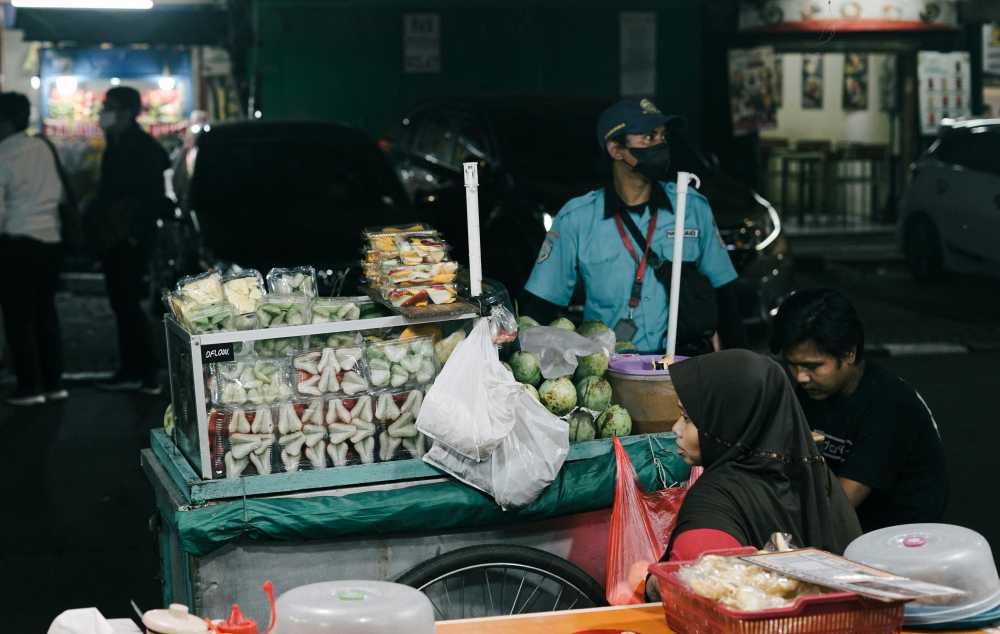
The Strategic Foundation—The Decisions That Save the Most
The secret to a truly affordable solo trip isn't about pinching every penny until it screams. It’s about making a few smart, high-impact decisions long before you even think about packing. These foundational choices have the biggest impact on your bottom line and set the stage for a stress-free adventure.
Choose Your Playground Wisely
This is the single most important decision you will make. Your destination dictates the cost of everything else. A week in Zurich will cost exponentially more than a month in Hanoi, no matter how frugal you are. To keep your trip under $1000, you must focus on regions where your home currency has heavyweight buying power.
Southeast Asia (The Budget Gold Standard): Countries like Vietnam, Thailand, Cambodia, and Indonesia are legendary for a reason. You can feast on world-class street food for a couple of dollars, secure a clean, private guesthouse room for $20-$30, and witness breathtaking landscapes that cost absolutely nothing to enjoy.
Eastern Europe (Culture Without the Cost): Forget the well-trodden paths of Paris and Rome. Cities like Budapest (Hungary), Prague (Czech Republic), Krakow (Poland), and Lisbon (Portugal) offer centuries of history, stunning architecture, and vibrant culture at a price that feels like a pleasant time warp.
Latin America (Adventure Capital): For raw adventure and rich culture, destinations like Mexico, Colombia, Bolivia, and Guatemala provide unparalleled value. You can explore ancient Mayan ruins, hike active volcanoes, and immerse yourself in dynamic local life, all on a remarkably modest budget.

Master the Calendar
Timing isn't just important; it's everything. Every destination has three travel seasons, and knowing the difference is like having a cheat code.
High Season: Peak tourist time with postcard-perfect weather, but also the biggest crowds and eye-watering prices.
Low Season: The off-season, often with challenging weather, fewer open attractions, and rock-bottom prices.
Shoulder Season: The magic window. Nestled between the high and low seasons (typically April-May and September-October in the northern hemisphere), this is the budget traveler's sweet spot.
Traveling during the shoulder season means you get the best of both worlds: pleasant weather, far fewer tourists cluttering your photos, and dramatic drops in the cost of flights and accommodations. Visiting the Greek Islands in May instead of July, for instance, can easily cut your two biggest expenses by 30-50%.
Build Your Budget Blueprint
Let’s reframe the word "budget." It isn't a restriction; it's a permission slip. A well-crafted budget doesn't tell you what you can't do; it gives you the freedom to do what you want to do, without the guilt or anxiety. Here’s how to build one you can rely on.
Set Your Ceiling: Before anything else, define your absolute maximum trip cost. For this playbook, we're targeting a complete trip under $1000.
Become a Researcher: Open a spreadsheet and start plugging in real numbers. Use sites like Kayak, Booking.com, and detailed travel blogs to estimate average costs for your chosen destination. Be thorough.
Flights/Major Transport: Your biggest single purchase.
Accommodation: Your largest daily expense.
Food & Drink: A realistic mix of meals out, street food, and groceries.
Activities & Tours: Museum entries, day trips, cooking classes.
Local Transport: Subways, buses, and the occasional ride-share.
Travel Insurance: Non-negotiable. Don't even consider leaving home without it.
Build a Financial Safety Net: This is the pro move. Once you have your total estimated cost, add a 15-20% "contingency fund." This isn't for overspending; it’s for the unexpected. It’s the money that lets you say "yes" to a spontaneous adventure or handle a missed train without a panic attack. It’s the key to true peace of mind.

With that blueprint in hand, it’s time to move from strategy to action.
The Booking Engine—Locking in Value on Your Biggest Expenses
This is where the rubber meets the road. With your strategic plan in place, you can now book the core components of your trip with surgical precision, ensuring you get the absolute best value for every dollar spent.
Accommodation Strategy
For a solo traveler, a standard hotel room is almost always the least imaginative and most expensive option. The world of alternative accommodations is where you’ll find incredible value and far more interesting experiences.
Hostels (The Social Hub): The undisputed champion of budget solo travel. They offer dorm beds for incredibly low prices and have a built-in social atmosphere that’s perfect for meeting other travelers. If dorms aren’t your scene, a private room in a quality hostel gives you the perfect blend of privacy and community at a price well below a hotel.
Guesthouses & Local Inns: These smaller, often family-run establishments offer a direct line to the local culture. They're typically much cheaper than large hotel chains and infinitely more charming.
Apartment Rentals (with a Kitchen): For stays of three days or more, sites like Airbnb can be fantastic value. The real secret weapon here is the kitchen. Being able to prepare your own breakfast and the occasional dinner will slash your daily food costs.

How to Slay the Single Supplement Dragon
The "single supplement" is an infuriating fee that tour companies and cruise lines charge solo travelers to cover the perceived loss of a second person in a double-occupancy room. It’s a penalty for your independence, and you should refuse to pay it. Here’s how:
Seek Out Solo-Friendly Companies: Tour operators like Intrepid Travel, G Adventures, and Overseas Adventure Travel are built for travelers like you. They’ll match you with a same-sex roommate to eliminate the fee entirely.
Use the Calendar to Your Advantage: Companies are far more likely to waive the fee during the shoulder season when they have more empty spots to fill.
Become a Last-Minute opportunist: If your schedule is flexible, call companies a week or two before a tour's departure. They may be desperate to fill a final spot and will gladly waive the fee to make a sale.
Don't Be Afraid to Ask: If a solo option isn't listed online, pick up the phone. A friendly, direct request can often work wonders.
Transportation Hacks
Getting from Point A to Point B is a major budget item. A few smart moves here can free up hundreds of dollars for more exciting things.
Pack Light, Win Big: Master the art of carry-on-only travel. Checked baggage fees are a massive profit center for airlines, especially budget carriers. A well-packed carry-on is free, keeps you nimble, and prevents the nightmare of lost luggage.
Make Your Travel Day Your Hotel Night: For longer overland journeys, an overnight train or bus is a brilliant two-for-one hack. It combines your transportation and accommodation costs into a single ticket, saving you a night's expense and a full day of travel time.
Be a Flexible Flier: Use flight aggregators like Google Flights and Skyscanner like a pro. Their "price graph" and "entire month" views are your best friends, instantly showing you the cheapest days to fly. Always search in an incognito browser to prevent price hikes based on your search history.
Pro-Tip: When comparing flight prices, always factor in the "hidden" cost of airport transfers. A flight that looks $50 cheaper might land at a remote airport where a $70 taxi ride is your only option, completely negating your savings.
The Execution Playbook—Living Smart on the Ground
You’ve arrived. Your careful planning has paid off. Now, it's all about execution. Your daily habits and micro-decisions will determine your budget's success. This is where you shift your mindset from "tourist" to "savvy local."
The Food Budget
You don’t have to survive on protein bars to eat affordably. The key is a "High-Low" hybrid approach that lets you experience the best of the local food scene without blowing your budget.
Make Lunch the Main Event: In many cultures, lunch is the biggest meal of the day. Look for a "menu of the day" (or menu del día) where you can get a multi-course, high-quality meal for a fantastic price. Have a lighter, cheaper dinner.
Go on a Supermarket Safari: Your local grocery store is more than just a place for supplies; it’s a cultural institution. It’s perfect for grabbing breakfast items, picnic lunches, and local snacks.
Trust the Streets: In many destinations, especially in Asia and Latin America, the best, most authentic food is found at bustling street food stalls for a dollar or two. It’s a delicious, ultra-affordable way to dive deep into the local cuisine.
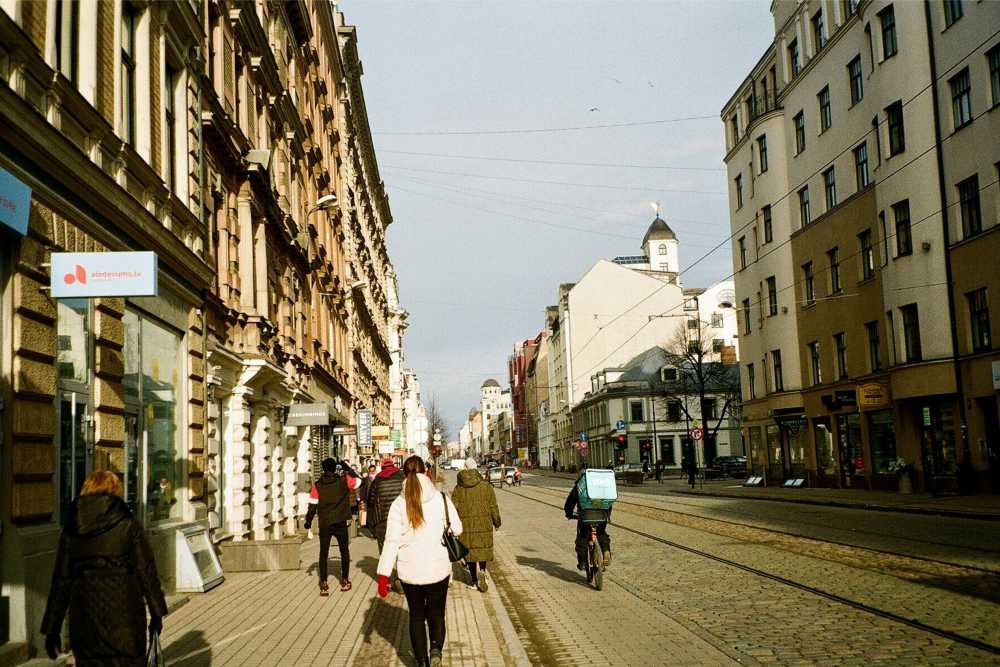
Maximize Your Experience, Not Your Spending
The most memorable travel moments are rarely the most expensive. Every city is overflowing with incredible, zero-cost experiences for those who know where to look.
Take a Free Walking Tour (On Day One): This should be your first activity in any new city. It’s a crash course in history, layout, and local culture. You’ll get your bearings and receive priceless insider tips from your guide. Just be sure to tip them what you feel the tour was worth.
Explore Public Parks and Spaces: From the lush gardens of Paris to the sprawling beaches of Rio, a city's public spaces are its soul. They cost nothing to enjoy and are perfect for people-watching.
Hunt for Free Museum Days: Nearly every major museum offers free admission on certain days of the month or evenings of the week. A quick Google search can save you a significant amount on entry fees.
Embrace the Art of Wandering: The single best way to discover a city's hidden courtyards, charming side streets, and authentic local life is to put away the map and simply wander.

Your Blueprint for Affordable Adventure
This isn't just a collection of tips; it's a mindset. You now understand that successful budget solo travel is not a competition to spend the least amount of money possible. It's about the strategic allocation of your resources to maximize experience, discovery, and joy. It's the difference between being cheap and being smart.
Avoid the trap of "false economies"—like booking a hotel far outside the city to save $10, only to spend $15 and two hours on transport each day. But also, know when to embrace the "strategic splurge"—that one incredible meal, cooking class, or guided tour that will become the key element memory of your entire trip. You have the playbook. You have the system. You have the confidence to reject the anxiety of the unknown and step into the incredible freedom of solo travel. The world is not as expensive as you think.
Frequently Asked Questions (FAQ)
How much money do I really need for a trip under $1000?
Excluding your main international flight, a budget of $1000 can comfortably last for 2-4 weeks in high-value regions like Southeast Asia or parts of Eastern Europe. For a one-week trip including flights from the US, you’ll need to target shoulder-season deals to nearby destinations like Mexico and Central America, or watch for flash sales to Europe.
Is it cheaper to stay in a hostel or an Airbnb when solo?
A hostel dorm bed will almost always be your cheapest nightly option. A private room in a hostel is often comparable in price to a basic room in an Airbnb. An entire Airbnb apartment only becomes cost-effective if you stay long enough and use the kitchen religiously to offset the higher upfront cost.
What are the best apps for budget solo travel?
Skyscanner/Google Flights: For finding the cheapest flight dates.
Hostelworld/Booking.com: For finding and booking affordable accommodation.
Rome2rio: For figuring out the cheapest way to get between cities.
Trail Wallet/TravelSpend: For tracking every penny of your expenses in real-time.
How do I handle currency conversion and ATM fees abroad?
First, get a debit card from a bank that charges zero foreign transaction fees and reimburses ATM fees (Charles Schwab Bank is excellent for this). Always decline the "dynamic currency conversion" offered by ATMs and card machines—it's a scam with a terrible exchange rate. Always choose to be charged in the local currency.
Read the full guide: Anxious to Adventurous: The Ultimate Guide to Solo Travel Confidence
Don't Miss Out! Subscribe for Exclusive Content
SubscribeComments 0
No comments yet
Be the first to share your experience!
Dont Miss Out! Subscribe for Exclusive Content
Ultimate USA Holidays Guide: Top Picks
FTC Affiliate Disclosure Essentials: Stay Compliant as a Travel Creator
Essential Affiliate Tools: From Tracking to Full Optimization
Booking.com Affiliate Program Review: Pros, Cons, and Earnings Potential
Decoding Affiliate Commission Rates: Benchmarks for Travel Creators