
10 Must-Read Solo Travel Blogs for 2026

TrekGuider @trekguider
You're dreaming of a solo trip. You can practically feel the freedom of setting your own itinerary, the electric thrill of navigating a new city, and the profound experience of discovering the world—and yourself—on your own terms. But then, the static of doubt creeps in. Is it safe? Can I afford it? Where do I even begin? The internet is a firehose of generic advice, leaving you feeling more overwhelmed than empowered. You see the perfectly curated Instagram feeds, but what you crave are the real stories, the hard-won lessons, and the practical safety tips from people who have actually walked the path you’re about to take. You don’t just need inspiration; you need a roadmap and reassurance from trusted voices who truly get it.
This is where the right solo travel blogs become the most valuable tool in your travel planning arsenal. Forget endless, aimless scrolling. We’ve done the heavy lifting, applying a rigorous, data-driven vetting process to identify the absolute best, most authoritative solo travel experts to guide you. This isn’t just another list; it’s a curated collection of mentors designed to help you conquer your doubts and plan the adventure of a lifetime. As we cover in our comprehensive guide to The Best Travel Blogs to Follow in 2026, finding a niche expert is the key to unlocking truly valuable advice. This handpicked list is your first step toward transforming your solo travel dream into a well-planned, confident reality.

How We Vetted the Best: Our Data-Driven Approach
To build this definitive list, we moved beyond superficial vanity metrics. A huge follower count can be misleading; true authority is built on a foundation of expertise, trust, and genuine community. We applied a dual-factor framework, combining hard data with the human element of excellence.
Quantitative Authority Signals: We started with the data layer. We analyzed each blog’s Domain Rating (DR) using tools like Ahrefs, which measures a site's backlink profile to estimate its authority in the eyes of search engines. But we didn't stop there. We also dove into their social media, prioritizing engagement rate over raw follower counts. After all, a smaller, highly engaged community is far more valuable than a large, passive one. We used a standard industry formula to see who was truly connecting with their audience:
Engagement Rate=Follower Count(Likes+Comments+Shares+Saves)×100
This metric served as a powerful proxy for brand loyalty and content that genuinely resonates.
Qualitative Excellence: Data only tells part of the story. The blogs that made this final cut excel in the areas that matter most: exceptional writing and originality, deep niche expertise, a professional and user-friendly site design, and a real, tangible connection with their community. They are transparent, authentic, and have earned the trust of their readers through years of high-quality, reliable content.
This rigorous process ensures that every blog recommended below is a trusted resource you can count on not just for inspiration, but for actionable advice.

The Best Solo Female Travel Blogs (For Safety & Empowerment)
For many women, the biggest barrier to solo travel isn't cost or logistics—it's safety. These bloggers tackle that concern head-on, providing the practical advice and empowering stories you need to explore the world with confidence.

1. Adventurous Kate
Website: adventurouskate.com
A true pioneer in the industry, Kate McCulley has been traveling the world solo since 2010. Kate’s blog isn’t just a resource; it’s the gold standard for solo female travel safety. She methodically covers everything from granular, destination-specific safety guides to the often-overlooked internal challenges, like managing anxiety on the road. It’s this kind of on-the-ground intelligence that pairs perfectly with a comprehensive resource like our own Spain Travel Guide—one of the many expert-written guides you can find on the TrekGuider marketplace.
2. Be My Travel Muse
Website: bemytravelmuse.com
If your vision of solo travel involves more than just big cities and popular landmarks, Kristin Addis is your guide. She specializes in off-the-beaten-path, adventurous solo travel for women. Her content is for the woman who wants to hike in Patagonia, dive in the Philippines, or road trip through Namibia alone. She provides the logistical details and courage needed to tackle less conventional destinations with confidence.
3. GRRRLTRAVELER
Website: grrrltraveler.com
Christine Kaaloa offers a unique and highly valuable perspective, blending solo travel advice with her expertise as a video creator. What sets GRRRLTRAVELER apart is its laser focus on "street smart" safety. Christine provides incredibly practical, subtle tips that go beyond the basics, like her guide to the " She empowers her readers by teaching them how to be resilient, resourceful, and aware, no matter where they are.
Your Ultimate Safety Toolkit
Feeling inspired? The expert advice from these bloggers is invaluable. But reading tips is one thing; internalizing them is another. To help you consolidate these life-saving strategies into one place, we’ve created an actionable checklist that you can use for every trip you plan.
Download our free Solo Female Travel Safety Guide now! This comprehensive guide distills wisdom from top experts and government sources into a step-by-step checklist to help you prepare for a safe and incredible solo adventure.
The Best Budget Solo Travel Blogs (For Making Your Dream a Reality)
After safety, the next big question for many aspiring solo travelers is: "How can I possibly afford this?" These blogs demystify the finances of travel, proving that you don't need a massive trust fund to see the world—you just need a smart strategy.

4. Nomadic Matt
Website: nomadicmatt.com
Matt Kepnes is a titan of the budget travel world, and his blog is an essential starting point for anyone looking to travel more for less. While his advice applies to all travelers, his extensive library of content is particularly valuable for solo travelers who bear the full financial burden of a trip. His post, "," is a masterclass in shifting your mindset from "I can't afford it" to "How can I afford it?"
5. The Broke Backpacker
Website: thebrokebackpacker.com
Will Hatton is all about shoestring travel and long-term adventures. His blog is for the aspiring nomad who wants to truly immerse themselves in the backpacker lifestyle. He offers raw, unfiltered advice on everything from finding work on the road to surviving in hostels. His philosophical and practical posts, like " ," provide both the inspiration and the practical plan for making long-term solo travel a reality.
6. Never Ending Footsteps
Website: neverendingfootsteps.com
Lauren Juliff’s blog is a powerful resource that combines practical budget travel advice with an honest and open discussion of overcoming travel anxiety. For many first-time solo travelers, fear and anxiety are major hurdles. Lauren’s journey of traveling for over a decade despite her anxiety is incredibly reassuring. She provides detailed budget breakdowns from her travels, proving that a life of adventure is attainable and manageable.
But what if your travel dreams are less about stretching a dollar and more about stretching your comfort zone? For those who equate travel with adrenaline, the next set of blogs are your essential reading.
The Best Adventure Solo Travel Blogs (For the Thrill-Seekers)
If your idea of travel involves breathtaking landscapes, physical challenges, and a healthy dose of adrenaline, these are the solo travel blogs you need to follow. They cater to the outdoor enthusiast and prove that the world’s greatest adventures are accessible to the solo explorer.

7. Expert Vagabond
Website: expertvagabond.com
Matthew Karsten is an adventure travel photographer and writer who has been exploring the world for over a decade. His blog is a treasure trove of stunning photography and gripping stories from some of the world's most remote corners. For the solo traveler with an appetite for true adventure, his detailed guides on experiences like "" offer both the inspiration to dream big and the practical information needed to follow in his footsteps.
8. The Planet D
Website: theplanetd.com
While Dave and Deb are a travel couple, their motto, "Adventure is for Everyone," makes their blog an essential resource for solo travelers. They have tackled some of the most epic adventures imaginable, from kayaking in Antarctica to cycling the continent of Africa. Their blog is brilliantly organized by destination and activity, making it an incredible resource for a solo traveler planning an ambitious, adventure-focused itinerary.
9. Nomadasaurus
Website: nomadasaurus.com
Alesha and Jarryd are masters of overland and trekking adventures. Their blog has evolved over the years, but its core has always been a passion for sustainable adventure travel. For the solo traveler looking to plan a multi-day hike or an extensive overland journey, their incredibly detailed guides, like "," are second to none. They provide the nitty-gritty logistical details that are crucial for a successful and safe solo adventure.
The Must-Follow New Voice in Solo Travel
10. Travel Off Script
Website: traveloffscript.com
Quincy Morris represents the new generation of solo travelers. Her blog, Travel Off Script, focuses on empowering women to travel solo through curated guides and practical tips. She blends luxury, adventure, and culture, offering a fresh perspective on what solo travel can be. Her content, such as "" is perfect for the modern woman looking for sophisticated and empowering travel experiences.
Frequently Asked Questions About Solo Travel
You've got the inspiration, now let's tackle some of the lingering questions. We've compiled answers to the most common queries from aspiring solo travelers.

1. Is it safe to travel solo as a woman?
Yes, with the right preparation and awareness. Safety is a primary concern, but it's manageable. The key is proactive planning. Before you go, thoroughly research your destination's cultural norms, especially regarding dress codes. Consult U.S. State Department advisories for reliable safety information. While traveling, maintain situational awareness, trust your intuition, avoid disclosing that you're alone, and use digital tools like location-sharing apps with a trusted contact back home.
Pro-Tip: A widely recommended tactic from veteran solo travelers is to avoid disclosing to strangers that you are traveling alone. According to safety experts, if questioned, it’s often safer to mention you’re meeting a friend, partner, or group later.
2. How do I choose my first solo travel destination?
For a first trip, choose a destination known for its safety, good tourism infrastructure, and ease of navigation. Countries in Western Europe (like Portugal or Ireland), Southeast Asia (like Thailand or Vietnam), and destinations like New Zealand or Costa Rica are popular choices for a reason. Pick a place where you feel a genuine pull of interest, as your enthusiasm will help you overcome any first-timer nerves.
3. What's the biggest mistake first-time solo travelers make?
Over-scheduling. The beauty of solo travel is the freedom to be spontaneous. Many first-timers pack their itinerary so tightly they leave no room for serendipity—the unexpected detours, the long coffee shop conversations, or the decision to spend an entire afternoon in a park. Plan your key activities, but leave plenty of unstructured time to simply wander and explore.
4. How do I deal with loneliness or meet people on the road?
Loneliness can happen, but it's often fleeting. Staying in social accommodations like hostels is the easiest way to meet fellow travelers. Joining a small group day tour, taking a local cooking class, or even just sitting at a communal table or bar can spark conversations. Remember, many other people are in the same boat. A simple "hello" can go a long way.
Your Journey Starts Now
The path to a life-changing solo trip begins with a single step: gathering the right information from people you trust. The journey from dream to destination can feel daunting, but you are now armed with a list of expert mentors who have paved the way. These incredible solo travel blogs provide the proof that traveling alone is not only possible but is one of the most empowering and rewarding experiences you can have. Dive into their stories, absorb their advice, and start planning your own chapter. The world is waiting for you.
Meta Data Suggestions:
SEO Meta Title (57 characters): 10 Must-Read Solo Travel Blogs for 2026 | TrekGuider
URL Slug: solo-travel-blogs
SEO Meta Description (154 characters): Planning a solo trip? Discover the 10 best solo travel blogs of 2026. Get expert safety tips, budget advice, and answers to your top solo travel questions.
Don't Miss Out! Subscribe for Exclusive Content
Subscribe



Comments 0
No comments yet
Be the first to share your experience!
Dont Miss Out! Subscribe for Exclusive Content

FTC Affiliate Disclosure Essentials: Stay Compliant as a Travel Creator


Essential Affiliate Tools: From Tracking to Full Optimization

Avoid These 5 Affiliate Landing Page Mistakes for Better Conversions

Affiliate Keyword Research Mastery for Travel Blogs

Booking.com Affiliate Program Review: Pros, Cons, and Earnings Potential

Decoding Affiliate Commission Rates: Benchmarks for Travel Creators
Top 10 Travel Affiliate Programs for 2026
TrekGuider @trekguider
You’ve launched your travel blog, pouring hours into crafting beautiful, helpful content. The passion is there, but a critical piece of the puzzle is missing: a reliable income stream. You know that affiliate marketing is at the heart of a profitable blog, but stepping into that world feels like navigating a dense, fog-covered jungle. Which programs are legitimate? Which ones actually pay well? And how do you choose partners that your audience will genuinely thank you for recommending?
The wrong choice can be costly. You risk wasting months promoting programs with rock-bottom commission rates, impossibly short cookie durations, or, worst of all, recommending subpar products that shatter the trust you’ve worked so hard to build. This indecision is a major roadblock, keeping your blog a passion project when it has the potential to be a profitable business.
This guide is your machete to clear a path through that jungle. We are cutting through the noise to bring you a curated, vetted, and strategic list of the top 10 travel affiliate programs for 2026. This isn't just a list; it's a strategic analysis designed to equip you with the knowledge to build a powerful and profitable travel affiliate marketing foundation. Think of this as a tactical deep-dive—one essential component of the much larger business strategy we cover in our ultimate guide to How to Make Money Online: A Creator's Guide for 2026.

The Anatomy of a Winning Affiliate Program
Before we dive into the list, it’s crucial to understand the criteria that separate the best programs from the rest. A successful travel affiliate marketing strategy isn’t just about chasing the highest commission rate; it's about building a portfolio of reliable partners that align with your brand and serve your audience.
Commission Rate & Type: This is the percentage or flat fee you earn per sale. Look for rates that fairly compensate you for the value you provide. For high-ticket items like multi-day tours, a 6% commission can be far more lucrative than a 10% commission on a low-cost item.
Cookie Duration: When a reader clicks your affiliate link, a small tracking file (a "cookie") is placed on their browser. The cookie duration is the period during which you will be credited for the sale if they make a purchase. A 30, 60, or even 90-day cookie is vastly superior to a "session-based" cookie that expires as soon as the user closes their browser.
Brand Recognition & Trust: Promoting well-known, trusted brands like Booking.com or REI leads to higher conversion rates. Your audience is already familiar with them and is more likely to make a purchase.
Average Order Value (AOV): This is the average amount a customer spends in a single transaction. A program with a high AOV, like a tour company, can result in substantial commissions even with a modest commission rate. A $2,600 tour booking with a 6% commission earns you $156 from a single click.

The Top 10 Travel Affiliate Programs for Bloggers in 2026
Here is our definitive list, broken down by category to help you build a diversified affiliate portfolio that covers every stage of the travel planning process.
Accommodation Affiliate Programs
For most travelers, booking accommodation is the first and most expensive part of their trip, making this category a foundational pillar of your affiliate income.
1. Booking.com
Let's start with the undisputed heavyweight. Booking.com is a global powerhouse, a name so synonymous with travel that it’s practically a verb. That massive inventory and ironclad reputation translate directly into higher conversions for you.
Commission Rate: 25-40% of Booking.com's commission (which nets out to roughly 4% of the total booking value for you).
Cookie Duration: Session-based.
Strategic Insight: The session-based cookie is a major drawback—your reader must book immediately. However, the conversion rate is so high that it remains an essential program. The key is to link to specific properties at the exact moment a reader is making a decision (e.g., within a hotel review or a "Where to Stay" guide).
2. Expedia Group
The Expedia Group affiliate program is your versatile all-in-one tool, giving you access to a huge portfolio of brands including Expedia, Hotels.com, and the vacation rental giant Vrbo under a single umbrella.
Commission Rate: 2-6% on hotels and vacation rentals.
Cookie Duration: 7 days.
Strategic Insight: Access to Vrbo is the main prize here, allowing you to monetize the lucrative vacation rental market. The 7-day cookie, while not long, is a significant improvement over Booking.com's model, giving your readers a bit more time to decide.
Tours & Activities Affiliate Programs
This is where you can earn some of the highest commissions per sale. Tours and activities have a high AOV and are a natural fit for itinerary-based blog posts and destination guides.

3. GetYourGuide
With a modern, user-friendly platform and an excellent selection of tours worldwide, GetYourGuide has become a favorite among travel creators for a reason.
Commission Rate: 8-10%.
Cookie Duration: 30 days.
Strategic Insight: GetYourGuide excels in its creator tools, including easy-to-embed widgets that showcase tours visually within your posts. A solid commission rate and a generous 30-day cookie make this a top-tier, reliable choice.
4. Viator
Owned by TripAdvisor, Viator is one of the largest tour marketplaces online, boasting a massive inventory that covers virtually every corner of the globe.
Commission Rate: 8%.
Cookie Duration: 30 days.
Strategic Insight: The sheer breadth of Viator's offerings is its superpower. No matter how niche your destination, you will almost certainly find a relevant tour to promote. This makes it an invaluable tool for creators who cover a wide range of locations.
5. G Adventures
Specializing in small-group adventure travel, G Adventures offers high-ticket, multi-day tours that can result in massive commissions.
Commission Rate: 6% of booking value.
Cookie Duration: 60 days.
Strategic Insight: This program is all about the Average Order Value. With an average booking of approximately $2,600, a 6% commission translates to over $150 from a single sale. The long 60-day cookie is essential for these high-consideration purchases.
6. Take Walks
This program focuses on high-quality, small-group walking tours in major cities across the globe, led by expert local guides.
Commission Rate: 15%.
Cookie Duration: 45 days.
Strategic Insight: A massive 15% commission rate is almost unheard of in this space. For bloggers who focus on major European and North American cities, this program can be an absolute goldmine. Promoting their unique "skip-the-line" tours is an easy sell.
Ready to Build Your Own Products?
Seeing the high commissions on tours and experiences should get you thinking. Once you've mastered earning from other people's products, the next step is to create your own. Selling your own digital products offers unparalleled profit margins and gives you full control. But what should you create?
Our free Digital Product Ideas Guide is the perfect brainstorming tool. It’s packed with proven concepts for travel creators, from eBooks and templates to interactive maps and presets that your audience will love.
Download Your Free Digital Product Ideas Guide Here
Flights & Deals Affiliate Programs
While direct flight commissions are notoriously low, these programs offer creative ways to monetize this essential part of travel planning.
7. Skyscanner
As one of the world's most trusted flight search engines, Skyscanner is a brand your audience already knows and uses.
Commission Rate: 20% of Skyscanner's revenue per click-out.
Cookie Duration: 30 days.
Strategic Insight: You don't get paid for a flight booking, but for the traffic you send. While per-click earnings are small, this allows you to monetize readers in the early, research phase of planning. It’s a volume game, best for blogs with significant traffic.
8. Dollar Flight Club
This is a subscription-based service that sends cheap flight alerts directly to its members. Its affiliate program is incredibly lucrative.
Commission Rate: 50% recurring commission.
Cookie Duration: 90 days.
Strategic Insight: A 50% recurring commission is a game-changer. You get half of the subscription fee not just once, but for as long as the member you referred remains active. This is how you build a predictable, passive affiliate income stream.
Gear & Insurance Affiliate Programs
Recommending the gear you personally use and the insurance that protects you is an authentic way to serve your audience while earning a commission.
9. World Nomads
World Nomads is one of the most popular and trusted travel insurance providers, especially within the backpacking and adventure travel communities.
Commission Rate: ~10%.
Cookie Duration: 60 days.
Strategic Insight: Travel insurance is a necessary purchase you should be recommending for your audience's safety. Promoting a trusted brand is a valuable service, and the program rewards you with a solid commission and a generous 60-day cookie.
10. REI
For outdoor and adventure travel, REI is the gold standard for high-quality gear. The brand is synonymous with trust and quality, making it a high-converting partner.
Commission Rate: ~5%.
Cookie Duration: 15 days.
Strategic Insight: While the 5% commission seems modest, the AOV at REI is often high as customers purchase big-ticket items. Recommending a specific backpack or tent you’ve tested for months is one of the most authentic promotions you can make.
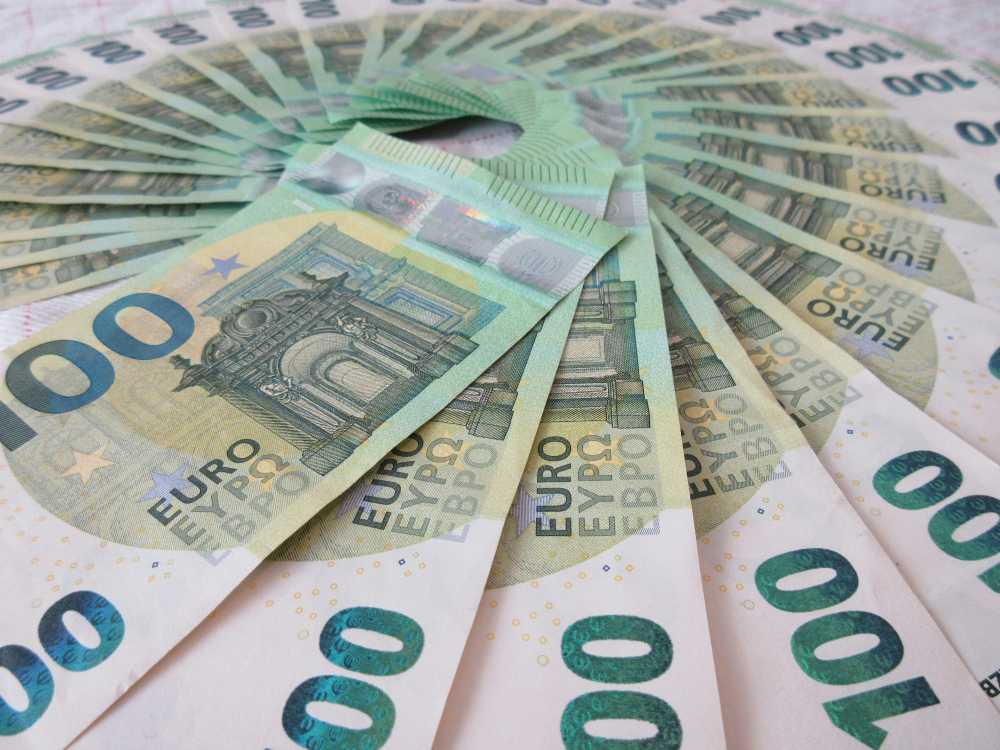
The Golden Rule: Diversify Your Portfolio
Pro-Tip: The most successful affiliate marketers build a diversified portfolio. Don't rely on a single program. This strategy of diversification is your only defense against platform risk. As we saw when Amazon dramatically slashed its commission rates with little warning, building your entire income on a single partner is a recipe for disaster. By joining programs across accommodations, tours, and gear, you create a more resilient business.
Getting Accepted and Maximizing Your Earnings
Getting accepted into these programs is just the entry ticket. The real work—and the real money—lies in your strategy. And at the heart of that strategy is one non-negotiable word: trust.
Always prioritize authenticity. Only recommend products and services you have personally used or thoroughly vetted. Your audience values your honest, first-hand experience above all else. When you integrate affiliate links, do so contextually within helpful content. A link to a Viator tour is most powerful inside a 3-day itinerary for that city. You can even package these recommendations into a premium Travel Guide, selling your expertise directly to your audience. A specialized marketplace like TrekGuider becomes an invaluable partner here, giving every creator a professional, customizable storefront to connect with travelers who are actively searching for expert resources.

Frequently Asked Questions (FAQ)
1. How many affiliate programs should I join as a beginner?
Start with 2-3 programs that are the absolute best fit for your niche. It's better to deeply integrate a few relevant programs into your content than to shallowly sprinkle links from a dozen different sources. Master these first before expanding.
2. Can I get rejected from affiliate programs? What should I do?
Yes, and it's common for new bloggers with low traffic. Don't be discouraged. Most rejections are automated. Focus on building your content library (aim for 15-20 high-quality posts) and growing your traffic. Re-apply in 3-6 months when your site's metrics have improved.
3. Is travel affiliate marketing still profitable in 2026?
Absolutely. The creator economy is projected to nearly double from $250 billion to almost $500 billion by 2027. While competition is higher, the audience of online buyers is also larger than ever. The key to success is building trust with a specific niche audience and promoting products that genuinely solve their problems.
Your Path to a Profitable Blog Starts Now
Choosing the right partners is one of the most critical decisions in your blogging journey. This curated list removes the guesswork, providing you with a powerful roster of the industry's best programs. By aligning with these trusted brands, you can confidently serve your audience with valuable recommendations while building a sustainable and profitable business.
You now have the blueprint. The next step is to take action. Review this list, identify the programs that best fit your niche, and start the application process. This is the foundational step in building a strong travel affiliate marketing strategy that will power your blog for years to come.
Meta Data
SEO Meta Title (Under 60 characters):
Top 10 Travel Affiliate Programs for Bloggers (2026)
URL Slug:
top-travel-affiliate-programs
SEO Meta Description (Under 155 characters):
Ready to monetize your blog? Discover the 10 best travel affiliate programs for 2026. We break down commissions, pros, and cons to boost your income.
Read the full guide: The Travel Blog Business Plan: How to Make Real Money in 2026
Don't Miss Out! Subscribe for Exclusive Content
SubscribeComments 0
No comments yet
Be the first to share your experience!
Dont Miss Out! Subscribe for Exclusive Content
FTC Affiliate Disclosure Essentials: Stay Compliant as a Travel Creator
Essential Affiliate Tools: From Tracking to Full Optimization
Avoid These 5 Affiliate Landing Page Mistakes for Better Conversions
Affiliate Keyword Research Mastery for Travel Blogs
Booking.com Affiliate Program Review: Pros, Cons, and Earnings Potential
Decoding Affiliate Commission Rates: Benchmarks for Travel Creators
7 Hotel Safety & Security Tips for Peace of Mind
TrekGuider @trekguider
You’ve finally made it. After a long day of navigating airports, taxis, and unfamiliar streets, you slide the key card into your hotel room door and a wave of relief washes over you. This is your sanctuary, your home base for the adventures ahead. But as you drop your bags, another feeling can creep in, spoiling the moment. Let’s be honest: that sterile, anonymous hotel room doesn't feel as secure as your own home. It’s a vulnerability that can cast a shadow over an entire trip, a persistent whisper of "what if" that prevents you from ever truly relaxing.

The good news is that safety isn't a matter of luck; it's a repeatable skill. This guide is your new ritual, a systematic playbook for transforming any hotel room into a personal fortress. We’ve synthesized advice from former hotel security personnel and fire safety experts to bring you seven essential hotel safety tips. This isn’t about paranoia; it's about empowerment. By making these simple checks a habit, you can ensure your peace of mind is the most valuable thing you pack. These strategies are a critical part of the accommodation-specific awareness we cover in our comprehensive guide to The Ultimate Guide to Travel Safety: A 2026 Playbook.
The 60-Second Security Sweep: Your First Check-In Ritual
Your first minute inside a new hotel room is the most important. This is your window to verify, secure, and orient yourself before you get distracted by unpacking or collapsing on the bed. By turning the following steps into an unbreakable habit, you proactively eliminate the most common security and safety risks. Think of it as a professional-grade inspection that takes less time than it does to check your email.
Tip 1: Secure the Door and Verify the Room is Empty
Before you do anything else, take control of your entry point. A common mistake is to walk in, close the door, and immediately turn your back to it while dealing with luggage. This makes you vulnerable. Instead, follow this security-conscious procedure.
Prop the Door: As you enter, use your luggage to prop the door open so it can't be closed behind you.
Conduct a Visual Clear: From the doorway, quickly scan the room to ensure it is empty. This includes a glance behind the curtains, in the closet, under the bed, and inside the shower.
Close and Lock: Once you've confirmed the room is unoccupied, remove your luggage from the entryway, close the door, and immediately test every single locking mechanism. This includes the primary deadbolt and any secondary security devices like a security chain or a flip latch. Ensure they are all functional and engage smoothly. Don't assume they work; physically test them.
Tip 2: Check Your Communication and Safety Gear
Now that the room is secure, your next step is to verify your lifelines. You need to know that the room’s built-in safety equipment is present and functional.
Test the Phone: Pick up the in-room phone and confirm there’s a dial tone or call the front desk for a quick "hello." This ensures you have a reliable way to call for help if your cell phone has no service or the battery dies.
Locate Safety Devices: Visually identify the smoke detector and fire alarm sprinkler heads. It’s also wise to check for a carbon monoxide detector, especially in hotels with in-room fireplaces or those attached to large parking garages. If one isn't present and you have concerns, report it to the front desk.
Tip 3: Create a Mental Fire Escape Map
This is one of the most critical hotel safety tips, yet it's the one most often ignored. In the event of a fire, heavy smoke can reduce visibility to absolute zero. The evacuation map on the back of your door is not decoration; it's your key to survival.

According to fire safety experts, you must identify three key things:
Your Primary and Secondary Exits: The map will show the nearest emergency exit stairwell. Crucially, you must also identify an alternative, secondary exit in case your primary route is blocked by fire or smoke. Remember, elevators must never be used in a fire.
The Door Count: This is the most important part. Physically walk out into the hallway and count the number of doors between your room and the nearest emergency exit. Memorize this number. In a dark, smoke-filled hallway, this knowledge will allow you to feel your way along the wall to safety, counting the doors as you go.
Location of Safety Equipment: As you identify your route, note the location of fire alarm pull stations and fire extinguishers in the hallway.
Tip 4: Fortify Your Privacy
Your final step in the initial sweep is to ensure your room is a truly private space.
Check Windows and Connecting Doors: Go to every window and make sure it is locked securely. If your room has a connecting door to an adjacent room, verify that it is locked from your side. A good practice is to slide a chair or your luggage in front of a connecting door as an extra physical and audible barrier.
Close the Curtains: Fully close the curtains to ensure privacy from the outside, especially in ground-floor rooms or those that face other buildings.
Scan for Oddities: While rare, hidden cameras are a modern concern. Conduct a quick visual scan for any electronics or objects that seem out of place. Pay attention to smoke detectors, alarm clocks, and USB wall outlets, looking for unusual pinholes or lenses.
Beyond the Locks: Advanced Hotel Safety Tips
Okay, the room is secure. But a locked door is just the first line of defense. Now it’s time to think like a pro and protect your belongings with the kind of savvy that separates seasoned travelers from the rest.
Tip 5: Outsmart a Thief: How to Hide Your Valuables
The in-room safe should always be your first choice for storing passports, extra cash, and small electronics. However, if a safe is unavailable, broken, or you simply don't trust it, you need a smart hiding strategy. The key is to avoid the first places a thief would look: in drawers, under the mattress, and inside your suitcase.

Security consultants recommend using non-obvious, "high-friction" hiding spots that take time and effort to find.
Taped in an Inconspicuous Location: Use a small amount of duct tape to secure an envelope containing cash or cards to a surface that is out of sight. Think creatively: the underside of a heavy desk, the back panel of a chest of drawers, or high up on a closet shelf.
Inside a Common, Uninteresting Object: Hide valuables in plain sight by placing them inside items a thief would ignore. A popular tactic is to place cash inside a bag of dirty laundry, as it's highly unlikely to be searched. You can also slip flat items like cash or cards inside the hotel room's bible or another book on a shelf.
Within the Room's Fixtures: Some parts of a hotel room offer clever nooks. For a laptop, a surprisingly effective tactic is to hide it inside a pillowcase on the bed, then pile the other pillows on top to disguise its shape.
Pro-Tip: When hiding cash or cards in an envelope, tape it flat against a surface and choose a dark color for the envelope (e.g., black or brown) to prevent it from being seen through any gaps.
Tip 6: Bring Your Own Security: Portable Safety Devices
For the ultimate peace of mind, especially when staying in older hotels, budget accommodations, or short-term rentals, consider investing in a portable security device. These lightweight gadgets are designed to provide an extra layer of defense against unauthorized entry.
Portable Door Locks: These devices brace against the door frame from the inside, making it physically impossible for the door to be opened from the outside, even with a key.
Door Stop Alarms: These are simple, wedge-shaped door stops that you place under your door from the inside. If the door is pushed open, it triggers a piercingly loud alarm, startling the intruder and alerting you and others to the breach.
The Final Layer of Protection: Personal Habits
Your physical security measures are only half the battle. The other half is cultivating smart habits and maintaining a high level of situational awareness throughout your stay.
Tip 7: Practice Smart "Hotel Habits"
Small, consistent habits can significantly reduce your risk profile.
Sanitize High-Touch Surfaces: Upon arrival, use a disinfectant wipe to clean the objects that are most frequently handled but often overlooked by cleaning staff: the TV remote, light switches, doorknobs, and the phone.
Be Discreet with Your Room Number: When checking in, if the front desk clerk announces your room number out loud, politely ask for a different room and for them to write it down for you instead. Never leave your key card sleeve, which often has the room number written on it, lying around in public areas.
Use the "Do Not Disturb" Sign: When you are in your room, hang the "Do Not Disturb" sign on the outside of your door. This is a clear signal that the room is occupied and can deter someone from trying to enter, whether by mistake or with ill intent.
Verify All Visitors: Never blindly open your door. If someone knocks claiming to be hotel staff, call the front desk to verify that they sent someone to your room before opening the door.
Pro-Tip: If you order room service or have hotel staff coming to your room, call the front desk to verify the person's identity before opening the door. It's a simple step that confirms the visitor is legitimate.
A secure hotel stay is at the heart of a well-planned trip. To ensure every other aspect of your journey is just as prepared, from packing lists to financial planning, a comprehensive resource is essential. The right Travel Guide can be the difference between a good trip and a flawless one.
Your Pre-Trip Master Plan
A secure hotel room is just one piece of your travel safety puzzle. To ensure you don't overlook a single essential item—from documents and finances to clothing and gear—a master checklist is your most powerful tool. Our comprehensive, free checklist has you covered for every stage of your trip.

Download Your Free International Travel Checklist Now!
Hotel Safety FAQs
A prepared mind anticipates questions. Here are expert answers to common concerns.
1. Is an in-room safe really the most secure option?
For the vast majority of travelers, yes. Modern electronic safes are quite secure against opportunistic theft. However, hotel management does have a master key or code for emergencies. The greatest risk often comes from user error (choosing an obvious code like 1234) or a dishonest staff member (which is rare in reputable hotels). For irreplaceable items, using a smart hiding spot in addition to the safe, or keeping them on your person, can provide an extra layer of security.
2. Are short-term rentals (like an Airbnb) more or less secure than hotels?
It varies dramatically. A professionally managed rental in a secure building can be safer than a budget motel. However, rentals lack the 24/7 staff, multiple security cameras, and controlled access points of a hotel. When booking a rental, read reviews carefully for any mention of safety concerns, check the lock quality upon arrival, and consider bringing your own portable door lock.
3. What should I do if hotel staff need to enter my room while I'm out?
If you have requested maintenance or housekeeping, you have a reasonable expectation they will enter. Secure all valuables in the safe or hide them before you leave. If you are concerned, you can request that these services only be performed while you are present in the room. Always leave the "Do Not Disturb" sign on your door when you leave if you do not want anyone entering.
Travel with True Peace of Mind
Your hotel room should be a sanctuary—a place where you can recharge after a day of exploration and sleep soundly through the night. It shouldn't be a source of anxiety. By incorporating these seven hotel safety tips into your check-in routine, you are taking active control of your environment. You are replacing uncertainty with a plan and vulnerability with empowerment. This simple, 60-second ritual does more than just secure a room; it secures your peace of mind, freeing you to focus on the real purpose of your journey: the adventure that awaits outside your door.

Meta Data Suggestions:
SEO Meta Title (Under 60 characters):
7 Essential Hotel Safety Tips for Travelers
URL Slug:
hotel-safety-security-tips
SEO Meta Description (Under 155 characters):
Sleep soundly on your next trip. Our expert-backed hotel safety tips cover room security, hiding valuables, fire safety, and more for total peace of mind.
Don't Miss Out! Subscribe for Exclusive Content
SubscribeComments 0
No comments yet
Be the first to share your experience!
Dont Miss Out! Subscribe for Exclusive Content

Ultimate USA Holidays Guide: Top Picks
FTC Affiliate Disclosure Essentials: Stay Compliant as a Travel Creator
Essential Affiliate Tools: From Tracking to Full Optimization
Booking.com Affiliate Program Review: Pros, Cons, and Earnings Potential
Decoding Affiliate Commission Rates: Benchmarks for Travel Creators
