
4 Unforgettable National Park Family Travel Ideas

TrekGuider @trekguider
Struggling to find a family vacation that pulls your kids away from screens and creates genuine memories, not just stress? You're not alone. The pressure to plan the perfect, budget-friendly trip often leads to analysis paralysis amid an overwhelming sea of options and the fear of getting it all wrong. This guide cuts through the noise.
This is where the timeless majesty of America’s national parks comes in. They are the ultimate solution—vast playgrounds of natural wonder that offer a powerful antidote to the digital saturation of modern life. Forget generic resort packages; this guide is a strategic playbook for crafting an unforgettable national park adventure. We’ll transform the daunting task of planning into an exciting journey.
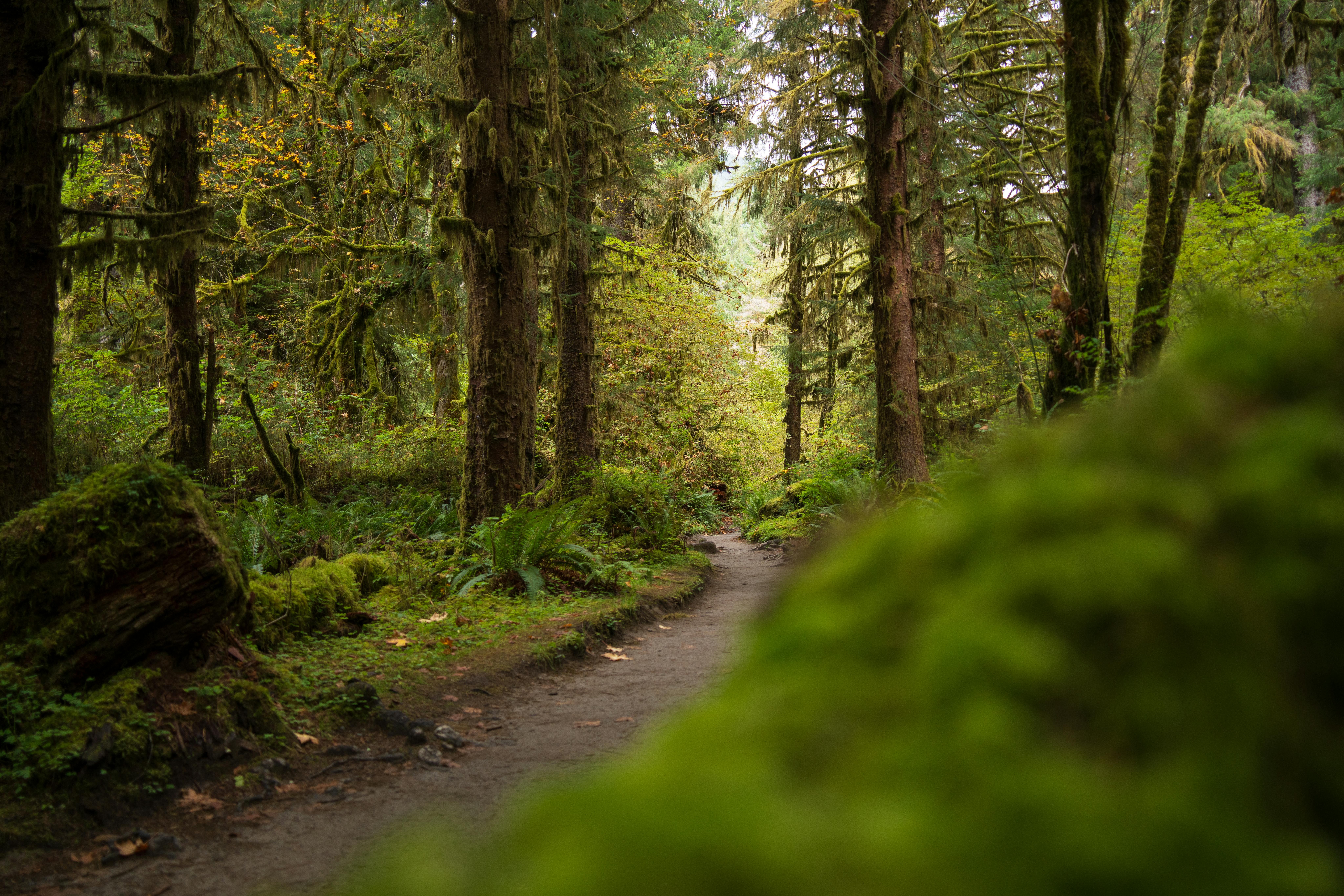
As we explore these specific parks, remember they represent just one path to an amazing trip. For a complete overview of destinations for every budget and travel style, our Family Travel Ideas: The 2026 Guide to Unforgettable Trips is your ultimate resource. This article is your specialized map to sun-drenched trails, awe-inspiring wildlife, and the kind of shared experiences that strengthen family bonds for years to come.
Why National Parks are the Ultimate Family Travel Ideas for Summer
In a world of manufactured entertainment, national parks offer something profoundly real. They are living classrooms, natural gymnasiums, and sanctuaries for the soul. For families, they present a unique opportunity to disconnect from daily routines and reconnect with each other in a meaningful way.
Unmatched Educational Value: Where else can your child see the geological forces that shaped our planet firsthand at the Grand Canyon, or watch a bison herd thunder across the plains of Yellowstone? These parks are immersive, multi-sensory learning environments that bring textbook concepts to vivid life.
Built-in Adventure: From gentle, toddler-friendly nature walks to more challenging hikes for teens, the parks are structured for adventure at every skill level. The thrill is in the discovery—spotting a bald eagle, identifying a new wildflower, or conquering a trail together.
Remarkable Affordability: Compared to theme parks or international travel, a national park vacation can be incredibly budget-friendly. An annual "America the Beautiful" pass grants access to all parks for just $80 per vehicle. With options for camping or lodging in nearby towns, you can tailor the trip to your exact financial comfort level.
A Cure for Nature Deficit Disorder: Experts increasingly recognize that time spent in nature is critical for a child's physical and mental development. It reduces stress, improves focus, and fosters creativity. A week in the woods can be the most effective reset button you’ll ever press for your family.
They are, quite simply, America's best idea, and they are waiting to be the backdrop for your family's next great story.
Your National Park Summer Adventure Playbook
Success in the wild begins with careful planning at home. The immense popularity of national parks during the summer means that spontaneity can lead to sold-out signs and disappointment. Following a proven framework is key to a smooth and memorable trip.
Step 1: The 6-12 Month Countdown - Booking Your Basecamp
Let’s start with a non-negotiable truth: if you only get one thing right in your planning, make it your lodging. In-park accommodations and popular campsites are often booked solid the day they become available, sometimes a full year in advance.

Define Your Lodging Style:
In-Park Lodges: Offer unparalleled convenience and historic charm (think the Old Faithful Inn). They are the most expensive option and require the earliest booking.
Campgrounds: Provide the most immersive nature experience. Services range from primitive sites to full RV hookups. Reservations are typically made through Recreation.gov.
Gateway Towns: Towns just outside park entrances (like West Yellowstone, MT, or Springdale, UT) offer a wide range of hotels, motels, and vacation rentals. They provide more flexibility and amenities but require daily travel into the park.
Set Your Alarms: Identify the exact date and time that reservations open for your target dates and lodging. Be online and ready to book the second they become available.
Have Backup Plans: Research and be ready to book your second and third choices immediately if your first is unavailable.
Pro-Tip: How to Actually Win the Campground Lottery
Booking a popular national park campsite on Recreation.gov is a competitive sport. Here’s how to win: a few days before your booking day, log into your account, find your desired campground, and add it to your cart to confirm the exact release time (usually 10 a.m. ET). On the day, log in 10 minutes early, sync your computer clock to the official U.S. time (time.gov), and have all your information ready. Refresh your screen precisely at the release time and complete the booking in seconds.
Step 2: The 2-3 Month Check-In - Crafting Your Itinerary
With your basecamp secured, you can now build your daily plan. The key is to balance iconic sights with downtime to avoid burnout. Our guide on How to Make Family Travel Planning Actually Easy dives even deeper into this process.
Cluster Your Activities: Parks are huge. Study the park map and group your desired activities by geographic area. Dedicate full days to specific regions, like the Yellowstone Lake area or the Tioga Road in Yosemite, to minimize driving time.
Prioritize the "Must-Sees": Identify the 2-3 iconic experiences your family absolutely cannot miss. Plan to visit these popular spots early in the morning (before 9 a.m.) or later in the afternoon (after 4 p.m.) to avoid the worst crowds and midday heat.
Involve the Kids: Give your children, especially older ones, a voice in the planning. Let them research and choose a specific trail they want to hike or a Ranger Program they want to attend. This ownership fosters excitement and cooperation.
Stay Organized from Start to Finish
A great road trip has a lot of moving parts. Our free checklist is designed to help you track everything from reservations to packing lists, ensuring nothing gets missed.
Download the free National Park Road Trip Checklist
Top National Parks for Summer Family Adventures (And What to Do There)
While every park is special, some are exceptionally well-suited for families during the summer months. Here are our top picks for incredible family travel ideas for summer in the national parks.
Yellowstone National Park: The Geothermal Wonderland
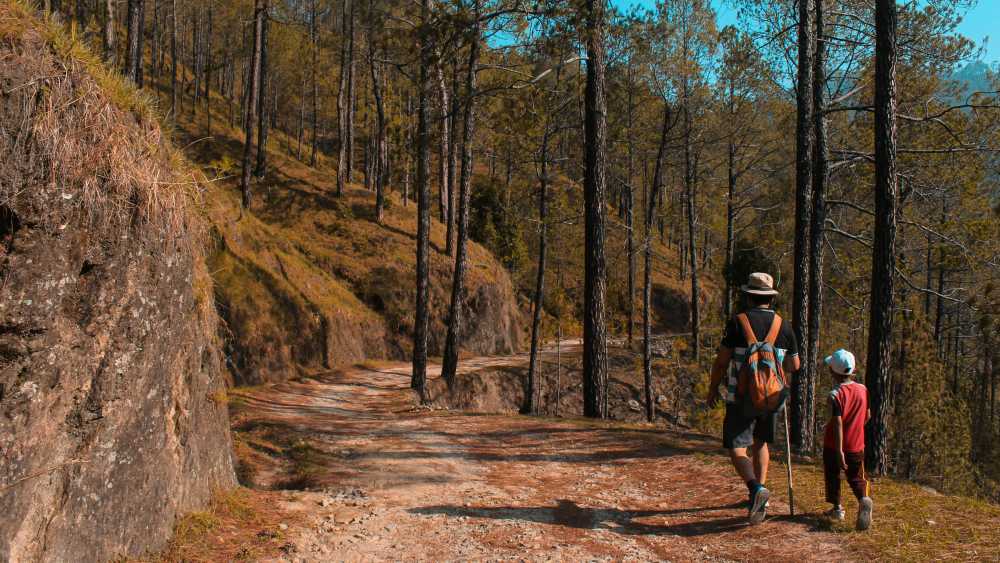
Best For: Ages 6+. The sheer scale and geothermal wonders are captivating for school-aged children and teens.
Can't-Miss Activities:
Watch Old Faithful Erupt: It’s iconic for a reason. Check the posted eruption times and find a spot on the boardwalk.
Explore the Grand Prismatic Spring: The vibrant colors of this massive hot spring are otherworldly. The best view is from the elevated overlook on the Fairy Falls Trail.
Wildlife Safari in Hayden Valley: Drive through this vast, open valley at dawn or dusk for the best chances of spotting bison, elk, grizzly bears, and even wolves.
Kid-Friendly Hike: The Storm Point Loop Trail is a relatively flat 2.3-mile loop that leads through forest to a scenic point on Yellowstone Lake.
Zion National Park: The Majestic Canyon Sanctuary
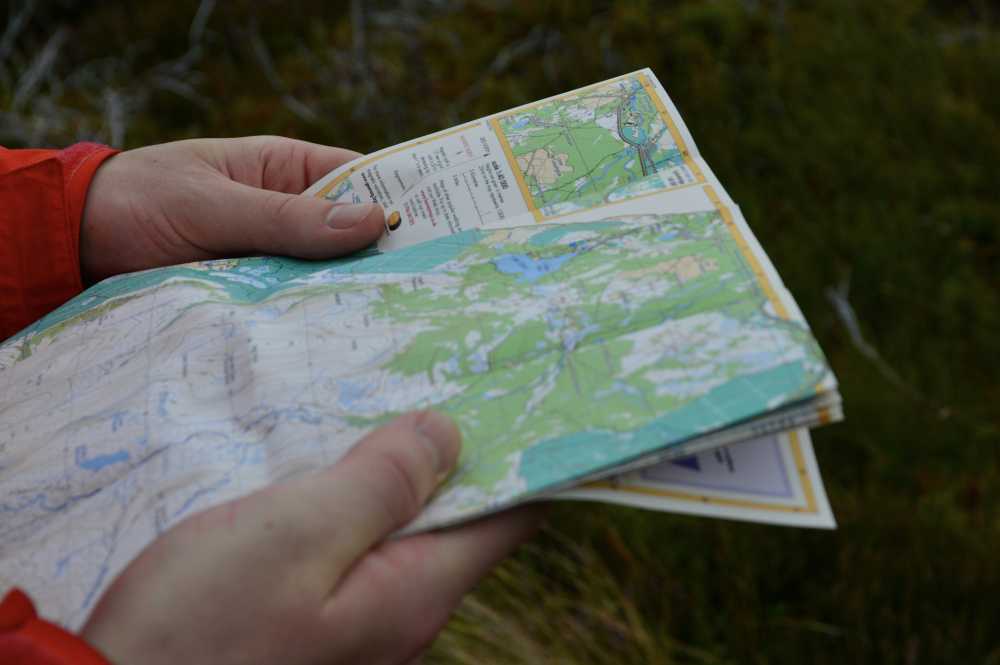
Best For: All ages, but especially families with active kids and teens.
Can't-Miss Activities:
Ride the Park Shuttle: During peak season, the mandatory shuttle is an experience in itself, offering narrated guidance and stunning views.
Walk The Narrows (Bottom-Up): Wading through the Virgin River in a 1,000-foot-deep canyon is the quintessential Zion experience. Rent proper water shoes from an outfitter in Springdale—it's a game-changer.
Hike to Emerald Pools: This series of trails leads to lush, spring-fed pools and waterfalls. The Lower Pool trail is paved and accessible for strollers.
Kid-Friendly Hike: The Pa'rus Trail is a 3.5-mile paved trail that follows the Virgin River. It's perfect for strollers, wheelchairs, and bikes.
Acadia National Park: The Coastal Gem of New England
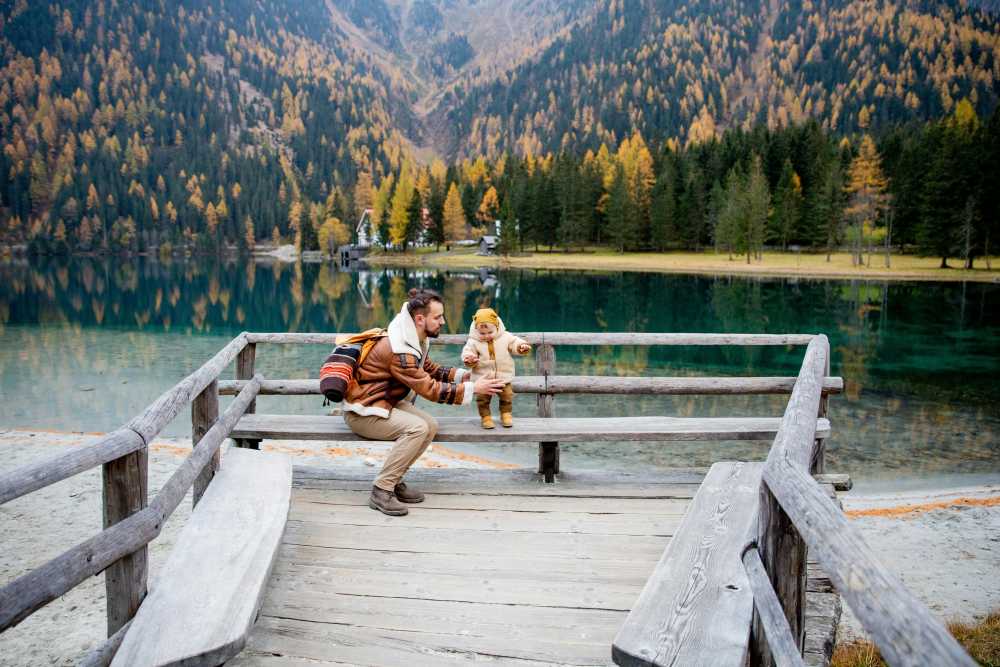
Best For: All ages. The diversity of landscapes makes it a perfect fit for multi-generational trips.
Can't-Miss Activities:
Drive the Park Loop Road: This 27-mile road hits many of the park's highlights, including Sand Beach, Thunder Hole, and Otter Cliff.
Watch the Sunrise from Cadillac Mountain: Be one of the first people in the United States to see the sunrise. Vehicle reservations are now required and must be booked in advance.
Explore the Tide Pools: At low tide, the rocky coastline near Wonderland Trail reveals a fascinating world of sea stars, crabs, and anemones.
Kid-Friendly Hike: The Jordan Pond Path is a 3.3-mile loop around a crystal-clear pond, best capped off with popovers at the Jordan Pond House.
Olympic National Park: A World of Ecosystems

Best For: Families who crave variety and have kids aged 7+. Olympic is like visiting three parks in one.
Can't-Miss Activities:
Explore the Hoh Rainforest: Walk the Hall of Mosses Trail (.8 miles), an easy loop that immerses you in a temperate rainforest dripping with green. It’s pure magic.
Discover Rialto Beach: This is the iconic Pacific Northwest coastline. Explore tide pools, admire giant driftwood, and hike to the Hole-in-the-Wall sea arch (check tide charts!).
Drive to Hurricane Ridge: Ascend nearly a mile in elevation for breathtaking panoramic views of the Olympic Mountains.
Kid-Friendly Hike: Sol Duc Falls Nature Trail is a 1.6-mile roundtrip hike through a stunning old-growth forest to a powerful, picturesque waterfall.
Common Pitfalls and How to Avoid Them
The "Too Much, Too Fast" Itinerary: Don't try to see an entire park in two days. You’ll end up with cranky kids and only see the park through a car window. Embrace a slower pace. For more on this, explore The Sanity-Saving System for Your Next Family Road Trip.
Ignoring the Junior Ranger Program: This is a mistake. The free activity booklets available at any visitor center are the single best way to engage kids aged 5-12. It transforms them from passive passengers into active explorers.
Underestimating Wildlife Safety: Seeing a bear or bison is a thrill, but these are powerful wild animals. Know and respect the rules: stay at least 100 yards from bears and wolves, and 25 yards from all other large animals. Never, ever feed wildlife.
Pro-Tip: Download the official NPS (National Park Service) app before your trip. You can save park maps and content for offline use, a lifesaver in areas with no cell service.
Packing and In-Trip Strategies
Your gear and daily approach can make or break the experience. Focus on comfort, preparedness, and flexibility.
The Essential Family Packing List:

Layered Clothing: Summer weather in the mountains is notoriously unpredictable. Pack lightweight layers—t-shirts, fleeces, and a waterproof rain jacket—for everyone.
Sturdy Footwear: Do not attempt hikes in flip-flops. Everyone needs comfortable, broken-in shoes with good traction.
Sun Protection: The sun is more intense at higher elevations. Bring wide-brimmed hats, sunglasses, and high-SPF sunscreen.
Reusable Water Bottles: Staying hydrated is critical. A large water bladder for each adult and a reusable bottle for each child is a must.
A "Go-Bag" for the Car: Keep a small backpack in the car with essentials: a first-aid kit, endless snacks, binoculars, a physical park map, and wet wipes.
Frequently Asked Questions
What is the best time of year for a national park family vacation?
While summer offers the most accessible weather and open facilities, it's also the most crowded. For fewer crowds and beautiful scenery, consider the "shoulder seasons" of late spring (May-June) and early fall (September-October). Always check specific park conditions, as weather varies greatly by region.
How far in advance should I book lodging for a national park trip?
For popular in-park lodges, you should book 12 months in advance—often the day reservations become available. For campsites, the booking window is typically 6 months in advance. Planning this far ahead is crucial for securing the best locations.
Are national parks a good vacation idea for families with toddlers?
Absolutely! Many parks feature paved, stroller-friendly trails like the Pa'rus Trail in Zion or accessible boardwalks around Yellowstone's geysers. The key is to choose the right activities, keep hikes short, and take advantage of the Junior Ranger programs, which have activities for younger children.
What's the most important thing to pack for a national park trip?
Beyond your camera, the most critical items are layered clothing and proper footwear. Mountain weather can change in an instant, so having layers ensures everyone stays comfortable. Sturdy, broken-in shoes are essential for preventing blisters and navigating uneven trails safely.
Conclusion
The beauty of a national park vacation lies in its simplicity and its power. By investing in careful planning, you are not just organizing a trip; you are building a framework for connection and creating a reservoir of shared memories that your family will draw upon for a lifetime. These family travel ideas for summer are more than just a vacation—they are an investment in your family's story.
So, use this guide to book with confidence, pack with purpose, and get ready to discover the incredible wonders waiting in your own backyard.

Read the full guide: Family Travel Ideas: The 2026 Guide to Unforgettable Trips
Don't Miss Out! Subscribe for Exclusive Content
Subscribe



Comments 0
No comments yet
Be the first to share your experience!
Dont Miss Out! Subscribe for Exclusive Content

San Francisco Cherry Blossoms: A Local's Guide to the Blooms


Halloween SF: Haunts Without Horrors

SF Festivals: 7 Must-See Lineups

Christmas SF: Lights & Wharf Wonders

SF Pride: 6 Route & Party Hacks

Chinese New Year SF: Parade Essentials
How to Travel More: 8 Best Budget Blogs
TrekGuider @trekguider
Do you find yourself endlessly scrolling through photos of distant landscapes, wondering how everyone else seems to afford a life of travel? You diligently try to save, but just as your travel fund starts to grow, an unexpected expense comes along and wipes it out. The dream of exploring the world feels like a luxury reserved for the wealthy or the wildly lucky, leaving you stuck in a cycle of wanderlust and frustration. It’s easy to believe that your travel dreams are financially impossible.
But what if the key to traveling more wasn’t about having a bigger paycheck, but about having a smarter playbook? The secret isn’t a lottery ticket; it’s a proven, repeatable financial strategy. The world's most effective budget travel blogs have moved far beyond simple lists of cheap hostels. They are comprehensive masterclasses in strategic saving, smart spending, and even earning money from anywhere on the globe. They provide the actionable framework you need to turn your travel dreams into a well-funded reality. For a complete overview of the different types of blogs shaping the industry, see our definitive guide to The Best Travel Blogs to Follow in 2026. This article, however, focuses on the financial wizards who will show you exactly how to make it happen.
What Truly Defines Great Budget Travel Blogs?
In a sea of travel content, the best budget travel blogs stand apart by focusing on financial strategy over simple destination guides. They operate on the principle that affordable travel is a skill that can be learned, not a privilege you’re born with. The real value lies in their ability to provide transparent, actionable systems that readers can apply to their own lives.
A top-tier budget blog offers two non-negotiable things:
Radical Transparency: The most valuable content offers a high degree of transparency, providing detailed, line-item breakdowns of trip costs. We’re not talking about vague estimates; we mean granular reports that track daily averages for lodging, food, and activities, like the country-by-country spending reports offered by some top-tier bloggers. This level of detail empowers you to create your own realistic budgets and demystifies the true cost of travel.
Actionable Financial Tools: These blogs provide the practical financial frameworks to make your travel goals a reality. This includes long-term savings strategies that go beyond "skip the latte." They teach sophisticated methods, endorsed by consumer finance publications, like the "Pay Yourself First" model and the strategic use of travel rewards programs to eliminate what are typically the two largest expenses of any trip: flights and hotels.
The 8 Best Budget Travel Blogs for Proven Financial Strategies
We’ve vetted the best in the business—the financial wizards who provide actionable systems, not just vague inspiration. Here are the eight budget travel blogs you need to follow.
1. Nomadic Matt - The Original Budget Travel Guru
If there is one name synonymous with budget travel, it's Matt Kepnes, better known as Nomadic Matt. For over a decade, he has been the go-to source for actionable advice on long-term travel. His blog is a treasure trove of practical tips, but its real power lies in its comprehensive guides that break down complex topics into easy-to-follow steps.
His famous post, "," isn't just a list of tips; it’s a complete philosophical and practical plan for reorienting your financial life around your travel goals. He is a master of teaching long-term savings strategies, showing readers how to carefully audit their expenses and redirect funds into a dedicated travel account.
2. The Broke Backpacker - For Hardcore Adventure on a Shoestring
Will Hatton, the founder of The Broke Backpacker, caters to the intrepid traveler who wants to push boundaries—both geographically and financially. His blog is proof of the idea that a limited budget can actually lead to more authentic and adventurous experiences. He champions a raw, honest approach, sharing the highs and lows of long-term travel. His real value is in the trenches—providing the kind of proven, field-tested advice that shows you how to stretch every single dollar until it screams. From a deep dive into the " " to guides on how to find work on the road, The Broke Backpacker is an essential read for anyone considering a long-term backpacking trip.
3. Kara and Nate - The Masters of Travel Hacking
Kara and Nate are a powerhouse YouTube couple who have documented their journey to over 100 countries, evolving from budget backpackers to savvy, full-time travelers. While their travels have become more luxurious over time, their unique value lies in the immense library of content that shows how they did it. Their channel is a masterclass in "travel hacking." They are incredibly transparent about how they leverage credit card points and miles to cover major expenses like flights and hotels, effectively traveling for a fraction of the cost. Their videos breaking down exactly which cards they use and the strategies they employ to accumulate points provide a clear, actionable playbook for anyone looking to drastically reduce the biggest travel expenses. They prove that the most powerful budget tool isn't just saving money, but strategically generating travel value.

Master Your Packing, Master Your Budget
One of the biggest—and most avoidable—costs of modern travel is checked baggage fees, which can add hundreds of dollars to a single trip. Learning to pack efficiently in one carry-on is a financial superpower. Our expert guide breaks down the techniques for maximizing space and minimizing weight, so you can travel lighter and cheaper—forever.
Download the FREE How to Pack Light Guide
4. BudgetTraveller - Affordable Luxury and Style
Kash Bhattacharya, the creator of BudgetTraveller, debunks the myth that budget travel has to be uncomfortable. His blog is dedicated to the art of "luxury hostelling" and finding stylish, unique, and affordable experiences around the world. He proves that you can enjoy high-quality travel without the high-end price tag. BudgetTraveller is perfect for those who want to save money but aren't willing to sacrifice comfort and style. Kash focuses on the "value" aspect of budget travel, showing you how to get the most for your money, whether it's a beautifully designed hostel in Lisbon or a fantastic cheap meal in Rotterdam.
Pro-Tip: Treat your travel fund like a non-negotiable bill. Experts recommend setting up a dedicated, high-yield savings account specifically for travel and scheduling an automatic monthly transfer the day you get paid. You'll be surprised how quickly it grows when you make it a priority rather than an afterthought.
5. Taylor On A Trip - Modern, Practical Advice for Young Travelers
Taylor On A Trip provides fresh, relevant, and highly practical budget travel tips for a new generation of explorers. Her content is straightforward and actionable, focusing on the core strategies that make the biggest impact. She excels at creating concise, easy-to-digest guides that get straight to the point. Her post "" is a perfect example of her approach. It's not filled with fluff; it’s a power-packed checklist of strategies you can implement immediately, from booking flights to daily spending. She is an excellent resource for anyone who wants clear, modern advice without having to sift through long narratives.
6. GRRRLTRAVELER - Street-Smart Safety and Budget Savvy
Christine Kaaloa of GRRRLTRAVELER focuses primarily on solo travel, but her advice is pure gold for any budget-conscious traveler. A significant part of traveling on a budget is being smart enough to avoid costly mistakes, scams, and theft. Christine is a master of teaching street smarts. Her content, such as "" is a masterclass in situational awareness and preventative safety. Learning how to avoid common local scams, protect your valuables, and navigate unfamiliar areas confidently is a core skill of budget travel. Her practical, no-nonsense tips will save you money and provide invaluable peace of mind.
7. Expert Vagabond - Affordable Adventure and Gear
Matthew Karsten of Expert Vagabond is one of the top adventure travel blogs, and while adventure travel can seem expensive, Matthew is an expert at making it accessible. A huge part of his content focuses on the practicalities of adventure, including detailed gear guides that are crucial for budget planning. Investing in the right gear from the start saves you money on rentals and prevents you from buying costly replacements on the road. His gear guides often include a range of options for different budgets, allowing you to prepare for incredible experiences like trekking in Greenland without overspending on equipment you don't need.

Pro-Tip: The strategic use of travel rewards credit cards can eliminate your two biggest expenses: flights and hotels. The process, known as "travel hacking," involves channeling everyday spending through cards that offer high point-multipliers on categories like groceries and dining. These accumulated points can then be redeemed for nearly free travel.
8. Legal Nomads - Authentic Food Experiences on a Budget
Jodi Ettenberg of Legal Nomads began her journey as a lawyer but became a celebrated travel blogger with a focus on food. Her blog demonstrates one of the most important principles of budget travel: eating like a local is not only more authentic, but it's almost always significantly cheaper. Instead of focusing on expensive tourist restaurants, Jodi’s guides dive deep into street food and local markets. She teaches you how to find the best, most authentic meals for a fraction of the price of a formal dinner. This approach not only saves a huge amount of money but also connects you more deeply to the culture of the destination you're visiting.
The 3 Core Pillars of Budget Travel Success
The advice from these top blogs can be distilled into three fundamental pillars. Mastering these will provide a complete financial system for traveling more.
Pillar 1: Strategic Saving - Building Your Travel War Chest
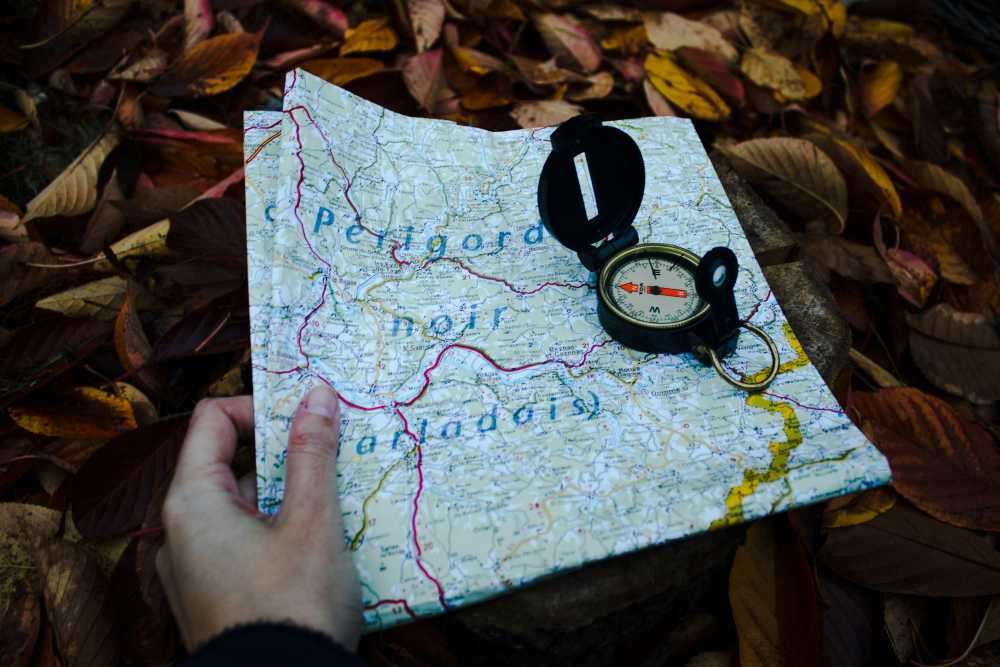
This is the foundation. It begins with a comprehensive audit of all your current monthly expenses. By carefully tracking your spending, you can identify non-essential areas to cut back and systematically redirect that money into your dedicated travel fund. This isn't about deprivation; it's about conscious spending aligned with your goals. The "Pay Yourself First" model is the key here, automating your savings to ensure you are consistently building your travel fund.
Pillar 2: Smart Spending - Making Every Dollar Count on the Road
Once you’re traveling, your strategy shifts from saving to smart allocation. This is where detailed budget breakdowns become your best friend, helping you track your daily spending and stay on target. It also means making conscious choices, like prioritizing street food over tourist-trap restaurants. For example, knowing the best local markets versus overpriced cafes in Chiang Mai can cut your food budget in half. It's this kind of granular, on-the-ground knowledge that can make or break your budget, which is why a detailed resource like our Thailand Travel Guide is invaluable for making smart spending decisions.
Pillar 3: Location Independence - Earning While You Explore
This is the advanced level of budget travel that allows for a truly sustainable lifestyle of exploration. The rise of the digital nomad and remote work has made it more possible than ever to earn an income without being tied to a single location. This could involve freelance work, online businesses, or negotiating a remote arrangement with your current employer. This pillar shifts the entire approach from "how long can my savings last?" to "how can I create a life where travel and work are seamlessly integrated?"
Frequently Asked Questions About Budget Travel
Even with the best blogs as guides, you might still have questions. Here are answers to some of the most common ones.

What's the single most effective savings strategy?
Overwhelmingly, the experts point to the "Pay Yourself First" model. Instead of saving what's left after your expenses, you treat your travel savings as a non-negotiable bill. Set up an automatic transfer from your checking account to a separate, high-yield savings account that's specifically for travel. Schedule it for the day you get paid. This automates your discipline and prioritizes your goal, ensuring you're always making progress.
Is it still possible to travel on a budget in 2026 with rising costs?
Absolutely. While it's true that some costs are rising, the core principles of budget travel are timeless. The key is to be strategic. This might mean choosing less expensive destinations, traveling in the shoulder season, or leaning more heavily on skills like travel hacking. The global travel market is projected to grow substantially, reaching $9 billion by 2032, which means more options and competition, often leading to better deals for savvy consumers. Your budget isn't just about how much you have, but how intelligently you use it.
Do I really need a travel rewards credit card?
While not strictly necessary, a good travel rewards card is one of the most powerful tools for reducing your biggest costs. If you pay your balance in full every month, you're essentially getting a discount on future travel for spending you were already going to do. The key is to find a card that offers high points on your biggest spending categories (like groceries or gas) and to be disciplined about paying it off. For a US-based traveler, it's one of the fastest ways to earn flights and hotel stays.
Your Journey Starts Now
The idea that travel is an expensive luxury is a myth. As these experts prove, traveling more is the result of a deliberate and strategic financial plan. It’s about shifting your mindset from one of scarcity to one of strategy, transforming from a passive dreamer into an active planner. You now have the resources and the core pillars of a successful budget travel system.

These incredible budget travel blogs are your mentors and your guidebooks. They provide the proven playbooks that have enabled thousands of people to see the world on their own terms. Your journey doesn't start when you board a plane; it starts today. Pick one blog from this list, read one of their key element articles, and implement just one savings strategy this week. That small, decisive action is the first step toward making your travel dreams your reality.
Meta Data Suggestions:
SEO Meta Title (59 characters): 8 Best Budget Travel Blogs to Help You Travel More in 2026
URL Slug: best-budget-travel-blogs
SEO Meta Description (154 characters): Stop dreaming and start planning. Discover the 8 best budget travel blogs that provide proven financial strategies to help you save money and travel the world.
Don't Miss Out! Subscribe for Exclusive Content
SubscribeComments 0
No comments yet
Be the first to share your experience!
Dont Miss Out! Subscribe for Exclusive Content

FTC Affiliate Disclosure Essentials: Stay Compliant as a Travel Creator

Essential Affiliate Tools: From Tracking to Full Optimization

Avoid These 5 Affiliate Landing Page Mistakes for Better Conversions

Affiliate Keyword Research Mastery for Travel Blogs

Booking.com Affiliate Program Review: Pros, Cons, and Earnings Potential

Decoding Affiliate Commission Rates: Benchmarks for Travel Creators
Solo Travel in the USA: 10 Incredible Itinerary Ideas
TrekGuider @trekguider
The sheer scale of the United States is both its greatest allure and its most intimidating feature. You see the photos and feel the pull—the sun-drenched coast of California, the majestic canyons of Zion, the vibrant rhythm of New Orleans. The dream of a great American adventure is powerful, but it’s often followed by a wave of logistical anxiety. How do you even begin to plan a trip across a country with such staggering diversity? You worry about the complexities of a solo road trip, the safety of hiking alone in vast national parks, and the overwhelming number of choices. The dream feels big, but the planning feels bigger, turning wanderlust into a source of stress.

This guide is your solution—the antidote to overwhelm. It’s a strategic blueprint designed to transform your dream of solo female travel USA into a confident, actionable plan. We’re moving beyond general advice to give you ten distinct, road-tested itinerary ideas, each packed with US-specific logistical tips to empower your journey. This isn't just about seeing the USA; it's about discovering its landscapes, its cultures, and your own boundless capability along the way. While this guide dives deep into American itineraries, your journey to becoming a confident globetrotter starts with the essentials we cover in our comprehensive pillar article, The Ultimate Guide to Solo Female Travel (15 Essential Tips).
The Call of the Open Road: Mastering USA Solo Trip Logistics
Before you pick a destination, it’s crucial to understand the unique challenges and opportunities of a US-based solo trip. Unlike Europe with its dense train networks, much of America is built around the automobile. Mastering a few key logistics is the first step to a smooth, safe, and stress-free adventure.
Navigating the Car Rental Maze
A solo road trip is an iconic journey of freedom, but it comes with specific hurdles.
One-Way Fees: Renting a car in one city and dropping it off in another almost always incurs a "drop charge." This fee can add hundreds of dollars to your cost. The most effective strategy is to plan your road trips as loops that begin and end in the same city. If a one-way trip is unavoidable, compare prices across multiple agencies and book as far in advance as possible.
Insurance Coverage: Car rental insurance is a common point of confusion. Before your trip, call both your personal auto insurance provider and your credit card company to get a clear, written explanation of your existing coverage. Many credit cards offer secondary rental car insurance, but understanding its limitations is key to avoiding the expensive Collision Damage Waiver (CDW) offered at the counter.
Finding Your Safe Haven: A Solo Traveler's Guide to Lodging
For a solo road tripper, finding lodging that is not only affordable but also safe matters most, especially when arriving in an unfamiliar town after dark.
Vet the Location Digitally: Before booking, use Google Maps and its Street View feature to visually inspect the hotel's neighborhood. Look for well-lit streets, a well-maintained area, and proximity to main roads. Be wary of motels with exterior-facing room doors in poorly lit areas.
Leverage Solo Traveler Reviews: On booking platforms, use the review filters to see feedback specifically from "solo travelers." Their comments often directly address feelings of safety and the suitability of the location for a person traveling alone.
Prioritize Interior Corridors: For roadside lodging, hotels with rooms that open onto an interior hallway are generally more secure than motels where every room door opens directly to the parking lot.
Book Your Next Stop in Advance: One of the biggest safety risks is arriving in a new town late at night with no reservation. Always book at least the next night's accommodation before you start your day's drive to avoid a stressful search in the dark.
Once you have your lodging strategy locked down, you can turn your attention from the nation’s highways to its wild heart: the National Parks. These breathtaking landscapes are central to many of the best solo female travel USA itineraries, but they demand a unique approach to safety.

Wild and Safe: Essential Protocols for National Park Adventures
Many of the best itineraries for solo female travel USA involve our stunning national parks. These wild spaces offer unparalleled solitude and beauty but require specific preparation distinct from urban travel.
Establish a Redundant Communication & Navigation Plan: Cell service in most national parks is unreliable at best and completely non-existent in most backcountry areas. Before you go, download offline maps of the entire region onto your phone using an app like Google Maps or AllTrails. As a critical backup, always carry a physical, waterproof map of the park and a compass, and know how to use them. For any remote travel, a satellite messaging device (like a Garmin inReach) is an essential piece of gear, allowing you to send "I'm okay" messages or trigger an SOS alert in a true emergency.
Inform a Ranger and a Friend of Your Itinerary: Leave a detailed copy of your itinerary with a trusted friend. Upon arriving at the park, make your first stop the visitor center. Speak with a ranger about your plans. They can provide invaluable, up-to-the-minute information on trail conditions, weather, and recent wildlife activity.
Adhere to Strict Wildlife Protocol: In bear country, carrying bear spray and knowing how to deploy it is non-negotiable. It's not a suggestion; it's essential safety equipment. Make consistent noise while hiking solo to avoid surprising an animal—talk aloud to yourself, sing, or attach a bear bell to your pack. Never store food or any scented items (including toiletries) in your tent; use designated bear-proof food lockers at campsites or a proper bear canister.
Your Ultimate Park Planning Tool
Ready to hit the trails with confidence? A solid plan is the key to a safe and unforgettable adventure in America's wild spaces. Our checklist covers everything from gear essentials to wildlife safety protocols, ensuring you're prepared for the trail ahead.
Download Your Free National Park Road Trip Checklist Here
10 Incredible Itineraries for Your Solo Female Travel USA Adventure
With the core logistics covered, it's time for the fun part: choosing your adventure. Each of these itineraries is designed with a solo traveler in mind, offering a perfect mix of exploration, safety, and unforgettable moments.

1. The Classic California Dream: Pacific Coast Highway
Best for: Scenery, Adventure, Photography
Duration: 5-7 Days
Route: San Francisco -> Carmel-by-the-Sea -> Big Sur -> Santa Barbara -> Los Angeles
This is the quintessential American road trip. Fly into San Francisco, rent a car (a convertible is worth the splurge!), and wind your way south on the dramatic coastal Highway 1. The drive itself is the destination, with countless turnoffs for breathtaking photos. As a solo traveler, you have the ultimate freedom to stop whenever a view strikes you. The route is well-traveled and has reliable cell service for most of its length, making it a very manageable and safe first solo road trip.
2. The New England Historical Tour
Best for: History, Culture, Walkability
Duration: 4-5 Days
Route: Boston with day trips to Salem and Concord/Lexington
For the history buff who’d rather trace Paul Revere’s ride on foot than battle Boston traffic, this car-free itinerary is a dream come true. Base yourself in Boston and spend a few days exploring the city's Freedom Trail and world-class museums. The city is compact and safe to navigate. Then, use the efficient and easy-to-use commuter rail for day trips. You can explore the infamous witch trials history in Salem or stand on the very ground where the American Revolution began in Concord and Lexington, all without the stress of driving or parking.
3. The Southern Culinary & Music Trail
Best for: Food, Music, Culture
Duration: 7 Days
Route: Nashville -> Memphis -> New Orleans
This road trip is a feast for the senses. Start in Nashville, the heart of country music, for live shows and legendary hot chicken. Drive to Memphis to experience the raw, soulful blues on Beale Street and pay homage to The King at Graceland. End your journey in New Orleans, where the air is thick with the sounds of jazz and the scent of Creole cuisine. These cities are incredibly welcoming, and sitting alone at a bar to listen to music is a common and celebrated activity.
4. The Southwest National Parks Loop
Best for: Nature, Hiking, Epic Landscapes
Duration: 7-10 Days
Route: Las Vegas -> Zion National Park -> Bryce Canyon National Park -> Grand Canyon -> Las Vegas
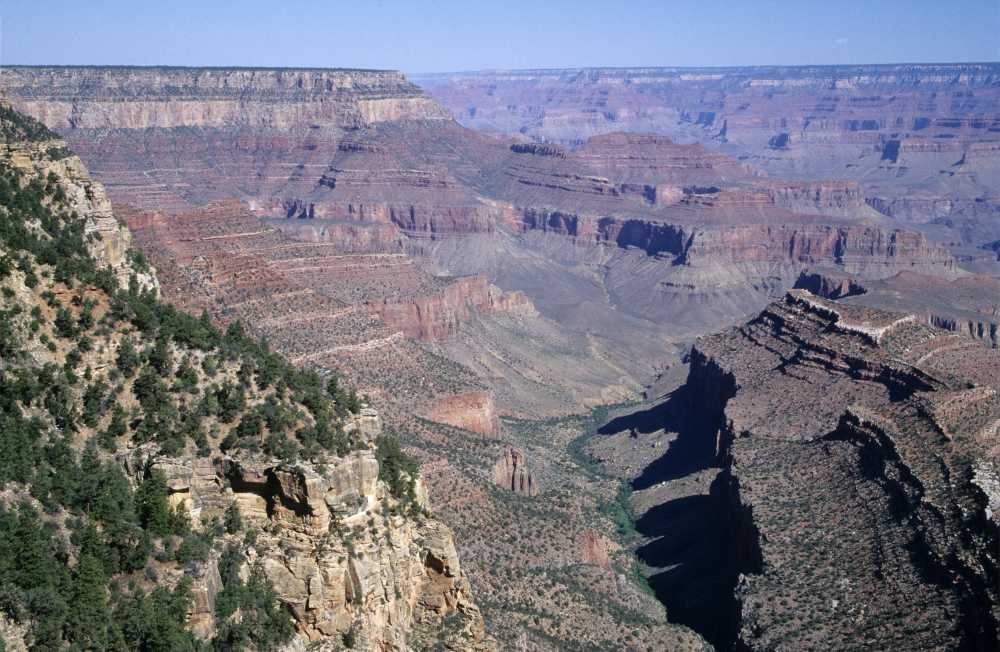
This is an epic loop for the avid hiker. Fly into Las Vegas (a cheap flight hub), rent a car, and prepare to be awestruck. The proximity of these three iconic parks makes for a visually stunning and logistically manageable itinerary. From the majestic canyon hikes in Zion to the otherworldly hoodoos of Bryce Canyon and the sheer scale of the Grand Canyon, this trip offers profound moments of solitude in nature.

Pro-Tip: National Park lodging books up almost a year in advance. If you can't get a room inside the park, look for accommodations in nearby gateway towns like Springdale (for Zion) or Tusayan (for the Grand Canyon).
5. The Rocky Mountain High
Best for: Outdoor Adventure, Wellness
Duration: 4-5 Days
Route: Base in Boulder, Colorado, with a day trip to Rocky Mountain National Park
Combine a vibrant, safe, and progressive city with majestic mountain scenery. Base yourself in Boulder, a city known for its wellness culture and pedestrian-friendly Pearl Street Mall. Spend your days hiking the iconic Flatirons that form the city's backdrop. Then, take an easy and scenic day trip into the heart of the Rockies to drive the Trail Ridge Road (in summer) and spot wildlife in Rocky Mountain National Park.
6. The Florida Keys Escape
Best for: Relaxation, Beaches, Scenery
Duration: 5 Days
Route: Miami -> Key Largo -> Islamorada -> Key West
For a laid-back trip focused on decompressing, this is paradise. Fly into Miami, rent that convertible, and drive the scenic Overseas Highway down to the continental USA's southernmost point. The journey is the experience, with endless opportunities to stop for snorkeling in Key Largo, fresh seafood in Islamorada, and a slice of key lime pie anywhere you can find it. The Keys have a unique, relaxed, and safe culture perfect for unwinding solo.
7. The Pacific Northwest Vibe
Best for: Urban Exploration, Nature, Food
Duration: 6 Days
Route: Portland, Oregon -> Seattle, Washington
Experience two of America's most unique cities in one car-free trip. Start in Portland, exploring its incredible food cart scene, wandering through Powell's City of Books, and soaking in its quirky, independent vibe. Then, take a scenic and comfortable 3-hour Amtrak train ride to Seattle. Explore the famous Pike Place Market, the original Starbucks, and the beautiful waterfront. Both cities are surrounded by nature, offering easy escapes for a hike.
8. The Charleston & Savannah Southern Charm
Best for: Architecture, Food, History
Duration: 5-6 Days
Route: Charleston, South Carolina -> Savannah, Georgia
Immerse yourself in the beauty and history of the Old South. Start in Charleston, exploring its acclaimed culinary scene, fine art galleries, and historic cobblestone streets. Then take a short 2-hour drive to Savannah to wander its famous, moss-draped squares and explore the historic riverfront. Both cities are incredibly walkable and renowned for their hospitality, making them a comfortable and enchanting solo trip.

Pro-Tip: The best way to get your bearings and learn the rich history of these cities is by joining a walking tour on your first day. It's also a low-pressure way to chat with other travelers.
9. The Arizona Wellness & Spirituality Retreat
Best for: Wellness, Scenery, Relaxation
Duration: 4 Days
Route: Base in Sedona, Arizona
This itinerary is less about doing and more about being. Sedona is world-renowned for its stunning red rock landscapes, which many believe are centers of spiritual energy called vortexes. This trip is focused on rejuvenation. Plan for spa treatments, gentle hikes among the red rocks, yoga classes, and exploring the town's vibrant new-age community. It's the perfect destination to reconnect with yourself in a serene and stunningly beautiful environment.
10. The Chicago Architectural Immersion
Best for: Urban Exploration, Arts, Architecture
Duration: 4 Days
Route: Base in Chicago, Illinois
For the city lover, this is a deep dive into one of America's greatest urban centers. This itinerary is built around Chicago's world-class architecture. An absolute must-do is the Chicago Architecture Center River Cruise. Spend your days visiting Frank Lloyd Wright's homes, exploring Millennium Park, and visiting world-class museums like the Art Institute of Chicago. In the evenings, you can catch a show in the Theater District or listen to live music at a legendary blues club.

Frequently Asked Questions for a USA Solo Trip
Even the most prepared traveler has questions. Here are answers to some of the most common concerns for a solo trip in the States.
What's the best way to stay safe on a solo US road trip?
Safety is about preparation and awareness. Always share your detailed itinerary with a friend. For your car, have a roadside emergency kit and know your rental company's assistance number. When driving, stick to main highways and well-lit gas stations, especially at night. In your lodging, always use the deadbolt and chain lock. Above all, trust your intuition—if a place or situation feels wrong, leave immediately.
Is it expensive to travel solo in the USA?
It can be, but it doesn't have to be. The biggest costs are lodging and transportation. Save money by planning loop road trips to avoid one-way car rental fees, staying in well-reviewed budget hotels or private rooms in hostels, and preparing your own meals. Visiting national parks is very affordable; an annual "America the Beautiful" pass is just $80 and grants access to all of them. To get an idea of real-world costs, check out the itineraries and guides published by other solo travelers on the TrekGuider platform for real-world budget examples.
How do I handle long, lonely driving days?
Embrace the solitude! This is your time. Create an epic playlist or download a queue of fascinating podcasts and audiobooks. Plan interesting stops along your route—a quirky roadside attraction, a scenic overlook, a local diner—to break up the drive. A long driving day is less about endurance and more about curating a perfect personal experience.
Are there good alternatives to driving for solo travel in the US?
Yes! While not as comprehensive as in Europe, the US has options. Amtrak train routes offer scenic journeys, especially on routes like the California Zephyr (Chicago to San Francisco) or the Pacific Surfliner. For travel between major cities on the East Coast (e.g., Boston, NYC, D.C.), the train is often faster and more convenient than flying. For long distances, combining flights with ride-shares in your destination city is also a great car-free strategy.
Your Journey Awaits
The United States offers a vast and rewarding landscape for the solo female traveler. It’s a country built for the open road, for discovery, and for the kind of freedom that can only be found when you are the sole captain of your journey. With these ten incredible itinerary ideas and the logistical know-how to tackle them, your dream of a great American adventure is no longer an intimidating fantasy—it’s a plan waiting to be executed. The confidence and self-reliance you build on a solo female travel USA trip will last a lifetime. The open road is calling.
For even more detailed planning on destinations around the globe, explore our collection of expert-written Travel Guide resources.
Meta Data Suggestions:
SEO Meta Title (58 characters): Solo Travel USA: 10 Epic Itinerary Ideas for 2026
URL Slug: solo-female-travel-usa-itinerary-ideas
SEO Meta Description (154 characters): Planning a solo female travel USA adventure? Discover 10 incredible, safe, and unforgettable itinerary ideas, from epic national park road trips to city escapes.
Don't Miss Out! Subscribe for Exclusive Content
SubscribeComments 0
No comments yet
Be the first to share your experience!
Dont Miss Out! Subscribe for Exclusive Content
San Francisco Cherry Blossoms: A Local's Guide to the Blooms
Halloween SF: Haunts Without Horrors
SF Festivals: 7 Must-See Lineups
Christmas SF: Lights & Wharf Wonders
SF Pride: 6 Route & Party Hacks